Archaeologist’s discovery reveals secrets of how Romans built Pompeii

Experts made the remarkable discovery after they discovered an unfinished construction

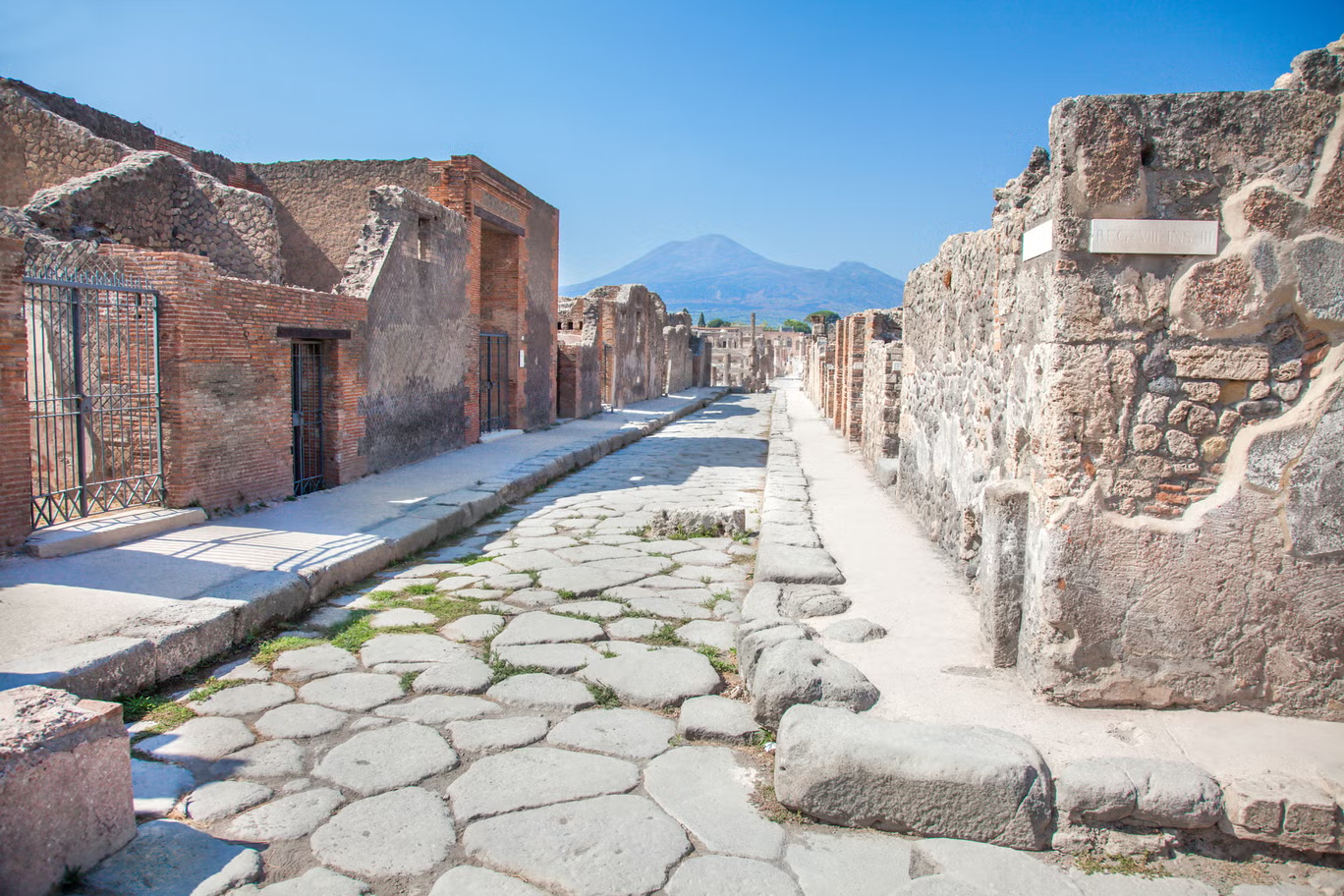
Scientists working at the ancient Roman city of Pompeii have revealed a construction site preserved exactly as it was when Mount Vesuvius erupted in 79 AD, offering an extraordinary glimpse into the production of Roman concrete, famed for its durability and self-repairing properties.

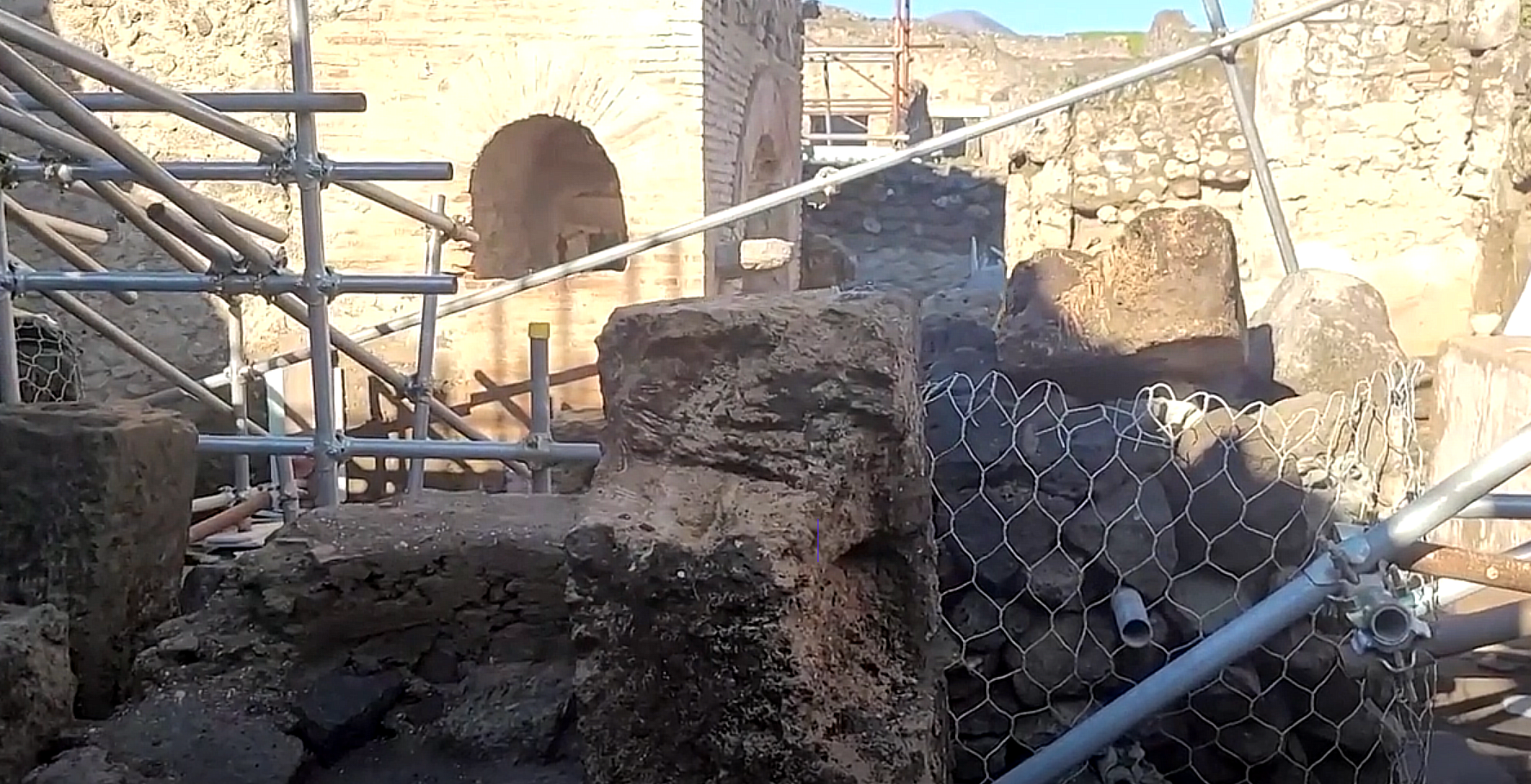
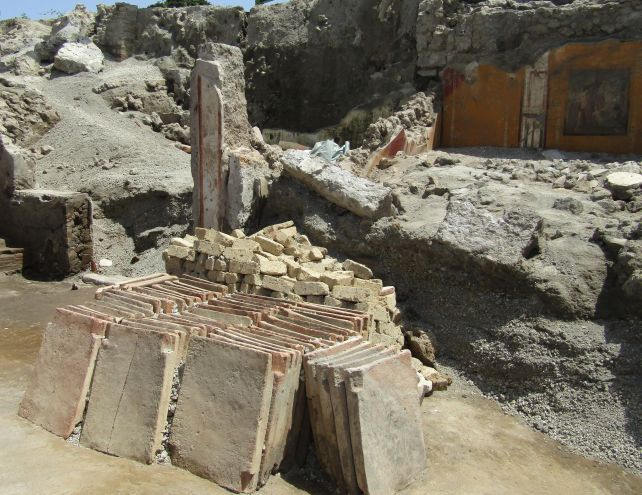
The excavation exposes a building project that was suddenly interrupted by the volcanic disaster. Researchers discovered rooms with partially built walls, stacks of premixed dry materials, and measuring tools, all arranged for the preparation of concrete.

“Examining the site felt like stepping back in time, standing alongside the workers as they mixed and applied their concrete,” said Admir Masic, a professor of civil and environmental engineering at the Massachusetts Institute of Technology and lead author of the study published in Nature Communications.

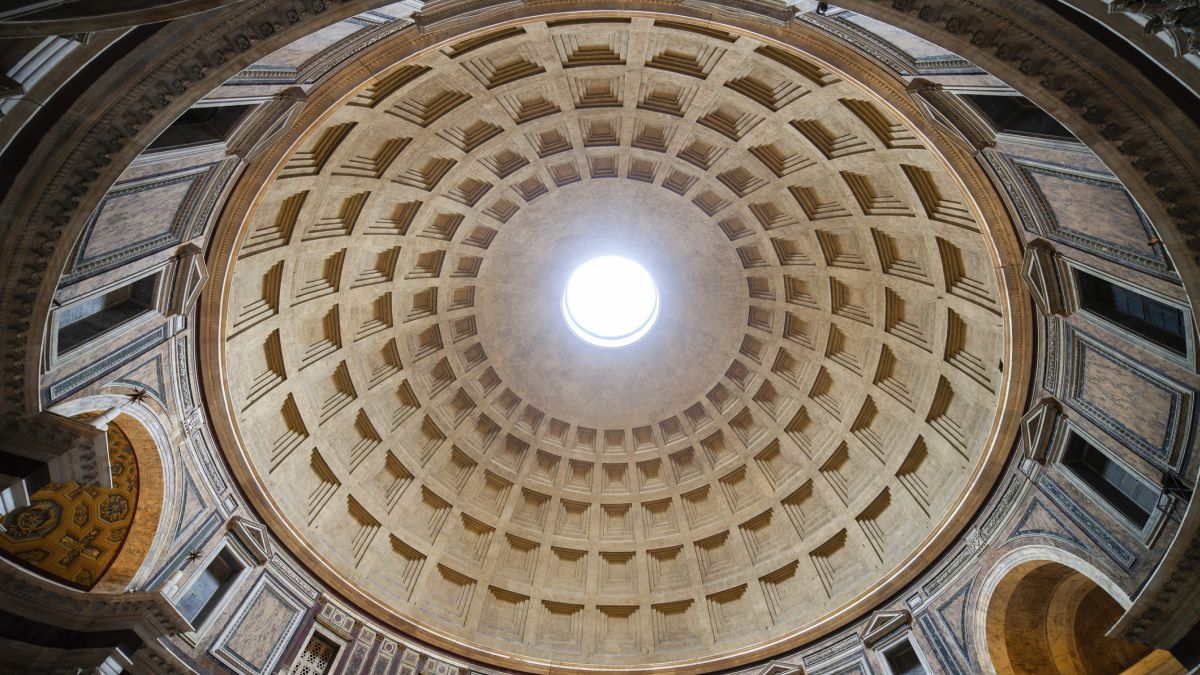
Roman concrete was a cornerstone of architecture, enabling the construction of iconic structures such as the Colosseum, the Pantheon, public baths, aqueducts, and bridges—engineering achievements unmatched in their era. Its ability to set underwater made it particularly essential for harbors, piers, and breakwaters.

The exact techniques used by the Romans had long been debated, and recent archaeological evidence is now challenging the instructions described in the 1st-century BCE architectural treatise by Vitruvius.

The Pompeii excavation revealed that the Romans employed a method called “hot mixing,” in which quicklime a form of dry limestone that has been heated is combined directly with water and a mixture of volcanic rock and ash. This reaction naturally raises the temperature of the mixture, a process that differs from the slaked-lime technique described by Vitruvius about a century earlier.

“Pompeii preserves buildings, materials, and even work in progress exactly as they were at the moment of the eruption. Unlike finished structures, which have endured centuries of repairs or weathering, this site captures the construction process as it happened,” explained Admir Masic, a professor of civil and environmental engineering at MIT. “For studying ancient technologies, nothing else compares. Its preservation offers a true snapshot of Roman building practices in action.”

The building under construction included domestic rooms alongside a functioning bakery, complete with ovens, grain-washing basins, and storage areas. Findings from the site indicated that Vitruvius’ method of using slaked lime was not applied in wall construction, suggesting it may have been outdated by the time this Pompeii project was underway.

“Consider how 100 years can transform technology. It’s similar to early telephones in the 1920s and 30s using rotary dialing and copper lines versus today’s smartphones with wireless digital networks,” Masic remarked.

The hot-mixing approach contributed to the concrete’s self-healing ability, allowing cracks to repair themselves chemically. This occurs because the concrete contains white remnants of lime, called lime clasts, which can dissolve and recrystallize when water enters cracks, sealing them naturally.

Romans industrialized concrete beginning in the 1st centuries BCE and CE. “This innovation allowed builders to construct enormous monolithic structures, complex vaults and domes, and harbors with underwater-curing concrete. Concrete fundamentally changed the scale and design of cities and infrastructure,” Masic said.

The new insights into Roman concrete may have applications for modern architecture. “Contemporary concrete generally lacks self-healing properties, which are increasingly important for durable, low-maintenance infrastructure. While the ancient process isn’t a direct replacement for modern standards, the principles we’ve uncovered can guide the design of next-generation, long-lasting, low-carbon concretes,” he added.

The civil war that vanished

In Barcelona, key sites from the fight against Franco remain, but their memory has been wiped clean

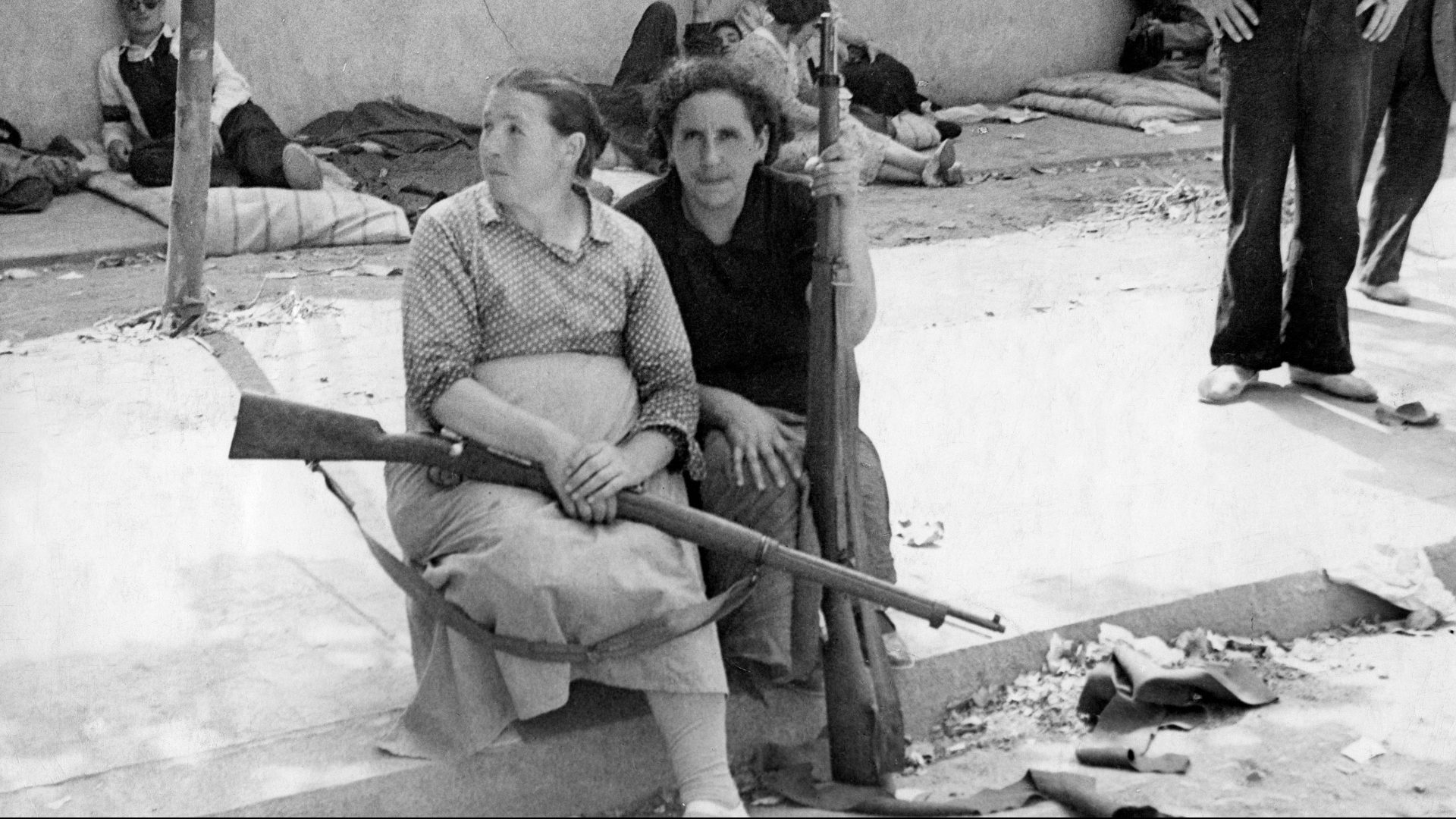
Women republican soldiers armed with rifles in the streets of Barcelona at the beginning of the Spanish civil war in 1936.

Research and Inspiration in Barcelona

  • The author visited Barcelona to research their novel The Room of Lost Steps, set during the Spanish Civil War.

  • The goal was to experience locations where street fighting and revolutionary events unfolded after the army rebellion in July 1936.

  • Many historic buildings still existed but gave no visible hint of past violence, creating a sense of uncovering a hidden past.

Historical Sites and Revolutionary Events:

  • Moulin Rouge (Parallel Boulevard): Converted into the People’s Tribunal by Anarchists; judges handed down death sentences reminiscent of the French Revolution.

  • Carmelite Monastery & Churches: Rebuilt since the war; exterior shows no trace of past atrocities.

  • Hotel Colón & Plaça de Catalunya: The hotel became a Communist Party headquarters post-revolution; the square was a battleground during the coup attempt.

  • Montjuïc Castle & Güell Palace: Key sites for secret prisons (“chekas”) and violent confrontations.

Novel’s Plot Highlights:

  • Theo Sterling: Young hero witnesses the collapse of revolutionary ideals, faces moral dilemmas as communists infiltrate the city.

  • Conflict: Theo becomes an interpreter aiding those he once supported, highlighting the betrayal and complexity of wartime loyalties.

  • Street Battles: Cobblestones used to build barricades; soldiers evacuated under anarchist pressure.

  • Brutality: Scenes depict mass killings, smoke bomb attacks, and symbolic displays of desecrated corpses.

Nordic Recovery Secrets: How Viking-Era Wellness Boosts Modern Training

Scandinavian wellness is trending for a reason—Viking-era recovery methods work. Here's a deep dive into three unusual yet highly effective techniques to optimize your post-workout recovery.

Recovery has become a booming industry, filled with pulsing boots, buzzing wearables, and high-tech chambers that promise rapid healing. Yet many people still wake up sore, and research shows that most users lose interest in these gadgets before they can even be effective. Instead of true rest, we often chase constant optimization. As a runner and skier who depends on recovery, I decided to look back at one of the oldest sources of restoration traditional Nordic practices, especially those rooted in Viking life.

This overview explores three major Viking-inspired recovery habits: hot-cold sauna routines, a diet centered on fish and fermented dairy, and a segmented sleeping pattern. No devices, no supplements just practices that once supported survival.

Recovery Was Essential for Viking Survival

Viking life was intensely physical. A 2009 excavation at Ridgeway Hill in Dorset uncovered a mass grave of Scandinavian Vikings from the 10th–11th centuries, showing clear signs of violent deaths. Combat was constant, exhausting, and far from recreational.

Travel was equally demanding. Crews rowed long distances on ships like the Oseberg, enduring freezing spray and hours of nonstop effort. Beyond sailing and raiding, daily life required farming, building, and hauling heavy materials. Recovery wasn’t for athletic performance—it was necessary to stay alive.

Nordic Sauna and Cold Plunge Traditions

Although the Vikings left no written sauna guides, their descendants carried the tradition forward. Today, Finland alone has around 3 million saunas. Cultural sources like Valo Finland describe the classic cycle: intense heat followed by a plunge into icy water or snow. This hot-cold method was used for renewal, resilience, and communal bonding, blending health benefits with cultural ritual.

A Diet Built for Strength: Fish and Fermented Dairy

Viking nutrition focused on energy-dense foods that supported long days of labor. Their diet included plenty of fish, berries, grains, and especially fermented dairy. One of the best-known examples is Skyr, an Icelandic yogurt-like product with centuries-old origins. High in protein and easy to digest, it provided steady fuel for demanding work.

Modern research supports these foods too. Milk can reduce soreness and improve hydration after workouts. Studies also show Greek yogurt—similar to Skyr—can lower inflammation during strength training. Cottage cheese is another effective post-exercise option. Omega-3-rich fish such as mackerel, salmon, and herring help decrease inflammation and delay muscle soreness.

Segmented and Upright Sleep Patterns

Historian Roger Ekirch notes that, for much of history, people naturally slept in two phases: a “first sleep” after sunset, followed by waking around midnight for quiet tasks, then a “second sleep” until morning. Viking-age Icelandic homes likely supported this pattern. In the baðstofa, a large communal living space, dozens of people shared benches that doubled as beds. Space was tight, so some chose to sleep upright.

Today, segmented sleep still appears in habits like daytime naps, which can improve cognitive function. Sleeping upright long-term isn’t ideal, but a recliner can offer a similar position more comfortably.

What Viking Recovery Can Teach Us

These practices sauna heat, cold exposure, simple protein-rich foods, and flexible sleep aren’t revolutionary, but they require intention. Viking-inspired recovery emphasizes slowing down, nourishing the body, and resting in ways that support real restoration. Sometimes, simplicity is the most effective method of all.

Pompeii building site reveals how the Romans made concrete

Excavations of a workshop that was buried in Pompeii almost 2000 years ago have given archaeologists unique insights into Roman construction techniques and the longevity of the empire’s concrete

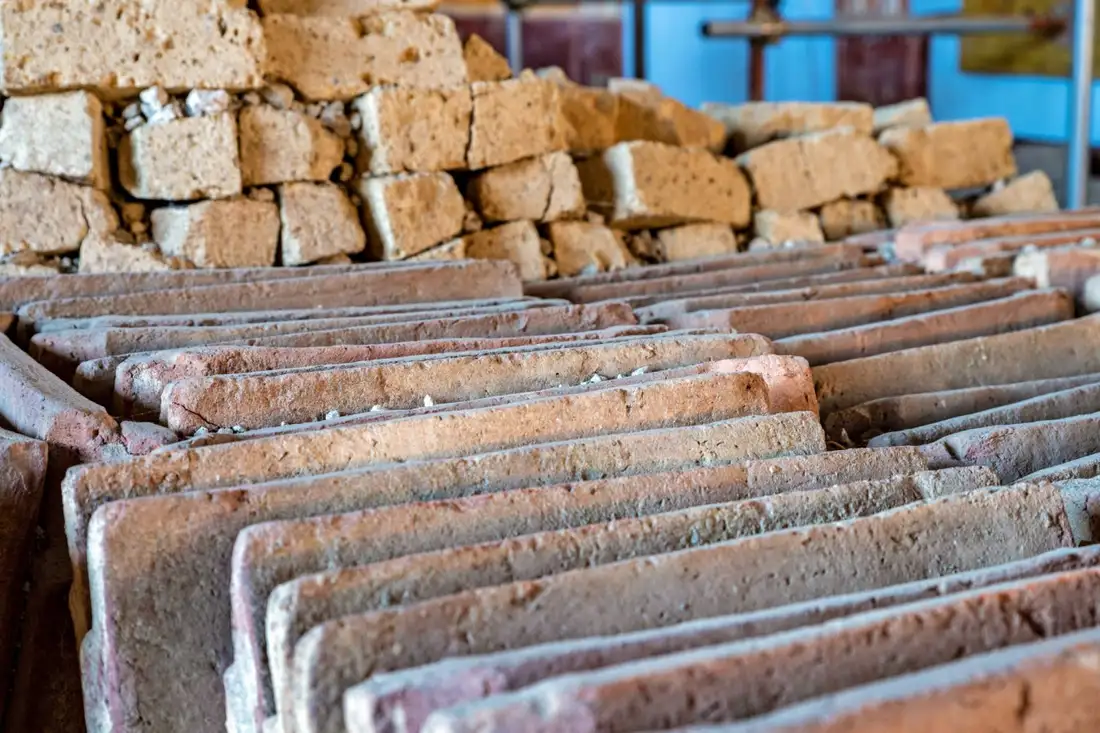
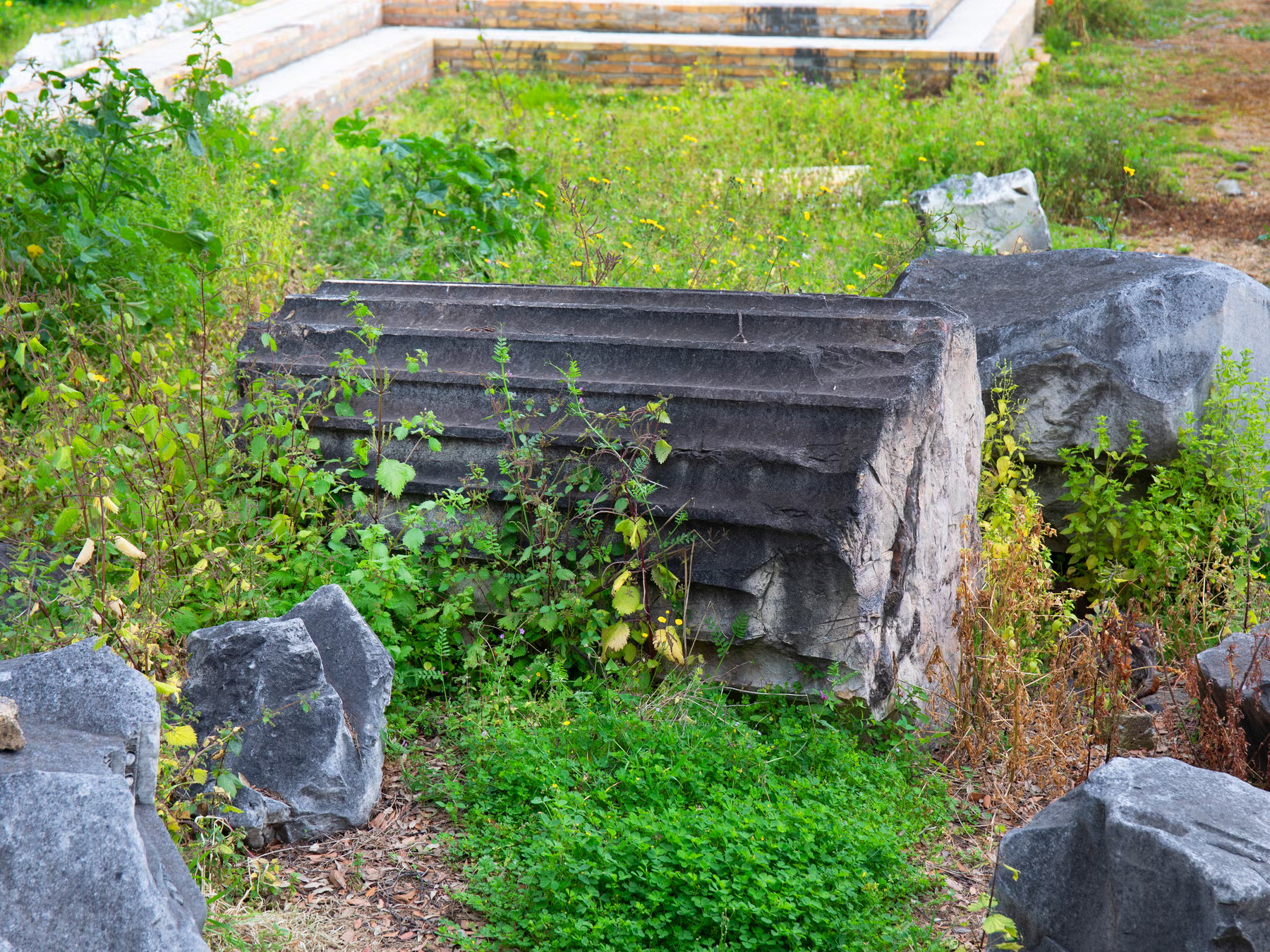
Ceramic roof tiles and tuff blocks excavated at an ancient building site in Pompeii

Ancient Pompeii Workshop Reveals True Secrets of Roman Concrete

A newly uncovered construction site in Pompeii preserved in astonishing detail after the catastrophic eruption of Mount Vesuvius has given archaeologists their clearest insight yet into how the Romans made their famously durable concrete. This discovery, frozen at the very moment workers were preparing their materials in AD 79, has allowed researchers to study Roman construction methods with a level of accuracy that has never been possible before.

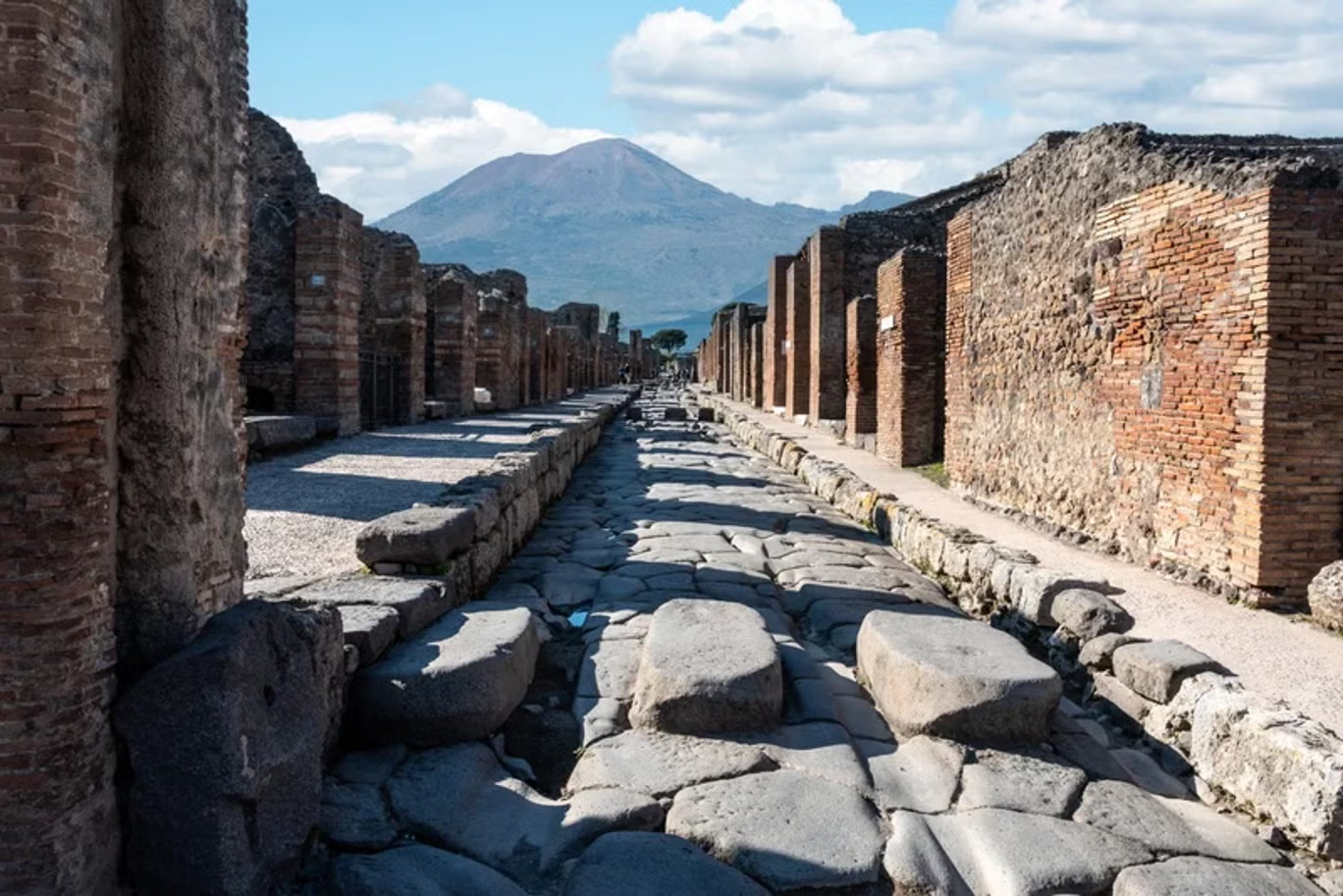
Pompeii, located near modern-day Naples in southern Italy, was buried under meters of volcanic ash and debris when Vesuvius erupted. Much of the city remained sealed for nearly two thousand years, creating a time capsule of Roman daily life. Although the building site in question was first noticed in the 1880s, excavations halted for more than a century. Work only resumed in early 2023 as part of a large, renewed archaeological effort focused on areas previously left unexplored.

What archaeologists uncovered exceeded all expectations: a nearly untouched concrete workshop, preserved exactly as the ancient builders left it the day the eruption occurred. The room still contained piles of raw materials, construction tools, and even scribbled markings on the walls that listed work schedules, ingredient measurements, and instructions for mixing. The site included trays of quicklime, reused roof tiles waiting to be crushed, and scattered evidence of in-progress construction.

For Admir Masic of the Massachusetts Institute of Technology, the preservation was nothing short of extraordinary. He described the experience as if he and his team had stepped into a living Roman workshop moments after the workers walked away.

“The materials were exactly as they were at the moment the eruption froze the city in time,” Masic explains. “Studying it truly felt as if I had travelled back to 79 CE and was standing beside the workers as they mixed and placed their concrete.”

Challenging Long-Held Beliefs About Roman Concrete

For centuries, historians and scientists believed that Romans made concrete using slaked lime, or calcium hydroxide. Ancient texts seemed to support this view, describing how lime was mixed with water to create a paste before other ingredients like volcanic ash were added.

However, the newly discovered workshop overturned this assumption.

Chemical analysis of the dry, untouched piles of material found in the workshop revealed something unexpected: the Romans were not using slaked lime for structural concrete. Instead, they relied on quicklime (calcium oxide) and a technique known as hot mixing.

In this method, workers mixed quicklime directly with dry ingredients such as volcanic ash or a mineral additive before introducing water. When water finally contacted the quicklime, a strong chemical reaction occurred, producing significant heat. This not only accelerated the curing process but also changed the internal structure of the concrete.

According to Masic, this technique appears to have been central to the remarkable longevity of Roman buildings many of which have survived earthquakes, erosion, and centuries of wear.

Why Hot-Mixed Concrete Worked So Well

One surprising discovery was the presence of lime clasts mall, unmixed fragments of lime—embedded throughout the hardened concrete. Rather than being a flaw, these clasts played a crucial role in the material’s long-term durability.

“As the structure ages,” Masic explains, “these lime clasts slowly dissolve and recrystallize within tiny cracks and pores. They essentially act as built-in repair units.” When moisture or stress forces create microcracks, calcium-rich material flows into the gaps and naturally seals them, strengthening the concrete from within.

This built-in self-healing system is one reason why ancient piers, aqueducts, domes, and foundations have survived for nearly two millennia—often outlasting modern concrete structures by centuries.

In contrast, slaked lime appears to have been used mainly for plastering, mortars, and finishing surfaces areas where smooth texture, spreadability, and fine application were more important than structural strength.

A Craft Frozen in Time

Beyond the scientific discoveries, the workshop provided a rare, emotionally powerful window into ancient craftsmanship. The tools, materials, and layout were familiar enough that, as Masic remarked, a modern construction worker could walk into the space and understand exactly what to do.

“The chemistry is ancient,” he says, “but the craft is recognisable.”

The finding underscores just how advanced Roman engineering was and how their innovations continue to surpass many modern building techniques. With this discovery, researchers now have a more accurate and complete understanding of Roman concrete, potentially inspiring new, longer-lasting construction methods today.