If Mount Vesuvius Erupted in August, Why Were Pompeii Victims Wearing Heavy Wool Garments?

New research finds that at least four individuals who died in the eruption were wearing woolen tunics and cloaks, which raises questions about the presumed date of the famous catastrophe

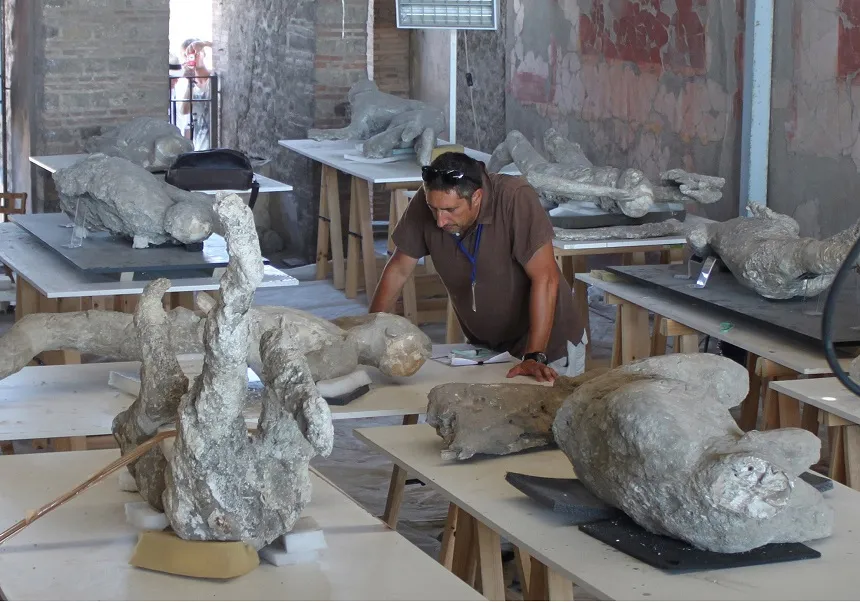
Llorenç Alapont, an archaeologist at the University of Valencia, led the recent research on plaster casts of Pompeii victims.

The late August eruption date stems largely from letters written by Pliny the Younger. The Roman author and administrator witnessed the disaster as a teenager but did not write about it for roughly 30 years. In letters to Tacitus, a Roman historian and politician, Pliny the Younger wrote that the eruption took place on August 24.

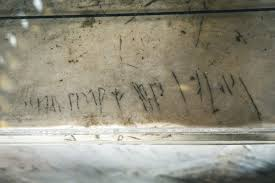
However, the date is still a source of debate. Some scholars point to seemingly contradictory evidence discovered at the site, including fruits that would have only been available in the fall, wine fermenting in clay vessels and a fragile inscription dated to mid-October.

This is not the first time researchers have discovered evidence that suggests victims were wearing wool clothing during their final hours on earth. In 2020, archaeologists found the remains of two men who appear to have survived the initial eruption but died during a second blast the next day. Plaster casts revealed that one of the men was likely wearing a woolen cloak, while the other was probably wearing a short, pleated tunic.

Researchers have now made more than 100 plaster casts of Pompeii victims, using a technique developed by Italian archaeologist Giuseppe Fiorelli in the mid-19th century.

“It is impossible to see those deformed figures, and not feel moved,” wrote Italian author Luigi Settembrini in 1863, according to the Pompeii Archaeological Park. “They have been dead for 18 centuries, but they are human beings seen in their agony. This is not art, it is not imitation; these are their bones, the remains of their flesh and their clothes mixed with plaster. It is the pain of death that takes on body and form.”

Surprising face of 1.5M-year-old Homo erectus sheds new light on early human diversity

Digital reconstruction of Ethiopian fossil shows a mix of primitive, classic features, says research team

ISTANBUL

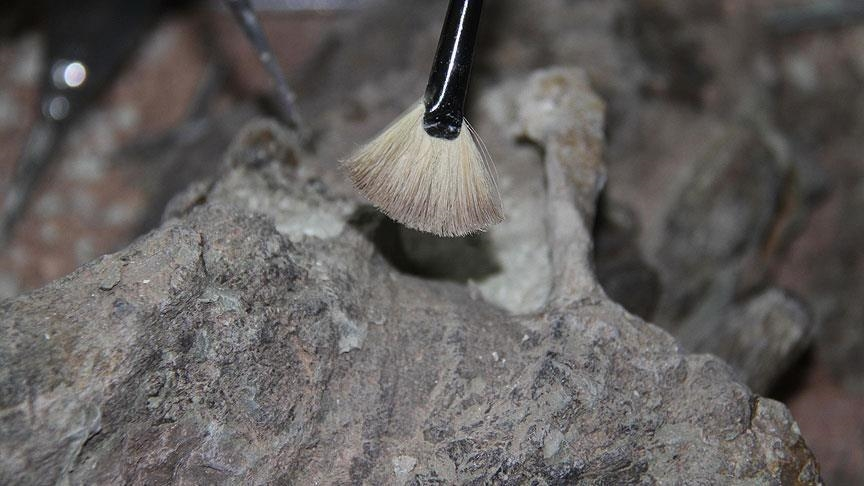
Scientists have digitally reconstructed the face of a 1.5-million-year-old Homo erectus fossil from Ethiopia, revealing unexpectedly primitive features that challenge previous ideas about early human evolution.
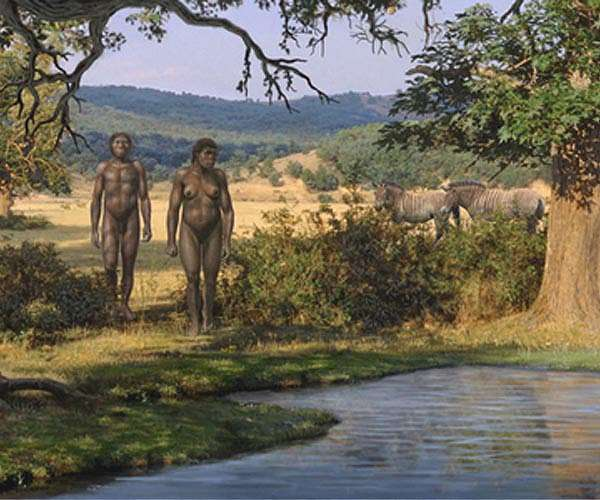
The fossil, designated DAN5, was uncovered at the Gona site in Ethiopia’s Afar region and is estimated to be around 1.5 to 1.6 million years old, according to a study published Tuesday in Nature.

An international team led by paleoanthropologist Karen Baab of Midwestern University in Illinois used advanced 3D imaging to reconstruct the individual’s face by combining preserved facial fragments with a previously described braincase.

The reconstruction reveals a surprising combination of traits. While the braincase aligns with classic Homo erectus features, the face and teeth appear much more primitive, resembling earlier human ancestors. This mix suggests that early Homo erectus populations in Africa were more anatomically diverse than previously believed.

Scientists say the findings raise new questions about the origins and evolutionary history of Homo erectus. The primitive facial characteristics may indicate that some African populations retained ancestral traits long after the species began spreading across the continent and into Eurasia.

The study also emphasizes the importance of Ethiopia’s Gona region, which has produced some of the oldest hominin fossils and stone tools ever discovered. The DAN5 individual is associated with both simple Oldowan tools and early Acheulian handaxes, demonstrating early humans’ technological flexibility and adaptability.

This reconstruction provides a rare window into the variability and complexity of Homo erectus, offering new insights into how early human populations evolved and interacted with their environments.

Archaeologists Found Ancient Roman Artifacts From a City That Never Existed

A site in Switzerland contained evidence of an administrative center that was part of a bigger plan to build a urban center that never came to fruition.
Grant Faint

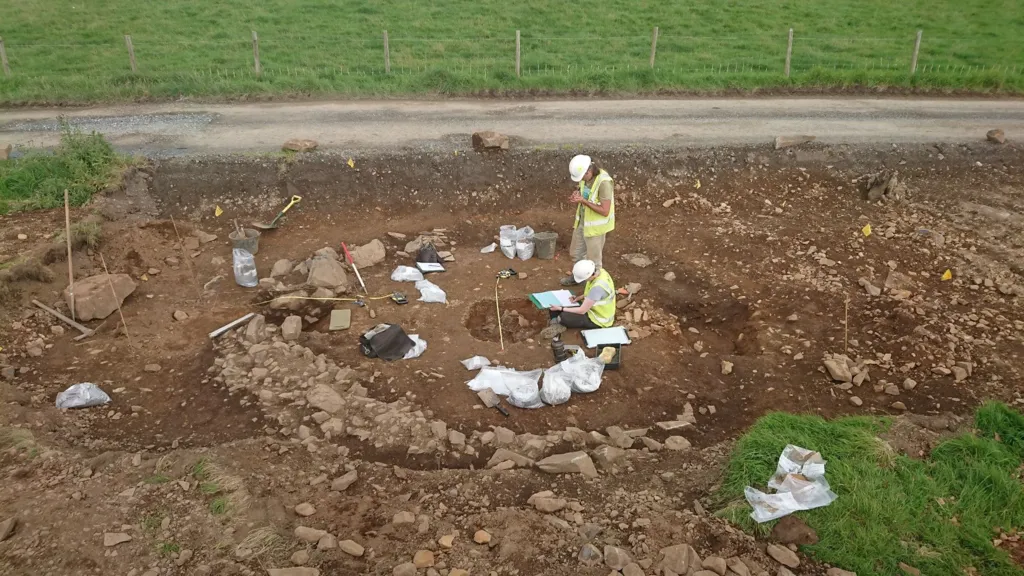
Archaeologists have revealed evidence of a previously unknown Roman-era administrative settlement near the Limmat River in Gebenstorf, Switzerland, shedding light on what could have become a major urban center in northern Switzerland during the late first century C.E. Experts believe the settlement was strategically planned to serve as a hub for trade, commerce, and administrative record-keeping, forming part of a larger vision to establish a fully functioning Roman city.

During a 14-month excavation, archaeologists unearthed over 1,600 artifacts, providing a detailed picture of the site’s intended function. These included 137 coins, specialized weights, a stylus, and a folding ruler—all items associated with trade, measurement, and record-keeping—demonstrating the settlement’s organized economic and bureaucratic activity. The presence of these objects suggests that the settlement was not merely a temporary trading post but a carefully structured administrative center.
Although the urban center was never completed, the findings indicate significant planning and ambition on the part of Roman authorities. The arrangement of the site, alongside the artifacts, shows that northern Switzerland was on the cusp of hosting an important political and economic hub, one that would have integrated commerce, administration, and urban life under Roman governance.

Researchers believe the abandonment of the project may have been influenced by broader political, economic, or environmental factors, leaving the settlement as an unfinished vision rather than a thriving city. Nonetheless, the site offers a rare glimpse into Roman urban planning, economic strategies, and administrative practices beyond the core regions of the Empire. It highlights how northern Switzerland was closely connected to Roman trade networks and underscores the potential the area had for urban development in the first century C.E.

This discovery not only enriches understanding of Roman expansion in the region but also provides invaluable insight into the organizational and commercial systems that underpinned the Empire. The artifacts and layout of the site contribute to a clearer picture of how Romans approached city planning, trade regulation, and bureaucratic administration in frontier areas, demonstrating the Empire’s reach and ambition even in areas that never fully developed into major cities.

The 12 Zodiac Signs That Climbed Mountains and Crossed Seas to Reach Ancient China

Archaeological evidence shows that the 12 astronomical signs at one point entered China, a journey that would eventually include them in religious art and beyond.

However, by the time images of the 12 astronomical zodiac signs appeared, China had already developed its own distinct tradition of measuring astral phenomena, which used the 28 lunar mansions — segments of the equator that measured the paths of the sun, moon, and five planets traveling across the night sky. Unlike practices in Europe and Central and West Asia, China’s system divided the 28 lunar mansions into four groups for the cardinal directions, each corresponding to a divine animal: the Azure Dragon of the East, the Vermilion Bird of the South, the White Tiger of the West, and the Black Tortoise of the North.

The difference between the systems is significant. In the Chinese constellation system, the 28 lunar mansions vary greatly in width, while the zodiac constellations were equally divided into the 12 signs, each occupying exactly 30 degrees. Even though some of the 28 lunar mansions such as Fang (Room), Xin (Heart), Wei (Tail) overlapped with portions of Scorpio, they were ultimately distinct systems of celestial knowledge, belonging to different cultural traditions.

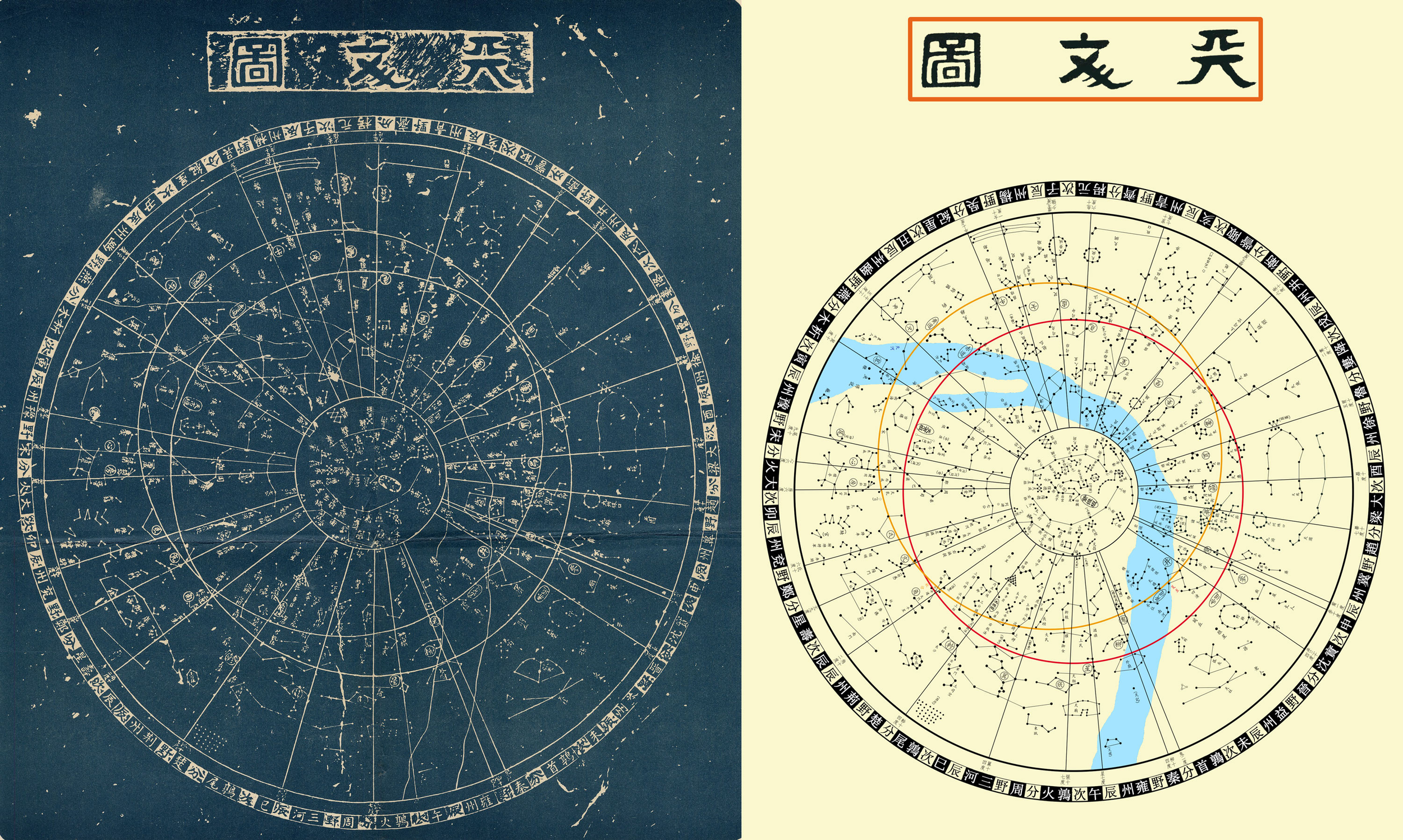
Left: A rubbing of “Astronomical Chart,” drawn 1190, engraved 1247, Suzhou, Jiangsu province. From the public domain; Right: A digital facsimile by Chen Zhihui, 2022.

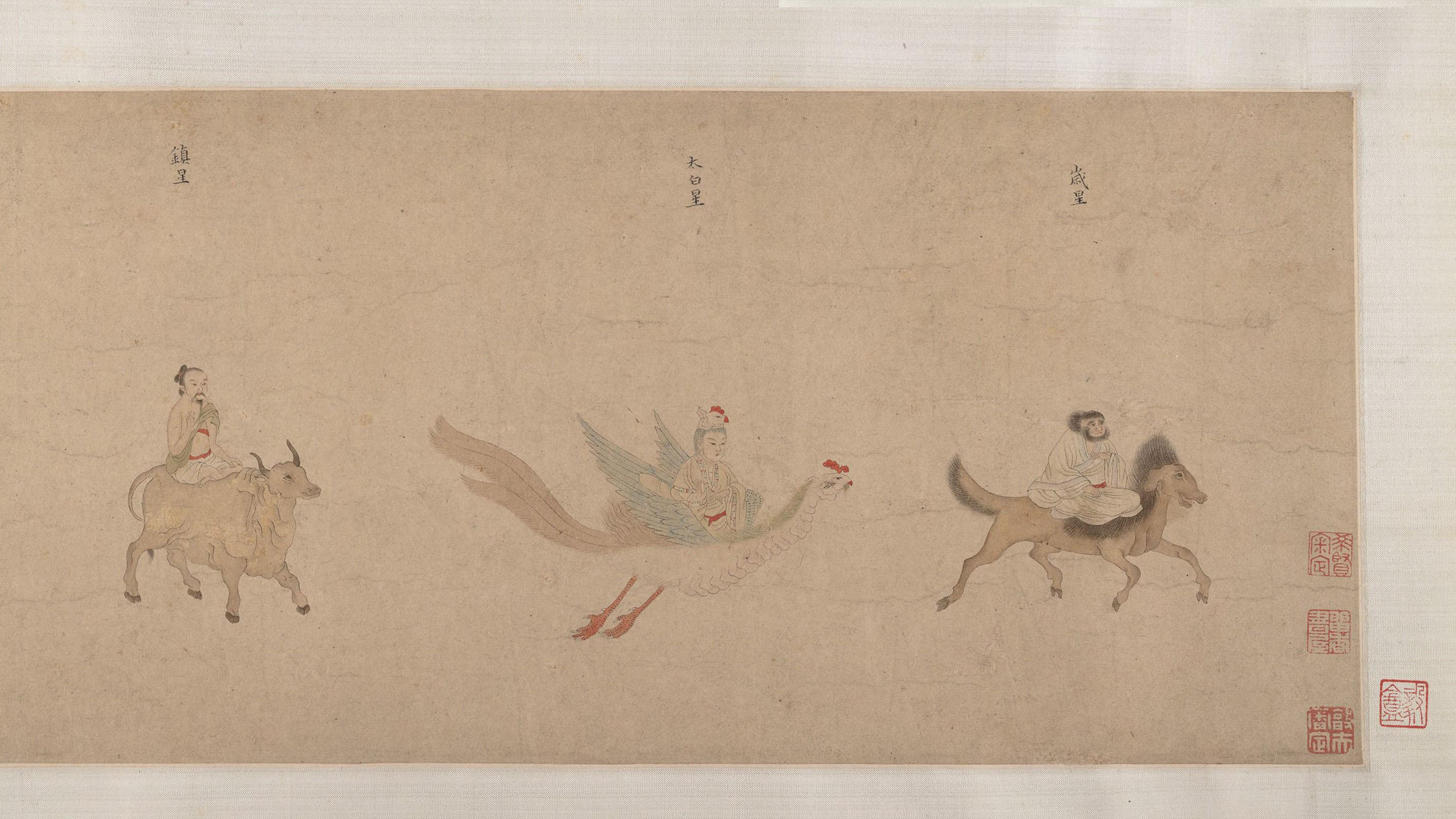
“Divinities of the Planets and Constellations,” also known as “The Five Planets and Twenty-Eight Constellations,” attributed to Ming dynasty painter Qiu Ying (1494–1552).

Even so, once zodiac imagery entered China, it continued to interact with local culture for centuries. By the late 6th century, during the Northern Qi dynasty, the Hindu monk Narêndrayaśas had transliterated all 12 zodiac signs from Sanskrit into Chinese, allowing their influence to spread widely across the country.

The zodiac reached its height of popularity during the Tang dynasty (618–907). This rise did not replace the importance of the 28 lunar mansions

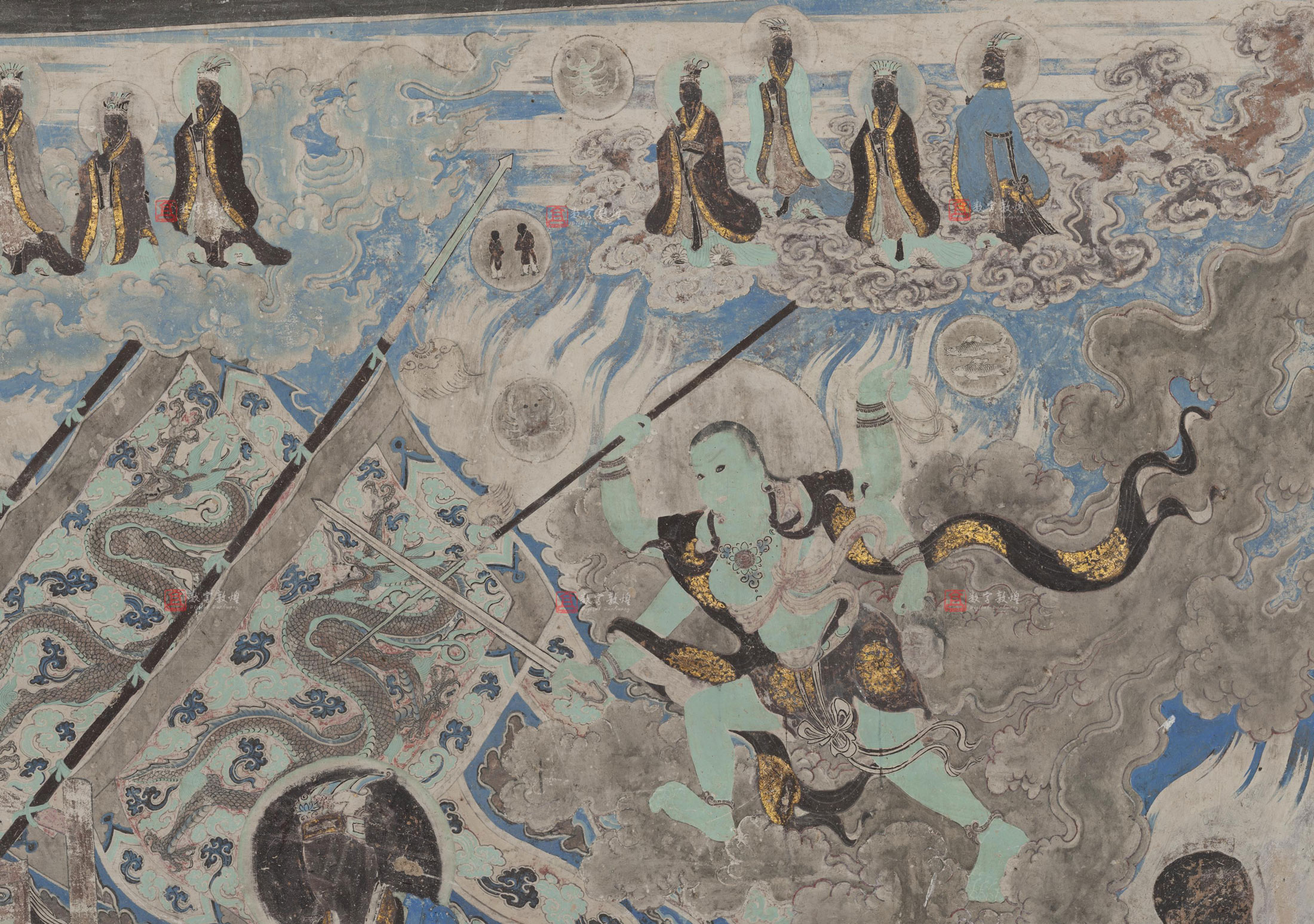
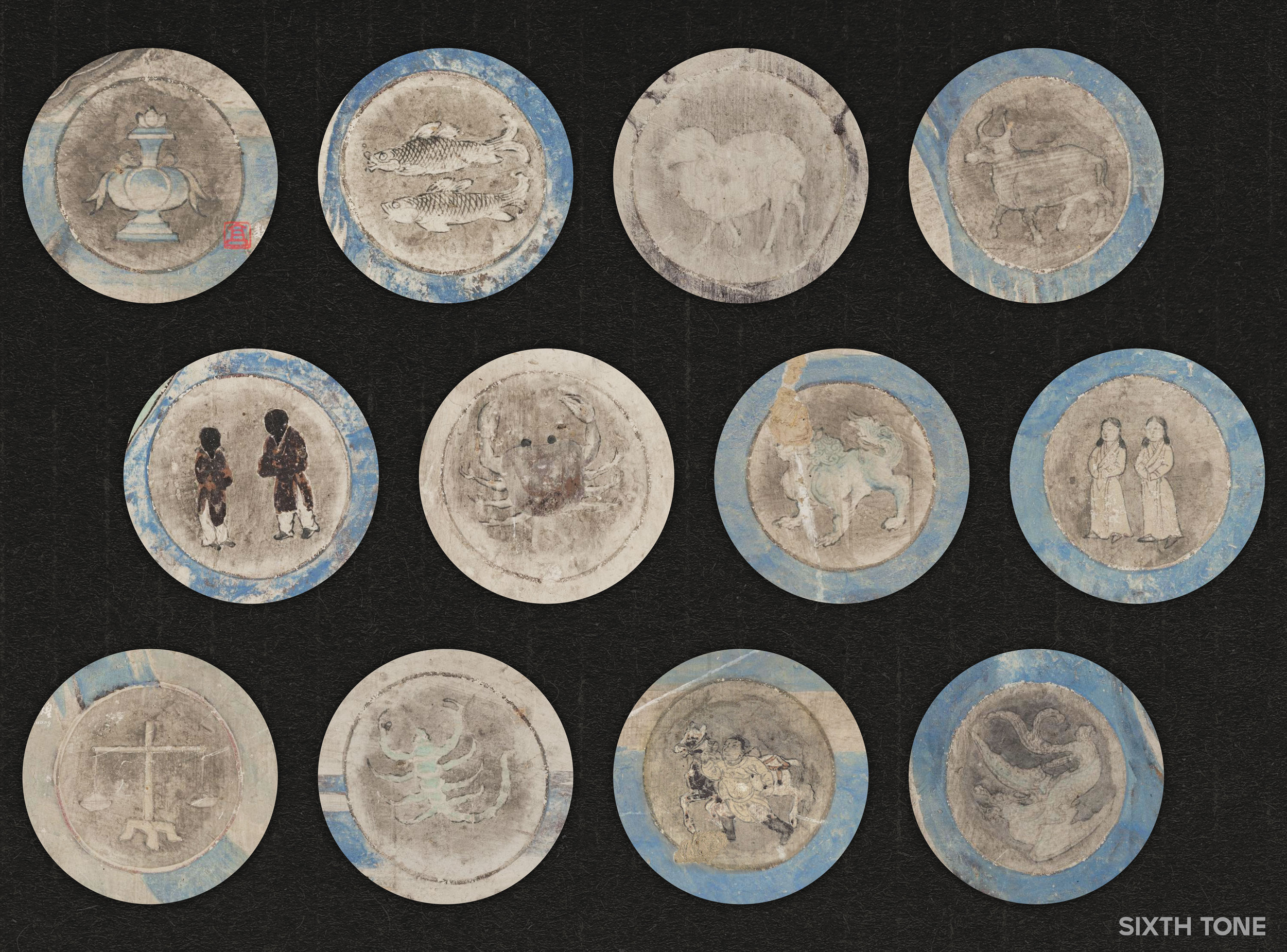
Details of the mural in Cave 61 of the Mogao Grottoes, Five Dynasties (907-960). The zodiac signs of Gemini, Cancer, Pisces, and Scorpio can be seen in the mural.

The scene suddenly blends familiar Buddhist imagery with unmistakable zodiac figures: the lion symbolizing Leo, the ram of Aries, and the horned bull representing Taurus. One detail that may seem unusual at first is a vase decorated with flowers, but this is in fact Aquarius. In Chinese sources, Aquarius is often called the “precious vase” and is typically shown holding flowers rather than water, or depicted as a simple, undecorated jar.

Another image shows two young women standing side by side and facing forward, a visual representation of Virgo. In Chinese texts, this sign is consistently translated as shuang nü gong (double maiden palace), a term that remained in use through the Qing dynasty (1644–1911).

Likewise, Gemini is portrayed as a pair consisting of one larger and one smaller monk. In Buddhist art, especially in scenes featuring the Tejaprabhā Buddha, Gemini is often shown as a man and a woman. This reflects the Chinese names for the sign, such as fu qi gong (husband and wife palace) or nan nü gong (male-female palace).

The zodiac signs cropped from a scanned copy of the mural in Cave 61 of the Mogao Grottoes, which dates back to the 10th century.

Finally, the figure of a person guiding a horse represents Sagittarius. In Chinese imagery, the Western centaur was reinterpreted as a human paired with a horse rather than a hybrid creature. This adaptation illustrates how foreign zodiac imagery was absorbed into Chinese visual traditions, blending Western astronomical ideas with local artistic conventions and symbolism to form a distinctive fusion of star lore.

Images of the 12 zodiac signs were often placed among astral deities, such as those surrounding the Tejaprabhā Buddha, and became figures to whom people prayed for blessings or protection from misfortune in both Buddhist and Daoist traditions.

Over time, however, the meaning of the zodiac signs extended beyond religious contexts and entered everyday life. The idea of star gods linked to a person’s birth year, month, or date became part of popular belief, with individuals seeking guidance, protection, or good fortune from these celestial forces. In this way, the zodiac signs became woven into society’s cultural fabric, influencing both spiritual practice and popular culture.

After traveling across seas and mountains, the 12 zodiac signs ultimately became integrated into Chinese culture. Combining astrological symbolism with spiritual meaning, they continue to serve as enduring representations of personal fate, divine influence, and humanity’s connection to the heavens.

Stone Age dog burial unearthed in Swedish Bog

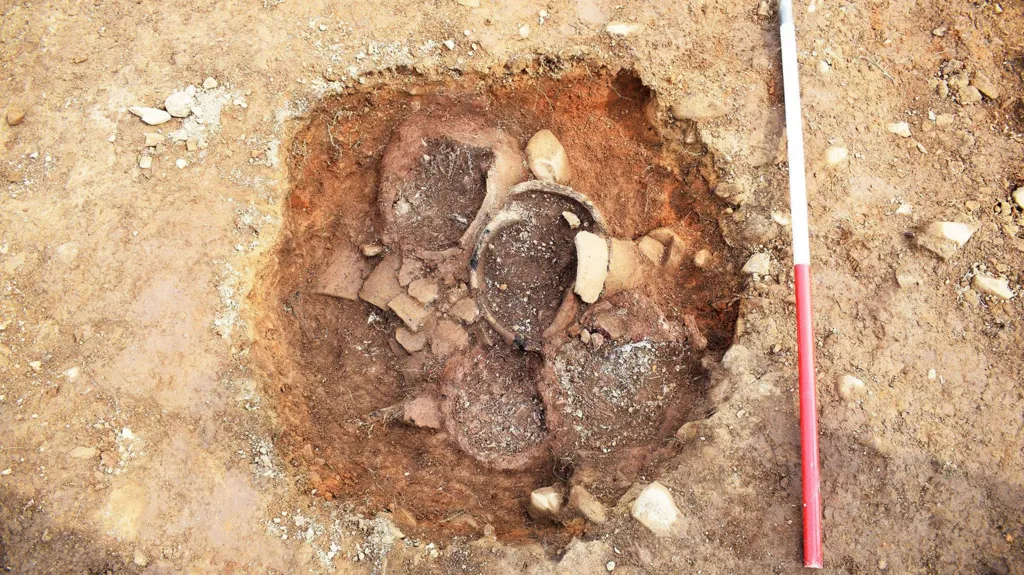
ARchaeologists have unearthed an exceptionally rare Stone Age dog burial in a bog just outside Järna, southern Sweden.

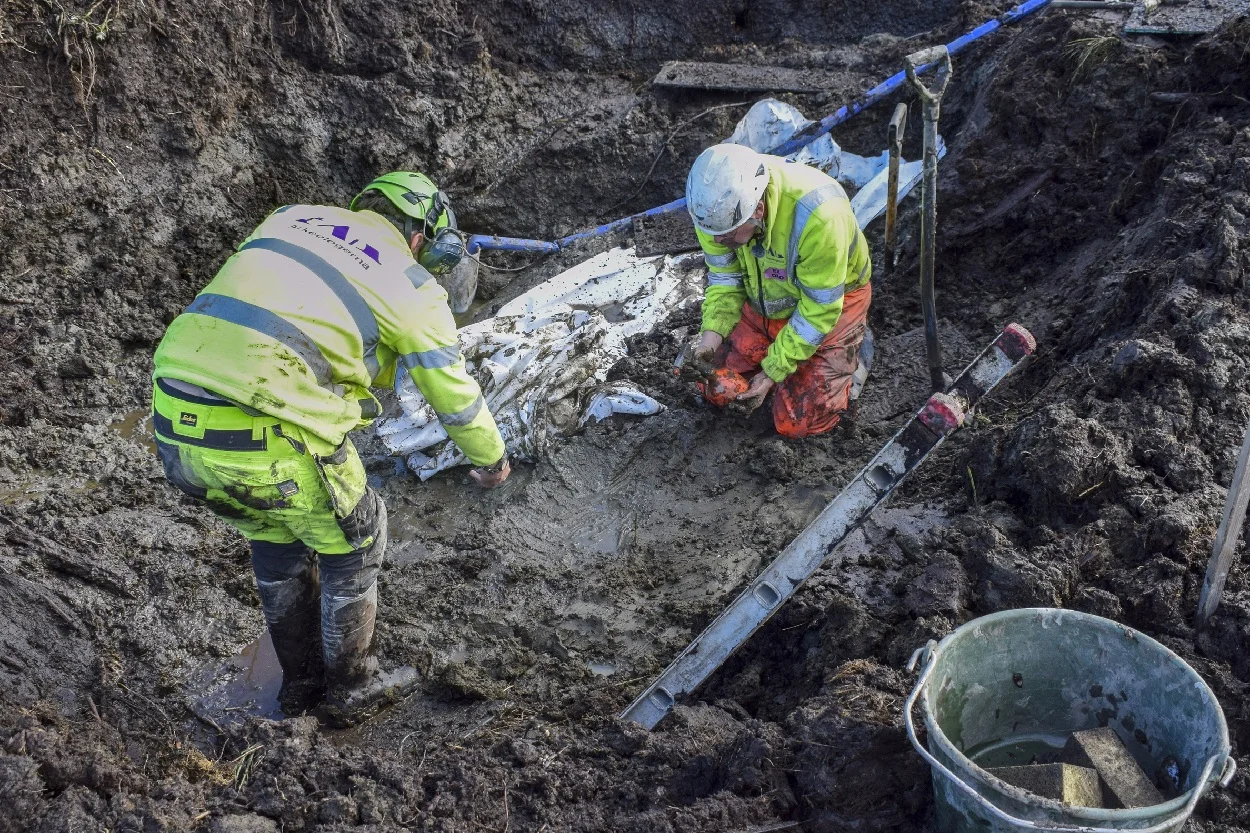
The discovery was made by a team from the State Historical Museums in preparation for the construction of the Ostlänken high-speed railway at Logsjömossen in Gerstaberg.

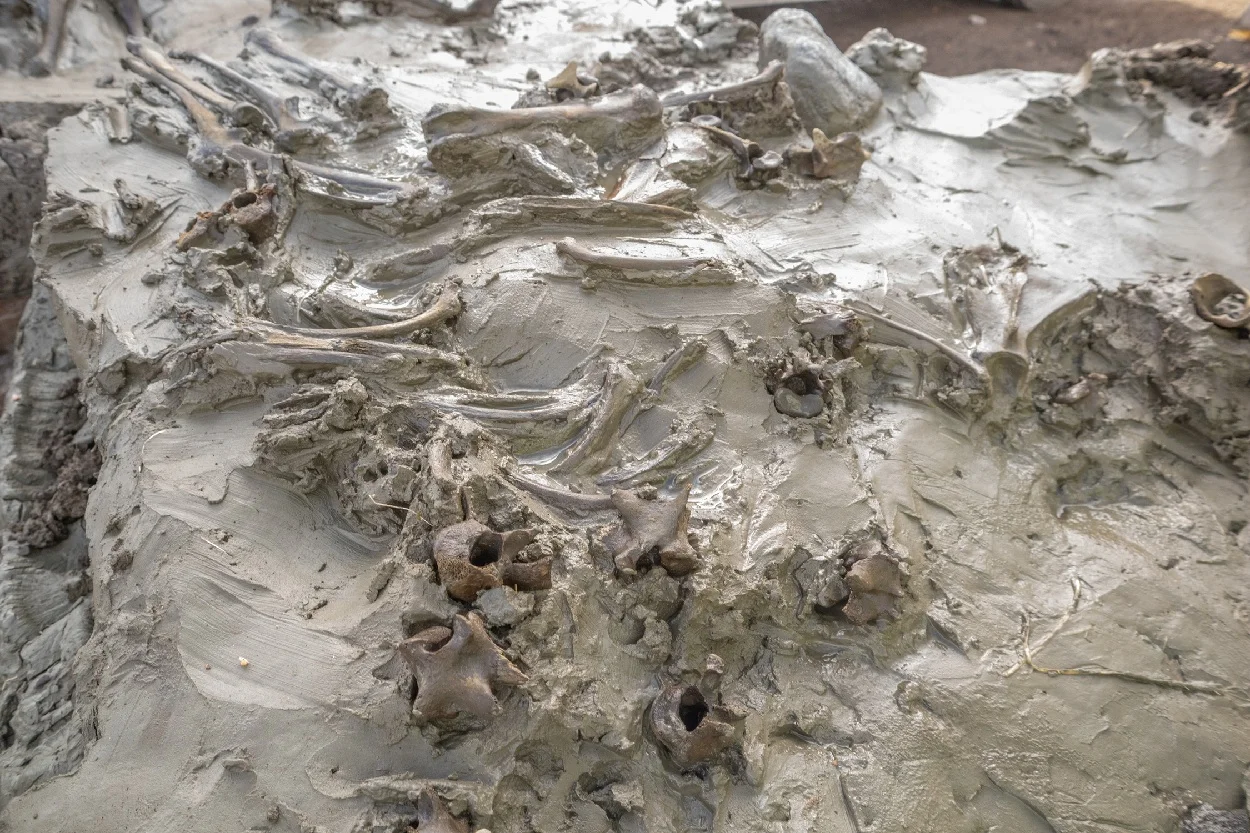
The burial contains the well-preserved skeletal remains of a large male dog, deliberately buried in wetland sediment alongside the funerary offering of a finely crafted bone dagger.

“Finding an intact dog from this period is very unusual, but the fact that it was also buried together with a bone dagger is almost unique”, says Linus Hagberg, archaeologist and project manager at Arkeologina.

An analysis of the dog remains indicates that it was around 3 to 6-years-old at time of death and stood roughly 52 centimetres in height. It was found with the skull completely crushed and was likely buried in a leather bag weighted down with stones.

veral thousand years ago, the site was not a bog but a clear lake used for fishing. Ritual deposits of dogs are known from the Stone Age, and the find is believed to represent a deliberate ceremonial act rather than a disposal.

Planned scientific analyses, including radiocarbon dating, isotope studies, and DNA testing, are expected to provide further insight into the dog’s age, diet, and life history. Researchers hope this information will also illuminate how the people who lived in the area organised their subsistence and daily lives.

In addition to the dog burial, archaeologists uncovered a wealth of well-preserved wooden remains dated to between 3,300 and 2,600 BC. These include driven stakes and posts that may have formed piers, stone anchors or sinkers, and a two-meter-long woven willow structure identified as a mjärde, an early type of fishing trap. Trampling marks in the lakebed suggest repeated human activity, possibly related to fishing or maintaining equipment.

AI-generated reconstructions of ancient Rome turn out to be full of errors

A number of videos and images created by artificial intelligence that claim to accurately depict ancient Rome have been circulating online. However, these images are far from historically accurate, says one historian.

This video generated by artificial intelligence claims to show an accurate depiction of ancient Rome but is, in actuality, full of errors. It was posted on YouTube on November 9, 2024

“A Journey Through Time with Artificial Intelligence,” reads the caption of a YouTube video posted on November 9, 2024. Titled Ancient Rome | AI Generated Video, it invites viewers to explore the Roman Empire and claims that artificial intelligence can reveal new insights into Roman society, architecture, warfare, and everyday life.

In recent months, similar AI-generated videos and images have become increasingly common online, often presenting themselves as realistic depictions of the past, particularly of ancient Rome. Despite their impressive appearance, many of these reconstructions fail to reflect historical accuracy.

To assess these claims, our team consulted Sarah Kourdy, a professor of Art History and Archaeology at the University of Bordeaux Montaigne who specializes in ancient Greek and Roman civilizations. She highlighted several inaccuracies found in such visuals.

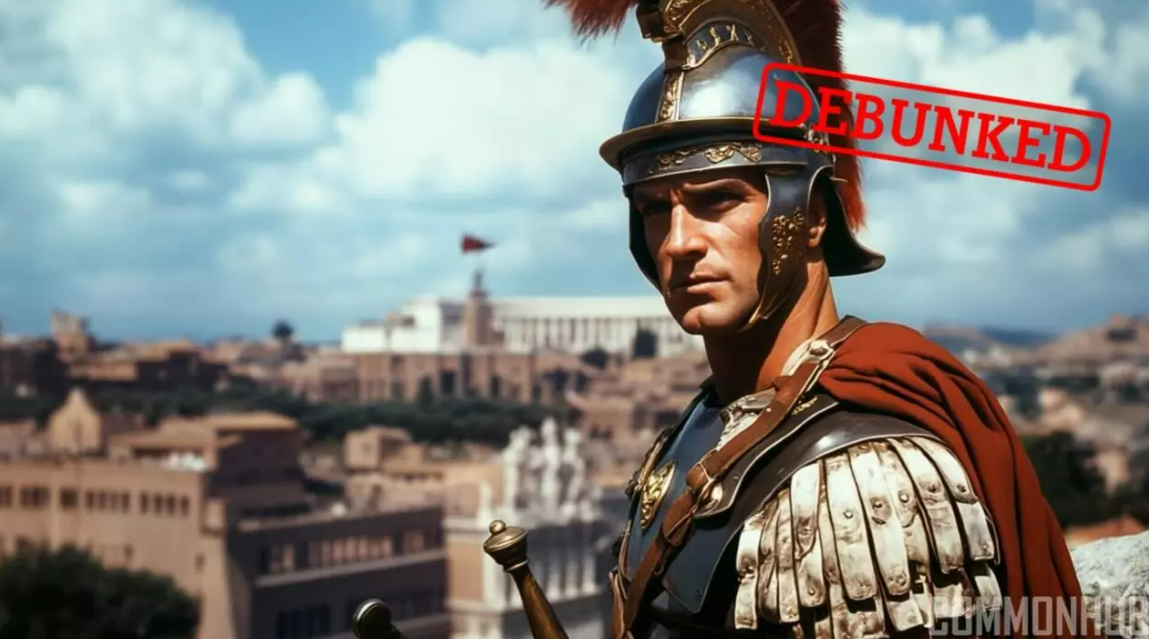
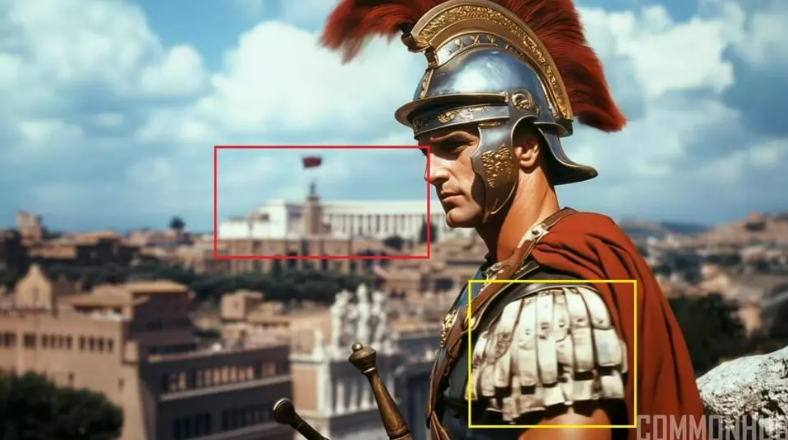
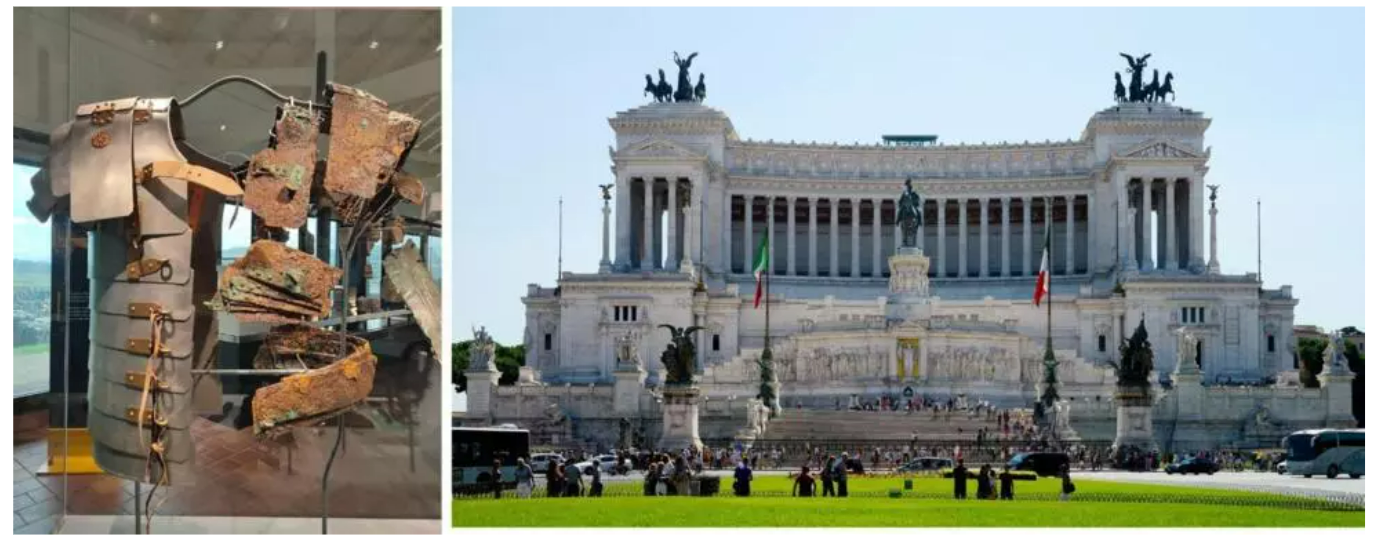
One example from the “Ancient Rome” video illustrates these flaws clearly. At the 47-second mark, a Roman soldier is shown standing before what is supposed to be an ancient Roman setting, yet the background includes a building style that belongs to the 20th century rather than antiquity.

There is a 20th-century building in this scene meant to show ancient Rome in the YouTube video "Ancient Rome".

However, one of the buildings in the image is from another era entirely. 

"The building in the background looks a lot like the monument to Victor Emmanuel II, [Editor’s note: built in 1911 to honour the first king of a united Italy], which is clearly anachronous.” 

The soldier is wearing what’s called a lorica segmentata, a jointed breastplate worn by Roman legionnaires. However, Kourdy says that there are also issues with this uniform:

"The metal bands are too thin and are arranged vertically. Usually, they are of a decreasing size and arranged parallel and horizontally to better protect the soldier.” 

At left is a lorica segmentata, where you can see that the metal bands are horizontally placed. At right is the monument honouring Victor Emmanuel II, which was inaugurated in 1911.

The video’s depiction of Circus Maximus contains several errors. According to Sarah Kourdy, the seating tiers look too uniform and modern, unlike the original irregular terraces made of wood and stone that were rebuilt over time. The spina is shown as plain, whereas it was historically decorated with obelisks, statues, and fountains. The audience is underrepresented compared to the estimated 150,000 spectators the stadium could hold. The chariots are also inaccurate, with wheels too wide, horses too small, and too few participating in the race. These mistakes significantly distort the portrayal of Roman public spectacles and architecture.

A widely shared image, claiming to depict the Baths of Caracalla, has attracted 592,000 views on X and circulated across several Facebook history groups. The baths, built by Emperor Caracalla in 216 AD, were among the most opulent in the Roman Empire. The image presents the natatio, or swimming pool, beneath an elaborately decorated ceiling of white marble and gold.

Kourdy points out that the AI-generated image of the Baths of Caracalla is historically incorrect.

The image shows the baths in a Baroque style, even though the Baroque movement only began in the 16th century. Additionally, the baths were constructed from bricks and mortar, not white marble. The AI’s lavish gilding would not have suited the humid environment of the baths, as such decoration was reserved for salons and libraries.

The depiction also exaggerates the scale: the real Baths of Caracalla had impressive dimensions, but the AI image shows an enormous swimming pool with massive columns rising directly from the water, which never existed.

A scientific reconstruction of the Circus Maximus created by the University of Caen.

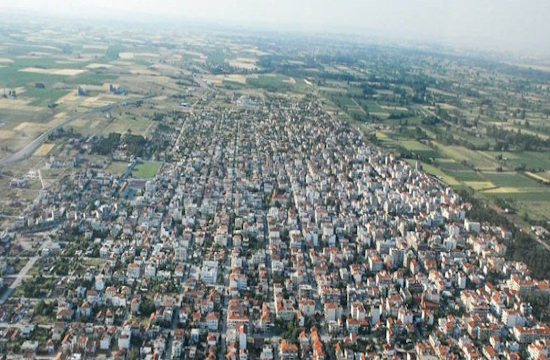
Municipality of Orestiada: Plan for Multi-theme and Sustainable Tourism in Northern Thrace

The Municipality of Orestiada is developing an integrated tourism strategy aimed at transforming the area into a multi-themed destination that will boost the local economy, improve residents’ quality of life, and make full use of the region’s distinctive geographical and cultural assets. Northern Evros, with its varied natural landscapes and deep historical background, is considered ideal for multiple forms of tourism that complement one another and support year-round visitation.
Cultural tourism stands at the center of this plan. The region is home to one of Thrace’s most important archaeological sites, the Doxipara–Zoni Burial Mound, where visitors can see rare discoveries such as chariots and horses. The experience is enriched by traditional villages showcasing Thracian architecture, along with notable museums including the Historical and Folklore Museum of Nea Orestiada and the Karratheodori Museum. The tourism offering is further strengthened by thematic exhibitions such as the Interactive Science and Technology Exhibition “Eugene Eugenides,” the Archaeological Educational Cave Exhibition, and the Petrified Stone Museum of Petros, as well as cultural events and festivals that preserve and promote local traditions.
Religious tourism is another key pillar, with historically significant monasteries and churches, including the Monastery of Agia Skepi and Agia Paraskevi in Nea Vyssa, providing opportunities for pilgrimage and spiritual visits.

The Municipality is also steadily promoting ecotourism and agrotourism by utilizing agricultural land and the natural environment. Visitors can tour farms cultivating products such as corn, sunflower, regional garlic, and Thracian fruits, while taking part in agricultural activities and tastings. Agrotourism evenings in the lavender fields of “Aroma Evros,” located between Valto and Fylakio, have gained popularity by offering relaxation, wellness, and nature-based experiences. Soft recreational activities are further supported through ecotourism routes along the Arda River.

Conference and educational tourism is being developed through cooperation with the Democritus University of Thrace. This partnership supports the organization of conferences, seminars, summer schools, and programs focused on biodiversity, agriculture, and the long history of Thrace. The involvement of the academic community adds value and attracts specialized visitors.

Sports tourism has also expanded, making use of the Arda River for activities such as canoeing, kayaking, swimming, and beach volleyball. These activities, together with the well-known Arda Festival that combines music, culture, and sports, appeal to younger audiences and encourage outward-facing tourism. Cycling paths and hiking trails in areas such as the Triangle, Petros Quarry, Korakopetra, and the surrounding mountainous landscape further enhance the range of outdoor activities.

Cross-border tourism represents another growing sector, supported by the region’s close proximity to Bulgaria and Turkey. Opportunities exist for joint routes, shared tourism packages, and cultural exchanges that increase visitor numbers and promote cooperation in border regions.

The Municipality’s objective is to position Orestiada as an alternative destination for sustainable tourism that respects the environment, the local population, and cultural heritage. According to municipal officials, this strategy will highlight natural and cultural resources, increase annual visitor numbers, create experience-based tourism centered on culture, ecotourism, and agrotourism, and strengthen the local economy through job creation and improved living standards. At the same time, deeper connections with neighboring regions are expected to lay the groundwork for stronger cross-border collaboration in the future.