• MAIN PAGE
  • LATEST NEWS
    • Lost Cities
    • Archaeology's Greatest Finds
    • Underwater Discoveries
    • Greatest Inventions
    • Studies
    • Blog
  • PHILOSOPHY
  • HISTORY
  • RELIGIONS
    • Africa
    • Anatolia
    • Arabian Peninsula
    • Balkan Region
    • China - East Asia
    • Europe
    • Eurasian Steppe
    • Levant
    • Mesopotamia
    • Oceania - SE Asia
    • Pre-Columbian Civilizations of America
    • Iranian Plateau - Central Asia
    • Indus Valley - South Asia
    • Japan
    • The Archaeologist Editor Group
    • Scientific Studies
    • Aegean Prehistory
    • Historical Period
    • Byzantine Middle Ages
    • Predynastic Period
    • Dynastic Period
    • Greco-Roman Egypt
  • Rome
  • PALEONTOLOGY
  • About us
Menu

The Archaeologist

  • MAIN PAGE
  • LATEST NEWS
  • DISCOVERIES
    • Lost Cities
    • Archaeology's Greatest Finds
    • Underwater Discoveries
    • Greatest Inventions
    • Studies
    • Blog
  • PHILOSOPHY
  • HISTORY
  • RELIGIONS
  • World Civilizations
    • Africa
    • Anatolia
    • Arabian Peninsula
    • Balkan Region
    • China - East Asia
    • Europe
    • Eurasian Steppe
    • Levant
    • Mesopotamia
    • Oceania - SE Asia
    • Pre-Columbian Civilizations of America
    • Iranian Plateau - Central Asia
    • Indus Valley - South Asia
    • Japan
    • The Archaeologist Editor Group
    • Scientific Studies
  • GREECE
    • Aegean Prehistory
    • Historical Period
    • Byzantine Middle Ages
  • Egypt
    • Predynastic Period
    • Dynastic Period
    • Greco-Roman Egypt
  • Rome
  • PALEONTOLOGY
  • About us
No results found

Grace of Ancient Art Emerges in Laodikeia: Hermes Sculpture Head Discovered in Ongoing Excavations

January 2, 2026

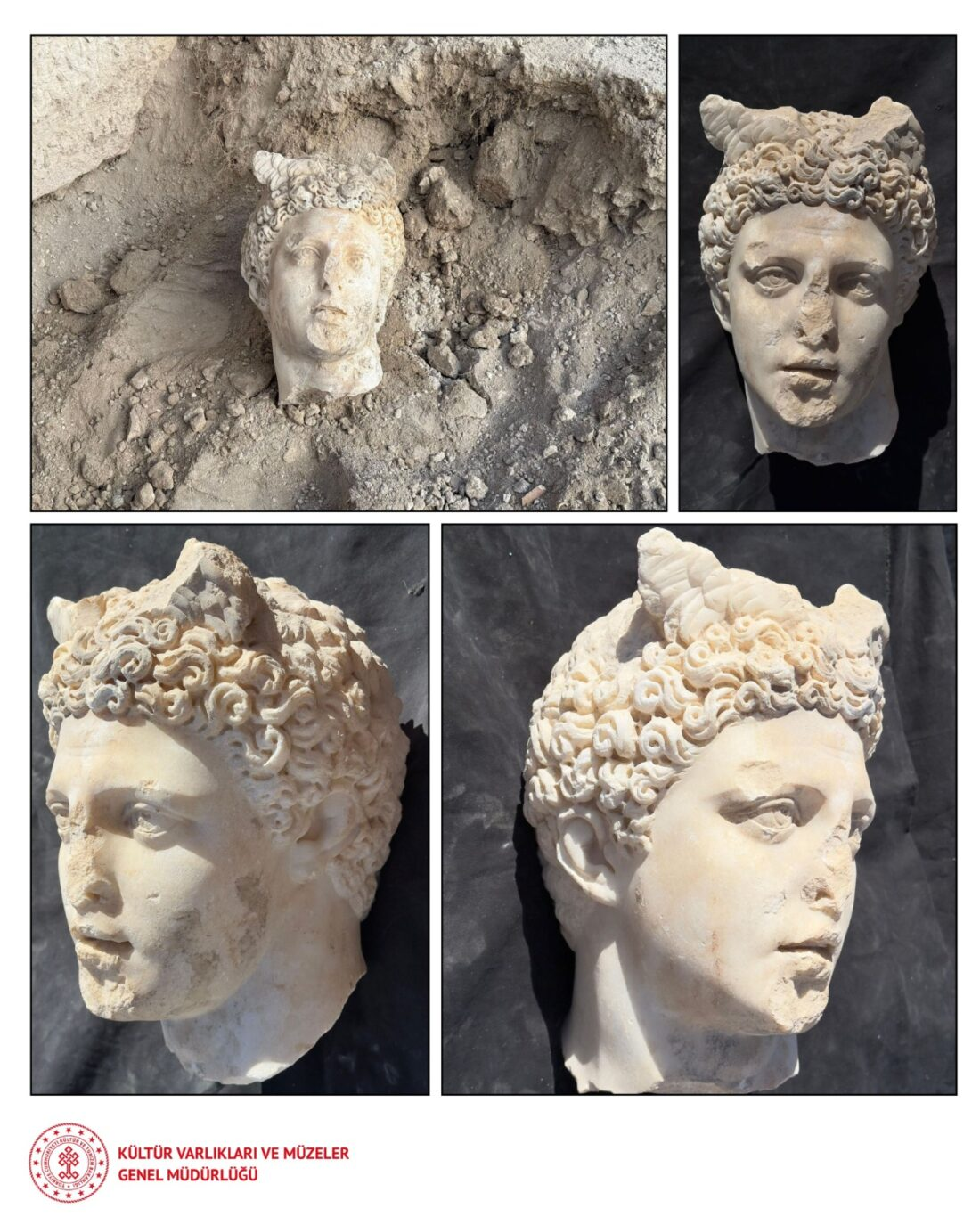
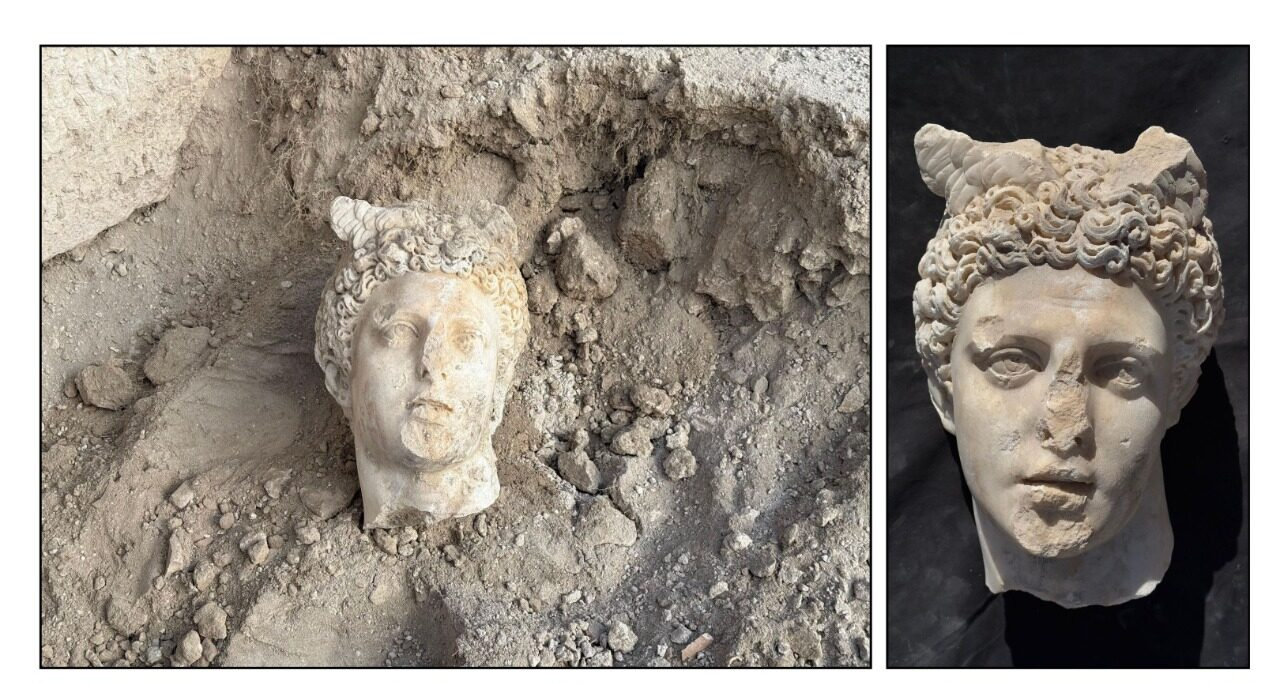
Archaeologists in Laodikeia Ancient City, near present-day Denizli, Türkiye, have uncovered a marble head of Hermes, highlighting the artistic skill and cultural richness of the Roman Imperial period.

Excavations in the Bouleuterion and Prytaneion complexes, conducted under the Ministry of Culture and Tourism’s Geleceğe Miras (Heritage for the Future) Project, revealed the sculpture in the eastern corridor of the Bouleuterion. Carved from high-quality white Dokimeion (İscehisar) marble, prized for its purity and durability, the head is dated to the mid-2nd century CE.

The piece features delicate facial details, carefully rendered eyes and irises, and elegantly curled hair topped with the signature wing motif, reflecting the style of Praxiteles. Experts classify it as a “Hermes Andros” type, celebrated throughout the Mediterranean for its naturalism, balance, and grace.

The discovery offers insight into Laodikeia’s wealth and cultural sophistication. Located at key trade routes in the Lycus Valley, the city prospered through textile production, agriculture, and commerce. Its resources supported grand civic projects—monumental theaters, colonnaded streets, temples, and council buildings—showing both political clout and cultural ambition. Artifacts like the Hermes head illustrate how this prosperity fueled artistic patronage, underscoring Laodikeia’s role as a lively urban center in the Roman era.

Laodikeia also held significant historical and cultural meaning. While noted as one of the Seven Churches of Asia in early Christian tradition, the city maintained strong links to classical religion and philosophy. Structures like the Bouleuterion and Prytaneion served administrative purposes while also reflecting civic pride, using art and architecture to express the community’s identity and values.

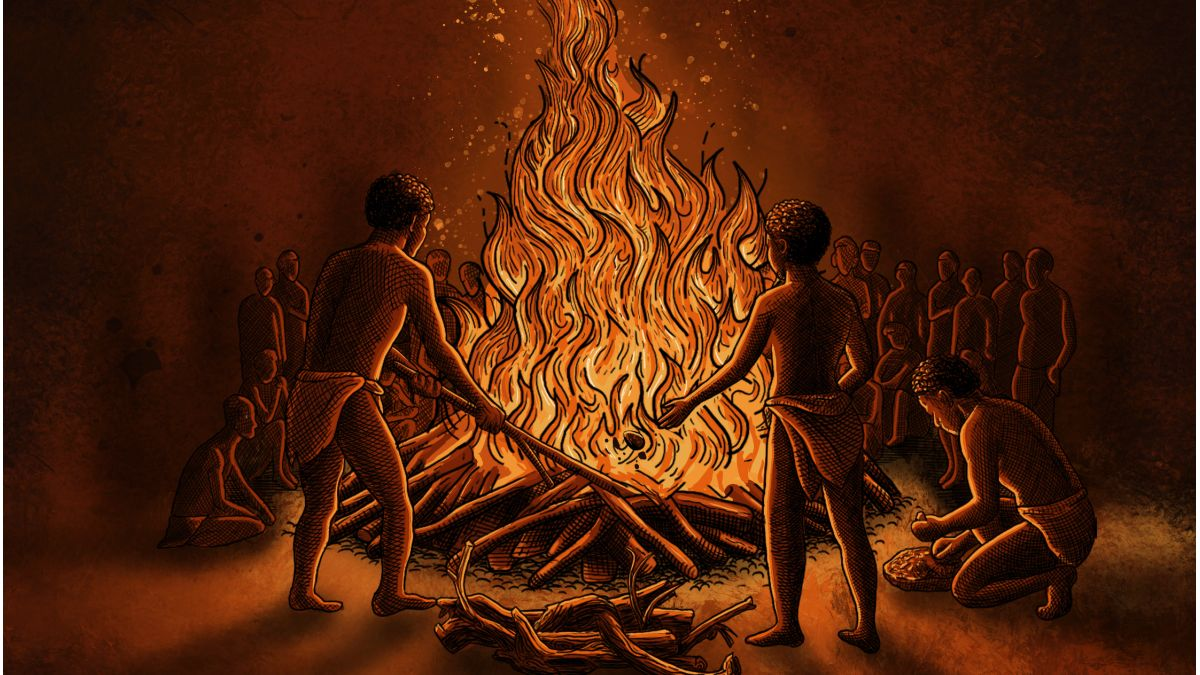
An artist's impression of the pyre.

Archaeologists Discover The Earliest Confirmed Adult Cremation

January 2, 2026

In a prehistoric rock shelter in central Malawi, archaeologists have uncovered the earliest known evidence of an adult funeral pyre anywhere in the world.

The burned remains, dated to around 9,500 years ago, belonged to a woman estimated to have been between 18 and 60 at the time of her death. Analysis shows that her body was intentionally prepared and cremated on a large pyre that burned for many hours, as part of a planned funerary ritual. The site itself had already been used for mortuary practices for at least 8,000 years before this event.

According to a research team led by anthropologist Jessica Cerezo-Román of the University of Oklahoma, this find represents “the earliest evidence for intentional cremation in Africa and the oldest in situ adult pyre in the world.” The discovery challenges earlier assumptions about hunter-gatherer burial practices, revealing that their funerary traditions could be highly structured and elaborate.

The ritual required careful planning and considerable resources, including the collection and maintenance of enough wood to sustain a long-burning fire. The repeated use of the site over thousands of years also suggests a strong collective memory and possibly early forms of ancestor reverence among these communities.

Human concern with death has deep roots, with the oldest confirmed intentional burial dating to about 78,000 years ago, though even earlier examples attributed to other hominins remain debated. Evidence for cremation is much rarer, particularly before 7,000 years ago among hunter-gatherers. While cremated human remains discovered at Lake Mungo in Australia date to roughly 40,000 years ago, no actual pyre was preserved at that site.

The site, HOR-1, is located in a rock shelter at the base of Mount Hora in Malawi, in eastern Africa.

Archaeologists have discovered the world’s oldest in situ adult funeral pyre in a rock shelter at HOR-1, Malawi. The charred remains, dated to 9,500 years ago, belonged to a woman between 18 and 60 years old, whose body was carefully prepared for cremation on a large pyre that burned for several hours. This site had been used for mortuary practices for at least 8,000 years, indicating a long-standing ritual tradition.

Earlier evidence of in situ pyres includes an 11,500-year-old child cremation in Alaska and, later, a 7,000-year-old example at Beisamoun in the southern Levant. At HOR-1, archaeologists have identified at least 11 individuals used in mortuary practices, but only one, designated Hora 3, shows clear evidence of pyre cremation. Parts of her skeleton – limb bones, vertebrae fragments, pelvis, and phalanges – were found within a substantial deposit of ash, providing direct insight into the complex funerary rituals practiced by these hunter-gatherers.

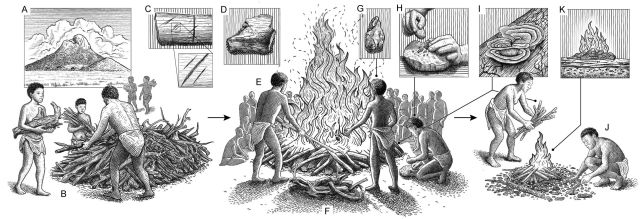
A reconstruction of the cremation ritual, for which people likely collected large amounts of wood (B) and tended to the fires (E). Evidence at the site also suggests multiple fires were relit atop the original pyre location (K) and that cranial and dental remains were possibly collected and removed (J), as none were found.

The bones show signs of long exposure to high heat, with burning and cracking evident. Cut marks indicate parts of Hora 3’s body were disarticulated before cremation, and color patterns suggest the bones were moved during the fire, likely while it was stoked. No skull or teeth were found, implying the head may have been removed prior to burning—a practice linked to mortuary rituals, social memory, and ancestral veneration.

The ash deposit suggests the pyre required at least 30 kilograms of wood, grass, and leaves to sustain a long fire, and layers of ash indicate the same location was used for fires for hundreds of years afterward. Researchers interpret this as evidence of a “persistent place,” reflecting territorial and ancestral connections.

The team concludes that the repeated construction and maintenance of fires at the site point to long-standing traditions of ritual and mortuary activity, highlighting complex community cooperation and place-making among tropical hunter-gatherers long before the onset of agriculture.

Ancient purification bath found beneath Western Wall Plaza

January 2, 2026

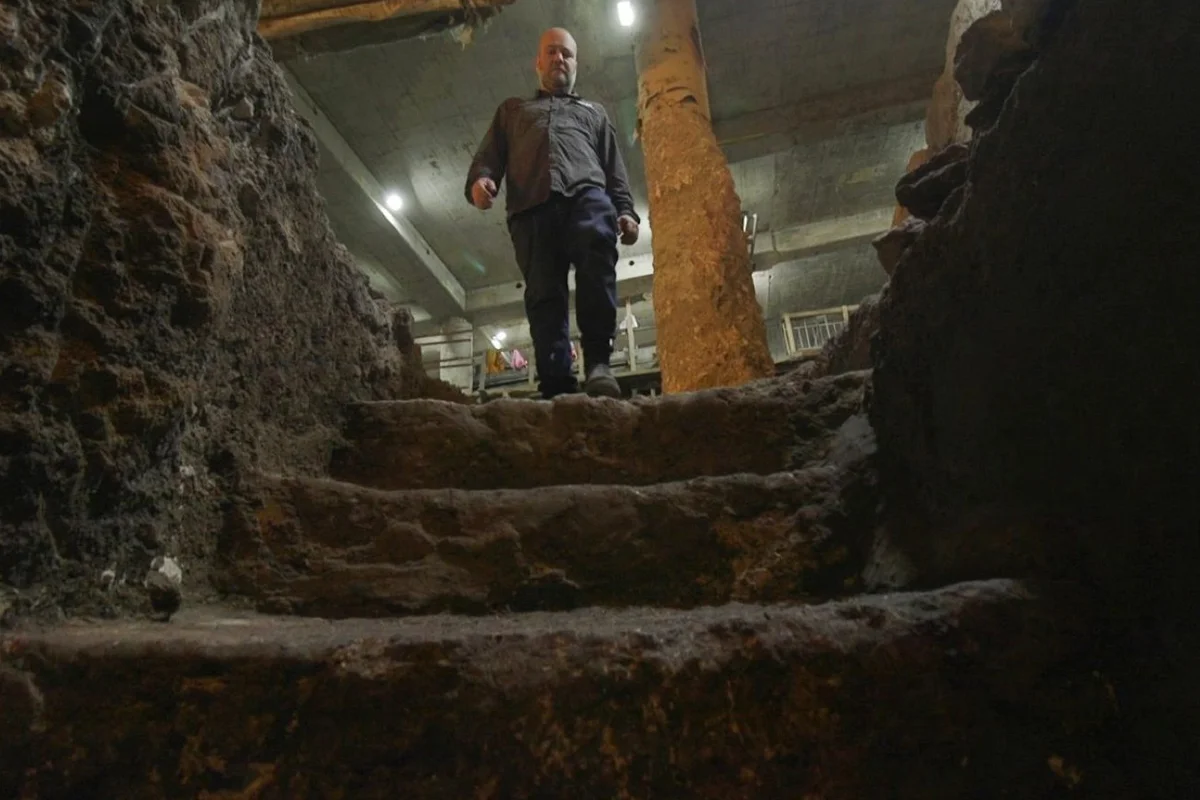
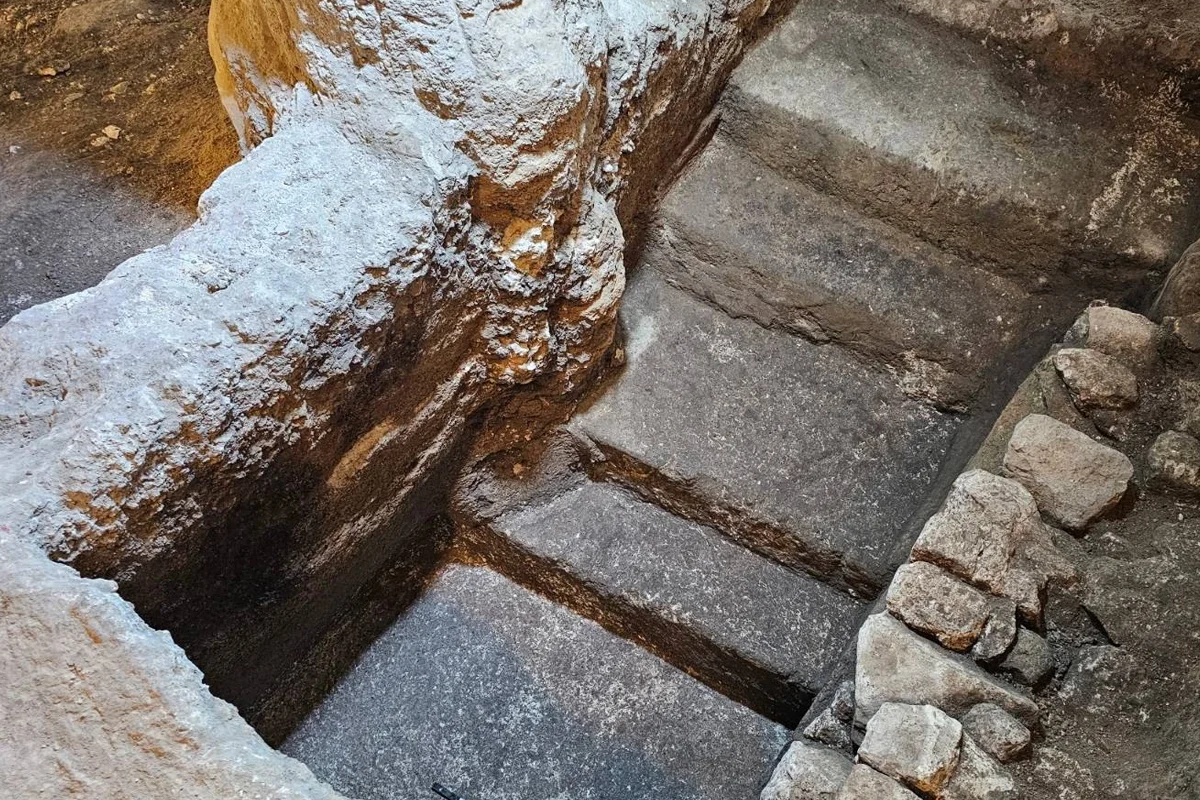
A rock-hewn mikveh dating to the late Second Temple period has been discovered during archaeological excavations beneath Jerusalem’s Western Wall Plaza. A mikveh is a ritual bath designed for complete immersion in naturally collected water for the purpose of achieving ritual purity.

The find was uncovered by the Israel Antiquities Authority (IAA) beneath a destruction layer from AD 70, when Roman forces destroyed Jerusalem. The mikveh had been sealed by ash deposits, providing direct evidence of the fire that followed the city’s fall and the destruction of the Temple.

Carved straight into the bedrock, the structure features plastered walls and four stone steps descending into the basin from the southern side. The rectangular bath measures about 3.05 meters long, 1.35 meters wide, and 1.85 meters high.

The excavation site is situated near two major ancient access points to the Temple Mount: the Great Bridge on the northern side and Robinson’s Arch to the south.

Earlier archaeological work in this area has uncovered several mikva’ot, stone vessels, and other artifacts linked to ritual purification, suggesting that this section of the city catered to residents and pilgrims who needed to observe ritual purity before entering the Temple.

Ari Levy, the Israel Antiquities Authority’s excavation director, said Jerusalem operated as a “city of sanctuary,” where everyday life was governed by strict purity laws. He noted that this is clearly visible in the archaeological evidence, particularly the extensive use of stone vessels, which were considered impervious to ritual impurity under Jewish law.

Minister of Heritage Rabbi Amichai Eliyahu stated that the find highlights how deeply religious practices were woven into daily life in Jerusalem during the Temple period, emphasizing that ongoing archaeological research plays a vital role in safeguarding this heritage.

The ancient braces myth: why our ancestors didn’t need straight teeth

January 2, 2026

Ancient Egyptians and Etruscans are often credited with inventing early orthodontics, supposedly using fine gold wires and catgut to straighten teeth. This idea has appeared in dentistry books for many years, suggesting that ancient societies were already concerned with perfect smiles. However, closer examination by archaeologists and dental historians has shown that this belief is largely incorrect.

A well-known example is the El-Quatta dental bridge from Egypt, dated to around 2500 BC. The gold wire found with the remains was once thought to function like braces, but evidence shows it was actually used to stabilise loose teeth or secure replacement teeth. Rather than aligning teeth, it served as a dental prosthesis.

The same applies to gold bands found in Etruscan tombs. These were likely dental splints meant to support teeth weakened by injury or gum disease, not tools designed to move teeth into proper alignment.

There are also practical reasons why these objects could not have worked as braces. Tests on Etruscan dental appliances revealed that the gold used was about 97% pure. Pure gold is extremely soft and bends easily, making it unsuitable for orthodontics. Braces require firm, elastic materials that can apply steady pressure over time. Gold of this purity would simply deform or break under such stress.

Another telling detail is who wore these gold bands. Many were found with female skeletons, which suggests they may have been symbols of status or decorative items rather than medical devices. Notably, none were found on children or teenagers—those most likely to need orthodontic treatment if such practices existed.

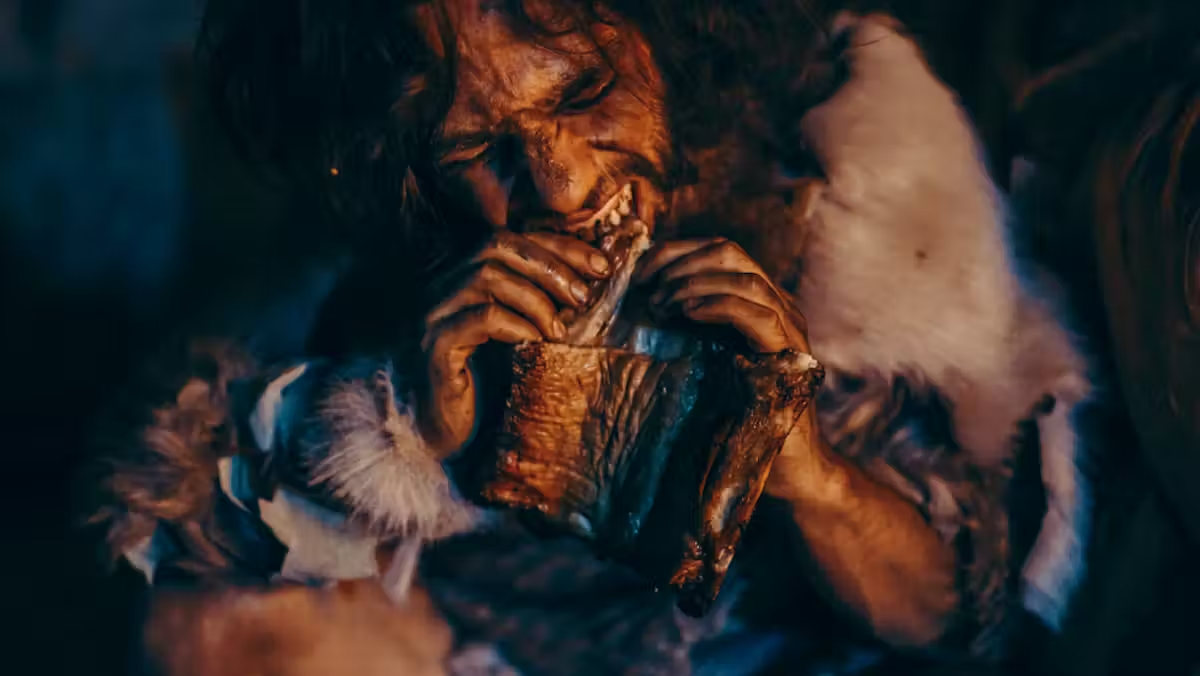
Perhaps the most interesting point is that ancient populations rarely suffered from the dental issues common today. Crooked or crowded teeth were extremely uncommon in the past. Studies of Stone Age skulls show little to no malocclusion, largely due to diet.

Ancient diets consisted of tough, fibrous foods that required extensive chewing. This constant jaw use led to larger, stronger jaws that easily accommodated all teeth. Modern diets, which are softer and more processed, do not provide the same stimulation, resulting in smaller jaws and crowded teeth.

Because misaligned teeth were so rare in ancient times, there was little need to develop techniques to straighten them.

Jaws were larger, due to food being tougher to chew on.

Ancient Egyptians and Etruscans are often credited with inventing early orthodontics, supposedly using fine gold wires and catgut to straighten teeth. This idea has appeared in dentistry textbooks for decades, suggesting that ancient societies were surprisingly advanced in their concern for straight smiles. However, closer examination by archaeologists and dental historians has shown that this belief is largely a misconception.

One commonly cited example is the El-Quatta dental bridge from Egypt, dated to around 2500 BC. While gold wire was indeed found with ancient remains, it was not used to realign teeth. Instead, the wire helped stabilize loose teeth or secure replacement teeth. In short, it functioned as a dental prosthesis rather than orthodontic braces.

Finds from Etruscan tombs tell a similar story. The gold bands discovered there were most likely dental splints, intended to support teeth damaged by disease or injury, not to shift them into better positions.

There are also strong practical reasons why these devices could not have worked as braces. Tests on Etruscan gold appliances show the metal was about 97 percent pure. Pure gold is very soft, bending and stretching easily. Orthodontic treatment requires steady, long-term pressure from metal that is resilient and springy. Gold of this purity would simply deform or break if tightened enough to move teeth.

Another intriguing detail is who wore these gold bands. Many were found in the graves of women, suggesting they may have symbolized status or served as decorative objects rather than medical tools. Notably, none have been found on children or adolescents—precisely the age group where orthodontic devices would be expected if they were truly used for tooth straightening.

Perhaps most interesting of all is that ancient people rarely suffered from the dental issues common today. Crooked or crowded teeth, known as malocclusion, were extremely uncommon in the past. Studies of Stone Age skulls show little to no crowding. This difference is largely due to diet.

Ancient diets consisted of tough, fibrous foods that required heavy chewing. This constant use encouraged the development of large, strong jaws capable of accommodating all the teeth. Modern diets, which are softer and more processed, require far less chewing. As a result, jaws often develop smaller, while teeth remain the same size, leading to crowding.

Because misaligned teeth were rare in ancient times, there was little need to develop methods to correct them.

That said, some early attempts to address dental irregularities did exist. One of the earliest reliable references comes from Roman times. In the first century AD, Roman medical writer Aulus Cornelius Celsus advised that if a child’s tooth erupted crooked, it should be gently pushed into place daily with a finger until it aligned properly. Though simple, this method relied on the same basic principle used today: sustained gentle pressure can move a tooth.

After the fall of Rome, progress in orthodontics stalled for centuries. Interest resurfaced in the 18th century, though early methods were often painful. People without access to proper dental tools used wooden “swelling wedges” to separate crowded teeth. These wedges absorbed saliva, expanded, and forced teeth apart—an extremely uncomfortable approach, but one that demonstrated an understanding of tooth movement through pressure.

True scientific orthodontics began in 1728 with French dentist Pierre Fauchard, often regarded as the father of modern dentistry. In his influential work The Surgeon Dentist, he provided the first detailed descriptions of treating malocclusion.

Fauchard developed the “bandeau,” a curved metal strip placed around teeth to widen the dental arch. This was the first appliance specifically designed to move teeth using controlled force. He also described methods for stabilizing teeth after repositioning. His work marked a turning point, shifting orthodontics from myth and crude experimentation to a scientific discipline.

During the 19th and 20th centuries, orthodontics advanced rapidly. The introduction of metal brackets, archwires, elastics, and later stainless steel made treatments more effective and predictable. Subsequent innovations—such as ceramic brackets, lingual braces, and clear aligners—made orthodontic care more discreet.

Today, orthodontics relies on digital imaging, computer modeling, and 3D printing, allowing for highly precise treatment planning.

While the image of ancient people wearing gold braces is appealing, it does not reflect historical reality. Ancient societies recognized dental issues and occasionally attempted simple solutions, but they lacked both the need and the technology for true orthodontic treatment.

The real development of orthodontics began not in antiquity, but with the scientific advances of the 18th century and later—a history that remains compelling even without the myths.

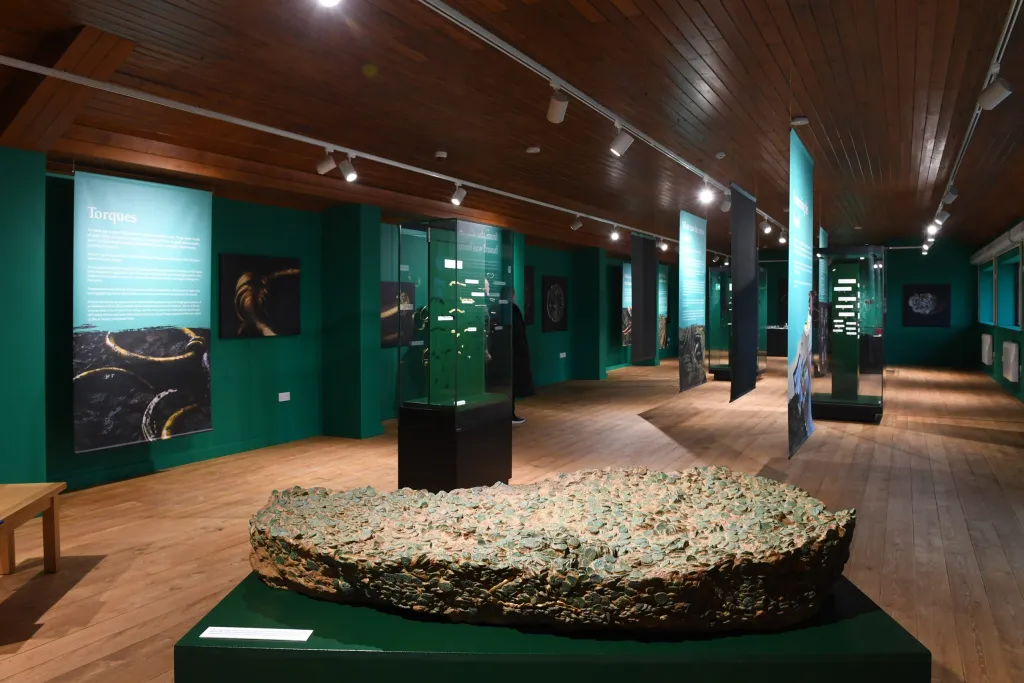
Hougue Bie Coin hoard on display in new gallery/museum space.

Significant finds continue to be discovered

January 2, 2026

Jersey Heritage has expressed support for proposed plans to introduce clear legal duties and procedures for managing archaeological discoveries, noting that “significant finds” are still being uncovered across the Island.

The comments follow new legislation proposed by Economic Development Minister Kirsten Morel, which aims to establish a statutory system for reporting, documenting, investigating, and protecting archaeological objects and sites.

If approved, the law would require anyone who discovers an archaeological object—whether accidentally or through activities like metal detecting—to report it to Jersey Heritage within 14 days. It also proposes a reward scheme, with payments based on expert valuation and shared between the finder and the landowner.

The legislation seeks to ensure that objects of “national significance” remain available for public benefit. In his report, Deputy Morel cited the Le Câtillon II coin hoard as a recent high-profile discovery, arguing that major finds need to be handled “transparently and consistently.”

He said the current system depends too much on customary law and voluntary reporting, offering insufficient clarity and protection. The proposed law would close this gap by setting out clear legal responsibilities for reporting, assessing, and preserving archaeological material.

Deputy Morel added that the changes would support international obligations under the Valletta Convention and other heritage agreements, while encouraging responsible discovery and public access.

Dr Sarah Buckingham, Jersey Heritage’s director of historic properties and environment, described the Island’s archaeology as “extraordinarily rich” and “world-class.” She said important discoveries continue to be made and stressed the need to properly record and protect these irreplaceable resources.

She added that the new Heritage Law would safeguard archaeological material, support research and public understanding of Jersey’s past, and provide a fair, consistent, and transparent system for managing finds and archaeological work.

The Mythical Phoenix Across Ancient Cultures

January 2, 2026

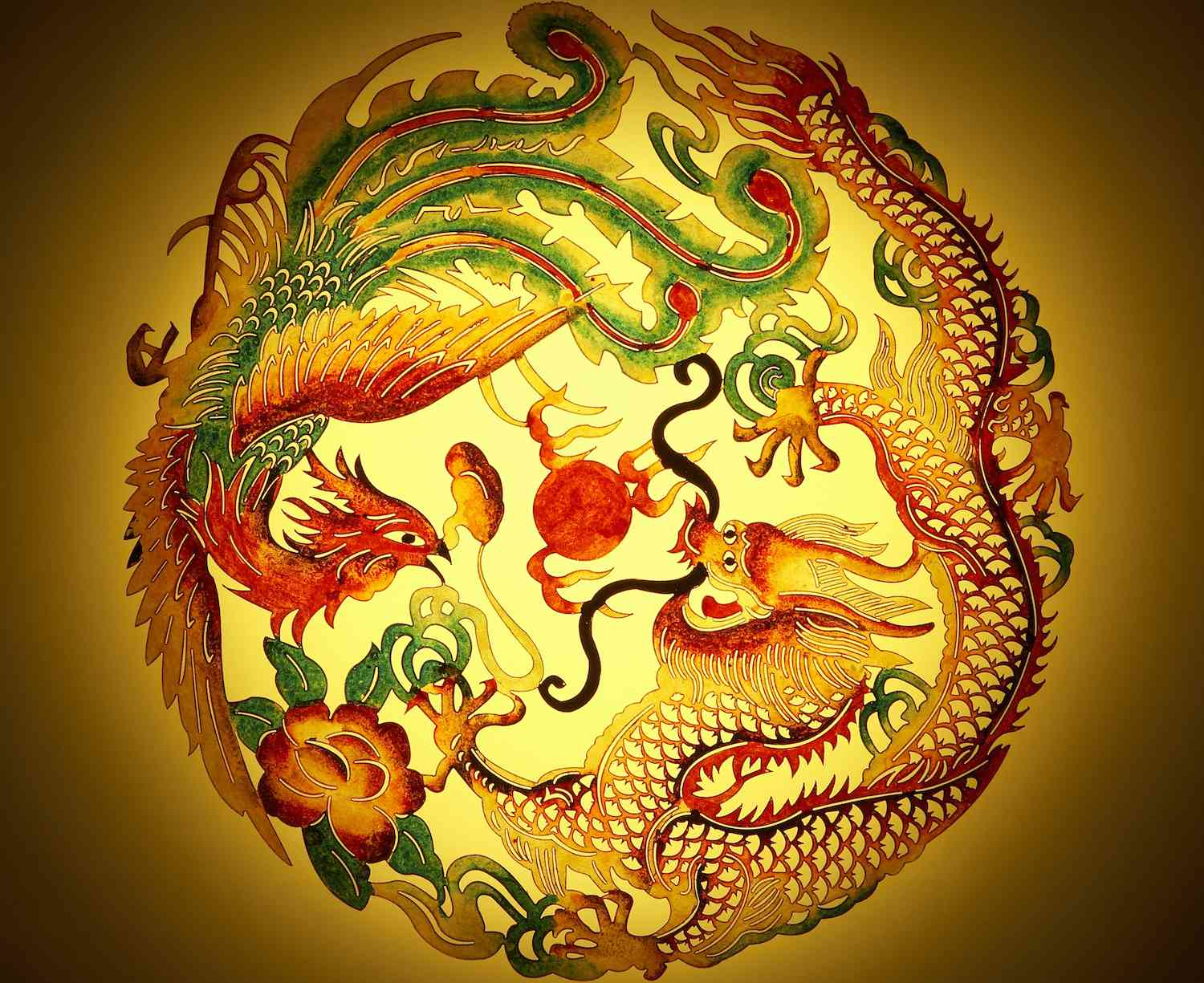
The phoenix is a mythical bird associated with death and rebirth across many ancient civilizations. In ancient Egypt, the Bennu bird symbolized the sun god Ra and renewal after destruction.

Greek mythology described the phoenix as a bird that lived for centuries before burning itself and rising again from its ashes. This image became a powerful symbol of immortality and renewal. In China, the fenghuang represented harmony, virtue, and cosmic balance.

Despite cultural differences, the phoenix myth reflects a shared human fascination with renewal, resilience, and the cycle of life.

The First Chariots in Human History

January 2, 2026

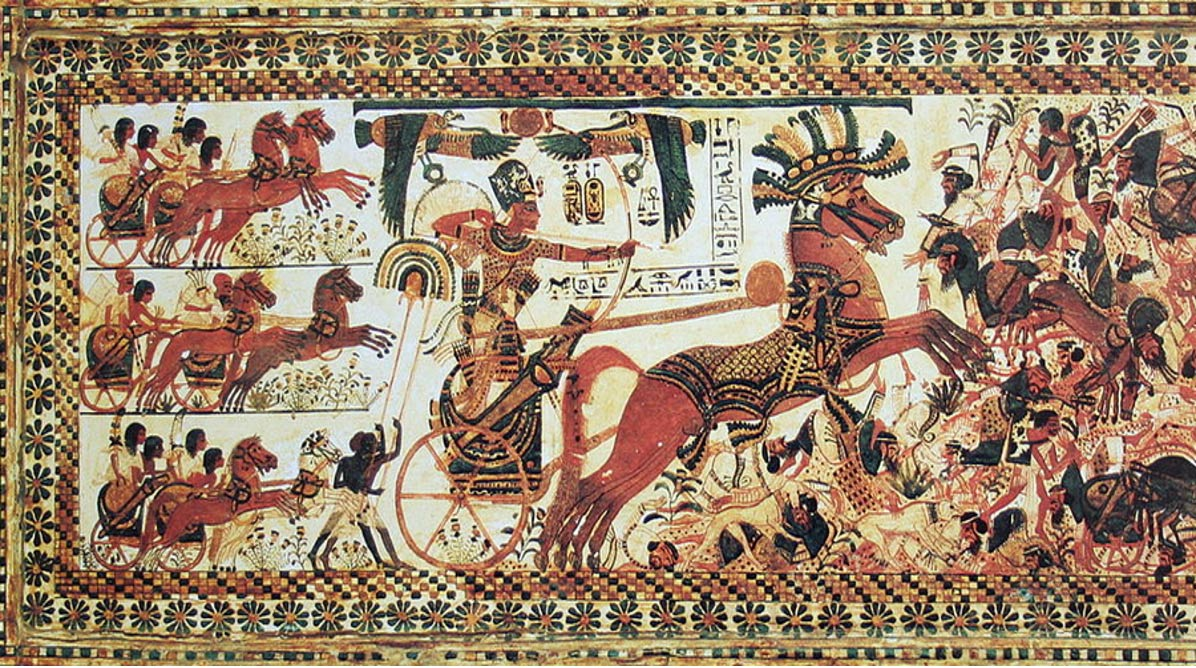
The invention of the chariot revolutionized warfare, transportation, and political power in ancient Eurasia around 2000 BCE. Early chariots emerged in regions such as Mesopotamia and the Eurasian steppe, likely evolving from wheeled carts.

Lightweight chariots with spoked wheels allowed warriors to move quickly across battlefields, delivering archers directly into combat. Civilizations such as the Hittites, Egyptians, and Shang Dynasty of China adopted chariots as elite military tools.

Chariots also became symbols of royal authority and divine favor. Kings were often depicted riding chariots, emphasizing their power and connection to the gods. Over time, cavalry replaced chariots, but their impact on warfare was long-lasting.

The Jōmon Pottery of Ancient Japan

January 2, 2026

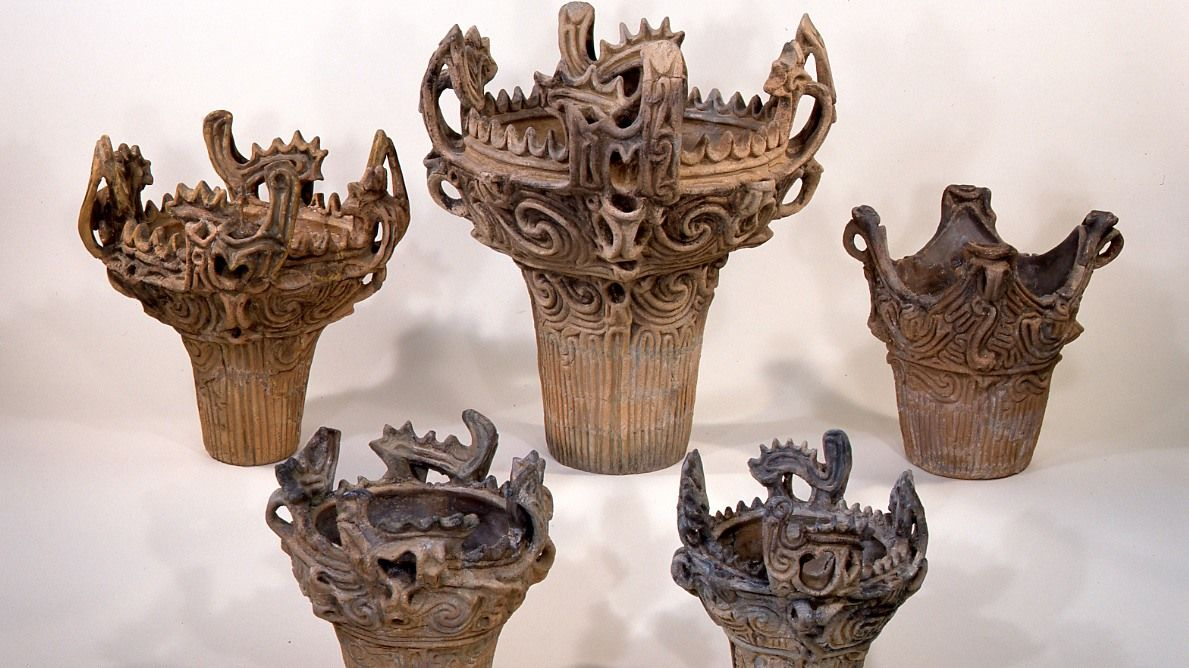
The Jōmon culture of ancient Japan, dating back to around 14,000 BCE, is known for producing some of the earliest pottery in human history. The word “Jōmon” means “cord-marked,” referring to the distinctive rope patterns pressed into wet clay before firing.

Unlike agricultural societies, the Jōmon people were hunter-gatherers, making their pottery especially remarkable. These vessels were used for cooking, storage, and ceremonial purposes. Over time, pottery styles became increasingly elaborate, with flame-like rims and complex decorative designs.

Jōmon pottery reflects both practical needs and spiritual expression. Many vessels were associated with rituals and burial practices, suggesting symbolic meaning beyond everyday use. Figurines called dogū are believed to represent fertility, protection, or spiritual power.

The sophistication of Jōmon pottery challenges the assumption that pottery developed only after farming. It demonstrates that artistic expression and technological innovation can arise in diverse cultural contexts.

The Ancient Greek Concept of the Soul

January 2, 2026

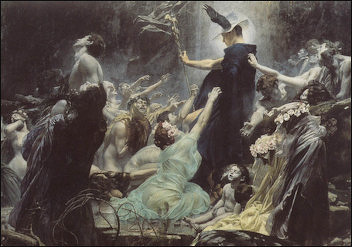
Ancient Greek philosophers developed some of the earliest theories about the soul, known as the psyche, shaping Western thought for centuries. Early beliefs saw the soul as a life force that left the body at death, often traveling to the underworld ruled by Hades.

Philosophers like Plato viewed the soul as immortal and divided into three parts: reason, spirit, and appetite. According to Plato, the soul existed before birth and sought to return to the world of perfect forms after death. Moral behavior helped purify the soul and free it from the cycle of rebirth.

Aristotle, on the other hand, believed the soul was inseparable from the body. He categorized souls into three types: vegetative (plants), sensitive (animals), and rational (humans). For Aristotle, the soul was the essence of living beings rather than an independent entity.

Mystery religions, such as Orphism, emphasized purification rituals and promised a blessed afterlife for followers. These ideas influenced later religious concepts of heaven, judgment, and salvation.

Greek debates about the soul shaped philosophy, psychology, and religious thought, forming the foundation for later Christian and Islamic ideas about human existence.

The Lost City of Çatalhöyük

January 2, 2026

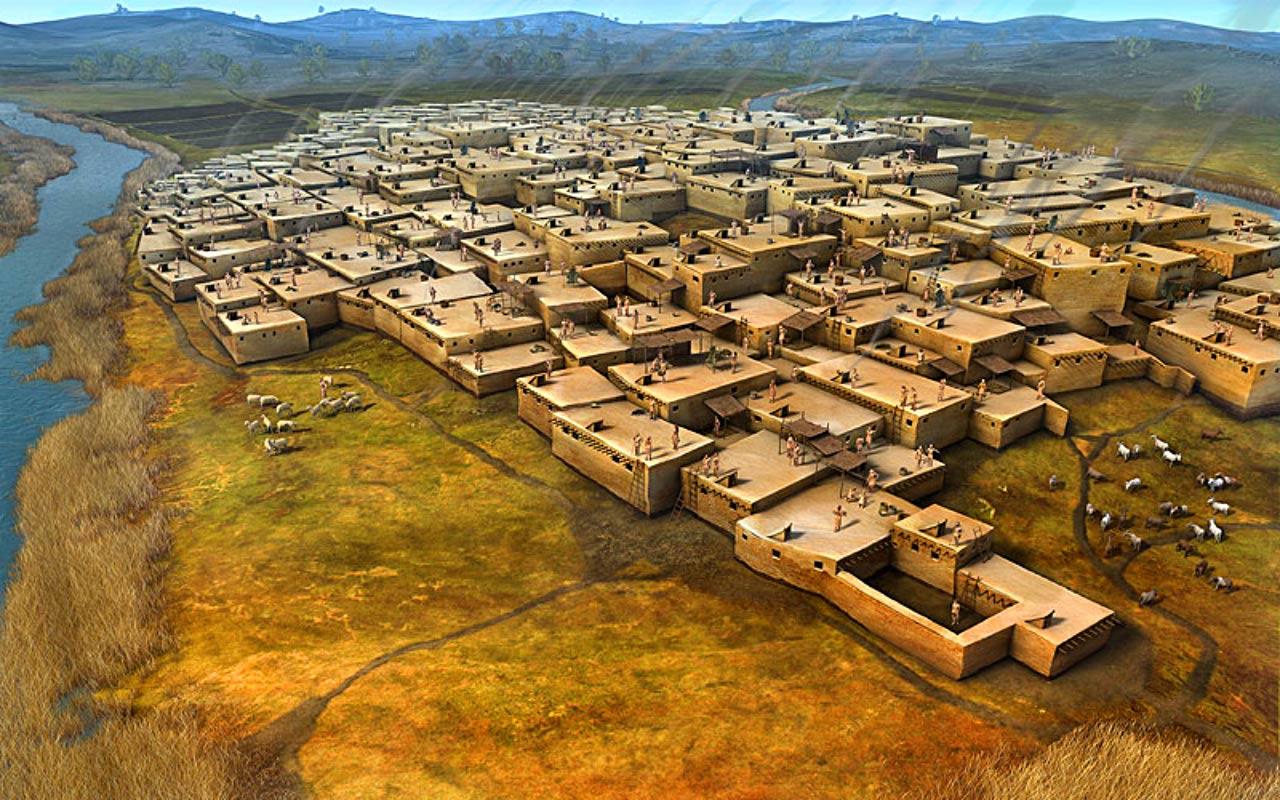
Çatalhöyük, located in modern-day Turkey, is one of the world’s oldest known urban settlements, dating back to around 7500 BCE. Unlike later cities with streets and public buildings, Çatalhöyük had a unique layout where homes were built directly next to each other, and people entered their houses through the roof.

The city’s architecture suggests a highly communal society. Homes were similar in size and structure, indicating relatively equal social status among inhabitants. Inside the houses, archaeologists found wall paintings, reliefs of animals, and symbolic imagery, suggesting strong religious and ritual practices.

Religion played a central role in daily life. Shrines within homes contained figurines, particularly of female forms often associated with fertility. The repeated imagery of bulls and wild animals points to a belief system connected to nature and hunting traditions. Burials were placed beneath the floors of houses, showing that ancestors remained spiritually connected to family life.

Çatalhöyük’s economy was based on agriculture, animal domestication, and trade. Residents cultivated wheat and barley, raised sheep and goats, and traded obsidian for goods from distant regions. The city’s sudden decline remains a mystery, possibly caused by environmental changes or social transformation.

Çatalhöyük challenges traditional ideas of early civilization and shows that complex societies existed long before kings, writing, or formal governments.

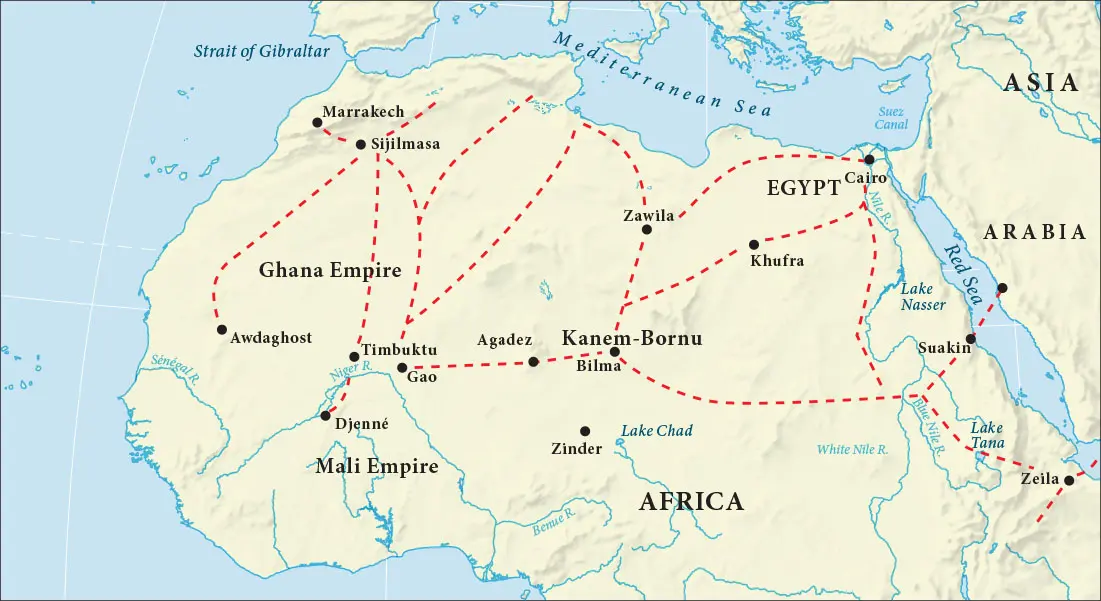
The Ancient Trade Networks of the Sahara

January 2, 2026

The Sahara Desert, though harsh and seemingly impassable, was once a vital region of long-distance trade connecting North Africa with sub-Saharan civilizations. Ancient trade networks across the Sahara enabled the exchange of goods, ideas, and cultures long before the rise of medieval trans-Saharan trade routes.

One of the most important civilizations involved in early Saharan trade was the Garamantes, who lived in present-day Libya. They developed underground irrigation systems called foggaras, allowing them to farm in arid conditions. This agricultural surplus supported caravan trade across the desert.

Trade goods included gold, salt, ivory, animal skins, and slaves, which were exchanged for Mediterranean products such as wine, ceramics, metal tools, and textiles. Salt was especially valuable, as it was essential for food preservation and human survival. Caravans used camels, which were perfectly adapted to desert travel, enabling longer journeys with heavier loads.

These trade routes were not just economic pathways but also cultural bridges. They facilitated the spread of technologies, religious beliefs, artistic styles, and political ideas between Africa and the Mediterranean world. Rock art and archaeological remains suggest frequent movement of people across regions once thought isolated.

The ancient Saharan trade networks demonstrate that Africa was deeply connected to global history and played an active role in early economic systems rather than being isolated or passive.

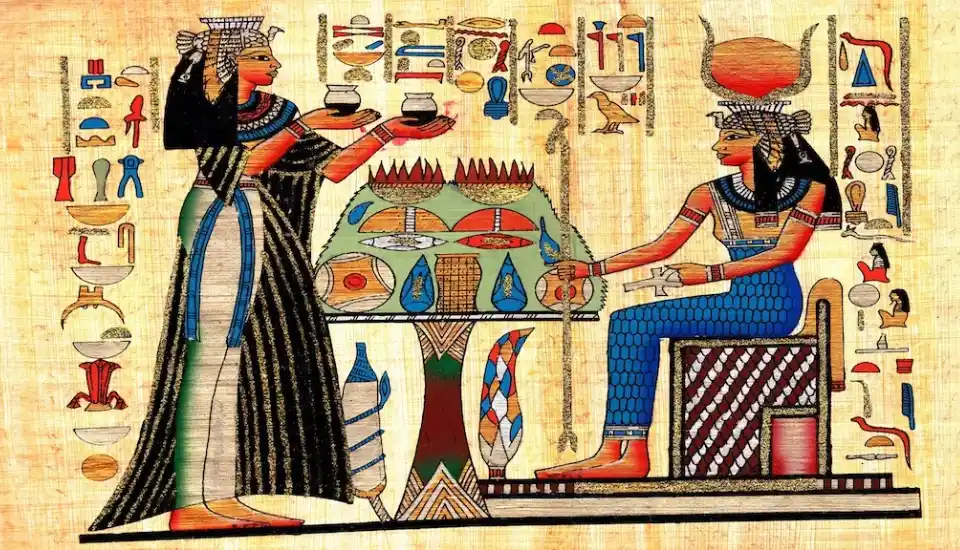
The Medicine of Ancient Egypt

January 2, 2026

Ancient Egyptian medicine was one of the most advanced medical systems of the ancient world, combining practical treatments with religious and magical beliefs. Egyptian physicians were highly respected specialists, and medical knowledge was often passed down through training and written records. Doctors were usually priests, which meant healing was seen as both a physical and spiritual process. Illness was believed to be caused by natural factors, divine punishment, or evil spirits, so treatment often addressed all three.

One of the strongest pieces of evidence for Egyptian medical knowledge comes from medical papyri. The Edwin Smith Papyrus, dating to around 1600 BCE, is considered the earliest known surgical text. It describes trauma cases such as fractures, head injuries, and wounds in a logical, systematic way. The text includes examination methods, diagnoses, treatment plans, and prognoses, showing that Egyptian doctors relied heavily on observation and experience. Unlike other texts, it contains little magic, suggesting a scientific approach to surgery.

Another important document is the Ebers Papyrus, which focuses more on internal medicine and herbal remedies. This papyrus lists hundreds of treatments for conditions such as digestive problems, infections, heart disease, and skin disorders. Ingredients included honey, garlic, onions, dates, aloe, and various minerals. Honey, in particular, was widely used because of its antibacterial properties, especially for wound care. Many of these remedies have been proven effective by modern science.

Ancient Egyptian surgeons used a wide range of medical tools made from bronze and copper. Archaeological discoveries show scalpels, forceps, needles, saws, and probes, indicating that minor surgeries were common. Evidence from mummies suggests that doctors performed procedures such as setting broken bones, stitching wounds, and even amputations. Prosthetic toes and fingers found on mummies show attempts to restore mobility and quality of life.

Religion played a major role in healing. Gods such as Sekhmet, the goddess of healing and disease, and Thoth, the god of knowledge, were closely associated with medicine. Amulets, spells, and prayers were often used alongside physical treatments to protect patients from supernatural harm. This combination of medicine and magic reflects the Egyptian belief that health depended on balance between the body, spirit, and divine order.

Overall, ancient Egyptian medicine laid the foundation for later medical traditions in Greece and Rome. Their written records, surgical techniques, and herbal knowledge demonstrate a surprisingly advanced understanding of the human body for their time.

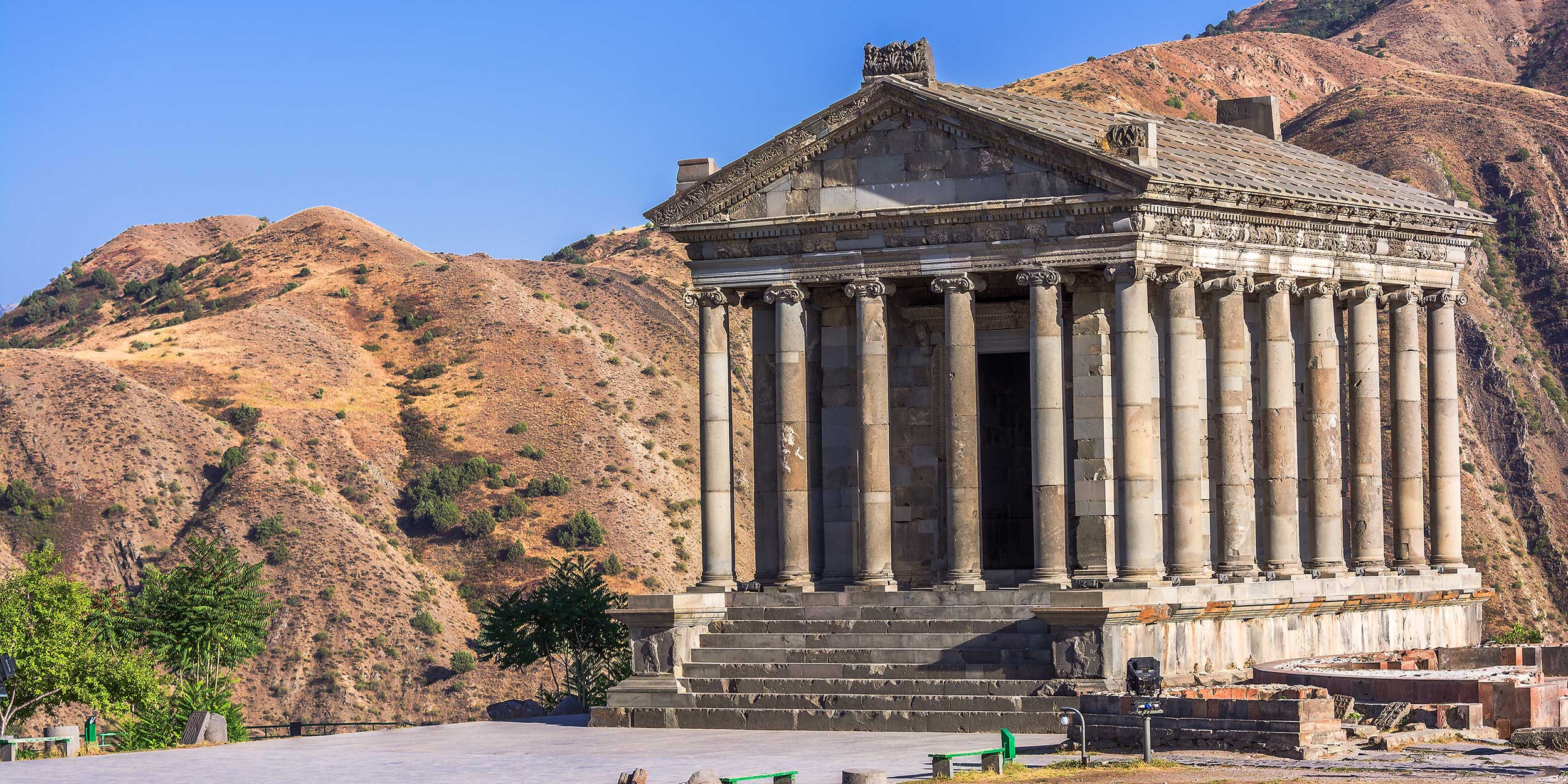
The Temples of Ancient Armenia

January 2, 2026

Before adopting Christianity in the 4th century CE, Armenia practiced a rich pagan tradition influenced by Iranian and local beliefs. Temples were dedicated to gods such as Mihr, Anahit, and Vahagn, associated with the sun, fertility, and war.

The most famous surviving structure is the Temple of Garni, a Greco-Roman style temple dedicated to Mihr. These temples served as religious, political, and cultural centers. Rituals included offerings, festivals, and royal ceremonies.

When Armenia became the first Christian state, many pagan temples were destroyed or repurposed. However, their architectural and cultural legacy provides valuable insight into pre-Christian Armenian identity and spirituality.

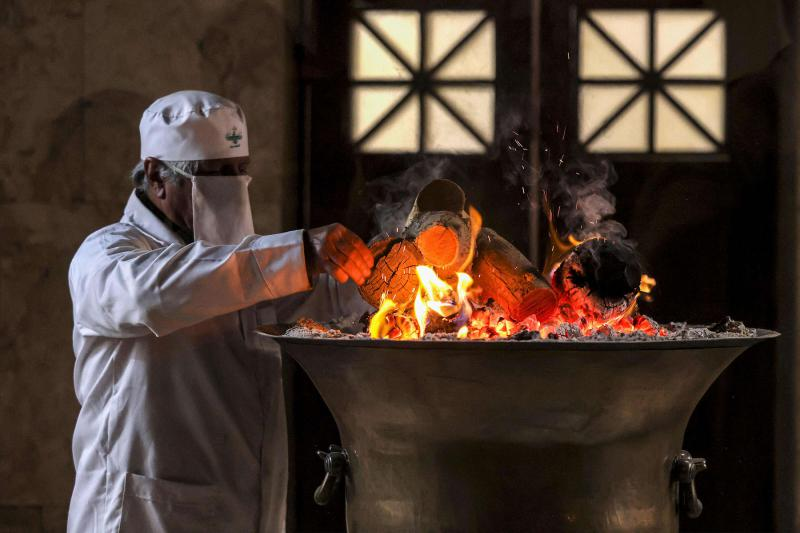
The Sacred Fire of Ancient Persia

January 2, 2026

Fire held profound religious significance in ancient Persian culture, particularly within Zoroastrianism. Fire symbolized truth, purity, and the presence of Ahura Mazda, the supreme god. It was not worshiped as a god itself but revered as a sacred medium.

Fire temples housed eternal flames that were carefully maintained by priests. Rituals emphasized cleanliness, moral purity, and cosmic order. Fire represented the struggle between truth and deception, light and darkness, central themes in Zoroastrian belief.

These practices influenced later religions, including Judaism, Christianity, and Islam, particularly concepts of moral dualism and judgment. The sacred fire remains a powerful symbol of Persian spiritual heritage.

The Kingdom of Lydia and the First Coins

January 2, 2026

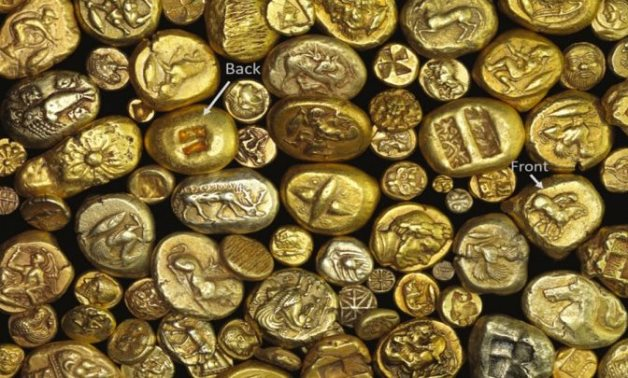
The Kingdom of Lydia, located in western Anatolia, is credited with inventing the world’s first true coins around the 7th century BCE. These coins were made from electrum, a natural alloy of gold and silver, and were stamped with official symbols to guarantee value.

Before coinage, trade relied on barter or weighed metal, which was inefficient. Lydia’s innovation transformed commerce by creating standardized currency that could be easily exchanged. Coins allowed markets to expand, facilitated taxation, and strengthened state authority. King Croesus later refined the system by issuing pure gold and silver coins.

The idea of coinage spread rapidly to Greece and beyond, shaping global economic systems. Lydia’s invention laid the foundation for modern monetary economies and permanently altered trade, governance, and social organization.

The Ancient Greek Mystery Schools

January 2, 2026

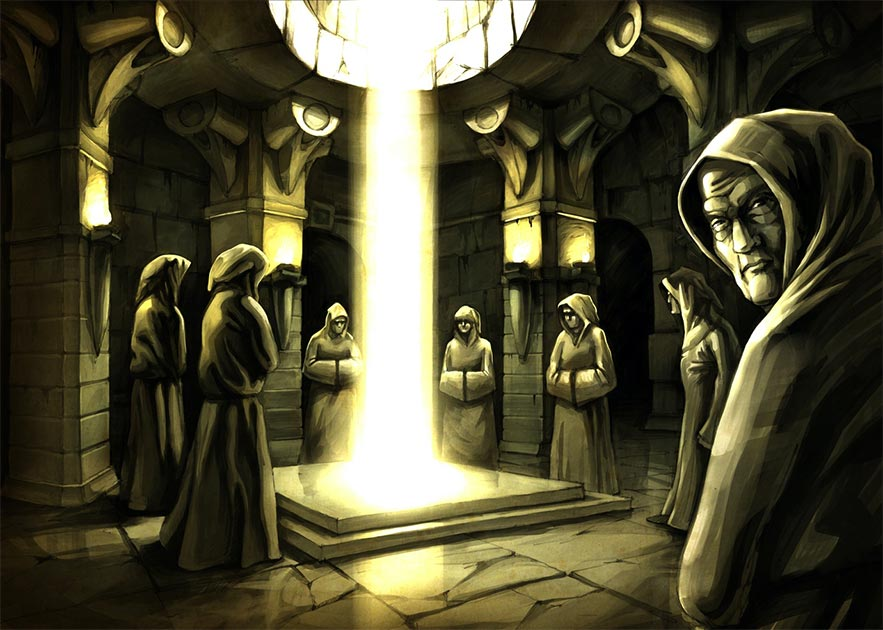
Greek mystery schools were secret religious traditions that promised initiates spiritual knowledge and a better fate after death. Unlike public religion, these cults restricted their teachings to those who underwent initiation. The most famous were the Eleusinian Mysteries, dedicated to Demeter and Persephone.

Initiates participated in rituals symbolizing death and rebirth, reflecting agricultural cycles and human mortality. Though details remain secret, ancient sources suggest the experience was transformative and deeply emotional. Orphism emphasized purification of the soul and reincarnation, while Dionysian cults focused on ecstatic rituals, music, and liberation from social constraints.

These mystery traditions influenced Greek philosophy and later religious movements. Ideas about the soul, afterlife, and spiritual purification shaped thinkers such as Plato. The mystery schools offered personal salvation in a world dominated by fate and suffering, making them profoundly significant in ancient spiritual life.

The Scythian Burial Mounds

January 2, 2026

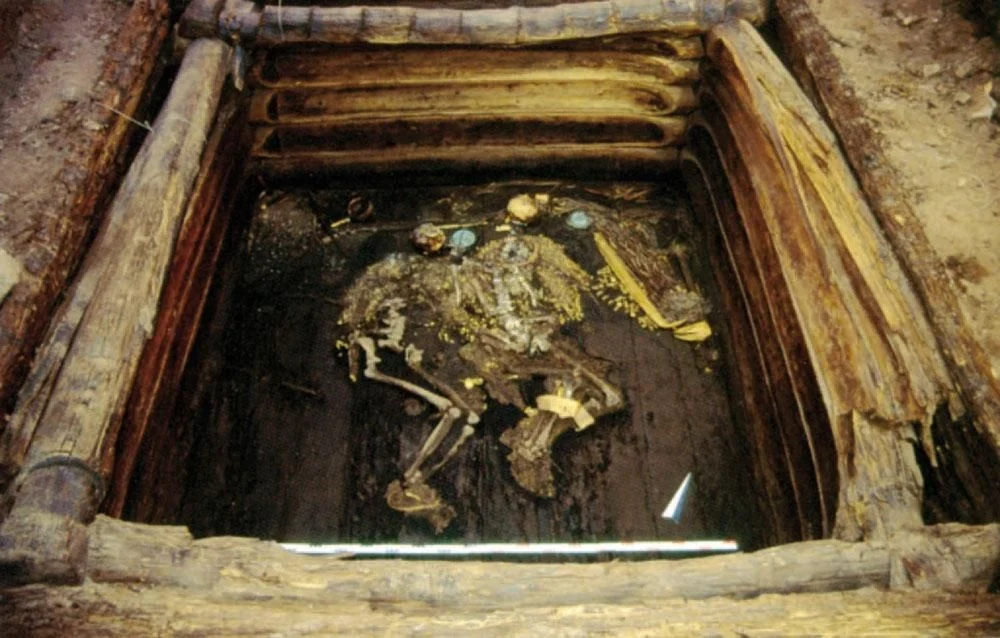
The Scythians were nomadic warrior cultures that dominated the Eurasian степpe from around the 9th to 3rd centuries BCE. Much of what we know about them comes from their kurgans, or burial mounds, scattered across modern-day Russia, Ukraine, and Central Asia. These burial sites reveal extraordinary insights into Scythian social structure, beliefs, and artistry.

Scythian burials were elaborate and often included weapons, horses, clothing, jewelry, and household items. Elite individuals were buried with sacrificed servants and horses, reflecting beliefs in an afterlife where status continued. Frozen kurgans in Siberia preserved organic materials, allowing archaeologists to study textiles, tattoos, and wooden objects.

The artistic style found in Scythian graves is known as the animal style, featuring dynamic depictions of animals in combat or motion. These images likely held symbolic meanings connected to power, protection, and spiritual transformation. The kurgans demonstrate that despite their nomadic lifestyle, the Scythians possessed sophisticated craftsmanship and complex religious beliefs centered on death and the afterlife.

The Mysterious Copper Scroll

January 2, 2026

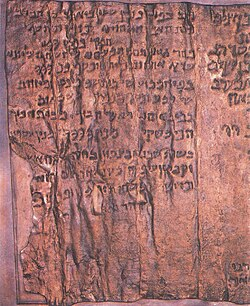
The Copper Scroll is one of the most unusual documents discovered among the Dead Sea Scrolls. Unlike the others, which were written on parchment or papyrus, this scroll was engraved on copper sheets. It dates to the 1st century CE and contains a list of locations where vast quantities of gold, silver, and sacred objects were supposedly hidden.

What makes the Copper Scroll unique is its practical and administrative tone. Rather than religious teachings or laws, it reads like an inventory or treasure map. The scroll lists dozens of burial sites, caves, and underground chambers, each allegedly containing enormous wealth. Scholars debate whether the treasures were real, symbolic, or exaggerated records of Temple wealth hidden during the Roman destruction of Jerusalem.

Despite several archaeological searches inspired by the scroll, no confirmed treasures have been found. Some researchers believe the scroll reflects priestly knowledge of sacred deposits, while others argue it was a symbolic or fictional document. The use of copper suggests the information was meant to endure, indicating its importance. The Copper Scroll remains one of the greatest mysteries of ancient Judaism and continues to fascinate historians and archaeologists.

The Glass-Making Industry of Ancient Phoenicia

January 2, 2026

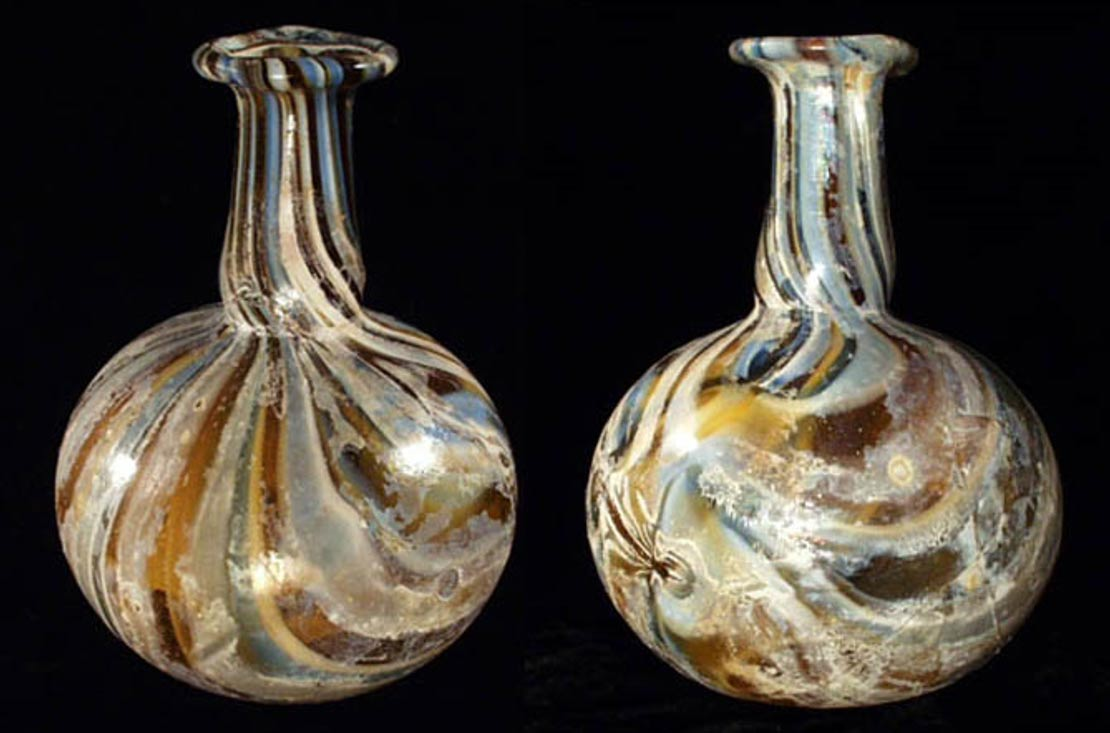
The Phoenicians were pioneers in the development and spread of glass-making technology across the ancient Mediterranean world. While glass existed earlier in Mesopotamia and Egypt, the Phoenicians refined production techniques and transformed glass into a widely traded luxury item. Their coastal cities, such as Tyre and Sidon, became major centers for glass craftsmanship.

Phoenician artisans mastered the use of sand rich in silica and developed methods to control heat and color. One of their greatest innovations was glassblowing, which allowed molten glass to be shaped quickly and efficiently. This technique revolutionized glass production, making it more affordable and versatile. Phoenician glassware included vessels, beads, amulets, and decorative objects that were traded across Europe, North Africa, and the Near East.

Glass also held symbolic and ritual significance. Colored glass imitated precious stones and was used in jewelry and religious items. The Phoenician trade networks ensured that glass-making knowledge spread to Greece and Rome, where it was further refined. The Roman glass industry, in particular, owed much of its success to Phoenician innovation. Through commerce and craftsmanship, the Phoenicians permanently shaped ancient material culture.

The Ancient Roots of Yoga

January 2, 2026

Yoga has ancient origins that can be traced back to the Indus Valley Civilization and early Vedic traditions of South Asia. Archaeological evidence, such as seals depicting figures in meditative postures, suggests that yogic practices existed as early as 2500 BCE. These early forms of yoga were not physical exercise systems but spiritual disciplines focused on self-control, breath, and inner awareness.

In the Vedic period, yoga developed alongside religious rituals and philosophical thought. The Vedas describe practices involving breath control (pranayama), meditation, and disciplined living as methods for connecting with cosmic order, known as ṛta. Over time, these ideas evolved into deeper philosophical systems found in the Upanishads, where yoga became a tool for achieving self-realization and liberation from suffering.

Classical yoga was later systematized by Patanjali in the Yoga Sutras, which outlined the eightfold path, including ethical behavior, meditation, and concentration. Yoga was closely linked to Hindu, Buddhist, and Jain traditions, each adapting it to their spiritual goals. Rather than focusing on physical flexibility, ancient yoga aimed to discipline the mind and transcend the ego. Modern yoga practices draw from these ancient roots, though often emphasizing physical postures more than spiritual transformation.

← Newer Posts Older Posts →
Featured
Artifact-France-Gravettian-Venus-Figurine.jpg
August 10, 2026
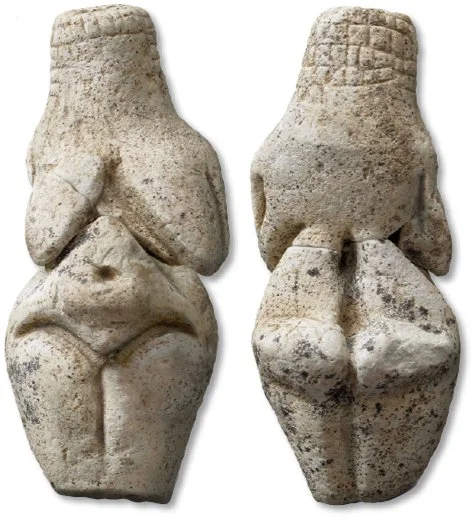
Noisetier Cave: France's Gravettian Venus Figurines
August 10, 2026
Read more →
August 10, 2026
images.jpeg
August 10, 2026
Bruniquel Cave: France's 176,000-Year Neanderthal Rings
August 10, 2026
Read more →
August 10, 2026
images (1).jpeg
August 10, 2026
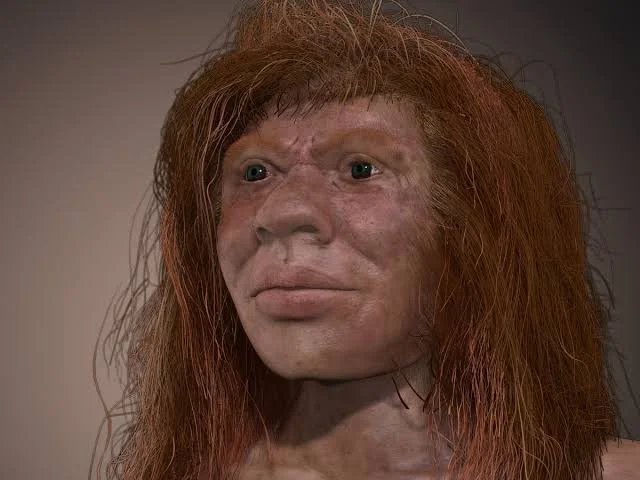
Mandrin Cave: France's Neanderthal-Denisovan Mix
August 10, 2026
Read more →
August 10, 2026
images (2).jpeg
August 10, 2026
Grotte du Renne: France's Symbolic Neanderthals
August 10, 2026
Read more →
August 10, 2026
images (3).jpeg
August 10, 2026
Arcy-sur-Cure Caves: France's Continuous Occupation
August 10, 2026
Read more →
August 10, 2026
womanwithbabysm.jpg
August 10, 2026
Gönnersdorf: Germany's Late Magdalenian Art
August 10, 2026
Read more →
August 10, 2026
read more

Powered by The archaeologist