• MAIN PAGE
  • LATEST NEWS
    • Lost Cities
    • Archaeology's Greatest Finds
    • Underwater Discoveries
    • Greatest Inventions
    • Studies
    • Blog
  • PHILOSOPHY
  • HISTORY
  • RELIGIONS
    • Africa
    • Anatolia
    • Arabian Peninsula
    • Balkan Region
    • China - East Asia
    • Europe
    • Eurasian Steppe
    • Levant
    • Mesopotamia
    • Oceania - SE Asia
    • Pre-Columbian Civilizations of America
    • Iranian Plateau - Central Asia
    • Indus Valley - South Asia
    • Japan
    • The Archaeologist Editor Group
    • Scientific Studies
    • Aegean Prehistory
    • Historical Period
    • Byzantine Middle Ages
    • Predynastic Period
    • Dynastic Period
    • Greco-Roman Egypt
  • Rome
  • PALEONTOLOGY
  • About us
Menu

The Archaeologist

  • MAIN PAGE
  • LATEST NEWS
  • DISCOVERIES
    • Lost Cities
    • Archaeology's Greatest Finds
    • Underwater Discoveries
    • Greatest Inventions
    • Studies
    • Blog
  • PHILOSOPHY
  • HISTORY
  • RELIGIONS
  • World Civilizations
    • Africa
    • Anatolia
    • Arabian Peninsula
    • Balkan Region
    • China - East Asia
    • Europe
    • Eurasian Steppe
    • Levant
    • Mesopotamia
    • Oceania - SE Asia
    • Pre-Columbian Civilizations of America
    • Iranian Plateau - Central Asia
    • Indus Valley - South Asia
    • Japan
    • The Archaeologist Editor Group
    • Scientific Studies
  • GREECE
    • Aegean Prehistory
    • Historical Period
    • Byzantine Middle Ages
  • Egypt
    • Predynastic Period
    • Dynastic Period
    • Greco-Roman Egypt
  • Rome
  • PALEONTOLOGY
  • About us

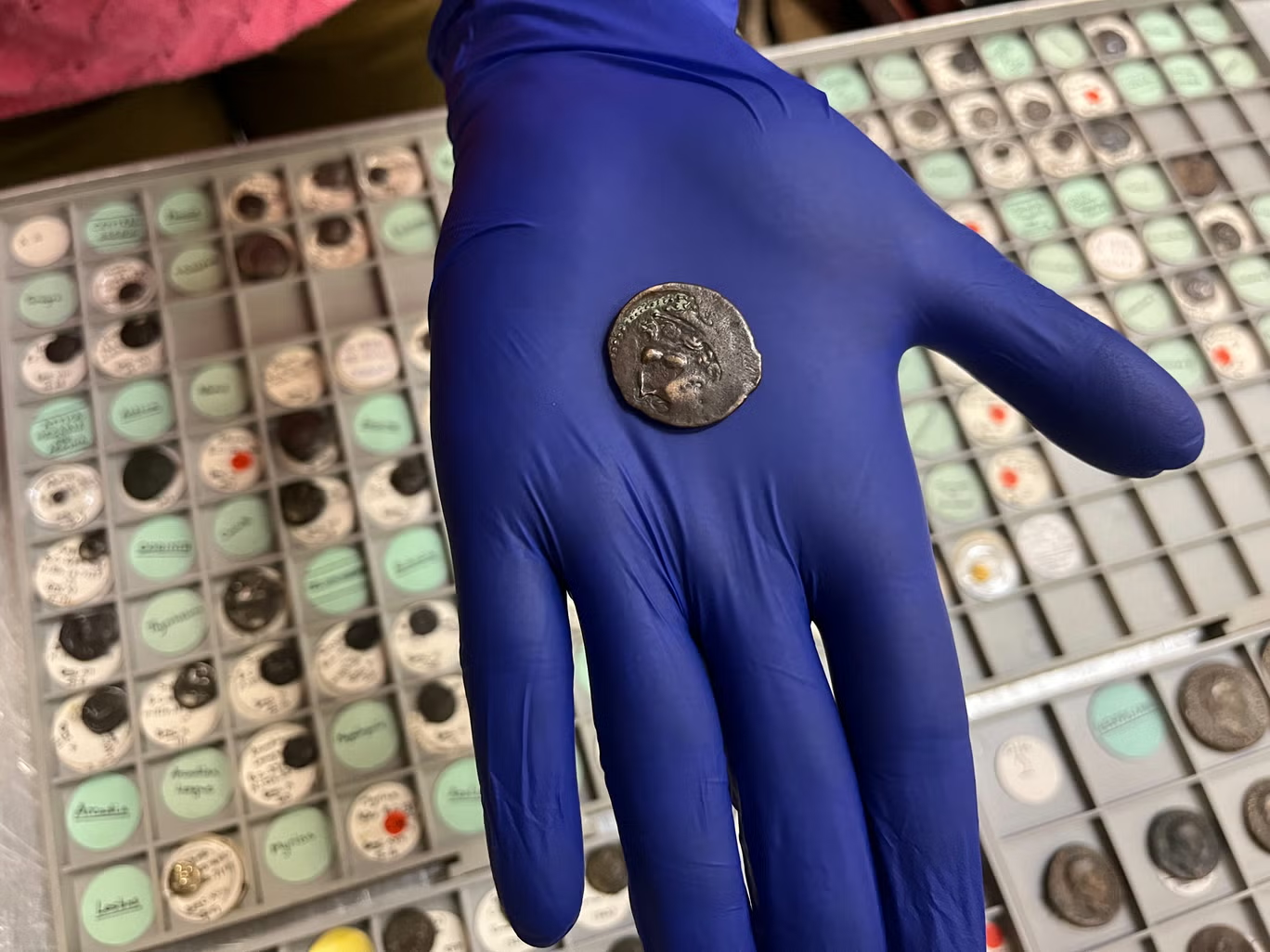
The coin has been donated to Leeds Museums and Galleries

Coin used to pay for bus ticket in Leeds found to be 2,000 years old

March 11, 2026

An unusual coin once used to pay a bus fare in Leeds during the 1950s has been identified as an artifact from an ancient civilisation more than 2,000 years old.

The coin was originally handed to a local bus driver and later collected by James Edwards, a former chief cashier for Leeds City Transport, who was responsible for gathering and counting fares at the end of each day. Because the coin was not valid British currency, Edwards set it aside and eventually gave it to his young grandson Peter, who kept it safely in a small wooden chest for more than seventy years.

Researchers from the University of Leeds later examined the object and determined that it came from the Carthaginian culture connected to the Phoenicians. The coin was minted in the Spanish coastal city of Cadiz during the 1st century BC.

Peter, now 77, recalled that his grandfather often kept unusual foreign coins he encountered while counting fares. When Peter visited his grandfather’s home, he would occasionally receive a few of these coins as gifts.

“It was not long after the war, so I imagine soldiers returned with coins from countries they had been sent to,” he explained. Although neither of them were serious coin collectors, they were fascinated by the objects’ designs and origins. To Peter, they felt like hidden treasure.

The coin features the face of the god Melqart on one side. Melqart was an important Phoenician deity often depicted in a way that resembles the Greek hero Heracles, wearing the famous lionskin headdress.

Experts believe the coin was produced in what was once a Carthaginian settlement along the Spanish coast. After finally learning its origin, Peter decided the coin should be preserved and studied by professionals rather than kept privately.

He donated the artifact to Leeds Museums and Galleries, where it is now part of the Leeds Discovery Centre collection. The centre houses coins and currency from many cultures around the world, representing thousands of years of history.

City officials described the journey of the coin as remarkable, noting that a small object created by an ancient civilisation managed to travel across continents and centuries before finally becoming part of a museum collection in Leeds.
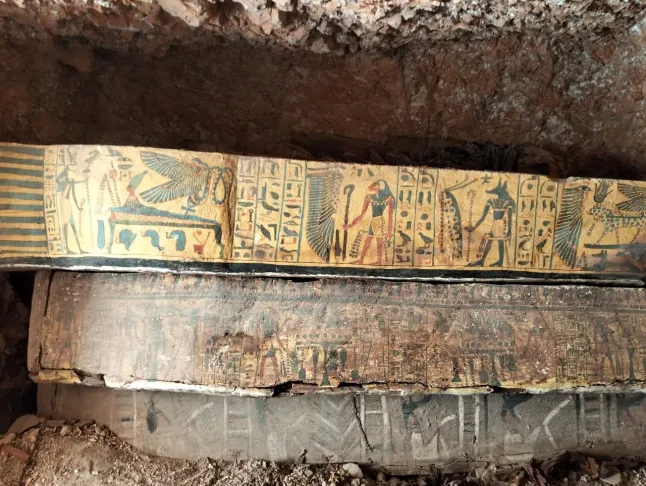
The painted coffins were found stacked in a chamber in Luxor

Archaeologists find perfectly intact painted coffins in incredible ancient Egypt discovery

March 11, 2026

Archaeologists in Egypt have uncovered a tightly packed rock-cut chamber filled with dozens of beautifully painted coffins. The discovery was made in the Asasif Necropolis on the west bank of Luxor, one of the most important archaeological regions of ancient Egypt.

Dating to the Third Intermediate Period of Egypt (around 1070–664 BC), the find includes 22 wooden coffins decorated in vivid colours as well as a cache of rare papyri sealed inside ceramic vessels.

Women Linked to the Cult of Amun

Many of the coffins appear to belong to women who held the title “Singer of Amun,” a religious role connected to rituals honoring the powerful Egyptian deity Amun. Women with this title were often associated with temple ceremonies and sacred music performed during religious festivals.

The discovery was announced by the Egyptian Ministry of Tourism and Antiquities following excavations carried out by a joint archaeological mission from the Supreme Council of Antiquities and the Zahi Hawass Foundation for Archaeology and Heritage.

Officials described the find as another significant addition to the growing list of major archaeological discoveries being made across Egypt.

A Hidden Chamber in an Ancient Tomb

The coffins were discovered in a section of the courtyard belonging to the tomb of Sennep in the Qurna area. This region forms part of the vast Theban Necropolis, which stretches across the desert west of Luxor.

Archaeologists uncovered a rectangular chamber carved directly into the bedrock. Evidence suggests that this was not the original burial site but rather a secondary storage chamber where coffins from earlier tombs had been carefully relocated.

Inside the chamber, the 22 coffins were arranged in an orderly fashion. They were stacked in multiple layers across ten horizontal rows, with the lids separated from the coffin bases to maximize the limited space available.

Carefully Organized Reburials

Researchers believe the arrangement shows that the burials were not carried out hastily. Instead, the careful placement suggests a well-planned process, possibly supervised by temple authorities responsible for safeguarding the remains.

Many coffins from this period were emptied or disturbed in antiquity, making it notable that these examples still contained mummified remains. Although most of the coffins do not display personal names, several prominently feature professional titles, offering clues about the roles these individuals held in temple life.

Preservation and Study

According to Zahi Hawass, detailed conservation work will now be undertaken to stabilize and restore the coffins. Once the restoration process is complete, the artifacts and papyri will be studied further to reveal more about the religious community that lived and served in ancient Thebes thousands of years ago.

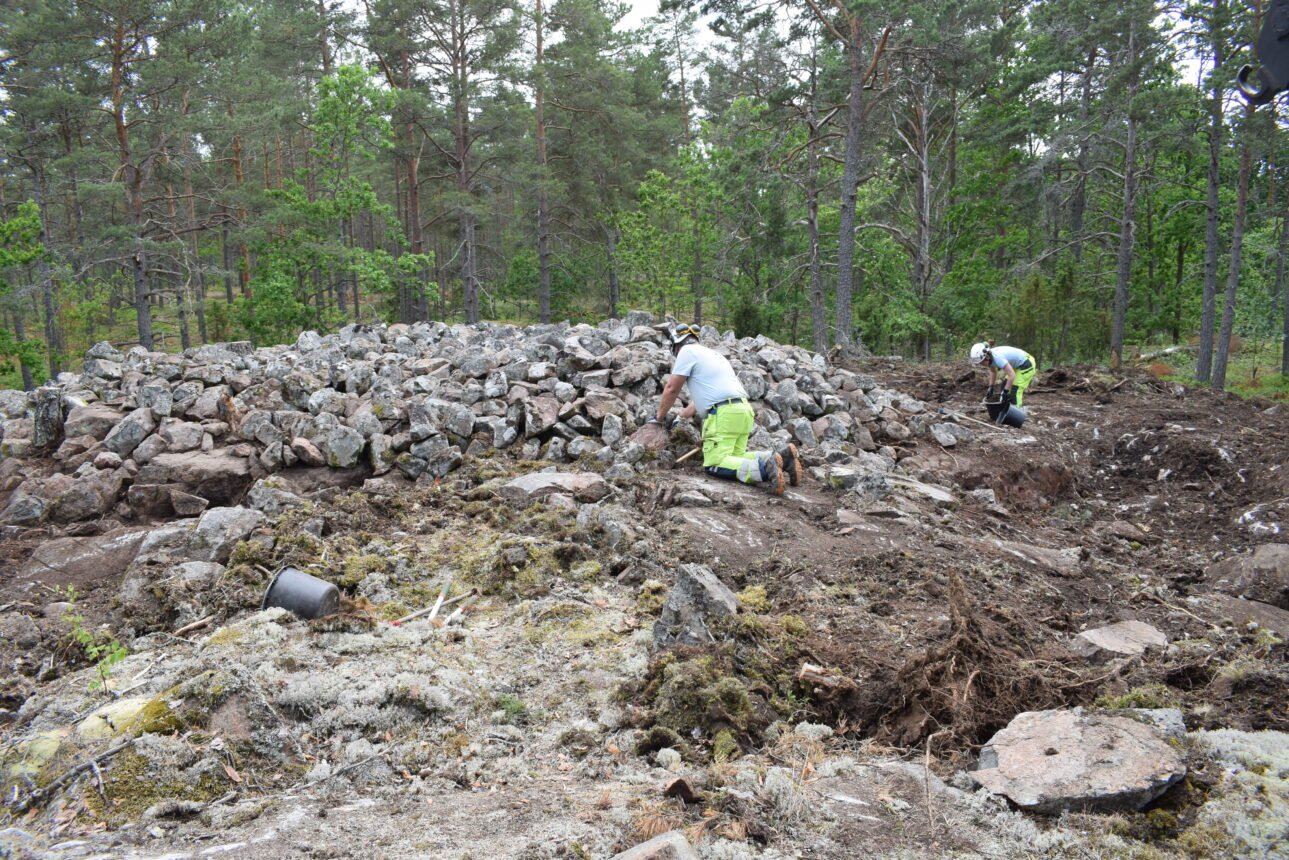
Bronze Age cairn reveals clues to ancient monument construction

March 11, 2026

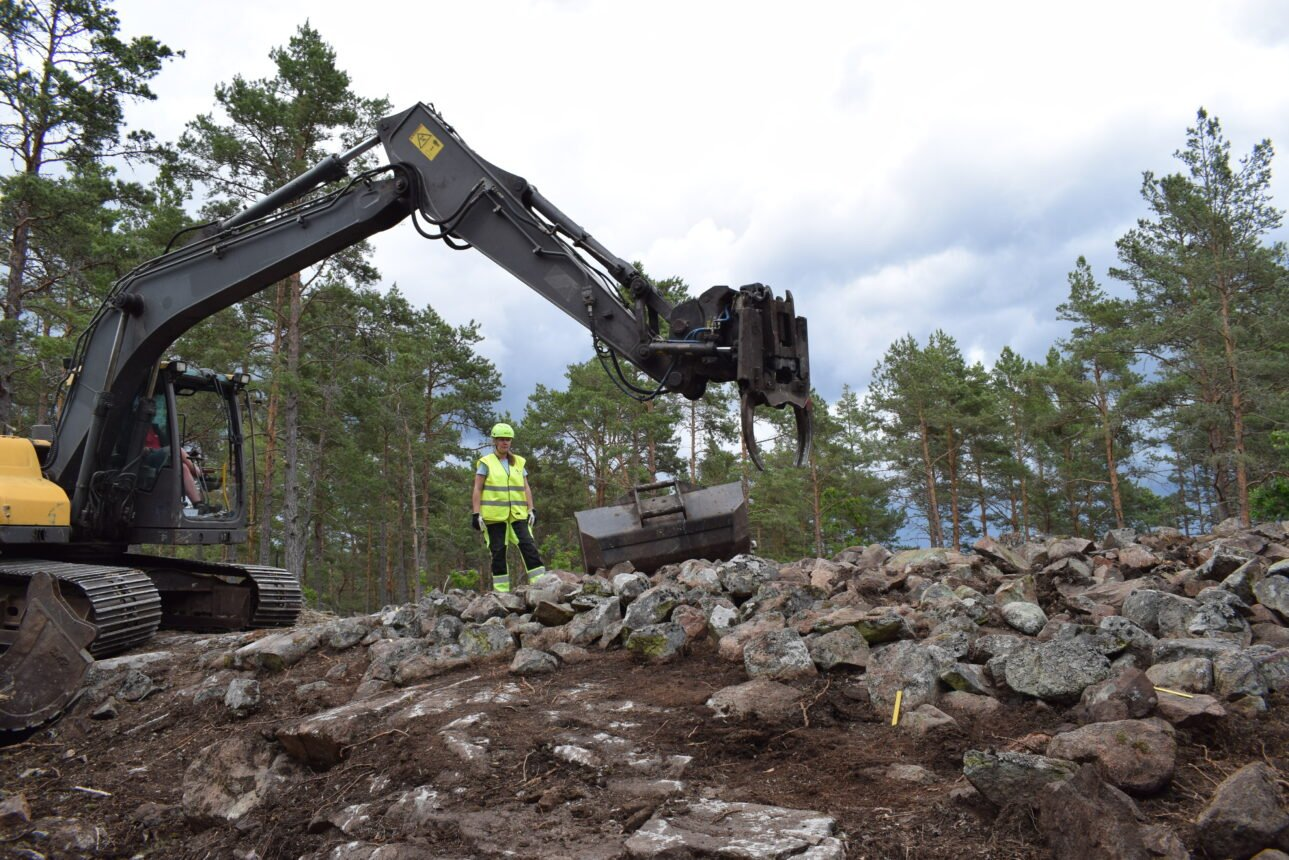
Archaeologists investigating a large prehistoric cairn near Simpevarp have uncovered new insights into a Bronze Age burial monument and the people who constructed it thousands of years ago.

The excavation, carried out over several weeks at the end of June last year, revealed how ancient builders carefully used the surrounding natural landscape when creating the monument. Researchers also discovered a rare grave offering that has survived to the present day, providing a valuable glimpse into ancient burial traditions.

The cairn measures roughly 12 meters in diameter and stands about 0.8 meters high. It is composed of stones ranging from 20 to 50 centimeters in size.

Excavations revealed that the monument was constructed in two to three layers. The upper layer consisted mainly of larger stones, while smaller stones—often sharp-edged and cracked—were placed directly on top of a naturally arched bedrock surface that already resembled a mound.

Researchers also observed that the stone packing extended down the edges of the rock formation. Because of this natural elevation, the cairn may have appeared several meters taller when viewed from a distance, creating a more imposing presence in the landscape for those approaching the burial site.

Researchers believe the cairn’s elevated appearance was likely intentional. The monument’s height is most striking when viewed from the south, facing the sea, suggesting that the builders may have designed it to impress people approaching the coast by boat near Simpevarp.

Another significant feature uncovered during the excavation was a straight line of stones running through the center of the cairn. Stretching nearly eight meters from southwest to northeast, this carefully arranged row divided the monument into two halves. Beneath this central axis lay a deep crack in the bedrock filled with soil, which archaeologists believe may mark the original burial location.

Although prehistoric graves often contain human remains or burial goods, the harsh coastal conditions likely caused organic materials to decompose over time. Soil recovered from fissures in the rock contained charcoal, indicating that fires had once burned at the site, but no human bones survived.

However, on the final day of excavation, archaeologists discovered an important artifact—a flint scraper placed within a bedrock crack beneath the cairn. Dating to the Bronze Age, the tool was likely left as a grave offering for the deceased, providing a rare surviving trace of a burial that would otherwise have vanished entirely.

Archaeologists Were Digging Into a Hill—and Stumbled Upon a 125,000-Year-Old Factory

March 11, 2026

Evidence of Neanderthal “Fat Factories” Discovered

A new study has revealed that Neanderthals may have operated organized “fat factories” as far back as 125,000 years ago, demonstrating sophisticated survival strategies and resource management.

The research, published in Science Advances, was conducted by scientists from Leiden University and builds on decades of archaeological investigation at the Neumark-Nord site near Leipzig, Germany.

Strategic Location and Resource Processing

According to the study, Neanderthals deliberately chose a lakeside location for processing animal remains. The area functioned as a specialized site where large quantities of bones were broken open to extract nutritious bone marrow.

Researchers discovered that the inhabitants not only cracked bones to access marrow but also crushed and heated them, a process that allowed them to extract fat more efficiently. This organized method of processing resources resembles an early form of mass production.

Advanced Survival Knowledge

The findings suggest Neanderthals had a deep understanding of their environment and nutritional needs. Fat was an essential component of their diet, especially when relying heavily on lean meat from large animals.

Earlier excavations at Neumark-Nord had already shown that Neanderthals hunted large animals such as the Straight-Tusked Elephant. Evidence from the site also indicates they used fire to manage vegetation and possibly exploited local plant resources, even though plant remains rarely survive in the archaeological record.

Rethinking Early Innovation

Mass production is often associated with Henry Ford, who popularized the assembly line in the early 20th century. However, this new research suggests that organized, large-scale processing of resources existed tens of thousands of years earlier.

The discovery adds to growing evidence that Neanderthals were far more innovative and capable than once believed, showing they could plan ahead, organize labor, and efficiently process food resources to support their survival.

Marsupials Previously Thought Extinct for 6,000 Years Discovered: ‘A once-in-a-lifetime discovery’

March 11, 2026

A remarkable scientific discovery on the island of New Guinea has revealed that two marsupial species known only from ancient fossils are actually still alive. The finding pushes the limits of what scientists thought possible about extinct animals returning to the modern world.

The two species—Pygmy Long‑Fingered Possum (Dactylonax kambuayai) and Ring‑Tailed Glider (Tous ayamaruensis)—were previously known only from fossilized bones dating back more than 6,000 years. Their rediscovery places them among a rare category of organisms scientists call Lazarus taxa, species that disappear from the fossil record for long periods before being found alive again.

Fossils First, Living Animals Later

The earliest evidence for these animals came from archaeological excavations at Stone Age sites on the Bird’s Head Peninsula—also known as the Vogelkop Peninsula—in West Papua, the Indonesian-controlled region of New Guinea. Researchers discovered skull and tooth fragments belonging to a mysterious marsupial that had not previously appeared in the fossil record.

Years later, a scientist proposed that the species might still exist somewhere in the dense and largely unexplored forests of the island. New Guinea is well known among biologists for its remote terrain and many undiscovered or poorly documented species.

A Chance Photograph

During a wildlife expedition organized through Mammalwatching, photographer Carlos Bocos captured an image of a long-fingered possum perched in a tree on the Vogelkop Peninsula. However, this alone could not confirm the rediscovery, because two other closely related possum species also live in the region.

Long-fingered possums are distinctive animals with extremely elongated third digits, which they use to probe tree bark and extract wood-boring insects—one of their primary food sources.

Museum Specimens Reveal the Truth

Further evidence came when Tim Flannery, the lead author of the research paper describing the rediscovery, examined specimens stored at the University of Papua New Guinea. Two animals in the collection had previously been misidentified as a related species and used mainly for teaching purposes.

Careful study revealed that these specimens actually belonged to the supposedly extinct pygmy long-fingered possum. Their correct identification helped confirm that the species had survived unnoticed for thousands of years.

The rediscovery highlights how little scientists still know about the biodiversity of New Guinea, one of the most biologically rich yet least explored regions on Earth. It also demonstrates how museum collections, field research, and chance observations can combine to reveal species that were once thought lost to time.

A ring-tailed glider subadult photographed in 2015

“We’ve been able to finalize two pieces of work that are incredibly important from a biological and conservation perspective, documenting the existence of rare marsupials in an area under threat,” said Tim Flannery in an interview with The Guardian. “It’s sort of a crowning glory in my career as a biologist.”

The statement highlights the significance of confirming the survival of the Pygmy Long-Fingered Possum and the Ring-Tailed Glider in the forests of New Guinea. For scientists and conservationists, the discovery not only solves a long-standing biological mystery but also draws attention to the need to protect habitats in West Papua, where development and environmental pressures threaten unique wildlife.

19th-century ‘British Bulldog’ pocket revolver found in Polish forest (Copy)

March 11, 2026

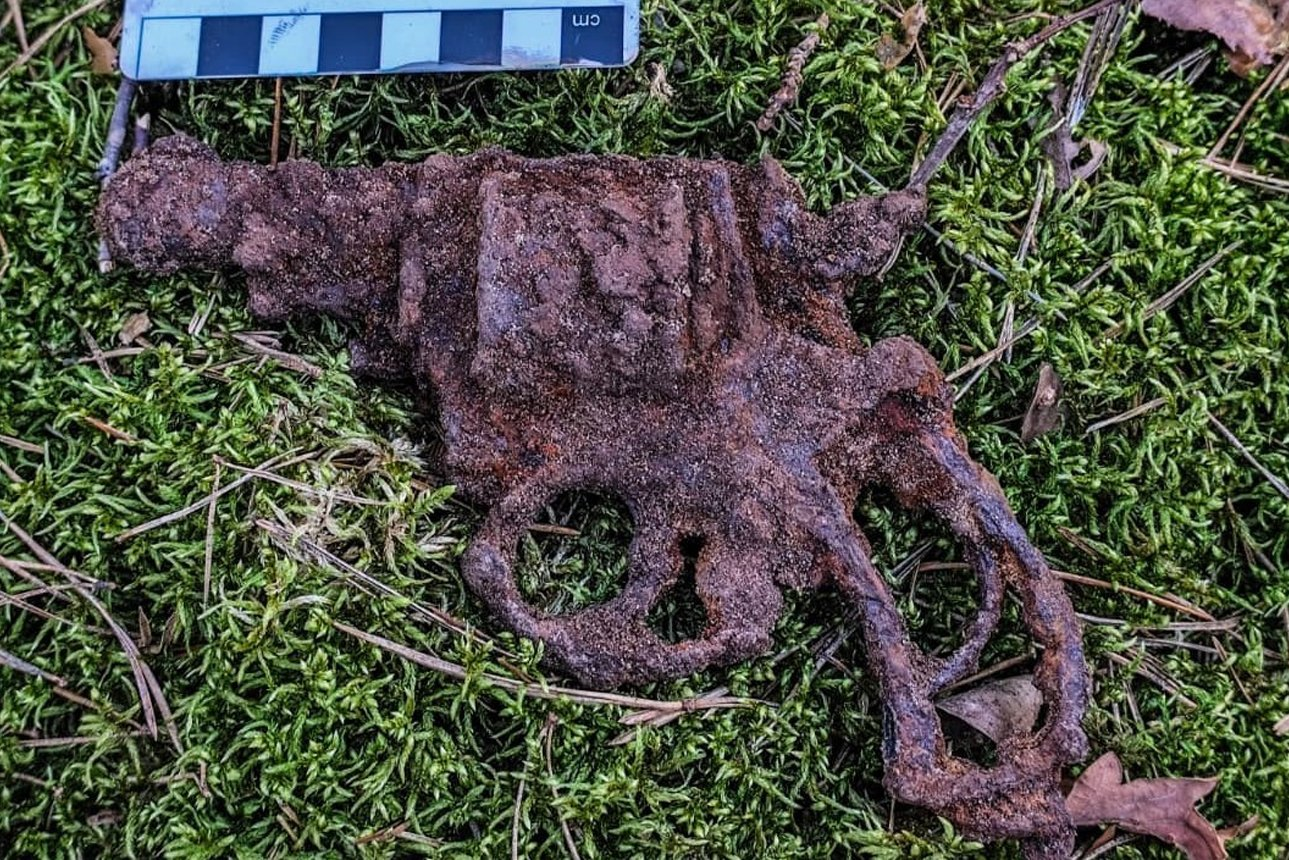
A heavily corroded 19th-century pocket revolver believed to be a British Bulldog revolver has been discovered during a metal-detecting survey in a forest near Kalisz in western Poland.

The firearm was found by a member of the Kalisz Exploration Group, a local organisation dedicated to historical exploration. After the discovery, the group reported the find to authorities in accordance with Polish regulations regarding the recovery of weapons and historical artefacts.

A Famous Pocket Revolver of the 19th Century

The weapon has been identified as a British Bulldog-type handgun, a small revolver that became widely popular in the late 19th century. The design originated around 1868 and was later produced commercially by the British gunmaker Henry Webley.

Designed as a compact firearm for personal protection, the Bulldog revolver was valued for its small size, which allowed it to be easily concealed in a pocket. This portability made it particularly appealing to civilians seeking a practical self-defense weapon.

Despite its compact frame, the revolver was considered powerful for its size. Early models were typically chambered in .442 Webley or .450 Adams calibre and featured a five-shot cylinder. Later versions were produced in smaller calibres such as .320 and .380.

The design soon gained international popularity, and manufacturers across Europe and the United States produced their own versions. As a result, the Bulldog became one of the most recognizable pocket revolvers of its time. Production of original models continued until the outbreak of World War I.

Connection to a Historic Assassination

The revolver design is also associated with a well-known historical event. In 1881, James A. Garfield, the President of the United States, was assassinated with a Belgian-made copy of a Bulldog revolver.

Examination of the Discovery

According to the Kalisz Exploration Group, openings are visible in the chambers of the revolver’s cylinder. However, heavy corrosion makes it impossible to determine whether the chambers still contain ammunition, spent cartridges, or are empty.

Police authorities will now examine the firearm to assess its condition and determine whether further investigation or conservation work will be required.

The Desert Stone Labyrinths of North Africa

March 10, 2026

Across remote regions of North Africa, archaeologists have discovered enormous stone formations arranged in complex geometric patterns. These structures, sometimes referred to as desert labyrinths, consist of low stone walls laid out across large areas of barren land.

Some formations resemble spirals, concentric circles, or maze-like pathways stretching hundreds of meters across the desert floor. Because the walls are relatively low, their full designs are often visible only from the air.

Many of these structures appear in areas that are now extremely dry, but thousands of years ago the climate may have been wetter and more suitable for human settlement.

One mystery surrounding these labyrinths is the lack of associated artifacts. Few tools, pottery fragments, or habitation remains have been found nearby, making it difficult to determine exactly who built them and why.

Several theories attempt to explain their purpose. One possibility is that they served ritual functions. The maze-like pathways may have guided participants through ceremonial journeys representing spiritual transformation or connection with the cosmos.

Another theory suggests astronomical significance. Some structures appear aligned with the rising or setting points of the sun during solstices or other important seasonal events.

Other researchers propose practical explanations, such as their use as animal traps or gathering structures for livestock.

Whatever their true function, the sheer scale of these labyrinths indicates that they required coordinated effort by organized communities. Constructing such extensive patterns would have demanded careful planning and cooperation.

Today, the desert labyrinths remain among the most mysterious monuments of prehistoric North Africa, reminding us that ancient peoples often created monumental structures whose meanings have been lost to time.

The Legendary Horse Breeders of the Caspian Steppe

March 10, 2026

The vast grasslands surrounding the Caspian Sea have long been home to nomadic societies whose lives revolved around horses. These open steppes offered ideal conditions for raising large herds, with abundant grazing land stretching across thousands of kilometers.

Some of the earliest horse-domesticating cultures emerged in this region during prehistoric times. Archaeological evidence suggests that people living on the Eurasian steppe began taming horses for transportation, hunting, and herding livestock several thousand years ago.

Over generations, these communities developed sophisticated breeding practices designed to produce horses with desirable traits. Speed, endurance, and temperament were particularly important qualities.

Horses allowed steppe nomads to travel vast distances across open landscapes that would have been difficult to cross on foot. Mounted riders could follow migrating herds, patrol territories, and maintain contact between distant camps.

As horseback riding became more common, horses also transformed warfare. Mounted warriors could move quickly across battlefields, attack from a distance, and retreat before enemies could respond.

The breeding traditions of steppe cultures eventually produced horses known for their strength and endurance. These animals became highly valued by neighboring civilizations, which often traded for steppe horses or captured them during conflicts.

Over time, steppe horse-breeding practices influenced cavalry traditions across Eurasia. From the armies of Persia to the later mounted forces of medieval kingdoms, the legacy of steppe horse cultures continued to shape military history.

The legendary horse breeders of the Caspian region therefore played a crucial role in one of humanity’s most important technological partnerships—the alliance between humans and horses.

The Oldest Known Wood-Carved Temples

March 10, 2026

When people imagine ancient temples, they often picture massive stone structures like those found in Egypt or Greece. However, many of the earliest sanctuaries built by prehistoric societies were constructed entirely from wood.

Because wood decays over time, these early religious buildings rarely survive. Instead, archaeologists must rely on indirect evidence to reconstruct their existence. The most important clues are patterns of postholes—circular depressions in the ground that once held large wooden pillars.

These postholes can reveal the layout of structures that disappeared thousands of years ago. By mapping their positions, archaeologists can determine the size, shape, and design of ancient buildings.

In several prehistoric sites across Europe, circular arrangements of postholes suggest the presence of large communal structures that may have functioned as temples or ceremonial halls. Some buildings were enormous, measuring dozens of meters in diameter and requiring hundreds of wooden beams for their construction.

These structures likely served as gathering places for rituals, seasonal celebrations, and community meetings. Fires may have burned at their centers, illuminating carved wooden pillars decorated with symbolic patterns or figures.

Wood carving was a sophisticated craft in many ancient cultures. Even though the original carvings rarely survive, tools found at archaeological sites indicate that artisans used stone or metal blades to create intricate designs.

Some scholars believe that wooden temples may have included painted surfaces, woven decorations, and sacred objects placed inside the structures. Over time, these temples may have been rebuilt repeatedly as older wooden beams decayed.

Although most of these buildings vanished long ago, they represent an important stage in the evolution of religious architecture. Long before stone temples became widespread, wooden sanctuaries provided sacred spaces where communities gathered to honor their gods and ancestors.

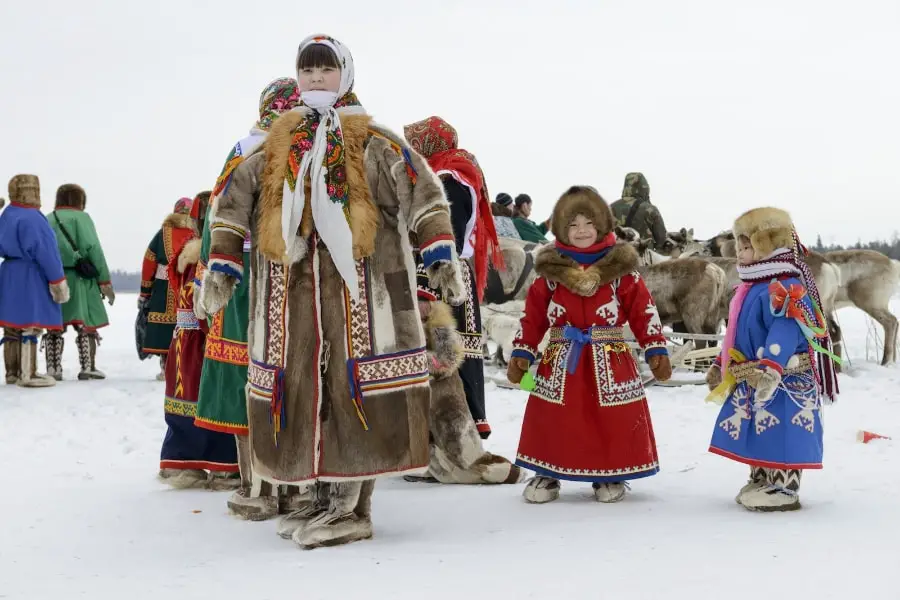
The Ritual Snow Festivals of Ancient Siberia

March 10, 2026

The immense and frozen landscapes of Siberia have shaped human culture for millennia. Winters in this region can last for many months, with temperatures dropping far below freezing and snow covering the ground in deep layers.

Despite these harsh conditions, ancient Siberian societies developed vibrant traditions that celebrated the seasonal rhythms of their environment. Among the most fascinating were winter festivals centered around snow, ice, and the spiritual forces believed to govern the natural world.

These festivals often occurred during the darkest periods of winter, when communities gathered to mark the gradual return of sunlight after the long polar nights. Firelight, music, and ritual performances helped transform the cold darkness into a time of communal celebration.

Participants in these ceremonies sometimes constructed elaborate snow sculptures representing animals, spirits, or mythological beings. Reindeer, bears, and birds frequently appeared in these designs because they held important symbolic roles in Siberian cosmology.

Costumes made from fur, bone ornaments, and carved masks were also used during ritual dances. Performers embodied animals or spirits, reenacting mythological stories that explained the origins of the world and humanity’s relationship with nature.

Central to many of these festivals were shamans—spiritual specialists who served as intermediaries between humans and the spirit realm. Using drums, chants, and trance rituals, shamans attempted to communicate with supernatural forces believed to control weather, animal migrations, and the success of hunts.

These ceremonies were not only religious events but also crucial social gatherings. During long winters when travel was difficult, festivals allowed scattered families and clans to meet, exchange stories, arrange marriages, and reinforce communal bonds.

The rituals also reflected deep ecological knowledge. Many ceremonies honored the spirits of animals hunted for food, acknowledging the balance between human survival and respect for the natural world.

In this way, winter festivals served as both spiritual expressions and practical cultural traditions that helped ancient Siberian communities endure some of the most extreme environments on Earth.

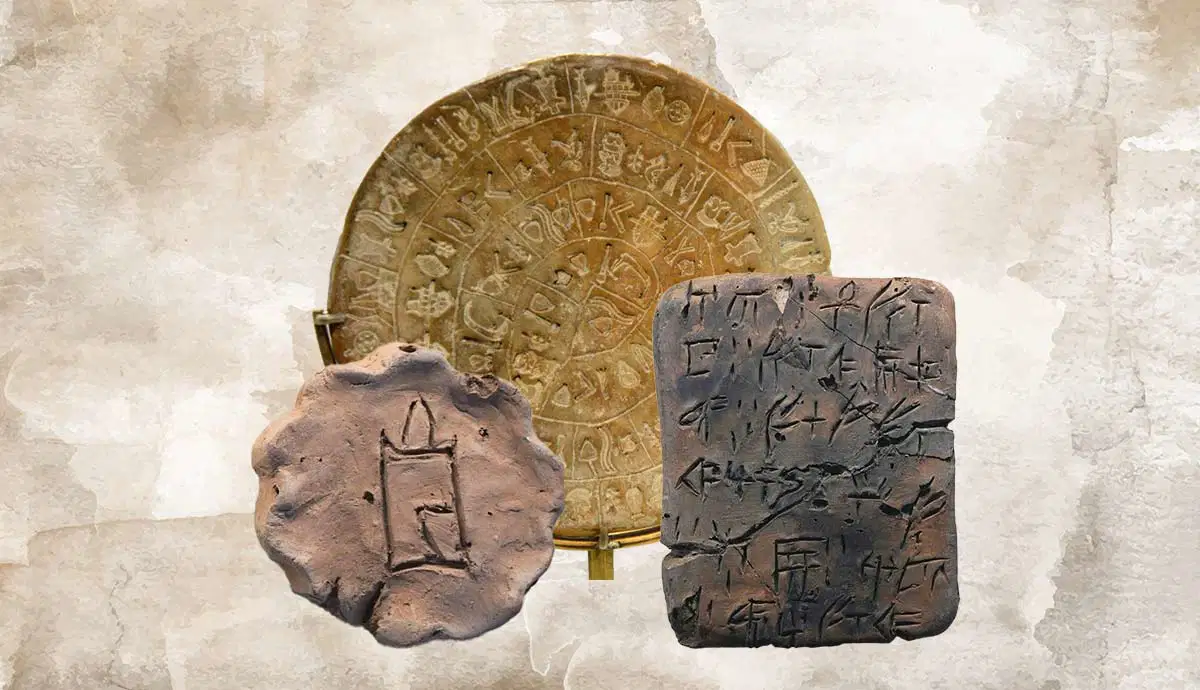
The Forgotten Bronze Age Scripts of Europe

March 10, 2026

Long before alphabetic writing systems spread across Europe, mysterious symbols appeared on artifacts created by prehistoric communities. These marks have puzzled archaeologists for decades because they resemble writing but cannot yet be deciphered.

One of the most intriguing examples involves the Tărtăria Tablets, discovered in the 1960s in what is now Romania. These small clay tablets bear incised symbols arranged in deliberate patterns. Some of the signs resemble simple pictographs—crosses, lines, and geometric shapes—while others appear more abstract.

The tablets are believed by some researchers to date to around 5000 BCE, which would make them older than the earliest known writing systems of Mesopotamia. If this dating is accurate, they could represent one of the earliest attempts at symbolic recording in human history.

However, the interpretation of these tablets remains controversial. Some scholars argue that the markings represent a proto-writing system—a form of communication that conveyed information but may not yet have represented full language. Others believe the symbols were purely ritual or decorative marks used in religious ceremonies.

Similar symbols appear on artifacts from several prehistoric cultures in southeastern Europe, particularly within the Vinča cultural complex. Pottery fragments, figurines, and ritual objects often display repeated signs that resemble those on the Tărtăria Tablets.

Because these artifacts were not found alongside longer inscriptions or translations, deciphering them has proven extremely difficult. In other ancient writing systems, such as Egyptian hieroglyphs or cuneiform, scholars relied on bilingual texts like the Rosetta Stone to unlock their meanings. For the prehistoric European symbols, no such key exists.

Despite this uncertainty, the presence of repeated signs across different objects suggests that they carried shared meanings within those societies. They may have marked ownership, identified religious concepts, or symbolized clan affiliations.

If these symbols indeed represent an early form of writing, they would challenge long-standing assumptions about the origins of literacy in Europe. Traditionally, historians believed writing entered Europe much later through contact with Near Eastern civilizations that used alphabets derived from Phoenician scripts.

The mysterious symbols of prehistoric Europe therefore raise fascinating questions about early communication systems. They hint that ancient communities may have experimented with symbolic recording thousands of years before writing became widespread.

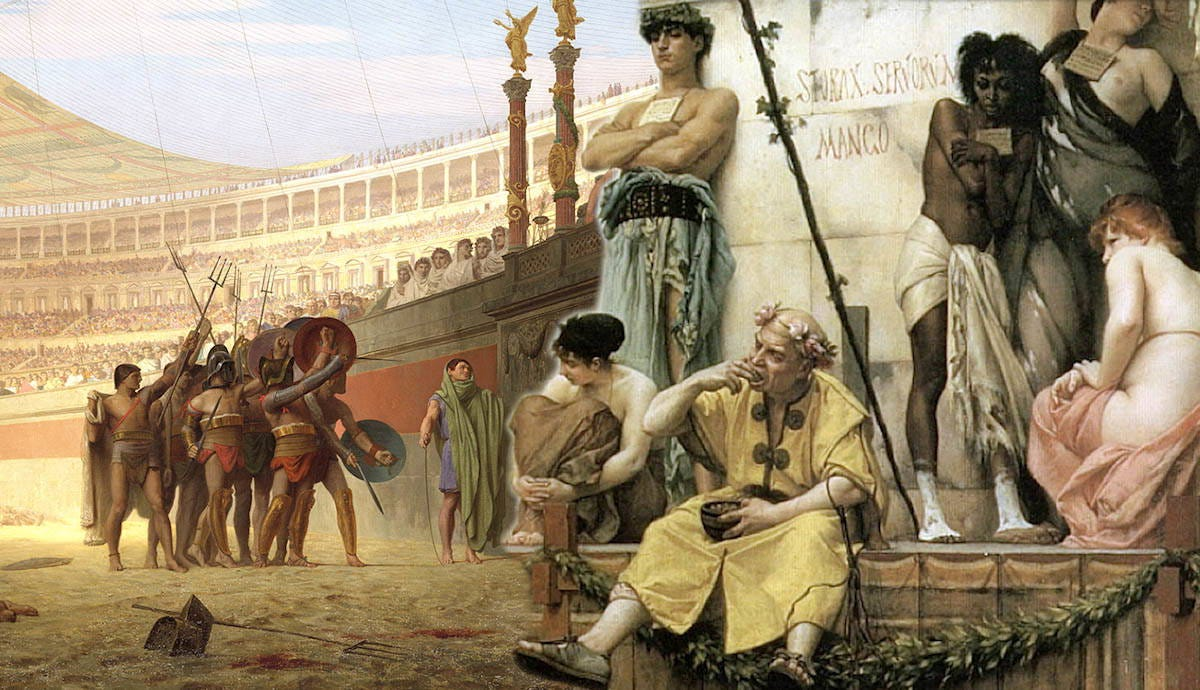
The First Industrial Workshops of Rome

March 10, 2026

The massive urban population of Ancient Rome created economic demands unlike anything the Mediterranean world had previously experienced. By the height of the Roman Empire, the city of Rome alone may have housed more than one million inhabitants. Supplying this enormous population with food, tools, construction materials, and household goods required systems of production that went far beyond traditional small artisan shops.

As a result, Roman society developed some of the earliest large-scale manufacturing centers in history. These workshops did not resemble modern factories with machines and assembly lines, but they displayed many of the same principles: specialized labor, standardized production, centralized organization, and mass distribution.

One of the best examples of Roman mass production is terra sigillata, a type of fine red pottery that became extremely popular throughout the empire. The name literally means “sealed earth,” referring to the glossy surface created during the firing process. Terra sigillata vessels were often decorated with stamped designs—images of animals, mythological scenes, and geometric patterns impressed into the clay using molds.

Potters produced these items using standardized forms, allowing them to manufacture large numbers of identical bowls, plates, and drinking cups. Workshops created molds from which multiple vessels could be cast, significantly increasing output compared to traditional hand shaping.

Some pottery factories contained dozens of kilns capable of firing thousands of vessels in a single batch. Workers were often divided into specialized roles: clay preparation, mold shaping, decoration, kiln operation, and packaging for shipment. This division of labor increased efficiency and ensured consistent quality across large quantities of goods.

Major production centers appeared in various parts of the Roman world, including regions of modern-day France, Germany, and Italy. From these manufacturing hubs, goods were transported along Roman roads and river systems to markets across Europe, North Africa, and the Near East.

Roman industrial workshops were not limited to pottery. Brick factories produced standardized construction materials that helped build cities, aqueducts, and military forts. Glass workshops manufactured bottles, tableware, and decorative items using advanced glassblowing techniques. Metalworking shops produced tools, weapons, and agricultural equipment essential for maintaining the empire’s infrastructure.

Textile production also reached significant scales in certain regions. Large weaving workshops supplied clothing and military uniforms for soldiers stationed throughout the empire.

Entire districts within Roman cities were sometimes dedicated to specific industries. For example, pottery districts clustered near clay sources and fuel supplies, while metalworking shops often operated near rivers that facilitated transport of raw materials.

These industrial zones reveal how Roman society organized labor on a scale far larger than earlier Mediterranean cultures. Though still reliant on human and animal power rather than machines, Roman manufacturing systems anticipated many aspects of later industrial economies.

In this sense, the workshops of Rome represent an early experiment in large-scale production—demonstrating how ancient civilizations could mobilize labor, resources, and technology to support complex urban societies.

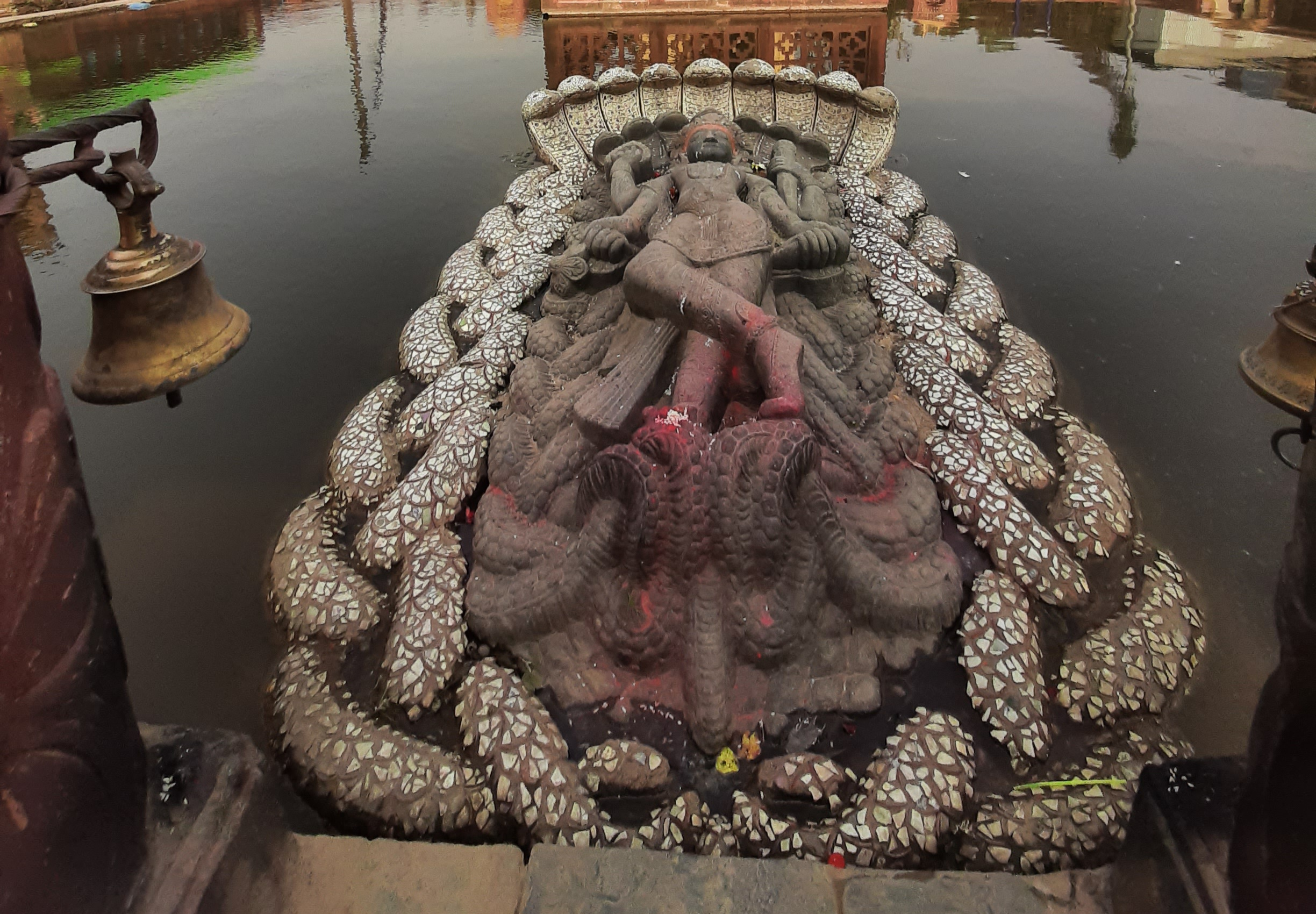
The Serpent Temples of the Niger Valley

March 10, 2026

In many cultures around the world, serpents symbolize powerful spiritual forces. Along the fertile floodplains of the Niger River, snake symbolism appears in both ancient artifacts and living traditions.

Archaeological evidence suggests that early communities in the region practiced forms of serpent worship connected to fertility, water, and ancestral spirits.

Snakes often represent transformation because they shed their skin. This natural process made them powerful symbols of renewal and rebirth.

Some shrines dedicated to serpent spirits included carved wooden statues, clay figurines, and ceremonial objects decorated with snake imagery. These shrines may have been used by priests or spiritual leaders responsible for maintaining harmony between humans and nature.

Modern religious traditions in parts of West Africa still honor sacred pythons believed to embody protective spirits. While these practices evolved over centuries, they may preserve elements of ancient belief systems rooted in early Niger Valley cultures.

The serpent temples of the region highlight the deep connections between spirituality, ecology, and symbolism in African religious traditions.

The Sea Rafts of Prehistoric Oceania

March 10, 2026

The islands of Oceania are scattered across one of the largest expanses of water on Earth. Yet long before modern navigation tools existed, ancient seafarers successfully traveled across these immense distances using sophisticated watercraft and remarkable navigational knowledge.

Early vessels used by Pacific voyagers likely included large rafts and canoes constructed from logs, bamboo, and lashed planks. These boats were designed to be both flexible and resilient, capable of surviving rough ocean conditions.

Among the most important innovations was the development of double-hulled canoes. These vessels consisted of two parallel hulls connected by a platform, providing stability and allowing the boat to carry supplies, animals, and multiple passengers during long voyages.

Navigators relied on a deep understanding of the natural environment rather than instruments. They memorized patterns of stars, ocean swells, wind directions, bird migrations, and even the color of the water.

Some Pacific cultures developed complex oral traditions that encoded navigation knowledge into chants and stories. These teachings were passed down from master navigators to apprentices over generations.

The ability to travel across the Pacific allowed ancient voyagers to colonize remote islands thousands of kilometers apart. Over centuries, these seafarers spread languages, crops, animals, and cultural traditions throughout the region.

The maritime technology of prehistoric Oceania represents one of humanity’s most extraordinary achievements. Without metal tools or written maps, ancient navigators explored and settled vast ocean territories that modern sailors still find challenging.

The Ancient Marble Quarries of Paros

March 10, 2026

Throughout the ancient Mediterranean, marble was one of the most valued materials for sculpture and architecture. Among the finest varieties came from the Greek island of Paros.

Parian marble was prized for its exceptional whiteness and fine crystalline structure. When polished, the stone displayed a subtle translucency that gave sculptures a lifelike appearance. Light could penetrate slightly into the marble surface before reflecting outward, creating a soft glow that enhanced artistic detail.

Ancient quarry workers extracted marble from underground chambers carved deep within the island’s mountains. These tunnels followed veins of high-quality stone, allowing workers to remove large blocks while protecting the marble from weather damage.

The extraction process required careful planning. Workers used iron chisels, wooden wedges, and hammers to separate blocks from the rock face. Once removed, the blocks were shaped into rough forms before being transported to coastal ports.

Transporting these massive stones was a major logistical challenge. Teams of workers used sledges, rollers, and draft animals to move blocks across rugged terrain.

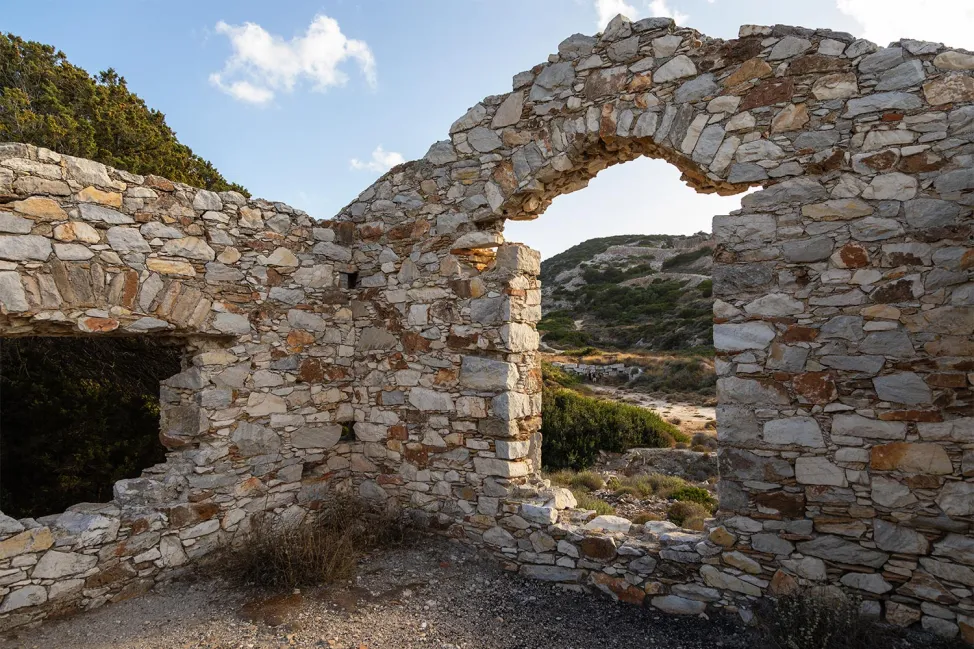
Many famous sculptures of classical Greece were carved from Parian marble, including masterpieces that decorated temples and public spaces across the Greek world.

The quarries of Paros therefore played a crucial role in shaping the artistic heritage of ancient Greece.

The Sacred Honey Cakes of Ancient Greece

March 10, 2026

Food offerings were an essential part of religious life in Ancient Greece. Among the many items presented to the gods—wine, grains, olives, and animal sacrifices—one of the most intriguing offerings was the honey cake. These small sweet pastries, often made from wheat flour, honey, olive oil, and sometimes sesame seeds, were far more than simple treats. They played a symbolic role in rituals, festivals, funerary ceremonies, and even magical practices.

Honey was considered a sacred substance in the ancient Greek world. Unlike other foods, it did not spoil easily, and its golden color and sweetness associated it with purity, immortality, and divine favor. Bees themselves were sometimes believed to be sacred creatures connected to the gods.

In many religious ceremonies, honey cakes served as offerings to chthonic deities—gods associated with the underworld and the spirits of the dead. One such deity was Hecate. During nighttime rituals dedicated to Hecate, worshippers placed honey cakes at crossroads or outside their homes. These offerings were believed to appease wandering spirits and gain the favor of the goddess.

Honey cakes also played a role in funerary rites. According to Greek belief, the dead had to cross a river in the underworld ferried by the boatman Charon. While coins were often placed with the deceased as payment, honey cakes might also accompany the dead as offerings to underworld spirits.

Another important association involved the god Zeus. In some traditions, Zeus was raised on honey by divine nymphs during his infancy, further linking honey with divine nourishment.

Festivals often included elaborate baked goods shaped into animals, spirals, or symbolic figures. These pastries were presented at temples and then shared among participants after rituals were completed, strengthening communal bonds.

Thus, honey cakes represented more than culinary traditions—they embodied the intersection of food, religion, and cultural identity in ancient Greek society.

The First Mounted Archers of Eurasia

March 10, 2026

One of the most revolutionary developments in ancient warfare occurred when humans combined two powerful technologies: the domesticated horse and the composite bow. This combination gave rise to mounted archers—warriors capable of shooting arrows while riding at high speed.

The vast grasslands of the Eurasian Steppe provided the perfect environment for this innovation. Nomadic communities living in these open landscapes depended heavily on horses for transportation, hunting, and herding livestock.

Over time, steppe cultures developed extraordinary riding skills. Children learned to ride from an early age, and horses became central to both daily life and warfare.

The earliest mounted archers may have emerged during the Bronze Age. However, it was later nomadic groups such as the Scythians who perfected the technique.

Scythian warriors carried short composite bows made from layers of wood, horn, and sinew. These bows were powerful yet compact, allowing archers to shoot accurately from horseback.

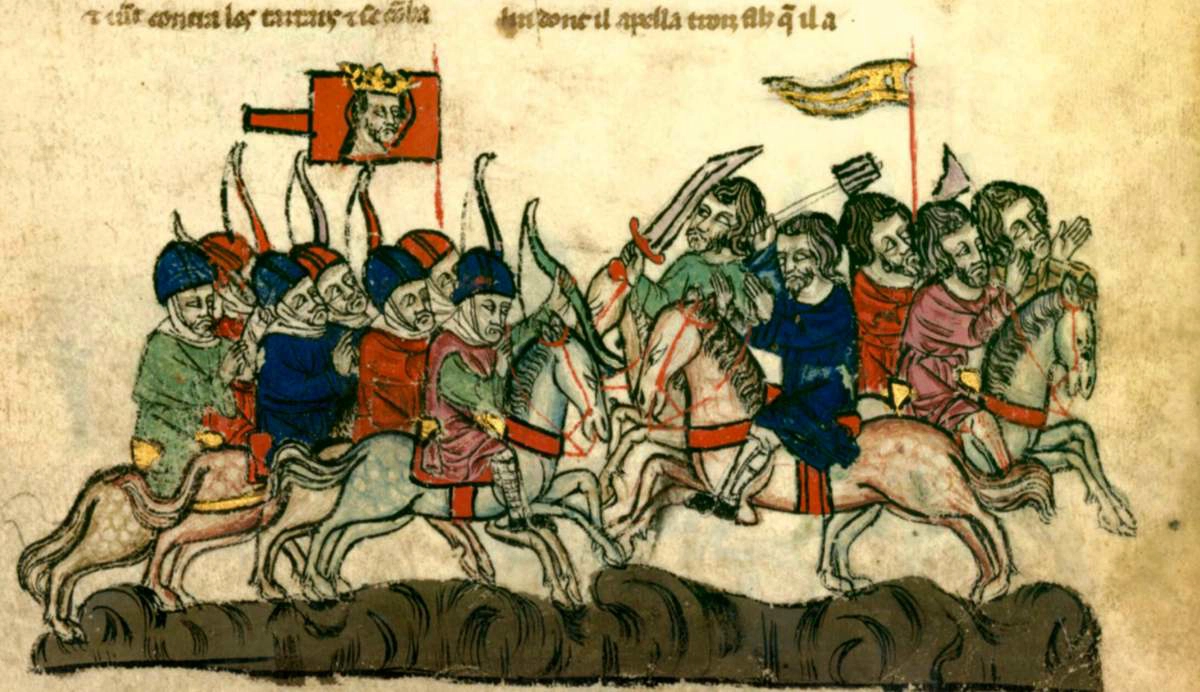
Mounted archers possessed enormous tactical advantages. They could move quickly across open terrain, launch sudden attacks, and retreat before enemies could respond. They also developed advanced tactics such as the “Parthian shot,” where riders turned backward while retreating to fire arrows at pursuing enemies.

This style of warfare proved extremely effective against slower infantry armies. For centuries, steppe nomads dominated the battlefields of Eurasia using mobility and ranged combat.

Their influence spread widely. Mounted archery later became a core component of Persian, Chinese, and eventually Mongol military strategies. The innovation fundamentally reshaped warfare and enabled the rise of powerful steppe empires.

The Lost Fortress Cities of the Caucasus

March 10, 2026

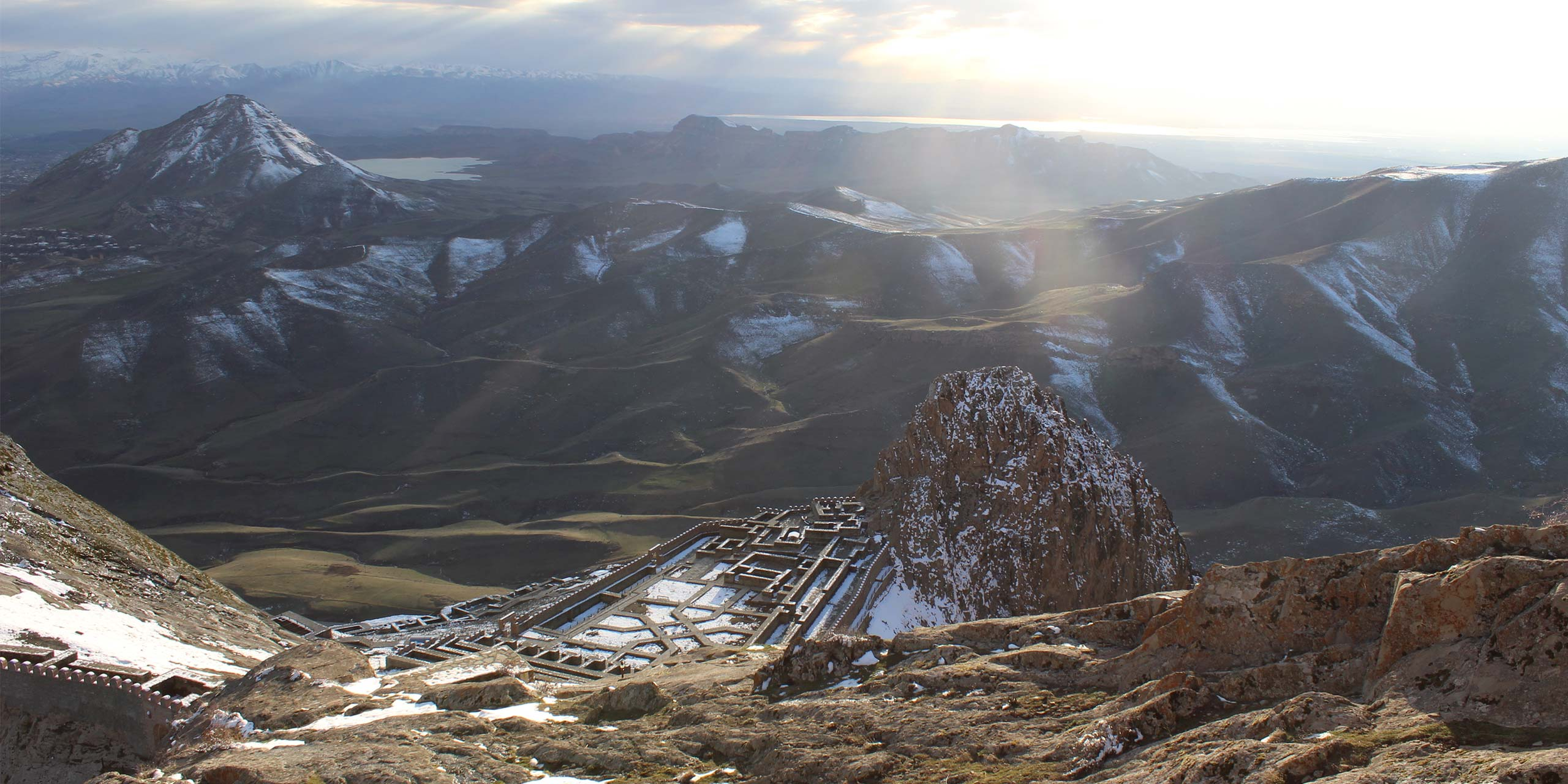
High in the rugged mountains between Europe and Asia lies one of the world’s most mysterious landscapes: the Caucasus Mountains. Scattered across these peaks and valleys are ancient stone towers, fortified villages, and cliffside citadels whose origins stretch back thousands of years.

Regions such as Svaneti are famous for their tall defensive towers. These narrow stone structures, often rising several stories high, were built beside family homes. During times of conflict, entire communities could retreat into these towers for protection.

The Caucasus has long been a crossroads between civilizations, linking the steppes of Eurasia with the Middle East and Mediterranean. As a result, the region saw frequent migrations, raids, and wars. Fortress cities emerged as defensive hubs that controlled mountain passes and trade routes.

Some highland settlements appear almost impregnable. Walls follow the contours of steep cliffs, while narrow paths force attackers into vulnerable positions. Archaeological remains suggest these fortresses were inhabited continuously for centuries.

Despite their impressive construction, many of these sites remain poorly studied due to their remote locations. Each ruined tower hints at a world of mountain clans, trade caravans, and strategic strongholds that once dominated the Caucasus highlands.

The Ancient Storm Gods of the Levant

March 10, 2026

In the ancient world, few natural forces were as powerful or unpredictable as storms. Thunder, lightning, and sudden rainstorms could destroy crops or bring life-saving water to dry lands. It is therefore not surprising that many early civilizations worshipped storm gods—deities believed to control the weather and ensure agricultural fertility.

Across the region known as the Levant, several closely related storm gods appeared in different cultures. Though their names and myths varied, their attributes were remarkably similar.

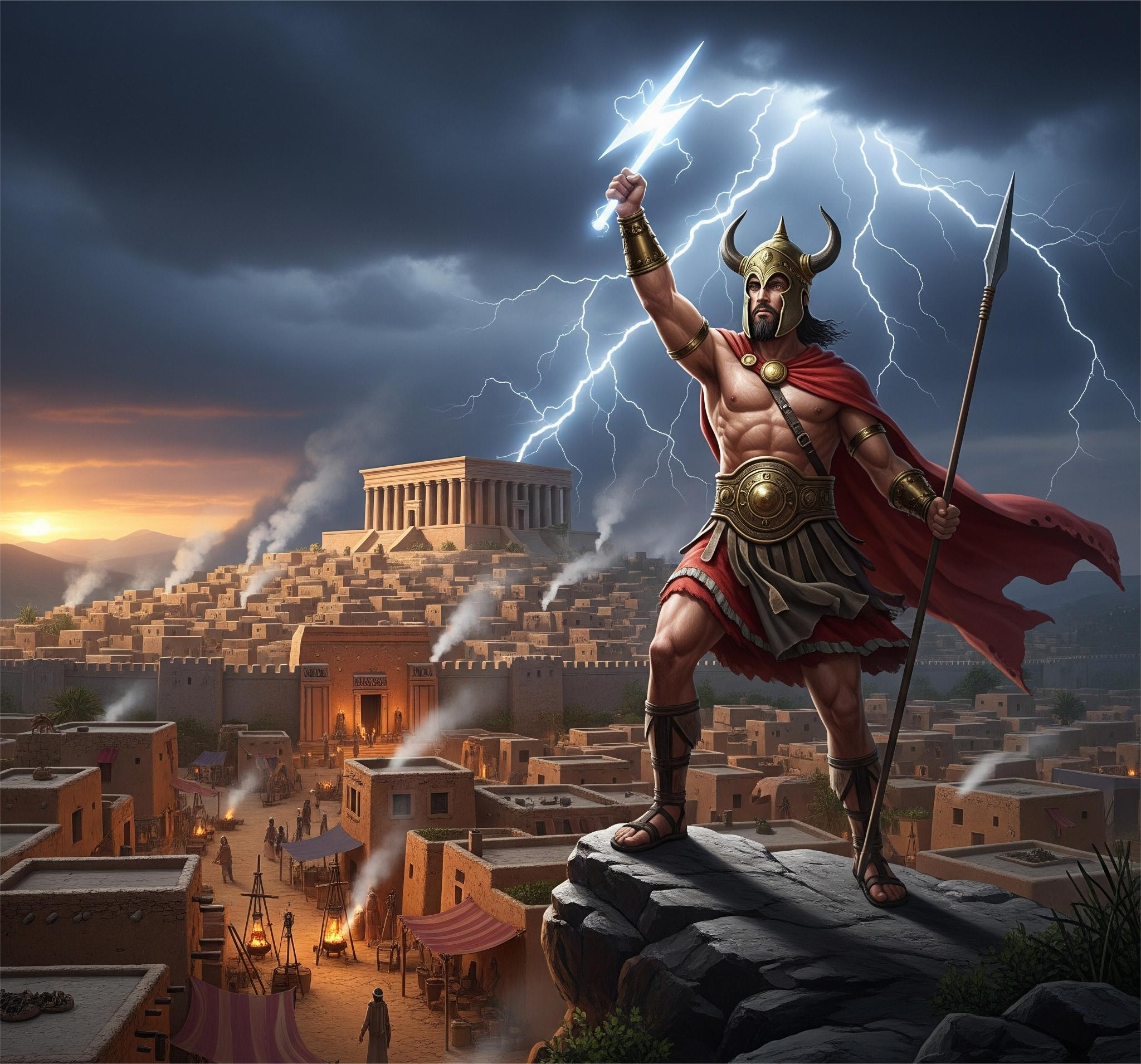
One of the most prominent was Baal. In Canaanite religion, Baal was the master of thunder and rain. He was often depicted wielding a lightning bolt while standing atop a mountain or riding on storm clouds. According to myth, Baal battled chaotic sea monsters and forces of drought to ensure the fertility of the land.

Closely related to Baal was Hadad. Hadad’s worship spread across Syria and Mesopotamia, where he was associated with powerful thunderstorms that swept across the region’s plains. Temples dedicated to Hadad often stood on high ground, symbolically connecting the god with the heavens.

Further north, the Hurrian and Hittite cultures worshipped Teshub. Teshub was depicted standing on the back of a bull while brandishing a weapon shaped like lightning. His myths describe epic battles against serpentine monsters representing chaos and the sea.

These storm gods shared more than just weather-related powers. They were also symbols of royal authority. Kings often associated themselves with storm gods to emphasize their ability to bring order and prosperity to their lands.

The similarities among these deities likely arose through cultural exchange. Trade networks and diplomatic relations connected the civilizations of the ancient Near East, allowing myths and religious ideas to spread across regions. Over centuries, local traditions blended together, producing overlapping pantheons and shared mythological themes.

Storm gods were therefore not only religious figures but also cultural bridges linking multiple civilizations.

Egyptian artefacts discovered in collection of Dorset spider expert

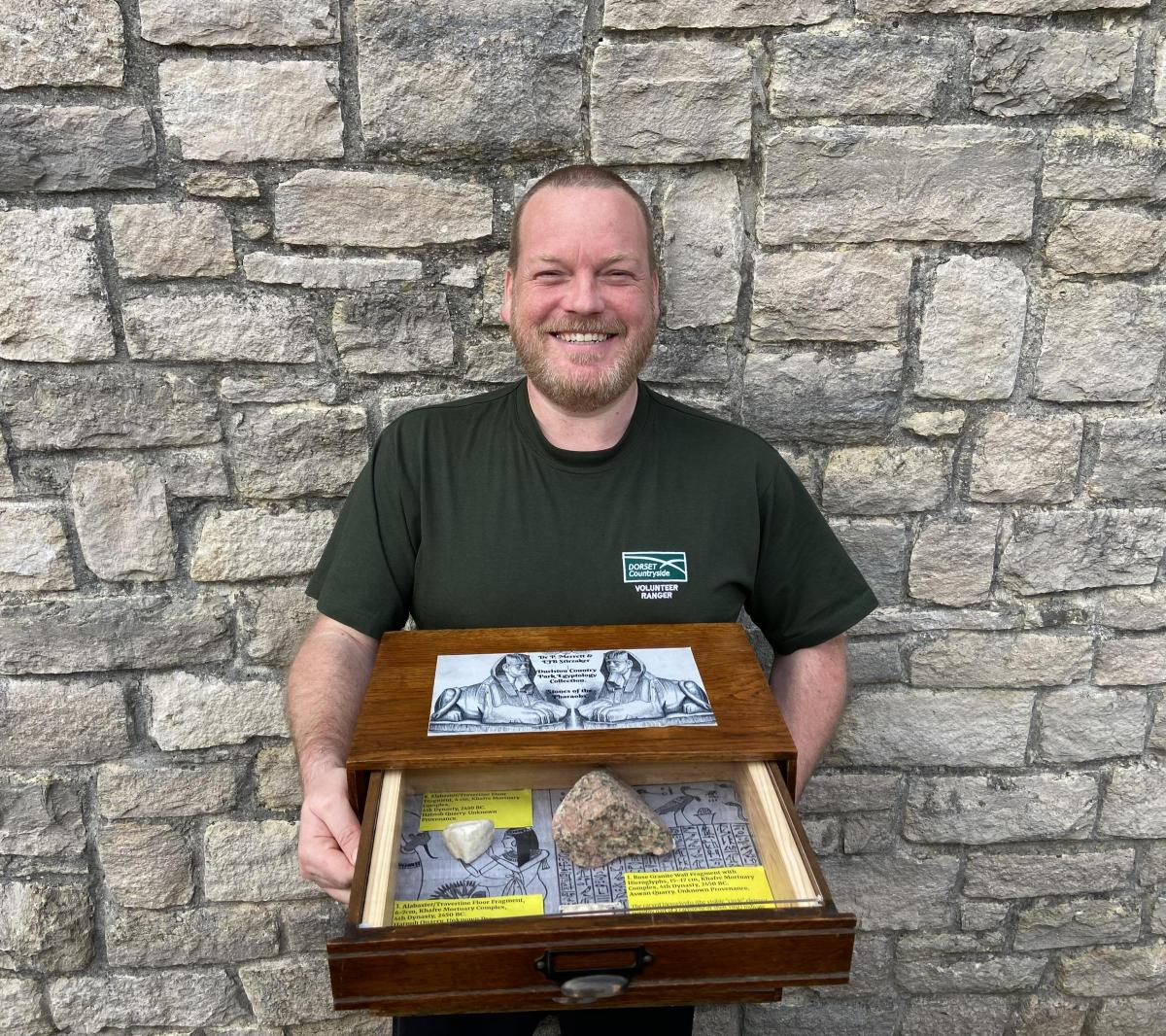
Discovery of Egyptian artefacts at Durlston Country Park

March 9, 2026

Egyptian Artefacts Found Among Dorset Arachnologist’s Collection

An extraordinary archaeological discovery in Dorset has revealed Egyptian artefacts of international significance hidden among the possessions of the late Dr Peter Merrett, a world‑leading spider expert.

Volunteer archaeologist Eddie J. B. Stirzaker has been cataloguing and organizing Dr Merrett’s scientific and personal collection at Durlston Country Park, uncovering objects spanning multiple cultures and centuries. Among the finds are items now believed to date to Egypt’s Old Kingdom period, around 2450 BC.

Dr Merrett, celebrated for his contributions to the study of British spiders, had broad scientific interests. His family gifted his “cabinet of curiosities” to Durlston in 2025, which included meteorites, Zulu assagai throwing spears, cannonballs from the Franco‑Prussian War, Neolithic axe heads, and Bronze Age arrowheads.

Connection to Pharaoh Khafre

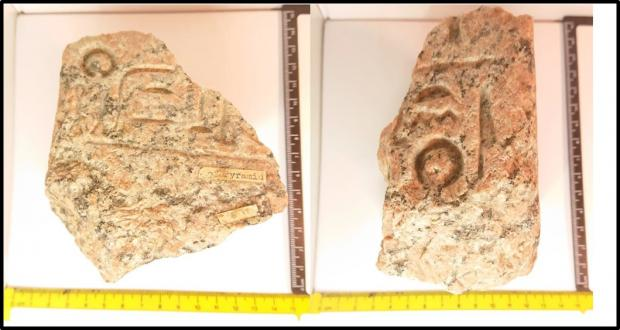
Among this eclectic collection, Mr Stirzaker identified a group of items he believes are stoneware vessels and wall fragments from the temple complex of Khafre, builder of the second pyramid at Giza.

The discovery suggests an unexpected link between Dorset and one of ancient Egypt’s most iconic archaeological sites, offering a rare glimpse of Old Kingdom artefacts preserved far from their original context.

Egyptian artefacts discovered at Durlston Country Park

Expert Assessment Confirms Egyptian Origins

Mr Stirzaker explained his unexpected identification:

“I am not by training an Egyptologist, but a Neolithic and Bronze Age British Isles specialist, so far visiting and recording 583 stone circles across the United Kingdom. However, due to my earlier work at Kendal Museum, I recognised that these were Old Kingdom Egyptian artefacts, and that we might have a broken fragment from a wall in the Khafre mortuary complex.”

His assessment is supported by other items in the collection, including fragments of alabaster flooring consistent with material from Khafre’s temple, sections of green granite from Aswan, and the exceptionally rare Bekhan Stone from Wadi Hammamat—both highly valued by pharaonic artisans for luxury carvings and statues.

A particularly notable item is a lathe‑made alabaster bowl fragment. Specialists plan to digitally record and reconstruct it using 3D printing and AI technology, providing detailed insight into the craftsmanship of Old Kingdom Egypt.

← Newer Posts Older Posts →
Featured
image_2026-03-11_220247889.png
Mar 12, 2026
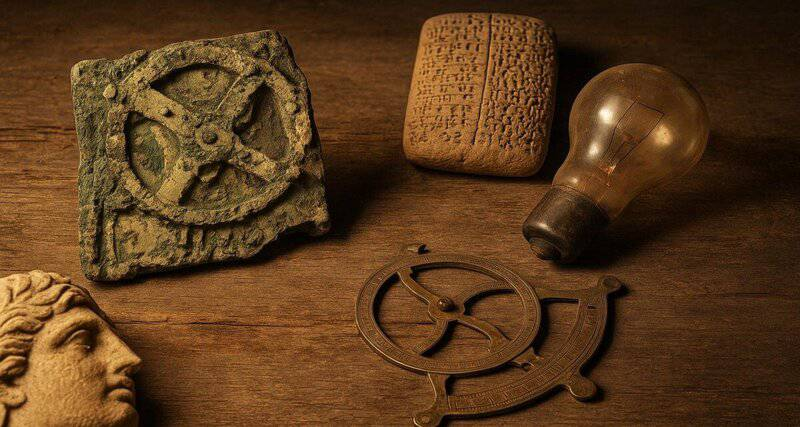
Ancient Machines: Technology Lost to Time
Mar 12, 2026
Read More →
Mar 12, 2026
image_2026-03-11_220201263.png
Mar 12, 2026
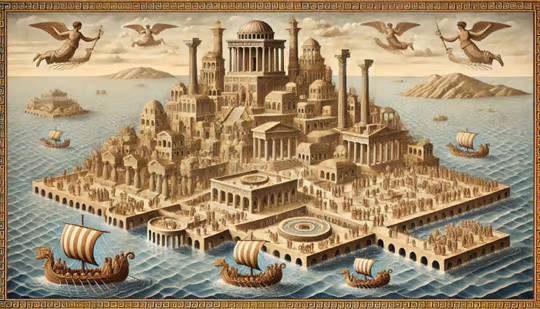
Atlantis: Myth, Memory, or History?
Mar 12, 2026
Read More →
Mar 12, 2026
image_2026-03-11_220106768.png
Mar 12, 2026
The True Age of the Pyramids: New Theories
Mar 12, 2026
Read More →
Mar 12, 2026
image_2026-03-11_220006506.png
Mar 12, 2026
Lost Civilizations Mentioned in Ancient Texts
Mar 12, 2026
Read More →
Mar 12, 2026
image_2026-03-11_215852509.png
Mar 12, 2026
Ancient Weapons of Legendary Power
Mar 12, 2026
Read More →
Mar 12, 2026
image_2026-03-11_215507511.png
Mar 12, 2026
Mystery Temples That Still Defy Explanation
Mar 12, 2026
Read More →
Mar 12, 2026
read more

Powered by The archaeologist