• MAIN PAGE
  • LATEST NEWS
    • Lost Cities
    • Archaeology's Greatest Finds
    • Underwater Discoveries
    • Greatest Inventions
    • Studies
    • Blog
  • PHILOSOPHY
  • HISTORY
  • RELIGIONS
    • Africa
    • Anatolia
    • Arabian Peninsula
    • Balkan Region
    • China - East Asia
    • Europe
    • Eurasian Steppe
    • Levant
    • Mesopotamia
    • Oceania - SE Asia
    • Pre-Columbian Civilizations of America
    • Iranian Plateau - Central Asia
    • Indus Valley - South Asia
    • Japan
    • The Archaeologist Editor Group
    • Scientific Studies
    • Aegean Prehistory
    • Historical Period
    • Byzantine Middle Ages
    • Predynastic Period
    • Dynastic Period
    • Greco-Roman Egypt
  • Rome
  • PALEONTOLOGY
  • About us
Menu

The Archaeologist

  • MAIN PAGE
  • LATEST NEWS
  • DISCOVERIES
    • Lost Cities
    • Archaeology's Greatest Finds
    • Underwater Discoveries
    • Greatest Inventions
    • Studies
    • Blog
  • PHILOSOPHY
  • HISTORY
  • RELIGIONS
  • World Civilizations
    • Africa
    • Anatolia
    • Arabian Peninsula
    • Balkan Region
    • China - East Asia
    • Europe
    • Eurasian Steppe
    • Levant
    • Mesopotamia
    • Oceania - SE Asia
    • Pre-Columbian Civilizations of America
    • Iranian Plateau - Central Asia
    • Indus Valley - South Asia
    • Japan
    • The Archaeologist Editor Group
    • Scientific Studies
  • GREECE
    • Aegean Prehistory
    • Historical Period
    • Byzantine Middle Ages
  • Egypt
    • Predynastic Period
    • Dynastic Period
    • Greco-Roman Egypt
  • Rome
  • PALEONTOLOGY
  • About us

Well-Preserved Medieval Town Identified in Poland

March 25, 2026

Lost Medieval Town Discovered in Polish Forest

Archaeologists have uncovered the remains of a long-lost medieval town hidden deep within forests near Sławoborze. The discovery is offering fresh insight into settlement patterns and frontier life in the region during the Middle Ages.

Identifying the Forgotten Settlement

Researchers from the Relicta Foundation, supported by Polish Ministry of Culture and National Heritage, believe the site to be Stolzenberg. This settlement was previously known only from written records dating to the 16th and 19th centuries.

Hundreds of Artifacts Unearthed

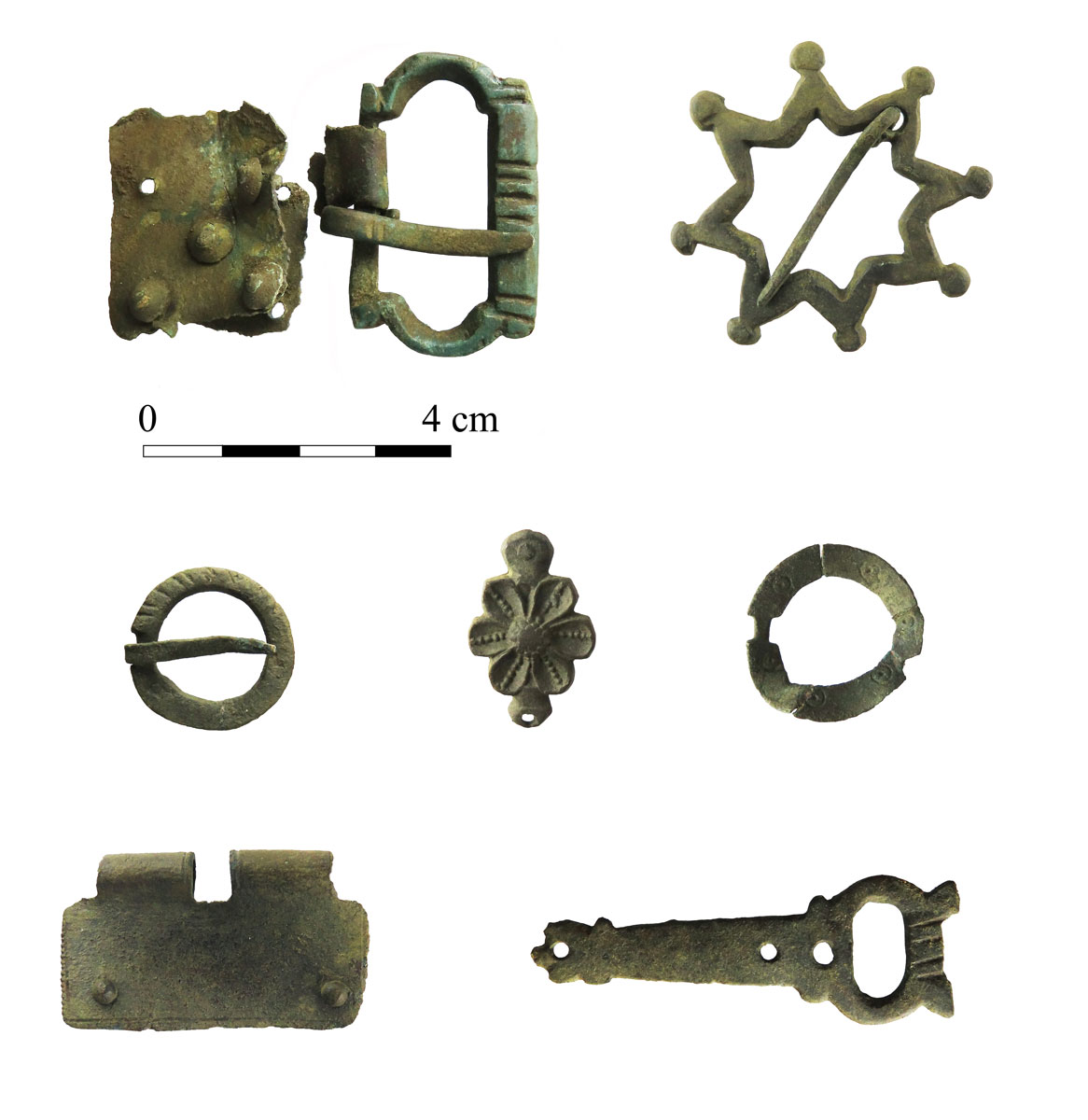
Initial investigations using metal detectors uncovered more than 400 objects. These included everyday tools, decorative belt fittings, brooches, and coins dating from the 13th to 15th centuries. Together, these finds confirm that the site was once an active and thriving community.

Advanced Technology Confirms the Site

Further research carried out last year combined geophysical surveys, LiDAR drone imaging, and soil drilling. These methods confirmed the presence of buried structures and helped map the layout of the settlement without extensive excavation.

A Classic Medieval Town Layout

According to archaeologist Piotr Wroniecki, the town’s design reflects typical planning under medieval German law. Evidence suggests a central marketplace surrounded by long, narrow plots of land, along with a main road leading to what was likely the town gate.

Buildings appear to have been constructed along these plots, forming an organized urban layout.

Fortified for Protection

The settlement was not only structured but also defended. Remains of a surrounding moat and earthwork fortifications are still visible today, indicating that the town had protective measures in place—possibly due to its location on a frontier.

Origins and Historical Context

Radiocarbon dating suggests the town was established in the late 13th or early 14th century. Researchers believe it may have been founded as a frontier outpost by the Margraves of Brandenburg, who controlled the nearby region of Neumark at the time.

An Unanswered Mystery

Despite these discoveries, key questions remain. Archaeologists are still investigating why the town was founded and, more intriguingly, why it was eventually abandoned.

As noted by Marcin Krzepkowski, further research will be essential to fully understand the history of this hidden settlement.

Rediscovering the Medieval Landscape

This discovery highlights how modern technology is helping uncover forgotten chapters of history. Beneath dense forests, the remains of Stolzenberg offer a rare glimpse into medieval life—revealing how communities were built, organized, and ultimately lost over time.
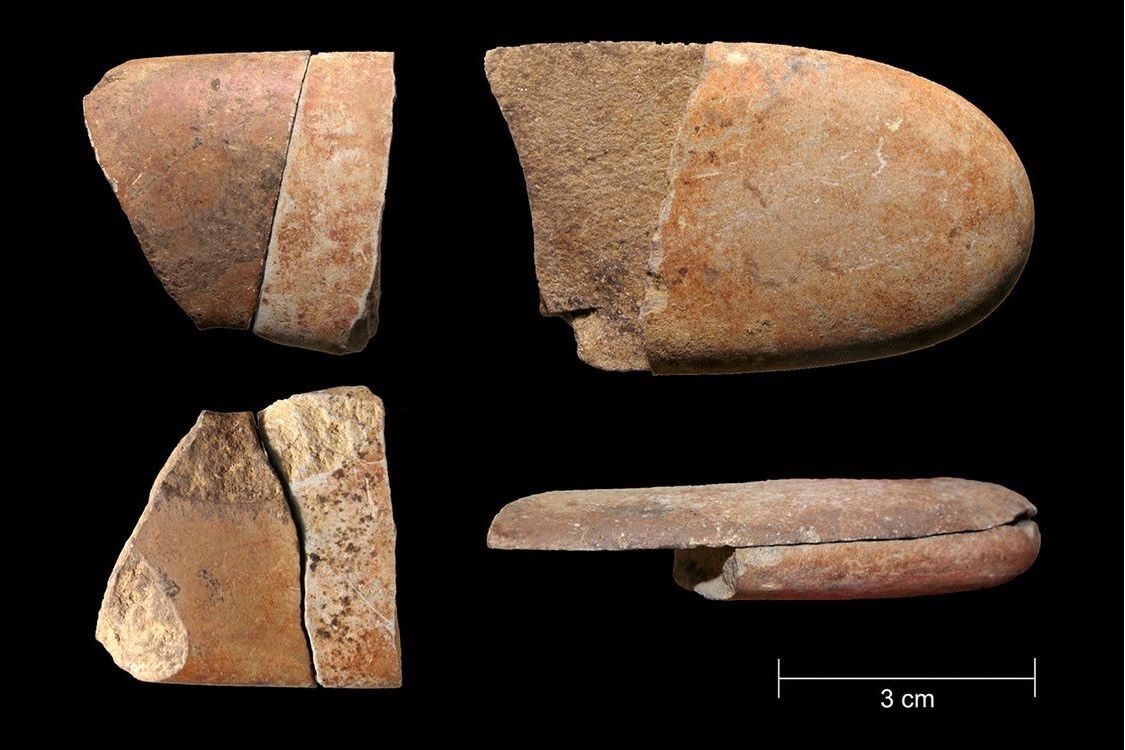
The Oldest Stone Tools Ever Discovered

March 25, 2026

The Beginning of Technology

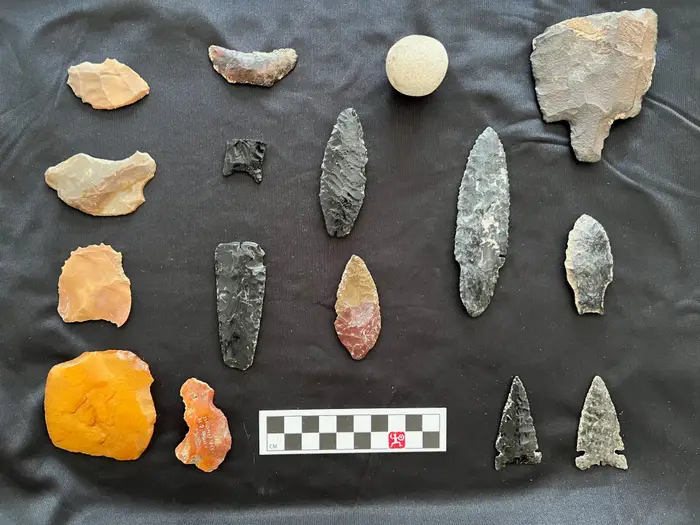
Stone tools are among the earliest and most important evidence of human innovation. Long before metal, writing, or cities, early humans shaped stone into tools that allowed them to survive and adapt.

These tools mark the beginning of technology—the moment when humans began to intentionally modify their environment to meet their needs.

Early Tool Types

The earliest stone tools were simple but effective.

Sharp flakes were used for cutting meat or plants, while larger tools like hand axes were used for chopping, digging, and shaping materials.

These tools were often made by striking one stone against another, creating sharp edges.

Development Over Time

Over thousands of years, tool-making techniques became more advanced.

Early humans learned how to control the shape and sharpness of their tools, producing more specialized and efficient designs.

Different regions developed distinct tool styles, reflecting local needs and resources.

Impact on Survival

Stone tools played a crucial role in survival.

They allowed humans to hunt animals, process food, build shelters, and create clothing. With better tools, early humans could access new food sources and adapt to different environments.

This increased their chances of survival and supported the spread of human populations across the world.

Innovation and Intelligence

The creation of stone tools required planning, skill, and understanding.

Early humans had to select the right materials, shape them carefully, and use them effectively. This process reflects growing intelligence and problem-solving ability.

Tool-making also suggests the ability to teach and learn, as knowledge was passed from one generation to the next.

Cultural Significance

Stone tools were more than practical objects—they were part of culture.

Different groups developed their own techniques and styles, which can still be identified today. These tools provide insight into how early humans lived, worked, and interacted with their environment.

A Lasting Beginning

Stone tools represent the foundation of all human technology.

From these simple beginnings, humanity went on to develop complex machines, advanced materials, and modern innovations.

Echoes of the First Makers

Even today, the legacy of these early tools remains.

They remind us of the ingenuity and determination of our ancestors—and of the long journey from simple stone tools to the advanced world we live in now.

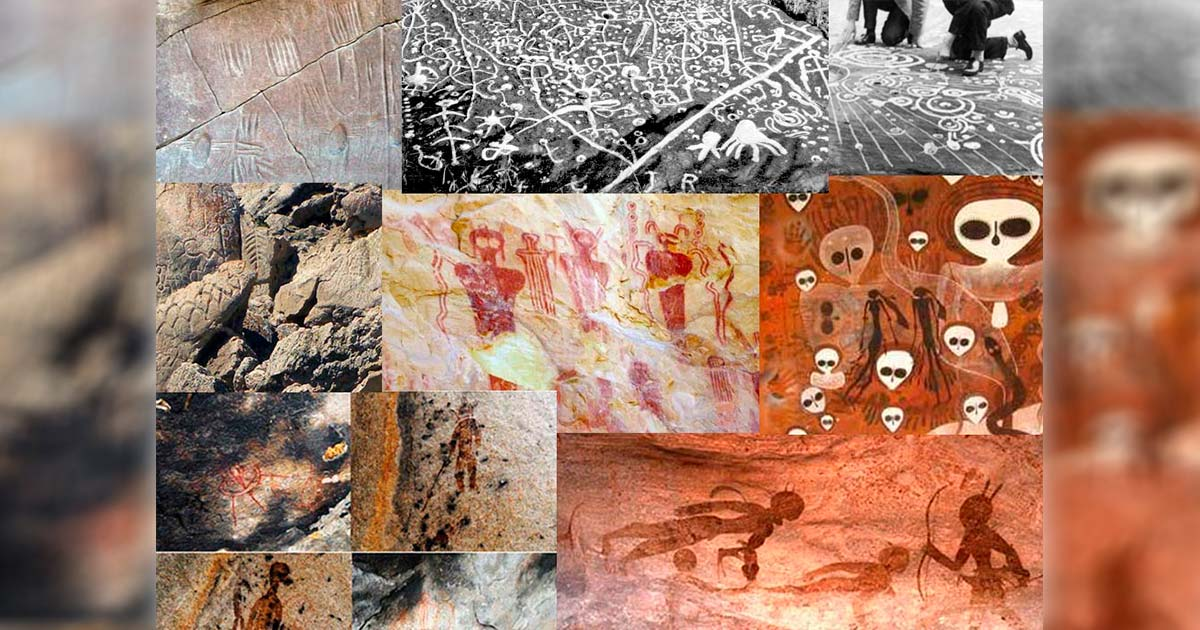
The Giants of Prehistoric Rock Art

March 25, 2026

Larger Than Life

Prehistoric rock art is one of the earliest forms of human expression, offering a glimpse into the minds of ancient people. Among the many images found on cave walls and rock surfaces, some figures stand out for their unusual size—towering human-like forms often referred to as “giants.”

These figures are striking not only for their scale but also for the mystery surrounding their meaning.

Depictions and Locations

Large human figures appear in rock art across different regions of the world.

In areas such as Sahara Desert and Australia, ancient artists created images of oversized beings alongside animals and smaller human figures.

These depictions often appear in prominent positions, suggesting they held special significance.

Interpretation

Scholars and researchers have proposed several interpretations for these giant figures.

Some believe they represent important individuals, such as leaders or ancestors, depicted at a larger scale to emphasize their importance. Others suggest they symbolize spiritual beings, deities, or mythological figures.

Another theory is that the size is symbolic rather than literal—used to convey power, influence, or a connection to the supernatural.

Cultural Meaning

The exaggerated size of these figures may reflect how ancient people understood authority and significance.

In many cultures, larger size in art is used to indicate importance. By depicting certain figures as giants, artists may have been expressing respect, fear, or reverence.

These images could also represent stories or beliefs that were important to the community, serving as visual narratives passed down through generations.

Artistic Expression

Creating rock art required time, effort, and skill.

Artists used natural pigments and tools to carve or paint images onto stone surfaces. The decision to create large figures suggests intentionality and meaning, rather than random decoration.

These artworks were likely part of a broader system of communication, combining visual storytelling with cultural and spiritual expression.

Mystery and Debate

Despite extensive research, the true meaning of these giant figures remains uncertain.

Without written records, interpretations rely on comparison, context, and analysis. This leaves room for multiple theories and ongoing debate.

A Glimpse Into Ancient Minds

The giants of prehistoric rock art remind us that early humans were not only survivors but also thinkers, storytellers, and artists.

Their work continues to spark curiosity, offering clues about how they understood their world—and their place within it.

The Secrets of Ancient Herbal Medicine

March 25, 2026

Nature as Healer

Long before the rise of modern hospitals and laboratories, humans turned to nature as their primary source of healing. Plants, roots, flowers, and resins were not only part of daily life—they were essential tools for survival.

Ancient herbal medicine was built on careful observation, experience, and tradition. Over generations, people learned which plants could soothe pain, reduce fever, heal wounds, or restore strength. This knowledge formed the foundation of early medical systems and reflected a deep connection between humans and the natural world.

Early Knowledge

The earliest healers were keen observers of their environment.

They studied how plants affected the body, often through trial and error. Certain herbs were found to have calming effects, while others could treat infections or digestive problems.

This knowledge was rarely written down in the earliest periods. Instead, it was passed orally from teacher to student, parent to child, or healer to apprentice. In this way, entire systems of medicine were preserved across generations.

Over time, specific plants became widely recognized for their healing properties, forming the basis of traditional remedies.

Methods and Preparation

Ancient herbal medicine involved a variety of preparation methods, each designed to maximize the plant’s effectiveness.

Herbs could be brewed into teas, crushed into pastes, dried and ground into powders, or infused into oils. Some were applied directly to the skin, while others were consumed.

The method of preparation often depended on the condition being treated. For example, a soothing tea might be used for internal illness, while a paste could be applied to wounds or inflammation.

This versatility demonstrates an advanced understanding of how different forms of a substance could produce different effects.

Healing Practices Across Cultures

Different regions developed their own herbal traditions.

In Ancient China, herbal medicine became part of a complex system focused on balance within the body. In Ancient Egypt, healers combined plant remedies with spiritual rituals. In India, early practices later developed into systems like Ayurveda, emphasizing harmony between body and nature.

Despite cultural differences, these traditions shared a common belief: nature provided the tools needed for healing.

Spiritual Connection

Healing in the ancient world was rarely seen as purely physical.

Illness was often believed to have spiritual causes, such as imbalance, negative energy, or divine influence. As a result, treatment frequently combined herbal remedies with rituals, prayers, or symbolic actions.

Healers might perform ceremonies, chant, or call upon spiritual forces while administering medicine. This holistic approach aimed to restore balance not only in the body but also in the mind and spirit.

Medical Texts

As societies advanced, some began recording their medical knowledge.

Ancient texts from civilizations like Egypt, China, and Greece documented the use of herbs, treatments, and observations about illness. These writings provide valuable insight into early medical practices and show how knowledge was becoming more organized and systematic.

Although limited by the scientific understanding of the time, these texts represent an important step toward the development of formal medicine.

Lasting Influence

The impact of ancient herbal medicine can still be felt today.

Many modern medicines are derived from plants first used in traditional remedies. Even today, herbal treatments remain part of healthcare systems around the world.

Beyond specific remedies, ancient practices also introduced the idea of holistic care—treating the whole person rather than just symptoms.

A Legacy Rooted in Nature

Ancient herbal medicine reminds us that the search for healing began with observation, curiosity, and a deep respect for nature.

It stands as a testament to human ingenuity and the enduring belief that the natural world holds the key to health and well-being.

Ancient Temples Dedicated to the Moon

March 25, 2026

Worship of the Night Sky

While the sun was often the focus of worship, the moon also held deep spiritual significance.

Its cycles influenced timekeeping, agriculture, and ritual life.

Lunar Deities

Many cultures worshipped moon gods or goddesses.

These deities were associated with cycles, fertility, and change.

Temple Design

Moon temples were often aligned with lunar phases.

Their architecture reflected careful observation of the sky.

Ritual and Calendar

Lunar cycles were used to create calendars.

Festivals and ceremonies were often timed with the moon.

Symbolism

The moon represents change, renewal, and rhythm.

Its phases made it a powerful symbol in ancient belief systems.

Cultural Legacy

Lunar traditions continue in modern calendars and rituals.

They reflect the lasting influence of moon worship.

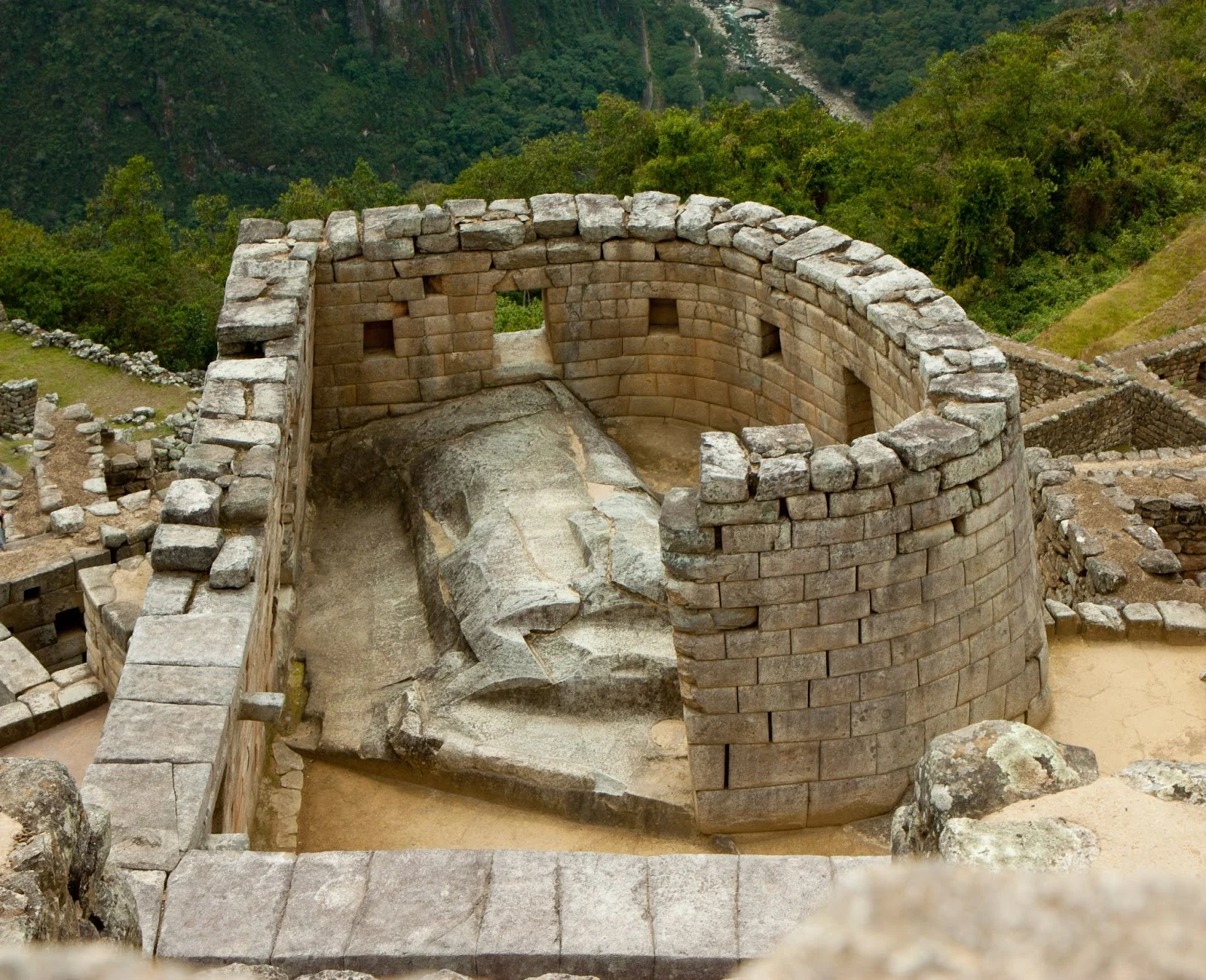
Ritual Stones Used in Prehistoric Ceremonies

March 25, 2026

Markers of Meaning

Long before written language, humans used stones to express spiritual ideas.

These ritual stones served as markers, symbols, and tools for ceremonies.

Types of Ritual Stones

Standing stones, carved rocks, and arranged formations are among the most common examples.

These stones were often placed in significant locations.

Symbolic Use

Ritual stones may have been used for ceremonies, offerings, or gatherings.

Their placement and design suggest intentional meaning.

Alignment and Astronomy

Some stones are aligned with celestial events.

This connection to the sky suggests a link between ritual and astronomy.

Cultural Significance

Ritual stones reflect early spiritual beliefs.

They show how humans used physical objects to connect with the unseen.

Lasting Mystery

Many ritual stones remain unexplained.

They continue to inspire curiosity and study.

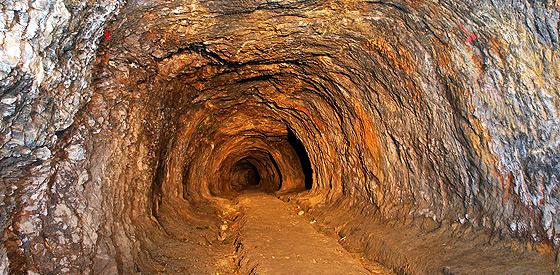
The Oldest Known Metal Mines in Human History

March 25, 2026

Digging Into the Earth

The discovery and extraction of metals changed human history.

Mining allowed societies to access materials that could be shaped into tools, weapons, and ornaments.

Early Mining Practices

Ancient miners used simple tools to extract metal ores from the earth.

They dug tunnels, chipped away at rock, and transported materials by hand.

Key Metals

Copper was among the first metals to be mined, followed by tin and iron.

These materials were essential for developing stronger tools and weapons.

Technological Growth

Mining required knowledge of geology and resource management.

Over time, techniques improved, allowing deeper and more efficient extraction.

Economic and Cultural Impact

Metals became valuable resources.

They were traded, used in art, and associated with power and status.

Foundations of Industry

Early mining laid the groundwork for future industrial development.

It marked a shift toward more advanced technology and resource use.

Sacred Fires That Burned for Centuries

March 25, 2026

Flames of the Divine

Fire has always held deep symbolic meaning for humanity. In ancient times, it was often seen as a sacred element—representing life, transformation, and divine presence.

Some cultures maintained eternal flames that burned continuously for years, decades, or even centuries.

Religious Significance

Sacred fires were central to many religious traditions.

They symbolized purity, continuity, and connection to the divine. Keeping the fire burning was often considered a sacred duty.

Ritual Practices

Priests or caretakers were responsible for maintaining these flames.

They followed strict rituals to ensure the fire never went out. Offerings, prayers, and ceremonies were often performed around the flame.

Cultural Importance

Eternal flames represented stability and endurance.

They were symbols of a community’s faith and identity.

Symbolism of Fire

Fire represents both creation and destruction.

Its dual nature made it a powerful symbol in ancient belief systems.

Enduring Traditions

The idea of sacred fire continues in modern ceremonies and traditions.

It remains a symbol of continuity and spiritual presence.

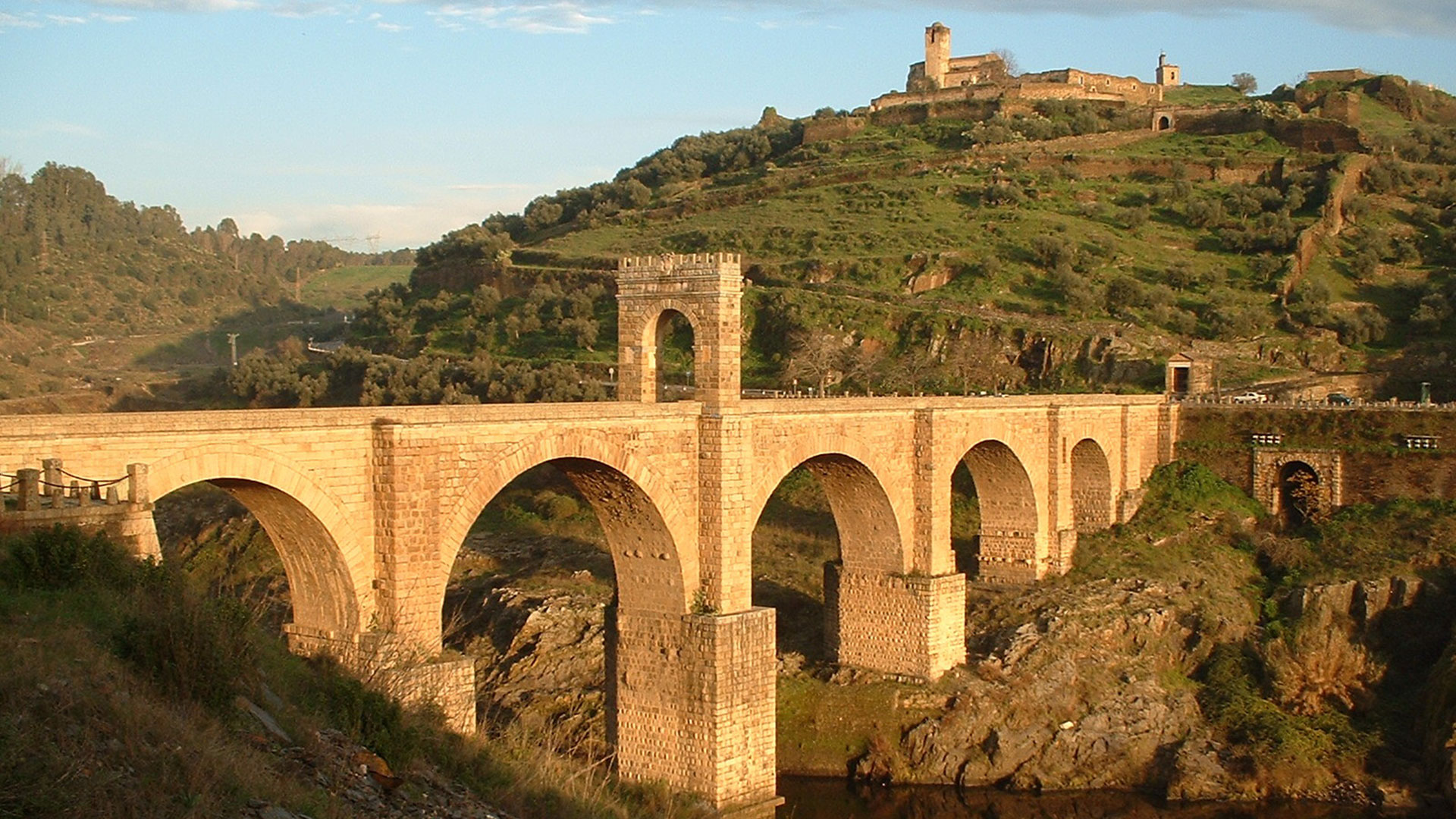
The First Bridges Built by Ancient Engineers

March 25, 2026

Connecting Worlds

Bridges are among the most important inventions in human history. They allowed people to cross rivers, valleys, and difficult terrain, connecting communities and enabling trade and communication.

The earliest bridges were simple, but they laid the foundation for more advanced engineering.

Early Construction Techniques

Ancient builders used available materials such as wood, stone, and rope.

Simple log bridges may have been the first, followed by more complex structures using stone supports or woven fibers.

Over time, techniques improved, allowing for stronger and more durable designs.

Engineering Innovation

Building a bridge required understanding balance, weight, and structure.

Ancient engineers experimented with different methods, gradually developing more reliable designs.

Stone arch bridges, for example, became a major advancement in construction.

Societies That Led the Way

Civilizations such as Ancient Rome became known for their engineering skills.

Their bridges were built to last, many still standing today.

Impact on Society

Bridges transformed travel and trade.

They connected regions, allowed the movement of goods, and strengthened political control.

Foundations of Modern Engineering

Ancient bridges demonstrate the ingenuity of early engineers.

Their designs influenced later developments and continue to inspire modern construction.

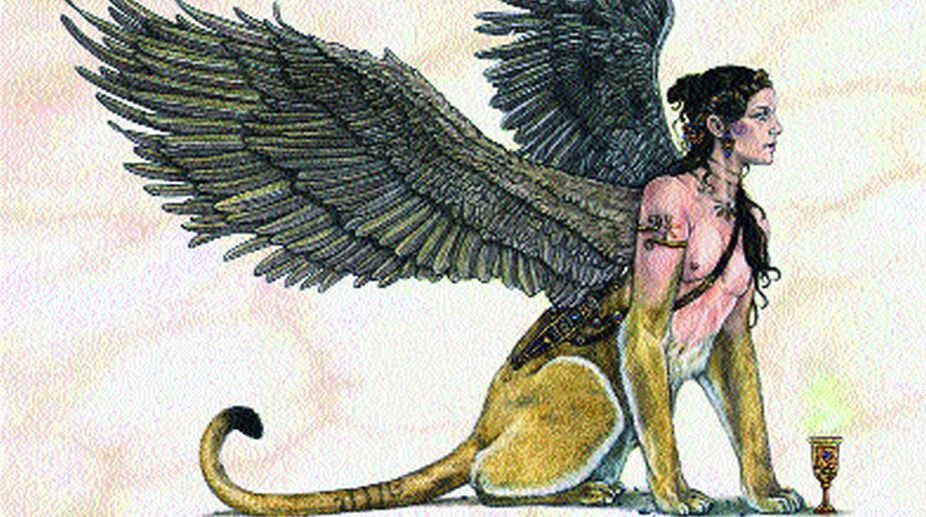
Ancient Mythical Birds and Their Symbolic Power

March 25, 2026

Creatures of Legend and Sky

Across ancient cultures, birds were often seen as messengers between the Earth and the heavens. Their ability to fly made them powerful symbols of freedom, transcendence, and divine connection.

This gave rise to myths of extraordinary birds—creatures that embodied cosmic forces and spiritual ideas.

Legendary Birds

Among the most famous is the Phoenix, a bird said to be reborn from its own ashes. In North American traditions, the Thunderbird was believed to control storms and lightning.

Other cultures described giant eagles, firebirds, or celestial messengers, each with unique characteristics but shared symbolic roles.

Symbolism and Meaning

Mythical birds often represented transformation, power, and renewal.

The phoenix symbolized rebirth and immortality, while the thunderbird represented strength and control over natural forces.

These creatures connected human experience with the larger universe.

Cultural Variations

Each culture interpreted these birds differently.

Some saw them as protectors, others as omens or agents of change. Despite these differences, the idea of birds as divine or powerful beings remained consistent.

Spiritual Significance

Birds were often linked to gods or spiritual realms.

They appeared in myths, rituals, and art, reinforcing their importance in belief systems.

Enduring Symbolism

Even today, mythical birds remain powerful symbols in literature, art, and culture.

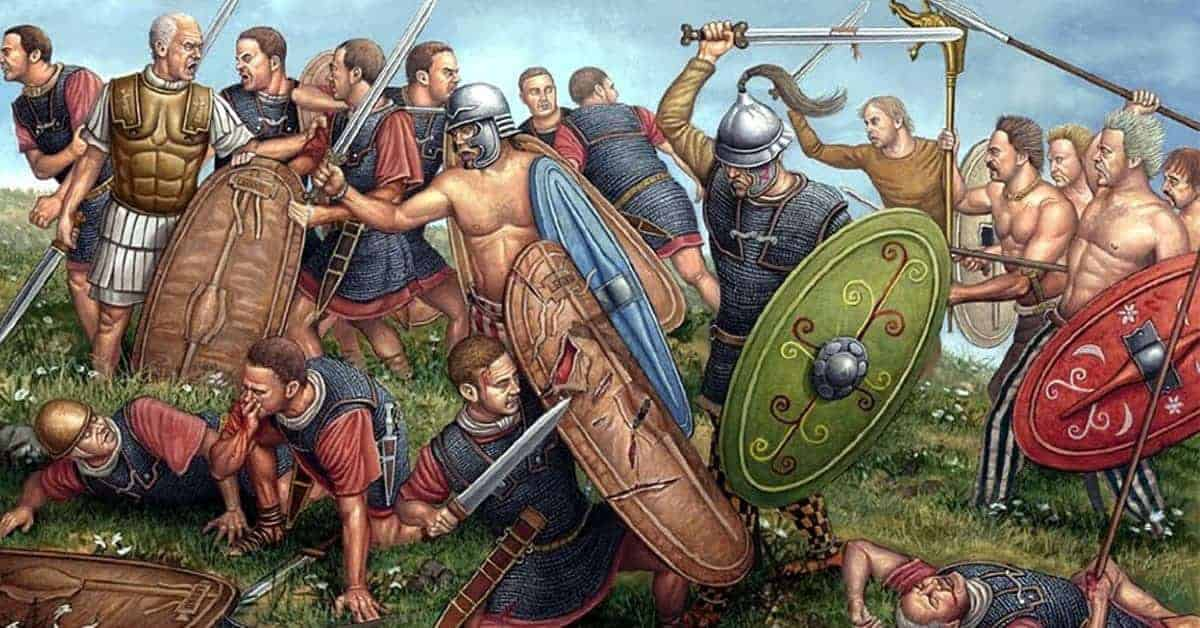
Warrior Societies That Dominated the Ancient World

March 25, 2026

Strength, Discipline, and Power

Throughout ancient history, certain societies became known for their warrior culture—groups in which combat, discipline, and honor shaped daily life. These warrior societies did not simply fight wars; they built entire systems around training, loyalty, and strength.

From the militarized culture of Sparta to the disciplined legions of Ancient Rome, these groups played a major role in shaping political power and territorial expansion.

Social Structure and Hierarchy

Warrior societies were often highly organized.

At the top were leaders—kings, generals, or chiefs—who commanded armies and made strategic decisions. Below them were trained warriors, ranked by experience, skill, and achievement.

In many cultures, becoming a warrior required initiation rites, proving strength, courage, and loyalty to the group.

Training and Discipline

Training began early and was often intense.

Young members were taught physical endurance, combat techniques, and survival skills. Discipline was essential, as warriors needed to function as a coordinated unit during battle.

In places like Sparta, training was lifelong, shaping not only military ability but also personal identity.

Weapons and Warfare

Weapons defined the effectiveness of these societies.

Swords, spears, shields, and later metal armor became standard tools of warfare. The design and quality of these weapons often determined success in battle.

Warrior societies also developed strategies and formations, making warfare more organized and tactical.

Cultural Identity

Warrior values extended beyond the battlefield.

Honor, bravery, and loyalty were celebrated in stories, rituals, and traditions. Warriors were often seen as protectors of their people and symbols of strength.

Lasting Influence

The legacy of these societies can still be seen in modern military systems.

Their emphasis on training, hierarchy, and discipline continues to shape how armies operate today.

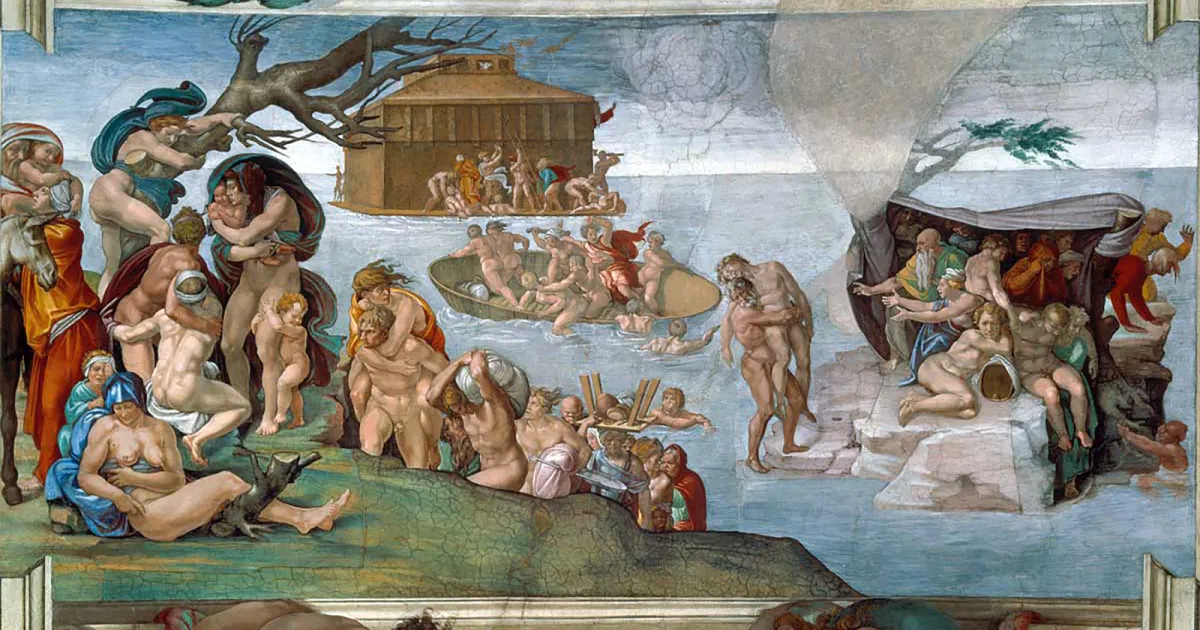
Myths of the Great Flood Across Ancient Cultures

March 24, 2026

A Story Shared Across the World

One of the most widespread and enduring stories in human history is the myth of a great flood. Across continents and civilizations, ancient cultures told remarkably similar tales of a catastrophic deluge that swept across the land, destroying much of humanity and reshaping the world.

What makes these stories especially fascinating is not just their dramatic nature, but their consistency. Despite vast distances and cultural differences, many societies developed flood myths with shared themes—divine warning, survival against overwhelming odds, and the beginning of a new world.

These parallels suggest that the story of a great flood holds a deep and universal place in human imagination and memory.

Global Variations

Flood myths appear in regions such as Mesopotamia, India, China, and across the Americas.

One of the earliest known written versions comes from Mesopotamia, in texts like the Epic of Gilgamesh. In this story, a man named Utnapishtim is warned by the gods about an approaching flood and instructed to build a vessel to save himself, his family, and living creatures.

In the Indian tradition, the figure of Manu is similarly warned of a great flood and guided to safety. In Chinese mythology, stories speak of great floods that required heroic efforts to control and restore balance.

Across these versions, the pattern remains consistent: a chosen individual receives a warning, prepares for disaster, survives the flood, and helps restore life afterward.

Shared Narrative Elements

Although details vary, most flood myths include several key elements:

  • A divine or natural cause for the flood

  • A warning given to a specific individual or group

  • The construction of a vessel or refuge

  • The preservation of life, often including animals or seeds

  • A renewal or rebuilding of the world after the flood

These recurring elements suggest a shared narrative structure that may have been shaped by common human experiences or psychological patterns.

Symbolism

Flood myths are rich in symbolism and meaning.

At their core, they often represent destruction and renewal. The flood itself symbolizes chaos—an overwhelming force that wipes away the old world. In contrast, the survival of a few individuals represents hope, resilience, and the possibility of new beginnings.

These stories reflect natural cycles observed by ancient societies: floods that nourish the land but can also destroy it, seasons that bring both growth and decay, and life that continually renews itself after hardship.

Possible Historical Basis

Many researchers believe that flood myths may have been inspired by real events.

Ancient communities often lived near rivers, lakes, or coastlines—areas prone to flooding. Sudden and devastating floods could leave lasting impressions, becoming part of collective memory.

Events such as rising sea levels at the end of the last Ice Age, massive river floods, or regional natural disasters may have contributed to these stories. Over generations, these experiences could have been transformed into myths, blending memory with symbolism and storytelling.

Cultural Meaning

Flood myths also carry strong moral and spiritual messages.

In many traditions, the flood is not random—it is often seen as a response to human actions. Stories may describe a world that has become corrupt or unbalanced, with the flood acting as a form of cleansing or renewal.

The survivor is often portrayed as wise, virtuous, or chosen for a purpose. This emphasizes themes such as responsibility, obedience, and the importance of living in harmony with natural or divine laws.

A Reflection of Human Experience

Beyond their specific details, flood myths reflect shared human concerns.

They explore questions about survival, loss, and the possibility of starting again. They also highlight humanity’s relationship with nature—both its dependence on natural forces and its vulnerability to them.

These stories show how ancient people tried to make sense of powerful and unpredictable events in their environment.

Enduring Legacy

The story of the great flood continues to appear in modern culture, literature, and religion.

Its themes remain relevant, reminding us of both the fragility and resilience of human life. The idea of destruction followed by renewal continues to resonate in times of crisis and change.

A Universal Story

Ultimately, flood myths connect cultures across time and space.

They reveal that, despite differences in language, geography, and belief, humans have long shared similar ways of understanding the world. These stories stand as powerful reminders of our common experiences—and our enduring hope for renewal after even the greatest challenges.

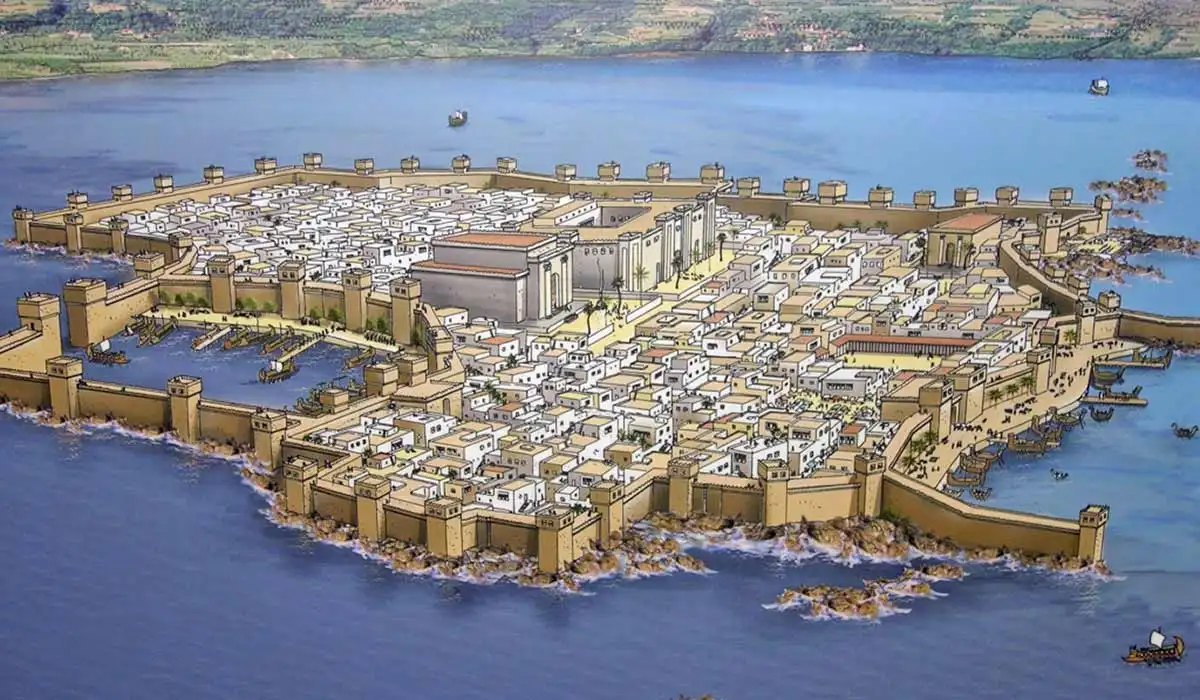
The Oldest Trading Ports on Earth

March 24, 2026

Gateways of Exchange

Long before modern shipping and global trade, ancient ports served as vital hubs of exchange.

Located along coastlines and rivers, these ports connected distant regions and allowed goods, ideas, and cultures to move across vast distances.

Early Maritime Hubs

Some of the earliest trading ports developed in areas such as the Mediterranean and the Persian Gulf.

These locations provided access to major trade routes and natural harbors, making them ideal centers for maritime activity.

Goods and Trade

A wide variety of goods passed through these ports.

Spices, metals, textiles, pottery, and luxury items were exchanged between traders. Each region contributed its own resources, creating a network of interdependence.

Cultural Exchange

Ports were not just centers of trade—they were places where cultures met.

Languages, beliefs, technologies, and artistic styles spread through these interactions. This exchange enriched societies and encouraged innovation.

Economic Importance

Trade brought wealth and growth.

Cities with successful ports often became powerful and influential, controlling access to resources and trade routes.

Foundations of Global Trade

These early ports laid the groundwork for the global trade systems we see today.

They demonstrate how interconnected ancient societies were, even across great distances.

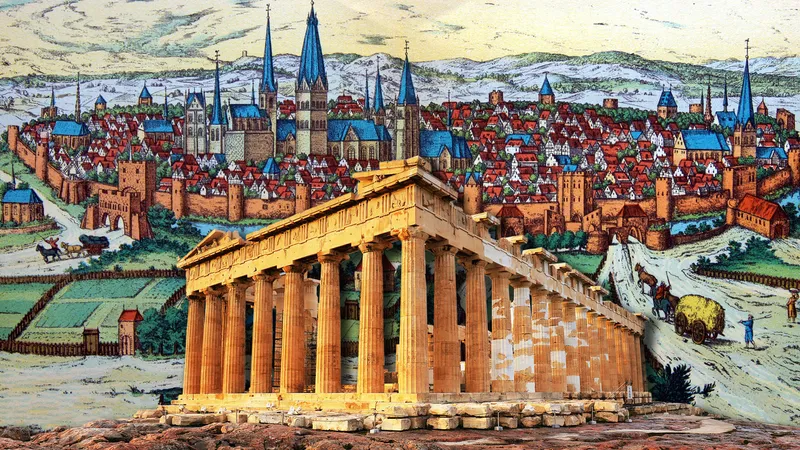
The First City-States and Their Rise to Power

March 24, 2026

The Birth of Organized Society

The emergence of city-states marked a major turning point in human history.

A city-state was a self-contained urban center with its own government, economy, and culture. These early political units laid the foundation for modern civilizations.

Formation of City-States

City-states developed as populations grew and settlements became more permanent.

In regions like Mesopotamia, access to water and fertile land allowed communities to expand into cities.

Over time, these cities became independent centers of power.

Political Structure

Each city-state had its own system of governance.

Some were ruled by kings, while others had councils or assemblies. Laws were created to maintain order, regulate trade, and define social roles.

This organization allowed city-states to function efficiently and maintain stability.

Economic Growth

City-states became centers of trade and production.

Markets, workshops, and storage facilities supported economic activity. Goods were exchanged locally and with distant regions, contributing to prosperity.

Cultural Development

These urban centers fostered innovation.

Writing systems, art, architecture, and science all developed within city-states. They became hubs of cultural and intellectual growth.

Influence on Civilization

The rise of city-states shaped the course of history.

They introduced new forms of governance, social organization, and cultural expression that continue to influence the modern world.

Ancient Animal Cults and Their Mysterious Practices

March 24, 2026

Worship Beyond Humanity

In many ancient cultures, animals were not just part of the natural world—they were sacred beings, symbols of divine power, and objects of worship.

Animal cults developed as societies began to associate certain animals with gods, spiritual forces, or cosmic principles.

Sacred Animals

Different cultures revered different animals.

In Ancient Egypt, cats, bulls, and falcons were closely linked to specific deities. Other societies honored snakes, birds, or large predators, seeing them as powerful or protective figures.

These animals were often believed to embody divine qualities such as strength, wisdom, fertility, or protection.

Ritual Practices

Animal cults involved a variety of rituals.

These could include offerings, ceremonies, and even the care or breeding of sacred animals. In some cases, animals were kept in temples and treated with great reverence.

Rituals might also involve symbolic acts, such as wearing animal imagery or performing dances that imitated animal behavior.

Sacred Sites

Temples and shrines dedicated to animals served as centers of worship.

Archaeological evidence shows that these sites often contained statues, carvings, and offerings related to the animals being honored.

Some locations also reveal burial practices for sacred animals, suggesting deep spiritual significance.

Symbolism and Belief

Animal worship reflects how ancient people understood the world.

Animals represented natural forces and qualities that humans admired or feared. By honoring them, societies sought to connect with these forces.

Cultural Impact

Animal cults influenced art, mythology, and daily life.

They shaped how people interacted with nature and how they expressed spiritual beliefs.

The First Glassmakers of the Ancient World

March 24, 2026

Turning Sand Into Wonder

The creation of glass is one of the most fascinating achievements of the ancient world. At its core, glass is made from simple materials—sand, heat, and minerals—yet the result is a substance that is both beautiful and versatile. For early societies, learning how to transform raw materials into glass felt almost magical.

The earliest known glassmaking developed in regions such as Mesopotamia and Ancient Egypt, where artisans began experimenting with high-temperature furnaces and mineral mixtures.

Early Techniques

Early glassmakers did not immediately produce clear glass as we know it today. Instead, their first creations were often opaque, colored, and used as decorative elements.

Glass was initially formed by shaping molten material around a core, creating beads, small vessels, or decorative inlays. Later, techniques improved, allowing artisans to mold, cast, and eventually blow glass into more complex shapes.

The addition of minerals such as copper or cobalt produced vibrant colors—deep blues, greens, and reds—that made glass highly desirable.

Tools and Innovation

Producing glass required advanced control of heat and materials.

Ancient furnaces had to reach extremely high temperatures, and artisans needed skill to handle molten glass safely. Tools for shaping and cutting glass evolved over time, enabling greater precision and creativity.

These innovations demonstrate a deep understanding of materials and craftsmanship, even without modern scientific knowledge.

Cultural Value

Glass objects were often considered luxury items.

Because of the difficulty of production, they were rare and valuable, typically owned by elites or used in religious contexts. Glass beads, amulets, and vessels were worn or displayed as symbols of status and beauty.

In some cultures, glass was believed to have protective or magical properties, adding to its significance.

Trade and Influence

Glass objects were widely traded, spreading techniques and styles across regions.

As knowledge of glassmaking expanded, it contributed to cultural exchange and technological development.

A Lasting Legacy

The work of early glassmakers laid the foundation for a material that continues to shape modern life.

From art to technology, glass remains one of humanity’s most important and versatile creations.

Forgotten Ancient Festivals Celebrating the Stars

March 24, 2026

Celebrating the Sky

For ancient societies, the night sky was more than a source of wonder—it was a guide for life.

The movement of stars, planets, and other celestial bodies helped people understand time, seasons, and cycles. To honor these patterns, many cultures held festivals dedicated to the stars.

These gatherings combined observation, celebration, and spiritual meaning.

Seasonal and Astronomical Events

Ancient festivals were often timed with important celestial events.

Solstices, equinoxes, and the appearance of specific stars marked changes in seasons. These moments were critical for agriculture, signaling when to plant or harvest crops.

By celebrating these events, communities acknowledged the importance of cosmic cycles in their survival.

Ritual and Community

Star-related festivals were deeply communal.

People gathered to perform rituals, share food, and participate in ceremonies. These events often included music, dance, and storytelling, creating a shared cultural experience.

Rituals might involve offerings, prayers, or symbolic actions meant to align human life with the movements of the heavens.

Spiritual Meaning

The stars were often seen as divine or connected to higher powers.

Festivals honoring them reflected a belief that the cosmos influenced human life. By celebrating celestial events, people expressed gratitude, sought guidance, and reinforced their connection to the universe.

Cultural Importance

These festivals played an important role in maintaining social bonds.

They brought communities together, strengthened traditions, and passed knowledge from one generation to the next.

They also reinforced shared beliefs about the structure of the universe and humanity’s place within it.

Echoes in Modern Traditions

Many modern celebrations still reflect these ancient practices.

Festivals tied to seasonal changes or celestial events continue to be observed around the world, even if their original meanings have evolved.

A Sky That Still Connects Us

Though much has changed, the human fascination with the stars remains.

Ancient festivals celebrating the sky remind us that, across time, people have always looked upward—not just for guidance, but for meaning, connection, and inspiration.

Myths of the Sky-Serpents and Celestial Dragons

March 24, 2026

Creatures of the Heavens

Across cultures, myths describe powerful serpent-like beings that move through the sky. These sky-serpents or celestial dragons appear in stories from different parts of the world, often associated with natural forces and cosmic events.

Their forms vary, but their presence is consistently linked to the mysteries of the heavens.

Symbolism

Sky-serpents carried rich symbolic meaning.

They were often associated with storms, lightning, and rain—forces that could both sustain and destroy life. In some traditions, they were seen as bringers of water and fertility, while in others, they represented chaos or danger.

Their long, flowing bodies mirrored the movement of rivers or the arc of lightning across the sky, connecting them to both earth and atmosphere.

Cultural Variations

Different cultures described these beings in unique ways.

In some regions, they appeared as benevolent guardians or creators. In others, they were powerful adversaries that heroes had to defeat.

Despite these differences, the core idea remains similar: a serpent-like being connected to the sky and to powerful natural forces.

Cosmic Role

Sky-serpents often played central roles in creation myths and explanations of natural events.

They might control rainfall, shape the landscape, or represent the movement of celestial bodies. In some traditions, they were believed to connect the heavens and the Earth, acting as cosmic bridges.

Fear and Reverence

These creatures were both feared and respected.

Their power made them unpredictable, but also essential to the balance of the natural world. This dual nature reflects how ancient people viewed the forces around them—dangerous yet necessary.

Lasting Influence

The image of the celestial serpent continues to appear in modern stories, art, and symbolism.

It remains a powerful representation of mystery, transformation, and the connection between Earth and sky.

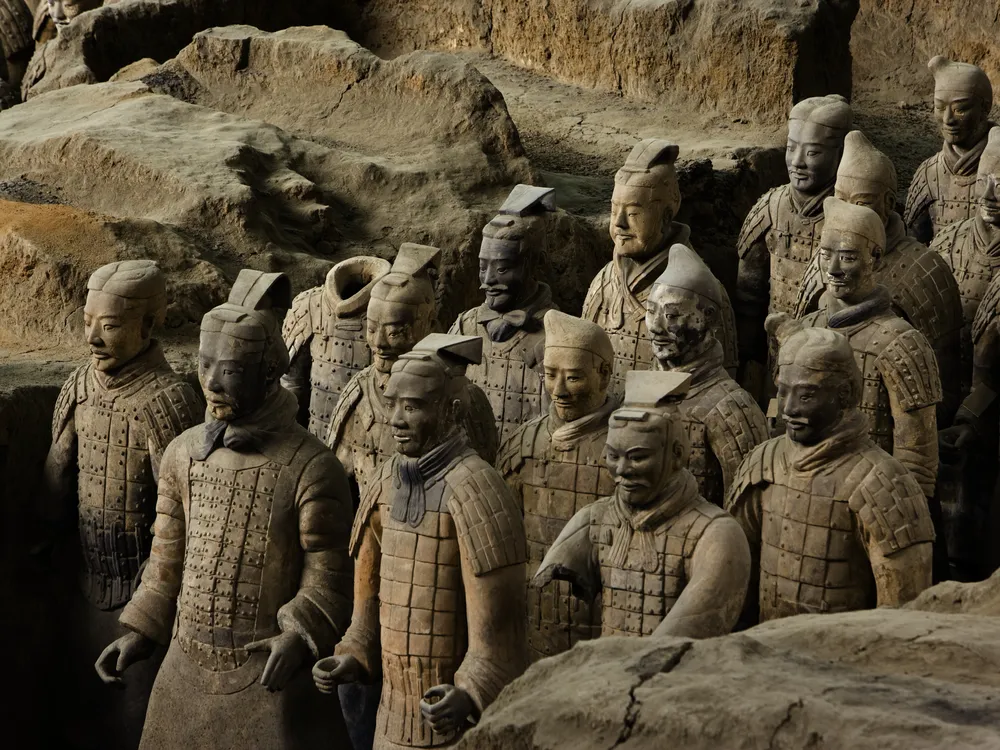
Stone Statues That Guarded Ancient Kingdoms

March 24, 2026

Silent Protectors

In the ancient world, large stone statues often stood at the entrances of cities, temples, and palaces. These towering figures were not simply decorative—they were believed to serve as guardians, protecting important spaces from both physical and spiritual threats.

Their presence conveyed strength, authority, and a sense of watchfulness, as if the statues themselves were standing guard over the people and places they represented.

Purpose and Placement

The placement of these statues was carefully chosen.

They were often positioned at gateways, along processional paths, or at the entrances of sacred buildings. These locations ensured that anyone entering the space would encounter the statues first.

This positioning served both practical and symbolic purposes. It marked the boundary between the ordinary world and a protected or sacred area, reinforcing the importance of what lay beyond.

Symbolic Power

Stone statues often represented gods, animals, or mythical beings.

Lions, for example, symbolized strength and courage, while human-like figures might represent rulers or deities. Some statues combined human and animal features, creating powerful hybrid forms that emphasized supernatural protection.

These figures were believed to ward off evil, protect against harm, and maintain balance within the space they guarded.

Artistic Achievement

Creating large stone statues required significant skill, labor, and resources.

Artisans had to quarry, transport, and carve massive blocks of stone with precision. The level of detail achieved—especially in facial expressions, clothing, and decorative elements—demonstrates remarkable craftsmanship.

These statues were not only protective symbols but also works of art that reflected the cultural and aesthetic values of their societies.

Political and Cultural Meaning

In addition to their spiritual role, these statues often carried political meaning.

They reinforced the power of rulers, symbolizing authority and control. A grand statue at the entrance of a city or palace could send a clear message about the strength and stability of the kingdom.

Enduring Presence

Many of these statues still stand today, weathered but powerful.

Even in ruins, they continue to inspire awe and curiosity. Their silent presence connects us to the past, reminding us of the beliefs and values that shaped ancient civilizations.

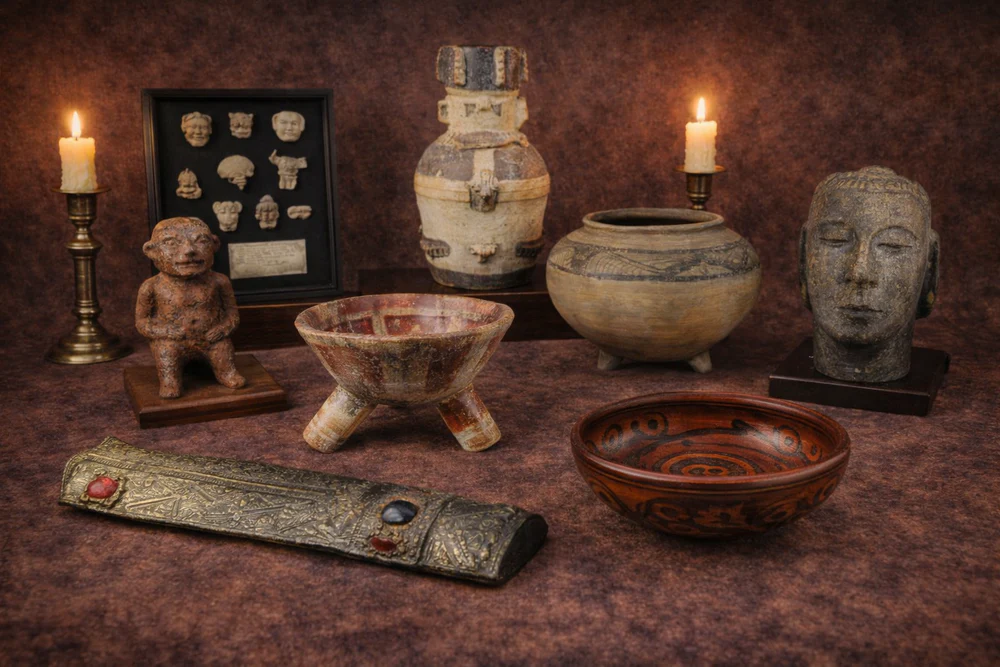
Ancient Pottery That Reveals Lost Cultures

March 24, 2026

Stories in Clay

Pottery is one of the most valuable tools for understanding ancient cultures. Unlike materials such as wood, cloth, or plant fibers—which easily decay over time—ceramic objects can survive for thousands of years. Because of this durability, pottery often becomes one of the most common and informative artifacts discovered at archaeological sites.

Each fragment of pottery, no matter how small, holds a story. From everyday cooking vessels to ceremonial pieces, these objects provide a direct connection to the lives, beliefs, and identities of the people who created them.

Styles and Materials

Different groups used distinct styles, shapes, and materials when creating pottery, and these variations serve as important clues for archaeologists.

The type of clay used, the method of shaping, and the firing process all reflect local resources and technological knowledge. Some societies preferred simple, functional designs, while others created highly refined and symmetrical forms.

Shapes also varied depending on purpose. Large storage jars, cooking pots, drinking vessels, and ceremonial containers all had specific forms suited to their use.

Because these features are often unique to particular regions or time periods, archaeologists can identify cultural groups and trace their development over time by studying pottery styles.

Decoration and Meaning

Pottery was not only practical—it was also a form of artistic and symbolic expression.

Many ancient vessels were decorated with patterns, carvings, or painted designs. These decorations often held deeper meaning, representing beliefs, myths, or aspects of daily life.

Geometric patterns might symbolize order or balance, while images of animals or human figures could reflect cultural stories or spiritual ideas. In some cases, pottery designs even served as early forms of communication, conveying identity or status.

The level of detail in decoration also varied. Some pieces were simple and functional, while others were highly elaborate, suggesting they were used in rituals or reserved for important individuals.

Trade and Interaction

Pottery also provides evidence of trade and cultural interaction.

When similar pottery styles are found in distant regions, it suggests that goods, ideas, or people moved between communities. In some cases, pottery itself was traded; in others, techniques and designs were shared through contact.

These connections reveal that ancient societies were often more interconnected than they might first appear. Even without written records, pottery allows researchers to trace networks of exchange and influence across large areas.

Daily Life and Use

Beyond symbolism and trade, pottery offers insight into everyday life.

Cooking pots show what people ate and how they prepared food. Storage containers reveal how resources were managed. Drinking vessels hint at social habits and communal activities.

Wear marks, repairs, and residues found on pottery surfaces provide additional information about how these objects were used over time.

A Window Into the Past

Pottery acts as a window into ancient societies, preserving details that might otherwise be lost.

By studying these objects, archaeologists can reconstruct aspects of culture, economy, and daily life—even in the absence of written records.

In many ways, pottery is more than just an artifact—it is a lasting record of human creativity, adaptation, and expression across time.

← Newer Posts Older Posts →
Featured
image_2026-03-26_203547309.png
Mar 27, 2026
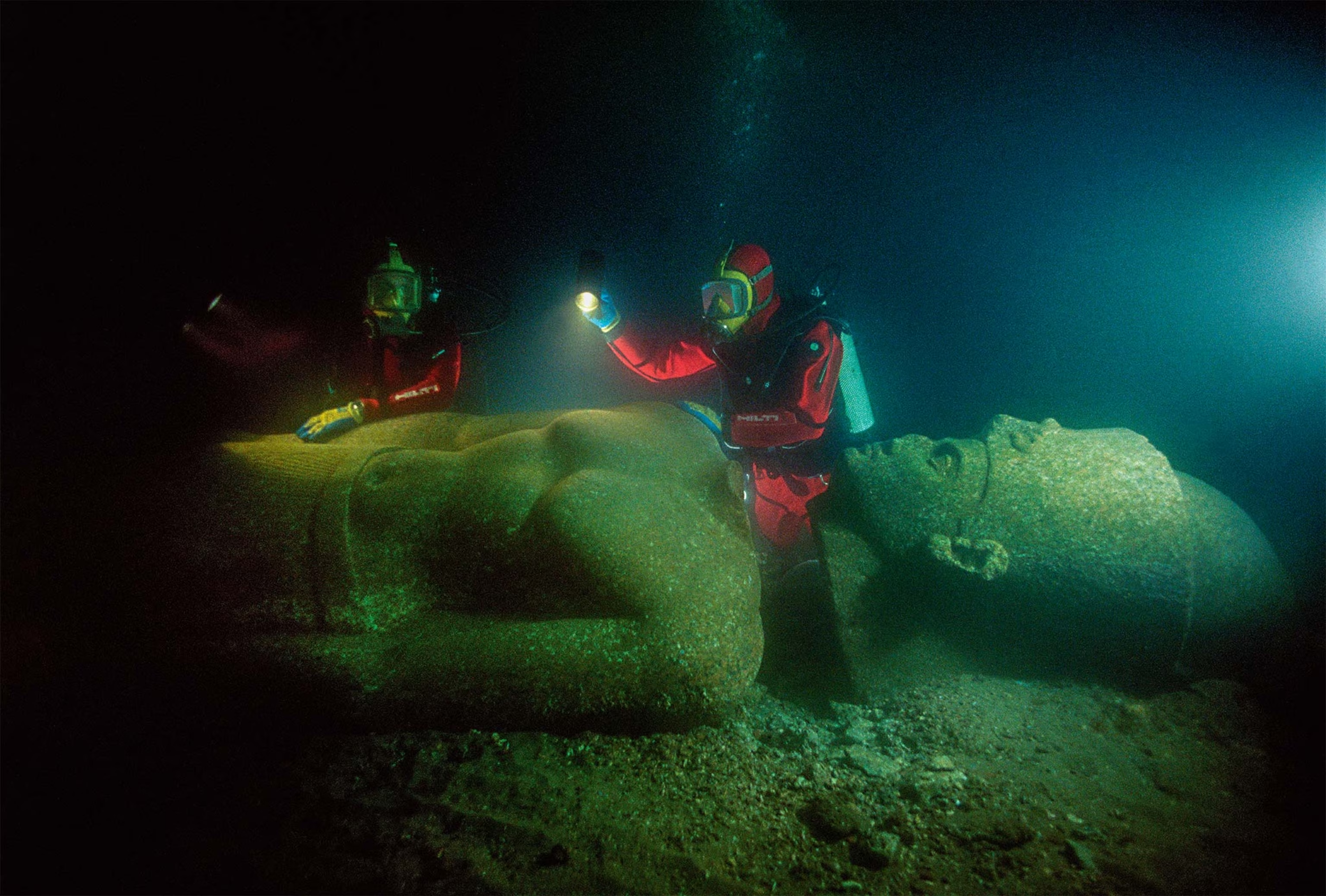
The First Sunken Cities Rediscovered by Archaeologists
Mar 27, 2026
Read More →
Mar 27, 2026
image_2026-03-26_203346009.png
Mar 27, 2026
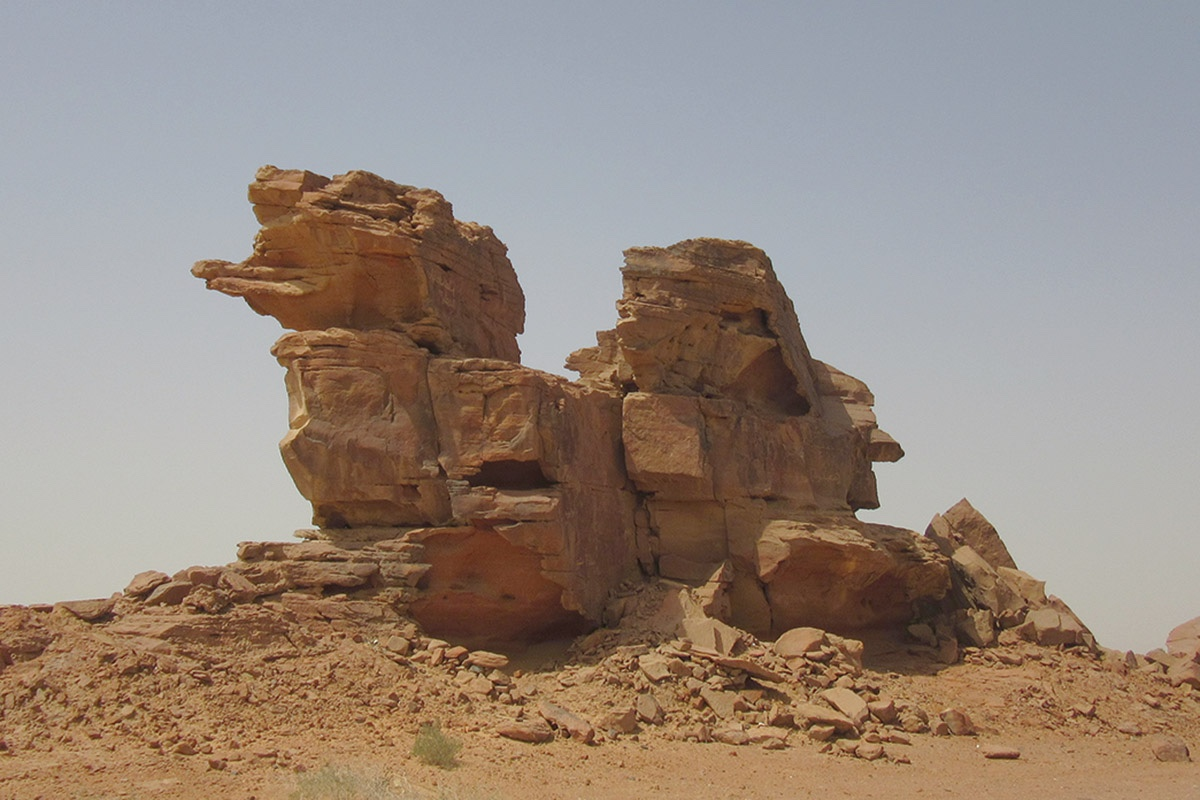
Ancient Mysteries Hidden in Desert Rock Formations
Mar 27, 2026
Read More →
Mar 27, 2026
image_2026-03-26_203303748.png
Mar 27, 2026
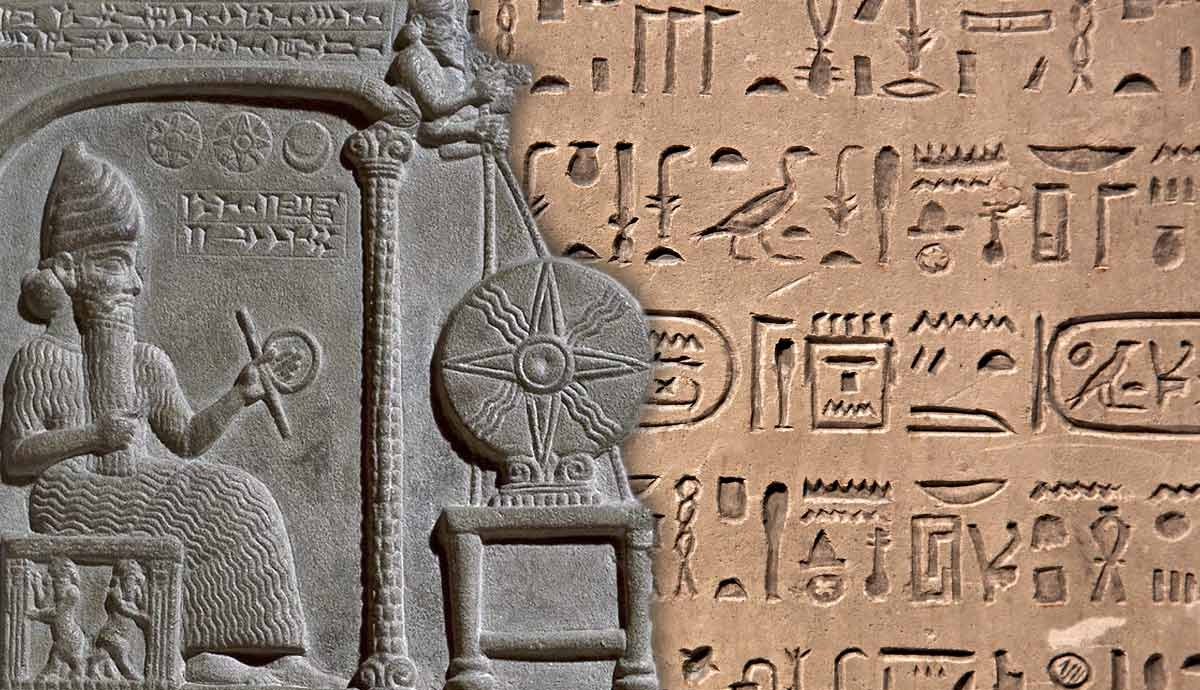
The Origins of Ancient Symbol Writing
Mar 27, 2026
Read More →
Mar 27, 2026
image_2026-03-26_203040451.png
Mar 27, 2026
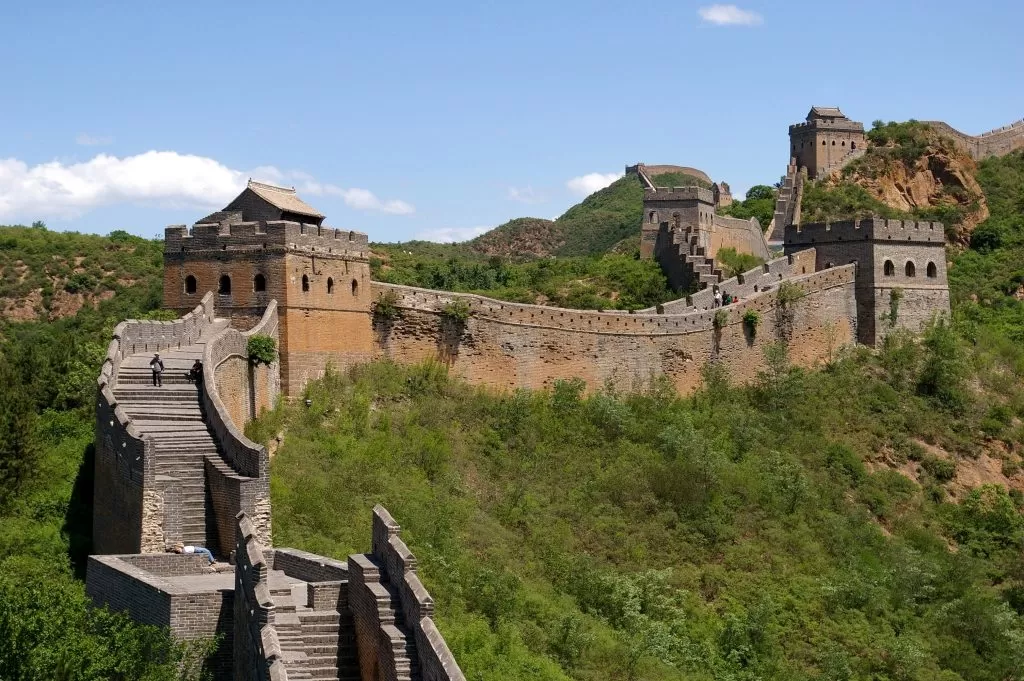
The First Fortified Walls Built by Human Societies
Mar 27, 2026
Read More →
Mar 27, 2026
image_2026-03-26_203005959.png
Mar 27, 2026
Ancient Rituals Performed During Eclipses
Mar 27, 2026
Read More →
Mar 27, 2026
image_2026-03-26_202929055.png
Mar 27, 2026
The Lost Art of Ancient Stone Carving
Mar 27, 2026
Read More →
Mar 27, 2026
read more

Powered by The archaeologist