• MAIN PAGE
  • LATEST NEWS
    • Lost Cities
    • Archaeology's Greatest Finds
    • Underwater Discoveries
    • Greatest Inventions
    • Studies
    • Blog
  • PHILOSOPHY
  • HISTORY
  • RELIGIONS
    • Africa
    • Anatolia
    • Arabian Peninsula
    • Balkan Region
    • China - East Asia
    • Europe
    • Eurasian Steppe
    • Levant
    • Mesopotamia
    • Oceania - SE Asia
    • Pre-Columbian Civilizations of America
    • Iranian Plateau - Central Asia
    • Indus Valley - South Asia
    • Japan
    • The Archaeologist Editor Group
    • Scientific Studies
    • Aegean Prehistory
    • Historical Period
    • Byzantine Middle Ages
    • Predynastic Period
    • Dynastic Period
    • Greco-Roman Egypt
  • Rome
  • PALEONTOLOGY
  • About us
Menu

The Archaeologist

  • MAIN PAGE
  • LATEST NEWS
  • DISCOVERIES
    • Lost Cities
    • Archaeology's Greatest Finds
    • Underwater Discoveries
    • Greatest Inventions
    • Studies
    • Blog
  • PHILOSOPHY
  • HISTORY
  • RELIGIONS
  • World Civilizations
    • Africa
    • Anatolia
    • Arabian Peninsula
    • Balkan Region
    • China - East Asia
    • Europe
    • Eurasian Steppe
    • Levant
    • Mesopotamia
    • Oceania - SE Asia
    • Pre-Columbian Civilizations of America
    • Iranian Plateau - Central Asia
    • Indus Valley - South Asia
    • Japan
    • The Archaeologist Editor Group
    • Scientific Studies
  • GREECE
    • Aegean Prehistory
    • Historical Period
    • Byzantine Middle Ages
  • Egypt
    • Predynastic Period
    • Dynastic Period
    • Greco-Roman Egypt
  • Rome
  • PALEONTOLOGY
  • About us

Ancient Siege Weapons and Military Innovation

April 4, 2026

The Challenge of Fortified Cities

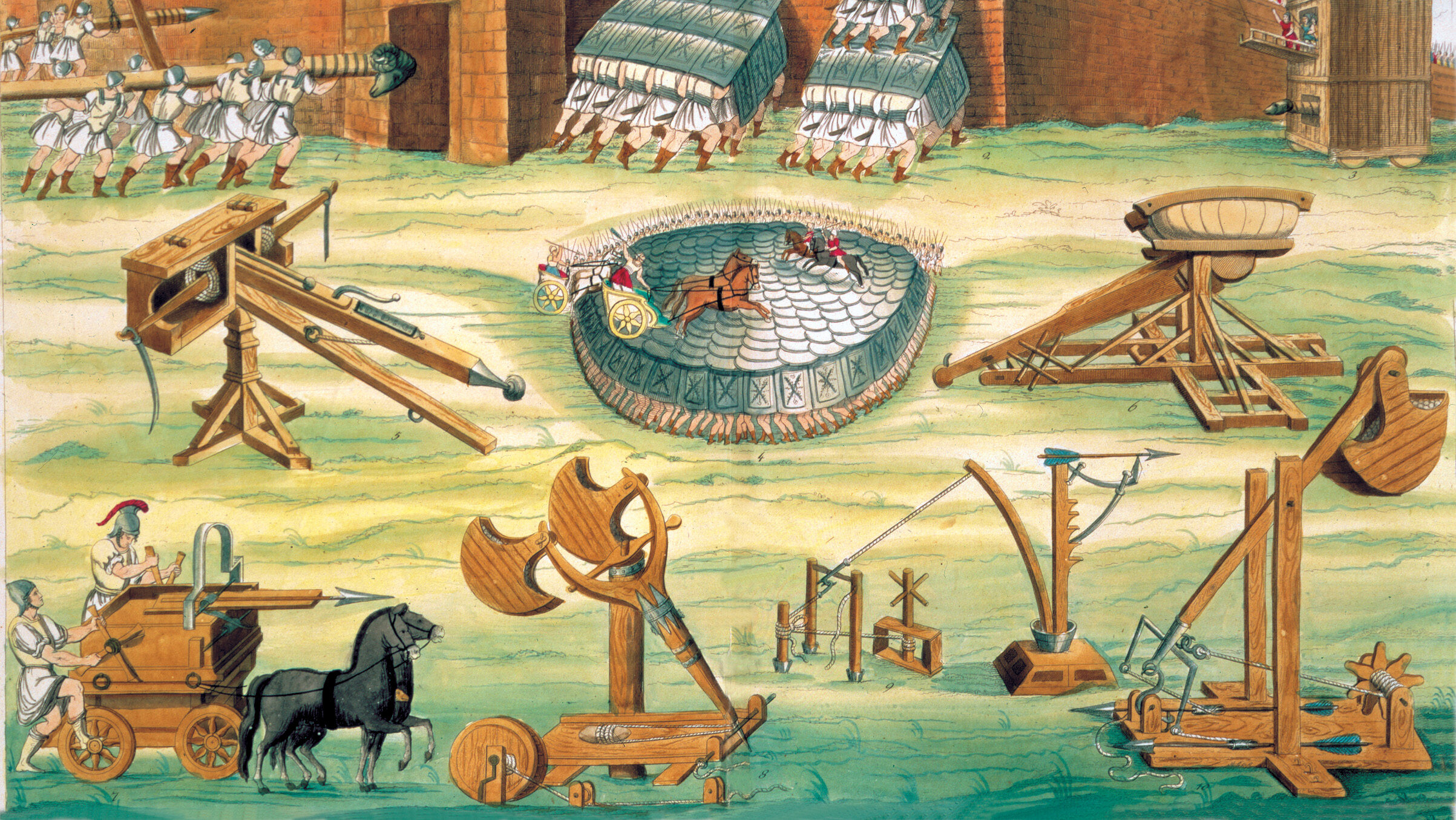
As cities grew stronger, so did their defenses. Walls, gates, and towers protected communities from attack. To overcome these defenses, ancient armies developed siege weapons—tools designed to break through barriers and capture fortified settlements.

Early Siege Technologies

Some of the earliest siege tools were simple but effective. Battering rams were used to break down gates, while ladders allowed soldiers to climb walls.

Over time, more advanced weapons were developed, including catapults that could launch projectiles over long distances. These innovations required knowledge of mechanics and engineering.

Engineering and Strategy

Building siege weapons was a complex process. Engineers had to consider materials, balance, and force. They also had to design machines that could be transported and assembled quickly.

Siege warfare required careful planning. Armies needed to coordinate attacks, manage resources, and maintain pressure on defenders.

Defensive Innovations

As offensive technology improved, so did defensive strategies. Walls became thicker, towers taller, and gates stronger. Some cities added moats or other barriers to slow attackers.

This cycle of attack and defense led to continuous innovation on both sides.

Impact on Warfare

Siege weapons changed the nature of warfare. Battles were no longer limited to open fields—cities could be attacked and captured, expanding the scope of conflict.

Control of fortified cities became crucial for political and economic power.

A Legacy of Engineering

Ancient siege technology demonstrates early understanding of physics and engineering. These innovations influenced later military developments and contributed to advances in construction and design.

The Earliest Evidence of Musical Performance

April 4, 2026

Sound as a Universal Language

Music is one of the oldest forms of human expression. Long before written language, people used sound to communicate emotions, tell stories, and connect with one another.

The earliest evidence of music comes from both instruments and artistic depictions, showing that musical performance was an important part of ancient life.

Early Instruments

Ancient instruments were made from natural materials. Drums were created using animal skins stretched over frames, while flutes and horns were made from bone, wood, or shell.

Rattles and percussion instruments added rhythm, while wind instruments produced melodies. These tools allowed for a wide range of musical expression.

Music and Ritual

Music was closely tied to rituals and ceremonies. It was used in religious practices, celebrations, and communal gatherings. The combination of music, dance, and movement created powerful shared experiences.

In many cultures, music was believed to have spiritual power, capable of influencing emotions, communicating with the divine, or bringing communities together.

Social and Cultural Roles

Music played a role in storytelling, preserving history and traditions. Songs could pass down knowledge, values, and cultural identity from one generation to the next.

Performances often involved groups, emphasizing cooperation and unity. Music brought people together, strengthening social bonds.

Evolution of Musical Expression

As societies developed, so did music. Instruments became more complex, and musical styles evolved. Different cultures developed unique sounds and traditions, reflecting their environments and experiences.

A Timeless Tradition

The earliest musical performances laid the foundation for all modern music. The human connection to rhythm, melody, and sound remains as strong today as it was thousands of years ago.

Ancient Textiles and the First Fashion Trends

April 4, 2026

Weaving the Foundations of Culture

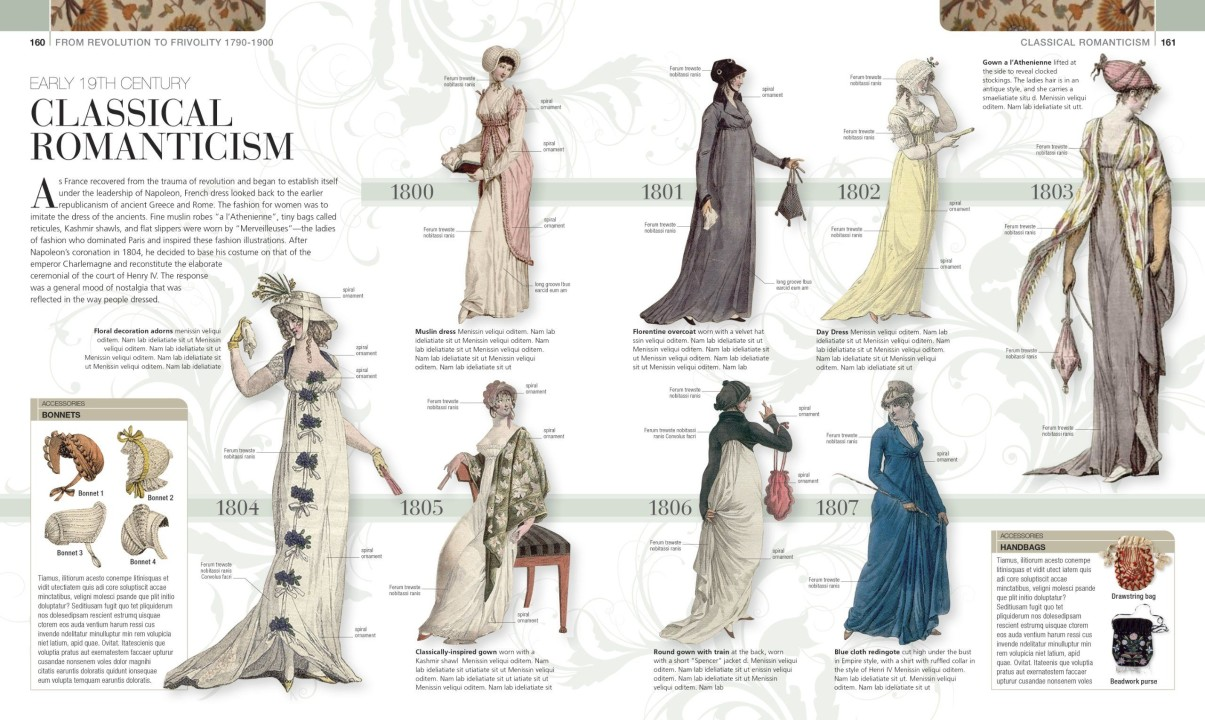
Textiles are among the earliest forms of human craftsmanship, yet they are often overlooked because they decay more easily than stone or metal. Despite this, surviving fragments and tools reveal that ancient societies placed great importance on clothing and fabric production.

Clothing was not only practical—it was a form of identity. Through textiles, people expressed status, culture, and personal style.

Early Materials and Techniques

Ancient people used a variety of natural materials to create textiles. Plant fibers like flax and cotton, as well as animal fibers such as wool, were spun into thread and woven into fabric.

Weaving techniques evolved over time, becoming more complex and refined. Early looms allowed for greater control over patterns and texture, leading to more sophisticated designs.

The Art of Dyeing

Color played a major role in ancient textiles. Natural dyes were extracted from plants, minerals, and insects. These dyes produced a range of colors, from earthy tones to vibrant hues.

Creating and maintaining color required knowledge and skill. Some dyes were rare and expensive, making brightly colored clothing a symbol of wealth and status.

Clothing as Identity

Clothing styles varied widely across cultures. Some garments were simple and functional, while others were elaborate and decorative. Differences in clothing could indicate social rank, occupation, or cultural affiliation.

In many societies, certain fabrics or colors were reserved for specific groups, such as leaders or religious figures.

Fashion and Trends

Even in ancient times, fashion trends existed. Styles changed over time, influenced by trade, cultural exchange, and innovation. New materials and techniques led to new forms of clothing.

Accessories such as belts, jewelry, and headpieces complemented garments, adding to personal expression.

Cultural and Economic Impact

Textile production was an important economic activity. Skilled weavers and dyers were valued members of society. Trade in textiles connected distant regions, spreading styles and techniques.

Textiles also played a role in rituals and ceremonies, further emphasizing their cultural significance.

A Lasting Influence

The foundations of modern fashion can be traced back to ancient textiles. Techniques like weaving and dyeing continue to be used today, while the idea of clothing as self-expression remains central to human culture.

Forgotten Civilizations of the Rainforests

April 4, 2026

Hidden Beneath the Canopy

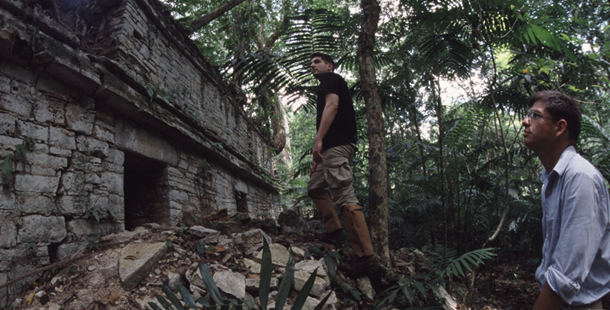
For centuries, dense rainforests were seen as barriers to civilization—wild, untamed regions where large societies could not thrive. However, recent discoveries have completely changed this view. Beneath thick layers of vegetation lie the remains of once-flourishing civilizations, hidden for generations and only now being rediscovered.

Rainforests in regions like South America, Southeast Asia, and Central Africa have preserved traces of cities, roads, and agricultural systems. These discoveries reveal that ancient people were not only capable of surviving in these environments—they built complex and highly organized societies within them.

The Challenge of Discovery

One of the main reasons these civilizations remained hidden for so long is the nature of the rainforest itself. Dense vegetation grows quickly, covering structures and making them nearly invisible from the ground. Over time, buildings collapse and are absorbed into the landscape.

Traditional archaeological methods, which rely on visible remains, struggled to uncover these sites. As a result, many rainforest civilizations were underestimated or entirely overlooked.

LiDAR: A Technological Breakthrough

The use of LiDAR (Light Detection and Ranging) technology has transformed rainforest archaeology. By using laser pulses from aircraft, researchers can map the ground beneath the forest canopy. This allows them to detect structures that are otherwise hidden.

LiDAR has revealed entire cities—complete with roads, terraces, and irrigation systems—spread across vast areas. These findings show that rainforest civilizations were far more extensive and advanced than previously believed.

Urban Planning and Infrastructure

The newly discovered sites reveal sophisticated urban planning. Cities were often connected by networks of roads and pathways, allowing movement and trade. Agricultural terraces and water management systems demonstrate an understanding of environmental challenges.

Rather than simply adapting to the rainforest, these societies actively shaped their surroundings. They created sustainable systems that allowed them to thrive without destroying the environment.

Environmental Adaptation

Rainforest civilizations developed unique ways to survive in challenging conditions. They practiced advanced agriculture, using techniques such as raised fields, crop rotation, and soil enrichment.

They also managed water carefully, controlling flooding and ensuring a steady supply for crops and daily life. These strategies reflect deep knowledge of the environment and long-term planning.

Cultural and Social Complexity

These civilizations were not isolated or primitive. Evidence suggests organized social structures, trade networks, and cultural traditions. Artifacts such as pottery, tools, and ceremonial objects reveal rich cultural lives.

The scale of these societies challenges earlier assumptions that rainforests could only support small, scattered communities.

A Changing Understanding of History

The discovery of rainforest civilizations is reshaping our understanding of human history. It shows that complex societies developed in a wider range of environments than previously thought.

These findings also highlight the importance of preserving rainforests—not just for biodiversity, but for the historical knowledge they contain.

A Hidden Legacy

The forgotten civilizations of the rainforest remind us that history is often hidden in unexpected places. As technology continues to improve, more of these lost worlds may come to light, offering new insights into human resilience, creativity, and adaptability.

The Origins of Ancient Sports and Competitions

April 4, 2026

Competition as a Human Tradition

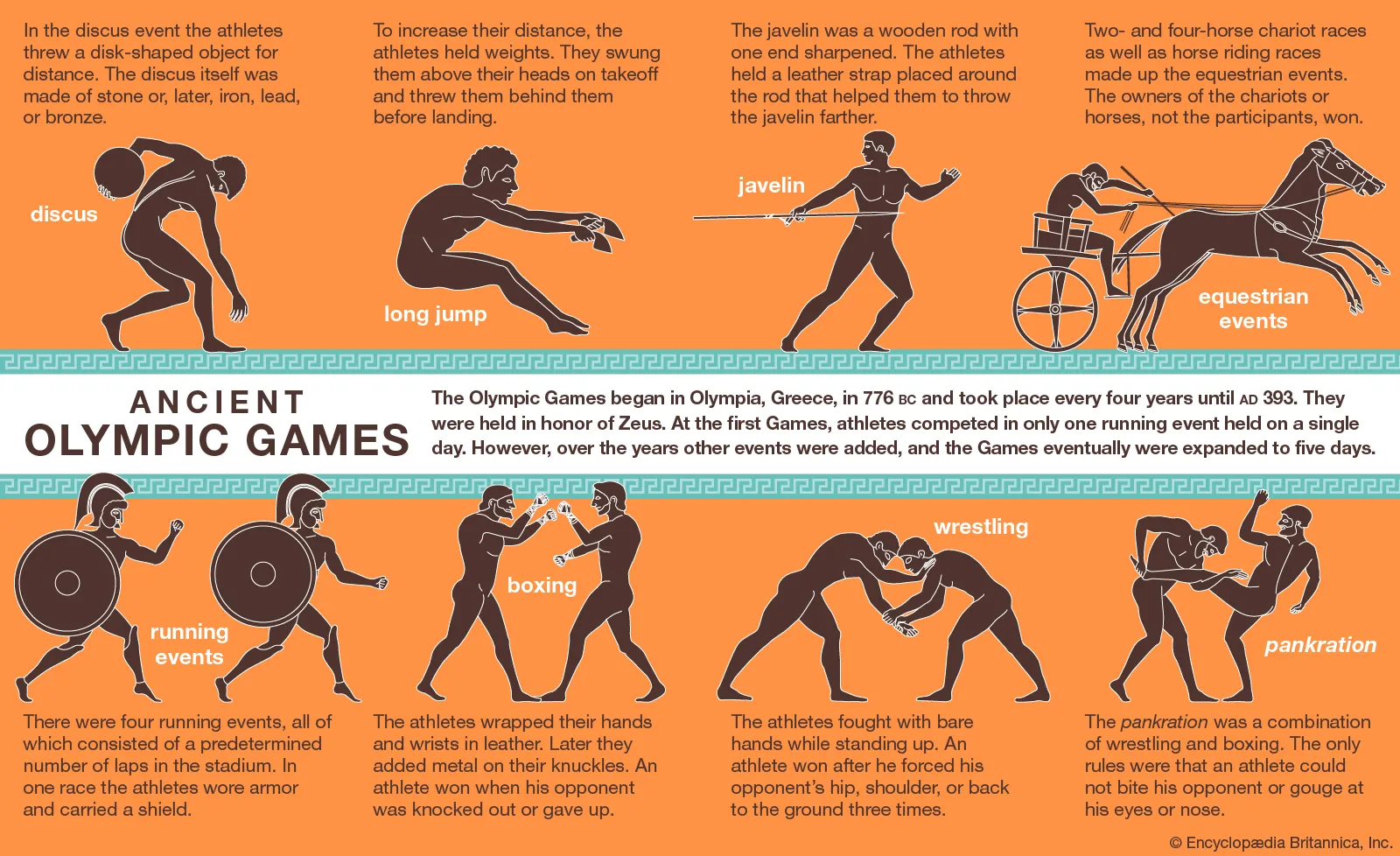
The desire to compete is deeply rooted in human nature. Long before organized sports leagues or international competitions, ancient societies held athletic events that tested strength, skill, and endurance. These early competitions were more than just games—they were expressions of culture, identity, and belief.

Sports brought people together, creating shared experiences that strengthened communities. They also provided a way to celebrate physical ability and honor individuals who excelled.

Early Forms of Competition

The earliest sports were simple and often connected to everyday survival skills. Running, jumping, wrestling, and throwing were common activities that mirrored hunting, fighting, and physical labor.

Over time, these activities became more structured. Rules were established, and events were organized into formal competitions. Participants trained and prepared, turning physical activity into a form of performance.

Some competitions were local, while others attracted participants from different regions. This created opportunities for interaction and rivalry between communities.

Organization and Rules

Ancient sports were not chaotic—they followed clear rules and structures. Events were often divided into categories based on skill or type of activity. Judges or officials ensured fairness, and winners were recognized for their achievements.

Training became an important part of preparation. Athletes practiced regularly, developing strength, technique, and discipline. This focus on improvement reflects an early understanding of physical development.

Cultural and Religious Importance

In many societies, sports were closely linked to religion. Competitions were held during festivals or ceremonies, often in honor of gods or ancestors. Victories were sometimes seen as signs of divine favor.

Athletic events could also symbolize important cultural values, such as bravery, honor, and perseverance. Participating in sports was not just about winning—it was about demonstrating character and dedication.

In some cases, rituals were performed before or after competitions, reinforcing the connection between physical activity and spiritual belief.

Social Impact and Status

Success in sports brought recognition and respect. Winners were celebrated, sometimes receiving prizes, titles, or special privileges. Their achievements could elevate their status within the community.

Sports also reinforced social structures. Leaders or elites often sponsored events, using them to display wealth and power. Public competitions became opportunities for communities to gather, celebrate, and strengthen social bonds.

Entertainment and Community Building

Beyond competition, sports served as entertainment. Spectators gathered to watch events, cheer for participants, and enjoy the excitement. These gatherings created a sense of unity and shared experience.

Festivals that included sports often featured music, food, and other forms of celebration. This combination of activities made competitions central to social life.

Evolution of Sports

As societies became more complex, sports evolved. New events were introduced, and existing ones became more refined. Equipment improved, and techniques became more advanced.

Some sports began to focus more on strategy and skill, while others emphasized physical strength. This diversity reflects the creativity and adaptability of human culture.

A Reflection of Human Values

Ancient sports reveal much about the values of early societies. They highlight the importance of physical ability, discipline, and competition, but also cooperation, respect, and community.

These events were not just about individuals—they were about bringing people together and reinforcing shared identity.

A Lasting Tradition

The origins of sports can be seen in modern athletic events. Many of today’s competitions, from running races to wrestling matches, have roots in ancient traditions.

The structure of organized sports—rules, training, spectatorship—also reflects these early practices. Even the idea of celebrating athletic achievement continues to shape modern culture.

Enduring Significance

Ancient sports and competitions remind us that the human desire to compete, improve, and connect is timeless. They show how physical activity can bring meaning, joy, and unity to communities.

From simple games to organized events, the origins of sports highlight the creativity and spirit of early humanity—qualities that continue to define us today.

The First Roads and Highways

April 4, 2026

Building Connections Across Distance

The invention of roads was one of the most important steps in the development of human civilization. Before roads, travel was slow, difficult, and often dangerous. People moved across uneven terrain, forests, rivers, and deserts with no clear routes. As societies grew and began to trade, govern, and expand, the need for reliable pathways became essential.

The first roads were simple—paths formed naturally by repeated use. Over time, these trails evolved into carefully planned and constructed highways. These early roads connected villages, cities, and entire empires, making communication and movement more efficient than ever before.

Early Road Development

Some of the earliest known roads date back thousands of years. These were not random tracks but intentional constructions designed to support heavy use. As civilizations became more organized, they began to build roads with durability in mind.

Ancient engineers understood that roads needed to withstand weather, traffic, and time. They selected routes carefully, avoiding difficult terrain when possible, and created paths that were as direct as possible between key locations.

In many regions, roads followed natural features like riverbanks or valleys. In others, they cut straight across landscapes, showing a clear understanding of planning and surveying.

Engineering and Construction Techniques

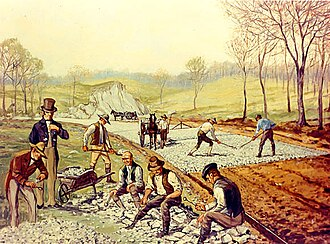
Building durable roads required advanced engineering for the time. Ancient builders used layers of materials to create strong, long-lasting surfaces. A typical road might include a foundation of large stones, topped with smaller stones and gravel, and finished with a smooth surface for easier travel.

Drainage was a key consideration. Without proper drainage, roads would quickly erode or become muddy and unusable. Builders often included ditches or raised surfaces to allow water to flow away from the road.

Some roads were elevated above the surrounding land, while others were reinforced with curbs or retaining walls. Bridges were constructed to cross rivers and valleys, further expanding the reach of these networks.

These techniques show that ancient engineers had a practical understanding of construction principles, even without modern tools.

Trade and Economic Growth

Roads played a crucial role in the growth of trade. Merchants could transport goods more efficiently, reducing travel time and increasing the volume of trade. Items such as food, textiles, metals, and luxury goods moved across regions, connecting distant markets.

This exchange of goods also led to the exchange of ideas. Cultures interacted more frequently, sharing knowledge, technology, and traditions. Roads became channels not just for commerce, but for cultural development.

Economic centers often developed along major roadways, as access to trade routes brought wealth and opportunity. Markets, towns, and cities grew around these transportation hubs.

Communication and Governance

For governments, roads were essential for maintaining control over large territories. Messages could be delivered quickly, allowing rulers to communicate with distant regions. Officials and messengers traveled along these routes, ensuring that laws and decisions were enforced.

Roads also allowed armies to move efficiently. In times of conflict, the ability to transport troops and supplies quickly could determine the outcome of battles. This made road networks a strategic asset for any powerful civilization.

Cultural Exchange and Interaction

Beyond trade and governance, roads facilitated cultural exchange. People traveling along these routes brought their languages, beliefs, and customs with them. This led to the blending of cultures and the spread of new ideas.

Religions expanded along road networks, as travelers shared spiritual beliefs and practices. Art, music, and technology also spread, shaping societies far beyond their place of origin.

Challenges of Road Building

Constructing roads was not easy. Builders faced natural obstacles such as mountains, rivers, and harsh climates. In some cases, they had to carve paths through rock or build structures to cross difficult terrain.

Maintaining roads was also a challenge. Regular repairs were needed to keep them usable, especially in areas with heavy traffic or extreme weather.

Despite these difficulties, ancient societies invested significant effort into building and maintaining roads, showing their importance.

A Foundation for Modern Infrastructure

The roads built by ancient civilizations laid the groundwork for modern transportation systems. Many modern highways follow the routes of ancient roads, demonstrating their lasting impact.

Today’s infrastructure—roads, bridges, and highways—continues the legacy of these early innovations. The principles developed thousands of years ago remain relevant, proving the ingenuity of ancient engineers.

Enduring Significance

The first roads and highways did more than connect places—they connected people, ideas, and cultures. They transformed isolated communities into interconnected societies and played a key role in the development of civilization.

These early networks remind us that progress often begins with simple ideas, developed through observation, effort, and innovation.

Ancient Maritime Superpowers

April 4, 2026

Masters of the Open Sea

Long before modern navigation, certain civilizations mastered the seas, becoming powerful maritime societies. Their ability to build ships, navigate vast waters, and establish trade networks transformed the ancient world.

These maritime superpowers connected distant regions, spreading goods, ideas, and cultures across continents.

The Evolution of Shipbuilding

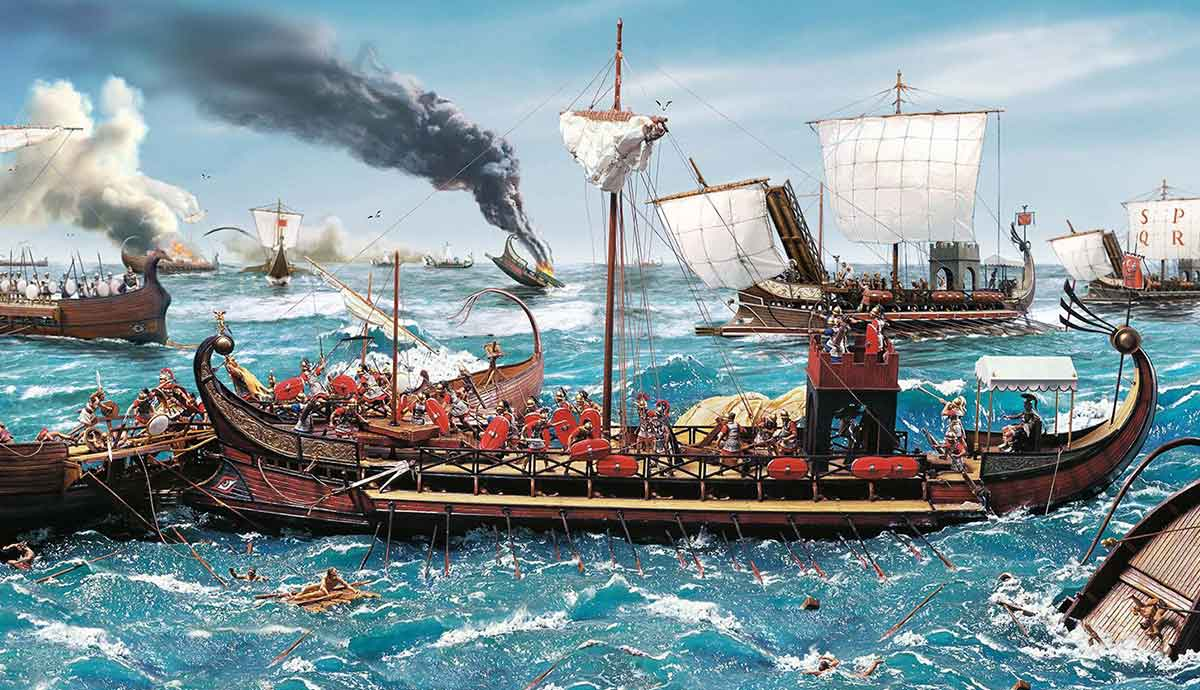
Early boats were simple, made from reeds, logs, or animal skins. Over time, shipbuilding became more advanced. Wooden planks were joined together to create stronger hulls, and sails were added to harness wind power.

These improvements allowed ships to travel farther and carry heavier cargo. Some vessels were designed for trade, while others were built for exploration or warfare.

Trade Networks and Cultural Exchange

Maritime civilizations established extensive trade routes. Goods such as spices, metals, textiles, and luxury items were transported across seas.

Trade brought wealth and also encouraged cultural exchange. Ideas, technologies, and beliefs spread along these routes, shaping societies far beyond their origins.

Navigation and Exploration

Navigating open water required skill and knowledge. Sailors used the stars, wind patterns, and ocean currents to guide their journeys. Experience and observation were essential, as there were no modern instruments.

Exploration led to the discovery of new lands and resources. Maritime cultures expanded their influence, establishing colonies and trading hubs.

Naval Power and Warfare

Control of the seas provided strategic advantages. Naval forces could defend trade routes, attack rivals, and project power over large areas.

Ships became tools of both commerce and conflict, shaping political and military history.

A Connected Ancient World

Maritime superpowers helped create an interconnected world. Their ships carried more than goods—they carried knowledge, culture, and innovation.

How Ancient People Measured the Universe

April 4, 2026

Looking Up to Understand Everything

Long before telescopes, satellites, or modern science, ancient people relied on one powerful tool to understand the universe—their eyes. Night after night, they observed the sky, noticing patterns in the movement of the sun, moon, stars, and planets. These observations were not casual; they were systematic, repeated, and deeply meaningful.

The sky became a natural clock, a calendar, and even a map. By studying it, ancient societies began to measure time, predict seasons, and build systems of knowledge that shaped their entire way of life. In many ways, their understanding of the universe was both scientific and spiritual, blending observation with belief.

Cosmologies and Worldviews

Every ancient civilization developed its own cosmology—a way of explaining how the universe was structured. While these models differed, many shared a common idea: the Earth was at the center of everything.

Some cultures imagined the sky as a solid dome covering the Earth, with stars embedded in it like lights. Others believed the universe consisted of multiple layers—heavens above, underworlds below, and the human world in between. These layers were often connected through myth, with gods, spirits, or celestial beings moving between them.

These cosmologies were not random ideas. They were based on real observations of the natural world, interpreted through cultural and religious perspectives. For example, the regular rising and setting of the sun suggested order and stability, while eclipses or comets were often seen as disruptions to that order.

Celestial Alignments and Architecture

One of the most impressive ways ancient people measured the universe was through architecture. Across the world, structures were built to align with specific celestial events. These alignments were not accidental—they required careful planning, observation, and long-term record-keeping.

Monuments, temples, and stone circles were often positioned to mark the solstices (the longest and shortest days of the year) or equinoxes (when day and night are equal). By observing where the sun rose or set on the horizon, ancient people could track the passage of time with remarkable accuracy.

Some structures also aligned with specific stars or constellations. This suggests that ancient astronomers not only tracked the sun and moon but also understood patterns in the night sky over long periods.

Early Models of the Cosmos

As observations became more detailed, ancient scholars began to create models to explain how the universe worked. They tracked the movements of planets, which appeared to wander differently than stars, and attempted to predict events like eclipses.

While many early models placed Earth at the center (a geocentric view), they still required careful calculation and reasoning. These systems were complex and often surprisingly accurate for their time.

In some cultures, mathematical systems were developed to support these models. This connection between astronomy and mathematics became a foundation for later scientific discoveries.

Measuring Time Through the Sky

Timekeeping and cosmology were closely connected. By observing celestial cycles, ancient people created calendars that guided agriculture, rituals, and daily life.

Solar calendars tracked the sun’s movement, while lunar calendars followed the phases of the moon. Some societies combined both systems, creating complex calendars that required regular adjustments.

These timekeeping systems allowed societies to plan ahead, organize labor, and celebrate important events. They also reinforced the idea that human life was connected to cosmic cycles.

A Universe of Meaning

For ancient people, measuring the universe was not just about understanding physical space—it was about understanding existence itself. The cosmos was seen as a reflection of order, balance, and meaning.

The movements of celestial bodies were often linked to divine will. Observing the sky became a way of connecting with the gods, seeking guidance, or understanding fate.

A Lasting Influence

The work of ancient observers laid the foundation for modern astronomy. Their careful observations, recorded over generations, helped future scholars build more accurate models of the universe.

Even today, we continue to use concepts first developed by ancient civilizations, such as calendars, constellations, and astronomical measurement. Their legacy reminds us that the desire to understand the universe is one of humanity’s oldest and most enduring pursuits.

The Builders of Impossible Ancient Megaliths

April 4, 2026

Monuments That Defy Explanation

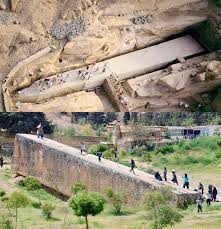
Across continents, massive stone structures stand as silent witnesses to ancient engineering. These megaliths—some weighing dozens or even hundreds of tons—were created long before modern machines. Their size, precision, and durability raise an important question: how did ancient people build them?

Far from being primitive, these builders demonstrated remarkable knowledge, planning, and cooperation. Their achievements challenge modern assumptions about ancient technology.

Transporting Massive Stones

Moving giant stones was one of the greatest challenges. Without engines or cranes, ancient builders relied on creativity and teamwork. Evidence suggests they used wooden rollers, sledges, ropes, and possibly lubricated surfaces like wet sand or mud to reduce friction.

In some cases, stones were transported over long distances, sometimes from quarries located miles away. This required not only physical effort but also careful coordination and planning.

Communities may have worked together in large groups, using synchronized effort to move heavy loads. This level of organization suggests strong leadership and shared purpose.

Shaping and Precision Engineering

Once transported, the stones had to be shaped and fitted together. Ancient artisans used tools made from harder stones or early metals to carve surfaces with surprising accuracy.

Many megalithic structures feature tightly fitted stones without the use of mortar. This precision indicates an advanced understanding of geometry and measurement.

Builders also considered weight distribution and stability, ensuring that structures could withstand time, weather, and natural forces.

Construction Techniques

Various methods may have been used to raise and position stones. Ramps made of earth or wood could have been built to lift stones gradually. Lever systems allowed builders to adjust placement with control.

Some theories suggest the use of counterweights or simple machines. While the exact methods may differ by region, it is clear that ancient builders were skilled problem-solvers.

Purpose and Symbolism

Megaliths were not just technical achievements—they held deep cultural and spiritual meaning. Many were used as burial sites, ceremonial spaces, or markers of important events.

Some structures align with celestial bodies, suggesting a connection to astronomy and timekeeping. Others may have served as symbols of power, unity, or identity within a community.

Social Organization and Cooperation

The construction of megaliths required large groups of people working together. This implies organized societies with leadership, planning, and shared goals.

Building such structures may have strengthened social bonds, reinforcing a sense of community and purpose.

A Lasting Mystery and Inspiration

Despite ongoing research, many details about megalith construction remain unknown. However, what is clear is that ancient builders possessed remarkable ingenuity.

These structures continue to inspire awe, reminding us that human creativity and determination have always pushed the limits of what seems possible.

Ritual Feasting in the Ancient World

April 1, 2026

Feasts as Social Glue

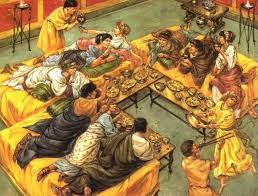
Feasting was more than nourishment in ancient societies—it was a key social and ritual practice. Archaeological evidence reveals that communal gatherings, sacrifices, and celebratory meals reinforced bonds, marked seasonal events, and honored the divine.

Evidence from Archaeology

Excavations of ancient settlements often uncover large cooking areas, specialized serving vessels, and animal remains arranged in ceremonial ways. These findings suggest organized, communal events rather than ordinary daily meals.

Sacrifices and Offerings

Ritual feasting frequently included sacrifices. Animals, grain, or even prized objects were offered to gods, ancestors, or spirits. Such practices symbolized gratitude, appeasement, or petition for protection. In some cultures, human sacrifices were performed, though usually restricted to rare and extreme circumstances.

Cultural Significance

Feasts strengthened community identity. They provided opportunities to display wealth, status, and generosity. Leaders or religious figures often organized and hosted feasts, reinforcing social hierarchy.

Seasonal and Ceremonial Gatherings

Feasting was linked to seasonal cycles—harvest festivals, solstices, or lunar events. These gatherings marked transitions, celebrated abundance, and ensured communal cooperation in agricultural societies.

A Legacy of Celebration

Ritual feasting left a lasting impact on culture. Traditions of communal meals, festivals, and ceremonial banquets continue in modern societies. Ancient feasts remind us that food, ritual, and social cohesion have been intertwined since the dawn of civilization.

Ancient Mythical Creatures Inspired by Real Animals

April 1, 2026

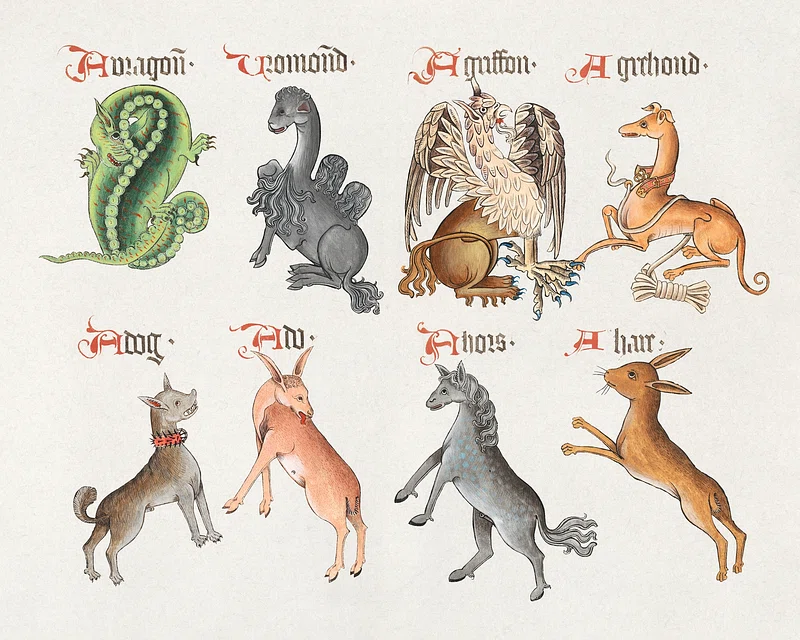
Many mythical creatures have roots in real-world observations. Fossils, unusual animals, or exaggerated traits inspired stories of dragons, griffins, and other monsters. By examining these origins, we can trace the connections between imagination, observation, and early science.

Dragons and Fossils

Dragons appear in myths across cultures, often as giant, serpentine beasts. Some scholars suggest that fossilized bones of dinosaurs or large prehistoric reptiles inspired these legends. In regions like China and Europe, discoveries of enormous bones may have fueled tales of fire-breathing monsters.

Griffins and Ancient Gold Mines

The griffin, with the body of a lion and head of an eagle, was a central figure in Greek mythology. Some evidence suggests that Protoceratops fossils found in Central Asia may have influenced these depictions. The placement of these fossils near gold-rich areas likely contributed to the myth’s association with treasure protection.

Sea Monsters and Real Creatures

Many sea monsters—krakens, leviathans, and giant squids—originated from sailors’ encounters with real but rarely seen marine animals. Misidentifications, exaggeration, and fear of the unknown transformed whales, giant squids, or unfamiliar fish into legendary beasts.

Cultural Functions of Myths

These mythical creatures served multiple purposes. They explained natural phenomena, warned of danger, or embodied moral lessons. Myths reflected observation, imagination, and cultural storytelling, creating a shared framework for understanding the world.

A Blend of Reality and Imagination

Ancient mythical creatures illustrate how humans interpreted their environment. Fossils, unusual animals, and dramatic events became the raw material for stories that combined reality and fantasy. These myths shaped art, literature, and culture for millennia.

The Oldest Maps of the Ancient World

April 1, 2026

Charting the Unknown

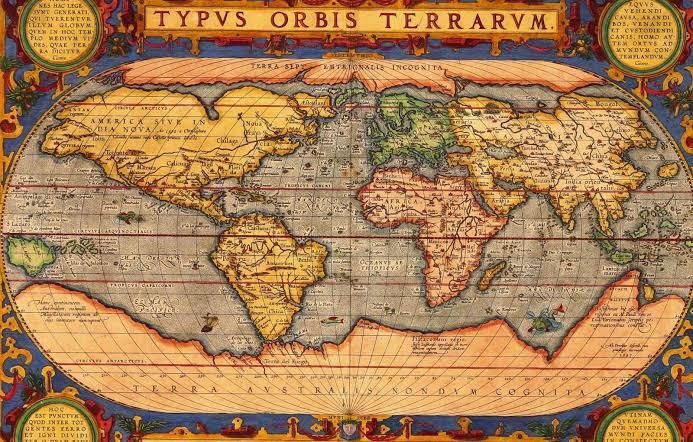
Humans have always sought to understand the world around them. The earliest maps, dating back thousands of years, reveal an innate curiosity about geography and exploration. They were practical tools, guiding trade, travel, and settlement, but they also reflected cultural and spiritual perspectives.

Early Cartography

Some of the oldest maps, like those found in Babylonian clay tablets (~2300 BCE), depict rivers, fields, and settlements. These maps were symbolic rather than precisely scaled, serving administrative and religious purposes. Similarly, ancient Egypt produced maps for mining regions and agricultural planning along the Nile.

Materials and Techniques

Early maps were often etched on clay, drawn on papyrus, or carved into stone. These materials were durable and portable, allowing maps to circulate among officials, traders, or explorers. Techniques varied: some maps emphasized landmarks and paths, while others focused on celestial alignments or sacred geography.

Exploration and Trade

Maps facilitated trade and exploration. They enabled travelers to navigate deserts, mountains, and rivers. They also recorded trade routes, resources, and strategic locations, reflecting a growing understanding of the wider world.

In some cases, maps were used to claim territory or demonstrate power. They became tools of administration and diplomacy, connecting geography with governance.

Symbolism in Early Maps

Ancient maps were not purely practical—they often carried symbolic meanings. Mountains, rivers, and cities could represent spiritual or political significance. Some maps depicted the world as circular or flat, illustrating cosmological beliefs rather than geographic accuracy.

Legacy of Ancient Cartography

These early maps laid the groundwork for later exploration and scientific cartography. By combining observation, symbolism, and measurement, early humans transformed abstract landscapes into tangible representations, bridging imagination and reality.

Ancient Codes and Undeciphered Languages

April 1, 2026

The Mysteries of the Written Word

Humanity has always sought to communicate, but not all writing has been successfully understood. Some ancient scripts, like Linear A from Crete or Rongorongo from Easter Island, remain undeciphered, leaving scholars puzzled and fascinated. These undecoded texts provide a tantalizing glimpse into civilizations that have otherwise left few clues.

Linear A: The Minoan Puzzle

Linear A, used by the Minoans around 1800–1450 BCE, appears on clay tablets, inscriptions, and pottery. While it is related to Linear B—the script later used by Mycenaean Greeks—Linear A has resisted decoding. Its symbols may represent syllables, but the language itself is unknown.

Despite decades of study, scholars have only identified partial patterns. Linear A seems to record economic transactions, religious rituals, or administrative data, but without a Rosetta Stone equivalent, its meaning is largely speculative.

Rongorongo: The Easter Island Script

Rongorongo, found on wooden tablets on Easter Island, presents another enduring mystery. The glyphs are intricately carved and appear in sequences that suggest a structured writing system. Scholars believe it may represent genealogies, chants, or rituals, but attempts to translate it have failed.

The difficulty arises because there is no known connection to living languages, and the context of its use is poorly understood. Unlike Linear B, which could be compared to Greek, Rongorongo is isolated—an enigmatic window into a lost culture.

Other Undeciphered Scripts

Beyond Linear A and Rongorongo, other ancient scripts remain undecoded. The Indus script, used by the Harappan civilization, consists of short symbols on seals and pottery. Its brevity and lack of bilingual inscriptions make interpretation almost impossible. Similarly, the Vinča symbols in Southeastern Europe, which may date back to 5000 BCE, have yet to be conclusively understood.

Why Deciphering Is Difficult

Several factors make decoding ancient languages challenging. First, context is critical: without bilingual texts, meaning is speculative. Second, some scripts may represent languages with no surviving relatives. Third, limited sample sizes make pattern recognition difficult. Lastly, cultural gaps can obscure understanding—symbols may encode concepts unfamiliar to modern researchers.

The Importance of Deciphering

Understanding these scripts could reshape our knowledge of ancient civilizations. Linear A could reveal Minoan religion and administration; Rongorongo might illuminate Easter Island society and oral tradition. Deciphering these texts would connect us more deeply to the intellectual and cultural achievements of early societies.

A Puzzle That Inspires Innovation

The study of undeciphered languages encourages interdisciplinary collaboration. Linguists, archaeologists, cryptographers, and computer scientists all contribute to efforts to unlock these codes. Advances in artificial intelligence and pattern recognition offer new hope that one day, these ancient messages may finally be understood.

The Secrets of Ancient Metallurgy

April 1, 2026

From Stone to Metal

Metallurgy—the art and science of working with metals—was one of the most transformative technological developments in human history. For thousands of years, humans relied on stone, wood, and bone, but the discovery of metals like copper, bronze, and iron fundamentally changed societies, enabling new tools, weapons, and cultural advancements.

Early metalworking began with copper, a relatively soft metal that could be hammered into shape. The discovery that combining copper with tin produced bronze—a harder, more durable alloy—marked the start of the Bronze Age, around 3300 BCE in regions like Mesopotamia and the Levant. This was a revolutionary moment: suddenly, tools and weapons became more efficient and long-lasting.

The Rise of Bronze

Bronze was a game-changer. Bronze axes, swords, and chisels allowed for faster construction, improved farming, and more effective warfare. The ability to produce bronze also required complex trade networks, since tin and copper were often sourced from distant regions. This encouraged long-distance commerce and cultural exchange.

The techniques involved in bronze production were sophisticated. Artisans needed to smelt ores at precise temperatures, measure proportions of metals carefully, and mold molten bronze into functional shapes. This level of craftsmanship demanded skill, experimentation, and knowledge passed down through generations.

Iron: A New Era

Ironworking appeared later, around 1200 BCE, initiating the Iron Age. Unlike bronze, iron was more abundant, making tools and weapons accessible to a wider segment of society. However, iron smelting was more complex. It required extremely high temperatures to remove impurities and transform iron ore into usable metal.

Despite the challenges, iron dramatically improved agriculture, architecture, and warfare. Plows became stronger, enabling more effective farming. Weapons became sharper and sturdier, changing military strategies. Societies that mastered iron often gained advantages over those still using bronze.

Techniques and Innovations

Ancient metallurgists developed a variety of techniques to manipulate metal. Smelting extracted metal from ore, while casting allowed molten metal to take precise shapes. Hammering, annealing, and quenching improved durability and flexibility. These methods were not just practical—they reflected early scientific experimentation.

In some cultures, metallurgy was closely tied to spiritual or religious practices. Metals like gold and silver were often associated with divinity, while the transformation of raw ore into tools or ornaments was considered a magical process. Metallurgy combined technology, art, and ritual.

Societal Impacts

The development of metallurgy reshaped societies. Metal tools accelerated construction, agriculture, and craft production. Metal weapons transformed warfare, influencing political power and territorial expansion. Economies evolved to include trade in ores and finished products, linking distant civilizations.

Metallurgy also contributed to social stratification. Skilled metalworkers were highly valued, often holding special status. Control over metal resources could give leaders military and economic power, shaping early political hierarchies.

Legacy of Ancient Metallurgy

The secrets of ancient metallurgy laid the foundation for modern industry. Today’s metalworking—from industrial steel production to jewelry—traces its roots to these early innovations. Understanding how ancient peoples smelted, cast, and forged metals reveals not only their technical expertise but also their ingenuity, adaptability, and cultural priorities.

Ancient Civilizations of the Arctic Circle

April 1, 2026

Surviving Extreme Climates

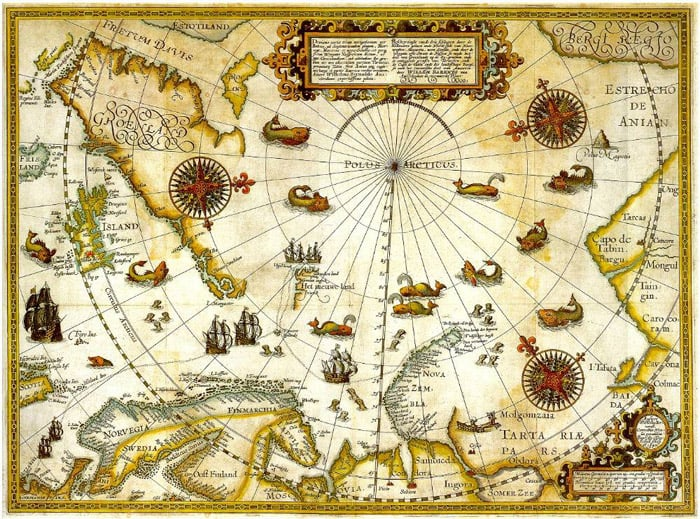
The Arctic is one of the most challenging environments on Earth. Yet humans have lived there for thousands of years, developing technologies and strategies to survive polar extremes.

From the tundra to the ice-covered seas, early Arctic societies adapted in ingenious ways, combining skill, knowledge, and innovation to thrive.

Unique Technologies

Clothing and shelter were crucial. Early peoples used animal skins, furs, and bones to create insulated garments and tents. Sleds, kayaks, and boats enabled travel across ice and water, while specialized tools made hunting and fishing more efficient.

These technologies reflect a deep understanding of the environment and its resources. They also highlight human creativity in solving complex survival challenges.

Hunting and Subsistence

Arctic civilizations relied on hunting, fishing, and gathering. Large game, such as reindeer, seals, and whales, provided food, clothing, and materials for tools and shelter.

Hunting required teamwork and strategy. Communities often organized coordinated hunts, passing knowledge through generations.

Cultural and Spiritual Life

Life in the Arctic was shaped by environmental rhythms. Seasonal changes dictated movement, food storage, and rituals. Spiritual beliefs often centered on animals and natural forces, reflecting a connection to the land and sea.

Art, storytelling, and symbolic practices helped preserve knowledge and foster social cohesion.

Adaptation and Innovation

Survival in the Arctic required flexibility. Communities developed storage techniques, winter shelters, and hunting strategies that ensured long-term sustainability. These innovations demonstrate human ingenuity and resilience.

Legacy of Arctic Peoples

Ancient Arctic civilizations leave a lasting impact. Their technologies influenced later cultures, while their practices illustrate the human capacity to adapt to even the harshest environments.

Studying these societies expands our understanding of the diversity of human experience, highlighting the remarkable ability to thrive against extreme odds.

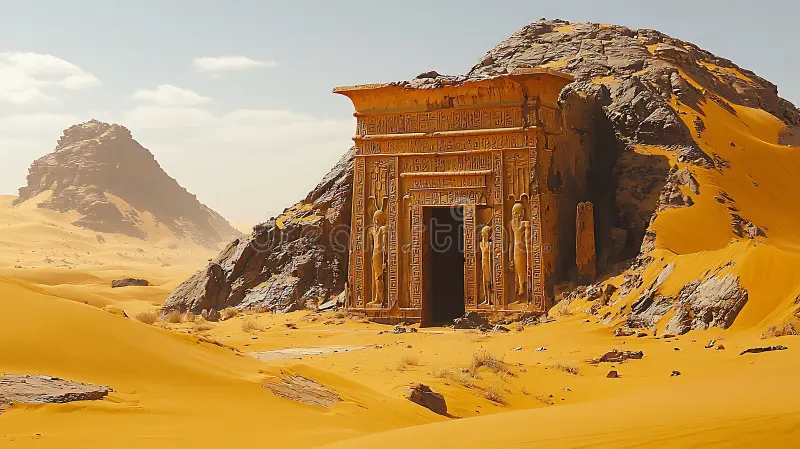
Desert Civilizations Buried by Moving Sands

April 1, 2026

The Hidden Cities of the Desert

Deserts have long fascinated explorers and historians, but they are also home to lost civilizations. Over time, winds and shifting sands have swallowed entire settlements, leaving them buried and forgotten.

These buried cities provide remarkable archaeological opportunities. By studying them, we can learn about human adaptation to extreme environments and the ingenuity of ancient societies.

The Forces of Nature

Moving sands are relentless. Wind erosion can slowly cover buildings, streets, and artifacts, preserving them for centuries. While this burial protects sites from human interference, it also makes them difficult to locate and excavate.

Climate change, drought, and desertification may have contributed to the decline of these settlements. As resources became scarce, populations could have migrated, leaving cities to be reclaimed by nature.

Archaeological Discoveries

Modern archaeology has revealed many desert cities that were once thriving centers of culture and trade. Sites such as Ubar in the Arabian Peninsula and the lost cities of the Sahara illustrate advanced engineering, irrigation, and urban planning.

Excavations often involve careful removal of sand and analysis of buried structures. Artifacts like pottery, tools, and inscriptions provide insight into daily life, commerce, and cultural practices.

Challenges of Desert Archaeology

Desert excavations are technically demanding. Harsh conditions, extreme temperatures, and shifting sands pose logistical challenges. Archaeologists must also balance preservation with exploration, ensuring that fragile materials are not damaged.

Despite these difficulties, discoveries continue to illuminate human resilience and adaptability.

Cultural Significance

Buried desert cities reveal more than architecture—they show how humans adapted to scarcity, trade, and climate extremes. They provide evidence of social organization, economic networks, and cultural expression in environments that were often hostile.

A Window into the Past

These lost civilizations remind us that deserts were once vibrant landscapes. They challenge assumptions about human settlement and survival, showing that even in extreme conditions, societies could flourish.

The First Artists of the Human Story

April 1, 2026

Creativity in the Dawn of Humanity

Art is a defining characteristic of humanity, and its origins reach back tens of thousands of years. Cave paintings, carvings, and pigments reveal that early humans were driven not only by survival but also by expression, communication, and meaning.

These earliest artworks provide a window into the minds and societies of our ancestors. They reflect a combination of skill, observation, and imagination, challenging the notion that prehistoric life was purely functional.

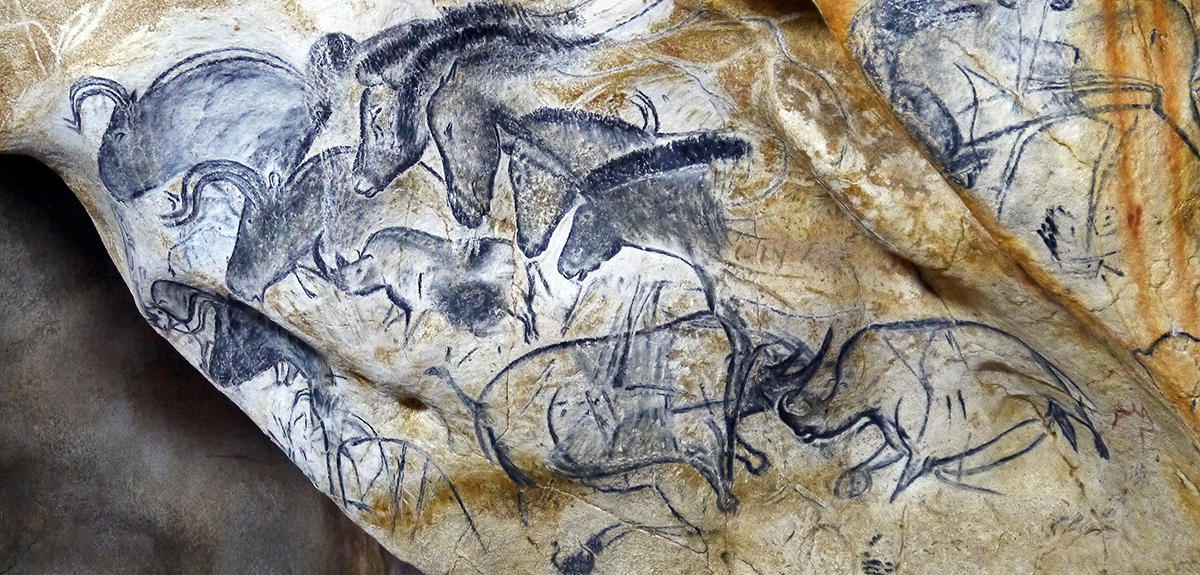
Cave Paintings and Rock Art

Some of the oldest known cave paintings, found in regions such as France, Spain, and Indonesia, date back over 40,000 years. These images often depict animals like bison, horses, and mammoths, as well as human figures and abstract symbols.

Cave walls were more than canvases—they were sacred spaces. Many paintings are located deep within caves, far from everyday activity. This suggests that creating art was a ritualistic or symbolic act, perhaps connected to hunting, fertility, or spiritual beliefs.

Pigments and Tools

Early humans used natural materials to create pigments. Red and yellow ochre, charcoal, and minerals provided color, while brushes, fingers, and even blowing techniques applied the pigments to surfaces.

The preparation of pigments and the execution of detailed designs demonstrate remarkable knowledge and dexterity. Artisans understood how to mix colors, control texture, and preserve images for longevity.

Motivation Behind Early Art

The reasons for creating art remain debated, but several possibilities exist. Art may have been used to communicate ideas or stories, mark territory, or teach younger generations. It could also have served as a way to connect with the spiritual or natural world.

Some researchers suggest that art was part of cognitive development. The act of creating symbolic representations encouraged abstract thinking, problem-solving, and social cooperation.

Cultural Significance

Art reinforced cultural identity and social cohesion. Shared symbols and imagery could strengthen group bonds and transmit collective knowledge. It also provided a sense of continuity, connecting generations through shared visual language.

The earliest art reflects both practical and spiritual concerns, revealing a society that valued observation, imagination, and symbolic thought.

A Timeless Legacy

The first human artists laid the foundation for millennia of creative expression. From prehistoric caves to modern galleries, the impulse to create has remained central to human life.

Art allows humans to interpret, shape, and communicate their experience—a legacy that begins deep in the story of our species.

The Ancient Inventors of Timekeeping

April 1, 2026

Measuring the Passage of Time

Long before clocks and watches, humans were acutely aware of time. Seasons dictated planting and harvesting, tides influenced fishing, and celestial cycles shaped rituals. Early societies developed ingenious methods to measure time, laying the foundation for modern calendars and astronomy.

Timekeeping began with observation. Ancient people noticed the sun’s movement across the sky, the changing phases of the moon, and the patterns of stars. By recording and interpreting these cycles, they could predict events and organize their lives more efficiently.

Sundials and Solar Observation

Sundials are among the earliest known timekeeping devices. By casting a shadow on a marked surface, the sun’s position could indicate the hour. Early sundials have been found in ancient Egypt and Mesopotamia, dating back over 3,500 years. These instruments were not only practical but also held symbolic and religious significance.

The design of sundials required careful observation and geometric understanding. Different cultures developed variations, such as horizontal, vertical, and portable sundials. This demonstrates that early humans were capable of precise measurement and sophisticated design.

Lunar Calendars

The moon’s predictable cycles made it an essential reference for early timekeeping. Lunar calendars recorded months based on the moon’s phases, allowing societies to plan agricultural, religious, and social activities.

Lunar calendars were particularly useful for predicting events like planting seasons, festivals, or tidal patterns. They also influenced the timing of rituals and ceremonies. For example, many ancient societies held celebrations during full moons or specific lunar phases, linking celestial cycles with cultural life.

Astronomical Devices

Beyond sundials and lunar calendars, ancient civilizations created more complex devices. The Antikythera Mechanism, discovered in Greece, is one of the earliest known analog computers, capable of predicting eclipses, tracking planetary movements, and calculating cycles of the moon and sun. Dating back over 2,000 years, it shows that advanced astronomical observation was possible long before modern instruments.

Other ancient devices included gnomons, star charts, and stone observatories. These tools reflect a deep curiosity about the cosmos and an effort to align human activity with celestial rhythms.

Cultural and Practical Impact

Timekeeping had profound effects on society. It allowed for the organization of labor, coordination of trade, and scheduling of festivals and rituals. Accurate calendars improved agricultural efficiency, ensuring better harvests and food security.

Furthermore, tracking celestial events reinforced religious and cultural practices. Many societies saw the heavens as a reflection of divine order, so observing the sky was both practical and spiritual.

Legacy of Ancient Timekeepers

The innovations of ancient timekeepers paved the way for modern science. Their careful observation of the sun, moon, and stars led to mathematical and engineering advancements that continue to influence astronomy, navigation, and daily life.

The legacy of these early inventors reminds us that our relationship with time is ancient, shaped by both necessity and wonder.

The Oldest Evidence of Warfare

April 1, 2026

The Origins of Human Conflict

Warfare may seem like a modern concept, but its roots stretch deep into prehistory. Archaeological discoveries around the world reveal that violence among human groups is far from new. Examining prehistoric battlegrounds and early weapons gives us crucial insights into humanity’s violent tendencies and social organization.

Evidence of early conflict is often subtle. Before organized armies, prehistoric humans were hunter-gatherers or small agricultural communities. Resources like food, water, and territory were limited, making competition inevitable. When disputes escalated, they could quickly turn deadly.

Prehistoric Battlegrounds

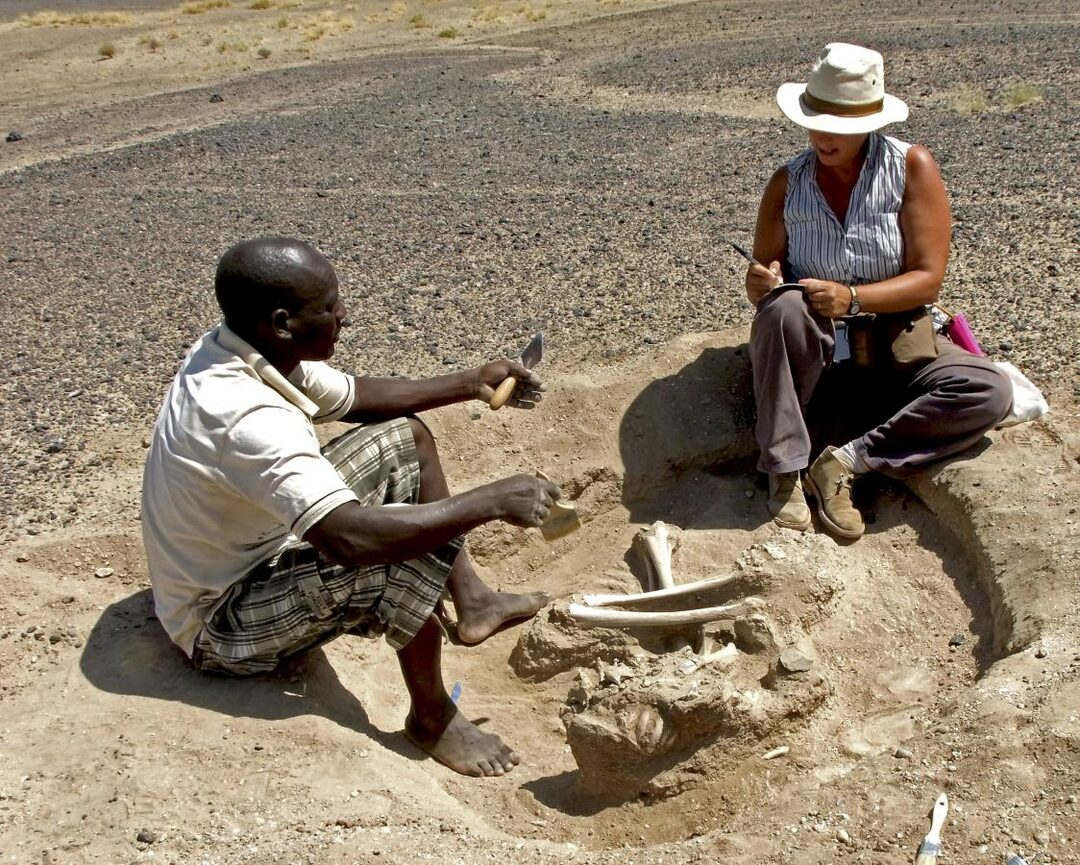
Archaeologists have identified several prehistoric sites where mass violence occurred. Some of the earliest examples date back over 10,000 years. At these sites, human skeletons often show clear signs of trauma, such as fractured skulls, arrow wounds, and defensive injuries. These injuries are rarely accidental—they point to organized attacks or raids.

For instance, at the site of Nataruk in Kenya, remains of hunter-gatherers suggest that they were violently killed in a conflict around 10,000 years ago. Weapons, such as stone-tipped projectiles and clubs, were used, indicating that combat was deliberate and coordinated. Sites like this demonstrate that even small groups of humans were capable of organized violence.

Early Weapons and Tools of War

Early humans did not have metal weaponry. Instead, they relied on tools and weapons made from stone, bone, and wood. Spears, arrows, clubs, and axes served both for hunting and for conflict. Some artifacts show specialized modifications designed specifically for combat, such as sharpened edges and reinforced tips.

The development of projectile weapons, like arrows and thrown spears, allowed early humans to attack from a distance. This not only increased their effectiveness in conflict but also reduced the risk to attackers. The use of these weapons reveals an early understanding of tactics and strategy.

Social Implications of Early Warfare

Warfare had profound effects on prehistoric societies. Groups that could defend themselves or dominate others had better access to resources, increasing their survival chances. Over time, repeated conflict may have contributed to the formation of hierarchies, leadership structures, and alliances.

Violence also influenced settlement patterns. Some communities built defensive structures, such as walls or ditches, to protect against raids. Others may have moved seasonally to avoid conflict. These adaptations highlight how warfare shaped both culture and environment.

Understanding Human Nature

The study of prehistoric warfare challenges the idea that early humans lived in constant harmony with nature. Conflict appears to have been a persistent feature of human existence, driven by competition, fear, and survival instincts.

However, early warfare was not purely destructive. It also fostered cooperation, planning, and innovation. Societies developed tools, strategies, and social norms to manage conflict. In many ways, the pressures of violence contributed to the growth of human intelligence and social complexity.
A Lasting Legacy

The oldest evidence of warfare shows that violence is deeply rooted in human history. By studying these early conflicts, we gain insight not only into human aggression but also into our capacity for organization, strategy, and resilience. Prehistoric warfare reminds us that even in our earliest societies, human behavior was complex, adaptive, and shaped by the environment.

Worthing Museum and Art Gallery has been subject to a major renovation

Museum reopens following major renovation

March 30, 2026

Worthing Museum Reopens Following Major Renovation

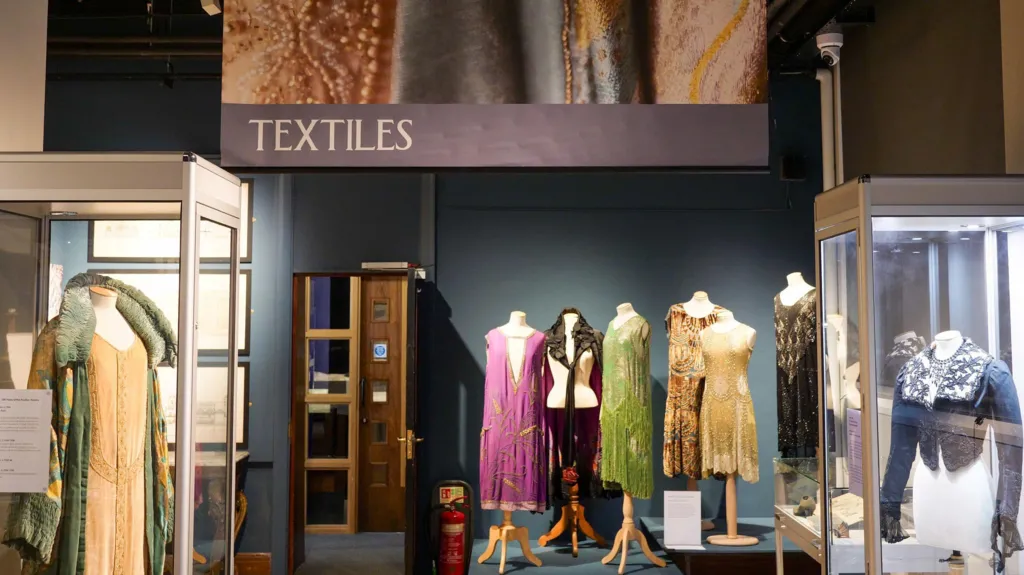
Worthing Museum, one of West Sussex’s cultural landmarks, has reopened after a year-long closure for extensive refurbishment. The museum was closed in March 2025 to enable its connection to the Worthing Heating Network, a pioneering low-carbon scheme designed to deliver sustainable heating and hot water to homes and public buildings across the town. This connection not only modernizes the building’s infrastructure but also ensures that the museum operates more efficiently and sustainably for years to come.

Revitalized Galleries and Enhanced Displays

The renovation project has given the museum’s galleries a comprehensive refresh. According to museum officials, the upgrade included revitalized exhibition spaces, redesigned displays, and improved environmental controls. These changes create a stable climate for the museum’s extensive collection, maintaining consistent temperature and humidity levels to protect delicate artifacts, textiles, and artworks.

Gerry Connolly, Head of Museums and Exhibitions, emphasized the significance of the upgrades for both visitors and the local community:

“The return of our Open26 exhibition, which showcases the work of local artists, is a reminder that the museum belongs to everyone. At the same time, we have reimagined how our collections are displayed, bringing attention to the everyday stories that make Worthing Museum so distinctive.”

The revamp is designed not just to preserve the past but also to present it in ways that are meaningful and accessible to contemporary audiences.

Heritage-Led Interior Restoration

Beyond the galleries, the museum’s interiors have been carefully restored, with new heritage paint colours selected to complement the building’s architectural character. This meticulous attention to detail ensures that the museum’s historic charm remains intact while integrating modern improvements for safety, accessibility, and visitor comfort.

The restoration also focused on practical upgrades, including improvements to lighting, signage, and pathways, making it easier for visitors to navigate the museum and enjoy a richer, more immersive experience.

Celebrating Local Creativity: Open26 Exhibition

A highlight of the reopening is the Open26 exhibition, which celebrates local artistic talent and engages the community with contemporary culture. This exhibition underscores the museum’s role as a living, dynamic space rather than just a repository of history. By featuring work from emerging and established local artists, the exhibition helps connect the town’s artistic heritage with current creative expressions.

A Rich and Diverse Collection

Worthing Museum is home to more than 30,000 artifacts, representing a broad spectrum of history, art, and culture. Its holdings include:

  • Costume and textiles, including historic items such as Princess Amelia’s slippers

  • Decorative arts highlighting craftsmanship from different periods

  • Social history artifacts, offering insight into everyday life in the region

  • Toys and childhood objects, showing changing trends and cultural practices

  • Archaeological finds, including an extensive collection of Roman coins

These collections not only preserve the town’s heritage but also tell stories of social, cultural, and historical importance that span centuries. The museum’s displays now place a greater emphasis on these narratives, making history feel more tangible and personal for visitors.

Sustainable Modernization for the Future

The integration of the museum into the Worthing Heating Network reflects a broader commitment to environmental responsibility. By connecting to this low-carbon energy system, the museum reduces its reliance on fossil fuels, lowers its carbon footprint, and demonstrates how heritage institutions can combine preservation with sustainability.

The project also included practical improvements to the building’s infrastructure, ensuring that both visitors and staff benefit from a more comfortable and energy-efficient environment.

Looking Ahead: Worthing Museum as a Community Hub

With its reopening, Worthing Museum reaffirms its role as a cultural hub for the town and the wider West Sussex region. The refurbished galleries, enhanced collections, and community-focused exhibitions like Open26 make it a place where history, art, and contemporary creativity intersect.

As Gerry Connolly notes:

“By revitalizing both the galleries and the way we present our collections, we hope to spark curiosity, celebrate local heritage, and create an environment that is welcoming for all visitors, whether they come for a single exhibition or to explore the museum’s extensive permanent collection.”

The museum’s reopening is a celebration not only of history but also of sustainable modernization, community engagement, and cultural preservation, ensuring that Worthing Museum remains a vital institution for generations to come.

← Newer Posts Older Posts →
Featured
image_2026-04-10_224424632.png
Apr 11, 2026
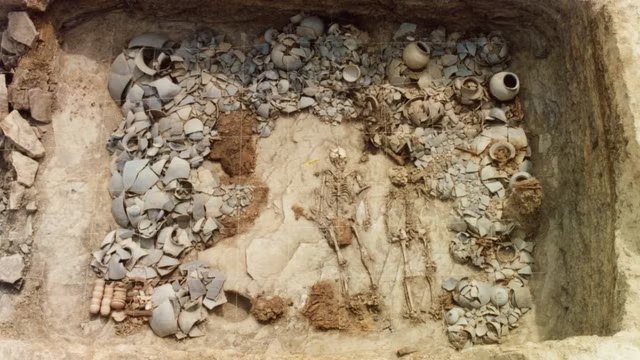
Ancient Korea had people from ‘sacrificial caste’ killed to please royalty, skeletons reveal
Apr 11, 2026
Read More →
Apr 11, 2026
image_2026-04-10_224259902.png
Apr 11, 2026
A Legend Said Atari Buried Thousands of Video Games in the Desert. The Rumors Were All True.
Apr 11, 2026
Read More →
Apr 11, 2026
image_2026-04-10_224140488.png
Apr 11, 2026
Archaeologists in Poland find ancient society drank reduced-lactose milk in likely rituals
Apr 11, 2026
Read More →
Apr 11, 2026
image_2026-04-10_222727195.png
Apr 10, 2026
Cleopatra’s Final Resting Place: Is the Search Nearing Its End?
Apr 10, 2026
Read More →
Apr 10, 2026
image_2026-04-10_222617220.png
Apr 10, 2026
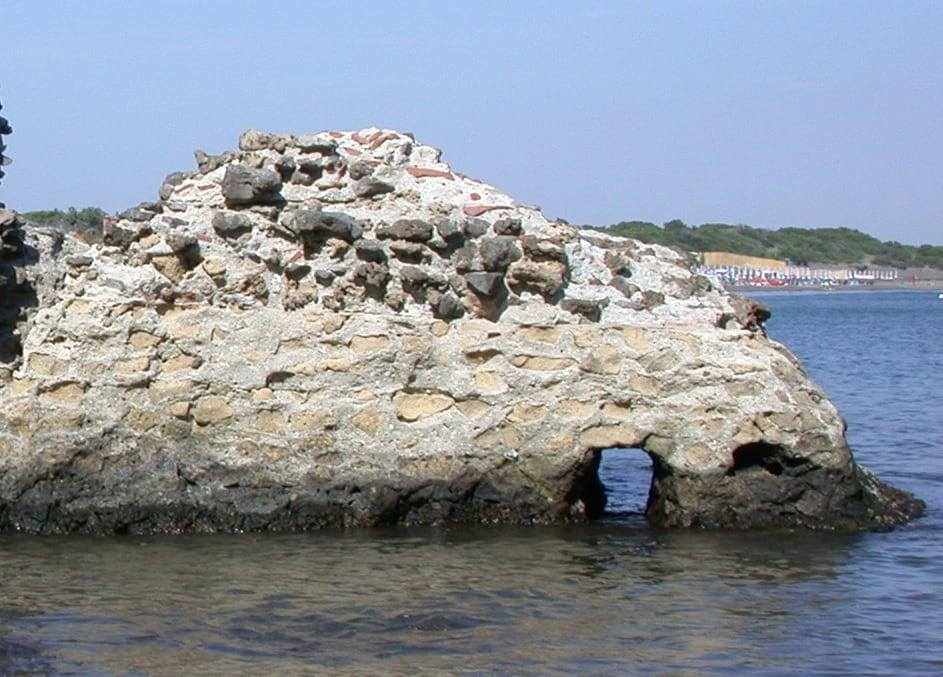
Roman Concrete: The “Self-Healing” Secret
Apr 10, 2026
Read More →
Apr 10, 2026
image_2026-04-10_222513958.png
Apr 10, 2026
The Minoan “Labyrinth”: Was Knossos a Palace or a Giant Necropolis?
Apr 10, 2026
Read More →
Apr 10, 2026
read more

Powered by The archaeologist