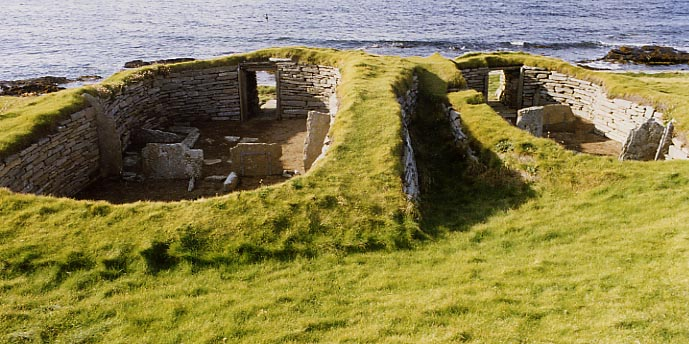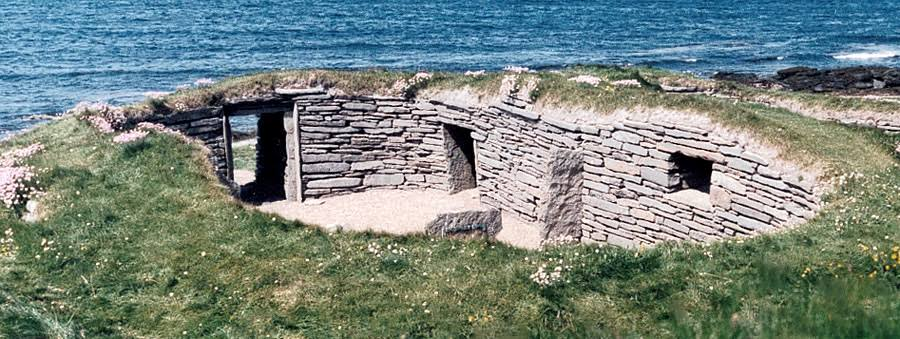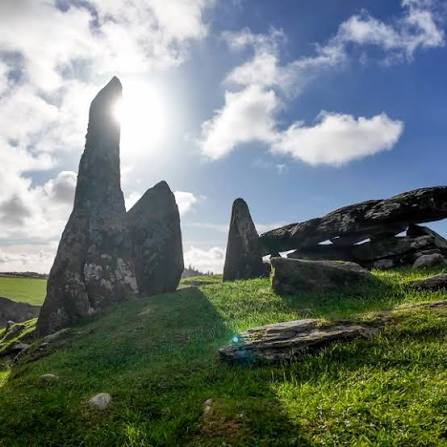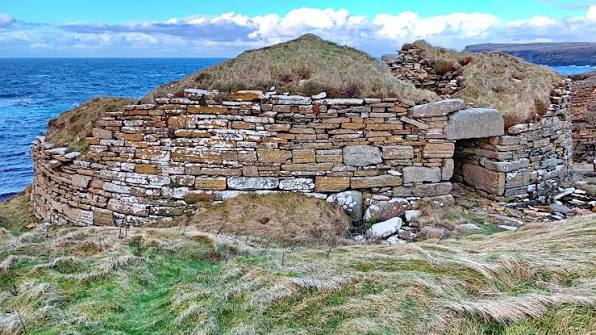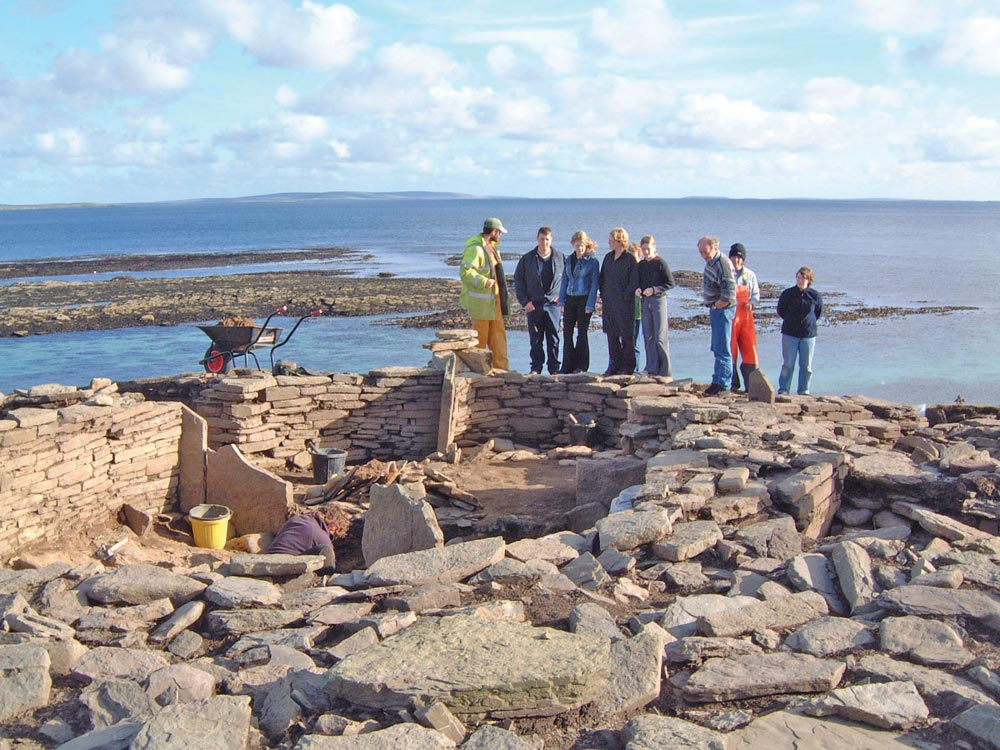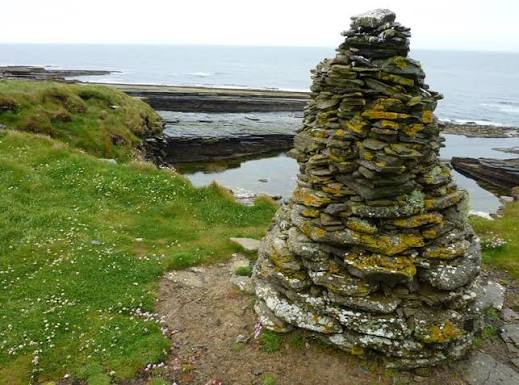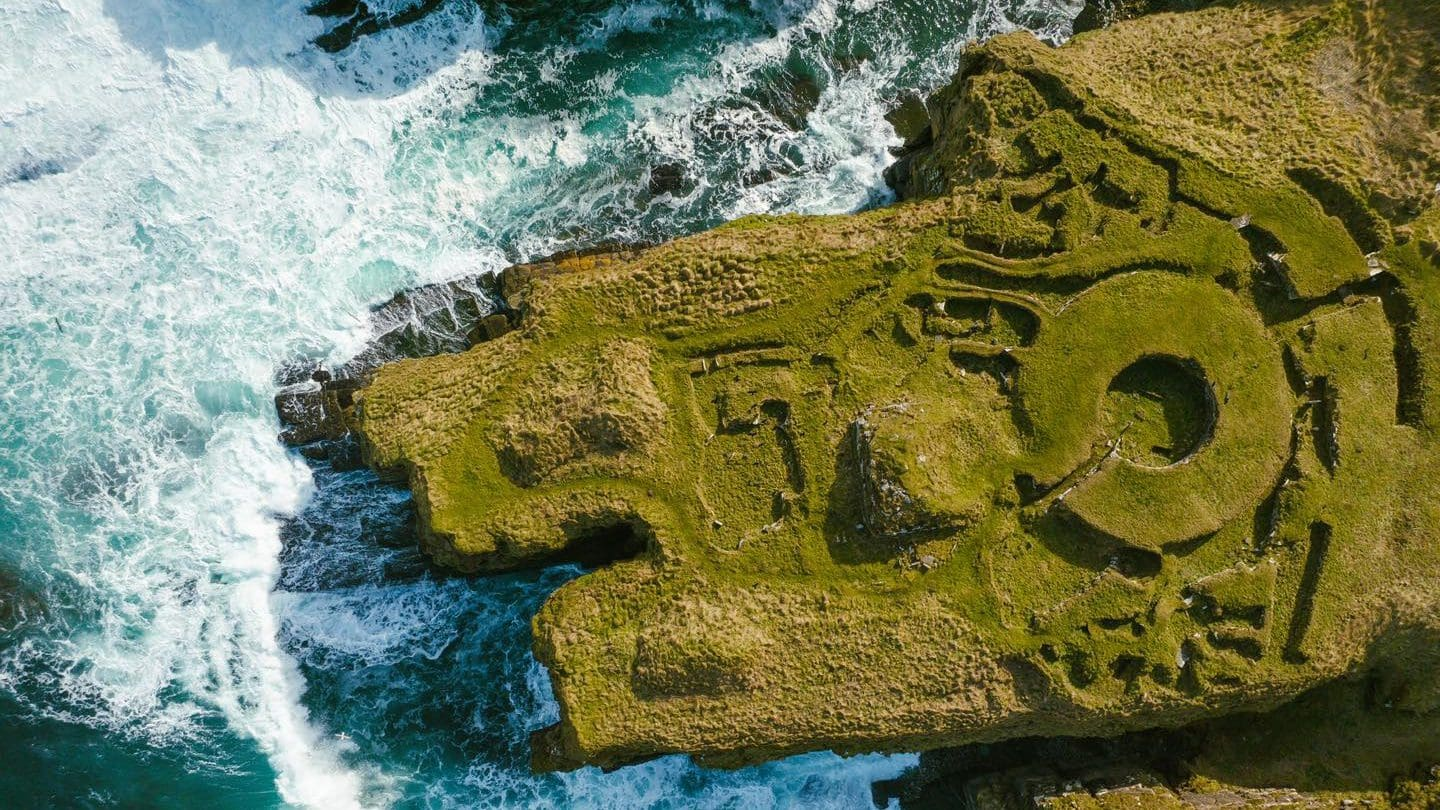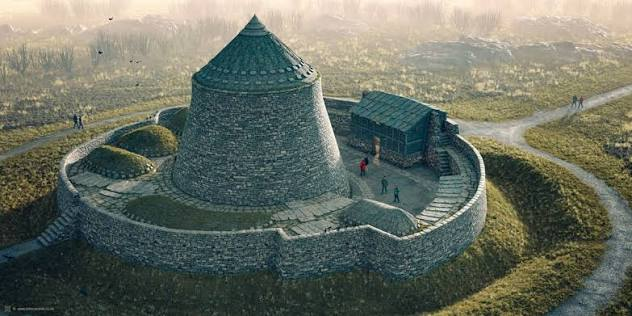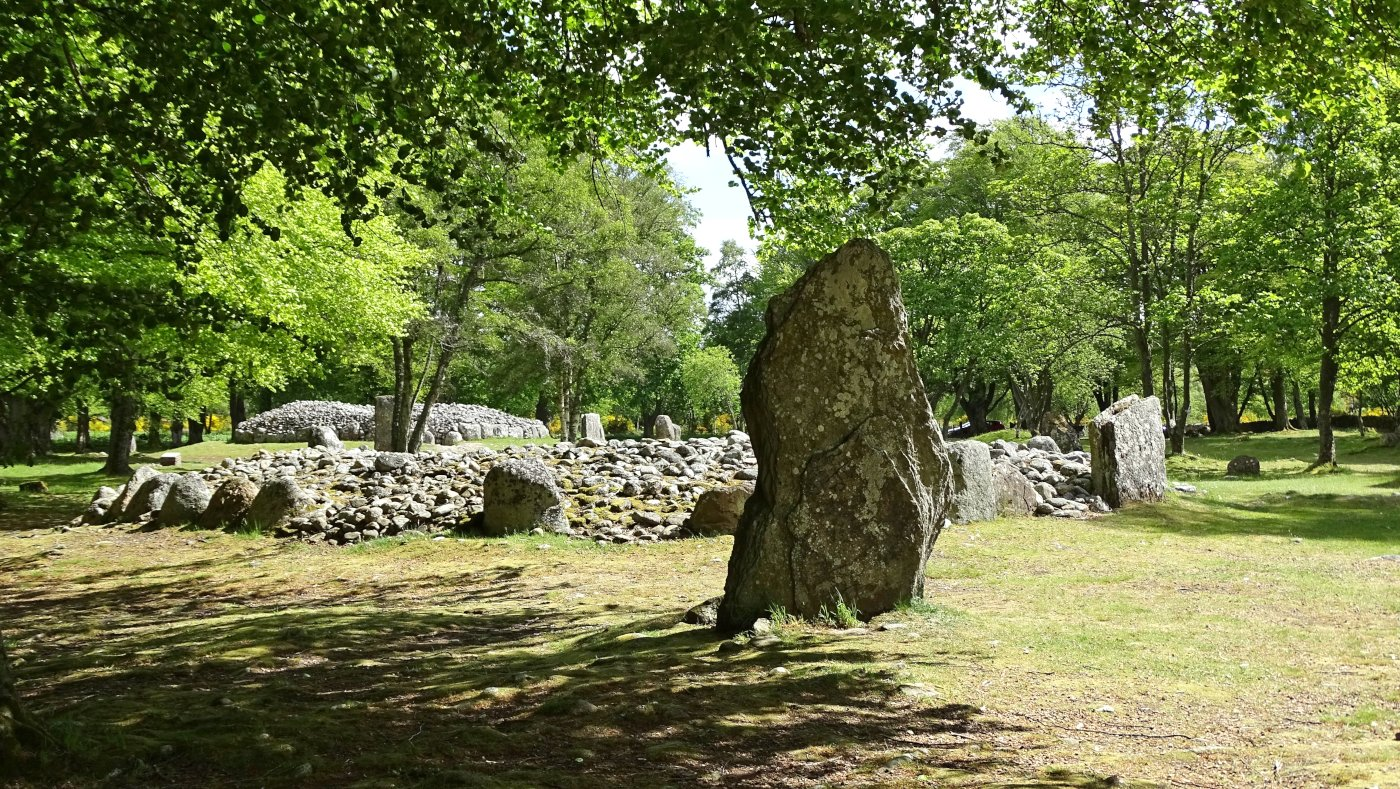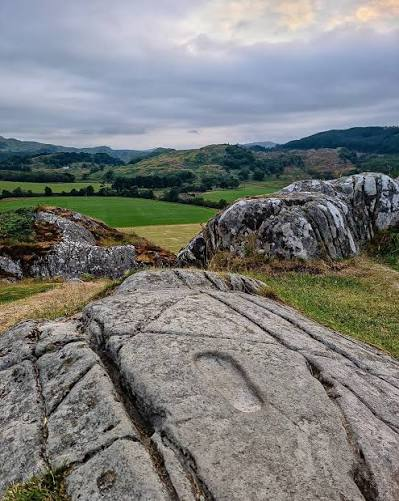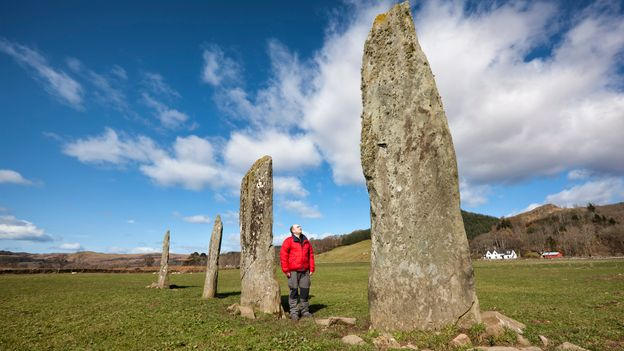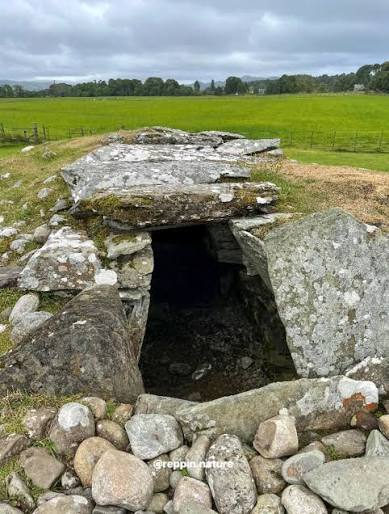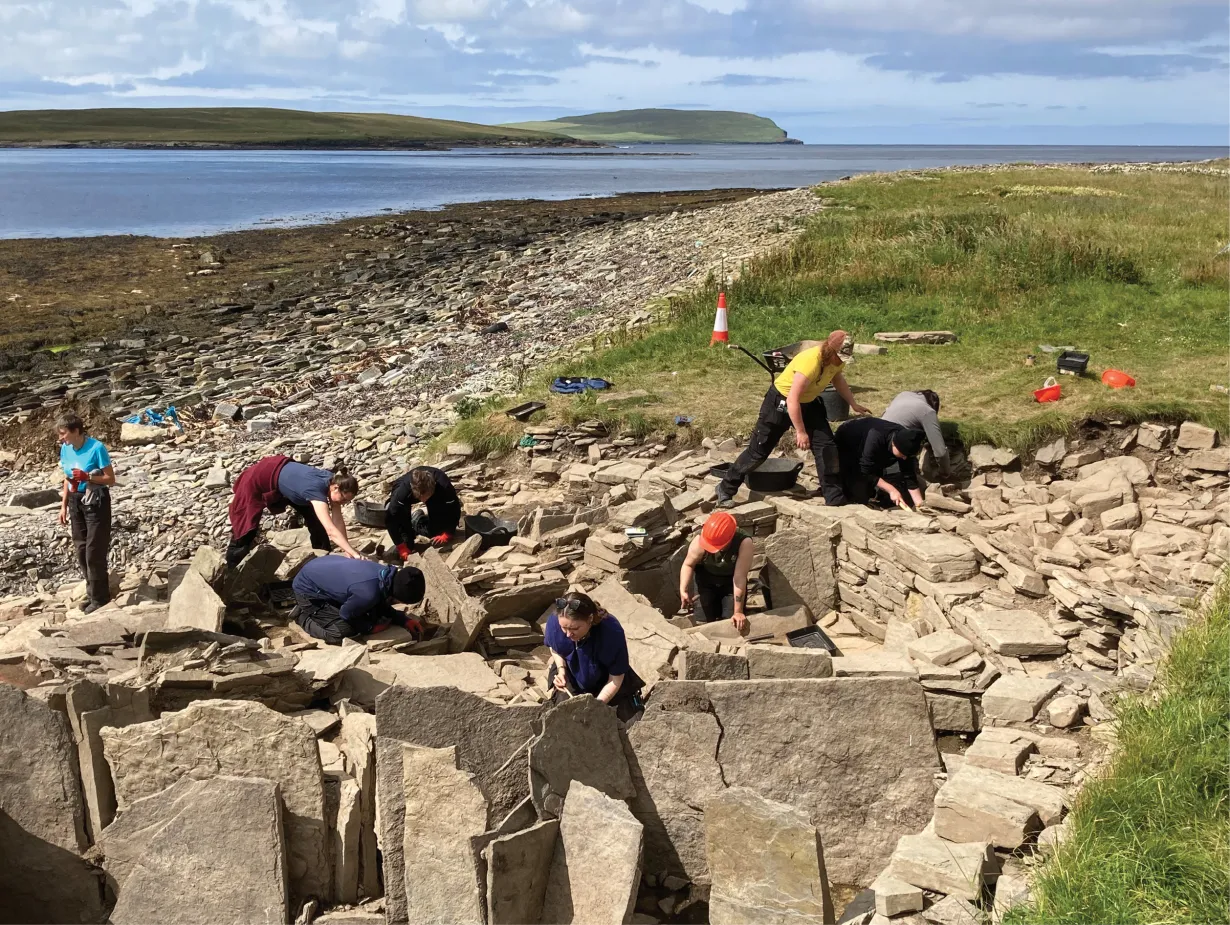
The Knowe of Rowie is part of the extraordinary prehistoric archaeological landscape of Rousay in Orkney.
The monument is associated with the island's chambered-cairn tradition and is notable for its distinctive wedge-shaped form.
Its architecture contributes to our understanding of how Neolithic communities adapted funerary monument designs to local landscapes and cultural traditions.
What Is a Wedge-Shaped Cairn?
A wedge-shaped cairn is a type of prehistoric funerary monument in which the structure gradually narrows toward one end.
The shape gives the monument its characteristic wedge-like appearance.
Funerary Function
Like other chambered cairns, the monument was associated with burial and the treatment of human remains.
The dead could be placed within internal chambers or compartments.
Monumental Construction
Even relatively small cairns required coordinated labor.
Builders had to:
gather stone;
transport it;
create internal chambers;
build supporting walls;
and construct the outer cairn.
Local Architectural Traditions
The variety of tomb forms across Orkney demonstrates that Neolithic communities did not follow one universal design.
Different groups could develop:
stalled chambers;
passage graves;
wedge-shaped cairns;
and more elaborate passage tombs.
Rousay as a Monumental Center
Rousay is exceptional because numerous chambered tombs survive on the island.
This suggests a strong local tradition of monument building.
The monuments may represent different communities or different generations.
The Landscape
The tombs were built within landscapes containing:
farmland;
hills;
coastlines;
settlements;
and other monuments.
Their placement was therefore part of a larger spatial system.
Ancestors and Territory
A permanent burial monument could establish a relationship between a community and a particular place.
Ancestors buried within the landscape could become part of its social memory.
The monument could therefore help communicate claims of belonging.
Farming Society
The builders practiced agriculture and animal husbandry.
They cultivated cereals and maintained livestock.
Marine resources provided additional food.
Why the Shape Matters
Architecture is not merely decorative.
The shape of a monument determines:
how people move around it;
what they see;
how the structure appears from a distance;
and how internal space is organized.
The wedge shape therefore formed part of the monument's identity.
Conclusion
The Knowe of Rowie illustrates the diversity of Neolithic funerary architecture in Orkney.
Its wedge-shaped form demonstrates that prehistoric communities experimented with monument design while maintaining broader traditions of collective burial and ancestor remembrance.
Together with Rousay's other tombs, it reveals an island landscape deeply shaped by prehistoric ideas about death, community, and place.