Puzzles from the Past
Throughout history, ancient civilizations have demonstrated remarkable ingenuity, creating tools, machines, and structures that continue to amaze modern researchers. While many of these achievements have been studied and understood, some remain puzzling even today. These ancient technologies challenge our assumptions about early societies, raising important questions about how knowledge was developed, shared, and sometimes lost.
Rather than being primitive, ancient cultures often displayed advanced problem-solving skills and deep understanding of their environment. Their innovations were shaped by necessity, creativity, and careful observation. Yet in some cases, the methods they used or the purposes behind certain creations are still not fully clear.
These mysteries do not suggest that ancient people possessed modern technology, but they do highlight how sophisticated and complex their achievements could be.
Unexplained Artifacts
Archaeologists have uncovered artifacts that appear surprisingly advanced for their time. These objects often feature precise craftsmanship, unusual materials, or designs that are difficult to replicate using known techniques from that period.
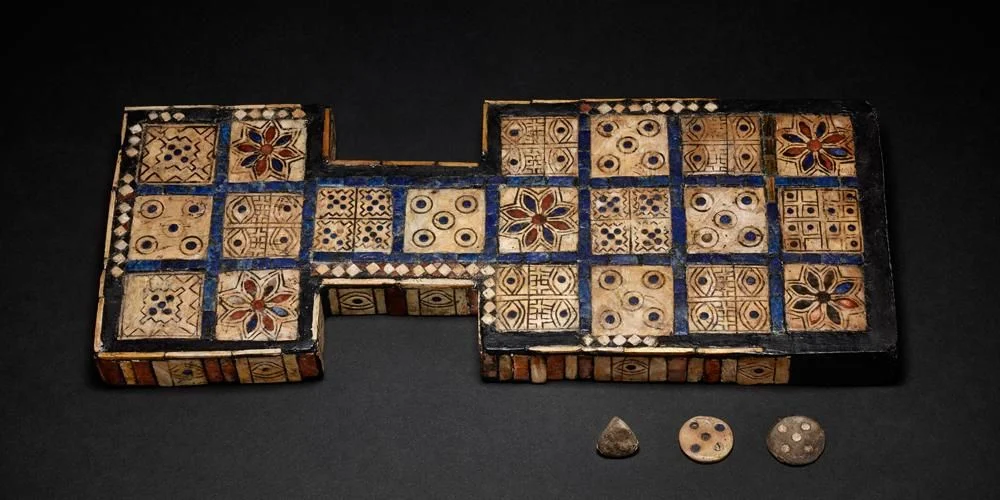
Some artifacts raise questions about how they were made. For example, certain stone objects are carved with such accuracy that it is challenging to determine the exact tools used. Others contain moving parts or intricate details that suggest a high level of technical knowledge.
In many cases, the purpose of these artifacts is also unclear. Without written records or clear context, researchers must rely on comparison, experimentation, and educated guesses to interpret their function.
These unexplained artifacts serve as reminders that not all knowledge from the past has survived in a complete or understandable form.
Advanced Engineering Feats
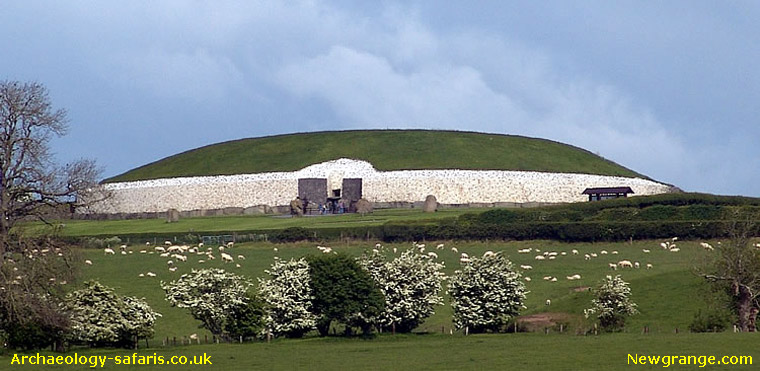
Beyond individual objects, entire structures can also present technological mysteries. Some ancient buildings and monuments demonstrate levels of precision and durability that are difficult to explain fully.
Massive stone structures, for instance, often feature perfectly aligned blocks fitted together without mortar. The transportation and placement of these stones, some weighing many tons, require methods that are still debated among researchers.
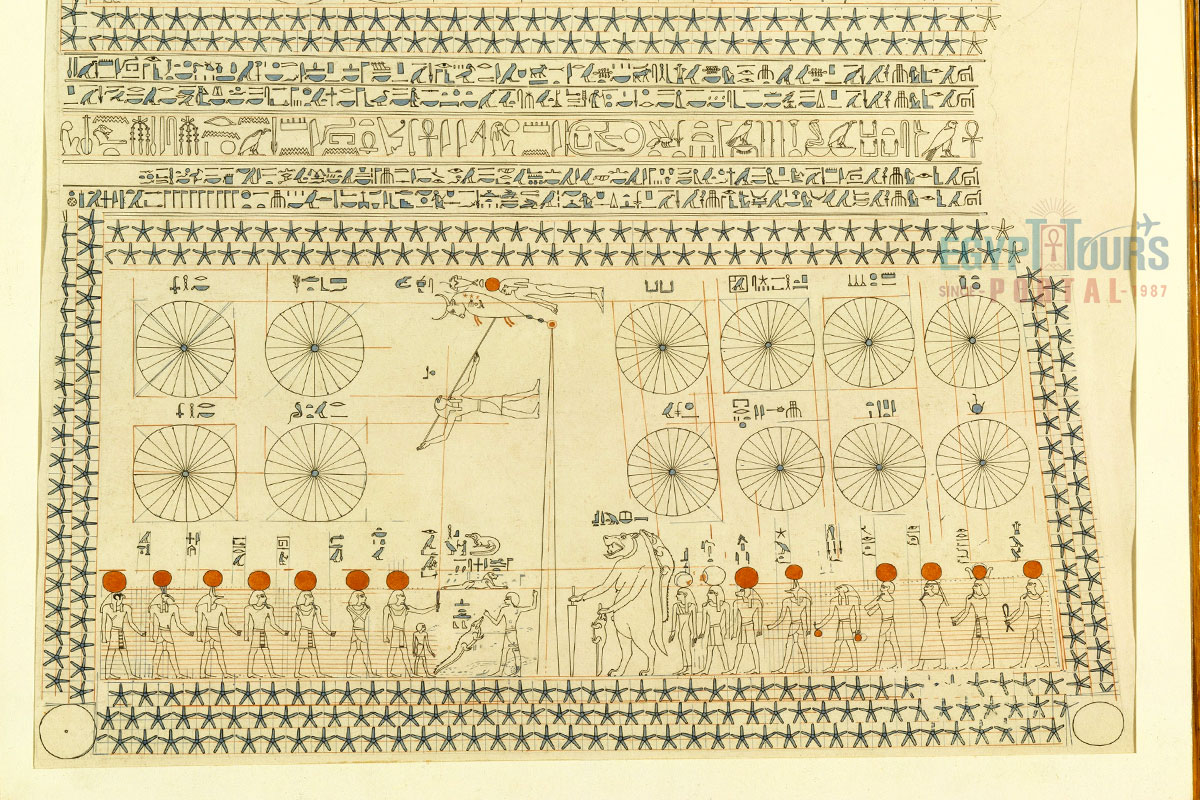
Other structures show evidence of advanced planning and mathematical understanding. Complex layouts, symmetrical designs, and alignment with celestial events suggest careful calculation and long-term observation.
While many theories have been proposed to explain these feats, there is still no single answer that applies to all cases. Instead, each structure reflects a combination of local knowledge, available resources, and cultural priorities.
Lost Knowledge and Forgotten Techniques
One possible explanation for these mysteries is the loss of knowledge over time. Ancient technologies were often passed down through generations by skilled craftsmen. If these traditions were disrupted—through migration, conflict, or societal collapse—the knowledge could disappear.
Unlike modern societies, where information is widely recorded and stored, ancient knowledge was often preserved orally or through practice. When communities declined or changed, their techniques could be forgotten.
This loss of knowledge means that even if ancient people fully understood their technologies, modern researchers may only see the results, not the process. Reconstructing these methods requires careful study and experimentation.
Modern Investigations and Scientific Approaches
Today, researchers use a wide range of tools and methods to study ancient technologies. Archaeology, engineering, chemistry, and physics all play a role in uncovering how these objects and structures were created.
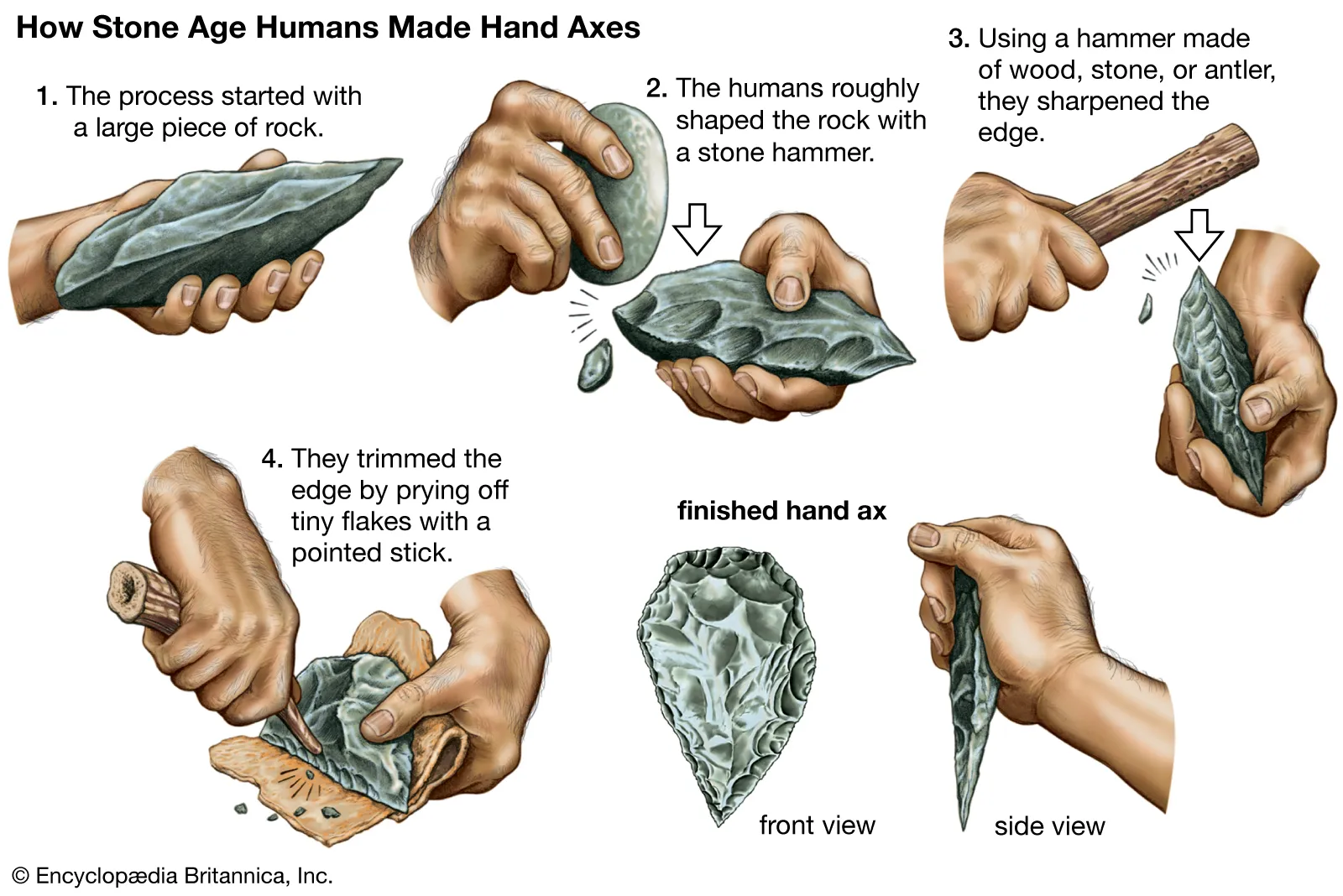
Experimental archaeology is one important approach. By attempting to recreate ancient techniques using period-appropriate tools, researchers can test different theories and gain practical insights.
Advanced imaging technologies, such as 3D scanning and microscopic analysis, allow scientists to examine artifacts in detail without damaging them. These methods reveal tool marks, material composition, and construction techniques that were previously invisible.
Collaboration between disciplines has also improved understanding. By combining historical evidence with scientific analysis, researchers can develop more accurate interpretations.
Separating Fact from Speculation
Because these ancient technologies are not fully understood, they often attract speculation. Some theories suggest explanations that go beyond available evidence, focusing on mystery rather than careful analysis.
However, scientific research emphasizes evidence-based reasoning. While it is important to remain open to new ideas, conclusions must be supported by data, observation, and logical interpretation.
Most scholars agree that ancient achievements can be explained through human ingenuity, experimentation, and accumulated knowledge. The challenge lies in uncovering exactly how these processes worked.
Why These Mysteries Matter
The study of ancient technologies is not just about solving puzzles—it is about understanding human potential. These achievements show that innovation is not limited to modern times. Early societies were capable of creativity, precision, and complex thinking.
By studying these technologies, we gain insight into how knowledge develops, how it can be preserved or lost, and how humans adapt to their environment.
These mysteries also encourage curiosity. They remind us that history is not fully known and that there is always more to discover.
A Continuing Journey of Discovery
Ancient technologies that we still do not fully understand represent an ongoing journey of exploration. Each new discovery adds a piece to the puzzle, helping us build a clearer picture of the past.
As technology continues to advance, researchers may uncover new evidence that sheds light on these mysteries. What seems unexplained today may become understood in the future.
At the same time, some questions may remain open, continuing to inspire investigation and debate.
Enduring Wonder
The enduring mystery of ancient technologies reflects the depth and complexity of human history. These achievements remind us that people in the past were not so different from us—they were thinkers, builders, and innovators.
Their work continues to challenge and inspire us, encouraging a deeper appreciation for the creativity and intelligence that have shaped our world.