• MAIN PAGE
  • LATEST NEWS
    • Lost Cities
    • Archaeology's Greatest Finds
    • Underwater Discoveries
    • Greatest Inventions
    • Studies
    • Blog
  • PHILOSOPHY
  • HISTORY
  • RELIGIONS
    • Africa
    • Anatolia
    • Arabian Peninsula
    • Balkan Region
    • China - East Asia
    • Europe
    • Eurasian Steppe
    • Levant
    • Mesopotamia
    • Oceania - SE Asia
    • Pre-Columbian Civilizations of America
    • Iranian Plateau - Central Asia
    • Indus Valley - South Asia
    • Japan
    • The Archaeologist Editor Group
    • Scientific Studies
    • Aegean Prehistory
    • Historical Period
    • Byzantine Middle Ages
    • Predynastic Period
    • Dynastic Period
    • Greco-Roman Egypt
  • Rome
  • PALEONTOLOGY
  • About us
Menu

The Archaeologist

  • MAIN PAGE
  • LATEST NEWS
  • DISCOVERIES
    • Lost Cities
    • Archaeology's Greatest Finds
    • Underwater Discoveries
    • Greatest Inventions
    • Studies
    • Blog
  • PHILOSOPHY
  • HISTORY
  • RELIGIONS
  • World Civilizations
    • Africa
    • Anatolia
    • Arabian Peninsula
    • Balkan Region
    • China - East Asia
    • Europe
    • Eurasian Steppe
    • Levant
    • Mesopotamia
    • Oceania - SE Asia
    • Pre-Columbian Civilizations of America
    • Iranian Plateau - Central Asia
    • Indus Valley - South Asia
    • Japan
    • The Archaeologist Editor Group
    • Scientific Studies
  • GREECE
    • Aegean Prehistory
    • Historical Period
    • Byzantine Middle Ages
  • Egypt
    • Predynastic Period
    • Dynastic Period
    • Greco-Roman Egypt
  • Rome
  • PALEONTOLOGY
  • About us
No results found

Network of submerged stone structures rewrites early European prehistory

December 12, 2025

Archaeologists have uncovered an extensive system of submerged stone constructions off the coast of Sein Island in Brittany, France.

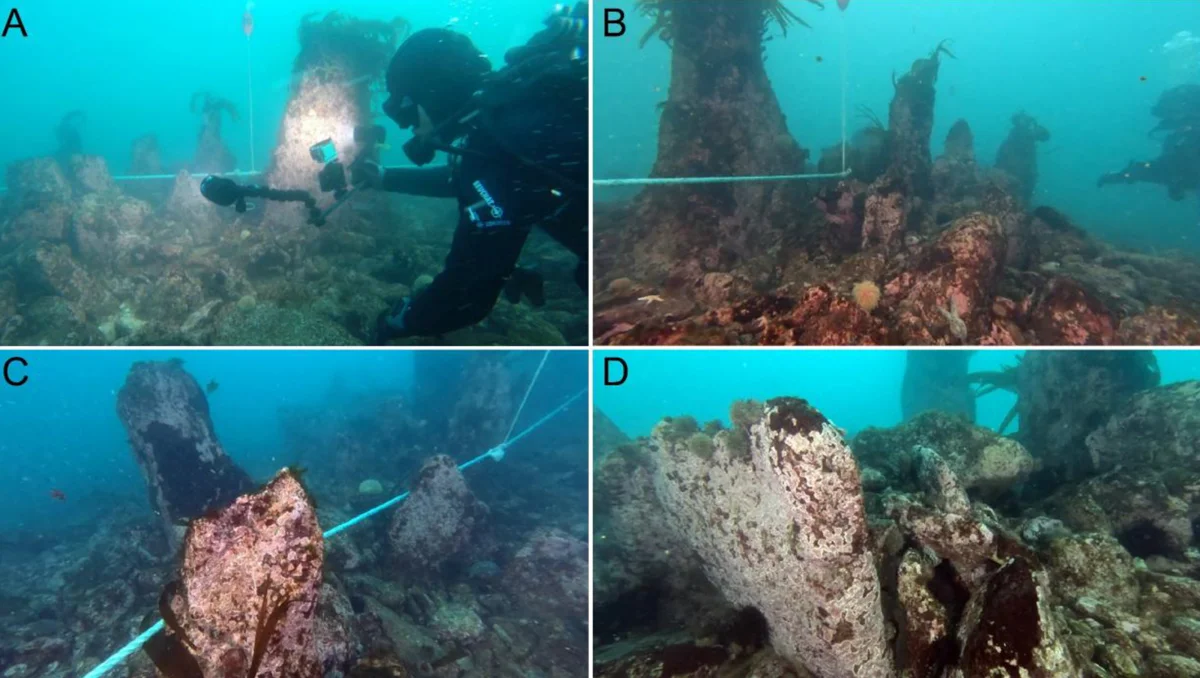
A newly published study in the International Journal of Nautical Archaeology details a series of granite-built formations lying between seven and nine meters below the current sea level. Between 2022 and 2024, researchers used LIDAR mapping along with multiple diving missions to confirm that the stones form a deliberate linear arrangement. Their age has been traced to roughly 5800–5300 BC, placing them at the tail end of the Mesolithic era and the transition into the Neolithic period.

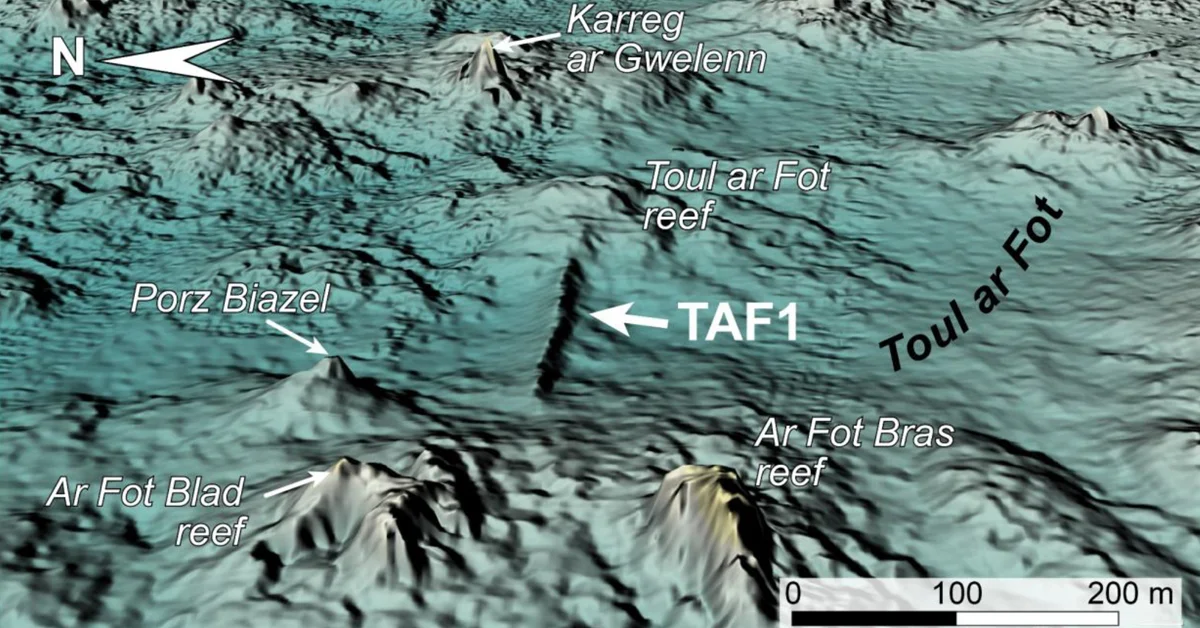
According to the research team, four distinct structures designated TAF1, TAF2A, TAF2B, and TAF3 were identified through the analysis of high-resolution Digital Elevation Models within the Toul ar Fot (TAF) sector. These features lie about 1.9 kilometers west of Sein Island, positioned midway between the northern and southern limits of the undersea plateau.
Archaeologists have documented a series of submerged stone constructions off the coast of Sein Island in Brittany, France. A recent study in the International Journal of Nautical Archaeology describes granite structures resting 7–9 metres below the current sea level. Through LIDAR mapping conducted from 2022 to 2024, along with multiple diving missions, researchers confirmed that the formations follow a linear pattern. They date to roughly 5800–5300 BC, during the late Mesolithic and the transition into the Neolithic.

According to the study’s authors, the research identified four main structures—TAF1, TAF2A, TAF2B, and TAF3 based on Digital Elevation Model data collected in the Toul ar Fot sector. These features lie about 1.9 kilometres west of Sein Island, positioned midway between the northern and southern edges of the submerged plateau.

The largest structure, TAF1, stretches for 120 metres across an underwater valley. It is composed of stacked granite blocks and includes more than 60 upright monoliths and slabs rising up to 1.7 metres high. TAF2A displays a similar construction style: a mass of stones reinforced by standing monoliths that protrude up to 1 metre above the top surface.

During 2024 dives, researchers documented four additional features—YAG1, YAG2, YAG3B, and YAG3C. Each consists of linear stone walls built from small, block-sized stones set in place to block natural depressions or small valleys. Among these later finds, YAG3C stands out: a 50-metre-long wall composed of small monoliths spaced roughly a metre apart, sometimes arranged in two or three parallel rows.
Local folklore in Brittany has long told of a drowned city hidden beneath the western end of the Bay of Douarnenez, only about 10 kilometers east of Sein Island.

The researchers behind the new study suggest that the discovery of these clearly human-made stone formations now invites fresh questions about whether the ancient legend might have roots in real prehistoric events. As they explain, “it is likely that the abandonment of a once-developed territory belonging to a highly organized society became embedded in collective memory over time.”

Although all of the submerged features near Sein Island appear to be connected, specialists believe the smaller stone alignments may have functioned as fish traps. The purpose of the larger constructions, however, is less straightforward. These massive installations exceed the size of any known fish weirs from the same era, leading the team to propose that they may also have served a protective function.

According to the authors, the scale and engineering sophistication of the biggest structures have no known parallel in France for this period.
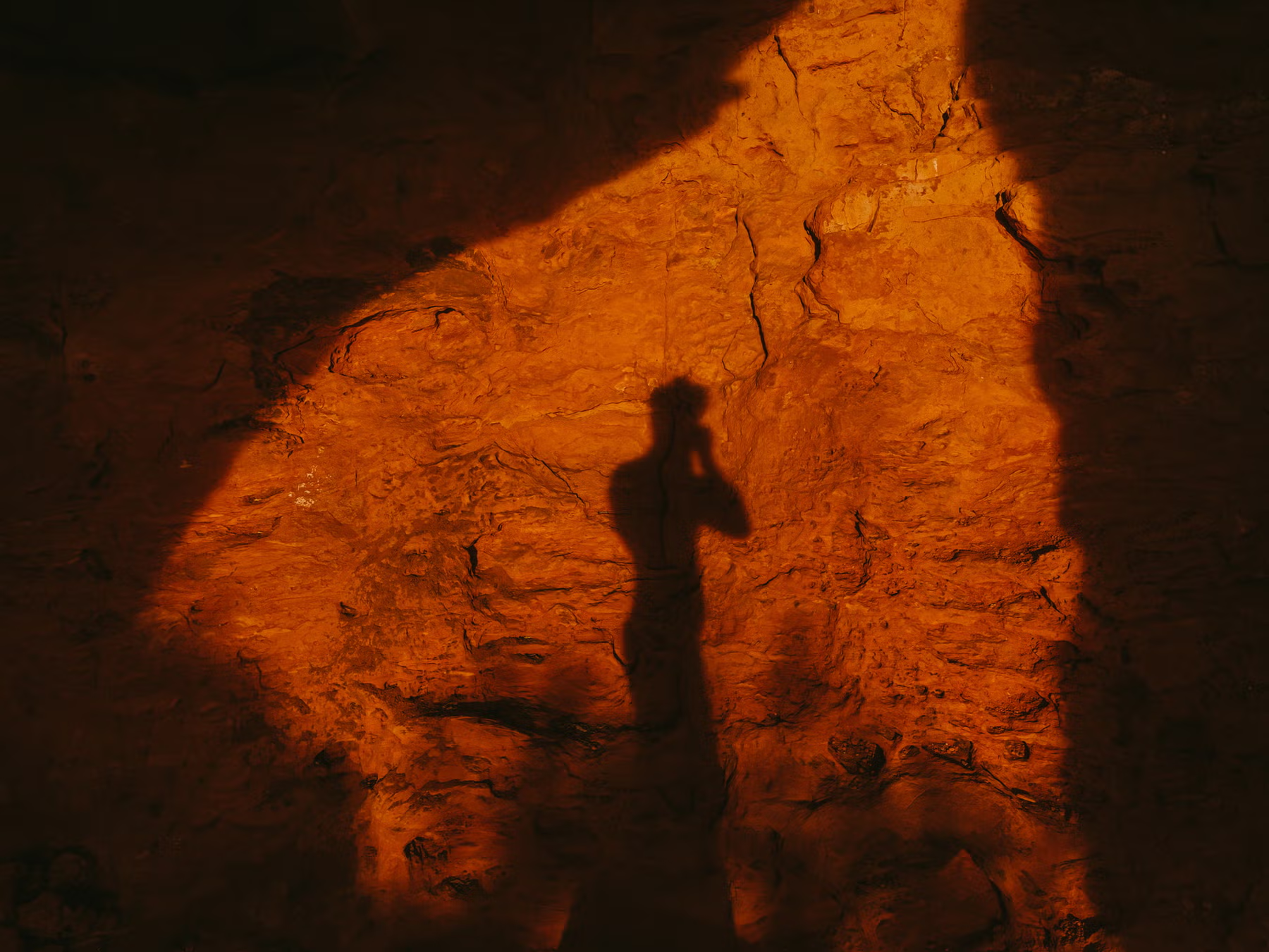
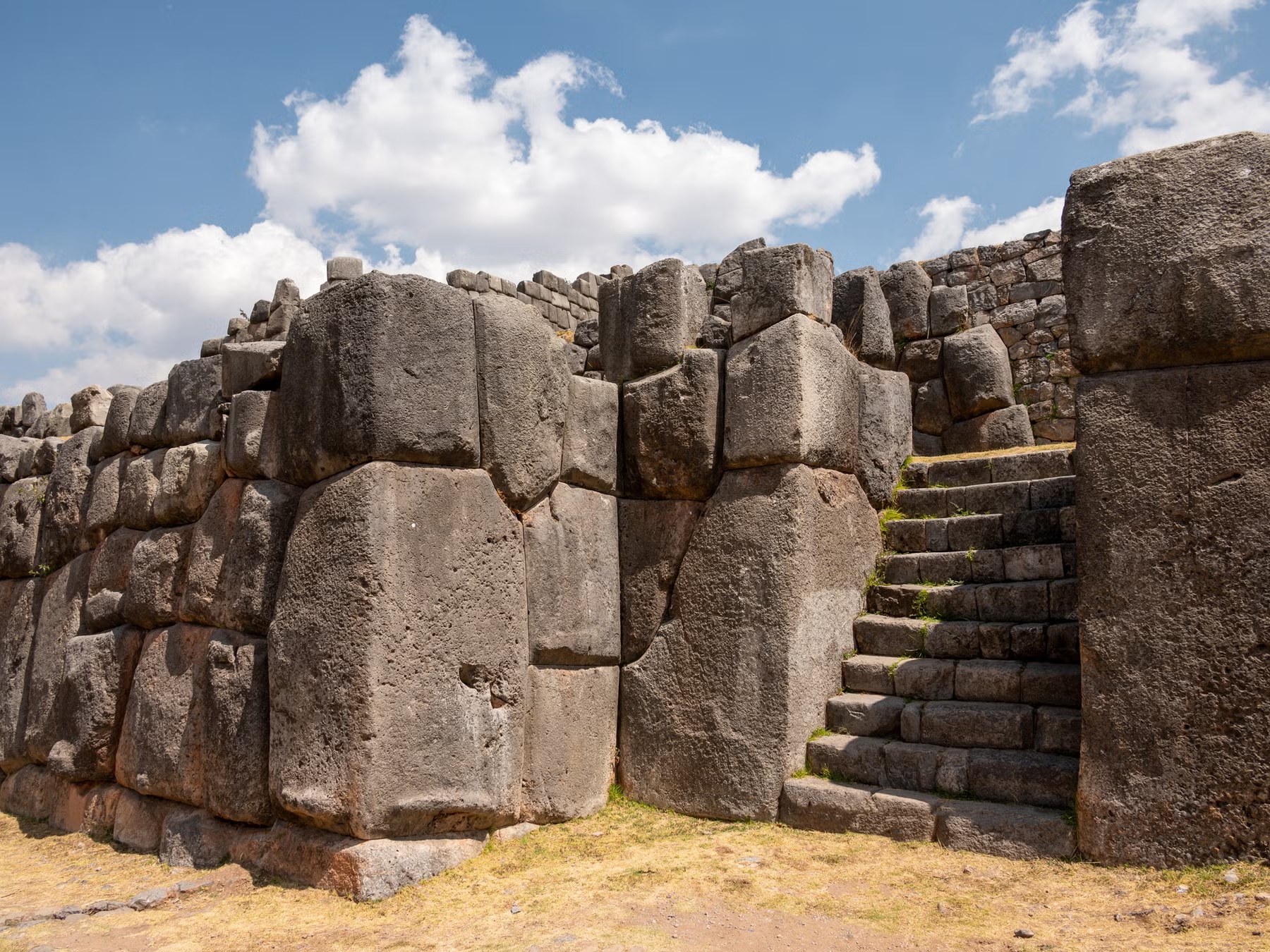
Archaeologists Discovered an Unprecedented Ancient Monument That Could Rewrite History

December 12, 2025

Here’s what this story reveals:

An unusual archaeological discovery in eastern France has uncovered a combination of circular enclosures unlike anything previously seen.
The site shows evidence of use across at least three separate historical periods.
Some of the structures appear connected to burial practices, and researchers hope continued study will clarify the site’s age, development, and purpose.

Archaeologists working in Marliens, near Dijon, have uncovered not just one ancient circular enclosure but three interconnected ones creating an unexpectedly complex layout.

The French National Institute for Preventive Archaeological Research (Inrap) described the find as “unprecedented,” noting that the site contains layers of human activity stretching from the Neolithic era all the way to the early Iron Age.

Archaeologists Found a Lost Temple in the Sand That Solves a Major Historical Puzzle

December 12, 2025

Here’s what this story reveals:

Archaeologists have uncovered a ceremonial temple in northwestern Peru that dates back roughly 4,000 to 5,000 years, exposing ancient walls, decorative friezes, and a central staircase that was likely used for early ritual gatherings.
During the excavation, the team also unearthed the skeletons of three adults along with what may have been an offering, providing rare insight into early religious customs and a little-understood culture that predates the better-known Andean civilizations.
Researchers additionally identified a second temple built much later, around 600–700 A.D., which contained the remains of a young child evidence of how spiritual traditions in this region shifted and developed over millennia.

Archaeologists recently uncovered the long-buried remains of this ceremonial complex hidden beneath layers of sand for four to five thousand years in Peru’s northwest. The team initially detected fragments of wall structures, which led them to excavate further and expose architectural features that clearly signaled the presence of a temple. Soon after, they encountered the skeletal remains of three adults positioned within the spaces between the walls.

“We may be looking at a religious complex nearly five millennia old, an architectural setting formed by rammed-earth walls,” said Luis Armando Muro Ynoñán, director of the Cultural Landscapes Archaeological Project of Ucupe Valle de Zaña, in a translated announcement released by Peru’s Ministry of Culture.

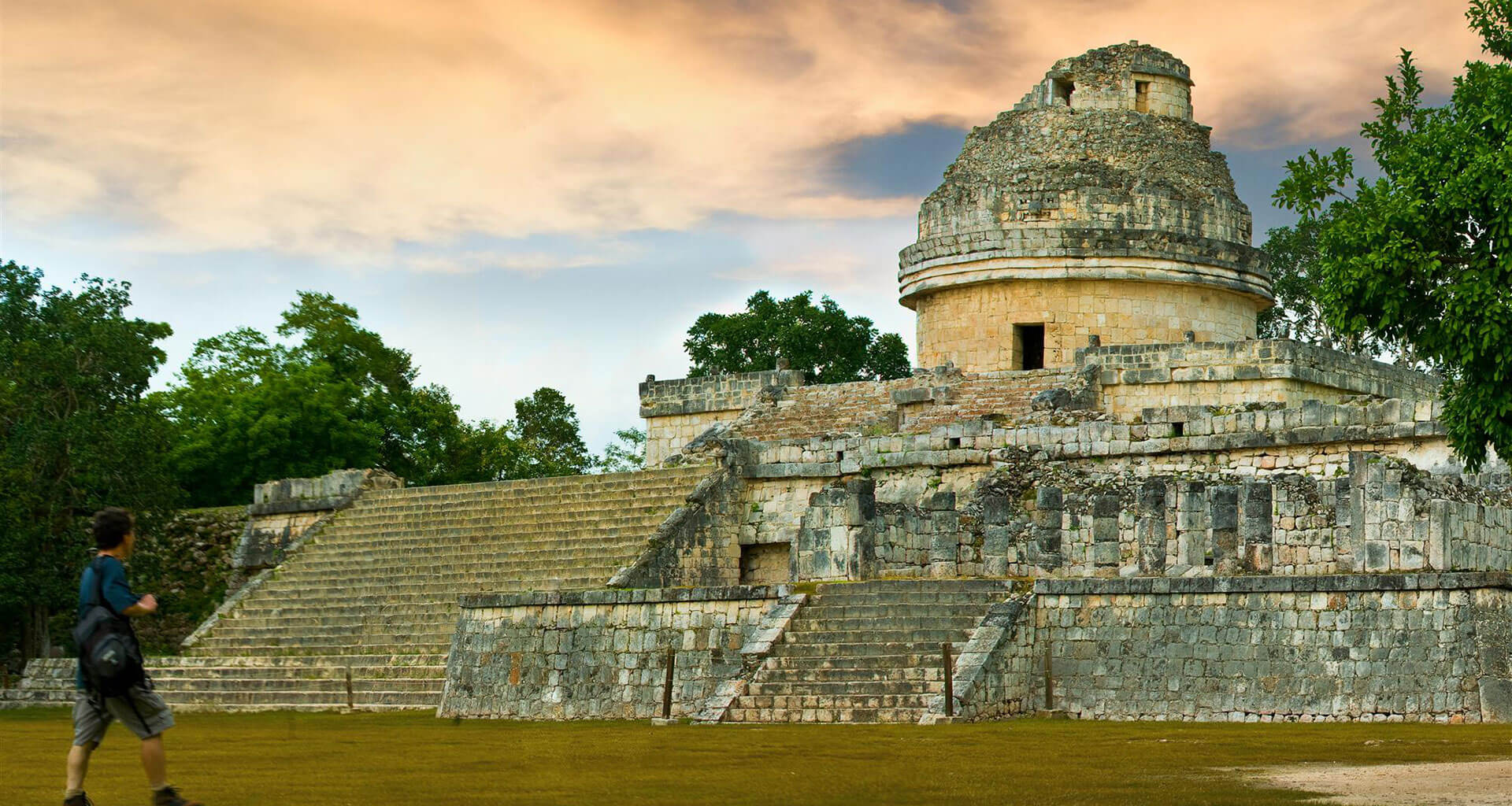
The Ancient Astronomers of Chichen Itza

December 11, 2025

El Castillo and Solar Alignment

– The Maya built El Castillo (the Temple of Kukulcan) with precise astronomical knowledge.
– During the equinoxes, the sun casts a shadow resembling a serpent slithering down the pyramid’s staircase.
– This illusion symbolized the descent of the feathered serpent god, reinforcing religious authority.

Lunar, Solar, and Venus Observations

– The Maya carefully tracked celestial cycles, including the movements of Venus, which they linked to warfare and prophecy.
– Observatories such as El Caracol featured windows aligned with key astronomical events.
– Their calendar systems—Tzolk’in, Haab, and the Long Count—helped them schedule rituals and agricultural activities.

Mathematical and Scientific Achievements

– Maya astronomers used advanced calculations, predicting eclipses and planetary cycles with remarkable accuracy.
– Their base-20 mathematical system enabled precise calendar correlations.
– Hieroglyphic inscriptions record astronomical observations spanning centuries.

Cultural Legacy

– Chichen Itza’s architectural alignments reveal a civilization deeply connected to cosmic cycles.
– Maya astronomy shaped their religion, politics, and daily life.
– The site remains a profound symbol of human ingenuity and celestial understanding.

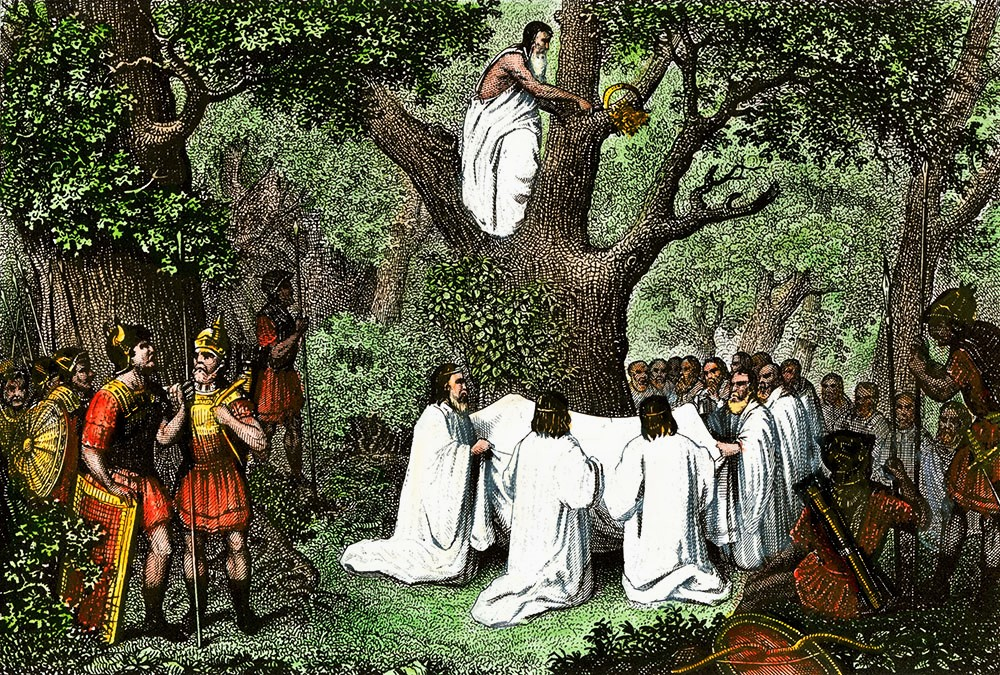
The Sacred Trees of Ancient Pagan Cultures

December 11, 2025

Celtic Tree Worship

– The Celts believed trees were living ancestors connected to the Otherworld.
– The oak, ash, and yew were especially sacred, symbolizing strength, protection, and immortality.
– Druids held ceremonies in groves, using trees as gateways to spiritual knowledge.

Norse Sacred Trees

– Yggdrasil, the World Tree, connected the nine realms in Norse cosmology.
– Sacred groves served as ritual sites for offerings, sacrifices, and assemblies.
– Trees represented cosmic order, divine communication, and the life cycle of creation and destruction.

Slavic Tree Traditions

– Ancient Slavs revered trees as dwelling places of nature spirits, ancestors, and protective deities.
– The linden tree symbolized harmony and community, while the oak represented Perun, the god of thunder.
– Rituals involved tying ribbons, leaving offerings, and performing seasonal ceremonies around sacred trees.

Universal Spiritual Meaning

– Trees were viewed as mediators between Earth and sky, embodying resilience, fertility, and the continuity of life.
– Their seasonal cycles inspired myths of death, rebirth, and eternal renewal.
– Across cultures, sacred trees symbolized the unity between nature and the divine.

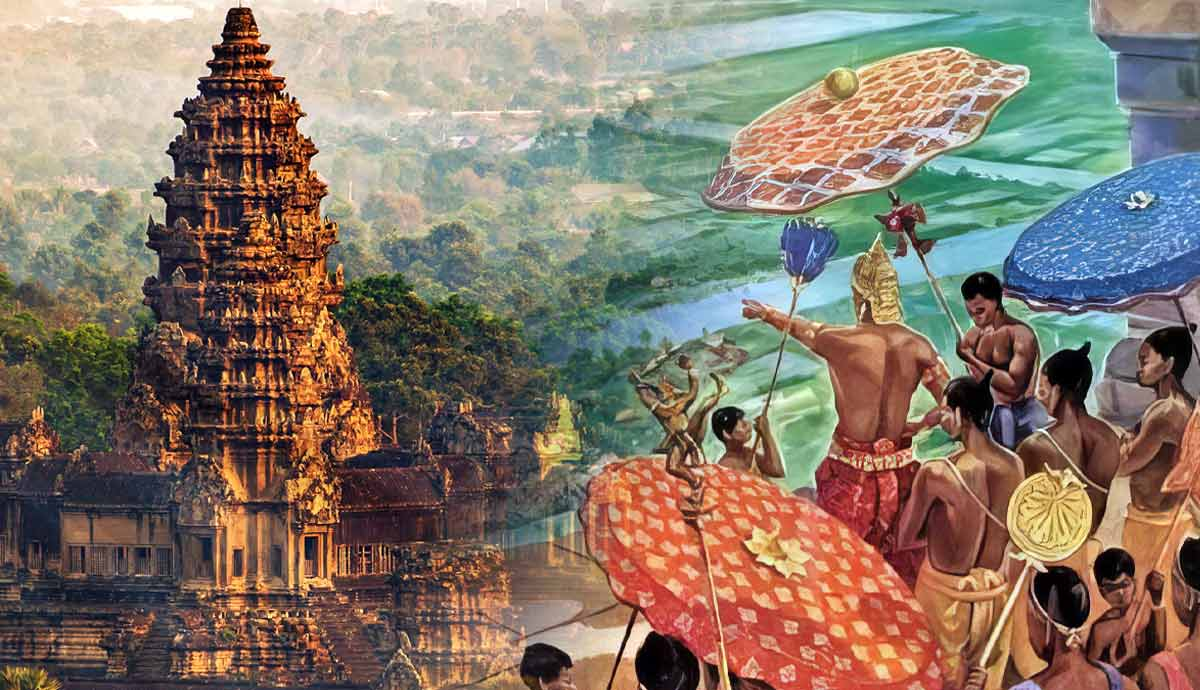
The Lost Temples of Angkor Before Angkor Wat

December 11, 2025

Early Religious Centers

– Before the construction of Angkor Wat in the 12th century, earlier Khmer kings built vast temple complexes dedicated to Hindu deities.
– These early temples, such as Phnom Bakheng, Pre Rup, Ak Yum, and Bakong, served as both spiritual centers and political symbols.
– Many were dedicated to Shiva, reflecting the strong influence of Indian religion on Khmer culture.

Architectural Innovations

– Builders experimented with sandstone, brick, and laterite, refining techniques for carving intricate sculptures and decorating temple walls.
– Temples were constructed as symbolic mountains (temple-mountains), representing Mount Meru, the cosmic home of the gods.
– The use of moats, reservoirs, and symmetrically planned courtyards set the stage for later architectural masterpieces.

Spiritual and Political Significance

– Early temples were not merely places of worship—they legitimized kingship by linking rulers to divine power.
– Priests performed rituals, offerings, and royal ceremonies, reinforcing the sacred nature of kingship.
– Many temples served as intellectual hubs where scholars studied astrology, philosophy, and sacred texts.

Rediscovery and Preservation

– Over centuries, vegetation and shifting political power caused many temples to be abandoned.
– Archaeologists have since uncovered lost structures, revealing a complex spiritual landscape predating Angkor Wat.
– These early temples illuminate the evolution of Khmer religious architecture.

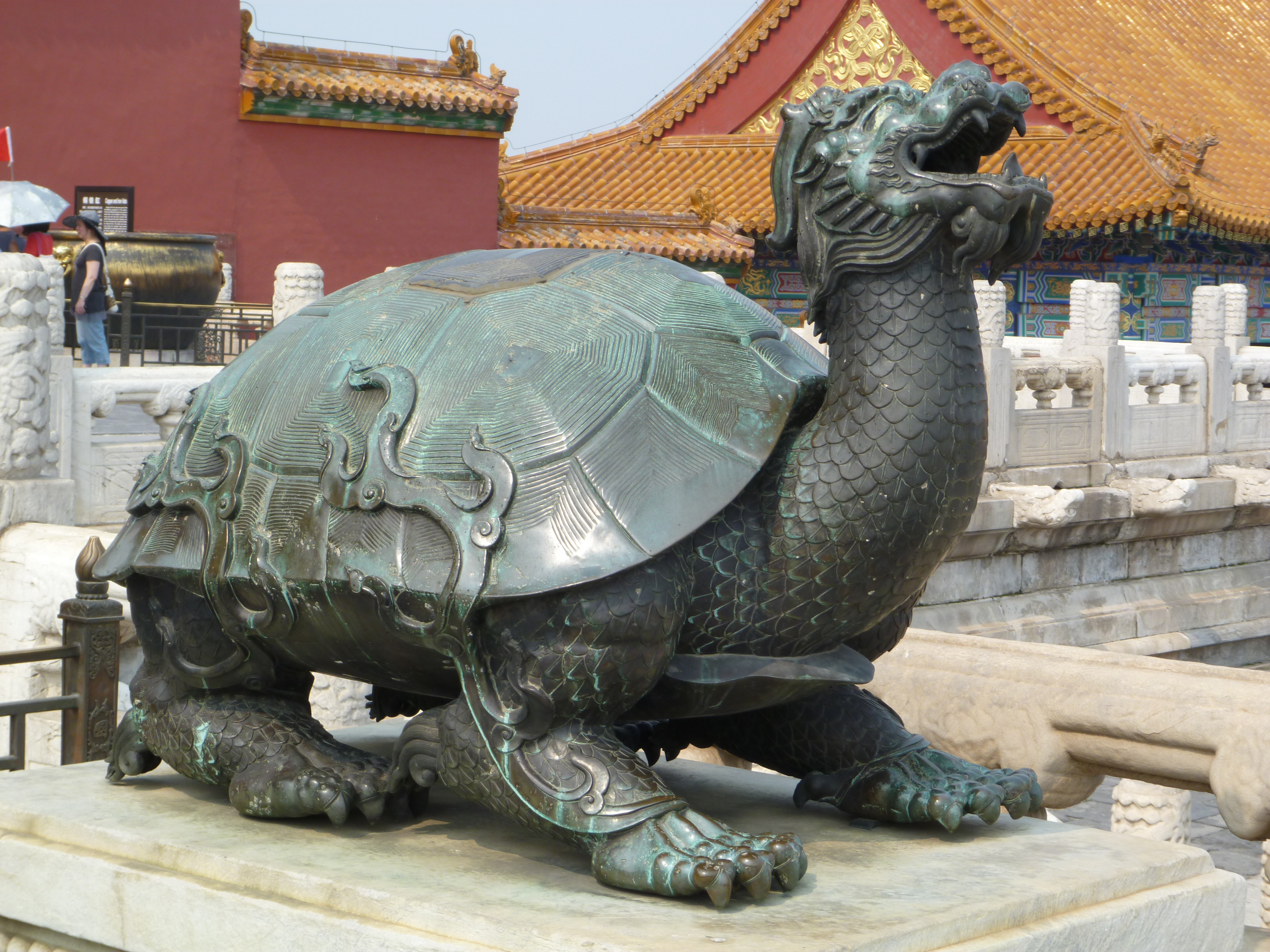
The Role of the Turtle in Ancient Mythology

December 11, 2025

Cosmic Symbolism Across Cultures

– In Hindu mythology, the world rests on the back of a cosmic turtle, representing stability and universal order.
– Native American traditions often describe the Earth as having formed on Turtle Island, created when a turtle supported soil gathered by water animals.
– Chinese mythology depicts the turtle as one of the Four Sacred Beasts, symbolizing wisdom, longevity, and protection.

Themes and Shared Meanings

– The turtle’s long lifespan made it a symbol of immortality, patience, and the cycles of creation.
– Its dual existence on land and in water represented the balance between physical and spiritual realms.
– The creature’s protective shell was seen as a miniature universe: the dome of heaven above and the foundation of the earth below.

Myths and Stories

– In Hindu stories, the turtle incarnation of Vishnu, Kurma, supported the gods during the churning of the cosmic ocean.
– Iroquois creation stories describe the turtle as the foundation of the Earth after Sky Woman descended from the heavens.
– Chinese legends claim that the turtle’s shell provided early humans with the patterns for writing and divination.

Cultural Legacy

– Turtles appear in art, jewelry, temple carvings, and ritual objects across ancient civilizations.
– They symbolize continuity, protection, and the eternal nature of the cosmos.
– Their enduring presence in mythology reflects their profound symbolic power in human imagination.

The Terracotta Army: Guardians of China's First Emperor

December 11, 2025

Construction of the Warriors

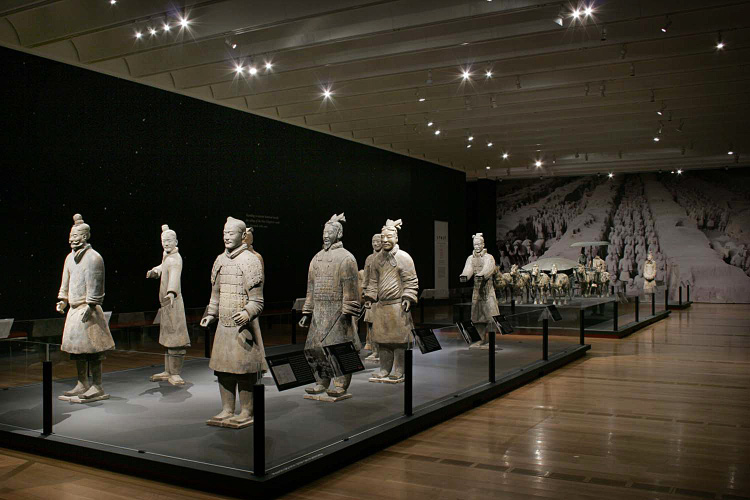
– Built around 210 BCE for Qin Shi Huang, the first emperor to unify China, the terracotta army consists of more than 8,000 life-sized figures.
– Each warrior is uniquely sculpted, with individual facial features, hairstyles, armor patterns, and weaponry.
– Craftsmen worked in specialized workshops, combining mass-production molds with hand-sculpted details.

Symbolism and Purpose

– The army was designed to protect the emperor in the afterlife, reflecting beliefs in eternal rule and spiritual warfare.
– Warriors include infantry, archers, cavalrymen, officers, chariots, and horses, representing a complete military formation.
– The site also contains musicians, acrobats, strongmen, and officials, indicating a full imperial court in the next world.

Burial Complex

– The mausoleum covers nearly 56 square kilometers, making it one of the largest in history.
– Archaeologists believe the central tomb chamber—still unopened—may contain rivers of mercury meant to replicate China’s geography.
– The complex was guarded by traps, hidden mechanisms, and layers of earth to deter intruders.

Historical Importance

– The terracotta army provides insight into Qin military organization, craftsmanship, and imperial ideology.
– Its discovery in 1974 reshaped understanding of ancient Chinese funerary traditions.
– The site is now one of the world’s most significant archaeological wonders.

The Nazca Civilization Before the Lines

December 11, 2025

Everyday Life and Society

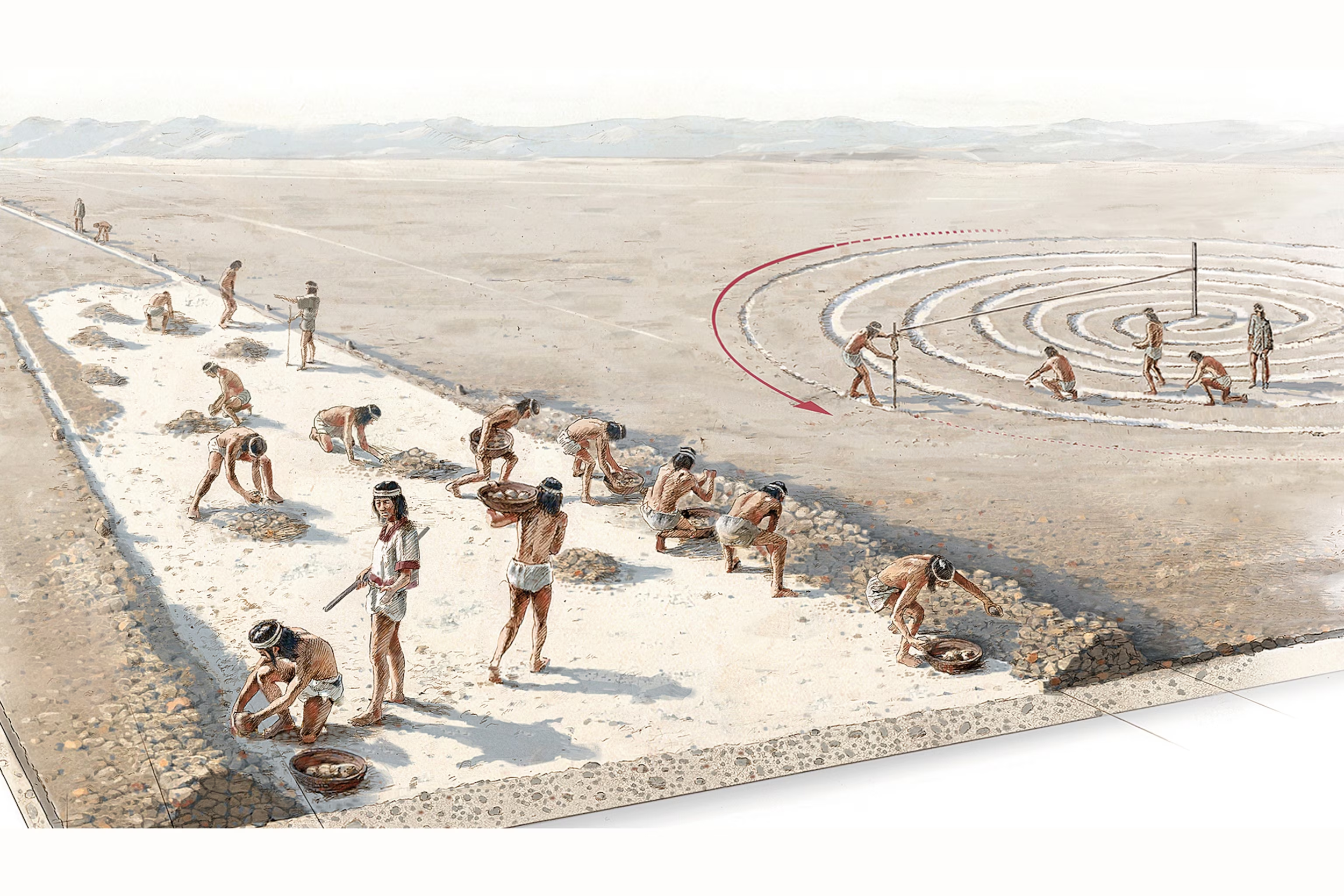
– The Nazca lived along Peru’s southern coast between 100 BCE and 800 CE, forming agricultural communities supported by sophisticated irrigation.
– Their society included farmers, fishermen, artisans, and priests, each contributing to the civilization’s stability.
– They cultivated cotton, maize, beans, and potatoes using underground aqueducts called puquios.

Religion and Ritual Practices

– Nazca religion revolved around fertility, water deities, and supernatural beings depicted with masks, wings, and animal attributes.
– Rituals included offerings of pottery, textiles, crops, and sometimes trophy heads believed to contain spiritual power.
– Priests performed ceremonies on platform mounds long before the creation of the famous geoglyphs.

Artistic Achievements

– Nazca ceramics are among the most colorful in the ancient world, featuring vibrant red, orange, white, black, and yellow pigments.
– Their textiles show advanced weaving techniques and symbolic patterns representing gods, plants, and mythical beings.
– Artists created featherwork decorations using brilliantly colored bird feathers.

Technological and Engineering Skills

– The puquio system demonstrates remarkable hydraulic engineering, transporting water through spiral-shaped  entrances and subterranean channels.
– Their architecture included ceremonial centers, pottery workshops, and residential compounds.
– The achievements of the Nazca people laid the cultural foundation from which the later geoglyphs emerged.

The Ancient Egyptian Book of Thoth

December 11, 2025

Mythical Origins of the Text

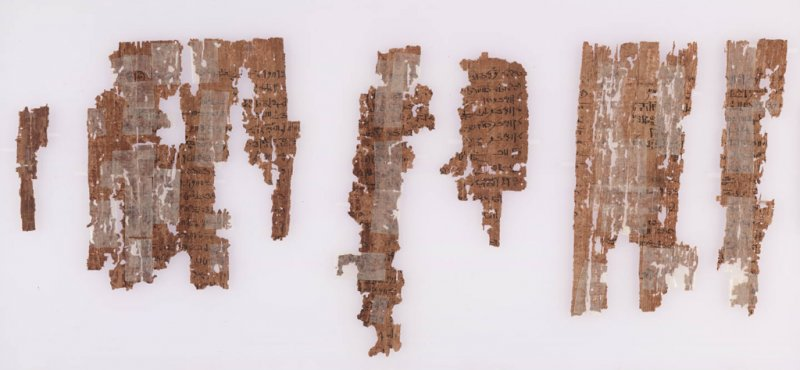
– The Book of Thoth is a legendary manuscript attributed to Thoth, the Egyptian god of knowledge, writing, and magic.
– According to myth, the text contained the secrets of the universe, including spells to speak with animals, command the heavens, and interpret divine will.
– Egyptians believed the text was hidden in a series of magical boxes protected by serpents, traps, and curses.

Forbidden Knowledge

– The book was said to grant unparalleled power, including mastery over the gods and dominion over life and death.
– Only the worthiest priests or magicians were believed capable of wielding its contents without being destroyed.
– Stories warn that misuse of the book brings calamity, madness, misfortune, or death to those who seek it.

Scholarly Interpretation

– Some historians suggest the Book of Thoth symbolizes sacred temple knowledge, such as astrology, ritual magic, and esoteric writing.
– Fragments discovered in Egypt reflect teachings on divination, spiritual symbolism, and priestly training.
– While the true book may never have existed physically, its influence shaped later Greco-Egyptian magical papyri.

Enduring Mystique

– The Book of Thoth became foundational to alchemical, Hermetic, and occult traditions in the ancient and medieval world.
– It continues to inspire modern interpretations of mystical wisdom and forbidden knowledge.
– The myth reflects humanity’s timeless fascination with the pursuit of ultimate truth.

The Role of Beer in Ancient Mesopotamia

December 11, 2025

Beer as a Staple of Daily Life

– Beer was consumed by all social classes, from common laborers to royalty, due to its nutritional value and safer quality compared to untreated water.
– Workers were often paid in beer rations, sometimes receiving several liters per day.
– Brewing was primarily a domestic activity early on, later expanding into temple economies and specialized breweries.

Religious and Ritual Significance

– Beer played a key role in offerings to gods such as Ninkasi, the goddess of brewing and fermentation.
– Hymns and prayers were dedicated to beer, including the famous Hymn to Ninkasi, which doubles as both praise and a recipe.
– Ritual feasts, sacred banquets, and funerary ceremonies often required large quantities of beer to honor ancestors and deities.

Brewing Techniques and Ingredients

– Mesopotamian beer was made from fermented barley bread, malted grains, dates, and sometimes aromatic herbs.
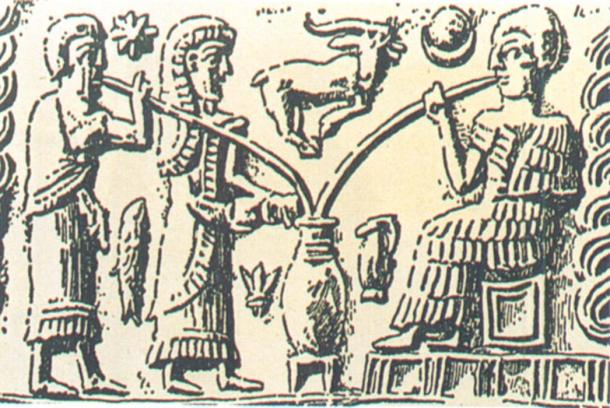
– The resulting drink was thick, porridge-like, and consumed with straws to avoid sediment.
– Large clay vats, fermentation jars, and brewing installations have been found in archaeological sites, showing an advanced understanding of fermentation.

Economic and Social Impact

– Beer production supported a wide network of workers, including farmers, maltsters, brewers, transporters, and temple administrators.
– Beer was essential in trade, taxation, and temple redistribution systems.
– The beverage helped shape early urban economies and contributed to social cohesion in ancient cities.

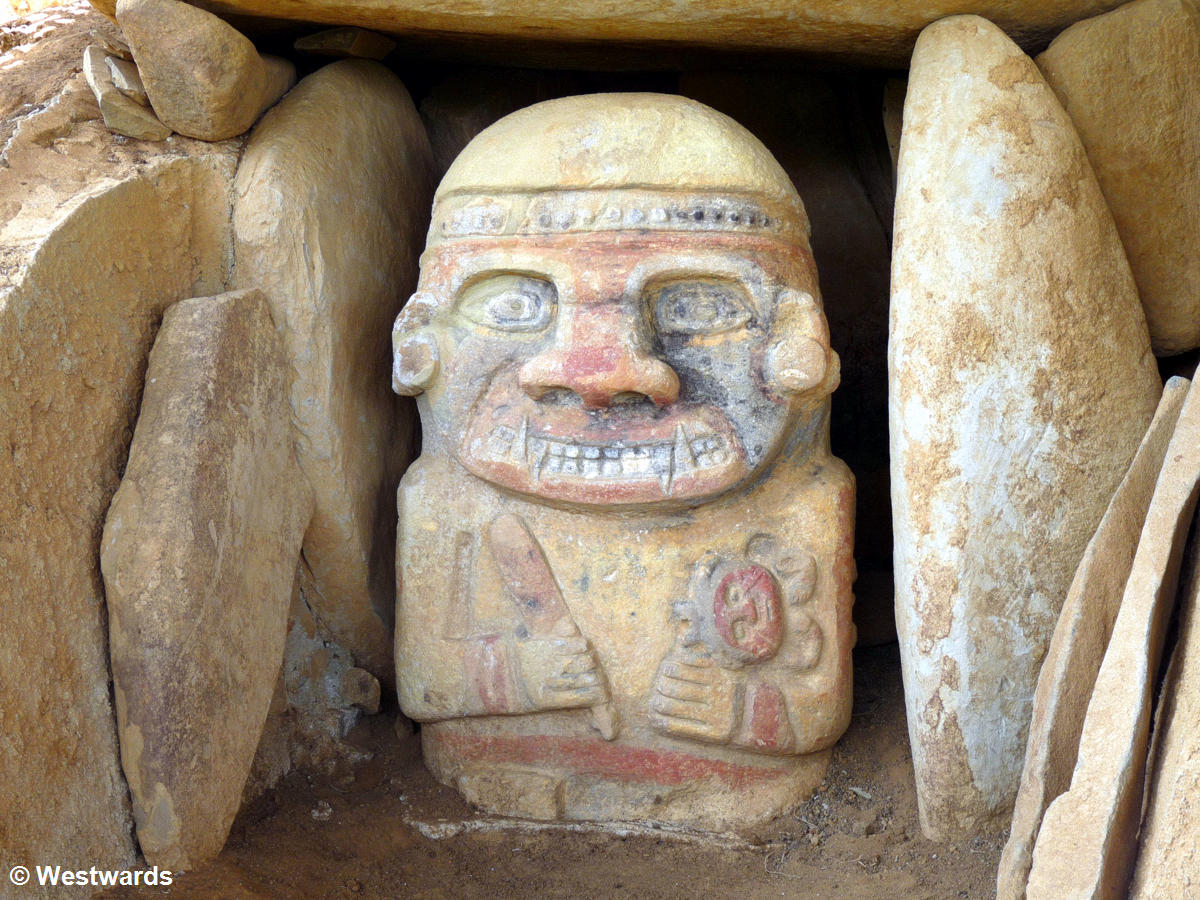
The Stone Giants of San Agustín, Colombia

December 11, 2025

Mysterious Origins of the Sculptures

– The stone statues of San Agustín, carved between 1 CE and 900 CE, were created by a culture whose identity remains largely unknown.
– These monumental figures range from 1 to 7 meters in height, some depicting warriors, shamans, deities, and zoomorphic guardians.
– The absence of written records has left scholars uncertain about the cultural purpose or spiritual meaning behind the sculptures.

Symbolism and Artistic Style

– Many statues incorporate fierce expressions, exaggerated facial features, and intricate carvings representing jaguars, snakes, birds, and mythical hybrids.
– The figures were positioned as guardians near burial mounds, indicating they likely served a protective or ritual function.
– The repeated appearance of fangs, clawed hands, and supernatural traits suggests a belief system centered on transformation, shamanic power, and the afterlife.

Archaeological Context

– Excavations revealed that the statues were arranged as part of complex ceremonial centers featuring tombs, terraces, and processional paths.
– Some statues align with cosmic directions, hinting at astronomical significance or seasonal rituals.
– Stone monuments were often placed at entrances to sacred sites, symbolizing thresholds between the living world and ancestral realms.

Cultural Importance Today

– San Agustín Archaeological Park is a UNESCO World Heritage Site, preserving the largest collection of megalithic sculptures in South America.
– The stone giants offer rare insights into a civilization that vanished long before European contact.
– Scholars continue to study the statues to understand South America’s prehistoric religious systems and artistic traditions.

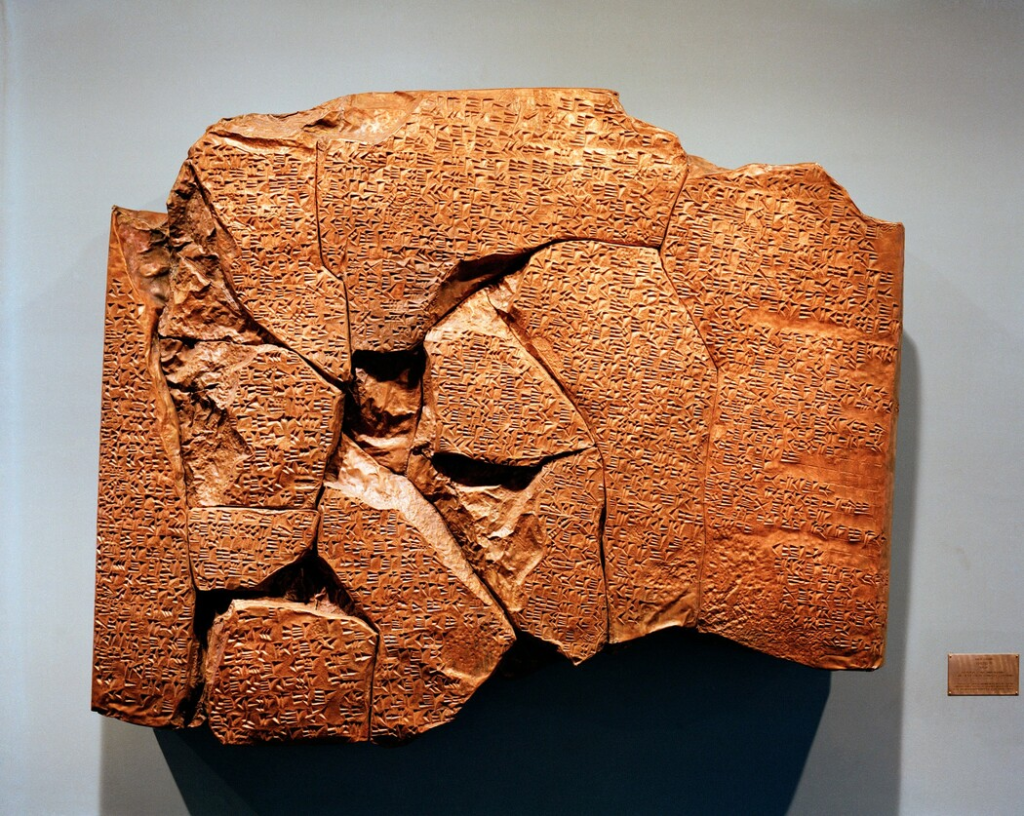
The World’s First Peace Treaty: Egypt and the Hittites

December 11, 2025

Historical Context of the Conflict

– The Egyptian and Hittite empires were two of the most powerful states of the Late Bronze Age, often clashing over control of Syria and key trade routes.
– Their rivalry reached a peak during the Battle of Kadesh (1274 BCE), one of the largest chariot battles ever recorded.
– Despite both sides claiming victory, neither empire gained a decisive advantage, leading to decades of costly military tension that exhausted resources on both sides.

Creation of the Peace Treaty

– Around 1259 BCE, the kingdoms recognized the need for stability and diplomatic cooperation, resulting in the world’s first known written peace treaty.
– The treaty was inscribed on clay tablets in cuneiform and on silver tablets in Egyptian hieroglyphs, ensuring the document could be preserved and shared between both courts.
– The agreement was negotiated directly between Pharaoh Ramesses II and Hittite King Hattušili III, who sought political legitimacy and regional security.

Key Terms and Diplomatic Agreements

– The treaty declared a formal end to hostilities and a promise of eternal peace between the two nations.
– Both sides agreed on mutual defense obligations, pledging to support each other in the event of internal rebellion or foreign invasion.
– Extradition clauses were included to ensure fugitives or political refugees would be returned, with guarantees they would not be harmed.

Legacy of the Treaty

– The treaty set the foundation for improved political relations, later strengthened by diplomatic marriages between Egyptian royalty and Hittite princesses.
– It became a landmark in the history of diplomacy, representing one of the earliest examples of international law.
– A replica of the treaty now hangs in the United Nations headquarters, symbolizing ancient contributions to modern peacekeeping principles.

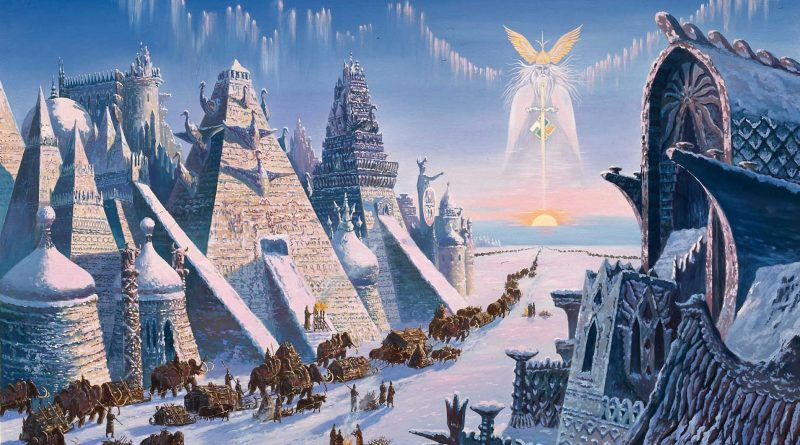
The Mythical Land of Hyperborea

December 10, 2025

Greek Legends of a Paradise Beyond the North Wind

Origins of the Myth
Hyperborea appears in Greek mythology as a distant, idyllic land beyond the north wind (Boreas). Described as eternally sunny, fertile, and free from disease, it captured the imagination of ancient poets and philosophers.

Cultural Significance
The myth represented ideals of harmony with nature, longevity, and divine favor. Greek writers associated Hyperborea with sacred rituals and offerings to Apollo, linking geography with spirituality.

Interpretations and Influence
Some scholars suggest Hyperborea reflects early exploration narratives, cultural memory, or symbolic utopias. It influenced literature, art, and philosophical ideas about paradise and human aspiration.

Legacy
Hyperborea remains a symbol of an unreachable utopia, illustrating how mythology conveys cultural values, environmental imagination, and the human desire for perfection.

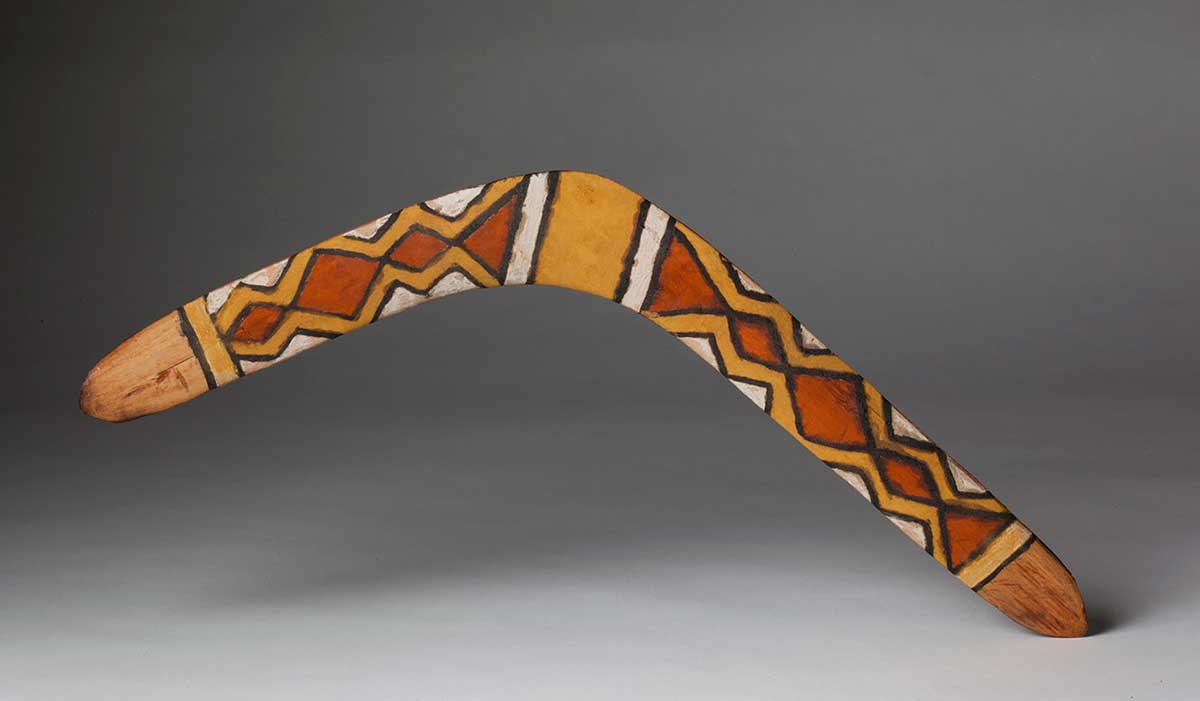
The Ancient Boomerangs of Aboriginal Australia

December 10, 2025

Origins, Technology, and Cultural Use

Historical Origins
Boomerangs have been used by Aboriginal Australians for over 10,000 years, serving as hunting tools, ceremonial objects, and symbols of cultural identity.

Construction and Design
Made from carefully selected wood and shaped with aerodynamic precision, boomerangs could be thrown for hunting or sport. Returning boomerangs demonstrated advanced knowledge of physics and environmental conditions.

Cultural and Ceremonial Significance
Beyond practical use, boomerangs were part of initiation rites, storytelling, and dance performances. They reinforced social cohesion, passed knowledge through generations, and connected communities to the land.

Legacy
Boomerangs remain a cultural emblem of Aboriginal ingenuity, blending science, artistry, and spiritual practice.

The Minoan Snake Goddess: Power and Fertility

December 10, 2025

Symbolism and Worship in Ancient Crete

Origins and Discovery
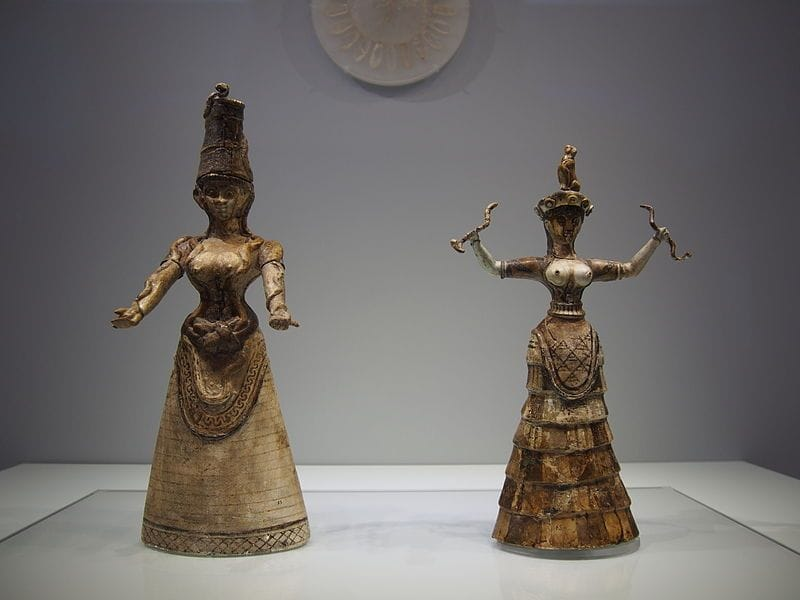
Minoan snake goddess figurines, dating to around 1600 BCE, were discovered at the palace of Knossos. They depict women holding snakes, symbolizing power, protection, and the cycle of life.

Spiritual and Cultural Significance
Snakes were associated with fertility, regeneration, and chthonic deities. The goddess likely represented household protection, agricultural abundance, and divine authority over life and death.

Ritual and Worship
The figurines suggest participation in domestic and ceremonial cults, where rituals involved offerings, dance, and invocations to maintain balance and prosperity.

Legacy
These figurines highlight the Minoans’ religious creativity, emphasizing feminine divinity and the symbolic relationship between humans, animals, and the supernatural.

The Sacred Role of Honey in Ancient Civilizations

December 10, 2025

Medicine, Offerings, and Embalming

Historical Context
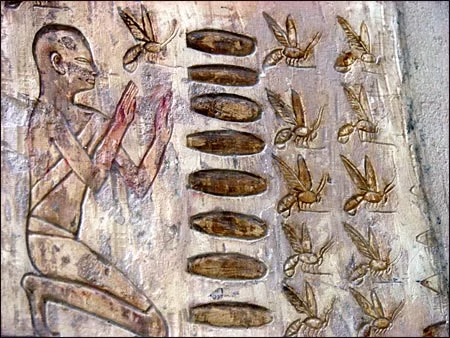
Honey was highly valued across ancient Egypt, Greece, and Mesopotamia for its sweetness, preservative qualities, and medicinal properties. It was considered a gift from the gods and used in rituals, medicine, and food.

Medicinal and Healing Uses
Honey was applied to wounds, mixed with herbs, and consumed to treat ailments like infections, digestive issues, and fevers. Its antibacterial properties made it a critical component in early medical practices.

Religious and Ceremonial Importance
Honey was offered to gods during temple rituals and incorporated into libations and sacred meals. In Egypt, it was sometimes used in embalming to preserve bodies, symbolizing immortality and divine protection.

Cultural Legacy
Honey’s symbolic and practical uses demonstrate how ancient peoples integrated natural resources into spiritual, medicinal, and social life, reflecting their understanding of the environment and divine symbolism.

The Astronomical Precision of Stonehenge

December 10, 2025

Alignment with Solstices and Celestial Events

Construction and Purpose
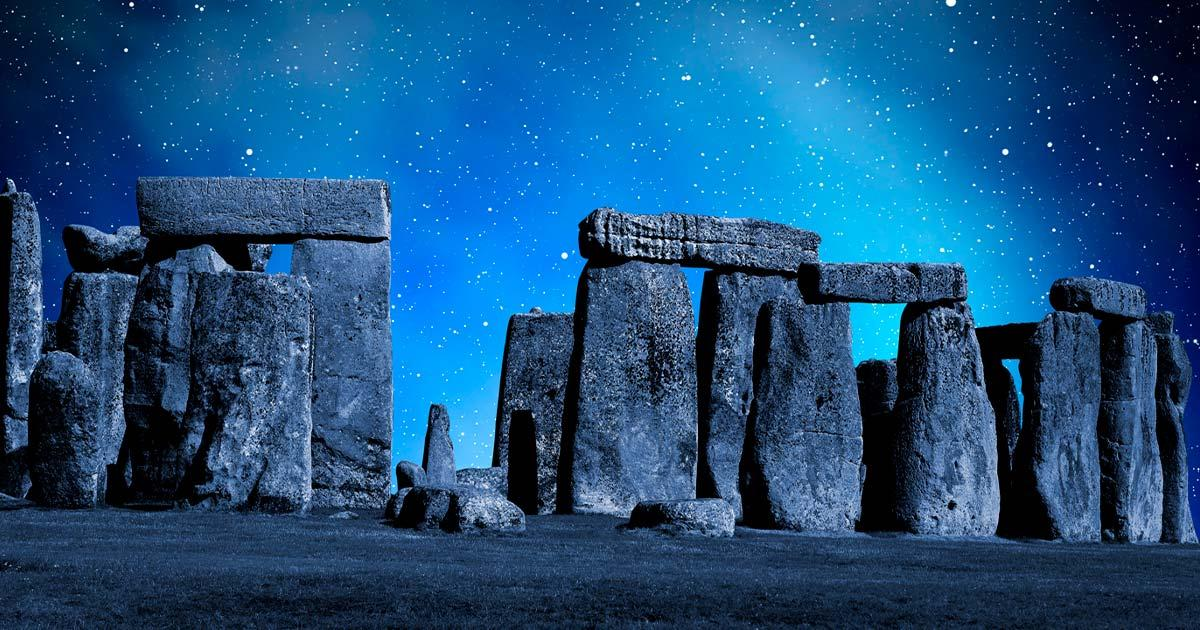
Stonehenge, constructed between 3000–2000 BCE in England, consists of massive sarsen stones and smaller bluestones arranged in concentric circles. Its layout demonstrates advanced knowledge of engineering, astronomy, and ceremonial design.

Celestial Alignments
The monument aligns with sunrise at the summer solstice and sunset at the winter solstice. These alignments suggest Stonehenge functioned as a calendar, agricultural guide, and ritual center, marking seasonal changes vital to prehistoric communities.

Ritual Significance
Stonehenge likely hosted ceremonies related to fertility, death, and ancestor worship. Burials and human remains indicate its sacred function as a gathering place for communal and spiritual events.

Legacy
Stonehenge continues to fascinate researchers and tourists alike. Its astronomical precision reveals the ingenuity of Neolithic societies and their ability to integrate cosmic knowledge into monumental architecture.

The Forgotten City of Hattusa: Capital of the Hittite Empire

December 10, 2025

Massive Walls and Ancient Tablets

Geographical and Political Significance
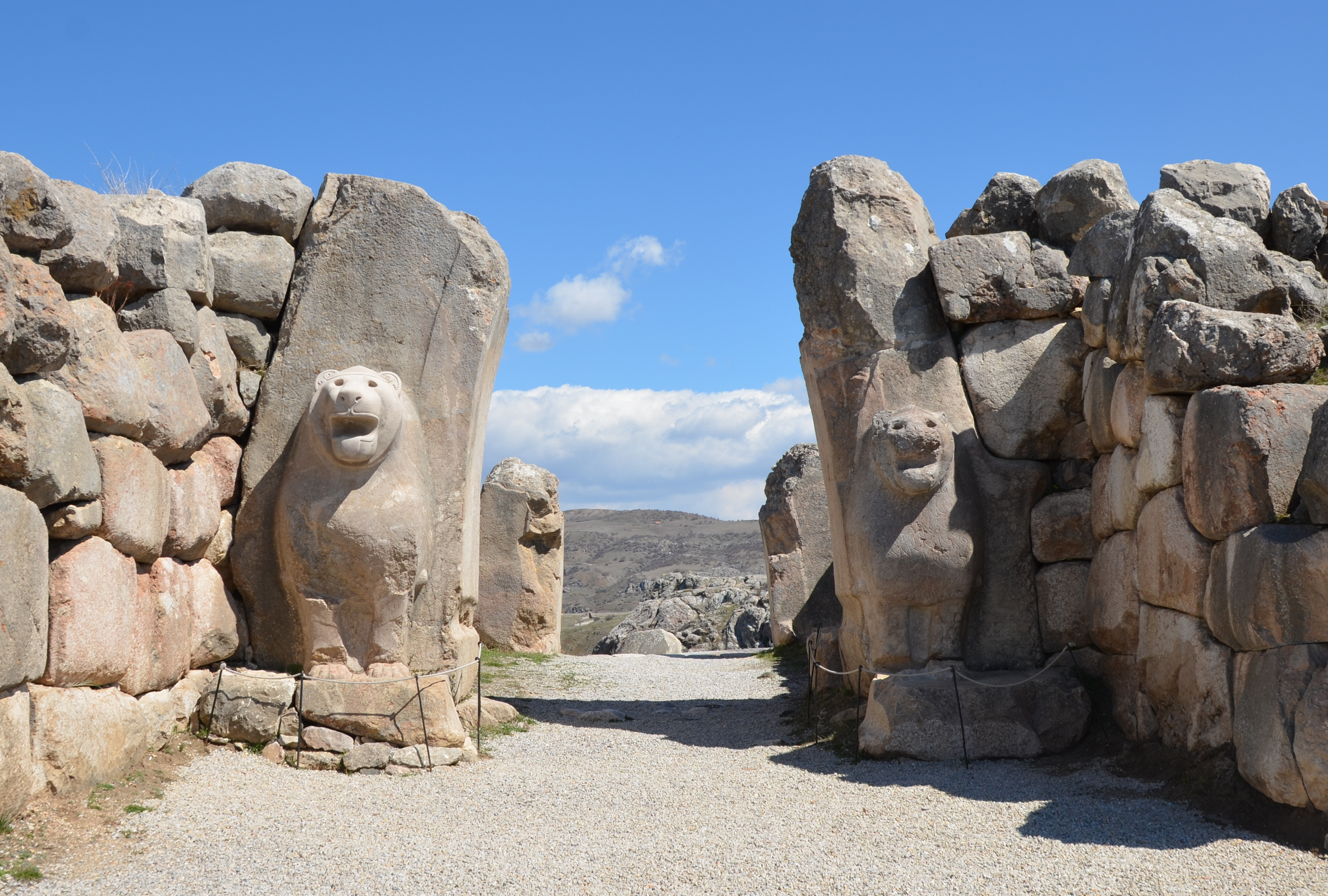
Hattusa, located in modern-day Turkey, served as the Hittite Empire’s capital from around 1600–1200 BCE. Its strategic location enabled control over trade routes and defense against invaders.

Architectural Marvels
The city featured massive stone walls, gates decorated with lion and sphinx motifs, and monumental temples. Residential districts and administrative buildings reflect organized urban planning and the Hittites’ architectural skill.

Cuneiform Tablets and Administration
Thousands of clay tablets discovered at Hattusa reveal laws, treaties, religious texts, and diplomatic correspondence. The city’s archives, including treaties with Egypt, highlight sophisticated governance and international relations.

Religious and Cultural Life
Temples, shrines, and ritual objects show devotion to a pantheon of gods and the integration of religion into daily life. Festivals, sacrifices, and ceremonies reinforced social cohesion and legitimized royal authority.

Legacy
Hattusa provides insight into Hittite military, political, and religious practices, underscoring the complexity and influence of this ancient Anatolian civilization.

The Role of the Sacred Drum in Shamanic Rituals

December 10, 2025

Drumming to Alter Consciousness and Connect with Spirits

Historical and Cultural Context
Shamans across Siberia, Africa, and the Americas used drums as central tools in spiritual practice. Drumming created rhythmic patterns that induced trance states, facilitating communication with spirits, ancestors, and the natural world.

Techniques and Symbolism
Shamans used animal hides stretched over wooden frames, often decorated with symbolic motifs representing cosmology, protection, or power. Each beat carried intent—healing, divination, or journeying into spirit realms.

Ritual Applications
Drums accompanied dances, chants, and offerings, guiding participants into altered states of consciousness. Shamans interpreted visions, sought guidance, and healed individuals through these sound-based rituals.

Legacy and Influence
The sacred drum remains central in modern indigenous and neo-shamanic practices. Its use highlights the universal human desire to connect with the unseen, manipulate consciousness, and reinforce social and spiritual bonds.

← Newer Posts Older Posts →
Featured
image_2026-05-04_224537305.png
May 6, 2026
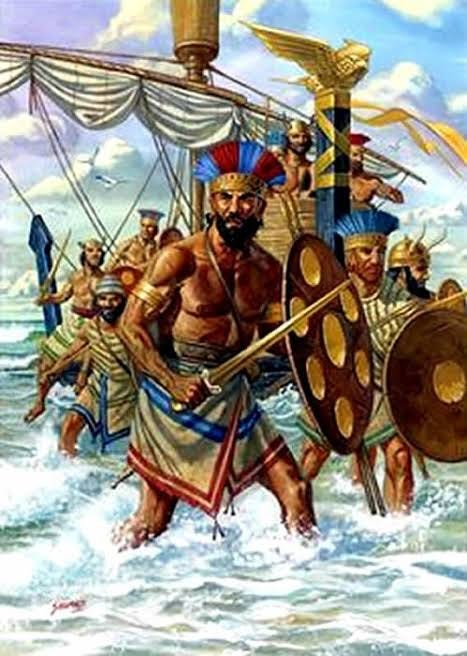
The Sea Peoples: Identifying the Mysterious Confederation That Ended the Bronze Age
May 6, 2026
Read More →
May 6, 2026
image_2026-05-04_224308690.png
May 6, 2026
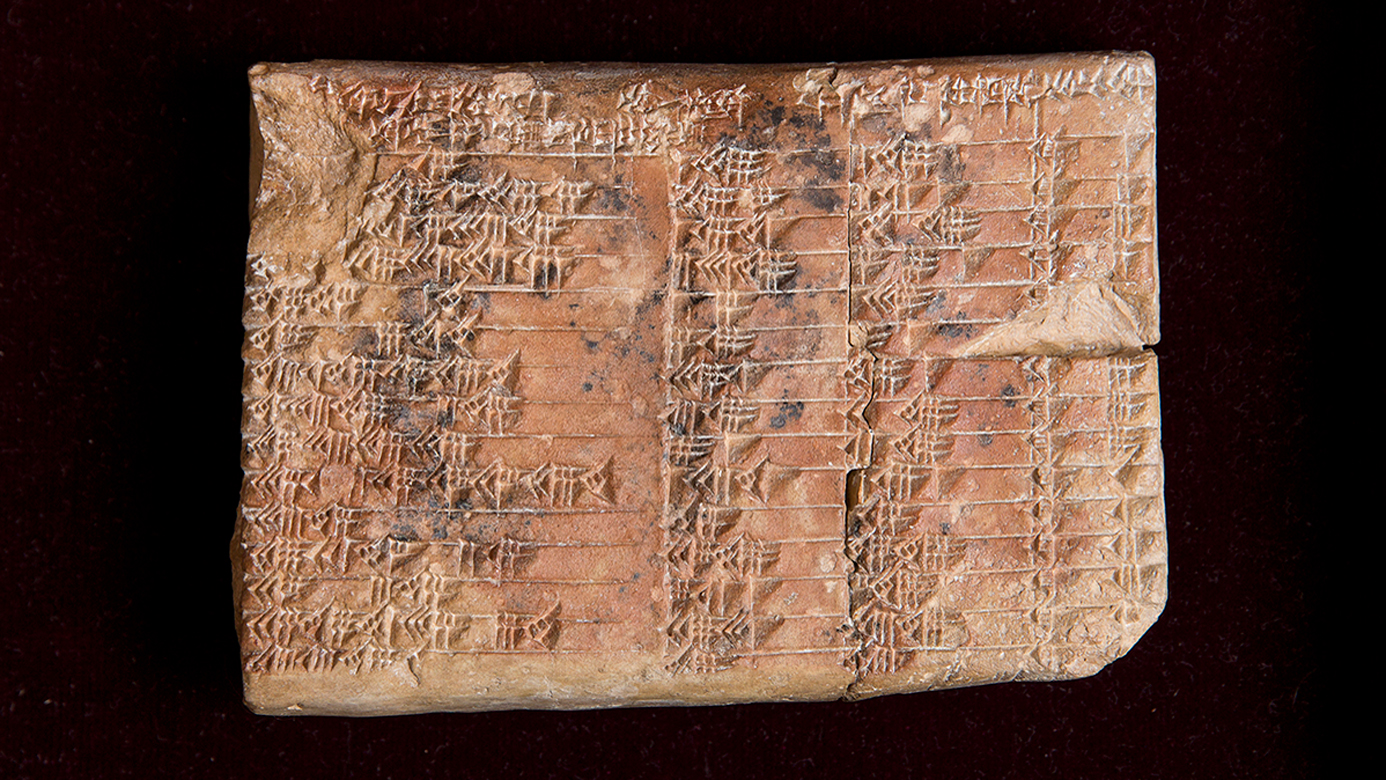
Ancient Babylonian Mathematics: Did They Discover Trigonometry Before the Greeks?
May 6, 2026
Read More →
May 6, 2026
image_2026-05-04_224155989.png
May 6, 2026
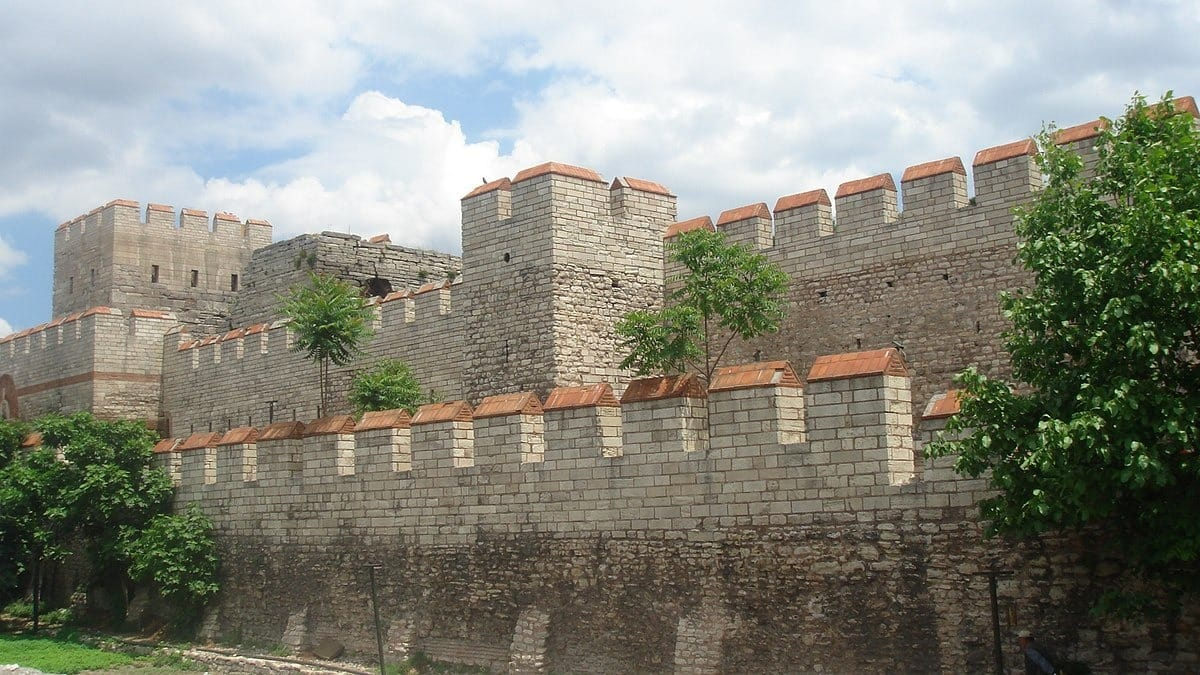
The Walls of Constantinople: The Engineering That Withstood a Thousand Years
May 6, 2026
Read More →
May 6, 2026
image_2026-05-04_224021831.png
May 5, 2026
Viking Runes in Constantinople: The Graffiti of the Varangian Guard
May 5, 2026
Read More →
May 5, 2026
image_2026-05-04_223927240.png
May 5, 2026
The Battle of the Nations: Finding the Missing Warriors of the Napoleonic Era
May 5, 2026
Read More →
May 5, 2026
image_2026-05-04_223846107.png
May 5, 2026
Ancient Egyptian Cosmetics: The Chemical Analysis of Kohl and Galena
May 5, 2026
Read More →
May 5, 2026
read more

Powered by The archaeologist