• MAIN PAGE
  • LATEST NEWS
    • Lost Cities
    • Archaeology's Greatest Finds
    • Underwater Discoveries
    • Greatest Inventions
    • Studies
    • Blog
  • PHILOSOPHY
  • HISTORY
  • RELIGIONS
    • Africa
    • Anatolia
    • Arabian Peninsula
    • Balkan Region
    • China - East Asia
    • Europe
    • Eurasian Steppe
    • Levant
    • Mesopotamia
    • Oceania - SE Asia
    • Pre-Columbian Civilizations of America
    • Iranian Plateau - Central Asia
    • Indus Valley - South Asia
    • Japan
    • The Archaeologist Editor Group
    • Scientific Studies
    • Aegean Prehistory
    • Historical Period
    • Byzantine Middle Ages
    • Predynastic Period
    • Dynastic Period
    • Greco-Roman Egypt
  • Rome
  • PALEONTOLOGY
  • About us
Menu

The Archaeologist

  • MAIN PAGE
  • LATEST NEWS
  • DISCOVERIES
    • Lost Cities
    • Archaeology's Greatest Finds
    • Underwater Discoveries
    • Greatest Inventions
    • Studies
    • Blog
  • PHILOSOPHY
  • HISTORY
  • RELIGIONS
  • World Civilizations
    • Africa
    • Anatolia
    • Arabian Peninsula
    • Balkan Region
    • China - East Asia
    • Europe
    • Eurasian Steppe
    • Levant
    • Mesopotamia
    • Oceania - SE Asia
    • Pre-Columbian Civilizations of America
    • Iranian Plateau - Central Asia
    • Indus Valley - South Asia
    • Japan
    • The Archaeologist Editor Group
    • Scientific Studies
  • GREECE
    • Aegean Prehistory
    • Historical Period
    • Byzantine Middle Ages
  • Egypt
    • Predynastic Period
    • Dynastic Period
    • Greco-Roman Egypt
  • Rome
  • PALEONTOLOGY
  • About us

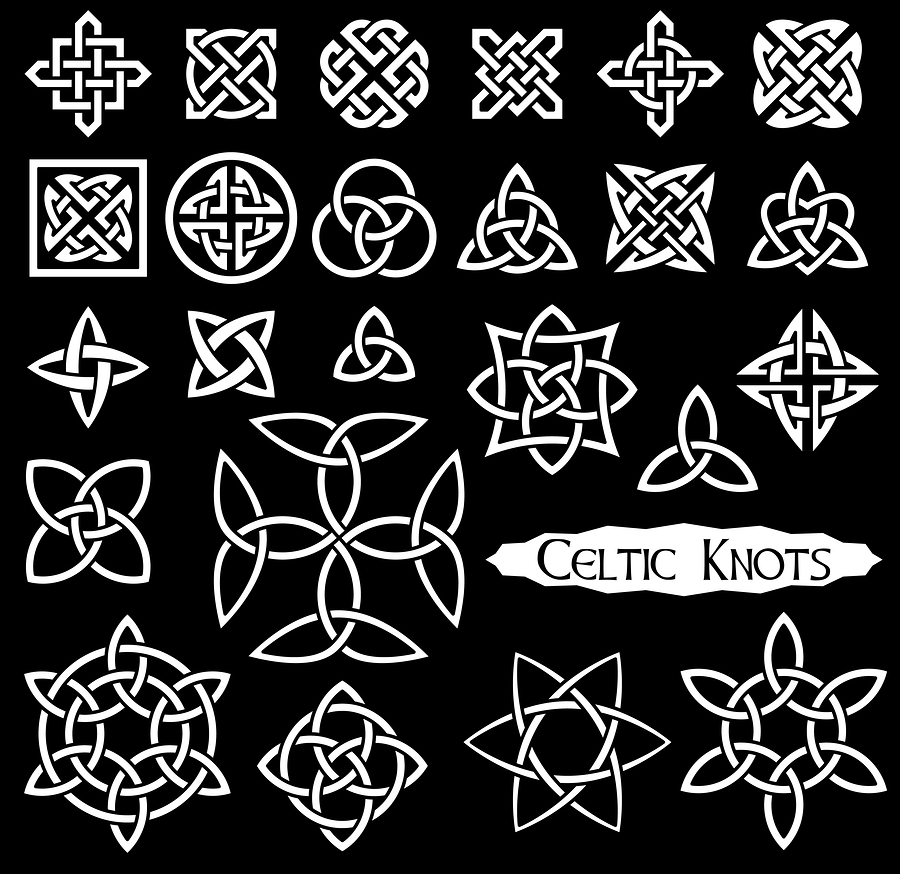
The Celtic Knot: Symbolism and Meaning

December 27, 2025

The Celtic knot is one of the most recognizable symbols of ancient Celtic culture. Characterized by endless, interwoven lines with no clear beginning or end, the knot represents eternity, continuity, and the interconnectedness of life. These designs appeared in metalwork, stone carvings, and illuminated manuscripts.

For the Celts, who believed deeply in cycles of nature, the knot symbolized the eternal flow between life, death, and rebirth. It reflected their worldview, which emphasized harmony between humans, the natural world, and the spiritual realm. Each knot pattern carried layered meanings rather than a single interpretation.

Celtic knots were also associated with protection and spiritual power. Warriors wore knot designs into battle, believing they offered divine protection. Later, Christian monks adopted these designs, blending pagan symbolism with Christian theology in manuscripts like the Book of Kells.

Today, Celtic knots remain enduring symbols of heritage, spirituality, and unity. Their survival demonstrates the lasting influence of Celtic artistic and philosophical traditions.

The Ancient City of Babylon

December 27, 2025

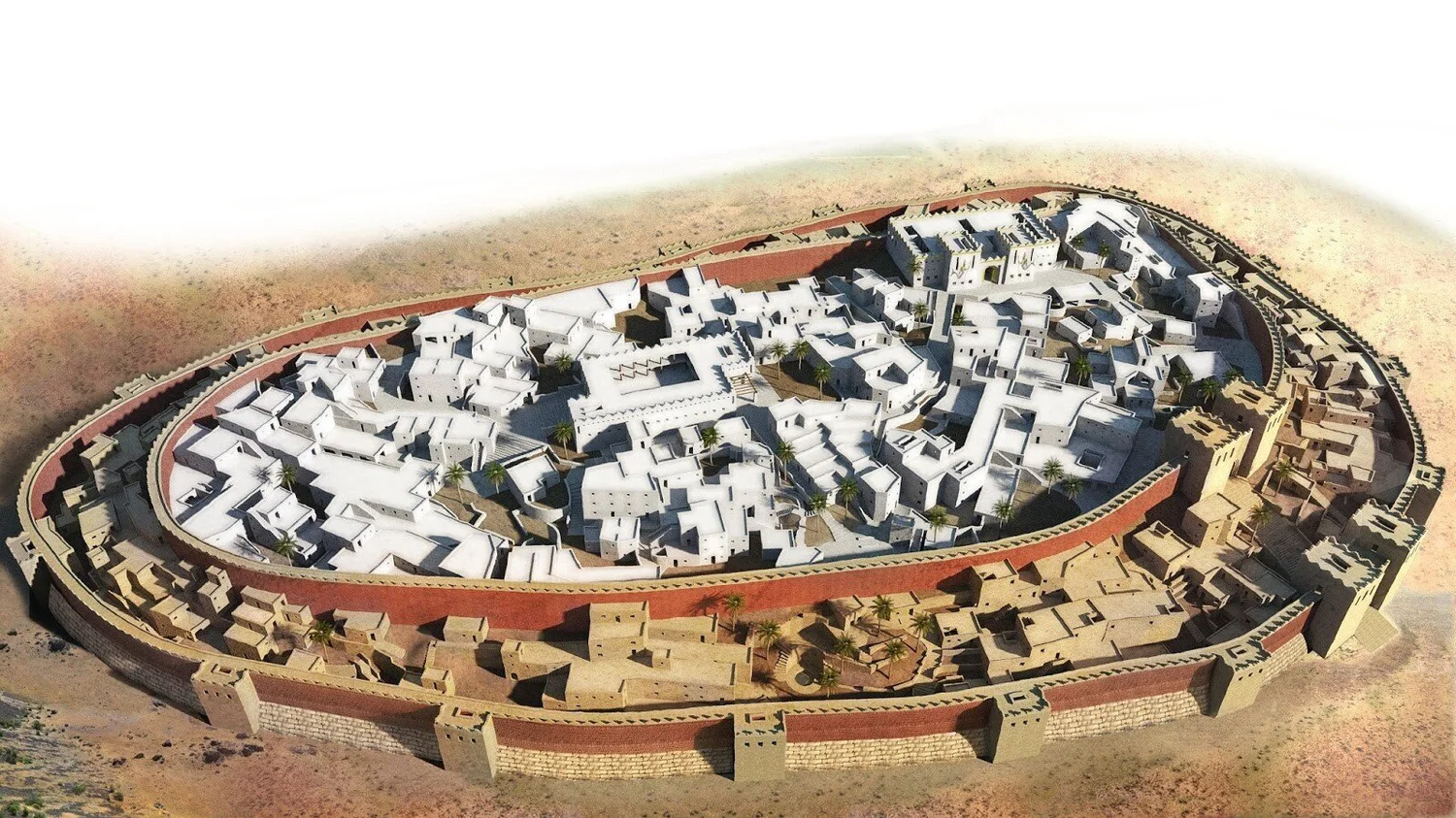
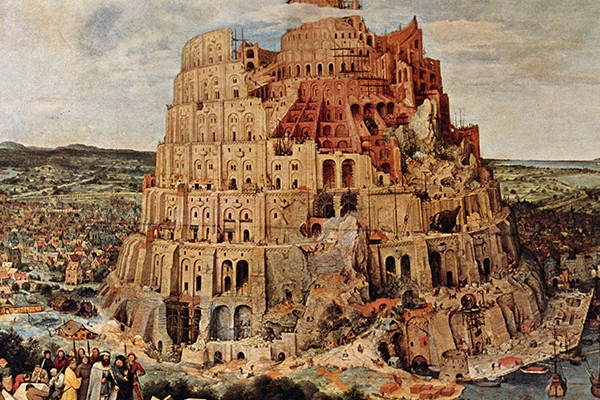
Babylon was one of the most influential cities of the ancient world, located along the Euphrates River in Mesopotamia. It rose to prominence under King Hammurabi, whose legal code became a foundation for governance and justice. The city later reached its height under Nebuchadnezzar II.

Architecturally, Babylon was famous for its massive walls, ceremonial gates, and monumental ziggurats. The most renowned structure was the Etemenanki ziggurat, believed by many scholars to be the inspiration for the biblical Tower of Babel. These towering structures symbolized the connection between heaven and earth.

Babylon was also a center of science, astronomy, and literature. Scholars developed advanced mathematical systems and recorded celestial movements that influenced later Greek astronomy. The city’s scribes preserved myths, omens, and historical records on clay tablets.

Politically and culturally, Babylon represented imperial power and divine favor. Its eventual fall to the Persians marked the end of an era, but its legacy continued to shape religion, law, and myth across civilizations.

The Ritual Masks of the Ancient World

December 27, 2025

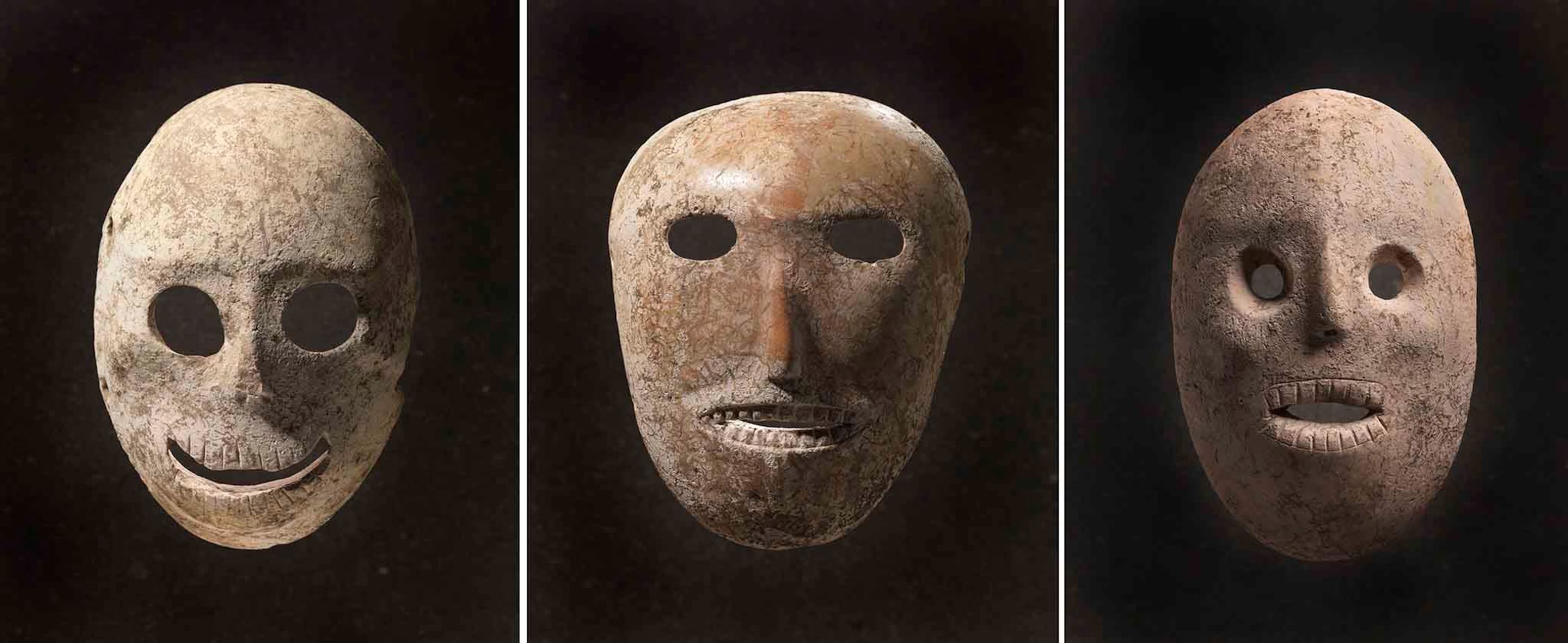
Ritual masks played a vital role in ancient religious and ceremonial practices across many civilizations. In Africa, masks were believed to allow wearers to embody spirits, ancestors, or gods during dances and rites. These masks were not mere decorations but sacred objects imbued with spiritual power.

In ancient Greece, masks were central to theatrical performances that originated as religious rituals honoring Dionysus. Actors used masks to represent gods, heroes, and mythical creatures, allowing a single performer to portray multiple roles. The exaggerated expressions helped convey emotions to large audiences while reinforcing mythological narratives.

In Japan, ritual masks were used in Shinto ceremonies and later in Noh theater. These masks symbolized gods, demons, women, and spirits, often designed to appear emotionally dynamic depending on the angle of light. Their use reflected Japanese beliefs about impermanence and spiritual presence.

In the Americas, particularly among the Maya and Aztec, masks were used in funerary rituals and ceremonies linked to cosmic cycles. Jade, obsidian, and turquoise masks represented transformation and rebirth. Across cultures, ritual masks served as tools for crossing boundaries between the human and divine worlds.

The Ancient Legend of Gilgamesh and Enkidu

December 27, 2025

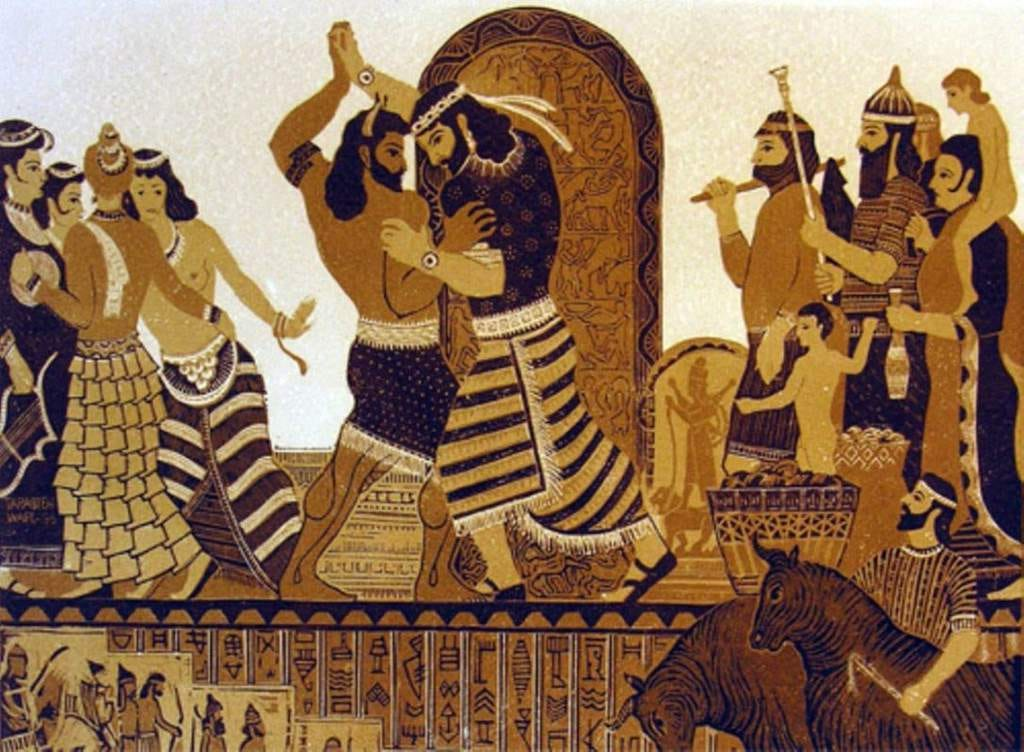
The story of Gilgamesh and Enkidu forms the emotional and moral core of the Epic of Gilgamesh, the oldest surviving literary work in human history. Set in ancient Mesopotamia, the epic explores themes of friendship, power, mortality, and the search for meaning. Gilgamesh, king of Uruk, begins the story as a powerful but tyrannical ruler who abuses his authority.

The gods create Enkidu, a wild man raised among animals, to challenge Gilgamesh and restore balance. Their initial battle ends not in death but in mutual respect, leading to one of the earliest depictions of deep male friendship in literature. Enkidu becomes Gilgamesh’s moral anchor, helping to temper his arrogance and guiding him toward heroic rather than selfish acts.

Together, they undertake dangerous quests, including the defeat of Humbaba, guardian of the Cedar Forest, and the killing of the Bull of Heaven. These victories, however, anger the gods. As punishment, Enkidu is sentenced to die, a turning point that profoundly transforms Gilgamesh.

Enkidu’s death forces Gilgamesh to confront his own mortality. His grief drives him on a futile journey to seek eternal life, ultimately teaching him that immortality lies not in physical survival but in legacy and wisdom. Their friendship remains one of the earliest literary examples of how human bonds shape identity and growth.

The Mysterious Socotra Island in Antiquity

December 27, 2025

Socotra Island, located in the Arabian Sea near the Horn of Africa, has long fascinated ancient travelers due to its isolation and unusual natural features. Known to Greek and Roman writers as Dioscorida, the island was strategically positioned along major maritime trade routes connecting the Mediterranean, Arabia, India, and East Africa. Because of this location, Socotra became an important stopover for merchants navigating the monsoon winds of the Indian Ocean.

Ancient texts describe Socotra as a land rich in valuable natural resources, particularly frankincense, myrrh, aloe resin, and dragon’s blood—a deep red sap used in medicine, dyes, and rituals. These commodities made the island economically significant despite its small population. Merchants from Egypt, Rome, Persia, and India interacted with the island’s inhabitants, creating a unique blend of cultural influences.

Socotra was also surrounded by myth and mystery. Classical writers believed the island was inhabited by strange creatures and protected by supernatural forces. Some legends claimed it was settled by descendants of Alexander the Great, while others linked it to ancient serpent cults due to its unusual flora and fauna. These myths enhanced the island’s reputation as both sacred and dangerous.

Archaeological evidence shows that Socotra hosted early Christian communities, likely introduced by traders from the Near East. This religious presence demonstrates how the island functioned as a crossroads of belief systems as well as commerce. Even in antiquity, Socotra stood as a rare example of isolation combined with global connectivity.

The Hellenistic Libraries of the Ancient World

December 27, 2025

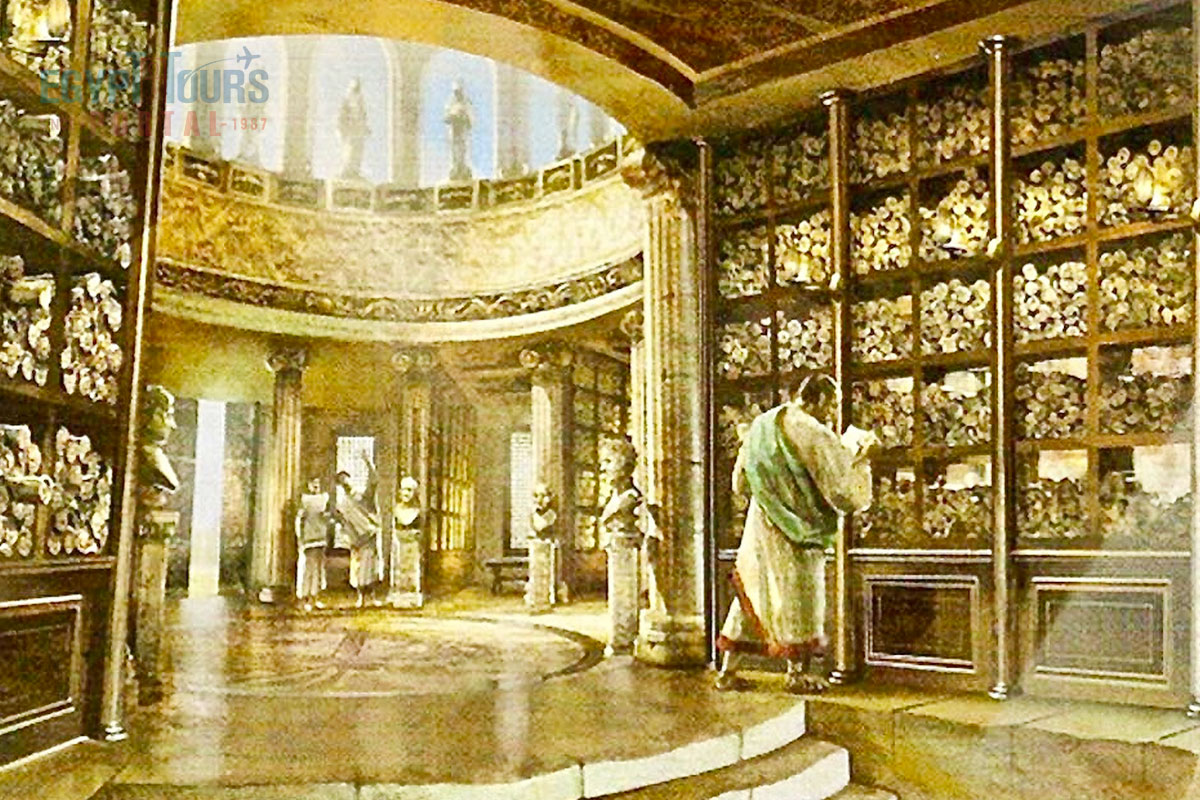
The Hellenistic period saw the rise of major libraries that preserved and expanded human knowledge. The Library of Alexandria was the most famous, aiming to collect all known written works. Scholars from across the Mediterranean studied mathematics, medicine, astronomy, and philosophy there.

Pergamon rivaled Alexandria, especially after restrictions on papyrus trade led to the development of parchment. This innovation transformed book production and preservation. Antioch also emerged as a center of learning, supporting scientific and philosophical inquiry.

These libraries were more than storage spaces; they were research institutions that encouraged debate, experimentation, and scholarship. They played a critical role in advancing science and literature.

Although most Hellenistic libraries were eventually destroyed, their legacy shaped education, knowledge preservation, and intellectual culture in the ancient and modern worlds.

The Ancient Oracle of Siwa

December 27, 2025

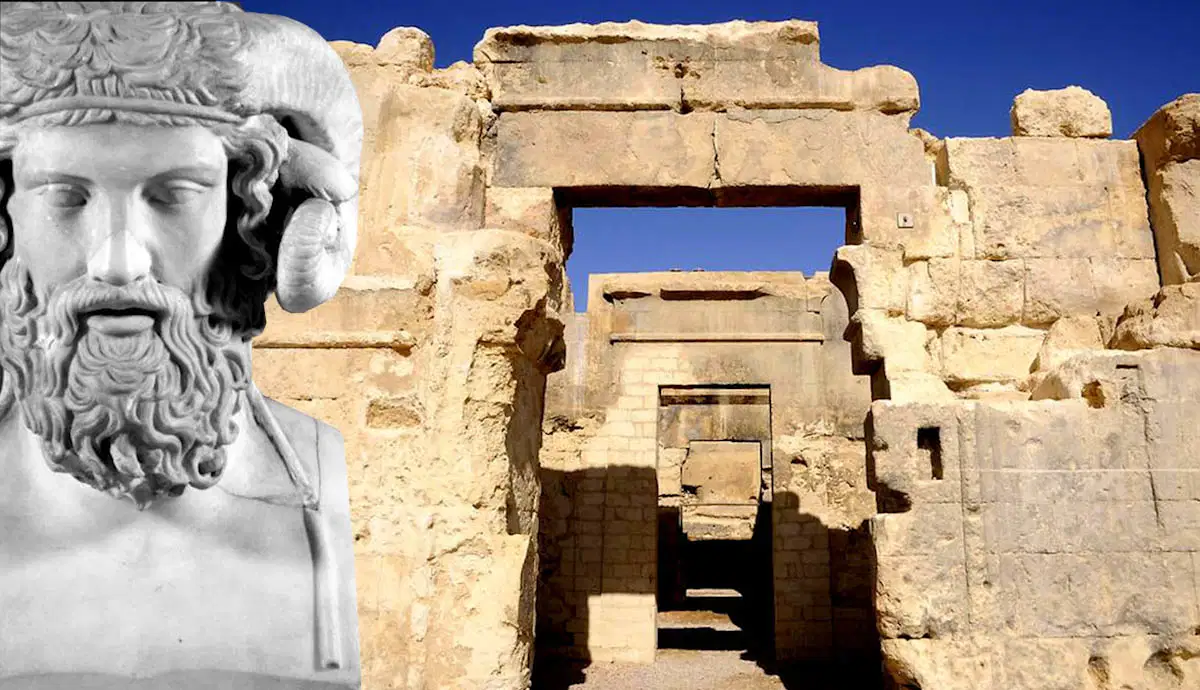
The Oracle of Siwa, located in the Western Desert of Egypt, was one of the most famous oracles in the ancient world. Dedicated to the god Amun, it attracted visitors seeking divine guidance on political and personal matters.

Egyptians believed Amun spoke through the oracle, reinforcing royal authority and religious legitimacy. Greek travelers later identified Amun with Zeus, blending religious traditions and expanding the oracle’s influence.

Alexander the Great famously visited the Oracle of Siwa, where he was reportedly declared the son of Zeus -Amun. This declaration strengthened his claim to rule Egypt and unified Greek and Egyptian beliefs.

The oracle exemplifies religious syncretism and the political power of spiritual authority in the ancient world. Its influence extended across cultures and centuries.

The Megalithic Temples of Malta

December 27, 2025

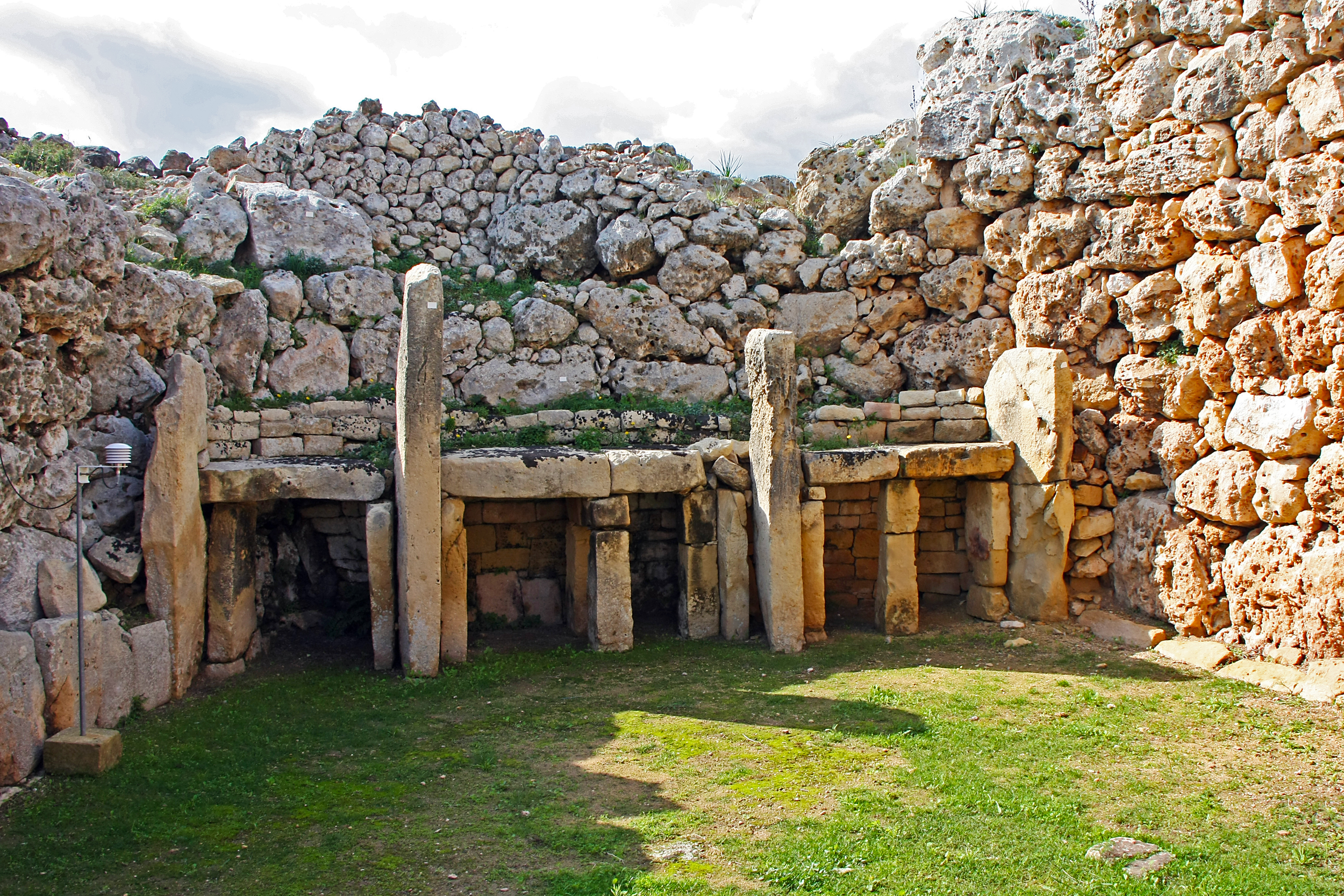
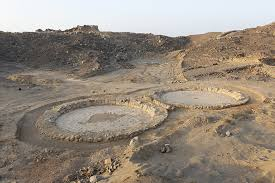
The megalithic temples of Malta, built between 3600 and 2500 BCE, are among the oldest free-standing stone structures in the world. These massive temples predate Stonehenge and the Egyptian pyramids, demonstrating advanced architectural knowledge in prehistoric Europe.

Constructed from large limestone blocks, the temples feature curved walls, central chambers, and aligned entrances. Archaeological evidence suggests they were used for ritual and religious purposes, possibly related to fertility and seasonal cycles.

Artifacts found within the temples, including figurines and altars, support the idea that they were sacred spaces. The precise stonework indicates careful planning and communal labor, reflecting a complex and organized society.

The temples of Malta provide valuable insight into early religious architecture and prehistoric belief systems. Their preservation highlights the sophistication of ancient builders long before written history.

The Bronze Mirrors of Ancient China

December 27, 2025

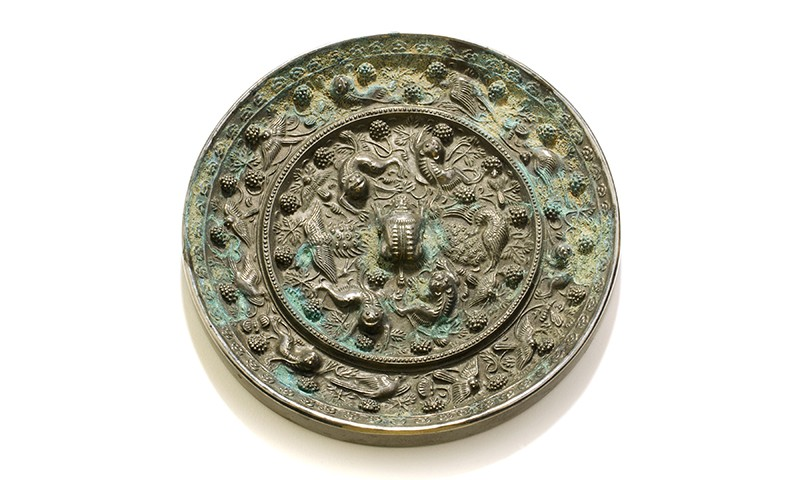
Bronze mirrors were important ritual and social objects in ancient China, particularly during the Zhou and Han dynasties. Crafted from polished bronze alloys, these mirrors reflected not only images but also symbolic meaning related to spirituality and protection.

The backs of bronze mirrors were often decorated with intricate designs, including geometric patterns, mythical creatures, and cosmological symbols. These designs reflected beliefs about harmony, balance, and the structure of the universe. Mirrors were believed to ward off evil spirits and bring good fortune.

Producing bronze mirrors required advanced metallurgical skills. Artisans carefully controlled alloy composition and casting techniques, demonstrating China’s technological sophistication. Mirrors were often buried with the dead, highlighting their role in the afterlife.

Beyond practical use, bronze mirrors served as cultural expressions of belief, power, and artistry. Their enduring presence in tombs and museums reflects their importance in ancient Chinese society.

The Oldest Known Surgery Techniques

December 27, 2025

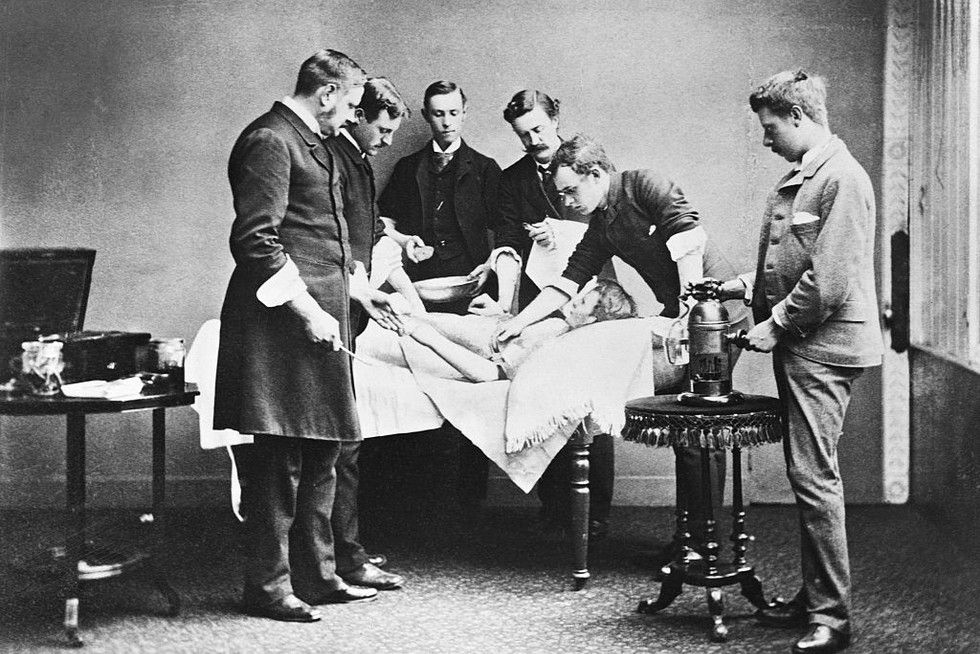
Trepanation is one of the oldest known surgical procedures, dating back to prehistoric times. It involved drilling or scraping a hole into the skull, often to treat head injuries, relieve pressure, or expel evil spirits believed to cause illness. Evidence of trepanation has been found across Europe, Africa, and the Americas.

Archaeological remains show that many patients survived the procedure, as indicated by bone healing. This suggests that early humans possessed practical medical knowledge and post-operative care techniques. Tools made from stone, obsidian, or metal were carefully shaped for surgical use.

Early surgery was closely tied to spiritual beliefs. Illness was often viewed as a supernatural affliction, so surgical intervention combined physical treatment with ritual healing. Shamans or healers likely played a dual role as spiritual and medical practitioners.

These early surgical practices demonstrate the ingenuity and adaptability of ancient societies. They laid the foundation for later medical advancements and reveal a surprisingly sophisticated understanding of the human body.

The Role of the Jaguar in Mesoamerican Religion

December 27, 2025

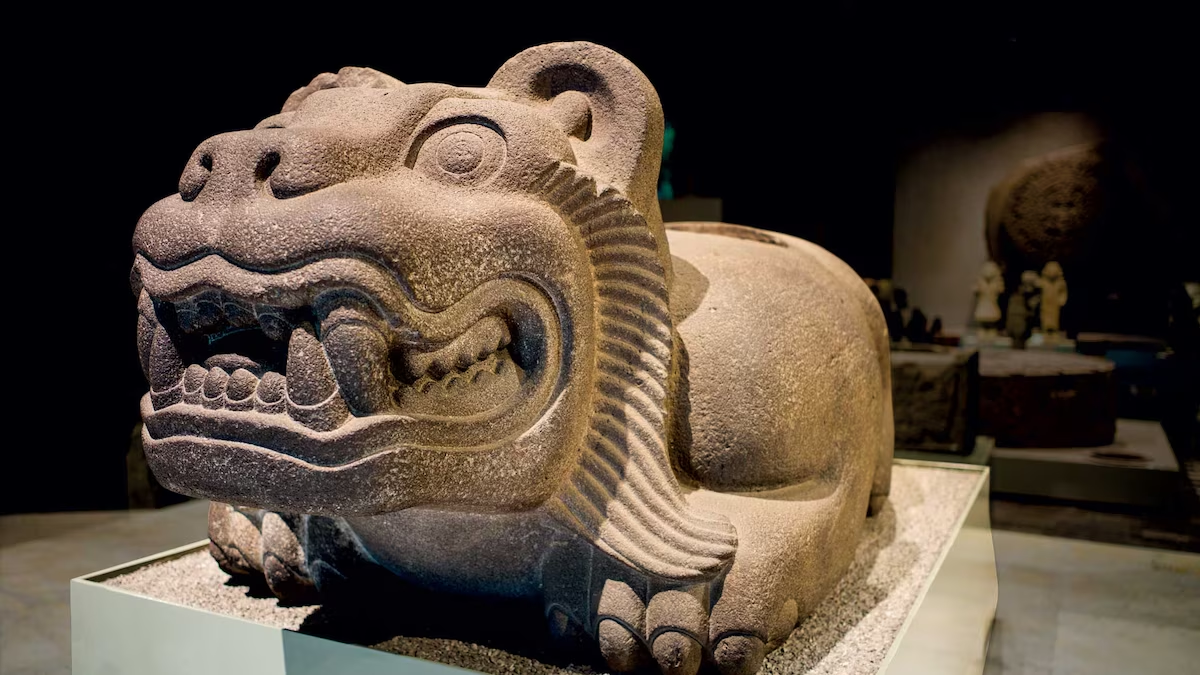
The jaguar held deep spiritual significance in Mesoamerican civilizations, especially among the Olmec and Maya. As the most powerful predator in the region, the jaguar symbolized strength, authority, and supernatural power. Its ability to move silently and hunt at night connected it to mystery and the spirit world.

Among the Olmec, often considered the “mother culture” of Mesoamerica, jaguar imagery appeared in sculptures and carvings. These often depicted human-jaguar hybrids, suggesting a belief in transformation and divine ancestry. The jaguar was associated with rain, fertility, and the earth.

In Maya religion, the jaguar was linked to kingship and the underworld. Maya rulers often wore jaguar skins or adopted jaguar names to emphasize their divine authority. The jaguar was also associated with the night sun, representing rebirth and the cycle of life and death.

The jaguar’s religious role reflects how Mesoameric an cultures viewed nature as sacred and interconnected with human life. Its symbolism reinforced political power, religious belief, and cosmic balance.

The Ancient City of Persepolis

December 27, 2025

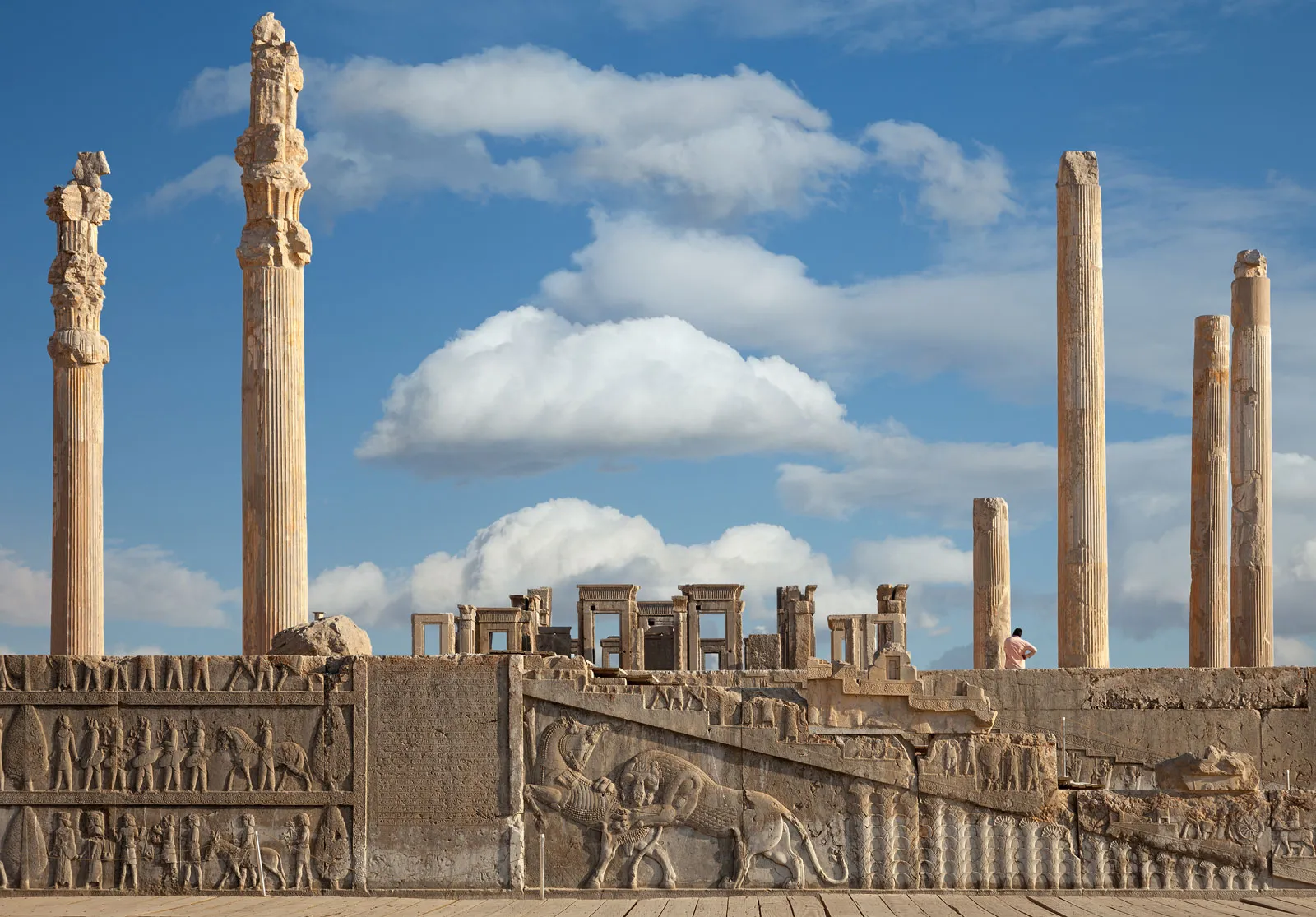
Persepolis was the ceremonial capital of the Achaemenid Persian Empire, founded by Darius I around 518 BCE. Built on a massive stone terrace, the city was designed to showcase imperial power and unity. It was not a residential capital but a ceremonial center used for important events such as Nowruz, the Persian New Year.

The architecture of Persepolis combined artistic influences from across the empire, including Mesopotamian, Egyptian, and Greek styles. Grand staircases, towering columns, and intricately carved reliefs depicted tribute-bearing delegations from different regions. These images symbolized harmony, diversity, and loyalty within the empire.

Reliefs also emphasized order rather than violence, presenting the Persian king as a just and benevolent ruler. This contrasted with Assyrian art, which often depicted warfare. Persepolis thus served as a visual statement of imperial ideology and political legitimacy.

Although destroyed by Alexander the Great in 330 BCE, Persepolis remains one of the most important archaeological sites in Iran. Its ruins provide insight into Persian governance, artistry, and the cultural integration that sustained one of the ancient world’s largest empires.

The First Legal Codes: Hammurabi’s Laws

December 27, 2025

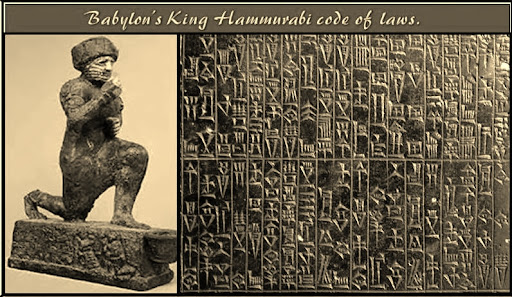
Hammurabi’s Code, created around 1754 BCE in ancient Babylon, is one of the earliest known written legal systems. Carved into a tall stone stele, the code contained nearly 300 laws addressing crimes, trade, family matters, and social responsibilities. Its public display emphasized that laws applied across society, not just through royal command.

The structure of the code followed a clear format: a statement of the offense, followed by a specific punishment. Many laws followed the principle of “an eye for an eye,” reflecting the belief in proportional justice. However, punishments varied depending on social class, revealing the hierarchical nature of Babylonian society.

Hammurabi presented himself as a divinely chosen ruler who enforced justice on behalf of the gods. This religious framing strengthened royal authority and linked law with morality and divine will. The code emphasized order, responsibility, and social stability, which were essential for governing a growing empire.

Hammurabi’s Code influenced later legal traditions by introducing the idea that laws should be written, consistent, and publicly known. While modern legal systems no longer apply its harsh punishments, the concept of codified law remains a cornerstone of justice today.

The Symbolism of the Lotus in Ancient Cultures

December 27, 2025

Natural Characteristics of the Lotus
The lotus grows in muddy water but blooms clean and beautiful, making it a powerful symbol of purity and renewal. This natural cycle inspired spiritual meanings across multiple ancient cultures.

Lotus Symbolism in Ancient Egypt
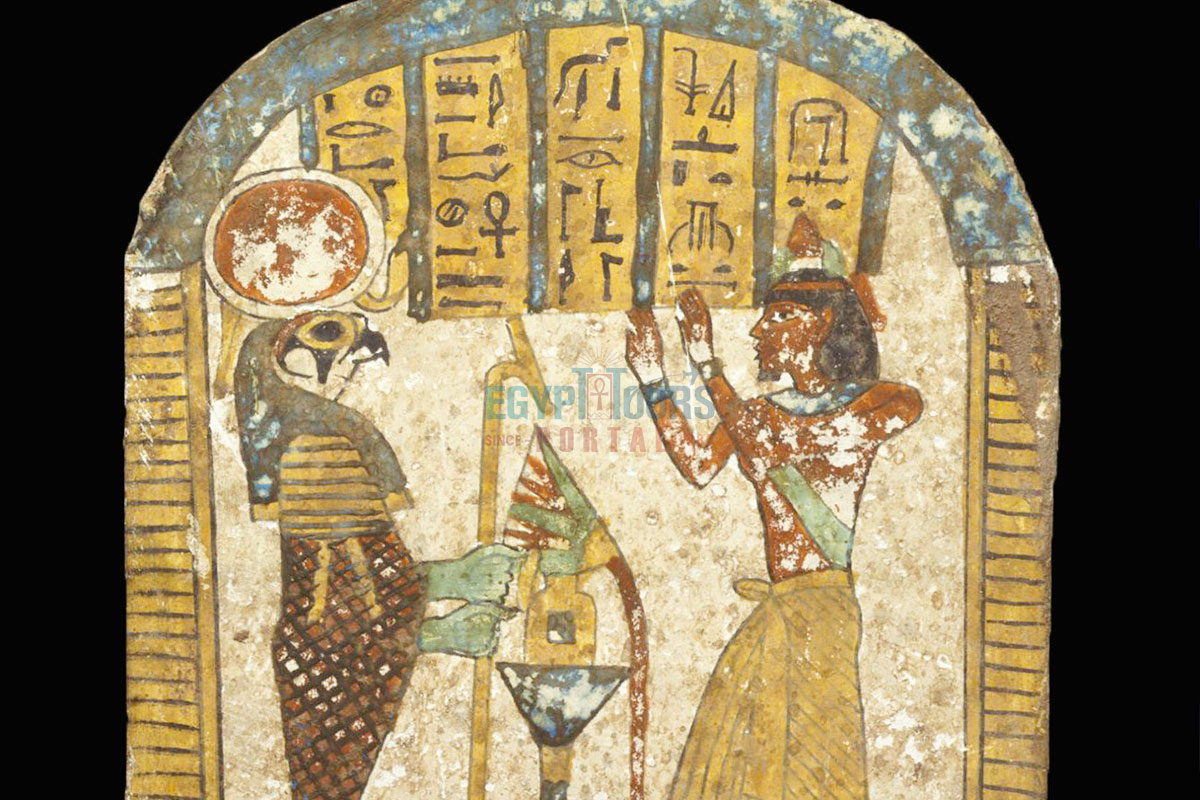
In Egypt, the lotus symbolized rebirth, creation, and the sun. The flower was associated with the sun god Ra and the daily rebirth of the sun. Lotus imagery appeared in tombs, temples, and funerary art, reinforcing beliefs about resurrection and eternal life.

Lotus in Indian Religious Thought
In Hinduism and Buddhism, the lotus represents spiritual awakening and detachment from material suffering. Deities such as Vishnu and Lakshmi are depicted seated on lotus flowers, symbolizing divine purity and cosmic balance. In Buddhism, the lotus represents enlightenment arising from ignorance.

East Asian Interpretations
In Chinese and East Asian traditions, the lotus symbolizes moral integrity, harmony, and renewal. It became a central motif in art, poetry, and religious symbolism, especially within Buddhist practice.

Artistic and Cultural Influence
Lotus imagery appears in architecture, sculpture, and literature across civilizations. Its symbolic meanings transcended geography, connecting diverse cultures through shared spiritual ideas.

Enduring Legacy
The lotus remains a universal symbol of rebirth, resilience, and spiritual growth. Its continued use in religious and cultural contexts reflects humanity’s enduring search for meaning and renewal.

The Ancient City of Jericho

December 27, 2025

Early Settlement and Location
Jericho, located near the Jordan River, is one of the oldest known cities in the world. Archaeological evidence shows continuous human occupation dating back over 10,000 years. Its location near natural springs made it ideal for early agriculture and settlement.

Neolithic Jericho
Excavations reveal that Jericho was a fortified settlement during the Neolithic period. Stone walls and a massive tower suggest organized labor and communal defense. These structures challenge assumptions about early human societies being simple or nomadic.

Urban Development Over Time
Jericho evolved through multiple cultural phases, including Bronze Age and Iron Age settlements. Each layer reveals changes in architecture, technology, and social organization. The city’s resilience reflects its adaptability to environmental and political changes.

Biblical and Historical Interpretations
Jericho is prominently mentioned in biblical texts, particularly the story of Joshua. Archaeological findings have sparked debate over the historical accuracy of these accounts, encouraging dialogue between archaeology and religious tradition.

Trade and Economy
Jericho’s location along trade routes allowed it to flourish economically. Agricultural production, including dates and grains, supported long-term settlement and population growth.

Significance in Human History
Jericho’s long history provides critical insight into early urbanization, social organization, and human adaptation. It stands as a key site for understanding the origins of civilization.

The Lost Gold Mines of Nubia

December 27, 2025

Geographical Importance of Nubia
Nubia, located south of Egypt along the Nile, was rich in natural resources, particularly gold. Ancient Egyptians referred to Nubia as the “Land of Gold,” highlighting its importance to Egypt’s economy and political power. Gold mining in Nubia began as early as the Old Kingdom and expanded significantly during the New Kingdom.

Mining Techniques and Labor
Nubian gold mines were located in desert regions and operated using primitive but effective techniques. Workers crushed gold-bearing rock using stone tools and separated gold through washing processes. Mining labor was often forced, involving prisoners of war and enslaved populations under harsh conditions.

Gold and Egyptian Power
Gold from Nubia fueled Egypt’s wealth, funding monumental architecture, temples, and military campaigns. Pharaohs used Nubian gold to produce jewelry, religious artifacts, and diplomatic gifts. Gold symbolized divine power and eternal life, reinforcing the authority of the pharaoh.

Political Control and Military Expansion
To secure access to gold, Egypt established military outposts and administrative centers in Nubia. Egyptian control over Nubia was both economic and strategic, ensuring a steady flow of resources and reinforcing imperial dominance.

Decline and Mystery of the Mines
Over time, many Nubian gold mines were abandoned due to resource depletion, political instability, and changing trade routes. Their locations were forgotten until modern archaeology rediscovered evidence of ancient mining operations.

Historical Significance
The Nubian gold industry played a crucial role  in shaping Egyptian civilization. It demonstrates how natural resources influenced imperial expansion, economic power, and cultural development in the ancient world.

The Religious Syncretism of the Hellenistic World

December 27, 2025

The Hellenistic World After Alexander
Following Alexander the Great’s conquests in the 4th century BCE, Greek culture spread across a vast region stretching from the Mediterranean to South Asia. This era, known as the Hellenistic period, was marked by intense cultural interaction. Rather than replacing local traditions, Greek beliefs blended with existing religious systems, creating new syncretic traditions.

Greek and Egyptian Religious Fusion
In Egypt, Greek rulers adopted local religious customs to legitimize their authority. The god Serapis was created as a fusion of Greek and Egyptian deities, combining aspects of Zeus, Osiris, and Apis. Greek-style temples housed Egyptian gods, while Egyptian iconography adapted to Greek artistic styles. This blending allowed both cultures to coexist within a shared religious framework.

Persian Influences on Greek Thought
Greek contact with Persian religion introduced concepts such as cosmic dualism, divine judgment, and moral struggle. Zoroastrian ideas influenced later Hellenistic philosophy, particularly concepts of good versus evil and the afterlife. These themes gradually entered Greek philosophical and religious discourse.

Greek and Indian Religious Exchange
In regions such as Bactria and northwest India, Greek settlers encountered Hindu and Buddhist traditions. Greek artistic styles influenced Buddhist iconography, leading to the first human representations of the Buddha. Philosophical exchanges also occurred, with Greek skepticism and Indian metaphysics shaping each other’s ideas.

Impact on Philosophy and Spiritual Practice
Hellenistic syncretism encouraged philosophical schools like Stoicism and Neoplatonism, which incorporated Eastern ideas about fate, harmony, and the soul. Mystery religions flourished, offering personal salvation and spiritual transformation across cultural boundaries.

Long-Term Significance
Religious syncretism during the Hellenistic period laid the foundation for later religious developments, including Roman religion and early Christianity. It demonstrated how cultural interaction can produce enduring spiritual and philosophical traditions.

The Burial Practices of the Vikings

December 27, 2025

Overview of Viking Burial Traditions
Viking burial practices offer deep insight into Norse beliefs about death, honor, and the afterlife. These practices varied by region, status, and period, but all reflected a strong belief that life continued beyond death. Burial rituals were carefully planned to prepare the deceased for their journey to the next world, which could include Valhalla, Folkvangr, or Hel, depending on one’s life and manner of death.

Ship Burials and Their Meaning
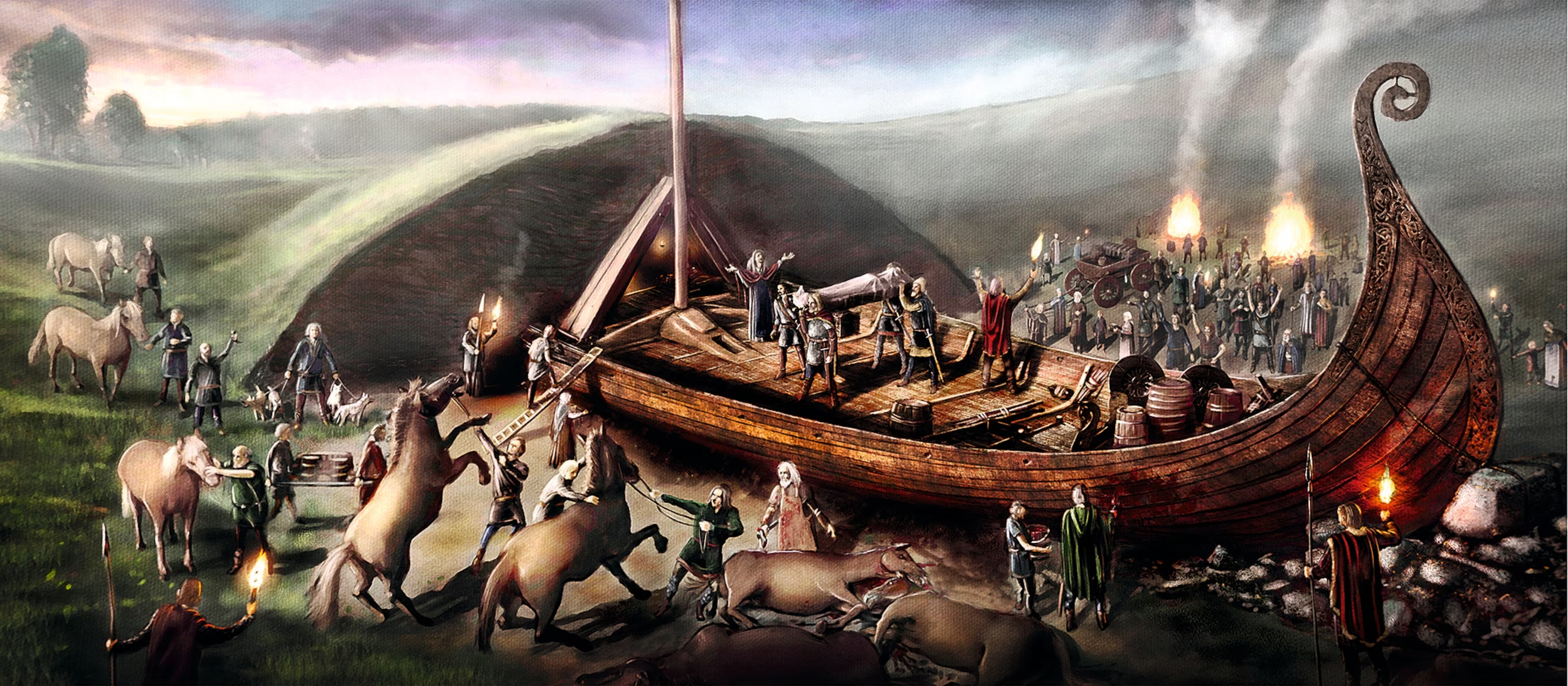
One of the most striking Viking burial customs was the ship burial. High-status individuals, such as chieftains, warriors, and nobles, were placed inside ships or ship-shaped graves. The ship symbolized travel, reflecting the Viking belief that death was a journey rather than an end. Famous examples, such as the Oseberg and Gokstad ship burials in Norway, demonstrate how ships were both functional vessels and sacred symbols of transition to the afterlife.

Grave Goods and Social Status
Viking graves often contained weapons, tools, jewelry, food, animals, and household items. Warriors were buried with swords, shields, and armor, suggesting they would continue fighting in the afterlife. Women’s graves frequently included jewelry, weaving tools, and keys, symbolizing domestic authority and social roles. These goods reflected not only beliefs about the afterlife but also the social identity of the deceased.

Animal and Human Sacrifice
Some elite burials included sacrificed animals such as horses, dogs, and birds, believed to serve or accompany the deceased in the next world. In rare cases, human sacrifice occurred, emphasizing the power and prestige of elite individuals. These rituals reinforced Norse ideas of loyalty, honor, and divine favor.

Beliefs About the Afterlife
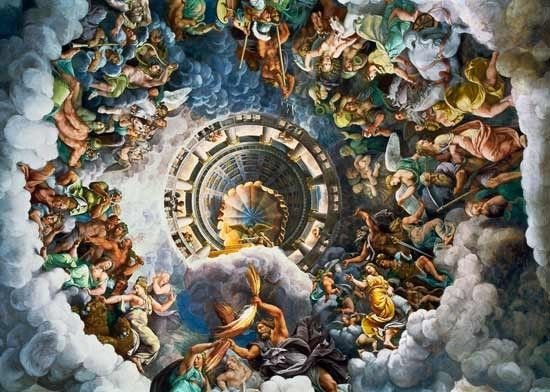
Viking mythology described several destinations for the dead. Valhalla welcomed warriors who died bravely in battle, while Folkvangr received others chosen by the goddess Freyja. Those who died of illness or old age were believed to go to Hel. Burial customs reflected these beliefs, emphasizing readiness, honor, and continuity beyond death.

Legacy and Archaeological Importance
Viking burials provide valuable evidence of Norse religion, social structure, and daily life. Archaeological discoveries continue to reshape modern understanding of Viking spirituality and their deeply symbolic relationship with death and the afterlife.

Artificial heart can regrow heart muscle, study finds

December 27, 2025

For many decades, doctors were convinced that once the heart was injured, it was incapable of fully repairing itself.

However, a recent study led by a researcher from the University of Arizona is challenging that belief and offering new optimism. The research team found that some patients who rely on artificial hearts—known as left ventricular assist devices (LVADs)—are actually able to regenerate new heart muscle cells.

This breakthrough could open the door to new treatments and possibly even a cure for heart failure.

Heart failure affects close to 7 million adults in the United States and is responsible for roughly 14% of deaths each year. At present, there is no cure. While medications can help slow the progression of the disease, they cannot reverse the damage. For patients with advanced heart failure, the only available options are a heart transplant or the use of mechanical devices like LVADs to assist blood circulation.

The study was led by Dr. Hesham Sadek, director of the Sarver Heart Center at the University of Arizona. He worked with an international team of scientists to investigate whether the human heart has the ability to regenerate. The research was supported by a grant from the Leducq Foundation, which funds collaborative medical research between teams in Europe and the United States.

To conduct the study, Sadek partnered with physicians at the University of Utah, who supplied heart tissue samples from patients who were using artificial heart devices.

Researchers in Sweden and Germany then examined these samples using a specialized carbon dating method. While similar techniques are commonly used by archaeologists to determine the age of ancient remains, in this case, the method was adapted to identify newly formed heart muscle cells.

The results were striking. In certain patients, heart muscle regeneration occurred at a rate more

Archaeologists Discover Ancient Horse-Bone Skates

December 27, 2025

Archaeologists conducting work on the Taman Peninsula in Russia’s Krasnodar Region have revealed an impressive example of ancient innovation: skates made from horse bones that were likely used to travel across frozen bodies of water during winter. This finding offers valuable insight into how people living in the area thousands of years ago adapted to seasonal environmental conditions and provides rare evidence of everyday activities, movement, and exchange in the ancient Black Sea region.

A Discovery Made Through Rescue Excavations
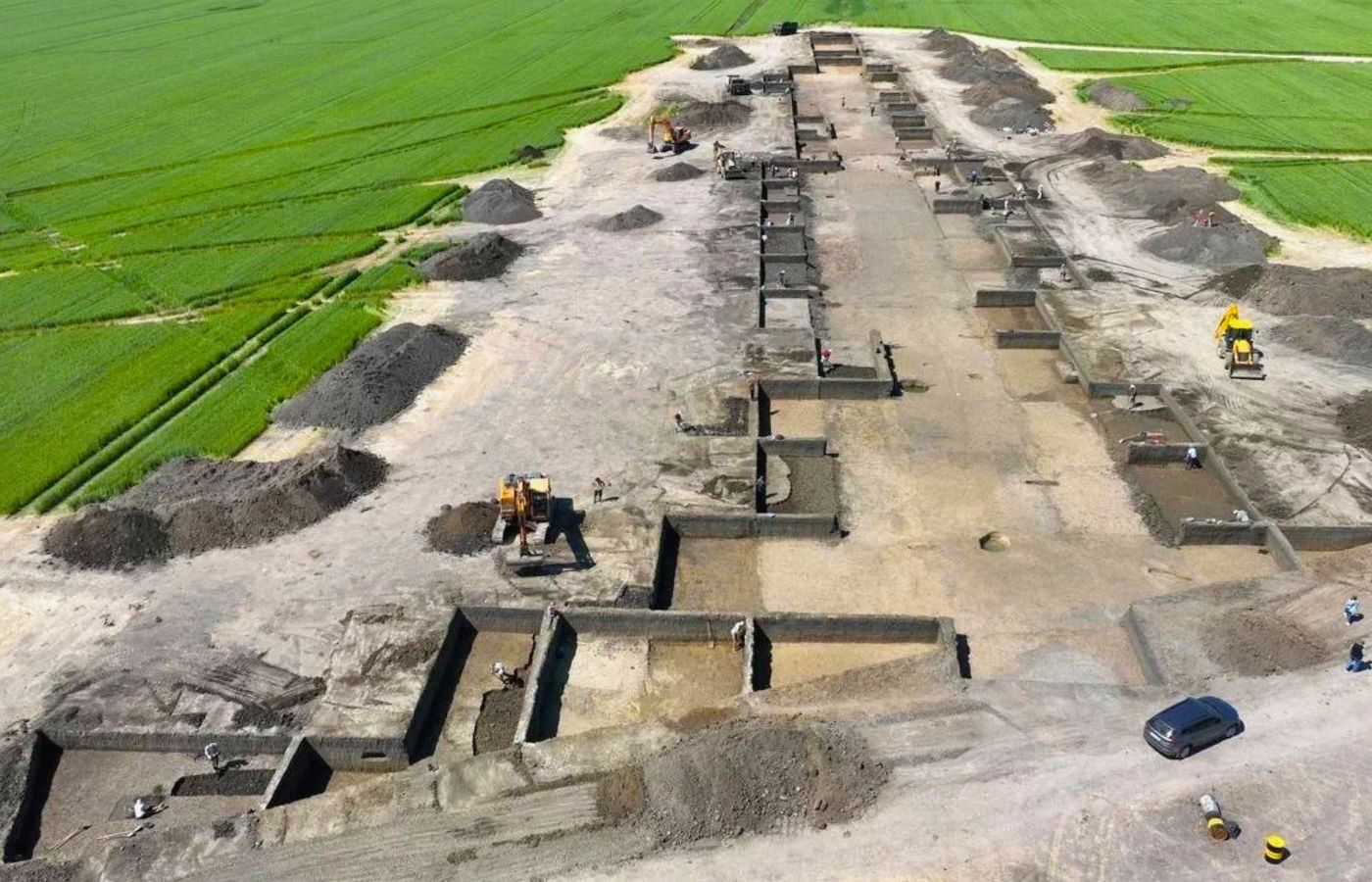
The artifacts were uncovered by specialists from the Laboratory of Archaeological Technology at the Institute for the History of Material Culture of the Russian Academy of Sciences (IIMK RAS). Their work formed part of extensive rescue excavations carried out in 2024 along the planned route of a fuel pipeline in the Temryuk District—an area known for its dense concentration of archaeological sites spanning from antiquity to the medieval era.

The sites examined—Sady-1 and 2, Armature Plant-1, Mingrelskoye, Khabl-Mingrelskoye, Sheptalskoye-Levoberezhnoye, and Yastrebovskoye-Berezhnoe—represent a distinctive cultural landscape that once lay within the borders of the Bosporan Kingdom. Investigating such a broad group of locations allowed researchers not only to record individual objects, but also to reconstruct wider aspects of daily life, economic practices, and environmental adaptation among the area’s ancient populations.

Understanding the Bone Skates Through Wear Patterns and Context
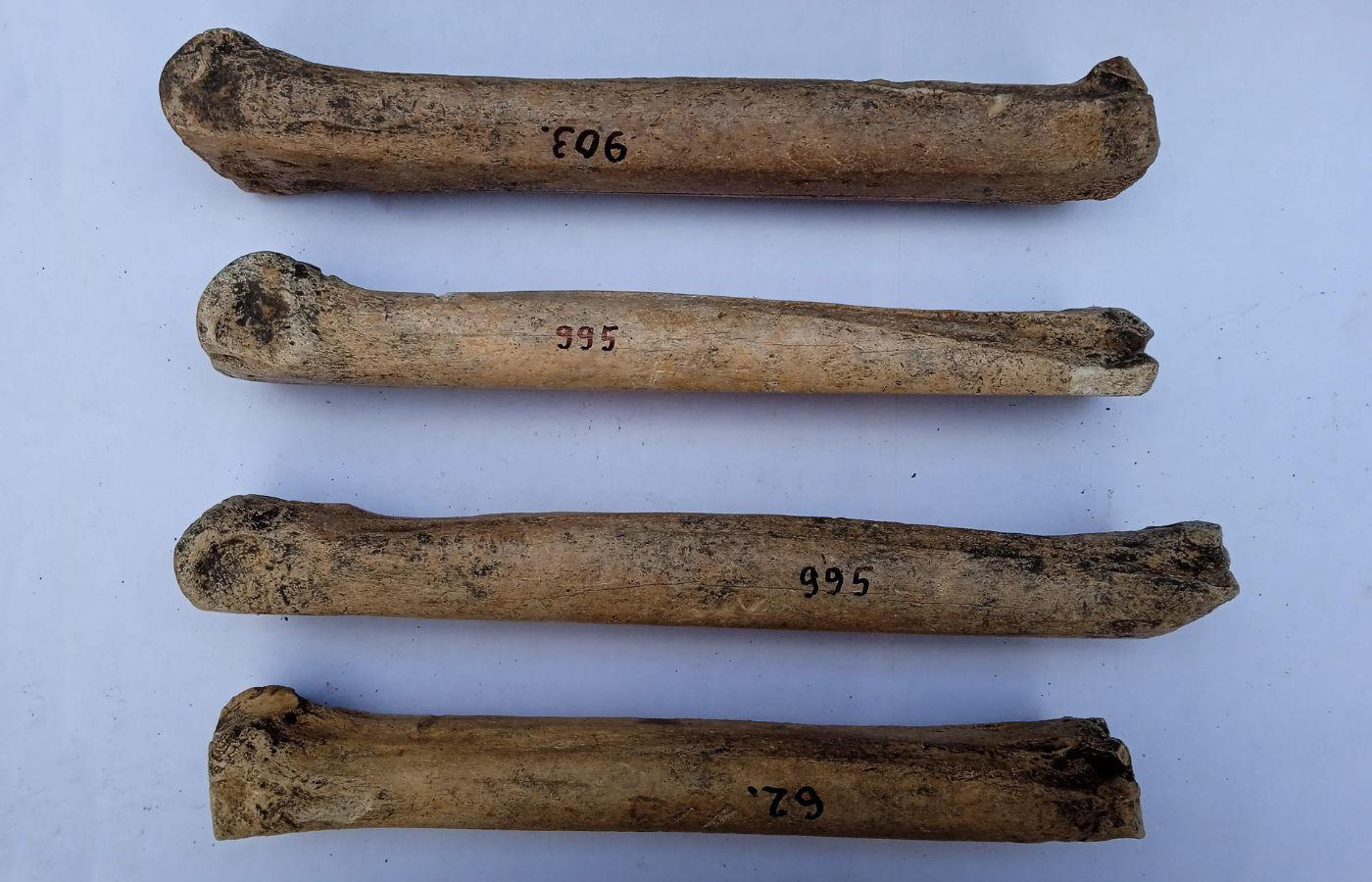
One of the most striking discoveries was a set of deliberately shaped horse bones found at the Yastrebovskoye-Berezhnoe site. Close analysis revealed clear signs of heavy, localized wear, suggesting repeated and intentional use. Based on their form, polished surfaces, and archaeological setting, the researchers identified the objects as bone runners or skates—tools intended to help people move across icy terrain.

The team explained that the bones came from large animals such as horses or cattle, chosen for their strength and density, which would have been capable of supporting a person’s weight. This discovery highlights not only craftsmanship, but also a keen understanding of materials and the surrounding environment.

Crossing the Frozen Kerch Strait
The location of the finds further supports this interpretation. In ancient times, Black Sea water levels were higher than today, and many settlements were situated closer to the shores of the Kerch Strait, the natural passage separating the Taman Peninsula from Crimea. During particularly harsh winters, the strait could freeze over, forming temporary ice routes.

Using bone skates would have made it much easier for people to cross frozen surfaces, likely to support trade, communication, seasonal travel, or other economic activities. This practical solution shows how communities creatively adapted to both the challenges and opportunities presented by their environment.

As IIMK RAS archaeologist Elizaveta Kondrashova explained, artifacts are studied not in isolation, but as part of their wider archaeological context. By integrating zoological, anthropological, and radiocarbon evidence, researchers are able to reconstruct detailed accounts of past lives—revealing what people used, produced, consumed, and how they interacted with the world around them.

Fragments of horse metapodial bones used to make the runners for ice skates.

Indications of a Sophisticated Bone-Crafting Practice

The bone skates are just one example of an advanced tradition of bone working in the area. A detailed study of more than 2,000 animal bone remains showed that ancient craftspeople made use of almost every part of domesticated animals. The remains included cattle, sheep, goats, horses, pigs, and even roe deer, a species that no longer inhabits the region today.

Using these bones, artisans created a variety of functional and decorative objects such as needles, awls, ornamental pieces, knife handles, personal adornments, and arrow tips. This careful and efficient use of animal resources points to a strong level of technical skill and an in-depth understanding of skeletal structure.

Reconstructing Daily Life Along the Bosporan Frontier

Beyond the skates themselves, the discovery helps researchers better understand everyday life on the Taman Peninsula during ancient times. The region functioned as an important cultural meeting point, influenced by local customs, long-distance trade, and contact between steppe communities and the Greek cities of the Bosporan Kingdom.

The evidence shows that these communities were not merely surviving in their surroundings but actively developing ways to adapt and prosper. Through practices such as animal husbandry, skilled craftsmanship, and innovative travel across frozen terrain, the ancient inhabitants of Taman demonstrated impressive ingenuity and adaptability.

← Newer Posts Older Posts →
Featured
image_2026-02-05_125041404.png
Feb 5, 2026
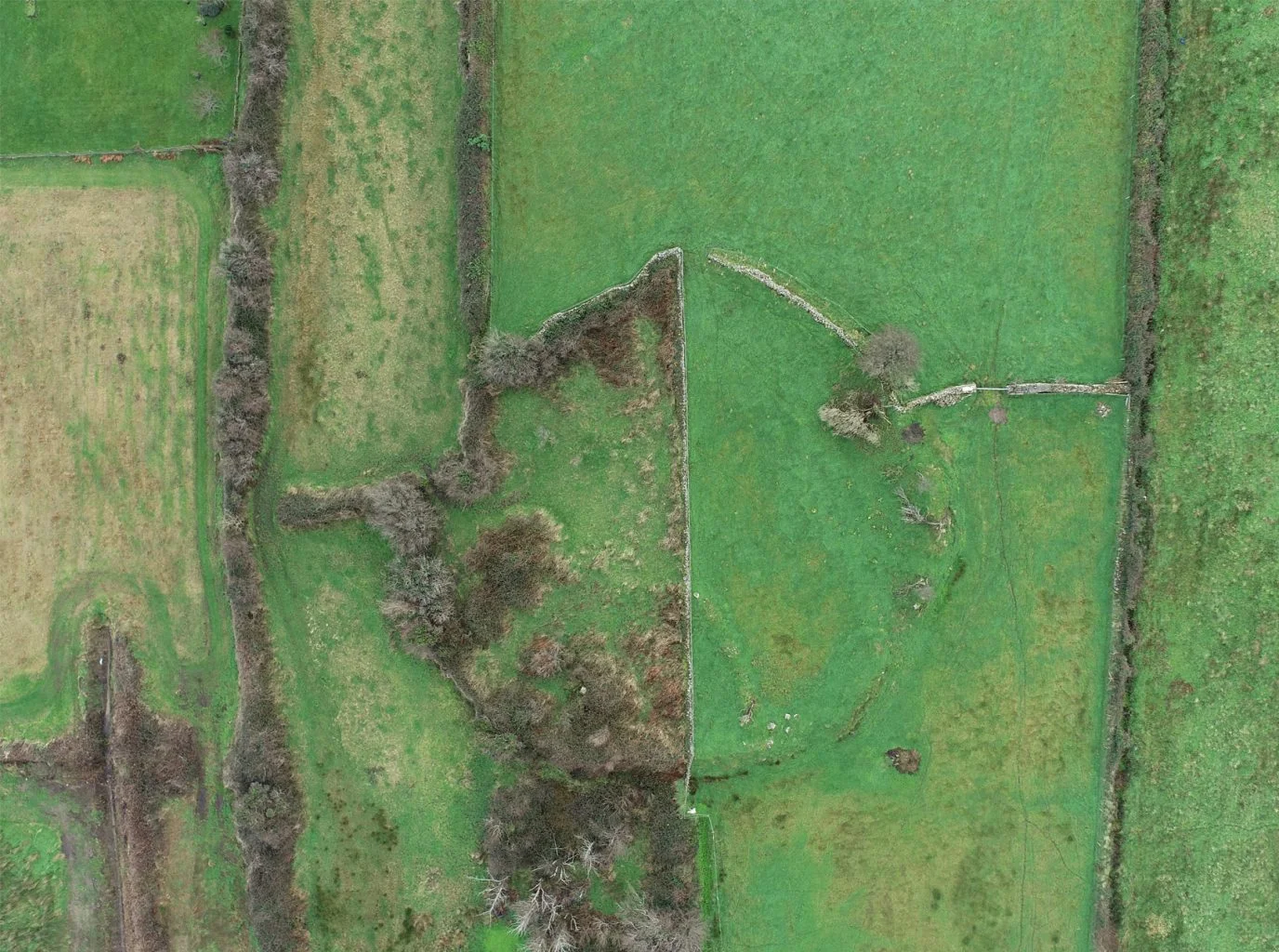
Lost burial grounds rediscovered through folklore
Feb 5, 2026
Read More →
Feb 5, 2026
image_2026-02-05_124043984.png
Feb 5, 2026
Falklands’ Port Louis settlement discoveries shared with Dr. Robert Philpott
Feb 5, 2026
Read More →
Feb 5, 2026
image_2026-02-05_122201600.png
Feb 5, 2026
Treasures worth thousands: homeowners discover vintage items hidden in walls during renovation
Feb 5, 2026
Read More →
Feb 5, 2026
image_2026-02-05_121624777.png
Feb 5, 2026
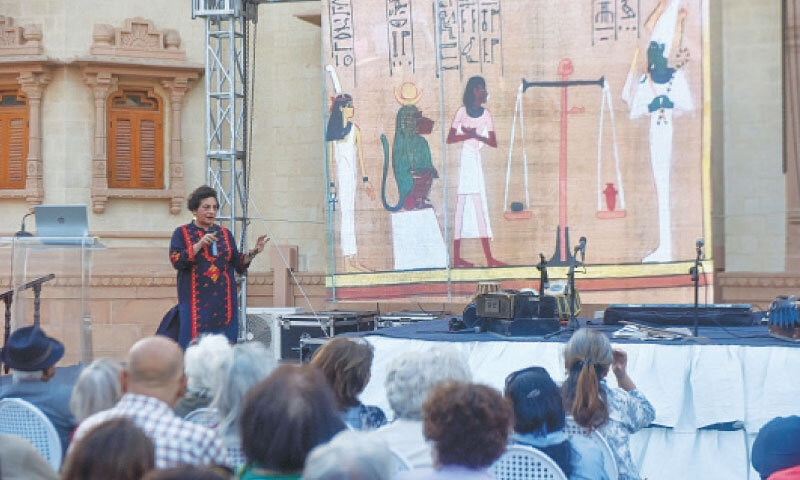
Egyptian and Indus Valley civilisations ‘were in contact’
Feb 5, 2026
Read More →
Feb 5, 2026
image_2026-02-05_121035022.png
Feb 5, 2026
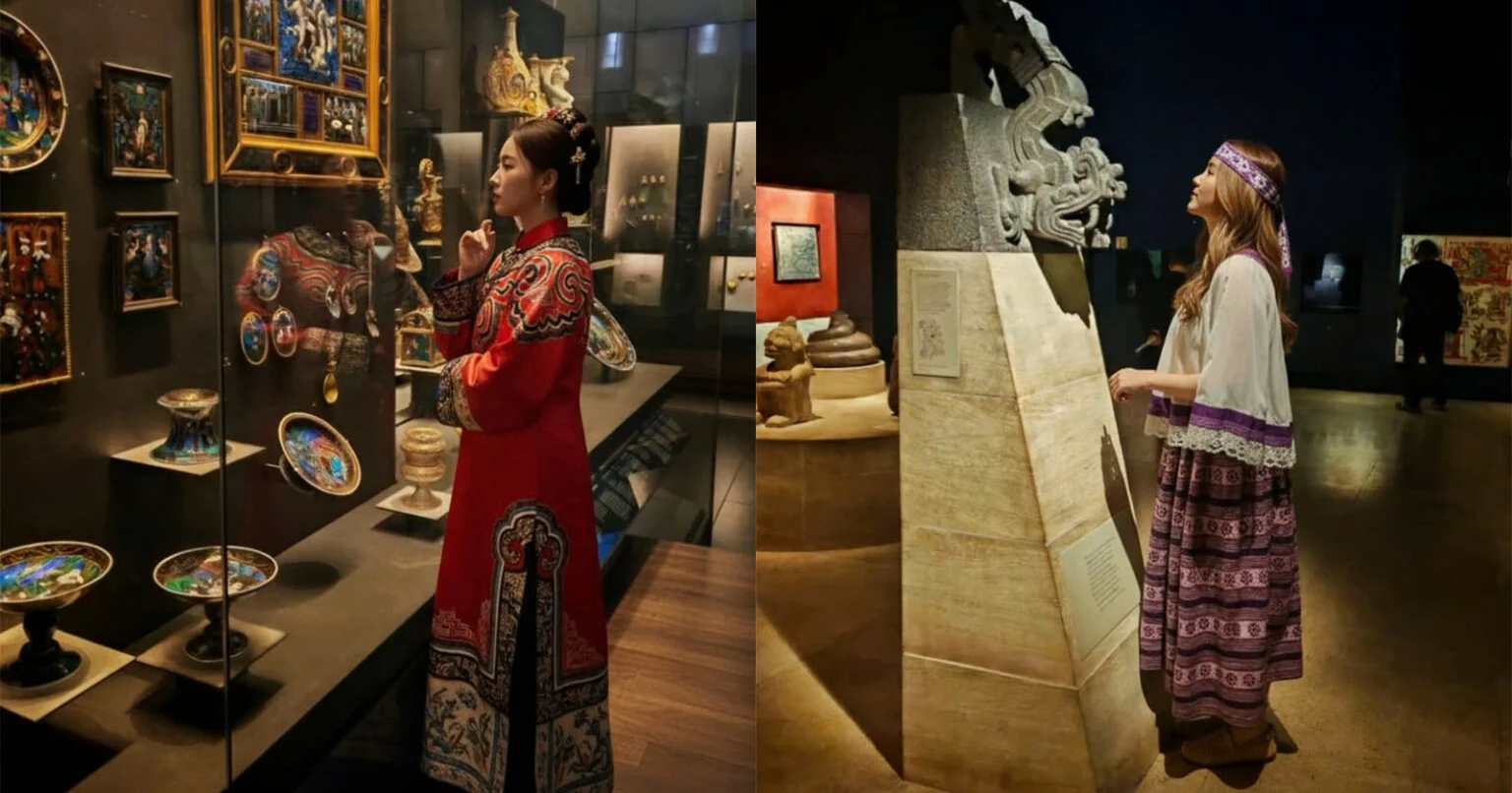
British Museum Deletes AI-Generated Pictures After Backlash
Feb 5, 2026
Read More →
Feb 5, 2026
image_2026-02-05_120112871.png
Feb 5, 2026
A Subterranean City Of Salt Has Been Preserved Within This Cave-Like Mine For Centuries
Feb 5, 2026
Read More →
Feb 5, 2026
read more

Powered by The archaeologist