Silver necklace depicting Assyrian goddess Ishtar unearthed in southwestern Türkiye

Discovery highlights ancient city of Amos' role as key cultural and commercial hub linking Near East, Mediterranean

MUGLA, Türkiye

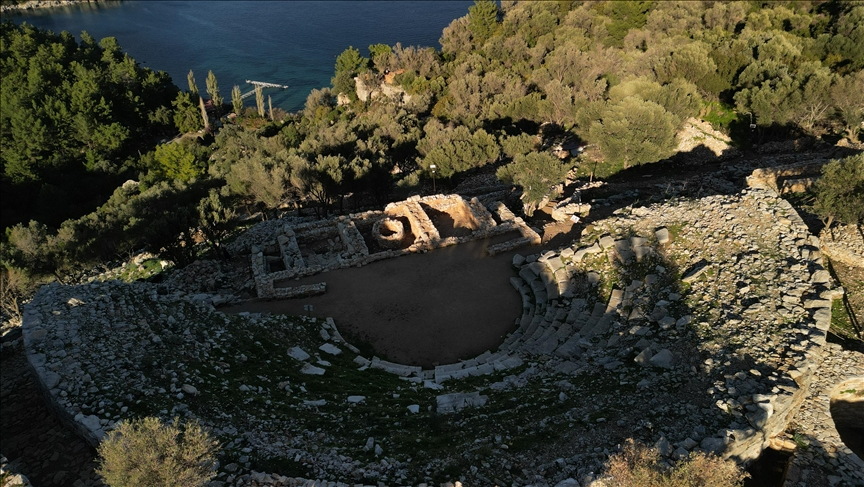
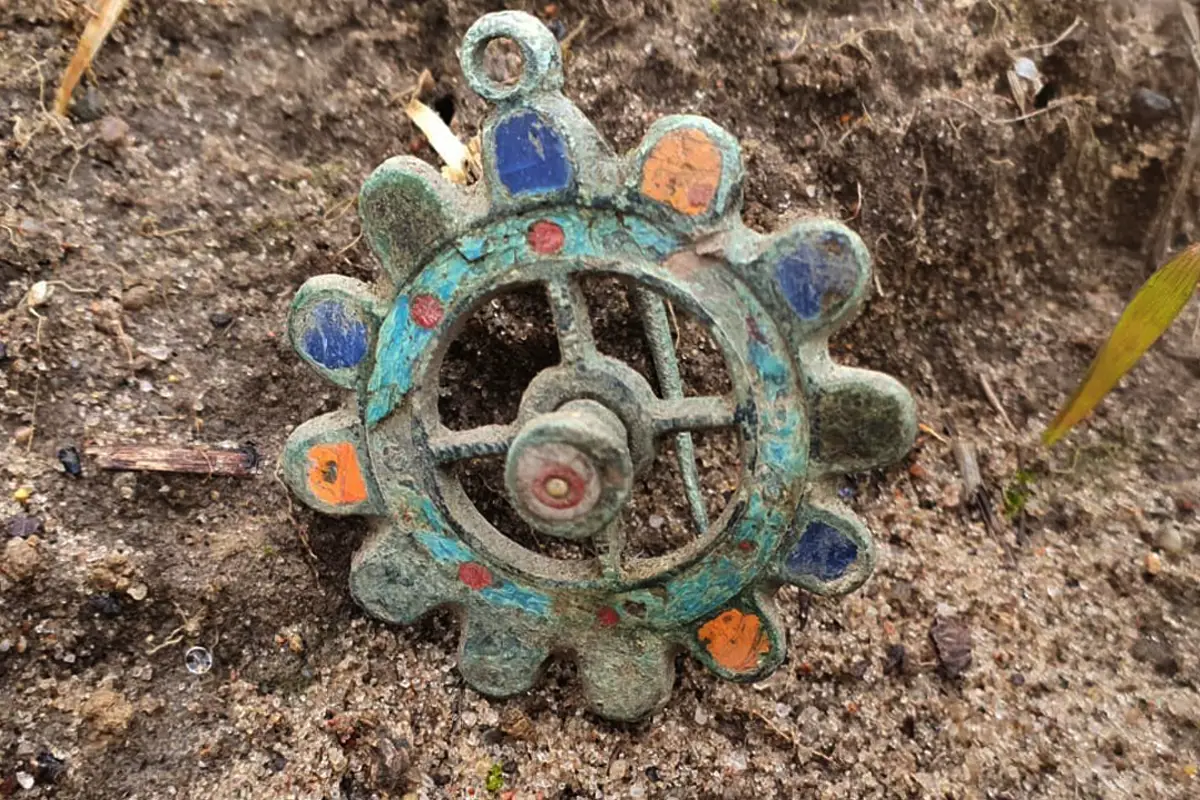
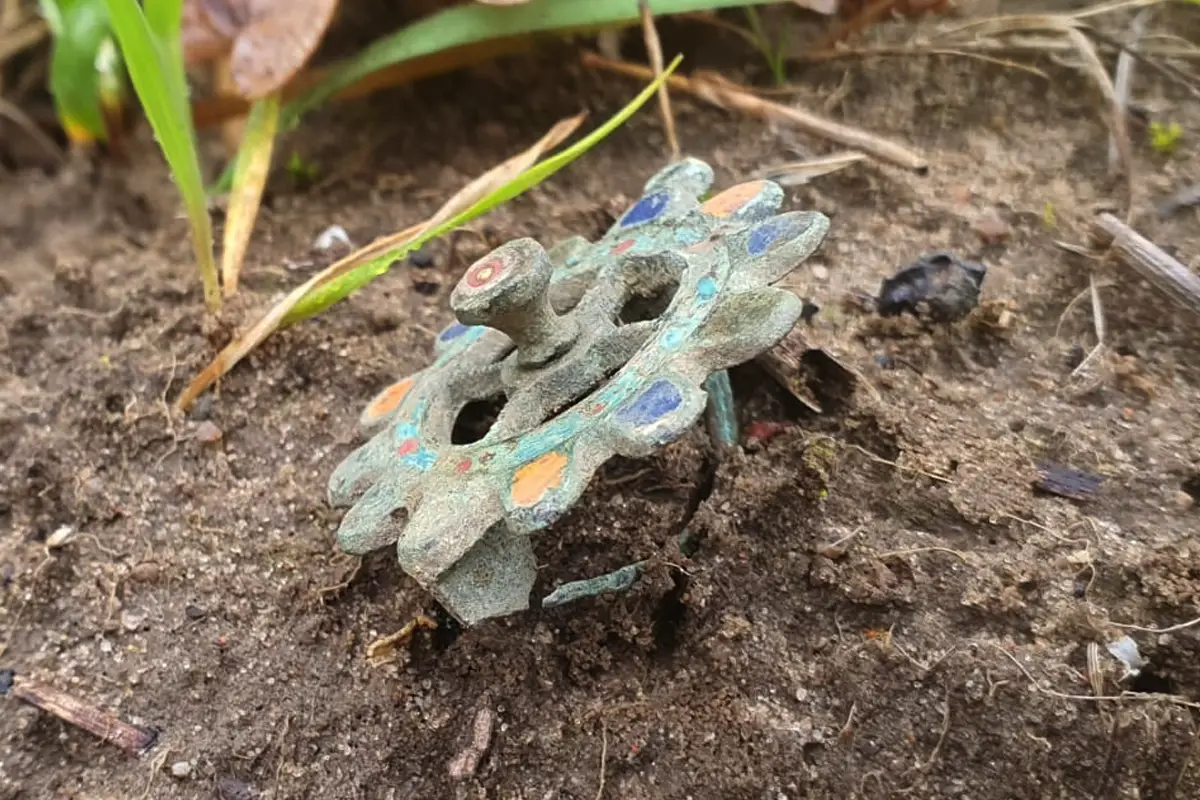
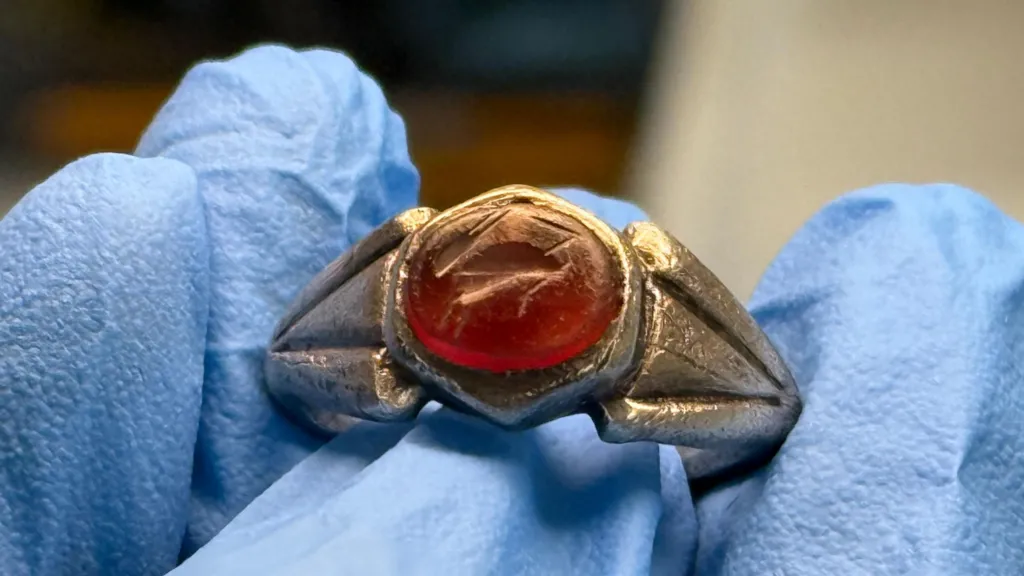
Archaeologists have unearthed a silver necklace depicting a lion and an eight-pointed star, believed to represent the Assyrian goddess Ishtar, at the ancient city of Amos in southwestern Türkiye.

The 2,200-year-old site on Asarcik Hill in the Marmaris district has been under continuous excavation throughout 2025, led by Mehmet Gurbuzer of Mugla Sitki Kocman University. Gurbuzer noted that each excavation season yields exciting discoveries, with this year’s find highlighting Amos’s cultural, economic, and commercial significance.

Ishtar—known as Inanna in Sumerian culture—symbolizes power, and the necklace suggests that Amos was closely connected to major civilizations of its time. Advanced cultural elements from the Near East reached the Mediterranean through trade and military relations by the 7th century BCE, positioning Amos as a strategic port city.

Excavations are set to continue in 2026, focusing on residential areas and the Temple of Apollo Samnaios. The site, officially recognized by a 2022 presidential decree, is part of the Ministry of Culture and Tourism’s Heritage for the Future Project, supported by local organizations including the Marmaris Chamber of Commerce and Marmaris Municipality.

Amos was first excavated in 1948 by British archaeologist G.E. Bean. Early finds, including lease contracts documenting land rentals, helped establish the city’s importance in ancient economic and academic contexts.

Humans cared for wolves long before dogs emerged, study finds

New evidence of wolves and humans living together on Swedish island points to likely prehistoric domestication

Prehistoric wolf remains discovered on a Baltic island indicate that humans may have cared for wolves thousands of years before dogs fully domesticated, according to a recent study.

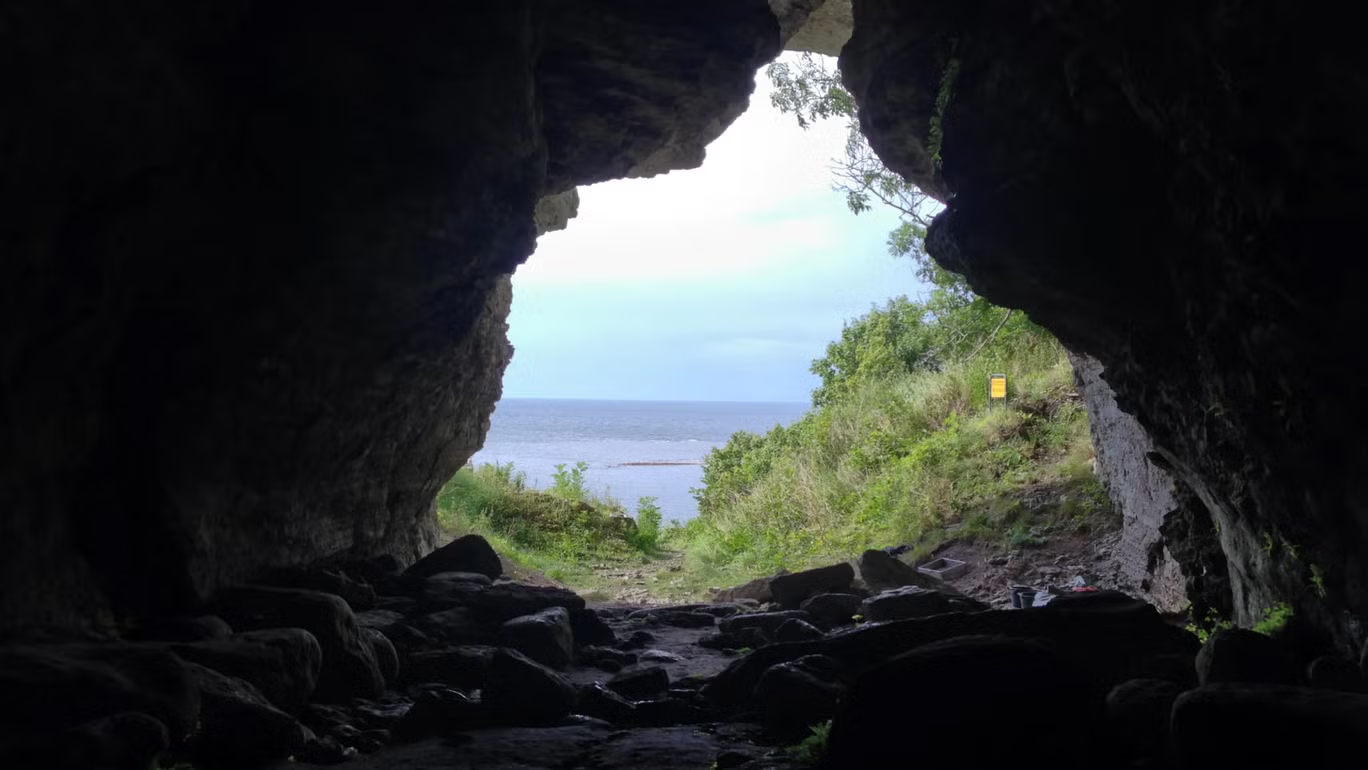
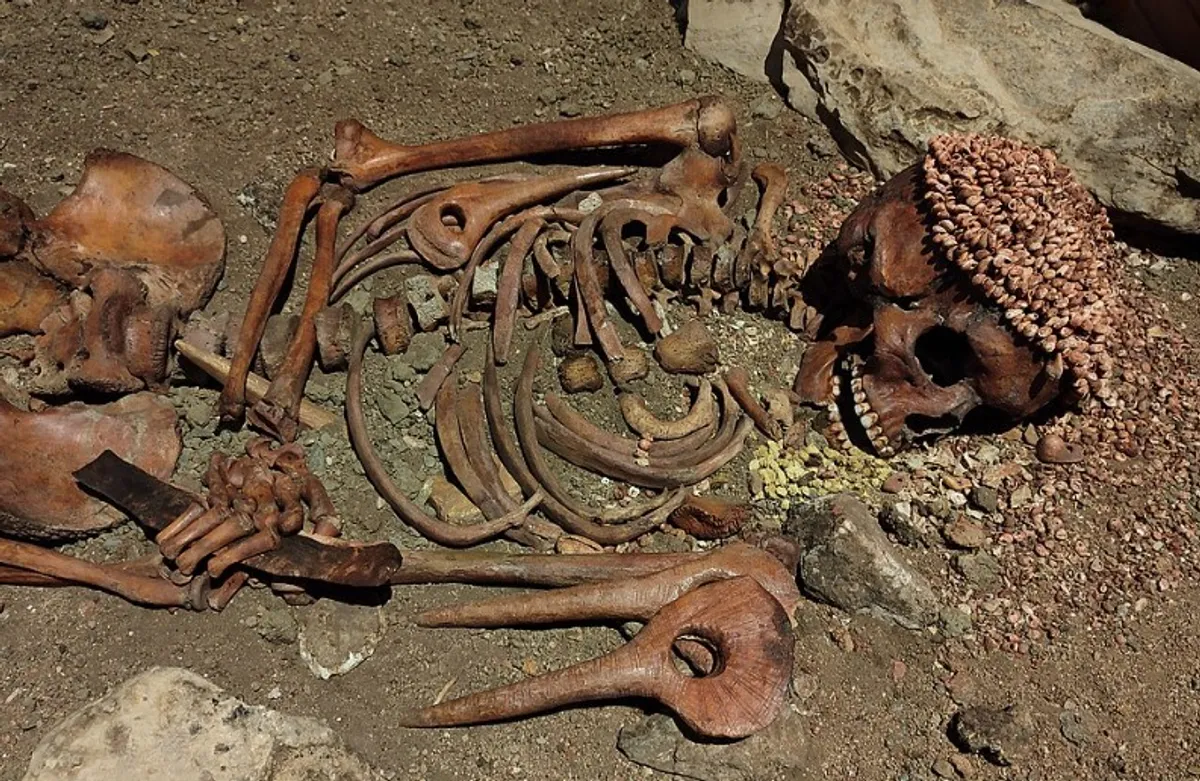
Archaeologists uncovered the remains, dated between 3,000 and 5,000 years ago, in the Stora Förvar cave on Stora Karlsö, Sweden. The cave showed extensive use by Stone Age and Bronze Age seal hunters and fishers, researchers from Stockholm University reported.

Since the 2.5 sq km island had no native land mammals, the wolves were likely brought there by humans, probably via boats.

While dogs evolved from wolves during the Old Stone Age, the timing and number of domestication events remain unclear. Some theories suggest wolves gradually adapted to human presence, while others propose humans hand-reared wolf pups from an early age. No remains of wolves from the earliest stages of domestication have yet been found.

The new findings suggest that humans and wolves coexisted on Stora Karlsö, pointing to early human efforts at wolf domestication.

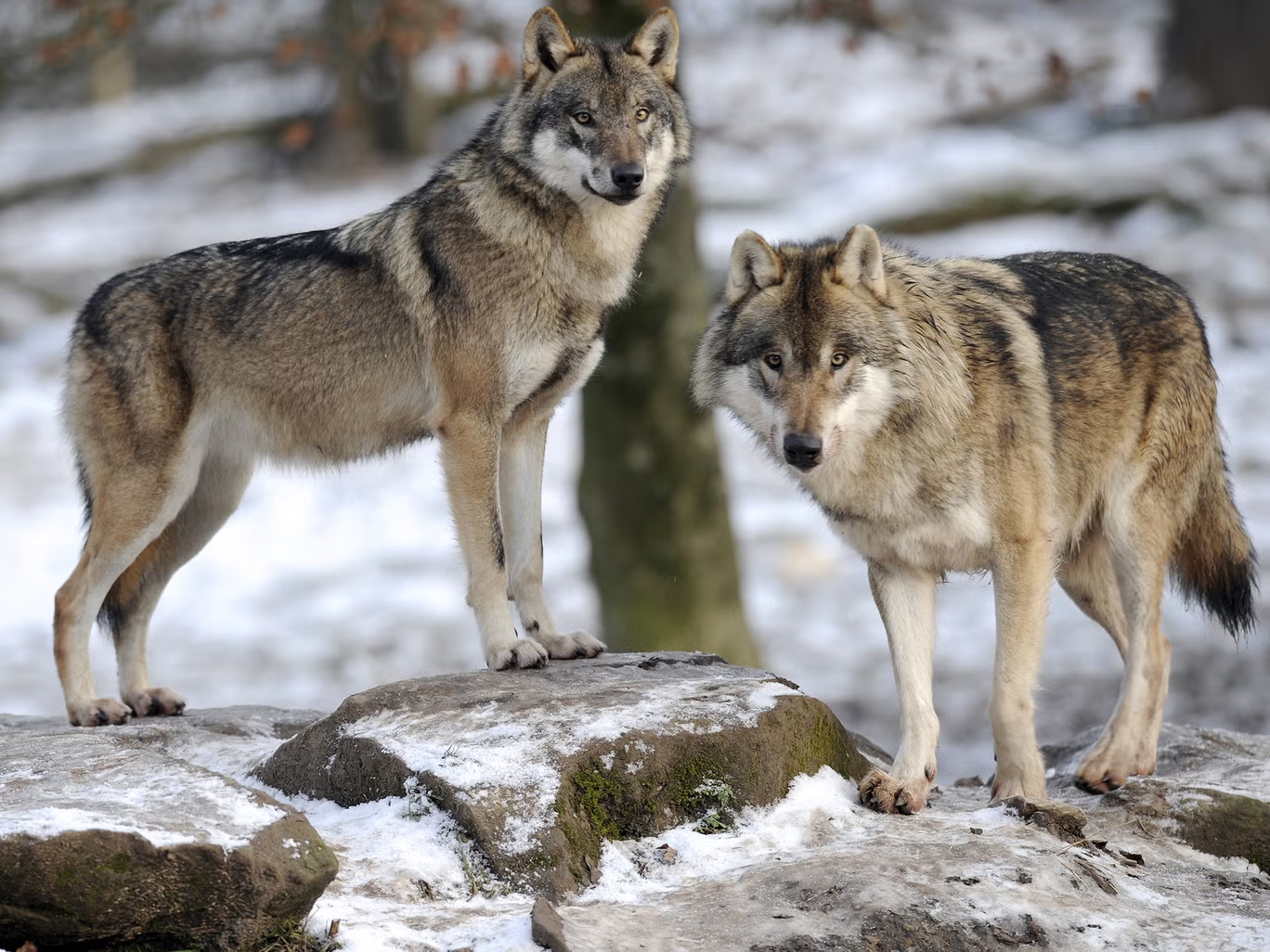
Modern domesticated dogs are theorised to be the ancestors of Grey wolves

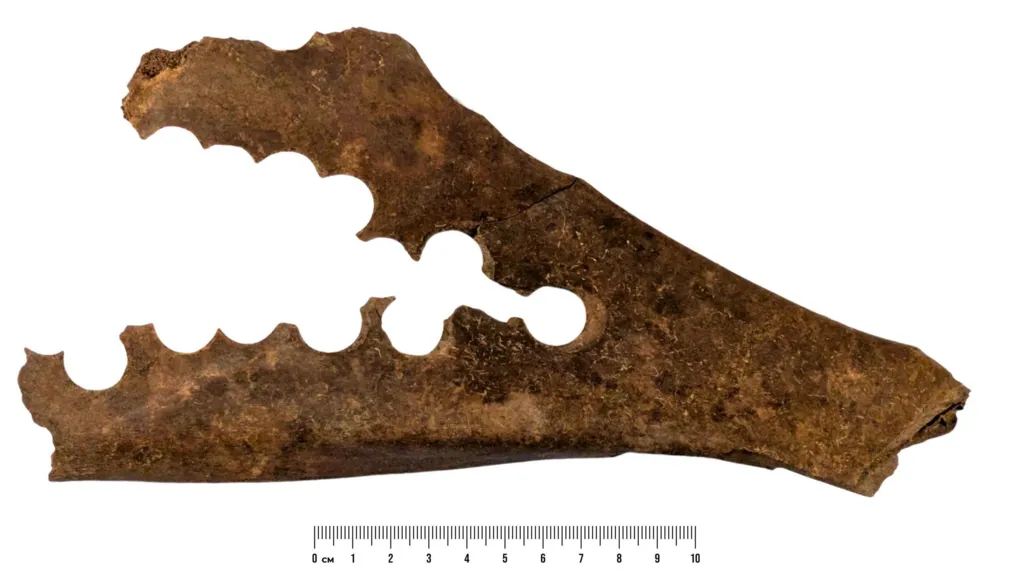
DNA analysis of two bones from the cave confirmed the animals were wolves, not dogs, and several features indicate they had close contact with humans.

One wolf appeared to have survived a limb injury that would have made hunting difficult, suggesting it received human care.

“This discovery of wolves on a remote island is completely unexpected,” said Linus Girdland-Flink from the University of Aberdeen, a co-author of the study published in PNAS.

“Not only did they have ancestry similar to other Eurasian wolves, but they also seemed to live alongside humans, eating their food, in a location they could only have reached by boat.”

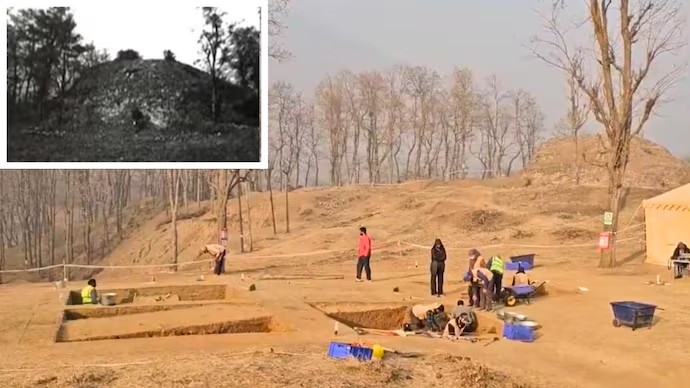
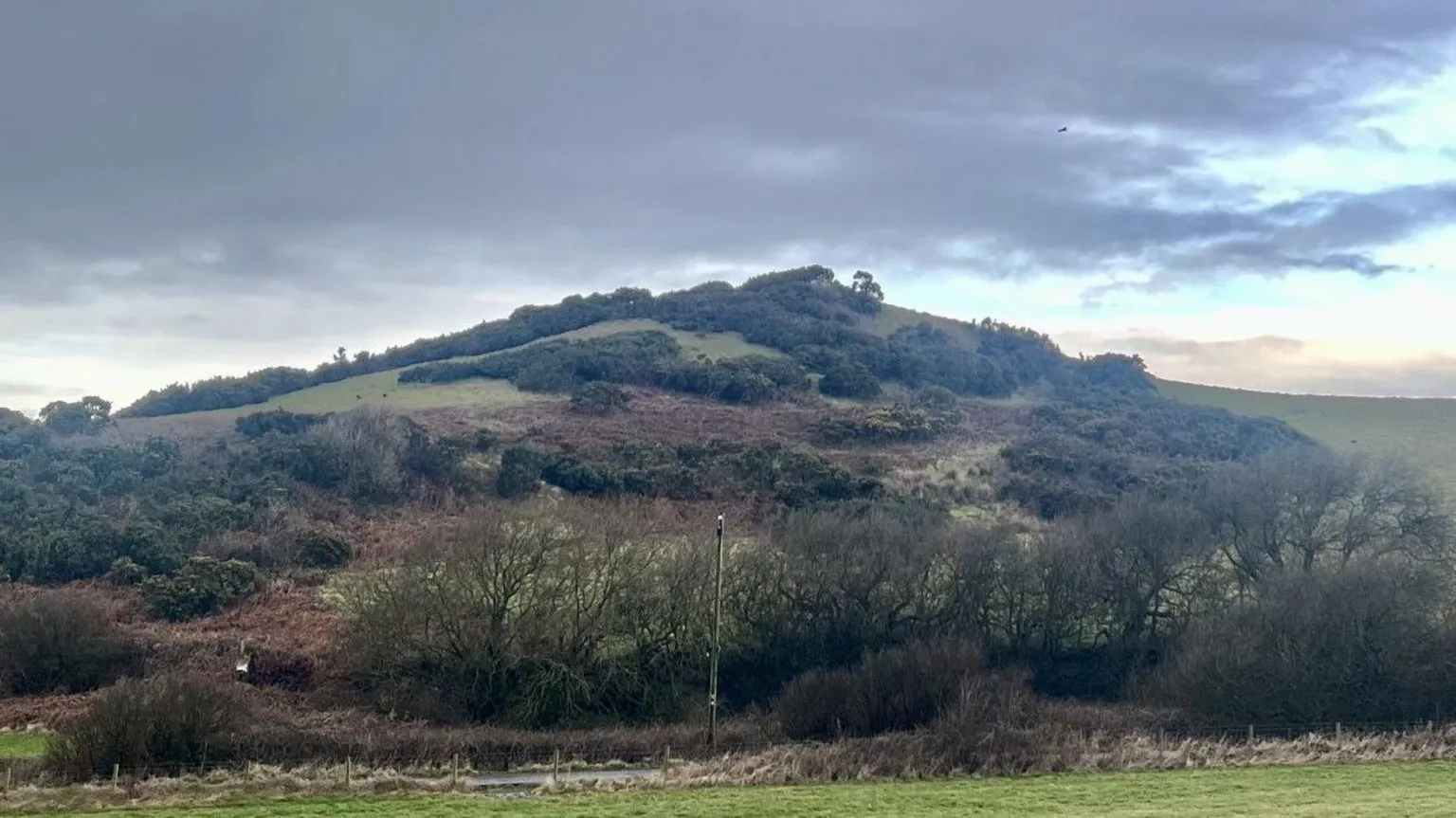
A view from the Stora Förvar cave on the island of Stora Karlsö in Sweden

Although it’s unclear whether the wolves were tamed, kept in captivity, or managed differently, the findings show that human–wolf relationships were more complex than previously thought.

The interactions at the cave suggest close cooperation, pointing to early domestication experiments that didn’t directly lead to modern dogs, scientists say.

“While we can’t rule out that these wolves had low genetic diversity for natural reasons, it indicates humans were interacting with and managing wolves in ways we hadn’t considered,” said Anders Bergström from the University of East Anglia.

“This case raises the possibility that, in certain environments, humans could keep wolves in their settlements and found value in doing so,” added Pontus Skoglund from the Francis Crick Institute.

An Ancient Portal to the Underworld Was Found in Denver

Looters stole this 2,700-year-old hell gate. Now, it’s back where it belongs.

Here’s what you’ll learn from this story:

Originally stolen in the early 20th century, a “portal to the underworld” depicting the Olmec jaguar god Tepeyollotlicuhti was returned to Mexico in May 2023. Because looters had broken the statue into multiple pieces, the National Institute of Anthropology and History (INAH) spent a year restoring it to its original form.

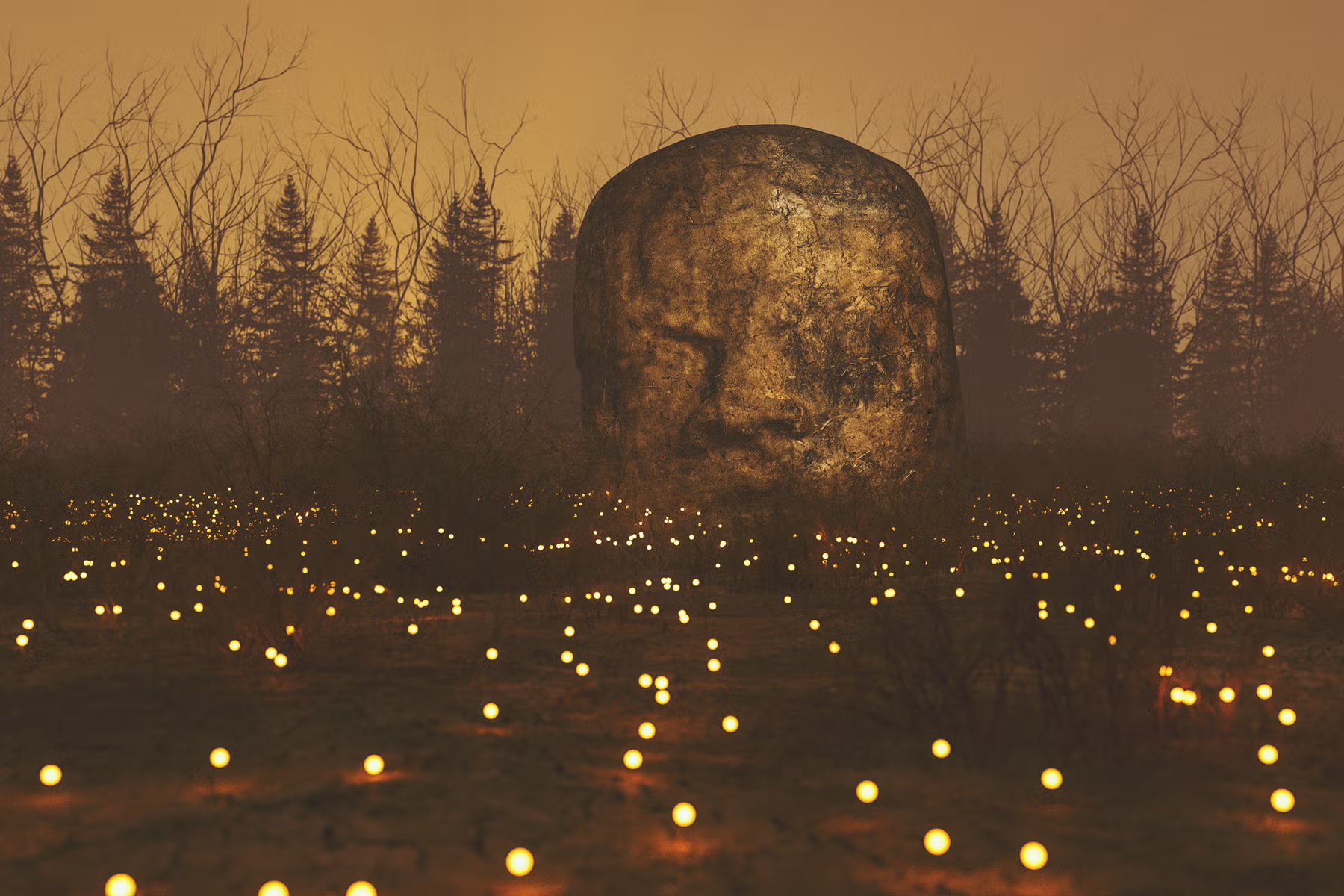
The statue’s return followed decades of effort by archaeologists and officials combating antiquities trafficking. Sometime in the early 1900s, looters took a 2,700-year-old Olmec artifact—a six-by-five-foot Cave Mask, also called Portal al Inframundo, depicting Tepeyollotlicuhti with flaring eyes and a gaping mouth.
Originally from Chalcatzingo in Morelos, a region known for Olmec art and iconography, the stolen statue passed through various U.S. museums and private collections before reaching Denver in 2023. Authorities from New York City’s Antiquities Trafficking Unit eventually secured the artifact, and within months it was returned to Mexico.

“This remarkable, ancient piece offers a rare glimpse into Olmec society,” said New York District Attorney Alvin Bragg. “Like many looted antiquities, the Cave Mask was broken into several pieces to ease smuggling.”

According to INAH, the statue had been broken into 25 fragments. Restoration experts have been carefully working on it in situ to ensure structural stability and a coherent visual presentation.

Archaeologists Are Using Lasers to Clean Decades of Grime Off a Towering 1,800-Year-Old Marble Column in Rome

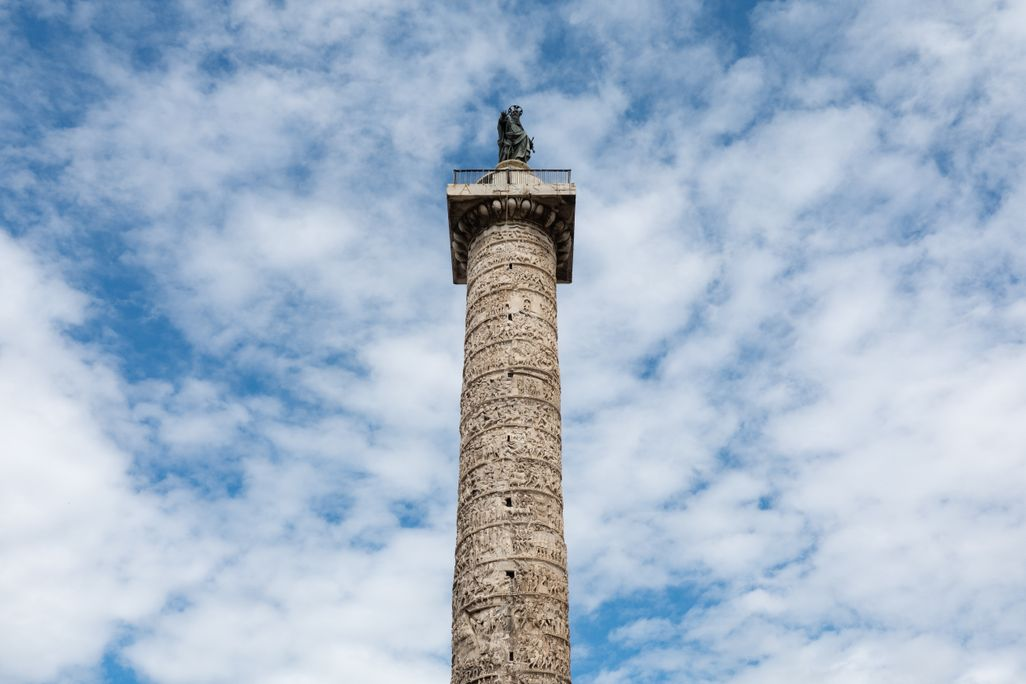
Standing 154 feet tall, the column of Marcus Aurelius is located in the Piazza Colonna and intricately decorated with gruesome scenes of warfare

Built between 180 and 193 C.E., the column depicts the battles of the Roman emperor Marcus Aurelius, with more than 2,000 highly detailed figures spiraling around the shaft.

For decades, restorers have relied on small brushes and gentle tools to clean historic landmarks, but now some are turning to high-tech methods like lasers.

In Rome, conservators are using short-pulse lasers to clean the Column of Marcus Aurelius, a 154-foot-tall Carrara marble monument in the Piazza Colonna outside the prime minister’s residence. Built between 180 and 193 C.E., the column has been restored only a few times, most recently in the 1980s, and this project marks a new approach.

Working from scaffolding around the column, restorers use hand-held lasers to deliver concentrated bursts of heat, lifting decades of smog and grime from the marble. Traditional methods complement the lasers, including sponges, water, chemical wraps, and plaster applied with spatulas to repair gaps. The team also plans to refurbish the spiral staircase that leads to the top, providing panoramic views of the city. The entire project is expected to cost about $2.3 million, funded through European Union post-pandemic recovery loans and grants.

The column features a detailed spiral relief depicting Emperor Aurelius’ battles, with more than 2,000 figures—from soldiers and horses to gods and prisoners. The dramatic scenes include women being grabbed and enslaved, offering vivid insights into Roman life and warfare. Researchers note that the frieze provides almost photographic detail of the Roman army and society.

Aurelius appears multiple times along the column, which spirals 23 times. The original statue of Aurelius was replaced with St. Paul by Pope Sixtus V in 1589. Figures near the top are larger than those at the bottom, guiding viewers through the story scene by scene, according to restorer Valentin Nitu.