Ancient Roman Fast Food: The Thermopolia of Pompeii and Herculaneum
Long before the modern drive-thru, the citizens of ancient Rome enjoyed a sophisticated "grab-and-go" food culture. In cities like Pompeii and Herculaneum, most urban residents lived in cramped apartments (insulae) that lacked private kitchens. To eat, they relied on the thermopolium (plural: thermopolia)—the Roman equivalent of a fast-food restaurant or snack bar.
1. The Design of a Thermopolium
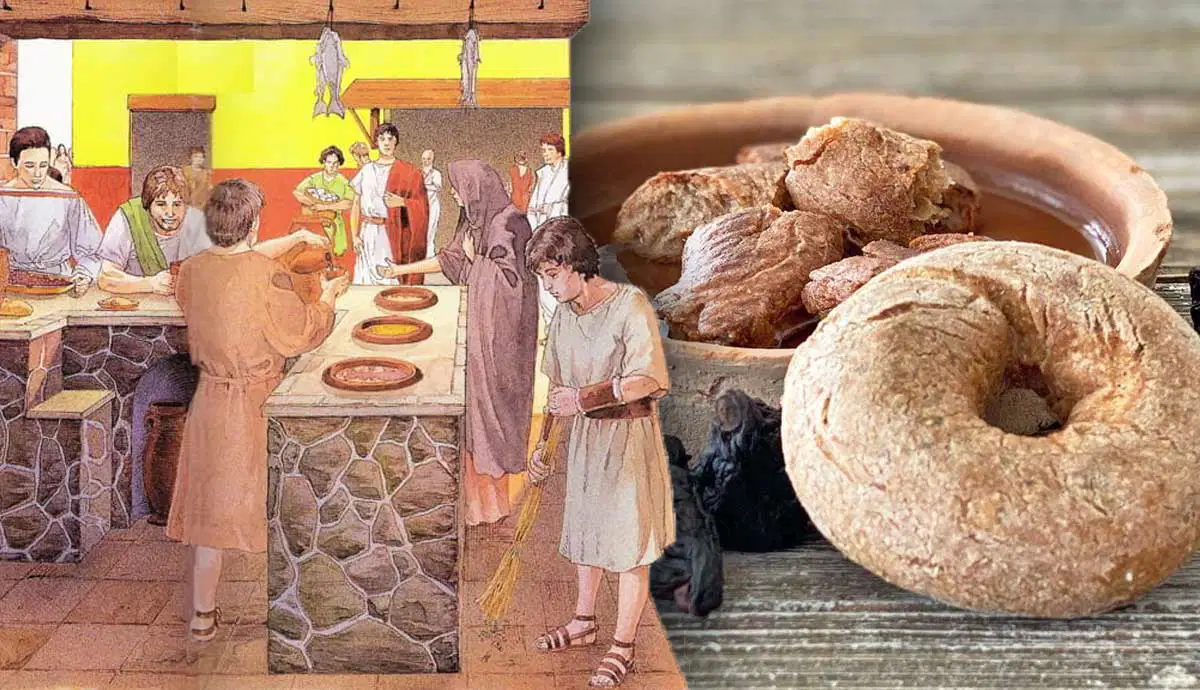
A thermopolium was typically a small room that opened directly onto the busy street, much like a modern storefront. Its most distinctive feature was a L-shaped or U-shaped masonry counter.
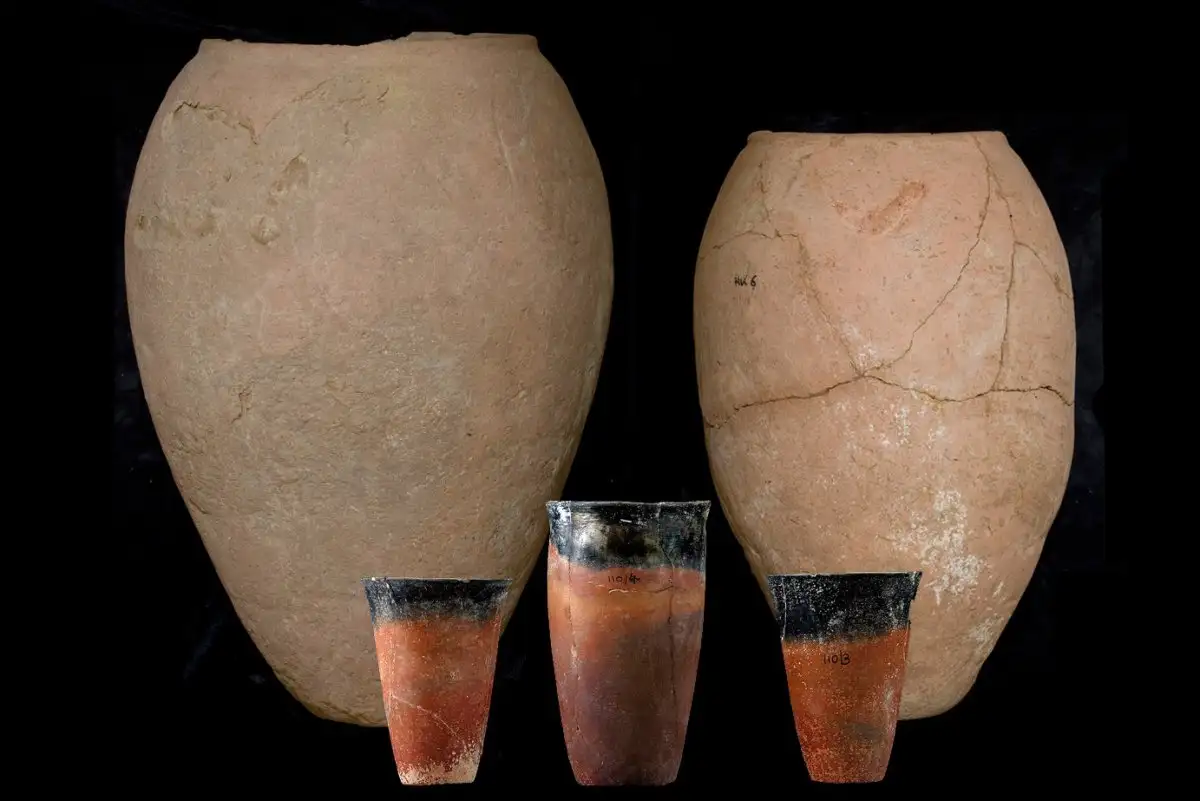
Dolia (Storage Jars): Large terracotta jars called dolia were embedded directly into the concrete counters. These jars were used to store dried foods like lentils, chickpeas, grains, and nuts.
The Service Counter: The counters were often decorated with ornate marble fragments or colorful frescoes. These weren't just for aesthetics; they served as branding and signage to attract hungry passersby.
2. What Was on the Menu?
While the elite of Rome enjoyed multi-course banquets in their villas, the average person ate functional, protein-rich meals. Recent excavations, particularly the discovery of the Regio V Thermopolium in Pompeii in 2020, have provided a "snapshot" of a Roman menu.
Main Dishes: Traces of pig, goat, fish, and land snails have been found in the containers. Often, these were cooked together in a kind of "paella" or stew.
Snacks: Salty snacks were popular, including olives, cheese, and bread.
Wine: Roman wine was almost always diluted with water and often seasoned with spices or honey. Interestingly, archaeologists found crushed beans at the bottom of some wine jars—these were likely used to bleach the wine or adjust its flavor.
3. The Regio V Discovery: A Masterpiece of Marketing
The 2020 excavation of a thermopolium in Pompeii's Regio V district was groundbreaking because the frescoes were perfectly preserved, acting like a literal menu for the illiterate public.
Visual Advertising: The counter featured vivid paintings of a mallard duck and a rooster. These weren't just decorative; they indicated exactly what meats were available for purchase that day.
The Guard Dog: Another fresco depicted a dog on a leash, potentially serving as a "Beware of Dog" sign or simply reflecting the presence of animals in the shop.
Daily Life: These frescoes give us a "technicolor" look at the Roman world, moving past the white-marble myth to show a world of vibrant color and commercial competition.
4. Social Status and the "Lower Class" Stigma
Despite their popularity, thermopolia were often looked down upon by the Roman upper class.
A "Rough" Crowd: Philosophers and historians often portrayed these snack bars as places for the "lower orders," gamblers, and shady characters.
The Necessity of Fast Food: For a laborer or a slave, the thermopolium was a necessity. It provided a hot meal that was impossible to prepare at home. It was a social hub where people could catch up on news, gossip, and local politics over a cup of warm wine.