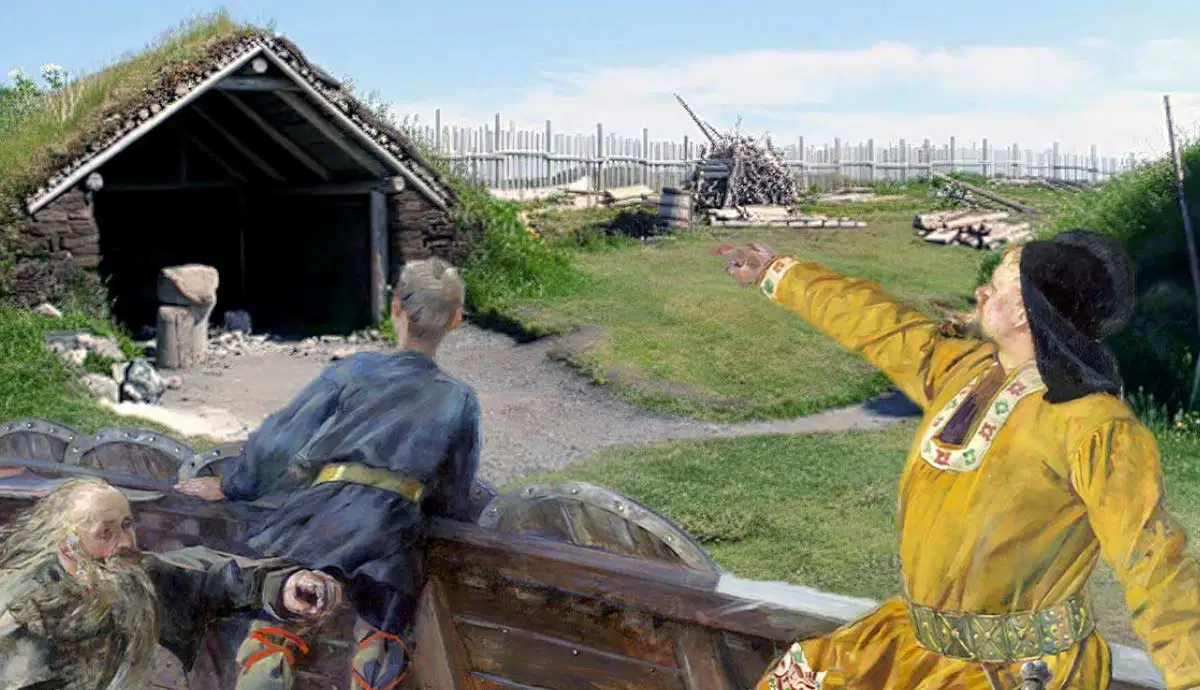
The Danelaw was the 9th-century result of a treaty between King Alfred the Great and the Viking leader Guthrum, effectively splitting England into "English" and "Danish" territories. In Northern England—specifically the Kingdom of York (Jorvik)—archaeology has moved past the image of "invaders" to reveal a sophisticated, blended Anglo-Scandinavian society.
1. Jorvik: The Urban Archetype
The excavations at Coppergate in York revolutionized our understanding of Viking life. Because of the waterlogged, oxygen-free soil, organic materials were preserved in stunning detail.
The Streetscape: Archaeologists uncovered narrow, deep plots of land where timber-framed houses stood. These weren't just homes but industrial workshops. Evidence of comb-making (from red deer antler), leather-working (thousands of shoes and scabbards), and textile production shows a city driven by mass production.
The Global Merchant: Finds at York include Arabian silver coins (dirhams), silk from Byzantium, and pottery from the Rhineland. This proves that 10th-century Northern England was a vital node in a trade network stretching from the Caspian Sea to the North Atlantic.
2. The Language of the Landscape
In Northern England, the "Old Style" of Viking influence is most visible not in dirt, but in names. Place-name archaeology provides a map of where Norse settlement was densest.
The Suffixes: Towns ending in -by (meaning farmstead or village, like Whitby or Selby) and -thorpe (secondary settlement, like Scunthorpe) identify original Viking land-grabs.
Topography: Words like -thwaite (woodland clearing), -keld (spring), and -beck (stream) became so ingrained in the northern dialect that they replaced their Anglo-Saxon equivalents.
3. Hoards and "Hack-Silver"
Recent scholarship and metal detecting finds reported to the Portable Antiquities Scheme have clarified how the Danelaw economy worked.
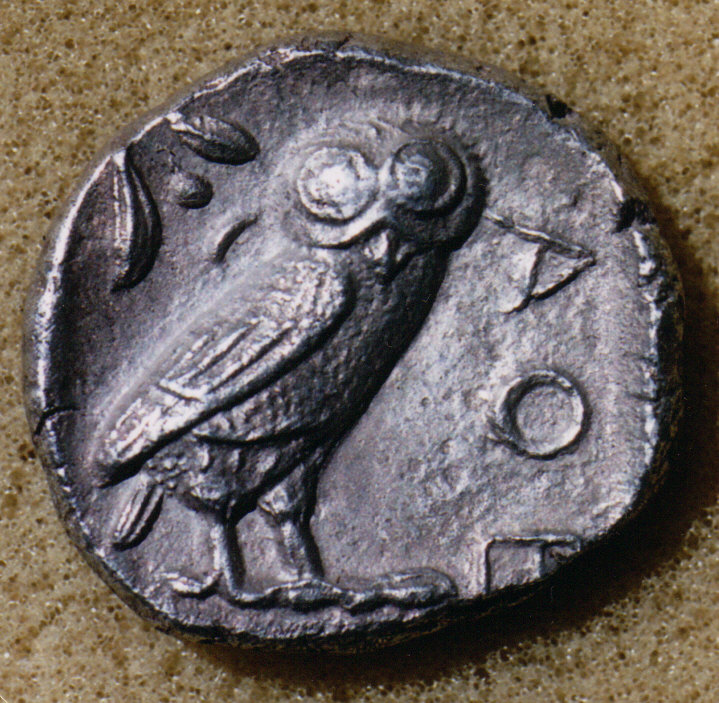
The Bullion Economy: Vikings used a "dual-currency" system. While they minted their own coins (often imitating English styles but with Norse names), they also used hack-silver. This consisted of silver arm-rings or ingots chopped into pieces and weighed on handheld scales to pay for goods.
The Vale of York Hoard: Found near Harrogate, this hoard contained 617 coins from as far away as Samarkand and Afghanistan. It was buried in a gilt-silver cup of Frankish origin, illustrating the sheer reach of Viking plunder and trade.
4. Cultural Blending: The Coppergate Helmet
One of the most significant artifacts ever found in Northern England is the Coppergate Helmet. It perfectly encapsulates the hybrid identity of the Danelaw:
Design: Its shape is traditional Northumbrian/Anglo-Saxon.
Religious Fusion: It features a Christian prayer inscribed in Latin around the crest, yet its decorative "eyebrows" and nose-guard are executed in the Viking "animal style" common in Scandinavia.
5. Genetic and Isotopic Insights
Modern science is now "digging" into the bones of the inhabitants.
Dietary Shifts: Isotopic analysis of skeletons in York shows that while the early settlers maintained a Scandinavian diet high in protein, their descendants quickly shifted to the local "English" diet of grains and domesticated livestock.
Integration: DNA studies from 2024–2026 indicate that the "Viking" population was not a closed caste. Within two generations, the Norse settlers were genetically indistinguishable from the local Anglo-Saxon population through intermarriage, proving that the Danelaw was a zone of cultural assimilation rather than permanent occupation.