• MAIN PAGE
  • LATEST NEWS
    • Lost Cities
    • Archaeology's Greatest Finds
    • Underwater Discoveries
    • Greatest Inventions
    • Studies
    • Blog
  • PHILOSOPHY
  • HISTORY
  • RELIGIONS
    • Africa
    • Anatolia
    • Arabian Peninsula
    • Balkan Region
    • China - East Asia
    • Europe
    • Eurasian Steppe
    • Levant
    • Mesopotamia
    • Oceania - SE Asia
    • Pre-Columbian Civilizations of America
    • Iranian Plateau - Central Asia
    • Indus Valley - South Asia
    • Japan
    • The Archaeologist Editor Group
    • Scientific Studies
    • Aegean Prehistory
    • Historical Period
    • Byzantine Middle Ages
    • Predynastic Period
    • Dynastic Period
    • Greco-Roman Egypt
  • Rome
  • PALEONTOLOGY
  • About us
Menu

The Archaeologist

  • MAIN PAGE
  • LATEST NEWS
  • DISCOVERIES
    • Lost Cities
    • Archaeology's Greatest Finds
    • Underwater Discoveries
    • Greatest Inventions
    • Studies
    • Blog
  • PHILOSOPHY
  • HISTORY
  • RELIGIONS
  • World Civilizations
    • Africa
    • Anatolia
    • Arabian Peninsula
    • Balkan Region
    • China - East Asia
    • Europe
    • Eurasian Steppe
    • Levant
    • Mesopotamia
    • Oceania - SE Asia
    • Pre-Columbian Civilizations of America
    • Iranian Plateau - Central Asia
    • Indus Valley - South Asia
    • Japan
    • The Archaeologist Editor Group
    • Scientific Studies
  • GREECE
    • Aegean Prehistory
    • Historical Period
    • Byzantine Middle Ages
  • Egypt
    • Predynastic Period
    • Dynastic Period
    • Greco-Roman Egypt
  • Rome
  • PALEONTOLOGY
  • About us

10,000-year-old settlement challenges traditional views on the origins of sedentary life

March 23, 2026

Ancient Settlement in Türkiye Redefines Early Human Living

A remarkable archaeological discovery in southeastern Türkiye is challenging long-held ideas about when humans began living in permanent communities. The site, known as Şika Rika 5, dates back around 10,000 years and offers new insights into one of the most important transitions in human history.

A Hidden Site Comes to Light

Located in the limestone foothills of the Tur Abdin in Mardin province, the area had previously received little archaeological attention compared to the famous river valleys of the Tigris River and Euphrates River.

The excavation, led by Ergül Kodaş of Mardin Artuklu University, focuses on a period spanning roughly 12,000 to 10,000 years ago. This timeframe covers the late Epipalaeolithic and Pre-Pottery Neolithic eras—when humans were gradually shifting from a nomadic lifestyle to more settled ways of living.

Not Just One Settlement

Şika Rika 5 is part of a much larger network. Since 2022, researchers have identified at least 20 nearby prehistoric settlements, all clustered within a relatively small area.

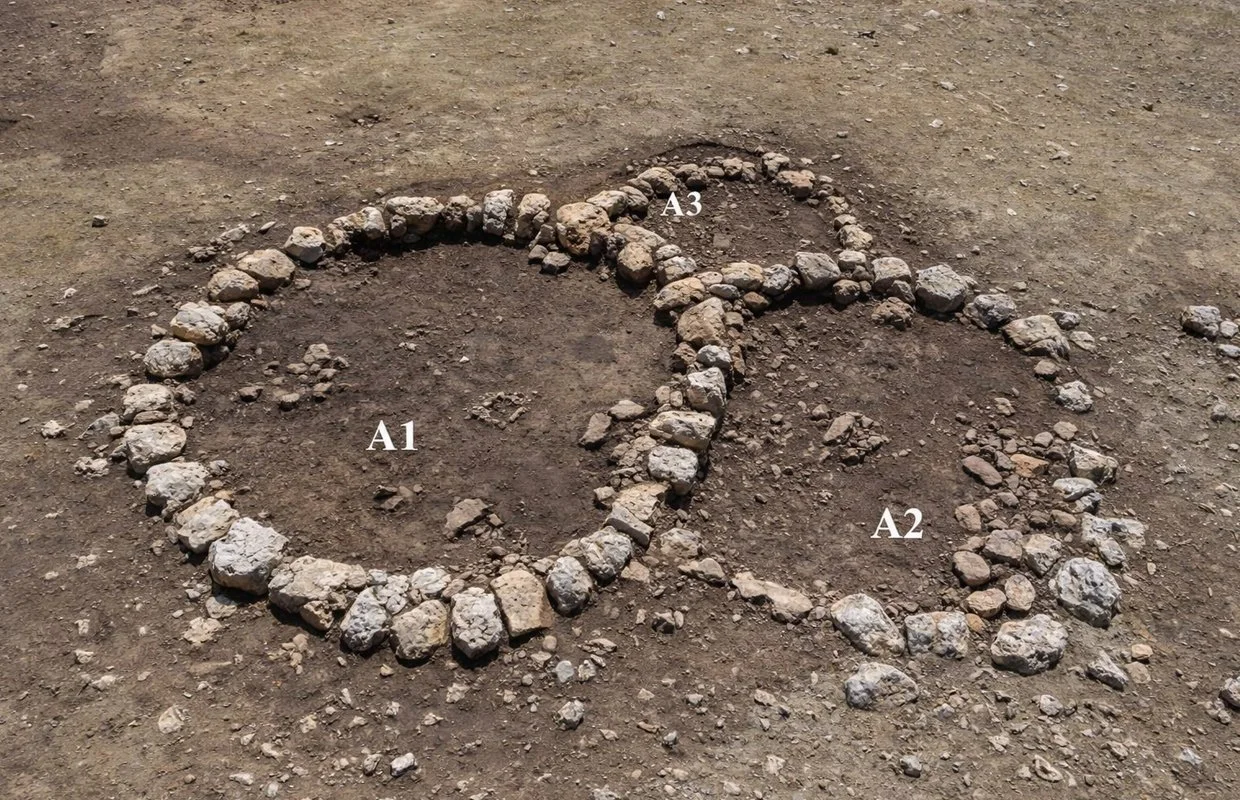
These communities were built on artificial mounds known as höyük, formed by layers of repeated human occupation over time. At Şika Rika 5, archaeologists have uncovered circular structures that likely served as long-term dwellings, suggesting people lived there more permanently than previously assumed.

Daily Life and Tools

Artifacts found at the site provide a vivid picture of everyday life. Most tools were crafted from flint, with smaller amounts of obsidian—volcanic glass that must have been transported from distant sources. This points to early trade or exchange networks connecting different communities.

Among the most significant discoveries are small, crescent-shaped tools called “lunates.” These finely made objects were likely used as parts of composite tools, such as knives or hunting weapons, indicating advanced craftsmanship.

Food, Survival, and Early Resource Use

The presence of grinding stones and pestles suggests that inhabitants processed wild grains, legumes, and other plant foods. Combined with animal bones found at the site, this indicates a mixed lifestyle that included hunting, gathering, and early plant use.

This balance shows that people were not yet fully dependent on farming but were already experimenting with ways to make better use of available resources.

Signs of Culture and Community

Beyond survival tools, archaeologists uncovered decorative beads and other ornamental items. These objects hint at social or symbolic behaviors, suggesting that the community had cultural traditions and possibly shared identities.

All recovered artifacts are currently preserved at the Mardin Museum.

A Region of Early Innovation

Southeastern Anatolia is already known for its importance in early human history. Sites like Göbekli Tepe and Boncuklu Tarla have shown that complex societies existed earlier than once believed.

The discovery of Şika Rika 5 adds another layer to this story, revealing a dense network of settlements during a crucial period of development.

Rethinking the Origins of Settled Life

One of the most important takeaways from this discovery is that permanent or semi-permanent living may have begun before agriculture.

Rather than farming leading to settled life, evidence from Şika Rika 5 suggests the opposite may also be true: communities may have first settled in one place, relying heavily on local resources, and only later developed agriculture.

A New Perspective on Human History

This discovery offers a fresh understanding of how human societies evolved. Instead of a sudden shift from nomadic to farming lifestyles, the transition appears to have been gradual and complex.

Şika Rika 5 provides a powerful example of how early humans adapted to their environment, slowly moving toward a more settled way of life—long before agriculture fully took hold.
Where Camels Fear To Go: 200 Skeletons Were Discovered At A Prehistoric Cemetery In The Sahara Desert

March 23, 2026

A Mysterious Ancient Cemetery in the Sahara Desert

Deep within the vast sands of the Sahara Desert, hundreds of ancient human skeletons have remained buried for thousands of years. Their presence in such an unforgiving environment raises compelling questions: who were these people, and why were they here? Thanks to determined archaeologists, some answers are finally emerging.

A Harsh and Isolated Landscape

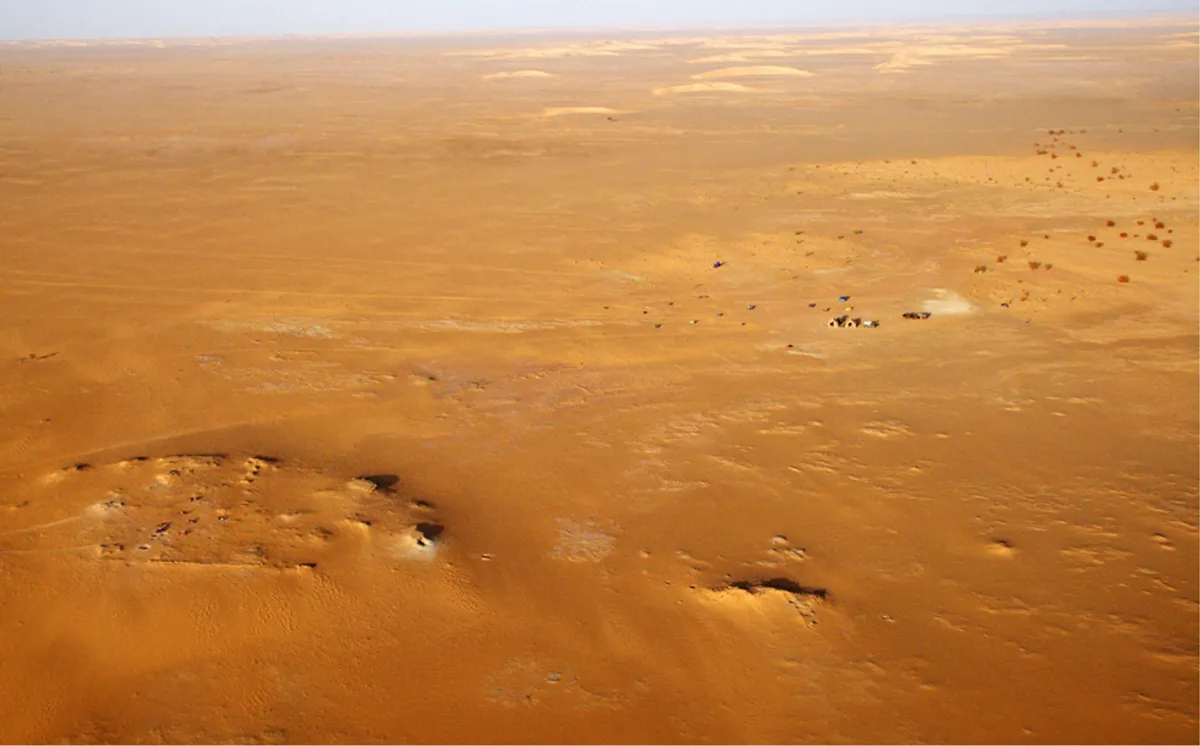
The burial site lies in the remote Ténéré Desert, a region often described as a “desert within a desert.” This area is known for its extreme conditions—intense heat reaching up to 49°C (120°F), powerful sandstorms, and vast stretches of barren land with little to no infrastructure.

Local nomadic traditions even refer to it as “the place where camels fear to go,” highlighting just how dangerous it is. Today, due to risks such as banditry and regional conflict, visitors must travel under armed escort.

From Dinosaurs to Human Discovery

Despite its harshness, the Ténéré has attracted scientists since the 1950s because of its rich fossil deposits. In 2000, a team led by Paul Sereno from the University of Chicago explored the region in search of dinosaur remains.

Instead of prehistoric reptiles, they uncovered something even more unexpected: human skeletons, along with pottery fragments, beads, arrowheads, and other artifacts. This discovery revealed the presence of an ancient cemetery, now known as Gobero.

The “Green Sahara” Era

At first glance, a cemetery in such an extreme desert seems unlikely. However, the site dates back to a time when the Sahara looked very different.

During the “Green Sahara” period—between roughly 15,000 and 5,000 years ago—the region experienced increased rainfall due to shifting monsoon patterns. What is now desert was once a thriving landscape filled with lakes, vegetation, and wildlife such as hippos and crocodiles.

Gobero itself was located near a large freshwater lake, offering water, food, and a sustainable environment for human settlement.

Two Cultures, One Burial Ground

Archaeological evidence shows that Gobero was inhabited by two distinct groups at different times:

  • Hunter-fishers (around 7700 BCE): These early settlers established what is considered the oldest known cemetery in the Sahara. They relied heavily on fishing and hunting for survival.

  • Pastoralists (after 5200 BCE): Following a long drought that forced the first group to leave, a second population arrived. They introduced cattle herding and had a more varied diet.

Interestingly, both groups used the same burial ground, even though they were separated by centuries and significant climate changes.

Striking Physical Differences

The two populations were not only culturally different but also physically distinct. The earlier group had strong, robust builds, while the later inhabitants were more slender in appearance.

According to bioarchaeologist Chris Stojanowski, one of the most puzzling aspects is how both groups managed to bury their dead in the same location without disturbing earlier graves. This suggests a surprising level of awareness—or perhaps respect—for the site’s significance.

Climate Change and Abandonment

The history of Gobero reflects the shifting climate of the Sahara. Periods of rainfall allowed communities to thrive, while prolonged droughts forced them to abandon the area.

Around 5,000 years ago, increasing dryness turned the region back into desert, making it uninhabitable once again.

A Desert Full of Hidden Secrets

Gobero may be just one of many undiscovered sites. The Sahara spans an enormous area, much of which remains unexplored. Its constantly shifting الرمال can easily hide traces of ancient life for thousands of years.

The unexpected discovery of this cemetery suggests that many more secrets are still buried beneath the الرمال—waiting to be uncovered by future explorers.

Ancient Mazovia was a major centre of iron production in Pre-Roman Europe

March 23, 2026

Ancient Iron Industry Discovered in Mazovia

A recent archaeological study from the University of Warsaw reveals that western Mazovia was already a key hub for iron production as early as the 4th century BC. This discovery reshapes previous understanding and highlights the region’s importance in early European metallurgy.

Building on Earlier Discoveries

The new findings expand on research conducted in the 1960s, when archaeologists identified approximately 240 ironworking sites in what is now called the Masovian Metallurgical Centre. Today, this area is recognized as one of the largest ancient industrial zones in Europe.

Experts estimate that between 120,000 and 150,000 bloomery furnaces once operated across the region, demonstrating the scale and organization of early iron production.

Pushing Back the Timeline

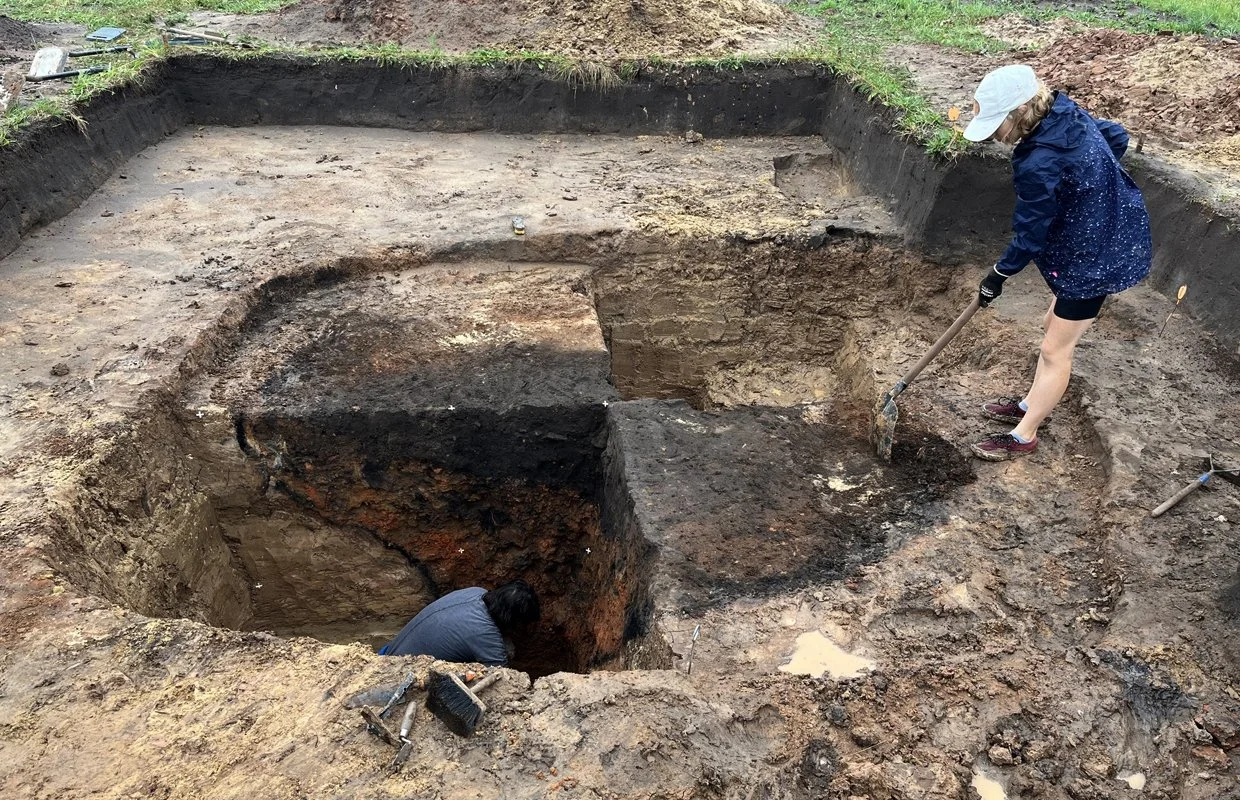
Recent excavations at Zaborów, near Kampinos National Park, suggest that ironworking in the region began even earlier than previously believed. Evidence now points to activity dating back to the late 4th or early 3rd century BC—more than a century earlier than earlier estimates.

The Challenges of Early Iron Production

Producing iron in ancient times required significant resources and effort. Each furnace needed around 100 kilograms of bog iron ore, along with even larger amounts of charcoal. Despite this heavy investment, the process was inefficient, yielding only about 10 to 15 percent usable metal.

Because iron rarely survives at production sites, archaeologists rely heavily on slag—the waste material left behind—to identify areas of metallurgical activity. However, recent discoveries at Zaborów uncovered two iron ingots, likely semi-finished products that may have been used for trade.

A Society Built on Metal

Artifacts linked to the Przeworsk culture—including tools, jewelry, and weapons—show how essential iron was to daily life. The widespread presence of these items suggests a المجتمع heavily reliant on metalworking.

It is also likely that surplus iron was traded, contributing to economic growth and regional connections.

Origins and Environmental Impact

Researchers believe that ironworking techniques were introduced by groups connected to the Jastorf culture, possibly originating from southern Scandinavia.

Mazovia offered ideal conditions for large-scale production, with abundant supplies of iron ore, clay, water, and forests. However, this industrial activity came at a cost, leading to extensive deforestation over time.

Ongoing Research and Future Insights

Scientists continue to study the region using methods such as pollen analysis to better understand how the landscape evolved alongside this intensive industry. These efforts aim to provide a clearer picture of how early industrial activity shaped both the environment and society.

Professor Alice Roberts is bringing her new stage show, Cell to Civilisation, to The Anvil.

Professor Alice Roberts bringing new show to Basingstoke

March 23, 2026

Renowned anatomist and broadcaster Alice Roberts is inviting audiences on an extraordinary journey through time with her new stage show Cell to Civilisation—a sweeping exploration of life on Earth that spans an astonishing four billion years.

Set to take place at The Anvil, the show blends insights from archaeology, evolutionary biology, and genetics to tell the story of how life—and ultimately humanity—came to be. Rather than presenting science in a traditional lecture format, Roberts uses theatrical elements like sound, lighting, and immersive storytelling to bring complex ideas vividly to life.

At its core, Cell to Civilisation tackles some of humanity’s oldest and most profound questions: Who are we? Where do we come from? And what does it truly mean to be human? For centuries, these questions were explored through philosophy and religion, but today, science offers evidence-based answers grounded in fossil records, DNA, and archaeological discoveries.

The show traces the origins of life back to the earliest single-celled organisms, long before humans existed. From there, it follows the gradual process of evolution—highlighting key transitions such as the development of multicellular life, the rise of mammals, and eventually the emergence of early human ancestors. Roberts also explores how different human species once coexisted, offering a broader perspective on our place within the human family tree.

A major focus of the performance is human migration. Audiences are guided through the journey of early humans as they spread out of Africa and gradually populated the rest of the world, reaching Asia, Australia, Europe, Siberia, and eventually the Americas—the last major landmass to be settled. Along the way, the show examines how environments, climate, and adaptation shaped human diversity.

Beyond biology, Cell to Civilisation also looks at the rise of early civilizations—how humans transitioned from small, mobile groups into complex societies with agriculture, cities, and culture. By connecting these developments to deep evolutionary roots, the show paints a continuous narrative from the simplest forms of life to modern civilization.

Ultimately, Roberts’ performance is not just about the past—it’s about understanding the present. By revealing the interconnectedness of all living things, the show encourages audiences to reflect on their place in the natural world and the shared history that links every human being.

With its mix of science and storytelling, Cell to Civilisation offers a rare opportunity to experience the history of life not as a series of facts, but as a powerful, unfolding story—one that continues to shape who we are today.

Sacred Lakes Mentioned in Ancient Myths

March 20, 2026

Waters of Mystery

Across cultures and continents, lakes have long been viewed as more than simple natural bodies of water. To ancient societies, they were living symbols—mysterious, powerful, and deeply connected to the spiritual world. Their still surfaces often concealed unknown depths, inspiring both reverence and curiosity.

Many traditions described lakes as gateways to the divine, places where the physical and spiritual realms could meet. In myths and legends, they were often portrayed as entrances to hidden worlds, homes of supernatural beings, or sacred spaces where transformation could occur.

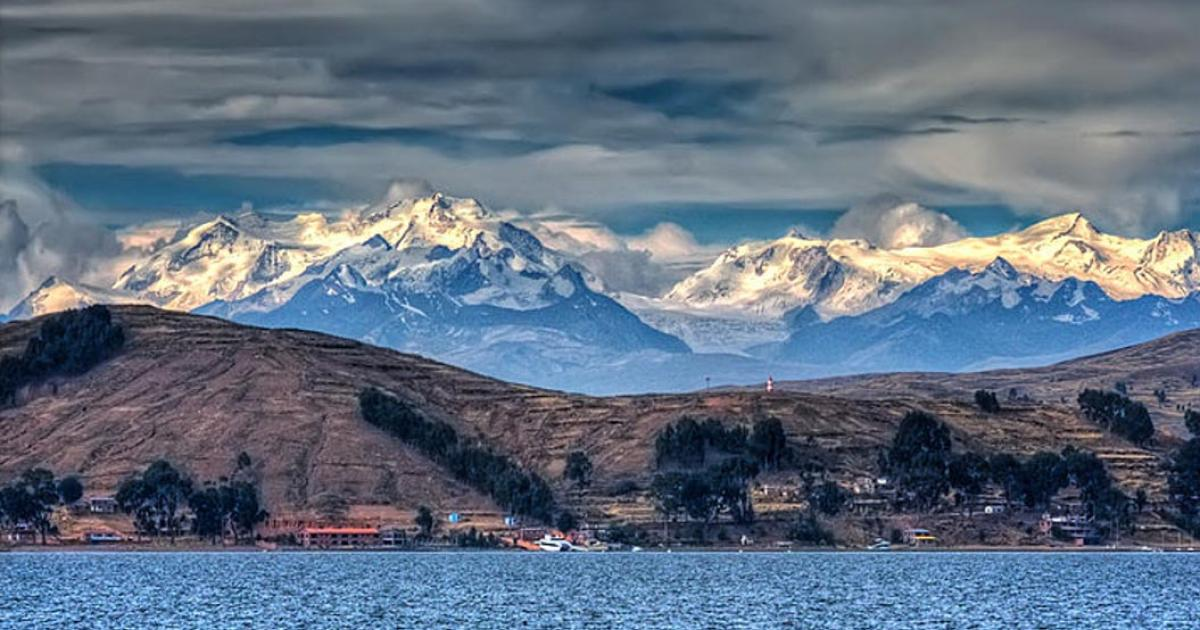
From the misty waters of Lake Titicaca in South America to the myth-filled Lake Llyn y Fan Fach in Wales, sacred lakes appear in stories across the globe, each carrying its own cultural meaning while sharing common themes of mystery and power.

Myth and Ritual

Communities gathered at sacred lakes to perform rituals that were central to their spiritual lives.

These ceremonies often involved offerings such as food, crafted objects, or precious items placed into the water. In some traditions, people believed that the lake itself could receive these offerings and carry them to divine beings.

Rituals performed near lakes were meant to seek blessings, protection, healing, or guidance. Some ceremonies were seasonal, tied to agricultural cycles or celestial events, while others marked important life transitions such as birth, adulthood, or death.

Lakes were frequently associated with deities, spirits, or mythical beings. In some myths, they were said to be inhabited by guardians or supernatural entities who controlled the water’s power. Respecting these forces was essential, and rituals helped maintain balance between humans and the unseen world.

Archaeological Evidence

Modern archaeology provides strong evidence supporting the sacred role of lakes in ancient societies.

Excavations near and within lakes have uncovered a wide range of artifacts, including pottery, tools, jewelry, and ceremonial objects. In some cases, these items appear to have been intentionally placed in the water rather than lost by accident.

Such discoveries suggest that lakes were used as sites for offerings and ritual deposits. The deliberate placement of valuable or symbolic items indicates that these acts held deep spiritual meaning.

In certain locations, evidence of repeated activity—such as layers of deposited objects—points to long-standing traditions of worship and ritual practice centered around these bodies of water.

Symbolism of Water

Water has always been one of the most powerful symbols in human culture.

It represents life, as all living things depend on it for survival. At the same time, it symbolizes renewal and transformation, as water can cleanse, nourish, and reshape the world around it.

Lakes, in particular, carry unique symbolic meaning. Unlike rivers, which are constantly moving, lakes appear calm and still. This stillness often suggests depth—both physical and spiritual.

Ancient people may have seen lakes as mirrors of the soul or as spaces for reflection and connection with the unseen. Their quiet surfaces could hide unknown depths, reinforcing the idea that they were places of mystery and hidden knowledge.

Cultural Significance

Sacred lakes were not only places of worship but also important centers of community life.

People gathered at these sites for ceremonies, festivals, and shared traditions. These events strengthened social bonds and reinforced cultural identity.

Lakes often became landmarks within the landscape, shaping how communities understood their environment. They were places where stories were told, beliefs were practiced, and traditions were passed down through generations.

In some cultures, sacred lakes were also linked to origin myths—stories explaining how a people or civilization began. This further deepened their importance as both spiritual and cultural symbols.

Living Traditions

The reverence for sacred lakes has not disappeared with time.

Even today, many cultures continue to honor lakes through rituals, ceremonies, and cultural practices. Pilgrimages, offerings, and festivals still take place at certain sites, reflecting traditions that have lasted for centuries or even millennia.

These living traditions demonstrate the enduring connection between humans and water. Despite changes in technology and belief systems, the symbolic power of lakes remains strong.

Timeless Reflections

Sacred lakes remind us that nature has always been a source of inspiration, meaning, and spiritual connection.

They reflect humanity’s desire to understand the unknown, to connect with forces beyond the visible world, and to find meaning in the environment.

Across time and culture, lakes have remained powerful symbols of mystery, transformation, and life itself—quiet yet profound reminders of the deep relationship between humans and the natural world.

Lost Valleys That Once Held Great Civilizations

March 20, 2026

Hidden Worlds

Throughout history, some of the most fascinating civilizations developed in remote valleys—hidden between towering mountains, winding rivers, or dense and difficult terrain. These landscapes acted as natural barriers, separating communities from the outside world and creating environments where cultures could evolve in relative isolation.

To those living within them, these valleys were not remote at all—they were entire worlds. Surrounded by protective geography, early inhabitants found safety, stability, and the resources needed to build lasting societies.

In regions such as the Andes Mountains and the Himalayas, valleys became cradles of civilization, where human ingenuity transformed challenging environments into thriving cultural centers.

Evidence of Civilization

Archaeological discoveries in these valleys reveal that they were home to advanced and highly organized societies.

Excavations have uncovered the remains of cities with structured layouts, including roads, residential areas, storage facilities, and ceremonial spaces. Agricultural terraces carved into hillsides show how people adapted the land to grow crops efficiently, even in steep terrain.

Artifacts such as pottery, tools, textiles, and artwork provide insight into daily life and cultural expression. These findings make it clear that these were not isolated or primitive settlements—they were complex and vibrant communities with developed economies, social systems, and traditions.

Isolation and Innovation

Isolation often played a key role in shaping these civilizations.

With limited contact with neighboring regions, valley societies developed unique languages, belief systems, and technologies. This independence encouraged creativity and adaptation, as people relied on their own knowledge and resources to survive.

In some valleys, communities engineered advanced irrigation systems to manage water supply. In others, they developed specialized farming techniques suited to their environment.

This process of innovation demonstrates how human societies can adapt and thrive even under challenging conditions.

Decline and Disappearance

Despite their success, many valley civilizations eventually declined or disappeared.

Environmental changes were often a major factor. Droughts, floods, landslides, or shifts in climate could disrupt agriculture and threaten food supplies. In such isolated environments, even small changes could have significant consequences.

Social and political factors also played a role. Internal conflicts, population pressures, or changes in leadership may have weakened these societies over time.

In some cases, entire communities were abandoned. What remains are silent ruins—stone structures, terraces, and scattered artifacts that hint at once-thriving cultures.

Rediscovery

For centuries, many of these valleys remained hidden from the outside world.

Modern exploration, satellite technology, and archaeological research have gradually brought them back into view. Discoveries of forgotten settlements have expanded our understanding of where and how ancient civilizations developed.

Each newly uncovered site adds another piece to the puzzle of human history, revealing that advanced societies existed in places once thought too remote or difficult to sustain.

Lessons From the Past

Lost valley civilizations remind us that human development has never followed a single, predictable path.

They show that innovation, resilience, and culture can flourish even in isolation, far from major trade routes or centers of power. These societies adapted to their environments, created unique identities, and built lasting legacies.

Their stories challenge the idea that progress only happens in large, connected regions. Instead, they highlight the diversity of human experience and the many ways people have shaped their worlds.

Echoes of Hidden Civilizations

Today, the remnants of these valleys continue to inspire curiosity and respect.

They stand as reminders that much of human history still lies waiting to be discovered—and that even the most remote corners of the world once held thriving, dynamic civilizations.

Ancient Metal Weapons That Changed Warfare Forever

March 20, 2026

The Rise of Metal Warfare

The transition from stone tools to metal weapons marked one of the most significant turning points in human history.

Metal weapons were stronger, sharper, and more durable, giving those who possessed them a clear advantage in battle. This technological shift transformed not only how wars were fought but also how societies organized themselves.

Early Weapons

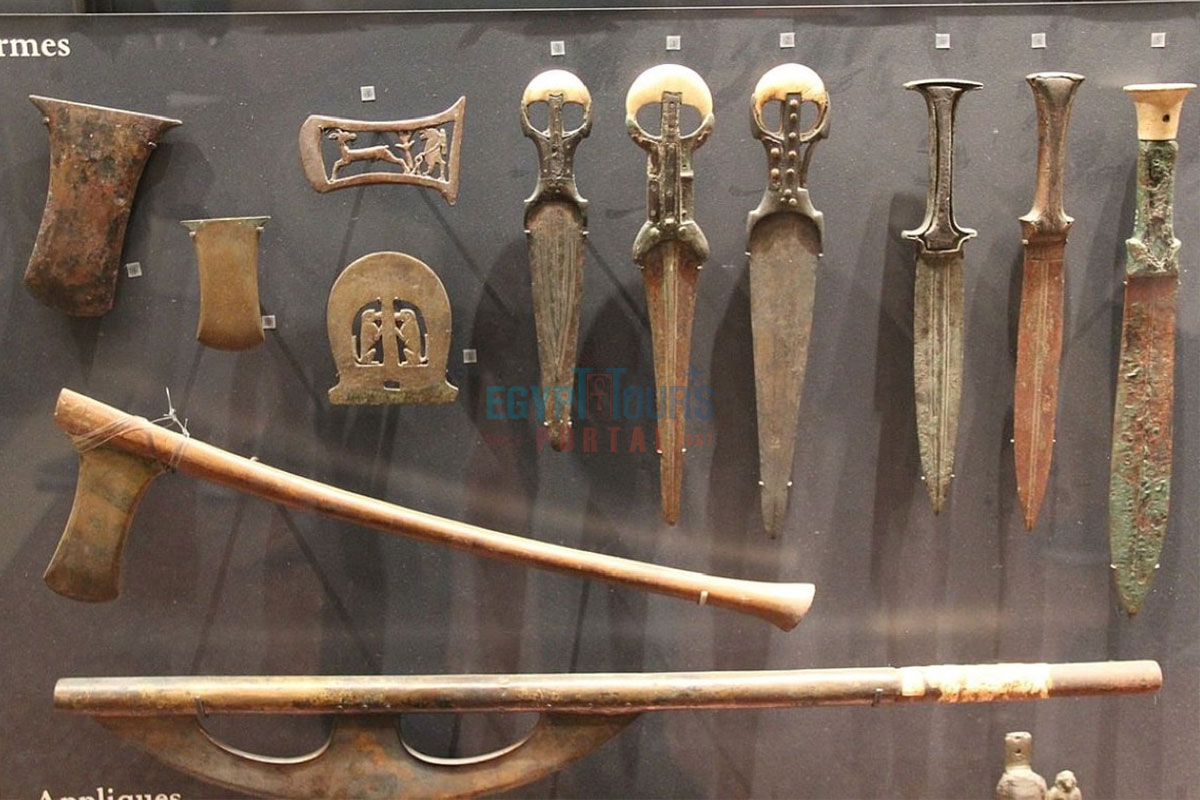
The earliest metal weapons were made from bronze, a combination of copper and tin.

Bronze swords, spears, and axes allowed warriors to fight more effectively than ever before. Later, the introduction of iron brought even stronger and more reliable weapons.

These tools were not only practical but also symbols of power and status.

Technological Advantage

Armies equipped with metal weapons often dominated those using older technologies.

Superior weapons meant greater efficiency in combat, allowing smaller or better-equipped forces to defeat larger groups.

This advantage encouraged the spread of metallurgy and increased competition between societies.

Armor and Defense

Metal was also used to create armor and protective gear.

Helmets, shields, and body armor improved a warrior’s chances of survival, changing the dynamics of battle.

As defense improved, offensive strategies evolved as well, leading to more complex forms of warfare.

Strategy and Organization

With improved weapons came the need for better organization.

Armies became more structured, with trained soldiers, coordinated tactics, and defined roles. Warfare became less about individual combat and more about group strategy.

A New Era of Conflict

Metallurgy did not just improve weapons—it transformed the entire nature of warfare.

Battles became more strategic, societies became more militarized, and power became closely tied to technological advancement.

The influence of these early innovations can still be seen in modern military systems.

The First Written Laws in Human History

March 20, 2026

From Tradition to Code

In the earliest human societies, rules were not written down. Instead, they were passed from generation to generation through spoken tradition. Elders and leaders enforced these customs, guiding behavior within the community.

As societies grew more complex, however, the need for consistent and clearly defined rules became more important. This led to the creation of written laws—one of the most significant developments in human civilization.

Early Legal Codes

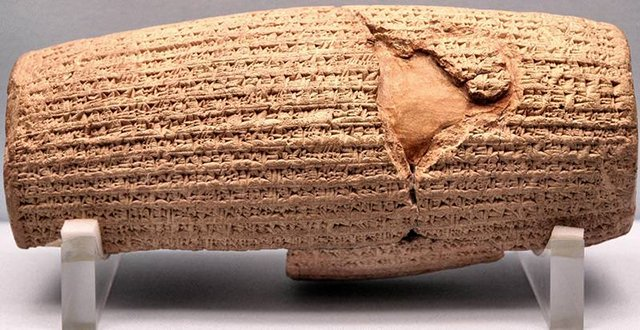
One of the most famous early legal systems is the Code of Hammurabi, developed in Mesopotamia around 1750 BCE.

This code was inscribed on stone and displayed publicly, allowing people to see the laws that governed them. It covered a wide range of topics, including trade, property, family relations, and criminal behavior.

The existence of such a code shows a shift toward organized governance and accountability.

Structure and Purpose

Written laws created a standard system that applied to all members of society—at least in theory.

They defined specific punishments for offenses, established expectations for behavior, and provided guidelines for resolving disputes.

This structure helped reduce confusion and conflict by making rules clear and consistent.

Social Impact

Legal codes played a major role in shaping ancient societies.

They reinforced the authority of rulers and governments, ensuring that power was maintained through an organized system rather than individual decisions.

At the same time, laws helped protect certain rights and regulate interactions between people, contributing to social stability.

Law and Justice

Early legal systems were not always fair by modern standards. Punishments could be harsh, and social class often influenced how laws were applied.

However, the idea of written law itself was revolutionary. It introduced the concept that rules should be known, recorded, and consistently enforced.

Legacy

These early legal systems laid the foundation for modern law.

Today’s legal frameworks—courts, contracts, and written regulations—can trace their origins back to these first attempts at codifying rules.

They reflect humanity’s ongoing effort to create order, fairness, and justice within society.

Stone Circles Across the World and Their Shared Mysteries

March 20, 2026

Rings of Stone, Circles of Meaning

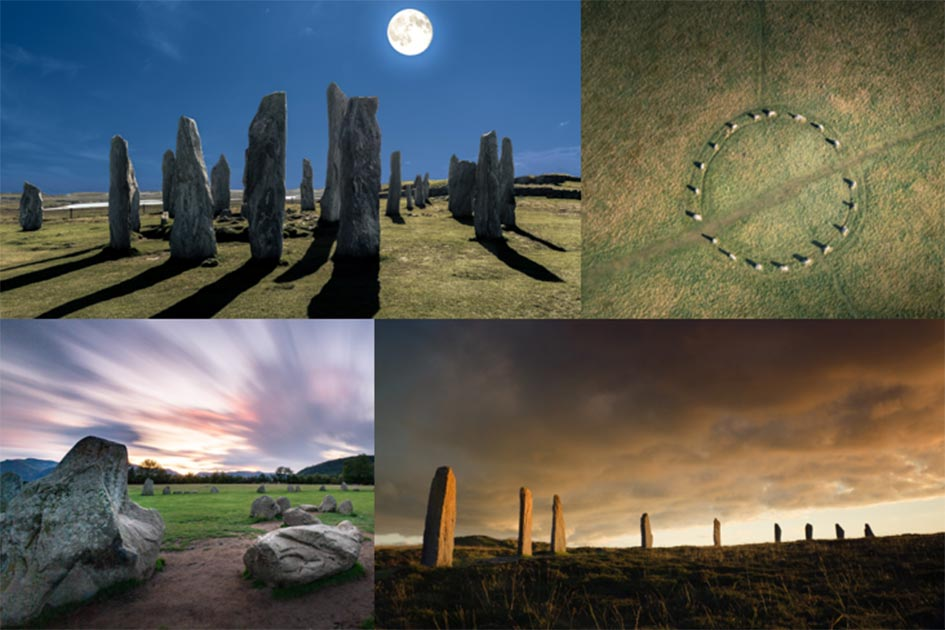
Across different continents, ancient people built stone circles—carefully arranged formations of large stones placed in circular patterns. These structures, some of which are thousands of years old, continue to capture the imagination of archaeologists and historians.

Though separated by distance, culture, and time, many of these circles share striking similarities. Their purpose remains one of the most intriguing mysteries of the ancient world.

Global Examples

Stone circles appear in many regions, particularly across Europe and Africa, as well as parts of Asia and the Middle East.

One of the most well-known examples is Stonehenge in England, but there are hundreds of lesser-known sites scattered across landscapes—from open plains to remote highlands.

Despite differences in size, number of stones, and construction style, these circles often show evidence of careful planning. The placement of each stone was likely intentional, suggesting a deeper purpose beyond simple arrangement.

Astronomical Alignments

One of the most widely studied features of stone circles is their alignment with celestial events.

Many circles appear to be positioned in relation to the rising or setting of the sun during solstices or equinoxes. In some cases, specific stones act as markers, framing the horizon at key moments of the year.

This suggests that ancient builders were not only skilled in construction but also keen observers of the sky. These circles may have functioned as early calendars, helping communities track seasonal changes essential for agriculture and survival.

Possible Purposes

The exact purpose of stone circles remains uncertain, and scholars continue to debate their meaning.

Some theories suggest they were used for religious or spiritual rituals. The circular shape may have symbolized unity, eternity, or the cycle of life. Others believe they served as gathering places where communities came together for ceremonies, storytelling, or decision-making.

Another possibility is that they acted as timekeeping systems, helping early societies understand and predict natural cycles.

Shared Human Ideas

The similarities between stone circles across distant regions suggest that different cultures may have developed comparable ways of interpreting the world.

Without direct contact, these societies still created structures that reflect shared concerns—understanding time, connecting with the cosmos, and creating communal spaces.

This points to a universal human desire to find meaning in nature and to express that meaning through architecture.

Enduring Mysteries

Despite decades of research, many stone circles still hold secrets.

Their builders left no written records explaining their purpose, leaving modern researchers to rely on interpretation and evidence.

These ancient rings of stone continue to inspire curiosity, reminding us that much of human history remains open to discovery.

Hidden Burial Chambers Beneath Sacred Temples

March 20, 2026

Secrets Beneath the Sacred

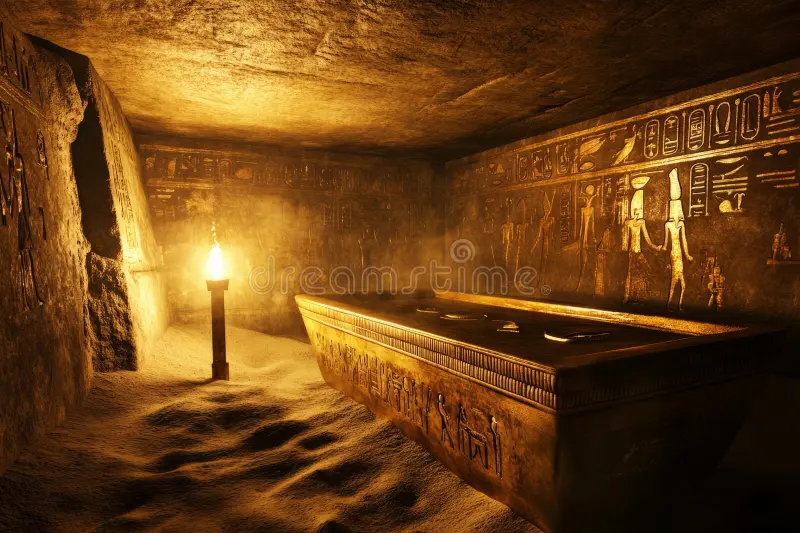
Many ancient temples were more than places of worship. Beneath their foundations, hidden chambers and tunnels reveal a deeper layer of spiritual and cultural meaning.

These underground spaces often served as burial sites or sacred areas connected to beliefs about death and the afterlife.

Underground Architecture

Archaeologists have discovered complex networks of chambers beneath temples.

These spaces were carefully constructed, sometimes featuring passageways, sealed rooms, and hidden entrances.

Their design suggests that access was restricted to specific individuals, such as priests or elites.

Religious Significance

Burial chambers beneath temples reinforced the connection between the living and the divine.

Placing the dead beneath sacred spaces may have symbolized a closer relationship with the gods.

These sites were often associated with rituals honoring ancestors or guiding souls to the afterlife.

Ritual Use

Some underground chambers may have been used for ceremonies.

Dark, enclosed spaces created a powerful atmosphere for rituals involving transformation, rebirth, or communication with spiritual forces.

Discoveries and Mysteries

Modern excavations continue to uncover these hidden spaces.

Artifacts, human remains, and inscriptions found within them provide valuable insights into ancient beliefs.

However, many questions remain about how these chambers were used.

A World Beneath the Surface

Hidden burial chambers remind us that ancient temples were complex structures with both visible and hidden meanings.

They reveal a deeper dimension of spirituality that existed beneath the surface of everyday life.

Ancient Goldsmiths and the Secrets of Early Jewelry

March 20, 2026

Crafting Beauty From Metal

Gold has fascinated humans for thousands of years. Its shine, rarity, and resistance to corrosion made it one of the most valued materials in the ancient world.

Early goldsmiths transformed this precious metal into intricate jewelry that reflected both artistic skill and cultural meaning.

Techniques of Ancient Artisans

Creating detailed gold items required advanced techniques.

Goldsmiths used methods such as hammering, casting, and engraving to shape the metal. Because gold is soft and malleable, it could be worked into delicate forms.

Some artisans also developed techniques for combining gold with other materials, creating complex designs.

Tools and Skill

Despite lacking modern equipment, ancient goldsmiths achieved remarkable precision.

They used simple tools—such as stone molds, small hammers, and chisels—but relied heavily on skill and experience.

Their work demonstrates a deep understanding of materials and craftsmanship.

Jewelry as Symbol

Jewelry was not just decorative.

It often represented wealth, status, and identity. In many cultures, gold items were worn by leaders, priests, or elites to display power and authority.

Some pieces also had religious significance, serving as offerings or symbols of divine protection.

Cultural Meaning

Designs in ancient jewelry often included symbolic motifs.

Animals, geometric patterns, and mythological figures reflected the beliefs and values of the society that created them.

Each piece told a story about its wearer and their culture.

Timeless Craftsmanship

The work of ancient goldsmiths continues to inspire admiration today.

Their ability to create beauty with limited tools highlights the creativity and innovation of early artisans.

Mountain Gods and Their Ancient Shrines

March 20, 2026

Sacred Peaks and Divine Presence

Mountains have always inspired awe. Their towering heights, dramatic landscapes, and closeness to the sky made them natural symbols of power and mystery.

For many ancient cultures, mountains were not just physical features—they were sacred spaces where gods were believed to reside.

Deities of the High Places

Across different civilizations, mountain gods were seen as powerful beings who controlled weather, fertility, and natural forces.

These deities were often associated with thunder, storms, and the sky. Living at great heights, they were believed to watch over the world below.

Mountains became places where humans could come closer to these divine forces.

Shrines Above the Clouds

To honor these gods, ancient people built shrines and temples at high altitudes.

Constructing these structures was challenging, requiring the transport of materials across difficult terrain. Yet the effort itself may have been part of the spiritual practice.

These shrines served as sites for offerings, prayers, and ceremonies performed in honor of mountain deities.

Pilgrimage and Devotion

Reaching a mountain shrine often required long and difficult journeys.

Pilgrims climbed steep paths, sometimes traveling for days, to reach these sacred sites. The journey symbolized devotion, sacrifice, and spiritual transformation.

Nature and Spirituality

Mountain worship reflects a deep connection between humans and nature.

Ancient people saw the natural world as alive with spiritual meaning. Mountains, with their immense scale and beauty, became powerful symbols of the divine.

Enduring Traditions

Even today, many cultures continue to view mountains as sacred.

Ancient shrines and pathways remain important, reminding us of humanity’s long-standing relationship with the natural world.

The First Scientists of the Ancient World

March 20, 2026

Curiosity Before Modern Science

Long before laboratories, microscopes, or formal scientific methods, early thinkers were already trying to understand how the world worked. These individuals observed nature, studied the stars, and explored patterns in numbers—laying the foundation for what we now call science.

Though they did not use the term “scientist,” their curiosity and reasoning marked the beginning of systematic knowledge.

Observing the Natural World

Ancient thinkers carefully observed their surroundings.

They studied the movement of the sun and moon, tracked seasonal changes, and examined plants and animals. These observations were not random—they were repeated, recorded, and passed down through generations.

In agricultural societies, understanding nature was essential for survival. Knowing when to plant or harvest depended on recognizing patterns in weather and celestial cycles.

Early Astronomy

The night sky was one of the earliest subjects of scientific study.

Ancient observers mapped the stars, identified constellations, and noticed regular patterns in planetary movement. These observations helped create calendars and predict seasonal changes.

In regions like Mesopotamia and Ancient Egypt, early astronomers played important roles in both science and religion, linking celestial events to human life.

Mathematics and Measurement

Mathematics also emerged as an essential tool.

Ancient scholars developed systems for counting, measuring land, and constructing buildings. Geometry was used in architecture, while basic arithmetic supported trade and administration.

These early mathematical systems allowed societies to organize resources and build complex structures.

Thinkers and Philosophers

Some individuals went beyond observation and began asking deeper questions about the nature of reality.

In ancient cultures, philosophers explored ideas about matter, motion, and the universe. Though their explanations were sometimes limited by the knowledge of their time, their efforts represented a shift toward logical reasoning.

The Birth of Scientific Thinking

The first scientists combined observation, experimentation, and interpretation.

They may not have had modern tools, but they shared a key trait with today’s researchers: a desire to understand the world through evidence and reasoning.

A Lasting Influence

The work of these early thinkers laid the groundwork for future discoveries.

Their observations and ideas were passed down, refined, and expanded over time, eventually leading to the scientific advancements we rely on today.

Architects of the Bronze Age: The First Mega-Builders

March 20, 2026

A New Era of Construction

The Bronze Age marked a major turning point in human history, particularly in architecture and engineering.

With the introduction of metal tools and improved organization, builders were able to construct larger, stronger, and more complex structures than ever before.

Engineering Achievements

Bronze Age societies created massive walls, palaces, temples, and urban centers.

These projects required careful planning, coordination, and skilled labor. Builders had to manage resources, design stable structures, and organize large groups of workers.

The scale of these constructions reflects a high level of social organization and technical knowledge.

Tools and Innovation

Bronze tools played a key role in these advancements.

Stronger and more durable than stone tools, they allowed for more precise cutting, shaping, and assembly of materials.

This increased efficiency made it possible to build on a much larger scale.

Cultural Impact

Large structures were more than practical—they were symbols of power and identity.

Palaces represented political authority, temples expressed religious devotion, and city walls demonstrated strength and protection.

These buildings became central to the cultural and social life of communities.

Specialists and Organization

The construction of large projects required skilled workers, including architects, engineers, and craftsmen.

This specialization marked an important step in the development of complex societies.

Foundations of Architecture

The innovations of Bronze Age builders laid the groundwork for future architectural achievements.

Their techniques influenced later civilizations and continue to inspire modern construction.

Lasting Legacy

The structures built during this era still stand as reminders of human creativity and ambition.

They show that even thousands of years ago, people were capable of designing and building on a monumental scale.

The Oldest Desert Sanctuaries on Earth

March 20, 2026

Sacred Sites in Harsh Landscapes

Deserts are among the most challenging environments on Earth, yet ancient people still found ways to create meaningful spiritual spaces within them.

Desert sanctuaries reveal how belief and ritual adapted to extreme conditions.

Purpose and Ritual

These sites were often used for ceremonies, offerings, and seasonal gatherings.

Despite limited resources, people traveled to these locations to perform rituals that may have been tied to survival, fertility, or environmental cycles.

Water sources—such as springs or oases—were especially important and often became central features of these sanctuaries.

Architecture and Simplicity

Unlike large temples in fertile regions, desert sanctuaries were often simple in design.

Stone circles, carved markers, or small structures defined sacred areas. Their simplicity reflects both environmental limitations and focused spiritual intent.

Isolation and Meaning

The remote nature of these sanctuaries likely enhanced their significance.

Traveling long distances through harsh terrain required commitment, making the journey itself part of the ritual.

Isolation also created a sense of separation from everyday life, allowing participants to focus on spiritual experience.

Adaptation and Resilience

These sites demonstrate the adaptability of ancient cultures.

Even in difficult environments, people found ways to express belief, create rituals, and maintain spiritual traditions.

Hidden Sacred Landscapes

Desert sanctuaries remind us that spirituality is not limited by geography.

Even in the most unforgiving landscapes, humans have sought meaning, connection, and understanding.

Ancient Burial Mounds Older Than the Pyramids

March 20, 2026

Monuments of the Dead

Long before the rise of monumental stone pyramids, ancient communities were already building impressive structures to honor their dead.

Burial mounds—large heaps of earth and stone—are among the oldest known funerary monuments in human history.

Construction Techniques

These mounds were created by carefully piling layers of soil, stone, and sometimes wood over graves.

Some were simple, while others were massive constructions requiring coordinated labor from entire communities. The effort involved suggests a strong cultural importance placed on burial practices.

In certain cases, multiple individuals were buried within a single mound, indicating shared or communal significance.

Spiritual Beliefs

The construction of burial mounds reflects early beliefs about death and the afterlife.

Ancient people may have viewed these structures as protective coverings for the deceased or as gateways to another world.

Objects placed within the mounds—such as tools, ornaments, or food—suggest that the dead were believed to continue existing in some form.

Cultural Importance

Burial mounds often became important landmarks within the landscape.

They served as physical reminders of ancestors and may have been used as sites for ongoing rituals or gatherings.

These monuments helped maintain a connection between the living and the dead, reinforcing a sense of identity and continuity.

A Window Into Early Society

By studying burial mounds, archaeologists gain valuable insights into social structures, beliefs, and traditions.

Differences in size and contents can reveal status, roles, and relationships within ancient communities.

Timeless Symbols of Memory

Even today, burial mounds stand as silent witnesses to humanity’s earliest efforts to understand death.

They reflect a deep respect for the past and a desire to preserve memory across generations.

Forgotten Hilltop Fortresses of the Ancient World

March 20, 2026

Strongholds Above the Land

Across ancient landscapes, high above valleys and plains, early societies built fortresses on hilltops. These elevated strongholds offered both security and strategic advantage, making them essential in times of conflict.

Hilltop fortresses were not simply defensive structures—they were symbols of power, control, and survival.

Strategic Design

Built on elevated terrain, these fortresses took advantage of natural geography.

Steep slopes made it difficult for enemies to approach, while narrow pathways limited access. Thick stone walls, watchtowers, and fortified gates added additional layers of defense.

From these high positions, inhabitants could observe vast areas, spotting potential threats long before they arrived.

Life Inside the Fortress

Hilltop fortresses were often self-contained communities.

Inside their walls, people lived, stored food, and prepared for both daily life and potential attacks. Structures included homes, storage facilities, water systems, and defensive installations.

In times of danger, nearby populations could retreat into these fortified spaces for protection.

Centers of Authority

These fortresses were often controlled by leaders or ruling elites.

Their elevated position not only provided defense but also symbolized authority. To live above the surrounding land was to demonstrate power and control over the region.

Abandonment and Rediscovery

Over time, many hilltop fortresses were abandoned.

Changes in political power, trade routes, or environmental conditions may have made these locations less practical. Without maintenance, structures fell into ruin.

Today, archaeologists rediscover these sites, uncovering walls, foundations, and artifacts that reveal how people once lived and defended themselves.

Echoes of Ancient Strategy

The ruins of hilltop fortresses remind us of a time when survival depended on vigilance and strategic planning.

They stand as enduring symbols of resilience and the human ability to adapt to challenging environments.

The First Sun Temples Built by Early Humanity

March 20, 2026

Worshipping the Source of Life

The sun has always been central to human survival, providing light, warmth, and the energy needed for plants to grow and ecosystems to thrive. Long before science explained its role, early humans recognized its importance through observation and experience.

It is no surprise, then, that early societies began to see the sun not just as a natural object, but as a powerful and life-giving force worthy of reverence. Over time, this respect evolved into organized worship, expressed through the construction of temples dedicated to the sun.

Early Sun Temples

Some of the oldest known temples were carefully aligned with the movement of the sun. These were not random structures—they were built with intention, guided by repeated observations of sunrise, sunset, and seasonal changes.

Ancient builders designed these temples to capture sunlight during specific times of the year, especially during solstices and equinoxes. On these days, sunlight would enter the temple in a precise way, illuminating a central altar or sacred space.

These moments were likely seen as deeply significant, marking transitions in seasons and reinforcing the connection between human life and cosmic cycles.

Architectural Features

Sun temples often featured open courtyards, elevated platforms, and carefully aligned entrances. These design elements allowed sunlight to travel through the structure in meaningful ways.

In some temples, long corridors or narrow openings were constructed so that light would pass through them only at specific times. This required not only architectural skill but also a deep understanding of solar patterns.

The placement of altars and sacred objects was also intentional, often positioned where sunlight would fall during important celestial events.

Spiritual Meaning

To ancient societies, the sun was more than a physical presence—it was a divine force.

It represented life, growth, renewal, and the continuous cycle of existence. The rising sun symbolized rebirth, while the setting sun represented rest or transition.

By worshipping the sun, early people expressed gratitude for survival and sought to maintain harmony with the forces that sustained their world.

Cosmic Connection

By aligning temples with the sun, ancient builders created a powerful link between human activity and the larger universe.

These structures acted as bridges between Earth and sky, reinforcing the idea that human life was part of a greater cosmic order.

The precision of these temples reflects not only spiritual belief but also impressive observational knowledge. Early societies were not passive observers—they actively studied and interpreted the movements of the heavens.

A Legacy Written in Light

The first sun temples stand as lasting evidence of humanity’s desire to understand and honor the natural world.

They remind us that even in the earliest stages of civilization, people were capable of combining science, spirituality, and architecture in remarkable ways.

Mysterious Ancient Towers With Unknown Purpose

March 20, 2026

Structures That Defy Explanation

Across the world, ancient tower-like structures stand as puzzles for archaeologists.

Their functions are often unclear, leading to various interpretations about their purpose.

Possible Uses

Some towers may have served as defensive watchtowers, providing visibility over surrounding landscapes.

Others could have been used for ritual or ceremonial purposes.

Astronomical Connections

Certain towers appear aligned with celestial events.

This has led to theories that they were used for observing the sun, moon, or stars.

Symbolic Meaning

Towers may also have held symbolic significance.

Their height and visibility could represent power, connection to the heavens, or spiritual authority.

Ongoing Mystery

Without clear records, the true purpose of many ancient towers remains unknown.

Each discovery adds new possibilities but also raises new questions.

The First Builders of Sacred Pathways and Pilgrimage Routes

March 20, 2026

Journeys of Faith

Pilgrimage is one of the oldest forms of spiritual practice.

Ancient people traveled long distances along sacred pathways to reach holy sites, seeking guidance, healing, or connection with the divine.

Creating Sacred Routes

Early pilgrimage routes were often marked by natural landmarks, shrines, or constructed paths.

These routes connected distant regions and became important cultural and spiritual networks.

The Meaning of the Journey

Pilgrimage was not only about reaching a destination.

The journey itself held spiritual significance, representing personal transformation, devotion, and commitment.

Shared Traditions

Pilgrimage routes brought people together from different communities.

Travelers exchanged ideas, stories, and traditions, contributing to cultural exchange.

Enduring Paths

Some ancient pilgrimage routes are still in use today, reflecting their lasting importance.

They serve as reminders of humanity’s enduring search for meaning

← Newer Posts Older Posts →
Featured
image_2026-03-23_222311530.png
Mar 24, 2026
Myths of the Great Flood Across Ancient Cultures
Mar 24, 2026
Read More →
Mar 24, 2026
image_2026-03-23_222224954.png
Mar 24, 2026
The Oldest Trading Ports on Earth
Mar 24, 2026
Read More →
Mar 24, 2026
image_2026-03-23_222143769.png
Mar 24, 2026
The First City-States and Their Rise to Power
Mar 24, 2026
Read More →
Mar 24, 2026
image_2026-03-23_222108921.png
Mar 24, 2026
Ancient Animal Cults and Their Mysterious Practices
Mar 24, 2026
Read More →
Mar 24, 2026
image_2026-03-23_222029371.png
Mar 24, 2026
The First Glassmakers of the Ancient World
Mar 24, 2026
Read More →
Mar 24, 2026
image_2026-03-23_221823738.png
Mar 24, 2026
Forgotten Ancient Festivals Celebrating the Stars
Mar 24, 2026
Read More →
Mar 24, 2026
read more

Powered by The archaeologist