3D Printing Antiquity: Rebuilding Lost Cities Stone by Stone

When History is Destroyed

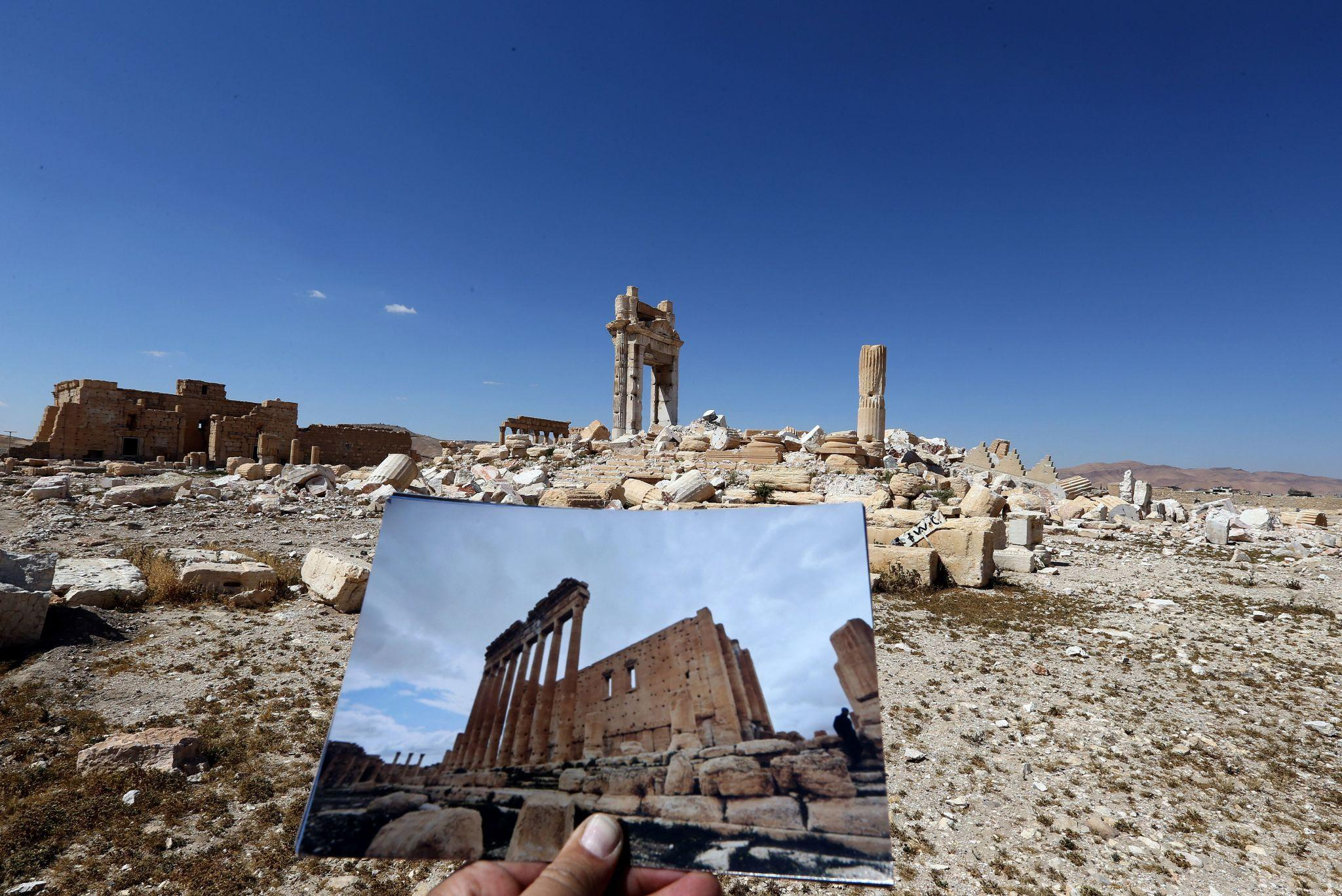
Across the world, ancient sites face destruction from war, natural disasters, and time itself. One of the most striking examples is Palmyra, a once-thriving cultural hub that suffered severe damage in recent years.

Faced with the loss of irreplaceable heritage, researchers have turned to an unexpected solution: 3D printing.

How 3D Reconstruction Works

The process begins with detailed digital scans of existing structures. These scans capture every visible detail, from large architectural features to small surface textures.

Using this data, experts create precise 3D models that can be:

  • Studied digitally

  • Modified to reconstruct missing parts

  • Printed as physical replicas

Advanced printers can even replicate stone textures, making the results visually convincing.

Rebuilding the Arch of Palmyra

One of the most famous examples is the reconstruction of the Arch of Triumph from Palmyra. Using photographs and scans taken before its destruction, researchers created a full-scale replica that has been displayed in cities around the world.

This project demonstrated that even when original structures are lost, their form and significance can still be preserved.

Preservation vs. Authenticity

The use of 3D printing raises important questions. Can a replica truly replace the original?

Some critics argue that reconstructions lack authenticity, while others see them as essential tools for preservation and education.

Rather than replacing original sites, 3D printing is best understood as a complement—helping to document, study, and share heritage.

Expanding Access to History

3D printing also makes history more accessible. Museums can display replicas of fragile artifacts that would otherwise remain hidden in storage.

Students and researchers can handle objects without risking damage to the originals.

A Digital Archive for the Future

In addition to physical replicas, digital models serve as long-term records. Even if a site is damaged or destroyed, its digital version remains available for study and reconstruction.

Innovation Meets Preservation

3D printing represents a shift in how we think about preservation. Instead of focusing solely on protecting physical objects, it emphasizes the importance of preserving knowledge and form.

Rebuilding Memory

At its core, this technology is about more than reconstruction—it is about memory. It ensures that even when history is damaged, it is not forgotten.

Isotopes and Origins: Tracking the Life of a Viking Warrior Across Three Continents

A Scientific Biography Written in Bone

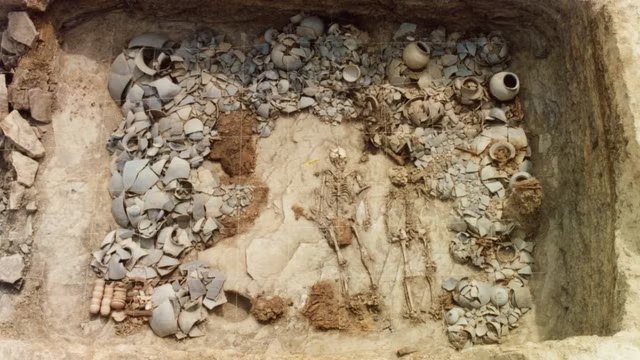
For much of history, the lives of ancient individuals were interpreted through artifacts—weapons, tools, and burial goods. Today, science offers something far more personal. Through isotope analysis, researchers can reconstruct the life story of a single individual with remarkable precision, including those from the Viking Age.

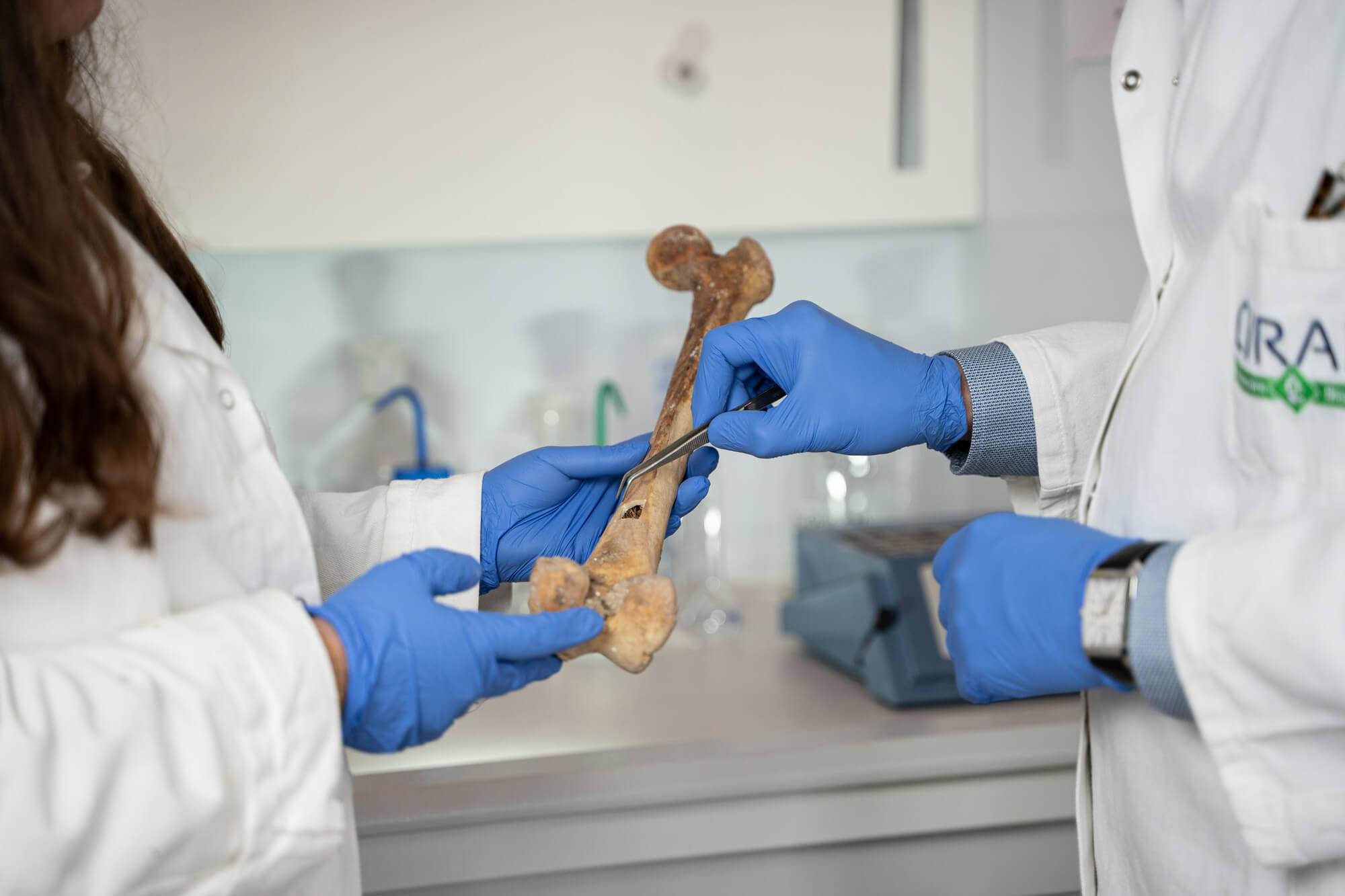
This technique transforms bones into records of movement, diet, and environment—essentially creating a “biological diary” of a person’s life.

What Are Isotopes?

Isotopes are chemical signatures found in elements like oxygen, carbon, and strontium. These signatures vary depending on geography, climate, and diet.

When humans consume food and water, isotopes are absorbed into their bodies and stored in bones and teeth. Because different regions have distinct isotope patterns, scientists can analyze these traces to determine where a person lived at different stages of life.

For example:

  • Teeth reflect childhood environment

  • Bones reflect later life

This allows researchers to track movement across time.

Following Viking Journeys

The Vikings are often remembered as fierce raiders, but they were also traders, explorers, and settlers who traveled vast distances.

Isotope analysis has revealed that some individuals buried in Scandinavia were not local at all. Instead, they had origins in distant regions such as:

  • The British Isles

  • Eastern Europe

  • Even parts of Asia

In some cases, a single skeleton shows evidence of movement across multiple regions, confirming that Viking mobility was extensive and complex.

Diet as a Clue

Isotopes also provide insight into diet. By analyzing carbon and nitrogen levels, scientists can determine whether someone consumed:

  • Marine-based foods like fish

  • Land-based foods like livestock and crops

Many Viking individuals show a mixed diet, reflecting both farming and seafaring lifestyles.

Challenging Old Assumptions

Traditional views of the Vikings often portray them as a homogenous group of Scandinavian warriors. Isotope evidence tells a different story.

It reveals a diverse and interconnected world, where people moved frequently and interacted with multiple cultures. Some individuals buried with Viking customs may not have been ethnically Scandinavian at all.

A More Human Story

Perhaps the most powerful aspect of isotope analysis is its ability to humanize the past. Instead of anonymous figures, we begin to see individuals with unique life paths—people who traveled, adapted, and experienced different environments.

Science Meets History

By combining isotope data with archaeological evidence, researchers can create detailed narratives of individual lives.

A Viking warrior is no longer just a symbol of conquest—he becomes a traveler, a trader, and a participant in a vast network of cultural exchange.

Reconstructing the Past, One Life at a Time

Isotope analysis is transforming archaeology from the study of objects into the study of people. It allows us to trace journeys across continents and understand how individuals fit into broader historical patterns.

In doing so, it brings us closer than ever to the lived experiences of the past.

Virtual Reality Heritage: Walking Through Ancient Athens from Your Living Room

Stepping Into a Living Past

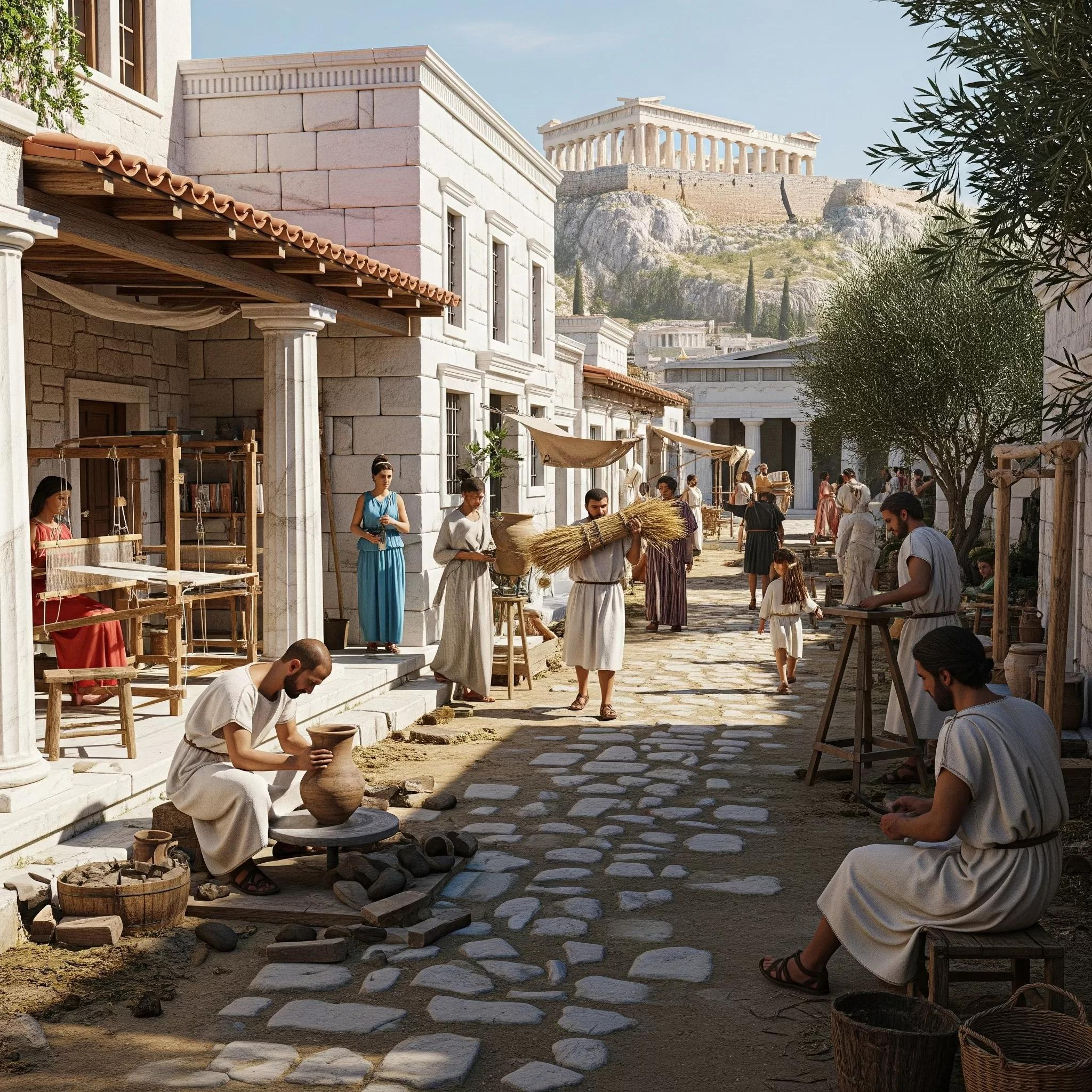
For centuries, the ancient world has been reconstructed through books, ruins, and imagination. Today, however, technology is allowing people to go far beyond observation—offering the chance to experience history in an entirely new way. Through virtual reality (VR), users can now walk the streets of Athens during its golden age, witnessing the city as it once stood more than 2,400 years ago.

Instead of viewing broken columns and weathered stones, VR places users in a fully reconstructed environment—where temples are complete, colors are vibrant, and the city is alive with movement.

Rebuilding Athens in Digital Detail

Creating a virtual version of ancient Athens is no simple task. It requires the collaboration of archaeologists, historians, architects, and digital designers. Every structure—especially iconic landmarks like the Acropolis and the Parthenon—is carefully reconstructed using archaeological evidence.

These reconstructions are based on:

  • Excavation data and site measurements

  • Ancient texts and historical descriptions

  • Artistic depictions, such as pottery and reliefs

  • Scientific analysis of pigments and materials

Even small details matter. The Parthenon, for example, was once brightly painted, not the white marble structure people often imagine today. VR recreations restore these lost colors, offering a more accurate vision of the past.

More Than a Visual Experience

What sets VR apart from traditional media is immersion. Instead of watching a documentary, users become part of the environment.

In a VR reconstruction of ancient Athens, you can:

  • Walk through bustling marketplaces filled with merchants and citizens

  • Enter temples and observe religious rituals

  • Explore residential neighborhoods and public spaces

  • Hear ambient sounds like conversations, footsteps, and city life

This multisensory experience creates a deeper emotional connection to history. It transforms learning from passive observation into active participation.

Education Without Boundaries

One of the most powerful aspects of VR heritage is accessibility. Not everyone has the opportunity to travel to Greece or visit archaeological sites. Even for those who do, modern ruins can only tell part of the story.

VR removes these limitations. Students, researchers, and the general public can explore ancient environments from anywhere in the world.

This technology is already being used in:

  • Classrooms, to enhance history lessons

  • Museums, to provide interactive exhibits

  • Research institutions, to test architectural theories

It allows users to understand not just what ancient Athens looked like—but how it functioned as a living city.

Preserving What Time is Erasing

Archaeological sites are constantly under threat from natural decay, climate change, and human activity. Over time, even the most famous landmarks may lose more of their original structure.

Virtual reconstruction offers a form of preservation that goes beyond physical conservation. By digitizing sites, researchers can:

  • Capture their current state in high detail

  • Reconstruct missing elements based on evidence

  • Preserve knowledge for future generations

In this sense, VR acts as a digital archive—ensuring that even if the physical site changes, its historical form is not lost.

A New Relationship with History

Virtual reality is changing how people interact with the past. It shifts history from something distant and abstract into something immediate and tangible.

Instead of imagining ancient Athens, users can stand within it. They can look up at towering temples, walk along crowded streets, and experience the scale and complexity of one of the world’s most influential cities.

The Future of Immersive Archaeology

As technology continues to improve, VR experiences will become even more realistic and interactive. Future developments may include:

  • AI-driven characters that respond to users

  • Real-time historical simulations

  • Fully interactive environments where users can influence events

These advancements will further blur the line between education and experience.

Bringing the Ancient World Home

Virtual reality is doing more than recreating ancient cities—it is redefining how we connect with history. By allowing people to step inside the past, it transforms learning into something personal, memorable, and deeply engaging.

In the case of ancient Athens, VR does not just show us a lost civilization—it brings it back to life.

Space Archaeology: Satellites vs. Looters

A Global Threat to the Past

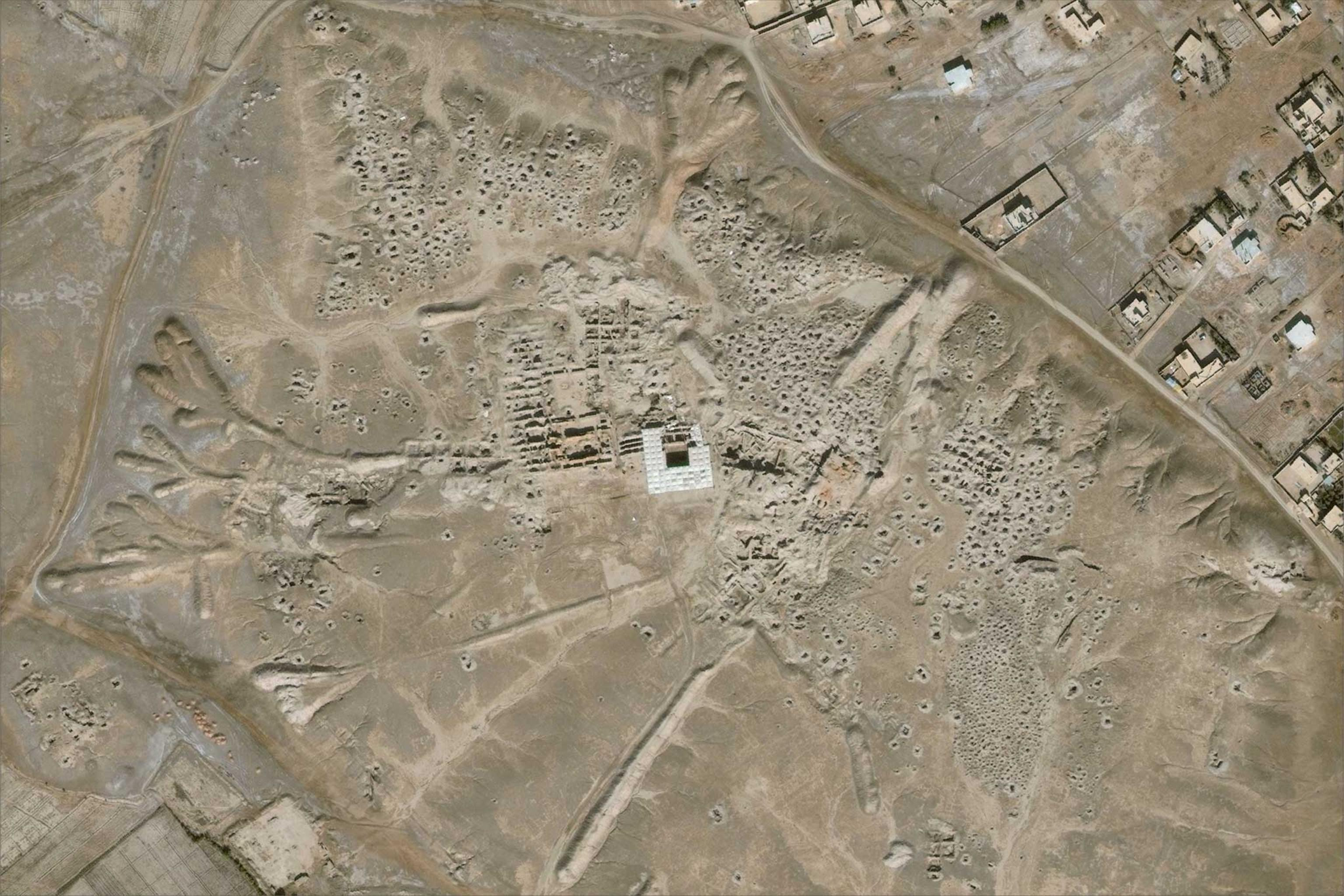
Archaeological looting has become a major global issue, with priceless artifacts being removed from sites before they can be studied.

But now, the fight to protect heritage has moved into space.

Watching the Earth from Orbit

High-resolution satellite imagery allows archaeologists to monitor sites in real time.

They can detect:

  • Fresh digging pits

  • Changes in terrain

  • New roads or access paths

Even subtle disturbances in the soil can signal looting activity.

Rapid Response and Prevention

By identifying threats early, authorities can intervene before damage becomes widespread.

This approach is especially valuable in remote or conflict zones where on-the-ground monitoring is difficult.

A New Kind of Archaeology

Space archaeology is redefining the field—not just as a tool for discovery, but as a method of protection and preservation.

Ancient DNA: How a Single Tooth is Rewriting Human History

Small Evidence, Big Discoveries

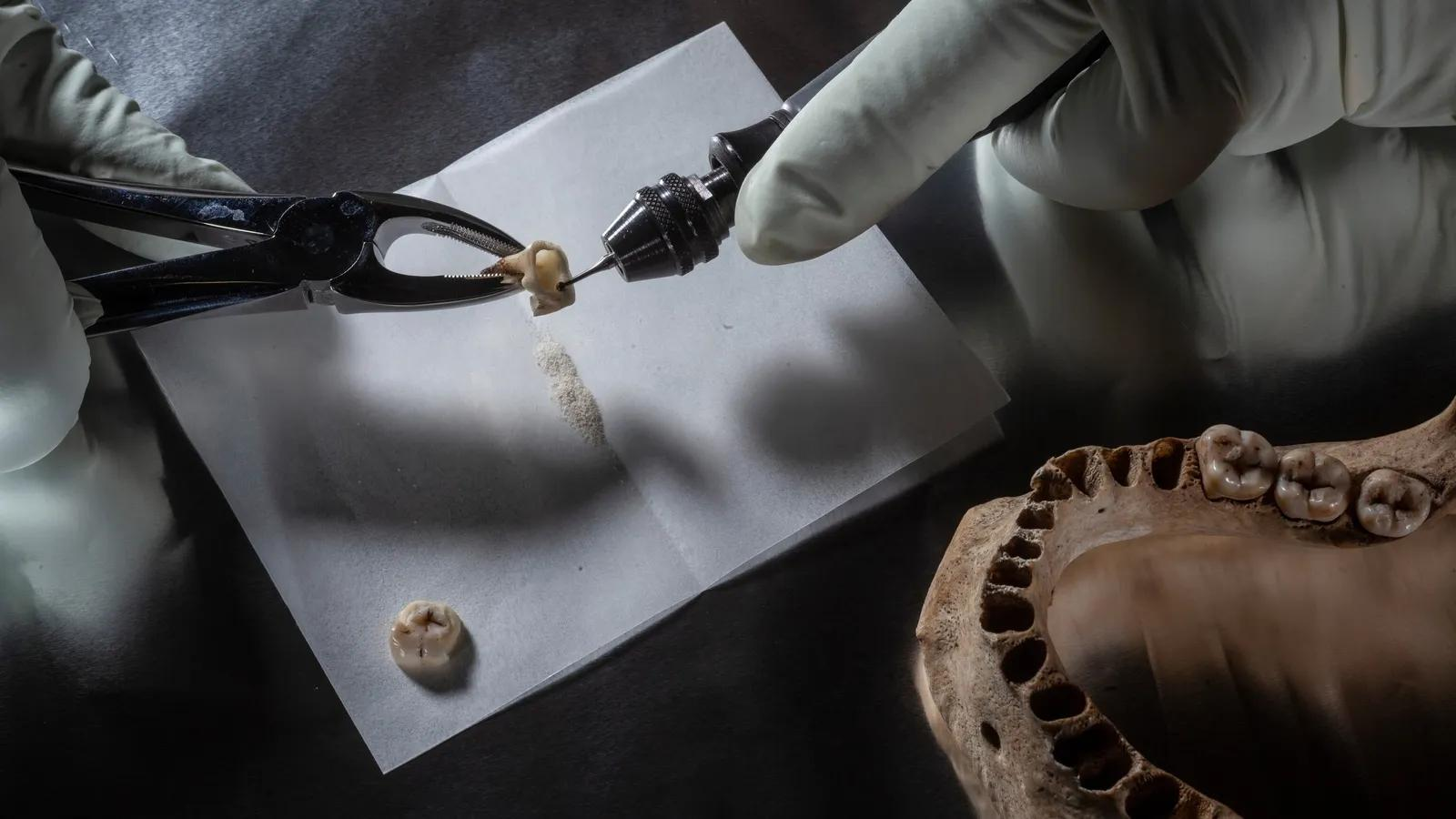
In archaeology, breakthroughs don’t always come from monumental ruins. Sometimes, they come from something as small as a single tooth.

Teeth are among the most durable parts of the human body, capable of preserving DNA for tens of thousands of years.

Unlocking the Genetic Record

Inside a tooth lies genetic material that can reveal:

  • An individual’s ancestry

  • Population movements across continents

  • Interactions between ancient groups

Advances in sequencing technology now allow scientists to extract and analyze this DNA with remarkable precision.

Rewriting Migration Stories

For decades, historians relied on artifacts and language patterns to trace human migration. Ancient DNA has transformed this field.

It has revealed that:

  • Populations mixed far more frequently than once believed

  • Migration occurred in multiple waves

  • Cultural change does not always match genetic change

A More Complex Human Story

Rather than a simple linear progression, human history now appears as a web of interconnected populations.

A single tooth can challenge long-held assumptions—proving that history is constantly evolving as new evidence emerges.

AI vs. the Herculaneum Papyri: Unlocking the Unreadable

A Library Lost to Fire, Preserved by Chance

When Mount Vesuvius erupted in 79 CE, it destroyed entire Roman cities—but in Herculaneum, something extraordinary survived. Hidden inside a seaside villa was a collection of ancient scrolls, carbonized by intense heat yet miraculously preserved.

These scrolls, known as the Herculaneum papyri, are the only surviving library from the classical world. However, their survival came at a cost—each scroll was turned into a fragile, charcoal-like cylinder that crumbles if touched.

For centuries, scholars faced a painful paradox: the texts existed, but could not be read.

The Birth of Digital Unrolling

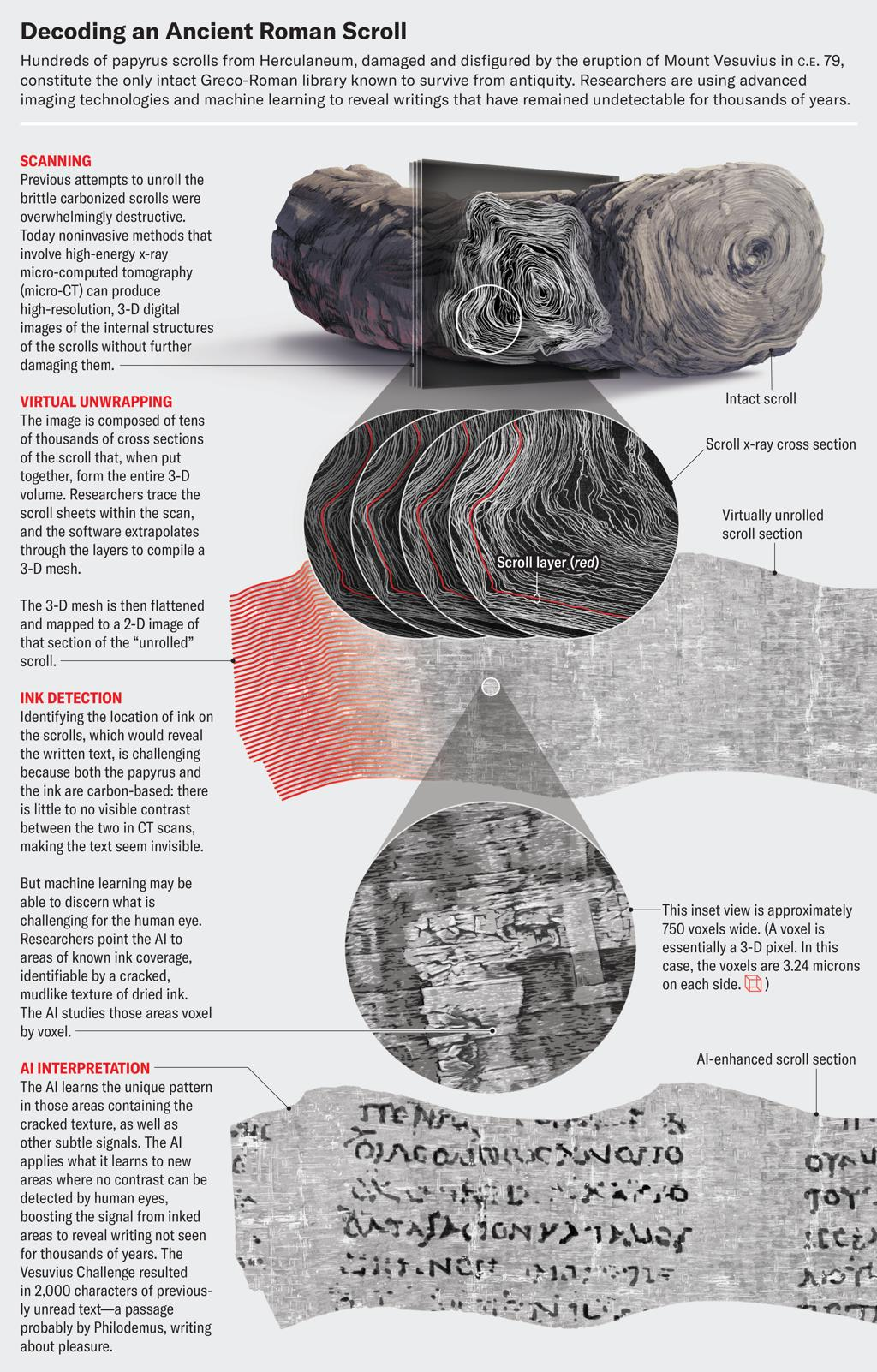
Traditional attempts to open the scrolls physically often resulted in irreversible damage. This changed with the introduction of advanced imaging technologies and artificial intelligence.

Researchers now use:

  • X-ray phase-contrast tomography to scan internal layers

  • Machine learning algorithms to detect faint ink traces

  • Digital modeling to reconstruct each layer virtually

Instead of opening the scroll, scientists peel it back digitally, revealing text hidden for nearly 2,000 years.

Teaching AI to Read the Invisible

One of the greatest challenges is that the ink used in ancient texts is often carbon-based—making it nearly indistinguishable from the burnt papyrus.

AI solves this by:

  • Identifying subtle density differences

  • Recognizing patterns consistent with handwriting

  • Learning from known Greek and Latin texts

This process allows researchers to reconstruct letters, words, and even entire passages.

What the Scrolls Might Contain

Many of the recovered texts are believed to belong to Epicurean philosophy, possibly linked to the philosopher Philodemus. However, the full contents of the library remain unknown.

Future discoveries could include:

  • Lost works of classical philosophers

  • New insights into Roman intellectual life

  • Previously unknown authors

A New Chapter in Archaeology

The Herculaneum papyri represent a turning point. For the first time, technology is allowing us to read texts that were once thought permanently lost.

AI is not just preserving history—it is bringing it back to life.

Cleopatra’s Final Resting Place: Is the Search Nearing Its End?

The Last Queen of Egypt

The death of Cleopatra marked the end of ancient Egypt’s independence—but her tomb has never been definitively found.

What Ancient Sources Tell Us

The primary clues about Cleopatra’s burial come from classical writers such as Plutarch. He recorded that Cleopatra arranged for herself to be buried with Mark Antony after their defeat by Octavian, who would later become the first Roman emperor.

This detail is crucial. It suggests that:

  • Cleopatra’s tomb was likely grand and carefully planned

  • It may have held both royal and symbolic significance

  • The burial site could have been protected or hidden intentionally

However, ancient descriptions are often vague, leaving modern researchers to piece together the evidence.
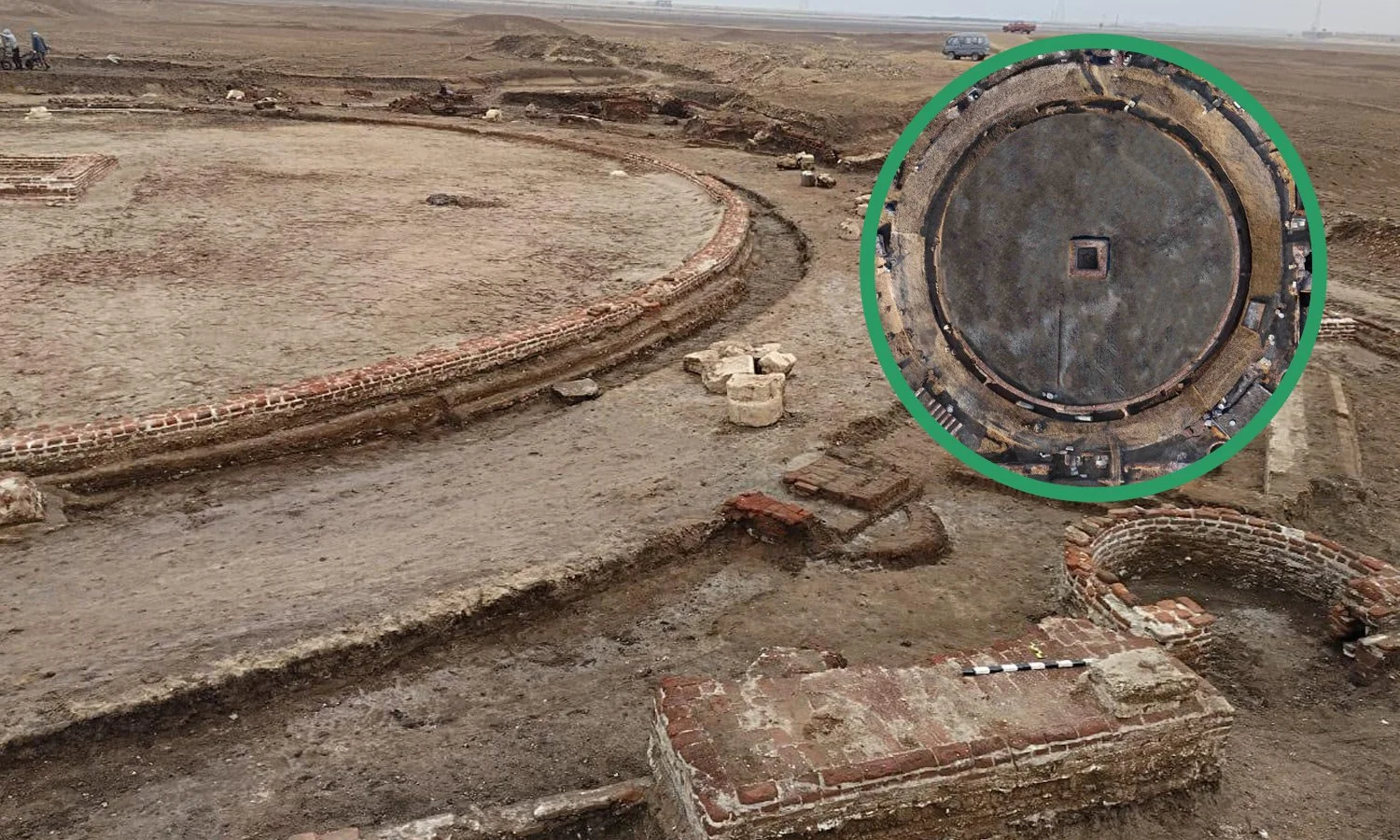
Excavations at Taposiris Magna have uncovered several intriguing clues:

  • Coins bearing Cleopatra’s likeness

  • Statues linked to the Ptolemaic period

  • Subterranean tunnels and burial chambers

  • Artifacts associated with Egyptian religious practices

These discoveries suggest the site was active during Cleopatra’s reign and held significant cultural importance.

A Sacred Landscape of Gods and Power

The importance of Taposiris Magna goes beyond archaeology—it is deeply rooted in religion and symbolism.

Cleopatra famously aligned herself with the goddess Isis, presenting herself as her earthly embodiment. The temple at Taposiris Magna was dedicated to:

  • Osiris, god of the afterlife

  • Isis, goddess of magic, motherhood, and rebirth

This connection makes the site a symbolically powerful location for a royal burial.

Placing her tomb in such a sacred setting would have reinforced Cleopatra’s divine image—even in death.

Alexandria: A Lost City Beneath the Sea

Another major theory places Cleopatra’s tomb in Alexandria itself, once one of the greatest cities of the ancient world.

However, this theory faces a major challenge:

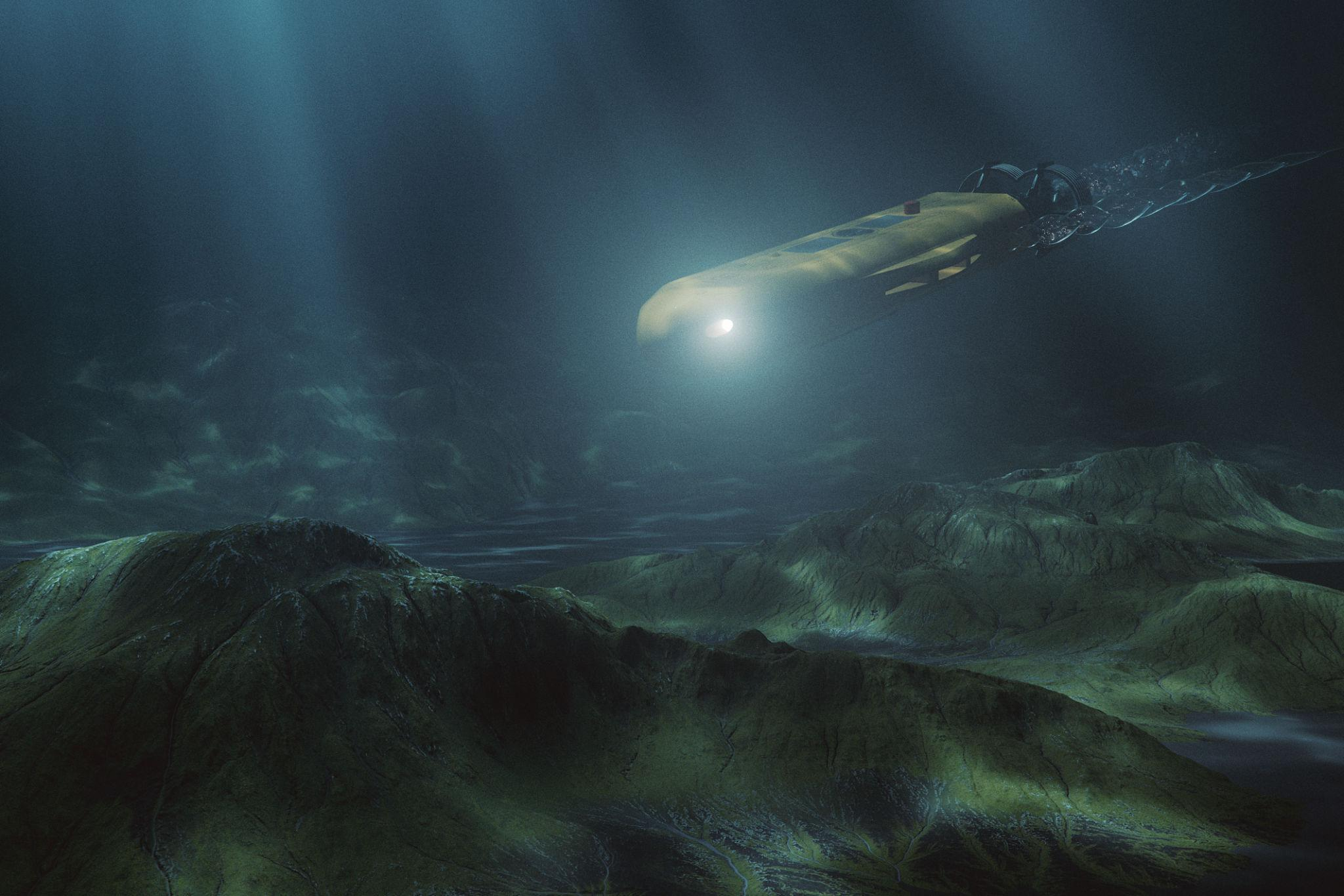
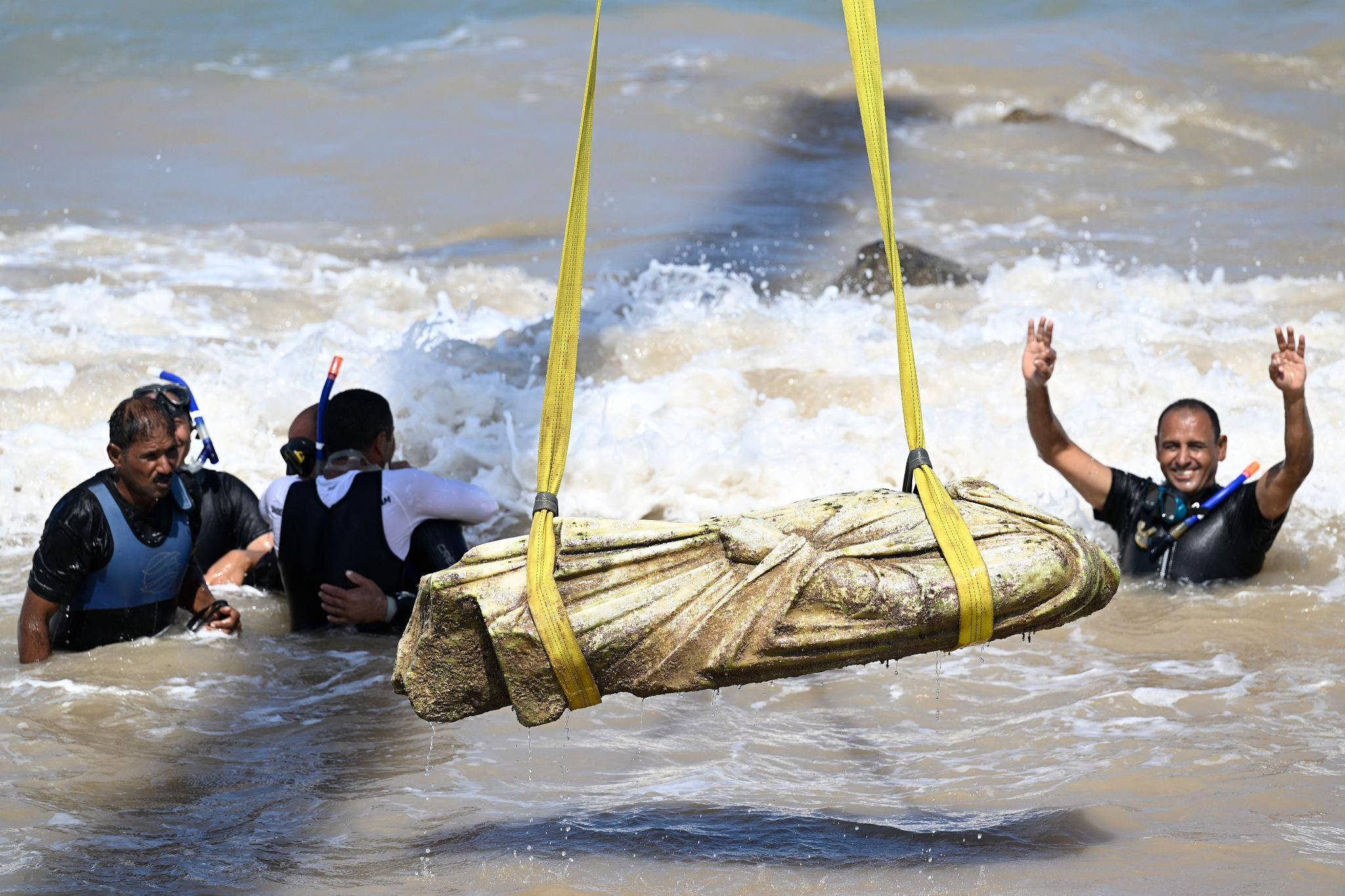
  • Large parts of ancient Alexandria are now submerged underwater due to earthquakes and rising sea levels

Underwater archaeology has revealed:

  • Sunken statues

  • Ruins of palaces

  • Fragments of ancient infrastructure

If Cleopatra’s tomb was located in this area, it may now lie beneath the Mediterranean Sea—making discovery far more difficult.

Technology and the Modern Search

Today’s search for Cleopatra’s tomb is powered by advanced technology, transforming how archaeologists investigate ancient sites.

Modern methods include:

  • Ground-penetrating radar (GPR) to detect hidden chambers

  • 3D mapping of underground structures

  • Satellite imaging to analyze landscapes

  • DNA and material analysis of discovered remains

At Taposiris Magna, researchers have identified extensive tunnel systems and sealed spaces that could still hold undiscovered chambers.

Each new scan brings the possibility of a breakthrough.

Challenges and Controversies

Despite exciting discoveries, the search is far from straightforward.

Key challenges include:

  • Limited historical records

  • Extensive damage from time and natural disasters

  • The sheer size of potential search areas

  • Differing interpretations among scholars

Some experts remain skeptical about the Taposiris Magna theory, arguing that Cleopatra would more likely have been buried within Alexandria itself.

Others believe her tomb may have been lost entirely—destroyed or looted in antiquity.

A Mystery on the Brink of Discovery?

In recent years, optimism has grown. The scale of ongoing excavations and the quality of new findings suggest that researchers are closer than ever to uncovering definitive evidence.

Still, archaeology is a slow and careful process. Even with modern tools, confirming a discovery of this magnitude requires:

  • Clear identification of inscriptions or remains

  • Strong historical and contextual evidence

  • Peer-reviewed validation

Until then, the mystery remains open.

Why Cleopatra’s Tomb Matters

The search for Cleopatra’s final resting place is about more than locating a tomb—it is about understanding a pivotal moment in history.

Her burial site could reveal:

  • Insights into royal burial practices of the Ptolemaic era

  • New information about her reign and legacy

  • Connections between Egyptian and Roman cultures

It would also represent one of the most significant archaeological discoveries of modern times.

The Enduring Fascination

Cleopatra’s story has endured for over two millennia because it blends history, politics, romance, and myth.

Her missing tomb adds one final layer of intrigue—a mystery that continues to captivate researchers and the public alike.

Whether hidden beneath desert sands, buried within ancient ruins, or resting beneath the sea, her final resting place remains one of archaeology’s greatest unsolved puzzles.

And perhaps that is part of its power:
a queen whose legacy refuses to be buried, still waiting to be found.