The Emissarium of Lake Albano is one of the most sophisticated examples of Roman hydraulic engineering from the Republican era. Constructed around 398–397 BC during the siege of Veii, this artificial outlet tunnel was designed to regulate the water level of the volcanic lake, preventing it from overflowing and flooding the surrounding farmland. Stretching over 1.5 kilometers through the solid rock of the crater wall, it remains functional today—a testament to the "Old Style" of Roman grit and geometric precision.
1. The Challenge of the Volcanic Crater
Lake Albano is a caldera, meaning it is enclosed by steep, high crater walls. Without a natural outlet, the water level fluctuated dangerously. The Romans needed to tunnel through the mountain to create an artificial drainage point.
The Depth: The tunnel was carved through leucitite (a hard volcanic rock) at a depth of up to 120 meters below the mountain's surface.
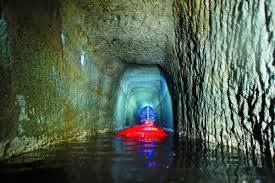
Dimensions: It is roughly 1.2 meters wide and 2 meters high, just large enough for a team of laborers to work in a cramped, "Old Style" environment.
2. Vertical Shafts (Puticuli)
To ensure the tunnel was straight and to provide ventilation for the workers, the Romans used puticuli (vertical shafts).
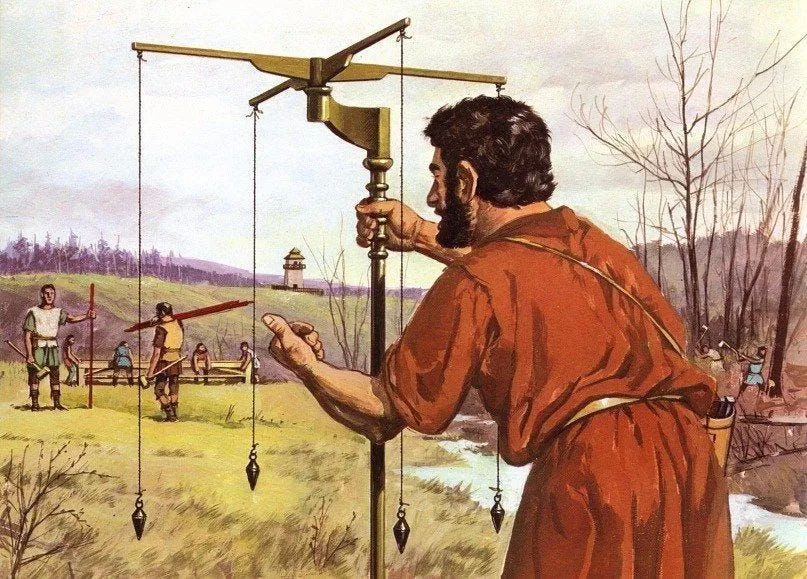
Alignment: These shafts were sunk from the top of the mountain down to the projected path of the tunnel. By dropping plumb lines down these shafts, the surveyors (Gromatici) could ensure the tunneling teams were moving in the right direction.
Spoil Removal: The shafts also acted as chimneys, allowing workers to haul baskets of excavated rock up to the surface rather than carrying it all the way back to the tunnel entrance.
3. The "Cuniculus" Method: Digging from Both Ends
Like the earlier Greek Tunnel of Eupalinos, the Roman engineers used the qanat or cuniculus method, where teams dug from both the lake side and the valley side simultaneously.
Meeting in the Middle: The precision required to have two teams meet deep inside a mountain without GPS or modern surveying tools was immense. They relied on sound (hammering on the walls) and the careful tracking of light and shadows to correct their course.
The Incline: The tunnel maintains a very slight, constant gradient of about 2%. This is steep enough to keep the water moving but shallow enough to prevent the fast-flowing water from eroding the tunnel floor over time.
4. The Intake Structure (Inlet)
The entrance of the Emissarium at the lakeshore is a marvel of masonry.
The Chamber: Before entering the tunnel, water passes through a large stone-lined chamber.
Filtering: This area featured wooden or bronze grates to catch debris, branches, and fish, ensuring the narrow tunnel wouldn't become blocked—a disaster that would have required a suicidal cleaning mission deep underground.
Flow Control: The intake was designed so that the water would enter smoothly, reducing turbulence that could damage the stone lining.
5. Fire-Setting and Iron Tools
The actual excavation was a grueling process involving fire and water.
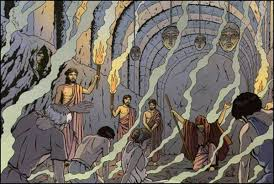
Thermal Shock: To break the hardest volcanic rock, workers would build large fires against the rock face. Once the stone was white-hot, they would douse it with cold water or vinegar. The sudden contraction caused the rock to shatter.
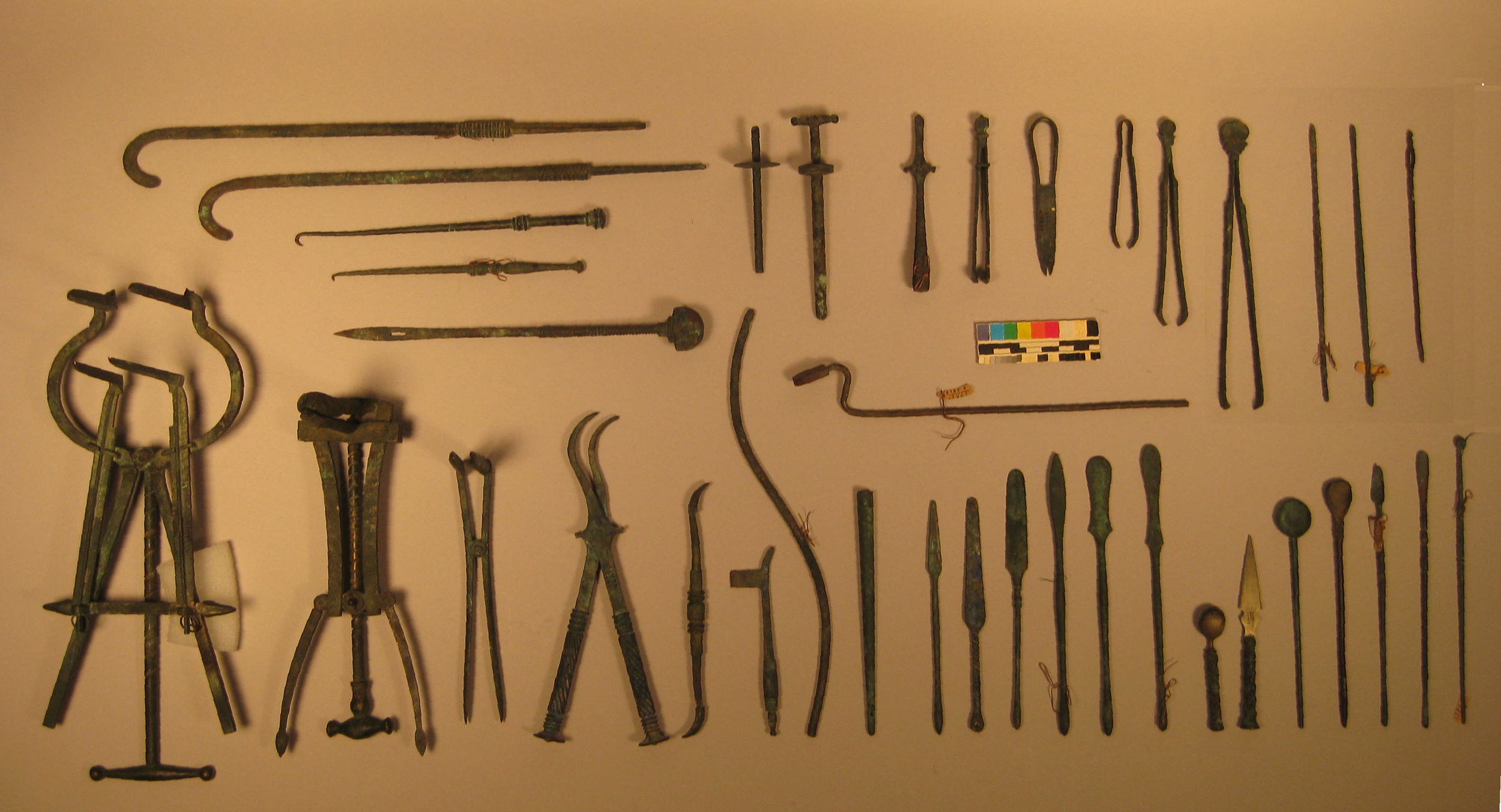
Manual Finishing: After the fire-setting, laborers used iron chisels, picks, and hammers to smooth the walls and carve out the final shape. Marks from these tools are still visible on the tunnel walls 2,400 years later.
6. Political and Religious Significance
According to the historian Livy, the construction of the Emissarium was prompted by an oracle. During the long siege of the Etruscan city of Veii, the lake rose to an unprecedented level.
The Oracle’s Prophecy: It was claimed that Veii would not fall until the waters of Lake Albano were drained.
Strategic Success: Whether the story is literal or symbolic, the completion of the tunnel allowed the Romans to reclaim valuable agricultural land and coincided with their eventual victory over Veii, marking the beginning of Rome's expansion in central Italy.