The Villa Romana del Tellaro remains a striking testament to late-antiquity luxury, demonstrating how the Roman elite turned their floors into vibrant, narrative-driven canvases.
1. The Drama of Rediscovery and Layered History
The preservation of the Villa del Tellaro is entirely accidental, born from a mix of 18th-century farm life and 20th-century crime.
The site's modern history began with the construction of a fortified Sicilian farmhouse (masseria) in the 17th and 18th centuries. Builders unknowingly erected this agricultural estate directly over the forgotten ruins, using the ancient Roman foundations as their footprint.
The mosaics stayed hidden until 1971, when tombaroli (illegal grave robbers) tunneled under the farmhouse floors and began cutting away sections of the mosaic to sell on the black market. Fortunately, Italian authorities intercepted the smugglers, triggering a formal, decades-long rescue excavation.
During these digs, archaeologists found evidence of a catastrophic fire in the mid-5th century CE, likely linked to the Vandal invasions of Sicily. While the fire destroyed the villa, it carbonized the upper floor levels and effectively baked and sealed the underlying masterpieces.
2. The Artistic Link: The North African Masters
The artistic style of the Tellaro mosaics is incredibly distinct. Rather than following traditional, rigid Greco-Roman geometric patterns, they are explosive, colorful, and heavily naturalistic.
Much like the famous Piazza Armerina, the craftsmanship at Tellaro is widely attributed to North African mosaic masters from workshops in Carthage or Hippo. During the 4th century, Sicily and North Africa were deeply intertwined through the Mediterranean grain trade, and wealthy Roman landowners frequently hired these specialized African teams to display their elite tastes.
Using the Opus Tessellatum technique, these artisans utilized incredibly small cubes of colored stone, marble, and glass (tesserae). This allowed them to create smooth gradients of shading, anatomical precision, and realistic movement that mimicked rich, woven tapestries rather than static stone.
3. The Three Masterpiece Panels
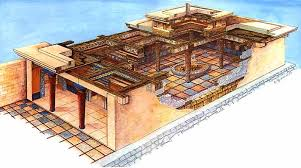
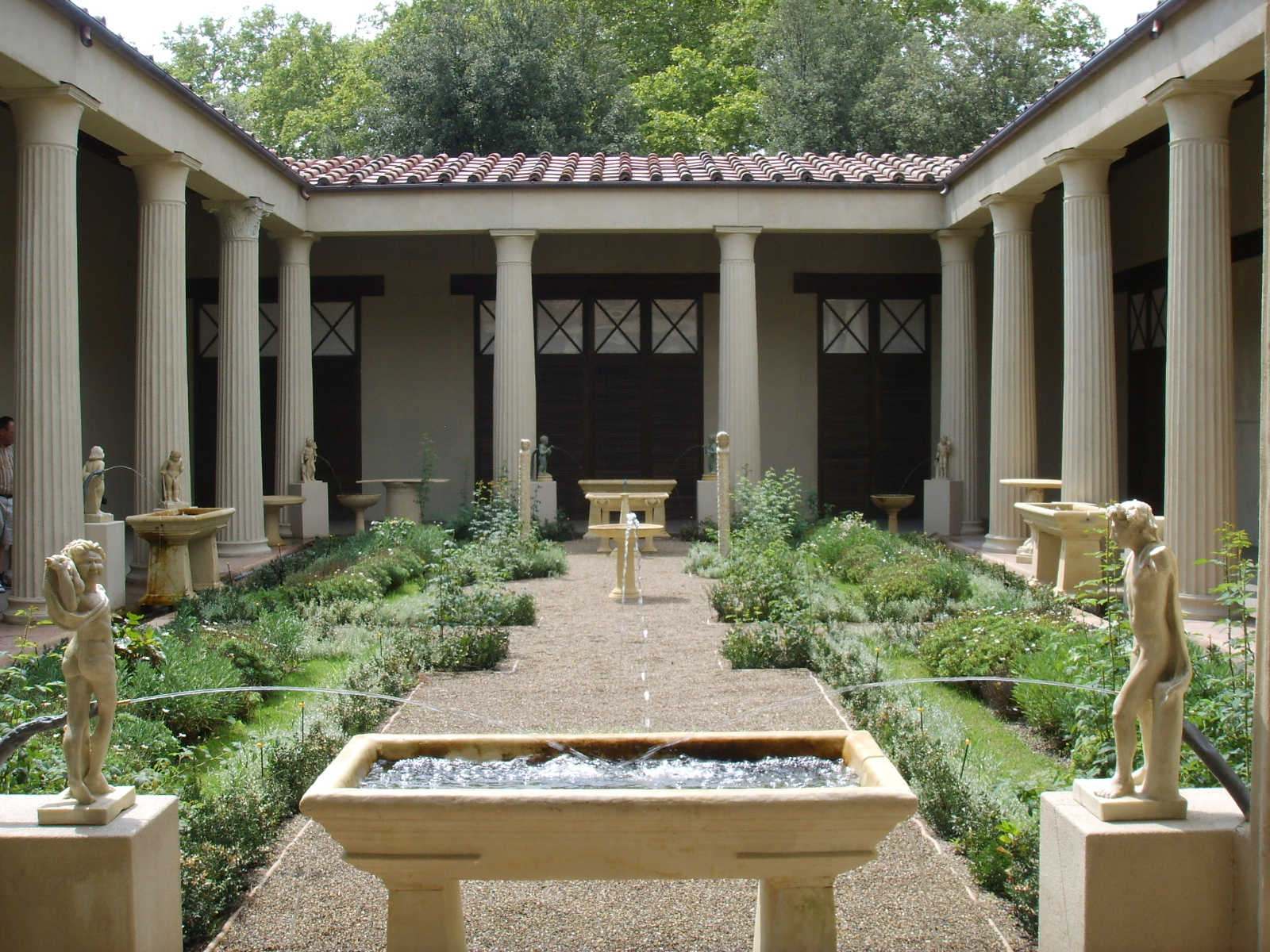
The central layout of the villa revolves around a large peristyle—an open courtyard surrounded by a portico measuring 20 meters on each side. Three specific rooms branching off this courtyard contain the prized mosaics.
A. The Ransom of Hector (Il Riscatto del Corpo di Ettore)
Located along the northern portico, this massive narrative mosaic depicts a tense, dramatic scene straight out of Book 24 of Homer’s Iliad.
It illustrates the Trojan King Priam begging the Greek hero Achilles for the return of his slain son, Hector. In the center stands a massive balance scale: Hector's body sits on one side, while the Greeks weigh out gold bullion on the other. This specific representation of weighing Hector’s body against gold is unique, as it deviates slightly from Homer's text and instead matches a lost play by the Greek dramatist Aeschylus.
B. The Great Hunting Mosaic (Il Mosaico della Caccia)
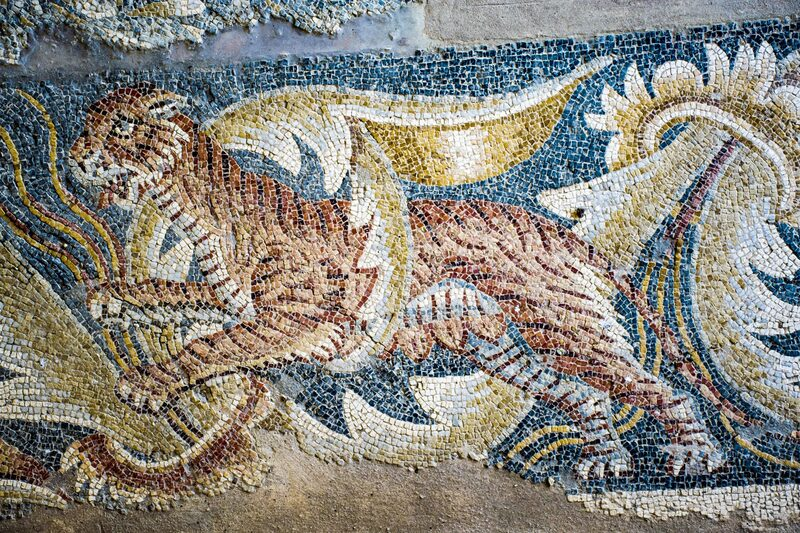
This dynamic floor captures the elite Roman obsession with the venatio (wild animal hunts). It features a sprawling landscape crowded with hunters wearing tunics, tracking, capturing, and transporting wild, exotic beasts.
The narrative climax shows an open-air banquet. The hunters are relaxing under a makeshift canopy stretched across forest trees, enjoying wine and cooked game while their horses stand tethered nearby. The realism of the animals—including lions, leopards, and antelopes—highlights the heavy African artisan influence.
C. The Bacchic and Geometric Carpets
The third room features a highly complex, multi-layered geometric composition combined with mythological flair. Intersecting laurel wreaths create a circular and square mesh framework across the room. Enclosed within these geometric fields are medallions featuring Bacchic scenes, satyrs, and maenads dancing around Dionysus, the god of wine, alongside beautifully rendered panels of overflowing fruit vases.
4. Tellaro vs. Piazza Armerina
While the world-famous Villa Romana del Casale at Piazza Armerina is a monumental UNESCO site covering over 3,500 square meters, the Villa del Tellaro offers a much more intimate look at elite domestic life.
Piazza Armerina is famous for its colossal scale and specific pop-culture favorites like the "Bikini Girls" mosaic, but Tellaro focuses its artistic weight on intricate Homeric literature and scenes of domestic relaxation. Furthermore, while Piazza Armerina was preserved by a massive medieval landslide that sealed it in mud, Tellaro owes its survival entirely to the rustic farmhouse walls that inadvertently built right over it.
Today, the site is fully restored and integrated directly with the historic farmhouse architecture. Visitors can walk on elevated glass and steel gangways suspended just inches above the ancient floors, observing both the brilliant Roman stones and the rustic farmhouse walls that saved them for posterity.