• MAIN PAGE
  • LATEST NEWS
    • Lost Cities
    • Archaeology's Greatest Finds
    • Underwater Discoveries
    • Greatest Inventions
    • Studies
    • Blog
  • PHILOSOPHY
  • HISTORY
  • RELIGIONS
    • Africa
    • Anatolia
    • Arabian Peninsula
    • Balkan Region
    • China - East Asia
    • Europe
    • Eurasian Steppe
    • Levant
    • Mesopotamia
    • Oceania - SE Asia
    • Pre-Columbian Civilizations of America
    • Iranian Plateau - Central Asia
    • Indus Valley - South Asia
    • Japan
    • The Archaeologist Editor Group
    • Scientific Studies
    • Aegean Prehistory
    • Historical Period
    • Byzantine Middle Ages
    • Predynastic Period
    • Dynastic Period
    • Greco-Roman Egypt
  • Rome
  • PALEONTOLOGY
  • About us
Menu

The Archaeologist

  • MAIN PAGE
  • LATEST NEWS
  • DISCOVERIES
    • Lost Cities
    • Archaeology's Greatest Finds
    • Underwater Discoveries
    • Greatest Inventions
    • Studies
    • Blog
  • PHILOSOPHY
  • HISTORY
  • RELIGIONS
  • World Civilizations
    • Africa
    • Anatolia
    • Arabian Peninsula
    • Balkan Region
    • China - East Asia
    • Europe
    • Eurasian Steppe
    • Levant
    • Mesopotamia
    • Oceania - SE Asia
    • Pre-Columbian Civilizations of America
    • Iranian Plateau - Central Asia
    • Indus Valley - South Asia
    • Japan
    • The Archaeologist Editor Group
    • Scientific Studies
  • GREECE
    • Aegean Prehistory
    • Historical Period
    • Byzantine Middle Ages
  • Egypt
    • Predynastic Period
    • Dynastic Period
    • Greco-Roman Egypt
  • Rome
  • PALEONTOLOGY
  • About us
No results found

Ancient Arrow Poison Residues: Toxicology in Zooarchaeology

October 26, 2026

Introduction

The use of poisoned arrows is documented in different parts of the world, where hunters and warriors developed ways to make projectiles more effective. Natural substances derived from plants, animals, or other sources could be applied to weapons, potentially changing how an injured animal or person responded after being struck. Although historical accounts and ethnographic research describe a range of poisoning traditions, identifying the same practice in the distant archaeological past is considerably more difficult.

The challenge lies in preservation. Many toxic compounds are organic and can break down through exposure to moisture, oxygen, heat, microorganisms, and other environmental processes. Even when a substance survives, researchers must establish whether it was deliberately applied to an arrow or entered the artifact through soil, handling, or conservation.

The study of ancient arrow poison residues brings together archaeology, toxicology, chemistry, and the study of animal remains. It raises questions about how researchers distinguish a genuine technological trace from contamination, how projectile evidence can be connected to hunting practices, and how much can reasonably be inferred from a chemical result.

Why Poisoned Arrows Matter

A poisoned projectile could change the relationship between a hunter and the animal being pursued. Depending on the substance, dose, delivery, and animal involved, the effects might be delayed rather than immediately fatal. This could allow hunters to follow an injured animal or reduce the need for a projectile powerful enough to cause rapid death through physical trauma alone.

However, the use of poison cannot be inferred simply from a small arrowhead or a lightweight weapon. Projectiles varied according to hunting conditions, prey size, bow design, and the skills of the people using them. A small arrow might have been entirely effective without any toxic substance.

If poison use can be established in a particular archaeological context, it may reveal specialized knowledge of local plants or animals, methods of preparing substances, and the transmission of technical skills. Such knowledge could have been important within a community, but researchers must first demonstrate that poisoning actually occurred.

What Counts as a Residue?

Archaeological residues are traces of materials that remain on or within an object after its original use. On an arrowhead or shaft, these may include organic compounds, mineral deposits, fibers, adhesives, or traces of substances that contacted the surface.

The difficulty is that an artifact's history does not end when it is buried. Soil water moves through the deposit, microorganisms alter organic materials, and minerals accumulate on exposed surfaces. Excavation introduces additional changes through handling, cleaning, packaging, and conservation.

A chemical substance detected on an arrowhead could therefore have several possible origins. It might be connected with the weapon's original use, but it could also have come from the surrounding soil or from modern materials used during excavation.

Researchers must investigate these alternatives before interpreting a residue as evidence of poison.

The Challenges of Organic Toxins

Many natural toxins are chemically complex. Some degrade rapidly under ordinary environmental conditions, while others may survive longer when protected from oxygen, light, or microbial activity. Their preservation depends on the substance itself as well as the conditions in which the artifact was buried.

Even if the original compound no longer survives, researchers may sometimes detect breakdown products. However, a breakdown product is only useful if its chemical identity is sufficiently distinctive and its relationship to the proposed original substance can be established.

The absence of a detectable toxin does not prove that poison was never used. The material may have degraded completely, or the residue may have been too small for the available analytical methods. Conversely, detecting an organic compound does not prove that it was intentionally applied to a projectile.

These limitations make negative and positive results difficult to interpret without a clear understanding of preservation conditions and laboratory sensitivity.

Chemical Analysis of Ancient Residues

Modern analytical chemistry provides several methods for investigating complex residues. Chromatography can separate compounds within a mixture, while mass spectrometry can help identify them through their chemical characteristics. Other analytical techniques may provide information about elemental composition, molecular structure, or the physical distribution of material on an artifact.

The choice of method depends on the research question. A technique that identifies broad categories of organic matter may not be able to distinguish a specific toxic substance. Likewise, the presence of a particular element does not necessarily reveal the compound in which it originally occurred.

Researchers should document how samples were collected, stored, and prepared. The amount of material available may be very small, especially when the artifact is fragile or culturally significant. Sampling decisions must balance scientific value with the need to preserve the object.

A chemical identification becomes more persuasive when it is supported by appropriate reference materials and, where possible, an independent analytical method.

Contamination and the Risk of False Interpretation

Contamination is one of the most serious problems in archaeological residue research. Modern adhesives, protective coatings, cleaning agents, packaging materials, and handling can introduce compounds that were not present during the artifact's original use.

Environmental contamination is equally important. Plants, microorganisms, and other organic material in the surrounding soil may contain compounds that resemble substances of archaeological interest. Groundwater can also transport dissolved material from other parts of a site.

A reliable investigation therefore compares the artifact residue with samples from the surrounding sediment and other relevant materials. Laboratory blanks can reveal contamination introduced during sample preparation, while carefully documented controls help researchers determine whether the detected substance is likely to be ancient.

The physical location of a residue may provide additional context. Material preserved in a protected groove or beneath an undisturbed layer may have a different history from material found on an exposed surface. Nevertheless, location alone cannot prove that the residue was deliberately applied.

What Zooarchaeology Can Contribute

Zooarchaeology examines animal remains to reconstruct relationships between people and animals in the past. In studies of hunting weapons, animal bones may reveal which species were hunted, how carcasses were processed, and whether animals survived particular injuries.

A projectile embedded in bone can provide direct evidence that a weapon struck an animal. In some cases, healing around an injury may show that the animal survived for a period after being wounded. However, neither observation establishes that poison was used.

The effects of a toxin may leave no distinctive skeletal trace. An animal's death could result from blood loss, organ damage, infection, or other consequences of the wound, making it difficult to distinguish poisoning from an ordinary projectile injury.

Zooarchaeological evidence is therefore most useful when combined with the study of projectile technology, residue chemistry, and the broader context of hunting activity.

Interpreting Projectile Design

Arrowheads vary in size, shape, material, and method of attachment. Some designs emphasize penetration, while others may have been intended to create a wound that made the projectile difficult to remove. The shape of an arrowhead can suggest how it functioned, but it cannot establish whether a toxin was applied.

Researchers examine manufacturing marks, wear, breakage, and the relationship between the point and the shaft. Adhesives or binding materials may preserve evidence of how the projectile was assembled. However, these substances may also complicate residue analysis because an ancient adhesive can contain organic compounds unrelated to poison.

Experimental archaeology can help investigate how particular projectile designs performed under controlled conditions. Such experiments can clarify mechanical function, although they cannot establish the historical use of a toxic substance without additional evidence.

Ethnographic and Historical Comparisons

Historical accounts and ethnographic studies describe different traditions of preparing and using poisoned projectiles. These sources can help researchers identify possible research questions and understand the kinds of evidence they might seek.

However, a practice documented in one community cannot automatically be attributed to an earlier population living in the same broad region. Traditions can change, disappear, or develop independently. Similar environments may also provide different plants and animals that communities use in different ways.

Comparative evidence is most useful when it helps generate testable hypotheses. It should not replace the need for direct archaeological evidence.

Researchers must also account for the limitations of historical descriptions. Some accounts were written by outsiders who misunderstood local practices, while others may have exaggerated the effects of a poison or confused several different substances.

Reconstructing the Preparation and Use of Poison

If convincing residue evidence were identified, researchers would still need to investigate how the substance was prepared and applied. The chemical trace alone might not reveal whether the material was applied fresh, mixed with another substance, or transferred to the weapon through a container or tool.

Associated artifacts could help reconstruct the process. Containers, grinding equipment, plant remains, and other materials might indicate the handling of substances, although their presence would not automatically connect them to arrow poison.

The archaeological location is also important. A suspected preparation area might contain evidence of several activities, and substances could have been used for medicine, hunting, craft production, or other purposes. Researchers must compare competing explanations rather than selecting the most dramatic interpretation.

Safety and Conservation

Potentially toxic archaeological residues should be handled by qualified specialists using appropriate safety procedures. Researchers should not touch, scrape, or attempt to identify suspicious substances through direct exposure.

Conservation introduces another concern. Some treatments can alter the chemical composition of an artifact or remove residues that might otherwise be analyzed. Where possible, researchers should document the object's condition and consider residue sampling before applying treatments that could affect the evidence.

Scientific testing should also respect the object's archaeological and cultural significance. The desire to obtain a sample does not automatically justify destructive analysis, particularly when the expected information is uncertain.

What a Convincing Discovery Would Require

A strong case for ancient arrow poisoning would need more than an unusual chemical signal. Researchers would need to establish the artifact's date and archaeological context, demonstrate that the residue is not readily explained by contamination, and identify the substance with an appropriate level of chemical confidence.

Additional evidence linking the residue to projectile use would strengthen the interpretation. This might include a distinctive distribution of the material on the weapon, compatible manufacturing evidence, or independent findings from the same context.

Even then, researchers should distinguish between identifying a compound and explaining its purpose. A toxin detected on an arrowhead would be significant, but the interpretation would depend on whether the evidence demonstrates deliberate application rather than accidental contact.

The investigation of ancient arrow poison illustrates the difficulties of reconstructing technologies that depended on perishable substances. Unlike stone points or metal weapons, poisons may leave only faint and ambiguous traces. Advances in analytical chemistry can help investigate these traces, but reliable conclusions depend on careful sampling, contamination controls, contextual evidence, and a willingness to acknowledge uncertainty.

The Social Life of Hooves: Ritual Use of Hoof Tools and Ornaments

October 26, 2026

Introduction

Animal remains are among the most common discoveries in archaeological excavations. Bones, teeth, horns, and other parts of animal bodies can survive long after the soft tissues have disappeared, providing evidence of food consumption, animal management, craft production, and everyday life. Hooves are particularly interesting because they occupy a position between practical material and biological remains. Depending on the species and the conditions of preservation, hoof material may survive as horn-like keratin, become fragmented, or disappear almost entirely.

The title The Social Life of Hooves invites a broader question about what happened to animal remains after an animal died. Rather than treating every hoof as discarded waste, researchers can investigate whether certain remains were collected, processed, reused, or placed in particular locations. Some may have been connected with ordinary butchery or craft activities, while others might have held symbolic or ritual significance.

The interpretation becomes more complicated when researchers encounter unusual deposits. Hooves found beside a burial, beneath a building foundation, or within a concentrated group of animal remains may appear meaningful, but unusual placement alone does not prove ritual activity. Understanding the role of hoof material requires attention to the animal species, the way the remains were processed, and the wider archaeological setting.

The Importance of Hoofed Animals in Past Societies

Animals such as horses, cattle, sheep, goats, pigs, and other hoofed species played different roles in human economies. Cattle could provide meat, milk, hides, and traction for agricultural work. Sheep and goats supplied meat, milk, wool, and other useful materials. Horses and related animals were important for transportation, riding, and various forms of labor.

The economic value of an animal often extended beyond the parts commonly consumed as food. Hides could be processed into leather, bones could be shaped into tools, and horns could be transformed into containers or decorative objects. Depending on the community and the period, other parts of the animal might also be collected for specialized purposes.

The way people treated these remains was influenced by practical needs, available technology, local customs, and beliefs about animals. In some contexts, the entire carcass was processed efficiently because valuable materials were scarce. In others, certain parts may have been reserved for specific tasks or handled according to established social practices.

These possibilities should not be collapsed into a single explanation. The treatment of a horse's remains might differ substantially from the treatment of a sheep or cow, and practices could vary even between neighboring communities.

Identifying Hoof Material Archaeologically

Identifying hoof remains can be challenging because the organic material associated with hooves does not always preserve well. Keratin is vulnerable to environmental conditions, and archaeological specimens may be incomplete, distorted, or mixed with other animal remains.

Researchers examine the shape, structure, and microscopic characteristics of suspected hoof fragments. Comparison with modern reference specimens can help distinguish them from bone, horn, and other animal-derived materials. The species may sometimes be identified, although fragmentation can limit certainty.

The context in which a fragment is found is just as important as its physical characteristics. A hoof recovered from a butchery area may reflect routine carcass processing. A fragment found within a craft workshop might represent discarded raw material, while a carefully arranged group beneath a building could justify further investigation into deliberate placement.

Even then, interpretation must remain open. A concentration of hoof remains may reflect how people disposed of waste or organized a processing area rather than a ceremonial practice.

Hooves as Raw Materials

Animal-derived materials were used in many forms of craft production. Bone could be fashioned into awls, needles, handles, and other implements, while horn and antler were used for objects requiring different physical properties. Hoof-derived material may have had specialized uses in certain traditions, but researchers must establish what a particular specimen actually is before assigning it a function.

A fragment showing repeated cutting, shaping, or abrasion may indicate deliberate modification. Perforations and polished areas can suggest that an object was attached to something or handled repeatedly. The presence of manufacturing debris around a concentration of fragments could indicate that the material was being worked at the site.

It is also important to distinguish between an unfinished object and waste. A partly shaped fragment might represent a failed attempt at manufacturing, a discarded offcut, or an object that broke during use. The surrounding artifacts and the pattern of modification can help researchers evaluate these possibilities.

Claims that a particular tool was made specifically from a hoof should be supported by material identification. Objects made from horn, bone, and keratin may look similar after prolonged burial, and confusing them could lead to incorrect conclusions about ancient technology.

Personal Ornaments and Social Meaning

Personal ornaments can communicate identity, status, affiliation, or individual taste. Beads, pendants, buttons, decorative fittings, and other objects made from animal materials occur in archaeological contexts across many periods.

A hoof-derived ornament would be particularly interesting because it could demonstrate that a material usually associated with an animal's feet had been transformed into something intended for display. However, the existence of such an object must be demonstrated rather than assumed from an unusual fragment.

Researchers examine whether an object has been deliberately shaped, perforated, polished, or attached to another material. Wear patterns may indicate repeated contact with skin, clothing, or other objects. Its location in a burial or domestic context may also contribute to the interpretation.

Even when an object is clearly decorative, its social meaning is not necessarily obvious. It might have been valued for its appearance, associated with a particular animal, connected to a family tradition, or used for practical reasons. Without additional evidence, assigning a specific symbolic meaning would go beyond what the object can establish.

Animal Remains in Ritual Deposits

Animal bones and other remains sometimes appear in deposits that archaeologists interpret as ritual or ceremonial. These deposits may occur beneath building foundations, inside graves, near shrines, or in specially constructed pits. Some contain selected body parts, unusual combinations of species, or repeated patterns that differ from ordinary refuse.

Hoof remains could potentially form part of such deposits, but the interpretation depends on the evidence. A group of hooves placed in a deliberate arrangement may deserve closer study, particularly if it occurs with other objects or in a location associated with ceremonial activity.

Yet similar patterns can arise through practical activities. Butchers may separate certain body parts during processing, and craftspeople may collect specific materials for later use. A group of hooves could therefore represent a storage or disposal practice rather than an offering.

The strongest evidence for ritual interpretation usually comes from repeated patterns across several deposits, distinctive placement, and relationships with other archaeological features. Researchers should also consider whether the proposed interpretation fits the broader cultural and chronological context.

Horses, Cattle, and the Meaning of Animal Identity

The species represented in a deposit can influence how archaeologists interpret its significance. Horses have been associated with transportation, warfare, prestige, and specialized labor in many societies. Cattle have often been important sources of food, traction, and wealth, while sheep and goats could be central to pastoral economies.

These broad patterns do not establish universal symbolic meanings. A horse could be an everyday working animal rather than a prestige possession, and cattle remains might represent ordinary food processing rather than a special event.

The age, sex, and condition of the animals can provide additional information. A deposit containing selected animals may reflect herd management or a specific slaughtering strategy. However, the same pattern might have several explanations, particularly when the remains have been disturbed or incompletely recovered.

Animal identity should therefore be considered alongside the location of the deposit, evidence of butchery, associated artifacts, and the history of the site.

Wear Analysis and Scientific Investigation

Microscopic analysis can help identify how a fragment was modified or used. Researchers may examine cut marks, polish, abrasion, drilling, and other traces of contact with tools or surfaces. Experimental archaeology can provide comparisons by reproducing similar actions on modern materials.

Residue analysis may also help identify substances that contacted an object, although residues can be introduced through soil, handling, or conservation. Chemical results should therefore be interpreted alongside the object's physical characteristics and archaeological context.

Spatial analysis is particularly useful when studying concentrations of animal remains. Mapping their locations can reveal whether they were clustered near a hearth, workshop, burial, or building entrance. The pattern may help distinguish a single deliberate deposit from the accumulated waste of repeated activities.

Dating is also essential. If the remains belong to different periods, an apparently meaningful concentration may actually have developed gradually. Researchers must establish whether the objects were deposited together before interpreting them as part of one event.

What the Archaeological Record Can Tell Us

The study of hoof remains encourages archaeologists to look beyond the most familiar parts of animal skeletons. Materials that appear insignificant may preserve evidence of craft production, resource management, personal display, or culturally meaningful treatment of animals.

At the same time, interpretation must begin with the physical evidence. A hoof fragment is not automatically a tool, an ornament, or a ritual object. Its function must be supported by signs of modification, wear, context, and comparison with other finds.

When several kinds of evidence point in the same direction, hoof remains can contribute to a richer understanding of how past communities used animal bodies. They can help reveal the practical decisions people made after slaughter, the materials they considered worth preserving, and the ways animal remains became part of everyday and potentially ceremonial life.

Frontier Garrisons vs. Trading Posts: Material Signatures Compared

October 26, 2026

Introduction

Frontier garrisons and trading posts sometimes occupied similar locations: river crossings, mountain passes, coastal harbors, and routes connecting different political territories. Both could contain imported goods, defensive structures, storage facilities, and evidence of contact with surrounding communities.

Yet their primary functions differed. A garrison was organized around military presence and territorial control, while a trading post focused on exchange, distribution, and commercial relationships. Archaeologists compare architecture, artifacts, food remains, and settlement patterns to determine how a site operated.

The distinction is not always straightforward because military and commercial activities often overlapped.

Why Frontier Sites Developed

Frontiers were not necessarily fixed lines separating two clearly defined territories. They could be broad zones where political authority, cultural practices, and economic networks overlapped.

Authorities established garrisons to protect roads, monitor movement, enforce taxation, or defend strategic positions. Merchants established trading posts where goods could be exchanged, stored, and transported onward.

A site could perform both functions. Soldiers might purchase supplies from merchants, while traders might depend on military protection.

Architecture and Layout

Military installations often contain features associated with defense, including walls, towers, controlled entrances, barracks, and elevated observation points. Their layouts may emphasize visibility, restricted access, and the ability to control approaches.

Trading posts may instead prioritize storage, loading areas, workshops, market spaces, and access to transportation routes. Warehouses and courtyards can be especially important where goods arrived in bulk.

However, architecture alone is insufficient. A trading post could have defensive walls, while a garrison could include extensive workshops and storage buildings.

Weapons and Military Equipment

Weapons, armor fittings, arrowheads, ammunition, and military insignia can indicate a martial presence.

Their interpretation depends on context. A small number of weapons might belong to traders, guards, or residents rather than a permanent military unit. Concentrations of military equipment associated with barracks or defensive structures provide stronger evidence.

The absence of weapons does not prove that a site was peaceful. Metal equipment could have been recycled, removed, or poorly preserved.

Commercial Artifacts

Trading posts may contain weights, scales, coins, seals, transport containers, and objects from distant production centers.

Imported ceramics, glassware, beads, metal goods, and specialized tools can reveal commercial connections. Differences in pottery styles or chemical composition may help identify the origins of traded goods.

Nevertheless, imported objects also occur at garrisons. Soldiers needed supplies, and military personnel could participate in local markets. The quantity, variety, and spatial distribution of artifacts are therefore more informative than isolated discoveries.

Food and Daily Life

Food remains can help reconstruct the site's supply system. A garrison might rely on standardized provisions, locally purchased food, or a combination of military and household supply.

Trading posts could contain plant and animal remains from several regions, reflecting the movement of merchants and workers. But both kinds of sites often depended on local agriculture.

Animal bones, grain remains, cooking vessels, and storage containers can reveal diet and food preparation, although they rarely identify a site's function independently.

Human Mobility

Frontier sites often brought together people from different regions. Soldiers might be recruited from distant provinces, while merchants traveled between markets.

Isotopic analysis of human remains can sometimes identify individuals whose childhood diets or environments differed from those of the local population. Such results can indicate mobility, but they cannot automatically establish whether a person was a soldier, merchant, or migrant.

Burial customs, inscriptions, and associated artifacts may provide additional evidence.

Comparing Material Signatures

EvidenceMore suggestive of a garrisonMore suggestive of a trading postArchitectureBarracks, towers, controlled gatesWarehouses, loading areas, market spacesArtifactsConcentrations of weapons and military fittingsWeights, seals, transport containers, varied importsSpatial layoutDefensive positions and restricted accessStorage and circulation organized around exchangeFood supplyEvidence of organized provisioning may occurDiverse supplies associated with commercial traffic may occurExternal relationshipsStrategic control and military movementExchange networks and redistribution

These are tendencies, not absolute rules. The strongest interpretation comes from several categories of evidence working together.

Changing Functions Over Time

A site may change function. A trading post might become fortified during a period of conflict, while a garrison might develop a commercial settlement outside its walls.

Archaeologists therefore examine occupation phases separately. A site's earliest buildings may have served a different purpose from its later structures.

Dating walls, floors, artifacts, and destruction layers helps identify these changes.

Conclusion

Comparing frontier garrisons and trading posts reveals how military power and economic exchange shaped borderlands. Their material signatures overlap because defense and commerce often depended on one another.

A convincing interpretation requires more than finding a weapon or an imported object. Architecture, artifact distributions, food remains, human mobility, and chronology must be considered together. This approach allows archaeologists to reconstruct not only what a frontier site contained, but how it functioned within a wider political and economic landscape.

The Archaeology of Fire-Preserved Grain Storage in Mountain Villages

October 26, 2026

Introduction

Grain storage was essential for communities living in mountain environments, where growing seasons could be short and transport difficult. Stored grain provided food for winter, seed for future planting, and a reserve against crop failure.

Fire can complicate the archaeological record of storage. Although it destroys many organic materials, intense heat may carbonize grain and preserve recognizable kernels. Burned storage structures can therefore provide evidence about agricultural practices, household organization, and the risks communities faced.

However, the presence of charred grain does not automatically prove that a building was designed for fire-resistant storage. Archaeologists must distinguish accidental destruction, deliberate burning, and ordinary cooking or processing activities.

Why Mountain Communities Stored Grain

Mountain agriculture often depended on seasonal conditions. Elevation, temperature, rainfall, and soil quality influenced which crops could grow and when they could be harvested.

Storage allowed households to bridge the gap between harvests. It also reduced dependence on frequent trade with distant settlements, which could become difficult during winter or periods of conflict.

Grain might be stored in houses, raised granaries, pits, bins, or communal facilities. The appropriate method depended on local climate, pests, building materials, and social organization.

How Fire Preserves Grain

When grain is exposed to sufficient heat in conditions that limit complete combustion, its organic material can become carbonized. Carbonized kernels may retain enough of their shape to be identified by archaeobotanists.

Preservation depends on several variables, including temperature, oxygen availability, moisture, and the duration of heating. Some grains survive as recognizable kernels, while others fragment or become ash.

A burned building may preserve grain in its original storage location, providing unusually clear evidence of how supplies were arranged before destruction.

Identifying Storage Structures

Archaeologists examine building plans, floor surfaces, postholes, wall remains, ventilation features, and the distribution of plant remains.

A structure containing a concentrated mass of grain may have functioned as a storage building, but alternative explanations must be considered. Grain could have been processed or temporarily accumulated in a domestic room.

Raised floors, sealed containers, thick walls, and controlled openings may indicate attempts to protect food from moisture, rodents, and insects. These features must be interpreted in their local architectural context.

What Burned Grain Can Reveal

Carbonized grain can help identify cultivated crops. Wheat, barley, millet, rye, and other cereals have distinctive characteristics, although fragmentation can make identification difficult.

The proportions of different crops may reveal agricultural choices. A store containing several cereal types could represent diversified production, mixed storage, or the pooling of harvests from multiple households.

Seed size, weed seeds, chaff, and other plant remains may also reveal harvesting and cleaning practices.

Accidental Fires and Deliberate Destruction

A burned granary could result from a cooking accident, lightning, warfare, an earthquake followed by fire, or intentional destruction. The pattern of burning may help distinguish among these possibilities, but it rarely provides an answer by itself.

Researchers examine the extent of heat damage, collapsed walls, burned household objects, weapons, and evidence of rebuilding. Historical records may offer additional context.

Even when a settlement was destroyed violently, it is important not to assume that every burned storage building was targeted deliberately.

Storage and Community Organization

The size and location of grain stores can reveal aspects of social life.

Small household bins may indicate that families managed their own reserves. Larger facilities could suggest communal storage, centralized collection, or the management of agricultural surplus by an institution or elite household.

Yet capacity alone does not establish ownership. A large store might serve several families, while a smaller one might belong to a wealthy household.

Archaeologists need to compare storage architecture with settlement layout, access routes, and the distribution of domestic spaces.

Mountain Climate and Preservation

Mountain environments can produce unusual preservation conditions. Cold temperatures, seasonal moisture, and limited access to settlements may influence storage methods.

At the same time, moisture can encourage mold and decay, making ventilation important. Communities may have used raised platforms, sealed containers, or separate buildings to reduce these risks.

Fire could destroy stored supplies and threaten survival, but the resulting carbonization sometimes allows modern researchers to recover evidence that would otherwise have disappeared.

Scientific Analysis

Archaeobotanical study usually involves carefully collecting and examining charred plant remains. Flotation can separate lightweight botanical material from soil, allowing researchers to recover seeds and fragments.

Microscopic analysis may identify crop species, while radiocarbon dating can help establish when the plant material grew. Because grain may have been stored for a period before burning, its date does not necessarily equal the exact date when a structure was built.

Spatial mapping is equally important. The distribution of charred grain across a floor can help determine whether it came from a single container, multiple bins, or material scattered during collapse.

Conclusion

Fire-preserved grain storage provides a rare opportunity to reconstruct agricultural life in mountain villages. Charred seeds reveal what people cultivated, stored, and relied upon, while the remains of storage buildings show how communities organized food reserves.

The most reliable interpretations combine botanical identification, architectural evidence, spatial analysis, and dating. By studying both the grain and the circumstances of its preservation, archaeologists can investigate how mountain communities managed seasonal uncertainty and responded to disasters that threatened their food supply.

Reused Ship Timbers in Early Modern Architecture: Identification Methods

October 26, 2026

Introduction

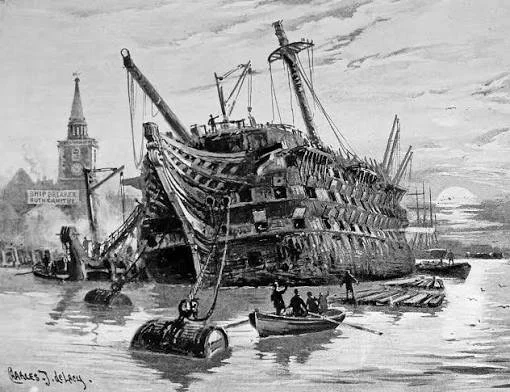
Wooden ships required enormous quantities of timber. When vessels became damaged, obsolete, or uneconomical to repair, their timbers could be reused in buildings, bridges, warehouses, and other structures.

This practice, often called timber reuse or ship-timber recycling, created a complex archaeological record. A beam in an early modern building might have originated from a ship built decades earlier, or it could have been cut from ordinary construction timber that merely resembles ship material.

Identifying reused ship timbers requires a combination of architectural investigation, wood science, historical research, and scientific dating.

Why Ship Timbers Were Reused

Shipbuilding consumed valuable resources. Large vessels contained substantial structural members, including frames, keel timbers, planks, and beams. When a ship was dismantled, many pieces remained useful.

Reusing these materials reduced the need to obtain new timber. Large curved pieces could be especially valuable because they were difficult to reproduce from straight trunks.

Timber reuse also occurred because of material shortages, local building traditions, and the availability of dismantled vessels near ports and shipyards.

Recognizing Shipbuilding Features

One of the first tasks is examining the timber's shape and construction marks.

Ship frames often contain pronounced curves that follow the hull's shape. Planks may preserve patterns of fastening holes, treenails, or corrosion stains from metal fasteners. Some timbers may also display cut marks, joints, or recesses associated with ship construction.

These features can suggest a maritime origin, but none is conclusive on its own. Curved timber was also used in roofs and other structures, while reused building materials could contain holes from earlier fasteners.

Tool Marks and Fasteners

Close examination can reveal traces of earlier construction.

Researchers may document:

  • Mortises and tenons.

  • Nail and bolt holes.

  • Treenail openings.

  • Saw marks and adze marks.

  • Metal corrosion staining.

  • Cut surfaces that interrupt earlier joints.

The sequence of these features matters. A timber may have been modified several times, first during shipbuilding, then during dismantling, and finally during architectural reuse.

Recording these relationships can help reconstruct the timber's working history.

Identifying the Wood Species

Wood anatomy can help identify the species or group of species used in a timber. Microscopic examination of the cellular structure may distinguish oak from pine, fir, or other woods, although closely related species can be difficult to separate.

Species identification provides useful information about resource selection and possible trade networks. It does not necessarily identify the location where a tree grew, because timber could be transported over long distances.

A building containing several wood species may reflect multiple construction phases or the reuse of materials from different sources.

Dendrochronology

Dendrochronology, or tree-ring dating, is one of the most useful tools for investigating historic timbers.

Trees growing in the same region often develop similar annual growth patterns in response to weather. By matching a timber's ring sequence with a regional chronology, researchers may estimate when the tree was felled.

If the outermost rings and bark edge survive, the felling date can sometimes be estimated closely. If the outer rings are missing, the date may only establish that the tree was cut after a particular year.

Even a precise felling date does not directly date a building's construction. A timber could have been stored, reused, or salvaged long after the tree was cut.

Historical and Archival Evidence

Ship registers, dockyard accounts, demolition records, property inventories, and building contracts can provide crucial context.

A record describing the dismantling of a vessel near a building site could support a reuse hypothesis. Conversely, a building account might identify a timber shipment from a forest, suggesting that the material was newly harvested rather than salvaged.

Researchers should compare documents with physical evidence rather than assuming that a historical reference describes the exact timber under investigation.

Scientific Dating and Provenance

Radiocarbon dating can help establish the age of suitable wood, especially when tree-ring dating is unavailable. However, radiocarbon results usually provide a date range rather than an exact year.

Chemical and isotopic analyses may sometimes contribute to provenance studies, but identifying the precise forest where a timber grew can be difficult. Trees from similar environments may have overlapping signatures, and historical trade complicates simple geographic assumptions.

Challenges in Interpretation

The central challenge is distinguishing ship timber from other reused wood. A curved beam with fastening holes may be suggestive, but convincing identification requires a coherent combination of features.

Researchers must also consider whether the timber was reused directly from a ship or was salvaged from a shipyard, warehouse, or earlier building. Each possibility implies a different chain of reuse.

Conclusion

Reused ship timbers offer a valuable record of early modern material economies. They reveal how communities extended the life of expensive resources and how maritime industries supplied materials to inland and coastal construction.

The strongest identifications combine visible shipbuilding features, wood anatomy, dendrochronology, archaeological context, and historical documentation. Together, these methods can turn an ordinary-looking beam into evidence of a much longer journey—from forest, to shipyard, to vessel, and finally to architecture.

Medieval Saltworks and Their Impact on Coastal Ecology

October 26, 2026

Introduction

Salt was one of the most important resources in medieval societies. It was essential for preserving meat and fish, seasoning food, supporting livestock, and facilitating long-distance trade. Coastal communities developed a variety of salt-production techniques, including solar evaporation, seawater boiling, and the use of shallow evaporation ponds.

Although saltworks contributed to economic growth, they also transformed coastal environments. Their construction required land, water management, fuel, and labor. Examining the archaeological remains of medieval saltworks can therefore reveal not only how people produced a valuable commodity but also how industrial activity influenced coastal ecology.

The Importance of Medieval Salt Production

Before modern refrigeration, salt played a central role in food preservation. Fishing communities used it to preserve catches for transport and storage, while agricultural communities relied on salted meat and other provisions during periods when fresh food was scarce.

Salt production could become an important source of local revenue. Rulers and landowners sometimes taxed production, controlled access to salt deposits, or regulated its trade. Saltworks consequently connected coastal laborers with merchants, governments, and distant consumers.

Methods of Coastal Salt Production

Medieval salt producers used methods suited to their local environments.

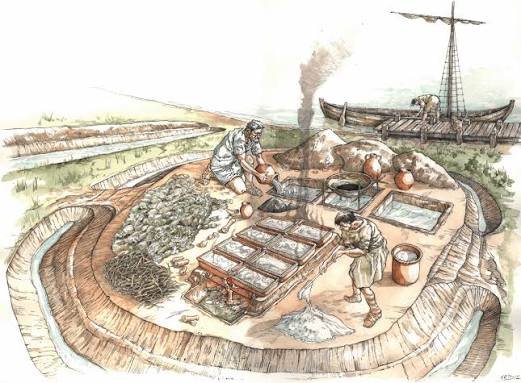
Solar evaporation relied on sunlight and wind to remove water from seawater. This method was especially effective in warm, relatively dry coastal regions. Producers directed seawater into shallow ponds, allowing evaporation to concentrate the salt until crystals could be collected.

In cooler or wetter climates, salt could be obtained by boiling brine. This required substantial fuel and specialized heating structures. Where natural salt springs existed, communities could collect concentrated brine and process it near the source.

Each technique produced a different archaeological signature, including pond embankments, drainage channels, heating installations, fuel deposits, and salt-encrusted surfaces.

Changes to Coastal Landscapes

Constructing saltworks often required modifying wetlands, lagoons, tidal flats, and coastal marshes. Producers could build dikes, dig channels, redirect water, and divide broad areas into shallow ponds.

These interventions changed how water moved through the landscape. Altered drainage could influence sediment accumulation, vegetation, and the movement of nutrients. In some places, saltworks may have replaced natural marsh habitat with managed evaporation ponds.

However, environmental effects varied. Some saltworks occupied naturally saline areas where vegetation was already limited, while others required extensive alterations to productive wetlands.

Fuel Consumption and Woodland Pressure

Boiling seawater or brine required large quantities of fuel. Depending on the scale and duration of production, nearby woodlands could experience increased pressure.

Archaeologists investigate this possibility through charcoal deposits, pollen records, wood identification, and changes in local vegetation. A decline in tree pollen near a salt-production site may indicate woodland clearance, but it does not prove that salt-making was the sole cause. Agriculture, construction, grazing, and other industries could produce similar changes.

Where fuel supplies became scarce, producers might have shifted to alternative materials or obtained wood from more distant locations.

Effects on Plants and Animals

Saltworks could affect habitats by changing salinity, water depth, and the availability of food and shelter. Freshwater and brackish-water organisms might decline where water became more saline, while salt-tolerant species could become more common.

At the same time, managed ponds sometimes created habitats for particular birds and aquatic organisms. The ecological consequences were therefore not necessarily uniform or entirely destructive.

Archaeological findings must be combined with environmental evidence to determine how local ecosystems changed over time.

Archaeological Methods

Researchers can reconstruct medieval salt production through several methods:

  • Landscape survey: Identifies pond boundaries, embankments, channels, and former shorelines.

  • Sediment analysis: Reveals changes in salinity, flooding, and sediment movement.

  • Pollen analysis: Helps reconstruct vegetation before, during, and after production.

  • Charcoal analysis: Identifies fuel types and possible changes in woodland use.

  • Radiocarbon dating: Dates suitable organic remains associated with production.

  • Ceramic and structural analysis: Helps identify heating vessels, furnaces, and related installations.

No single method provides a complete picture. Strong interpretations depend on combining several independent lines of evidence.

Conclusion

Medieval saltworks were more than industrial facilities. They were managed landscapes that connected food preservation, commerce, political authority, and environmental change.

Their effects on coastal ecology depended on production methods, local climate, fuel availability, and the habitats they occupied. Some saltworks altered wetlands and increased pressure on woodlands, while others made use of naturally saline environments.

Studying these sites allows archaeologists to explore an enduring question: how did communities balance the economic benefits of resource extraction against the environmental costs of transforming the landscapes around them?

Paleogenomic Traces of Ancient Pathogens in Urban Cemeteries

October 24, 2026

Introduction

Urban cemeteries can preserve evidence of health, disease, mortality, and the social conditions of past populations. Human remains sometimes retain traces of pathogens, allowing researchers to investigate infectious diseases that affected communities centuries or millennia ago.

Paleogenomics is the study of ancient genetic material. When pathogen DNA survives in archaeological remains, researchers may be able to identify an organism, investigate its genetic relationships, and examine how it changed over time.

The study of ancient pathogens is important, but it requires careful interpretation. Detecting pathogen DNA does not always prove that the organism caused a person's death, and the absence of detectable DNA does not establish that an individual was free of infection.

What Is Paleogenomics?

Paleogenomics examines genetic material recovered from ancient biological remains. Researchers may analyze human DNA, microbial DNA, or genetic traces associated with pathogens.

Ancient DNA is usually fragmented and chemically damaged. Over time, environmental exposure, microbial activity, and other processes can destroy genetic material.

Researchers therefore use specialized laboratory procedures to extract and analyze DNA while reducing contamination from modern organisms.

The resulting sequences can provide information about the identity, diversity, and evolutionary history of organisms that existed in the past.

Why Urban Cemeteries Matter

Cities often contain large populations living in close proximity. Their residents may share water sources, food markets, transport routes, workplaces, and crowded residential spaces.

These conditions can influence how infectious diseases spread, although the actual effects depend on the pathogen, living conditions, immunity, sanitation, and contact patterns.

Urban cemeteries may contain individuals from different neighborhoods or social groups. If the burial population is well documented, researchers can investigate how disease affected people within a particular settlement.

However, a cemetery is not always a representative sample of the living population. Burial access, social status, age, religion, and preservation conditions can influence who is represented.

Where Pathogen DNA May Survive

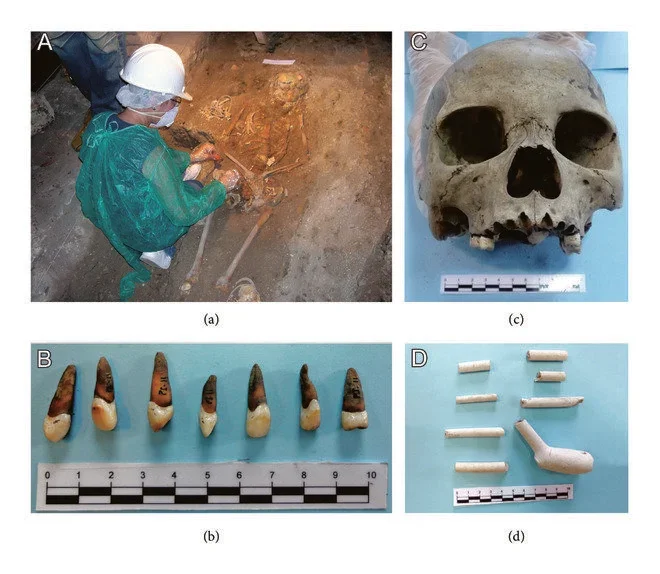
Ancient pathogen DNA can sometimes be recovered from bones, teeth, dental calculus, or other preserved biological materials. Different pathogens leave different patterns of evidence, and not every infection produces detectable genetic traces in skeletal remains.

Teeth and dense bone may protect biological material under certain conditions, but preservation varies considerably.

Researchers must consider whether the sampled material is likely to contain evidence of the pathogen being investigated. A negative result may simply mean that the relevant DNA did not survive or was not present in the sample.

Identifying Ancient Pathogens

After extracting genetic material, researchers sequence DNA fragments and compare them with reference databases.

The challenge is distinguishing authentic ancient pathogen DNA from modern contamination and from genetic material belonging to related organisms.

Researchers examine several indicators, including characteristic DNA damage, fragment lengths, genome coverage, and the distribution of sequences across the pathogen's genome.

A small number of matching fragments may be insufficient to identify a pathogen confidently. Stronger conclusions require multiple lines of molecular evidence and appropriate controls.

Did the Pathogen Cause Death?

Finding pathogen DNA in a burial does not automatically establish the cause of death.

An individual may have carried an organism without developing severe symptoms. The infection might have contributed to death alongside other conditions, or the detected material could reflect contamination after death.

Some pathogens leave visible skeletal lesions, but many infectious diseases do not produce distinctive changes in bones.

Researchers must therefore distinguish among several questions: Was the pathogen present? Was the individual infected during life? Did the infection cause illness? Did it contribute to death?

These questions require different forms of evidence and may not all be answerable for a particular individual.

Ancient Epidemics and Population Health

Paleogenomic research can help investigate historical outbreaks and the spread of infectious organisms.

When pathogen genomes are recovered from multiple individuals and securely dated contexts, researchers may compare them to investigate genetic relationships and possible changes through time.

However, a cluster of positive results in one cemetery does not automatically prove an epidemic. The pattern could reflect sampling choices, burial practices, or the fact that the cemetery served a particular institution or neighborhood.

Evidence for an outbreak becomes stronger when molecular findings align with mortality patterns, historical accounts, and other archaeological data.

Evolution and the Movement of Pathogens

Ancient pathogen genomes can contribute to research on microbial evolution. By comparing ancient and modern sequences, researchers may investigate when particular lineages existed and how genetic characteristics changed.

These analyses can help clarify relationships among strains and test hypotheses about the geographic movement of pathogens.

Yet genetic similarity does not always reveal the exact route of transmission. Pathogens can spread through trade, migration, warfare, animal hosts, or other forms of contact.

The movement of people and goods must be reconstructed using additional historical, archaeological, and environmental evidence.

Contamination and Laboratory Controls

Contamination is one of the central challenges in ancient DNA research.

Modern DNA can enter a sample during excavation, handling, storage, or laboratory processing. Microbial DNA from the surrounding soil may also be present.

Researchers use protective equipment, dedicated laboratory spaces, extraction blanks, sequencing controls, and other safeguards to identify possible contamination.

They may also compare results from different skeletal elements or independent laboratories when the research question justifies it.

Without rigorous controls, a claimed ancient pathogen detection may be unreliable.

Burial Conditions and Unequal Preservation

DNA preservation depends on temperature, moisture, soil chemistry, microbial activity, and the condition of the remains.

Some cemeteries may preserve DNA exceptionally well, while others provide little usable material. This can create an apparent difference in pathogen prevalence that reflects preservation rather than historical disease patterns.

Researchers should consider these biases when comparing sites or populations.

A cemetery with more successful DNA results is not necessarily a place where disease was more common.

Combining Genetics with Archaeology

Paleogenomics is most informative when combined with other sources of evidence.

Historical records may describe symptoms, mortality, or outbreaks. Skeletal analysis can identify some forms of disease-related damage. Cemetery archaeology can reveal burial timing, treatment of the dead, and differences in access to burial spaces.

Environmental evidence may help reconstruct living conditions, while animal remains can contribute to research on zoonotic diseases—illnesses that can pass between animals and humans.

Each source has limitations, but their combination can support more reliable conclusions than genetic evidence alone.

Ethics and the Study of Human Remains

Research on ancient pathogens involves human remains and sometimes sensitive questions about ancestry, community history, and disease.

Researchers should consider the wishes of descendant communities, local laws, cultural protocols, and the necessity of destructive sampling.

Scientific interest does not remove the responsibility to treat human remains respectfully. Communication about results should also avoid stigmatizing present-day communities or implying that historical infections define a population's identity.

Conclusion

Paleogenomic traces of ancient pathogens in urban cemeteries can provide important evidence about infectious disease, microbial evolution, and the health challenges faced by historical populations. Ancient DNA may help identify pathogens that left few visible traces in the skeleton and can reveal relationships between ancient and modern organisms.

However, pathogen detection must be distinguished from diagnosis and cause of death. Preservation bias, contamination, incomplete genomes, and the uneven representation of people in cemeteries all affect interpretation.

By combining paleogenomics with archaeology, osteology, historical records, and environmental research, scientists can investigate ancient disease more responsibly and accurately. The results can deepen our understanding of how infections interacted with urban life while making clear where the evidence supports a conclusion and where uncertainty remains.

Ancient Rope Impressions on Pottery: Reconstructing Cordage Tech

October 24, 2026

Introduction

Rope and cordage were essential technologies in many ancient societies. They could be used for carrying loads, securing boats, constructing buildings, making nets, tying tools, and handling containers. Because fibers usually decay, direct evidence for ancient rope is often scarce.

Impressions preserved on pottery can provide indirect evidence of cordage technology. When wet clay comes into contact with twisted fibers, woven materials, or knotted cord, it may retain a pattern after the organic material disappears or is removed.

These impressions can reveal aspects of how cordage was made and used. However, a pattern on pottery does not always represent a rope. It may come from woven fabric, basketry, mats, or another textured surface.

How Impressions Form

Pottery is often shaped while clay is still soft. If a cord or woven material is pressed against the clay, its surface can leave a negative impression.

The impression may preserve details of the original material, including the direction of twist, the arrangement of strands, and the pattern of a woven structure.

Such traces can occur on the exterior or interior of a vessel. They may reflect a technique used during shaping, a method for supporting the vessel, or decoration applied to the surface.

Researchers must establish how the impression relates to the manufacturing process before using it to reconstruct a specific type of rope.

Twisting and Braiding Fibers

Cordage can be made by twisting fibers together, braiding strands, or combining several cords into a thicker rope. The chosen method affects strength, flexibility, and resistance to wear.

Fibers may come from plant materials, animal hair, or other locally available resources. Their suitability depends on length, flexibility, strength, and how they respond to moisture.

Impressions may preserve clues about the number of strands and the direction of twisting. However, compression during clay shaping can distort the original pattern.

A careful analysis compares the impression with experimental examples made using different cordage techniques.

Identifying the Material

The impression may reveal the structure of the cord without identifying the original fiber. Plant fibers, animal hair, and other materials can produce similar patterns when twisted or braided.

In some cases, microscopic traces of the original material may survive in the clay. These can potentially be investigated through microscopy or chemical analysis.

However, such traces may be absent or contaminated. Researchers should not claim that a rope was made from a specific plant simply because that plant was available in the region.

The strongest identification combines surviving material, impression morphology, environmental evidence, and comparison with known cordage traditions.

Cordage and Pottery Manufacture

Rope impressions may be connected with the production of pottery itself.

A vessel could be formed against a woven support or wrapped structure that helped hold the clay during shaping. Cord may also have been used to create decorative patterns or texture.

In some cases, impressions can help researchers reconstruct how a vessel was built. The direction and arrangement of marks may indicate whether a cord was pressed into the surface intentionally or whether the clay was shaped against a cord-covered support.

Yet similar impressions can arise from different manufacturing methods, so the interpretation should be tested against the vessel's overall structure.

Nets, Fishing, and Maritime Activity

Cordage was important for fishing nets, lines, and other equipment. Pottery impressions may therefore contribute to research on the technologies associated with fishing and maritime life.

However, a rope impression on a pot does not directly prove that the rope was used for fishing. Cordage served many functions, including transport, construction, clothing, and securing loads.

Fishing-related interpretations become stronger when the pottery is associated with fish remains, net weights, hooks, or other evidence of aquatic resource use.

Measuring Twist and Strand Structure

Researchers can record the direction of twist, the number of visible strands, the spacing between them, and the angle of the impression.

These details can be compared with experimental cords made using different fibers and techniques.

The analysis may reveal whether the original material was a simple cord, a thicker rope, or part of a woven structure. However, preservation and compression can obscure fine details, and impressions may not capture the entire cord.

Researchers should therefore record uncertainty rather than reconstructing a complete rope from an incomplete mark.

Experimental Archaeology

Experimental archaeology can help test how different cords leave impressions in clay.

Researchers can create cords using various fibers and twisting methods, press them into clay under controlled conditions, and compare the results after drying or firing.

Experiments can investigate how moisture, pressure, cord thickness, and clay composition influence the final impression.

The results help narrow the range of plausible techniques. They cannot always identify the exact ancient method, because modern experimental materials and manufacturing conditions may differ from those used in the past.

Cordage and the Wider Economy

Cordage connects several areas of ancient life. Fishing, farming, construction, transport, and textile production all depend on strong and reliable fibers.

The ability to make cord could influence how people moved goods, secured structures, and exploited environmental resources.

If similar cordage patterns occur across multiple sites, researchers may investigate whether they reflect shared techniques, exchange, or independent solutions to similar practical problems.

Similar impressions do not necessarily prove direct contact. Communities can develop comparable technologies independently when they face similar needs and have access to similar materials.

Preservation and Interpretation

Direct rope remains may survive in waterlogged, dry, frozen, or otherwise unusual environments. In most archaeological contexts, however, cordage disappears while the objects it contacted remain.

Pottery impressions are therefore especially valuable, but they are indirect evidence.

The impression may represent a cord used during vessel production rather than a rope used in everyday activity. A decorative pattern might imitate cordage without recording an actual rope.

Researchers should compare the mark with the vessel's construction, the location of the impression, and other evidence of manufacturing.

Conclusion

Ancient rope impressions on pottery provide an important way to investigate cordage technology where the fibers themselves have not survived. They can preserve clues about twisting, braiding, strand structure, and the relationship between cordage and pottery production.

However, an impression does not automatically identify the material, function, or exact manufacturing technique. It may represent rope, woven material, basketry, or a support used while shaping clay.

By combining detailed surface recording, experimental archaeology, microscopic analysis, and contextual evidence, researchers can reconstruct plausible cordage technologies and explore their role in fishing, transport, construction, and daily life. These impressions demonstrate how an otherwise perishable technology can leave a durable trace in another material.

The Role of Small Isles as Neutral Trade Zones in the Mediterranean

October 24, 2026

Introduction

The Mediterranean Sea has connected communities through fishing, migration, travel, warfare, and trade for thousands of years. Islands occupy distinctive positions within this network. Some are large enough to support extensive settlements and agricultural systems, while smaller islands may have served as stopping points, resource locations, or meeting places for people traveling between larger landmasses.

The idea that small islands functioned as neutral trade zones raises important questions about exchange and political relationships. An island could offer a convenient location for meeting traders from different communities, particularly when direct exchange on the mainland was difficult or politically sensitive.

However, neutrality is not an automatic property of an island. It must be established through historical, archaeological, and political evidence rather than inferred from a site's geographic position alone.

Why Small Islands Could Be Useful for Trade

Small islands can occupy strategic locations along maritime routes. They may provide shelter, fresh water, anchorage, or opportunities to repair boats and obtain supplies.

An island located between larger settlements can become a natural meeting point. Traders might exchange goods there before continuing their journeys, reducing the need to travel deep into another community's territory.

However, many small islands lack reliable water, fertile soil, or safe harbors. Some may have been unsuitable for sustained settlement and used only during particular seasons.

The usefulness of an island therefore depends on its geography, resources, and relationship to surrounding maritime routes.

What Does Neutrality Mean?

A neutral trade zone would be a place where people from different political or cultural groups could exchange goods under conditions that reduced the risk of direct conflict.

Neutrality might be supported by customary rules, shared religious significance, local authorities, or agreements between trading communities. In some cases, an island could simply be remote enough from major political centers to provide a convenient meeting point.

Archaeologically, neutrality is difficult to demonstrate because it is a political relationship rather than a physical feature.

Evidence might include written agreements, repeated cross-cultural exchanges, shared use of a trading location, or historical descriptions of protected markets. Without such evidence, it is safer to describe an island as a possible meeting point or exchange location rather than a confirmed neutral zone.

Archaeological Evidence for Trade

Researchers investigate trade through imported pottery, metals, glass, coins, weights, seals, and other objects. Differences between local and nonlocal materials can help reconstruct the movement of goods.

A small island containing artifacts from several regions may have participated in maritime exchange. However, the presence of foreign objects does not automatically prove that the island hosted a market.

The objects could have arrived through shipwrecks, later occupation, gifts, personal possessions, or other forms of movement.

The strongest interpretation combines artifact provenance with settlement evidence, harbor features, storage facilities, and patterns of repeated activity.

Harbors, Anchorages, and Maritime Infrastructure

A small island may contain natural coves or sheltered waters suitable for anchoring. In some cases, people may have constructed landing places, storage areas, or other facilities to support maritime activity.

Underwater archaeology can reveal anchors, pottery, cargo remains, and other material associated with shipping. However, underwater finds can be displaced by currents, storms, and later human activity.

A shipwreck near an island does not prove that the island functioned as a trade center. The vessel may have been passing through rather than visiting the shore.

Researchers must distinguish between evidence of maritime movement and evidence of exchange conducted on the island itself.

Goods and Exchange Networks

Trade goods can reveal connections between distant communities. Pottery may indicate the movement of containers and their contents, while metal objects can provide clues about production and distribution.

Organic commodities such as grain, oil, wine, fish, and textiles may be harder to trace because they do not always survive archaeologically.

An island with diverse artifacts may have served as a point where goods were transferred between vessels or exchanged between groups. Yet the precise structure of the network may remain uncertain.

Goods can pass through multiple intermediaries, and an artifact's origin does not identify the full route it traveled.

Political Rivalry and Shared Interests

Trade can continue between communities that compete politically. The economic benefits of exchange may encourage cooperation even when relations are tense.

A small island might provide a place where merchants could meet without entering the territory of a rival community. In other circumstances, an island could be controlled by a powerful group and used to regulate trade.

These possibilities have different political implications. A location used by multiple groups is not necessarily neutral; it may be governed by one group that permits others to trade there.

Archaeological evidence must be combined with historical sources and regional political context to distinguish these arrangements.

Religious Sanctuaries and Exchange

Some islands contain sanctuaries or other places of religious importance. Such locations may attract visitors from different communities, creating opportunities for exchange alongside ceremonial activity.

Religious gatherings can bring people together at predictable times and provide a setting for gifts, offerings, and commercial transactions.

However, the presence of a sanctuary does not prove that a site functioned as a neutral market. Trade might have occurred nearby, during particular events, or not at all.

Researchers should investigate the relationship between religious activity and commerce through spatial evidence, artifacts, and reliable historical accounts.

Seasonality and Temporary Occupation

Small islands may be occupied seasonally because of fishing, sailing conditions, agricultural cycles, or the availability of resources.

Temporary camps can be difficult to distinguish from short-lived trading settlements. Both may contain hearths, pottery, tools, and food remains.

The scale and composition of the assemblage can help, but no single indicator is decisive.

Evidence of storage, standardized measures, imported goods, and repeated activity may support a commercial interpretation. Yet researchers should remain open to other explanations, including fishing, pilgrimage, and seasonal resource collection.

Environmental Change and Island Connectivity

Sea levels, coastal erosion, storms, and changes in harbor conditions can alter an island's usefulness over time.

An island that once had a sheltered anchorage may become exposed, while sediment accumulation can make another location less accessible to boats.

These changes affect the archaeological record. Ancient landing places may now lie underwater or inland, and former routes may no longer be practical.

Environmental reconstruction helps researchers understand why an island became important and how its role changed.

Conclusion

Small Mediterranean islands could have served as useful places for maritime exchange, especially when they offered sheltered anchorages or occupied positions along busy routes. Their archaeological remains may reveal connections between communities and the movement of goods across the sea.

However, the idea of a neutral trade zone requires more evidence than geographic convenience or the presence of imported artifacts. Researchers must establish how the site was used, who controlled access, and whether different groups could exchange goods under shared or protected conditions.

By combining underwater archaeology, artifact provenance, settlement analysis, environmental reconstruction, and historical sources, researchers can investigate whether particular islands functioned as meeting places, commercial centers, religious destinations, or strategic outposts. Their roles were likely to vary over time, reflecting the changing balance between geography, politics, and maritime opportunity.

Reconstructing Bronze Age Diets from Coprolites in Caves

October 24, 2026

Introduction

Human diets in the Bronze Age can be reconstructed through several forms of archaeological evidence, including animal bones, plant remains, food residues, dental wear, and chemical analysis of human remains. One especially direct but unusual source is coprolites: preserved feces that can retain traces of food, parasites, microorganisms, and other biological material.

When preserved in caves, coprolites may provide information about what people or animals consumed and how food moved through the digestive system. However, identifying the source of a coprolite is essential. A cave deposit may contain feces from humans, domesticated animals, or wild species.

Reconstructing a Bronze Age diet from coprolites therefore requires careful identification, dating, contamination control, and comparison with other archaeological evidence.

What Are Coprolites?

Coprolites are fossilized or preserved fecal deposits. Their survival depends on environmental conditions, including moisture, temperature, oxygen availability, and the chemistry of the surrounding sediment.

Some coprolites preserve recognizable shapes, while others survive as fragmented or mineralized material.

They can contain undigested plant fragments, seeds, pollen, bone particles, parasite eggs, and microscopic biological remains. These materials may help researchers investigate diet and health.

However, the contents of a coprolite represent only a partial sample of what was eaten. Foods that digest thoroughly may leave little recognizable material, while resistant seeds or bones may be disproportionately visible.

Identifying Human and Animal Coprolites

The first challenge is determining which species produced the deposit.

Shape and size can provide preliminary clues, but they are not always reliable. Diet, age, health, and preservation conditions can alter fecal appearance.

Microscopic analysis may identify characteristic contents, while chemical methods or ancient DNA analysis may help distinguish human from animal material in suitable cases.

Even when a coprolite is identified as human, researchers must consider whether it belongs to the Bronze Age occupation under study. Caves can contain deposits from multiple periods, and animal activity may mix materials from different layers.

What Food Remains Can Reveal

Coprolites may contain seeds, fruit skins, plant fibers, starch granules, and other food remains. These can provide direct evidence that particular plant materials passed through the digestive system.

Animal-derived materials may also be present, although their identification can be more difficult.

The presence of a plant fragment indicates consumption more directly than a seed found elsewhere in the cave, but it does not establish how frequently the food was eaten or how important it was to the diet.

A single coprolite reflects one episode of digestion. Researchers need multiple samples and comparison with other evidence to reconstruct broader dietary patterns.

Microscopic and Chemical Analysis

Researchers can use microscopy to identify plant structures, starch granules, parasite eggs, and other microscopic remains.

Chemical analysis may detect compounds associated with foods or digestive processes. Ancient DNA techniques can sometimes identify biological material, although preservation and contamination are major concerns.

Each method has limitations. Starch grains may be difficult to identify to species, and DNA can be degraded or contaminated by modern material.

A reliable investigation combines multiple methods and documents how samples were collected, stored, and processed.

Cave Environments and Preservation

Caves can provide relatively stable conditions, but preservation varies. Dry caves may preserve some materials through desiccation, while waterlogged or mineral-rich deposits may preserve other types of organic remains.

At the same time, caves can receive sediment through water movement, animal burrowing, roof collapse, and repeated human occupation.

These processes may mix deposits that originally accumulated at different times.

Researchers must therefore study the cave's stratigraphy and formation processes before assigning a coprolite to a particular archaeological period.

Dating Coprolites

Radiocarbon dating may be possible when sufficient suitable organic material survives. However, the sample must be identified and prepared carefully to reduce contamination.

A date from material associated with a coprolite does not necessarily establish the age of the coprolite itself. Sediment can contain older charcoal or other materials redeposited from earlier layers.

Direct dating, where feasible, combined with stratigraphic evidence offers a stronger chronological foundation.

Parasites and Ancient Health

Coprolites may preserve parasite eggs or other biological indicators. These can provide information about infections and the conditions in which people lived.

Parasites can be associated with food, water, soil, animals, or interpersonal transmission. Their presence may help researchers investigate sanitation and patterns of exposure.

However, detecting a parasite does not automatically reveal the severity of illness or its effects on an individual. The evidence must be interpreted within the broader context of diet, environment, and health.

Diet and Food Preparation

The contents of coprolites may help investigate whether foods were eaten raw, cooked, processed, or combined with other ingredients.

For example, some plant structures may survive differently depending on preparation methods. However, digestion itself alters food remains, and similar traces can result from different cooking techniques.

Researchers should not infer a complete recipe from a few fragments. Instead, coprolites can contribute evidence about the kinds of foods consumed and the possible processing of those foods.

Comparing Coprolites with Other Dietary Evidence

Coprolites are most useful when compared with other evidence from the same site or region.

Animal bones can reveal which species were butchered, while charred seeds and plant remains can identify crops and gathered foods. Residues in pottery may indicate the processing of fats, grains, or other substances.

Human skeletal chemistry can sometimes provide information about long-term dietary patterns, although it usually does not identify specific meals.

If these independent sources point toward similar food resources, researchers can construct a more robust picture of Bronze Age diet.

Limits and Ethical Considerations

Coprolites can be scientifically valuable, but they require careful handling because they may contain biological hazards. Appropriate protective procedures and laboratory controls are essential.

Research should also consider the archaeological and cultural context of human remains and deposits. Material from human bodies should be treated respectfully, and sampling should be justified by clear research questions.

Finally, researchers should avoid assuming that one person's diet represents an entire community. Food consumption can vary by age, social position, season, health, and access to resources.

Conclusion

Coprolites provide a distinctive source of evidence for reconstructing Bronze Age diets in cave environments. Their contents may preserve traces of plant foods, animal-derived materials, parasites, and other biological remains that help researchers investigate consumption and health.

However, these deposits must be identified, dated, and analyzed carefully. Cave sediments can mix material from different periods, and coprolites preserve only a partial record of what was eaten.

When combined with archaeobotany, zooarchaeology, residue analysis, and human skeletal evidence, coprolites can contribute to a more detailed understanding of prehistoric food practices. Their value lies not in providing a complete menu, but in offering a rare direct record of biological material that passed through the digestive system of a person or animal in the past.

The Forensics of Bone Tool Micro-wear in Arctic Hunting Camps

October 24, 2026

Introduction

Bone has been used as a raw material for tools in many parts of the world. It can be shaped into points, needles, awls, fishing equipment, and other implements suited to activities that require precision or flexibility.

In Arctic environments, bone and antler could be particularly valuable because they were available from animals hunted for food, clothing, transport, and other necessities. The study of micro-wear examines tiny changes on an object's surface that may have developed during manufacture, use, or burial.

The forensic analysis of bone tool micro-wear can help archaeologists investigate how tools functioned in hunting camps. However, microscopic marks rarely identify a tool's exact purpose on their own. Researchers must distinguish use-related wear from manufacturing marks, environmental damage, and modern handling.

Why Bone Was Used for Tools

Bone has a different structure from stone, wood, and metal. Its internal organization can make it strong in certain directions while allowing it to be shaped into relatively fine points or edges.

Antler, ivory, and bone are not identical materials. They have different properties and may be selected for different tasks.

In cold environments, organic materials could be important for making tools and equipment suited to hunting, fishing, clothing production, and transportation.

The availability of particular materials depended on local animal populations, ecological conditions, and hunting practices.

What Is Micro-wear?

Micro-wear refers to small-scale changes on a tool's surface. These may include scratches, polish, edge rounding, tiny fractures, and other traces created when an object contacts another material.

Researchers examine these features using magnification and compare them with wear patterns produced by experimental tools.

Different activities can create different kinds of wear, but the patterns are not always unique. Cutting meat, scraping hide, working plant fibers, and processing other materials may produce overlapping traces.

The interpretation depends on the tool's material, shape, use history, and the conditions in which it was buried.

Manufacturing Marks Versus Use-wear

A bone tool may acquire marks during shaping. Cutting, scraping, grinding, and polishing can leave traces that resemble those produced during use.

Researchers therefore examine the location and orientation of marks, their relationship to the tool's edges, and whether they are consistent with a plausible action.

For example, repeated wear near a working edge may support the interpretation that the edge was used, while marks distributed across the surface may reflect manufacture or later abrasion.

Even this distinction can be difficult when the tool was heavily modified or used for several purposes.

Experimental Archaeology

Experimental studies can help identify plausible sources of micro-wear. Researchers manufacture replicas using selected techniques, then use them for controlled activities such as cutting, scraping, piercing, or processing animal materials.

The resulting surfaces are examined and compared with archaeological specimens.

These experiments are valuable because they link known actions with observable changes. However, modern experiments cannot reproduce every condition of prehistoric use. Differences in raw material, user skill, force, duration, and environmental exposure may affect the results.

Micro-wear interpretation should therefore rely on comparative patterns rather than assuming that one microscopic feature proves a single function.

Arctic Hunting Camps and Organic Materials

Arctic archaeological sites may preserve bone, antler, ivory, and other organic materials under favorable conditions. Cold or waterlogged environments can sometimes slow decomposition, although preservation varies considerably.

Hunting camps may contain tools associated with animal processing, clothing production, fishing, and other activities.

The presence of bone tools at a camp does not automatically mean they were used for hunting itself. Some may have been used to prepare hides, manufacture clothing, repair equipment, or process food after an animal was captured.

A tool's function should be reconstructed in relation to the entire assemblage.

Hunting Technology and Tool Function

Bone points may have been used as projectile components, while pointed implements could also serve as awls or piercing tools. A tool's shape provides clues, but similar forms can be used in different ways.

Researchers may examine breakage patterns, impact damage, polish, residues, and the distribution of tools within the site.

If a point shows impact-related fractures and is associated with evidence of hunting, a projectile function may be plausible. Yet breakage can occur during manufacture or post-depositional processes.

A reliable interpretation combines several forms of evidence rather than relying on shape alone.

Contamination and Post-Depositional Damage

Micro-wear can be altered after a tool is discarded. Sediment movement, trampling, water transport, chemical changes, and contact with other objects may produce scratches or polish.

Excavation and laboratory handling can also introduce damage. Cleaning methods may remove residues or alter fragile surfaces.

Researchers must document the condition of an artifact before analysis and compare the suspected use-wear with known forms of post-depositional alteration.

Control samples from the surrounding sediment can sometimes help identify environmental processes responsible for surface damage.

Residue Analysis

Organic residues may survive on bone tools, although preservation varies. Proteins, lipids, plant compounds, and other traces may provide clues about contact with particular materials.

However, residues can be introduced by soil, handling, conservation products, or later contamination. The presence of an animal-derived compound on a tool does not automatically prove that the tool processed a specific animal.

Residue analysis is most useful when combined with micro-wear, tool form, archaeological context, and appropriate contamination controls.

Reconstructing Tasks at a Hunting Camp

A hunting camp may have supported many activities beyond the capture of animals. People could butcher carcasses, prepare hides, repair equipment, make clothing, cook food, and maintain tools.

Different micro-wear patterns across an assemblage may help distinguish these tasks.

For example, tools with evidence of cutting, scraping, and piercing could suggest a sequence of processing activities. However, the same tool might have been reused for multiple tasks, and some activities may leave little visible wear.

Researchers should therefore reconstruct a range of possible activities rather than forcing every artifact into a single functional category.

Conclusion

The forensic study of bone tool micro-wear can reveal valuable information about the technologies used in Arctic hunting camps. Microscopic scratches, polish, fractures, and residues may help researchers reconstruct manufacturing methods and the tasks performed with organic tools.

However, micro-wear is not a simple code in which each mark corresponds to one activity. Manufacturing, use, burial, and handling can produce overlapping traces.

By combining microscopy with experimental archaeology, residue analysis, tool morphology, and site context, researchers can build stronger interpretations of ancient technology. Bone tools offer a particularly important perspective on Arctic life because they reveal how people transformed animal materials into equipment suited to hunting, processing, clothing production, and survival in demanding environments.

Coastal Sacred Groves: Tree Cults and Maritime Pilgrimage Sites

October 24, 2026

Introduction

Trees have held spiritual and cultural significance in many societies. A particular tree or group of trees may be associated with ancestors, protective beings, local histories, healing practices, or ceremonial gatherings. When such places occur near the coast, they may also become connected with fishing communities, sailors, maritime travel, and pilgrimage.

The concept of a coastal sacred grove offers a way to investigate how natural features become meaningful places within cultural landscapes. Archaeology can examine offerings, nearby structures, paths, and patterns of repeated use, while historical and ethnographic sources may help explain local traditions.

However, a grove should not be identified as a sacred site solely because it contains old trees or stands near the sea. Its cultural significance must be established through appropriate evidence, including the knowledge and perspectives of communities connected with the place.

Trees and Sacred Landscapes

Trees are long-lived features of the environment. Their growth, seasonal changes, and physical presence can make them powerful landmarks.

In some cultural traditions, trees are associated with ancestors, fertility, protection, healing, or the presence of spiritual beings. A tree may also mark a boundary, gathering place, or location where important events are remembered.

These associations vary considerably. The symbolic importance of a particular species in one society cannot automatically be transferred to another.

Researchers should therefore investigate the history of each grove rather than treating tree worship as a universal religious system.

Why Coastal Locations Matter

Coastal communities often depend on the sea for food, travel, trade, and communication. Maritime environments can also be dangerous, with storms, changing currents, and uncertain weather creating risks for those who travel by boat.

Places of spiritual significance near the coast may be associated with protection, safe journeys, successful fishing, or remembrance of people lost at sea.

Yet these interpretations require local evidence. A coastal shrine might be dedicated to a specific saint, ancestor, deity, or historical event, while another grove may have no maritime function at all.

The relationship between a sacred place and seafaring should be established from its own cultural history.

What Makes a Grove Sacred?

Sacredness is not always marked by a permanent building. A grove might be recognized through customary practices, oral traditions, restrictions on behavior, offerings, or repeated gatherings.

In some places, people may leave small objects or food offerings. In others, the significance of the site may be maintained through ceremonies or rules about cutting trees and entering particular areas.

However, archaeological deposits must be interpreted carefully. Objects beneath a tree could result from ordinary activity, later dumping, or natural processes.

The strongest evidence comes from a combination of repeated patterns, reliable historical documentation, and community knowledge.

Archaeological Evidence for Ritual Activity

Researchers may examine features such as small shrines, stone arrangements, paths, offering deposits, or structures located near a grove.

The chronology of these features matters. A grove may have been used for different purposes across centuries, and a nearby structure might not be contemporary with the oldest trees.

Tree age alone cannot establish when a place first became sacred. A younger tree may replace an older one while the cultural importance of the location continues.

Archaeologists should therefore distinguish the age of the living vegetation from the history of the place and its associated practices.

Maritime Pilgrimage and Travel

Pilgrimage involves travel to a place considered spiritually significant. Coastal locations can be reached by land or sea, and maritime travel may have shaped the experience of visiting certain sites.

A coastal shrine might serve sailors, fishers, merchants, or people traveling between islands and mainland settlements. The route itself could become part of the pilgrimage experience.

However, not every coastal religious site was a destination for maritime pilgrims. Some served local residents, while others may have been visited mainly during particular festivals or ceremonies.

Historical records, travel accounts, offerings, and evidence of transport infrastructure can help establish the nature of these connections.

Tree Cults and the Problem of Interpretation

The phrase "tree cult" is sometimes used to describe ritual practices centered on trees, but it can oversimplify diverse religious traditions.

A tree may be sacred without being worshipped as a deity. It may represent an ancestor, mark a holy location, or serve as a setting for ceremonies.

The language used by researchers should reflect the available evidence and avoid reducing complex beliefs to a single label.

Where living traditions continue, community members should have a role in explaining the meanings and responsibilities associated with the grove.

Ecology and Conservation

Coastal groves may provide shade, stabilize soil, support wildlife, and protect vegetation from erosion. Their ecological importance can overlap with their cultural significance.

Development, road construction, tourism, coastal erosion, invasive species, and changing land use can threaten such places.

Conservation planning should consider both the biological environment and the cultural relationships connected with the grove. Protecting trees while destroying access routes or ceremonial features may fail to preserve the site's wider significance.

Research should also avoid publishing sensitive locations in ways that could expose them to vandalism or unwanted visitation.

Continuity and Change

Sacred places can persist even as religious traditions change. A grove may be incorporated into a new religious framework, become associated with a different historical figure, or continue to be used alongside other practices.

Such changes should not automatically be interpreted as uninterrupted survival of a single ancient tradition. Similar practices at different times may reflect adaptation rather than direct continuity.

Archaeology can investigate layers of use, while historical and oral evidence may reveal how people explained the site's significance at different moments.

Conclusion

Coastal sacred groves provide a valuable subject for studying the relationship between natural landscapes, spiritual practice, and maritime life. Trees can serve as enduring landmarks, while coastal locations may become connected with journeys, protection, remembrance, and community identity.

Yet the existence and meaning of a sacred grove must be established through contextual evidence. Old trees, nearby artifacts, or a coastal location do not independently prove the presence of a tree cult or a pilgrimage tradition.

By combining archaeology, environmental research, historical sources, and community knowledge, researchers can explore how these places acquired and maintained cultural significance. Their study also highlights the importance of protecting landscapes that may hold both ecological value and living cultural meaning.

Ancient Pollen Traps in Cave Entrances: Seasonal Occupation Signals

October 24, 2026

Introduction

Pollen provides valuable evidence for reconstructing past environments. Produced by plants during reproduction, pollen grains can be carried by wind, water, insects, and animals before settling into soil or sediment. Their microscopic structures often allow researchers to identify the plants from which they originated.

Caves and rock shelters can preserve pollen in deposits that accumulate over long periods. Cave entrances are especially interesting because they sit at the boundary between the exterior environment and sheltered interior spaces. Their sediments may record changes in vegetation, human activity, and the movement of materials into the cave.

The idea of an ancient "pollen trap" refers to a place where pollen accumulated and became preserved. However, pollen deposits do not automatically reveal when or why people occupied a cave. Researchers must distinguish natural accumulation from material introduced through human activity.

How Pollen Enters a Cave

Pollen can enter caves through several routes. Wind may carry grains through the entrance, while flowing water can transport pollen from surrounding soil and vegetation. Animals may also bring pollen into the cave on their fur, feet, or food.

People can introduce pollen indirectly through plant materials used for bedding, fuel, food, construction, or other purposes. A person entering a cave with vegetation attached to clothing or equipment may also transport pollen inside.

These different pathways can produce overlapping signals. A concentration of pollen from a particular plant might reflect nearby vegetation, seasonal flowering, or deliberate human use of plant material.

Understanding the source of the pollen is essential before interpreting it as evidence of occupation.

Why Cave Entrances Are Useful Research Locations

Cave entrances can preserve a mixture of environmental and archaeological information. They may receive windblown sediment, organic matter, animal remains, and debris from activities carried out near the entrance.

Because entrances are exposed to changing weather, they may also record shifts in vegetation and local environmental conditions.

However, not every cave entrance is a stable pollen archive. Rainfall, flooding, trampling, burrowing animals, and erosion can disturb or remove sediment. Some caves have conditions favorable for preservation, while others contain heavily mixed deposits.

Researchers must assess the integrity of the sediment before using pollen evidence to reconstruct the past.

Pollen Analysis and Plant Identification

Palynology is the study of pollen and other microscopic organic remains. Researchers extract pollen from sediment samples, prepare them for examination, and identify grains using their shape, size, and surface structure.

The resulting assemblage can indicate which plant groups were present in the surrounding landscape.

Different plants produce different quantities of pollen, and their grains disperse over different distances. Some plants are prolific pollen producers, while others contribute relatively little to the sediment record.

Consequently, pollen percentages do not translate directly into the percentage of plants growing in the landscape. Researchers must account for these differences when reconstructing vegetation.

Seasonal Occupation and Flowering Cycles

Plants flower at different times of year. In principle, pollen from species with well-understood flowering seasons can help investigate when certain plant materials entered a cave.

For example, a deposit containing pollen from plants that flower during a particular season might be consistent with activity during that period.

However, pollen can remain in the environment after flowering and may be transported from a distance. A single pollen grain rarely establishes the exact season of a human visit.

A stronger seasonal interpretation would combine pollen evidence with other indicators, such as animal remains, plant food remains, occupation layers, and environmental records.

Distinguishing Natural Deposits from Human Activity

A cave may contain pollen even when people were absent. Natural vegetation near the entrance can contribute substantial quantities of pollen to the sediment.

Researchers therefore compare samples from different depths and locations. They may examine whether a particular pollen type occurs throughout the cave deposit or appears mainly in layers associated with human activity.

Other evidence can help clarify the interpretation. Hearths, tools, food remains, plant fibers, and prepared surfaces may indicate occupation, although each has its own limitations.

The key question is whether the pollen pattern differs from what would be expected through natural accumulation alone.

Human Use of Plants

People have used plants for food, fuel, medicine, bedding, construction, and ceremonial purposes. Pollen may sometimes contribute to investigating these activities.

However, pollen alone rarely establishes a specific use. A plant associated with medicinal practices in one society may have had different uses elsewhere, and modern ethnographic parallels cannot automatically explain prehistoric behavior.

Researchers should look for converging evidence, such as identifiable plant remains, residues, tools, and a reliable archaeological context.

Where plant use is proposed, the distinction between direct evidence and interpretation should remain clear.

Dating Pollen-Bearing Sediments

Pollen itself is not always straightforward to date. Researchers may date organic material from the same sediment layer, use stratigraphic relationships, or apply other chronological methods suited to the deposit.

The association must be secure. A piece of charcoal in a pollen-bearing layer may have been redeposited from an older deposit, while roots or burrowing animals may introduce younger material into deeper sediments.

Multiple dates and careful sediment analysis can help establish a reliable sequence.

Cave Formation and Sediment Disturbance

Caves are dynamic environments. Water can carry fine sediment inward, while roof collapse can bury earlier deposits. Animals may dig burrows, and people may level floors or remove older material during repeated occupations.

These processes can mix pollen from different periods.

Micromorphology, sediment description, and detailed excavation records can help identify disturbances. Researchers may also compare pollen with other environmental indicators to test whether the results tell a consistent story.

A pollen record should not be treated as a simple chronological sequence unless its stratigraphy supports that interpretation.

What Pollen Can and Cannot Tell Us

Pollen is particularly useful for reconstructing vegetation and environmental change. It can indicate the presence of certain plant groups and help investigate changes in woodland, grassland, or cultivated landscapes.

It is less reliable as a stand-alone indicator of the exact season or duration of human occupation.

A high concentration of pollen may reflect abundant local vegetation rather than deliberate collection. A sudden change may result from natural flooding or sediment movement rather than a new human activity.

The most reliable interpretations integrate pollen analysis with archaeology, geology, and other environmental evidence.

Conclusion

Ancient pollen deposits at cave entrances provide a valuable resource for studying vegetation, environmental change, and possible patterns of seasonal occupation. Because caves can preserve layered sediments, they may record changes in the surrounding landscape over long periods.

However, pollen is transported by natural processes as well as by people. Its presence cannot independently establish that a cave was occupied during a particular season or that a plant was deliberately used.

By combining palynology with stratigraphy, dating, plant remains, animal evidence, and traces of human activity, researchers can build a more reliable picture of how caves functioned within ancient landscapes. Pollen is most informative when treated as one part of a wider archaeological record rather than as a direct calendar of human visits.

The Archaeology of Small-Scale Glass Bead Production in Africa

October 24, 2026

Introduction

Glass beads have played important roles in personal adornment, exchange, identity, and artistic expression across many African societies. Small beads can be deceptively informative: their composition, shape, color, and manufacturing marks may reveal specialized knowledge, trade connections, and the movement of materials between communities.

The archaeology of small-scale glass bead production investigates how beads were manufactured, repaired, circulated, and used. Africa's bead-making traditions are diverse, extending across different periods and regions. Some communities produced beads from locally available materials, while others used imported glass or recycled glass objects.

It is important, however, to distinguish bead production from bead consumption. Finding glass beads at a settlement does not prove that they were made there. Evidence such as unfinished beads, glass-working waste, furnaces, crucibles, and production tools is needed to identify manufacturing sites confidently.

Glass Beads and Their Cultural Importance

Glass beads can be produced in a wide variety of colors, shapes, and sizes. Their appearance depends on the raw materials, manufacturing process, and skill of the craftsperson.

People may use beads for necklaces, bracelets, clothing decoration, ceremonial objects, and other forms of adornment. Beads can also be exchanged as gifts, used in trade, or associated with social relationships and cultural traditions.

Their significance varies between communities. In some settings, particular colors or bead arrangements may be associated with life stages, marriage, status, or spiritual practice. These meanings should be established through local historical and cultural evidence rather than assumed from appearance alone.

How Glass Beads Are Made

Glass is generally produced by heating silica-rich material with other ingredients that help create a workable substance. Color can be influenced by mineral additives, while the properties of the finished glass depend on composition and firing conditions.

Bead-making methods vary. Glass may be shaped around a rod, drawn into a long tube and cut into segments, wound into a form, or processed through other techniques. The selected method influences the bead's shape, hole, surface texture, and manufacturing marks.

Some beads may be produced in specialized workshops, while others are made in smaller settings using equipment adapted to local conditions.

Identifying Production Sites

Archaeologists need more than finished beads to establish that production occurred at a particular location. Important evidence may include:

  • Unfinished beads and rejected pieces.

  • Glass fragments with manufacturing characteristics.

  • Crucibles or other heat-resistant equipment.

  • Furnaces or hearths suitable for glassworking.

  • Waste from cutting, shaping, or reheating beads.

  • Concentrations of raw glass or recycled glass fragments.

The relationship between these materials matters. A single bead found near a hearth could have been lost or discarded after use, while a concentration of unfinished pieces and production waste is more suggestive of manufacturing.

Researchers must also consider whether a workshop produced beads or worked with glass for other purposes.

Local Production and Imported Materials

Glass bead production does not always require the local manufacture of glass from its original raw ingredients. Craftspeople may work with imported glass, recycled fragments, or partially prepared material.

This distinction is important when reconstructing economic networks. A community might have specialized in bead shaping without controlling the production of the glass itself.

Chemical analysis can help compare glass compositions and investigate possible sources. Yet similar compositions may occur in several production regions, and recycled glass can combine materials from different origins.

A chemical match therefore does not always identify a single workshop or direct trade route.

Small Workshops and Specialized Knowledge

Small-scale production may have taken place in household settings, craft quarters, or specialized work areas. The scale of production can be difficult to determine because furnaces and tools may have been reused for different tasks.

Bead-making requires control over temperature, timing, material selection, and shaping. Consistent production may depend on experience and the transmission of technical knowledge.

The presence of specialized equipment suggests that people understood how to work with glass, but it does not automatically reveal whether the craft was a full-time occupation or one activity among several.

Researchers can investigate production scale through the quantity of waste, the range of bead types, workshop organization, and evidence of repeated use.

African Bead Traditions and Regional Diversity

African bead traditions should not be treated as a single uniform system. Different societies developed distinct uses for beads, and the relationship between local production and imported materials changed over time.

In some regions, beads were produced locally from glass or other materials. Elsewhere, imported beads became important components of exchange networks and personal adornment.

The archaeological record also reflects unequal preservation and research coverage. Some areas have been studied extensively, while others remain less well documented.

A responsible interpretation recognizes regional diversity and avoids attributing one community's bead traditions to an entire continent.

Beads, Trade, and Exchange

Beads are portable and durable, making them useful objects for studying the movement of goods. They can travel through markets, gift exchanges, migration, pilgrimage, and long-distance trade.

A bead discovered far from a likely production region may indicate that materials or finished products moved through an exchange network. However, it does not necessarily show that the bead traveled directly from the manufacturer to the final user.

Goods may pass through several intermediaries, and beads can be retained for long periods before being deposited.

Researchers can compare bead composition, manufacturing style, and distribution patterns to investigate possible connections between communities.

Chemical Analysis and Technological Change

Scientific methods can identify elements and compounds within glass. Techniques such as X-ray fluorescence, scanning electron microscopy with elemental analysis, and other laboratory methods may help researchers compare different groups of beads.

These analyses can investigate colorants, glass composition, and possible manufacturing traditions.

However, a chemical composition is not a direct record of a craftsperson's identity or intention. Similar materials can be used by different workshops, while recycling can blur the distinction between production sources.

The strongest conclusions combine chemistry with manufacturing evidence, chronology, and archaeological context.

Conservation and Ethical Research

Glass beads are often durable, but they can still be damaged by corrosion, salt deposits, impact, and inappropriate cleaning. Excavation and handling should be planned carefully, especially when beads are extremely small or attached to fragile materials.

Research should also consider the cultural significance of beadwork to descendant and local communities. Objects may retain meanings that extend beyond their archaeological classification.

Collaborative interpretation can help prevent culturally important artifacts from being reduced to trade indicators alone.

Conclusion

The archaeology of small-scale glass bead production in Africa provides valuable evidence for craft technology, material sourcing, economic exchange, and cultural expression. Unfinished beads, production waste, furnaces, and chemical analysis can help distinguish manufacturing centers from places where finished beads were simply used or traded.

Yet the evidence must be interpreted within its regional and historical context. Imported glass, recycled materials, and the movement of finished beads complicate attempts to identify a single source or route.

By combining scientific analysis with archaeological context and community knowledge, researchers can reconstruct how bead-making skills developed and how beads connected people across different landscapes. These small objects can reveal extensive networks of craftsmanship and exchange while preserving the diversity of African cultural histories.

Subterranean Fire Pits: Airflow Engineering in Prehistoric Ovens

October 24, 2026

Introduction

Fire was essential to prehistoric life. It provided warmth, light, protection, and a means of cooking food. In some settings, people also used fire for pottery production, heat treatment of stone, and other technical activities.

A fire pit located partly or entirely below ground can preserve clues about how people controlled heat and airflow. Some prehistoric cooking methods used heated stones and insulated pits, while other installations incorporated channels, openings, or chambers that influenced combustion.

The phrase "airflow engineering" raises an important research question: how did ancient builders shape fire installations to manage oxygen, temperature, smoke, and heat retention? Such systems may demonstrate practical experimentation, but their precise operation must be reconstructed from archaeological evidence rather than assumed from the feature's shape.

Fire Pits and Prehistoric Cooking

A fire pit is a feature in which fire was maintained within a prepared or naturally formed depression. The simplest pits could be used for cooking, warmth, or other short-term activities.

Some cooking methods involved heating stones in a fire, placing food in a pit, and covering it with heated material and earth. This could retain heat and cook food slowly.

Other pits may have been used for roasting, boiling with heated stones, or preparing large quantities of food.

The function depends on the feature's construction, associated remains, and evidence of repeated use. Not every burned pit was a specialized oven.

Why Airflow Matters

Combustion depends on fuel, heat, and oxygen. If airflow is restricted, a fire may burn less efficiently or produce more smoke. If airflow is too strong, fuel can burn rapidly and heat may be lost.

Ancient builders could influence airflow through the placement of openings, the depth of a pit, the arrangement of fuel, and the use of covers or chambers.

However, a below-ground fire pit does not necessarily contain a designed ventilation system. Many pits rely on natural airflow from an open surface.

Researchers must identify features that could have controlled air movement before describing a pit as an engineered oven.

Subterranean Ovens and Heat Retention

A pit can retain heat by limiting exposure to wind and reducing direct heat loss. Soil surrounding the chamber may also provide insulation.

In some oven designs, heated walls or stones store thermal energy and release it gradually during cooking. The food can continue to cook after the main fire has diminished.

These techniques require practical knowledge of fuel, stone behavior, moisture, and cooking time.

Yet the exact design of a prehistoric oven cannot always be reconstructed from its surviving outline. The original cover, lining, and superstructure may have been made from perishable materials that did not survive.

Archaeological Evidence for Airflow Features

Researchers examine the shape and dimensions of a pit, the presence of channels or openings, heat-altered surfaces, ash deposits, and the relationship between the feature and nearby structures.

A channel leading into a fire chamber might have supplied air, but it could also have served as drainage or resulted from later disturbance.

Microscopic soil analysis can help determine whether the walls experienced repeated heating. The distribution of charcoal and ash may indicate how the fire was maintained.

Evidence of intense or repeated heating can support an interpretation of specialized use, but it does not independently reveal the exact airflow pattern.

Fuel and Temperature

Different fuels burn in different ways. Dry wood, damp wood, grasses, and other combustible materials vary in how quickly they ignite, how much heat they produce, and how much smoke they release.

Charcoal analysis can help identify the wood species used at a site. However, charcoal in a pit may come from several episodes of burning and may not represent the full range of fuel used.

The temperature achieved in an ancient oven can sometimes be estimated through heat-altered materials, mineral changes, or experimental comparison. Such estimates are uncertain because temperature varies within a fire chamber.

Cooking Residues and Food Remains

Animal bones, plant remains, charred seeds, and food residues can help researchers identify what was prepared near a fire pit.

Bone surfaces may show heat alteration, while charred plant material may reveal the use of particular foods. However, food remains can be introduced through later activity or natural processes.

The presence of animal bones near a pit does not prove that the animals were cooked inside it. Researchers must examine burning patterns, depositional context, and spatial relationships.

Where several forms of evidence agree, it may be possible to identify a cooking installation more confidently.

From Cooking to Technical Production

Not all subterranean fire features were used for food. Some may have supported pottery firing, heat treatment, or other technical activities.

A pottery kiln, for example, requires a particular relationship between the fire chamber, fuel, airflow, and the materials being heated. The resulting temperatures and atmosphere influence the properties of the finished pottery.

Researchers distinguish kilns from cooking pits through structural evidence, firing residues, wasters, and associated workshop materials.

A feature that appears to be an oven may have served several purposes over time, so changes in its use should also be considered.

Experimental Reconstruction

Experimental archaeology can test how a reconstructed pit performs under different conditions. Researchers may vary the depth, opening size, fuel type, cover, and arrangement of stones.

They can measure temperature, oxygen availability, heat retention, and cooking outcomes.

These experiments help establish whether a proposed design is technically plausible. However, modern experiments cannot prove that prehistoric people used exactly the same method.

The strongest conclusions emerge when experimental results match archaeological evidence, including heat alteration, construction features, and associated residues.

Community Knowledge and Labor

Building and operating a specialized oven may require cooperation and practical experience. People must understand how to select fuel, prepare the chamber, control the fire, and determine when the food or material is ready.

This knowledge may be transmitted through observation and repeated practice rather than formal instruction.

A large oven could support communal food preparation or specialized production, but its size does not automatically indicate centralized control. Small household installations can also reflect sophisticated knowledge.

Conclusion

Subterranean fire pits provide valuable evidence of prehistoric cooking, heating, and technical production. Their construction can reveal how people used soil, stone, fuel, and airflow to manage heat.

The idea of airflow engineering is useful when a feature contains evidence of deliberately controlled ventilation, but not every underground pit should be treated as a sophisticated oven. Channels, chambers, and burned surfaces must be interpreted within their archaeological context.

By combining excavation, soil analysis, residue study, and experimental reconstruction, researchers can investigate how prehistoric communities adapted fire to different tasks. These installations demonstrate that practical knowledge of heat and combustion could develop through repeated experimentation long before the principles were expressed in modern scientific terms.

Bronze Age Portable Weathervanes: Wind, Ritual and Status

October 24, 2026

Introduction

Wind affects sailing, farming, travel, construction, and many other human activities. Communities living in exposed landscapes or relying on boats may have developed detailed knowledge of wind direction and seasonal patterns. The idea of portable weathervanes in the Bronze Age raises an interesting question: did people use movable objects to observe or symbolize the wind?

A weathervane is generally a device that turns in response to wind and indicates its direction. Although wind indicators are technically plausible in many periods, the existence of specific Bronze Age portable weathervanes must be demonstrated through archaeological evidence. A small metal object with a bird, animal, or arrow-shaped form is not automatically a weather instrument.

The subject is best approached as a research question connecting ancient technology, environmental knowledge, symbolism, and the interpretation of small artifacts.

What Is a Weathervane?

A weathervane typically has a movable element mounted so that it can rotate with the wind. Its shape and balance allow it to align with the direction from which the wind is blowing.

Modern weathervanes often include an arrow or other indicator and may be mounted above buildings. A portable device would need a suitable pivot, support, and design that allowed it to respond to air movement.

The archaeological identification of such a device requires more than a shape that resembles an arrow or animal. Researchers would need to identify the mechanical features that allowed it to move and demonstrate that the object was intended to indicate wind direction.

Wind Knowledge in Bronze Age Communities

The Bronze Age covered different periods in different regions, but many communities relied on agriculture, animal husbandry, maritime travel, and long-distance exchange.

Wind could influence sailing routes, coastal fishing, the movement of smoke, and the timing of certain activities. People did not need a mechanical instrument to develop useful wind knowledge. They could observe clouds, vegetation, water surfaces, and recurring seasonal conditions.

In maritime settings, practical knowledge of prevailing winds could be especially valuable. However, the existence of such knowledge does not prove that people used portable mechanical instruments to record it.

How a Portable Device Might Function

A portable wind indicator would need to rotate freely and respond to airflow. Its design might include a central pivot, a balanced body, or a directional marker.

If a Bronze Age artifact were proposed as a weathervane, researchers would examine its joints, wear patterns, balance, and evidence of attachment to a support.

A small metal figure might have been part of a vehicle, a standard, a decorative fitting, a toy, or a ritual object. Its original configuration may be incomplete, making the function difficult to reconstruct.

Experimental replicas could test whether the object would turn in the wind, but mechanical feasibility alone would not establish its historical use.

Materials and Craftsmanship

Bronze is an alloy primarily of copper and tin, though ancient metal compositions varied. Bronze Age craftspeople developed casting, hammering, finishing, and joining techniques that could produce a wide range of objects.

A portable instrument would need to withstand repeated handling and movement. If it contained a pivot, the design would have to balance responsiveness with durability.

Small metal objects can preserve evidence of sophisticated craft knowledge, but their size does not tell us what they were designed to do.

Metallurgical analysis may help identify the composition and manufacturing process. It cannot independently establish whether an object served a practical, ceremonial, or decorative purpose.

Could Wind Indicators Have Ritual Meaning?

Wind can be associated with storms, seasonal change, sailing, agricultural conditions, and other forces that influence human life. In many cultures, natural phenomena also acquire symbolic or religious meanings.

A wind-responsive object could theoretically have been used in a ritual setting, particularly if its movement was interpreted as significant. Yet this possibility cannot be inferred from the object alone.

Evidence for ritual use might include a secure ceremonial context, repeated deposition of similar objects, distinctive decoration, or associated practices documented in reliable sources.

Even then, ritual and practical functions would not necessarily be mutually exclusive. A device could have provided useful information while also carrying symbolic significance.

Status and Portable Objects

Objects made from bronze could be valuable because they required access to metal resources, skilled labor, and established production networks.

A finely crafted object might therefore have conveyed wealth or social position. However, bronze objects served many purposes, and material value alone does not establish that an item was an elite status symbol.

The object's size, decoration, rarity, wear, and archaeological context all matter.

A portable instrument might have been useful to a sailor, craftsperson, or traveler, but identifying a specific user group requires evidence beyond the proposed function.

Archaeological Context and Dating

A small object may be found in a settlement, burial, hoard, workshop, or isolated deposit. Each context can suggest different possibilities, but none automatically reveals the object's original use.

A metal object deposited in a burial might have been a personal possession, an offering, a symbol of status, or an item selected specifically for the burial.

Dating may rely on associated artifacts, the chronology of the deposit, and metallurgical comparison. The date of deposition may be later than the date of manufacture if the object was retained or inherited.

Alternative Explanations

A proposed Bronze Age weathervane should be compared with alternative interpretations.

The object might have served as a decorative fitting, a standard, a component of a larger mechanism, a symbolic representation of an animal, or a ceremonial implement.

Researchers should ask which interpretation best explains the object's physical features and context. If the weathervane hypothesis requires a missing pivot or an unattested mounting system, the uncertainty should be acknowledged.

A strong interpretation should also explain why the object is different from known examples of other artifact types.

Experimental Archaeology

Experimental archaeology can test whether a reconstructed object responds to wind and whether its materials and shape are suitable for repeated use.

Researchers can reproduce possible pivots, supports, and balances, then compare the wear produced by movement with the surviving artifact.

Such experiments can rule out some mechanical possibilities, but they cannot prove that an ancient object was used in the same way. A design can be mechanically functional without having been invented or adopted in the past.

Conclusion

Bronze Age portable weathervanes are an intriguing topic because they connect practical environmental knowledge with metalworking, symbolism, and social identity. Wind observation was important to many ancient activities, especially sailing and seasonal resource use.

However, the existence of a particular portable weathervane must be supported by identifiable mechanical features and a reliable archaeological context. An animal-shaped bronze object or directional-looking fitting is not enough on its own.

A careful investigation would combine metallurgical analysis, wear study, experimental reconstruction, and comparison with known artifacts. This approach allows researchers to explore the possibility of ancient wind indicators without confusing technological plausibility with verified archaeological evidence.

The Material Culture of Seasonal Salt Miners in Mountain Valleys

October 24, 2026

Introduction

Salt has been an essential resource for human communities because it contributes to food preparation and preservation and can be used in several technical and economic activities. Although salt is often associated with coastal evaporation or underground deposits, it can also be obtained from inland sources, including salt springs, brines, and mineral-rich mountain environments.

In some regions, salt production may have been seasonal. People could travel to a source during a particular period, extract or process salt, and return to their usual settlements afterward. The material culture of these workers can reveal how they organized production, managed travel, and adapted to difficult environments.

However, seasonal salt mining must be demonstrated through evidence. A salt source in a mountain valley does not automatically prove that people visited it only during a particular season or that the activity involved a specialized group of miners.

Why Salt Was Valuable

Salt has several practical uses. It can improve the flavor of food and, under suitable conditions, help preserve meat, fish, and other products by reducing the availability of water for many microorganisms.

Salt may also be important in animal husbandry and certain manufacturing processes. Its value depends on local resources, transport costs, demand, and the availability of alternatives.

Where salt was scarce, a reliable source could support exchange between communities. People living near a salt source might produce more than they needed locally and trade the surplus for grain, livestock, tools, or other goods.

Yet not every salt source became a major commercial center. Some may have supplied only nearby households or seasonal groups.

Salt Sources in Mountain Valleys

Mountain valleys can contain saline springs, evaporative basins, and geological deposits associated with ancient water systems. Their productivity depends on geology, climate, water flow, and the concentration of dissolved salts.

Some sources may produce brine that can be collected and evaporated. Others may expose salt-bearing sediments or mineral deposits that require different methods of extraction.

Researchers need geological analysis to understand how the salt formed and whether the source could have been exploited using the technology available in a particular period.

The modern appearance of a spring may also differ from its ancient condition because of erosion, changes in groundwater, or human modification.

What Seasonal Work Might Look Like

Seasonal salt production could be shaped by weather, water availability, travel conditions, and the timing of agricultural work.

Workers might visit a salt source when roads were passable, when evaporation conditions were favorable, or when household farming duties allowed people to leave their settlements.

A seasonal camp might contain temporary shelters, hearths, storage areas, and equipment used for processing brine. More permanent installations could indicate repeated use over many generations.

However, short-lived deposits can be difficult to identify. A small hearth and a few artifacts might represent a brief visit, but they could also belong to another activity unrelated to salt production.

Tools and Equipment

Salt production may require containers for collecting brine, vessels for evaporation, fuel for heating, tools for scraping or collecting mineral deposits, and equipment for transporting the finished product.

The specific tools depend on the production method. Some systems rely heavily on natural evaporation, while others require considerable heating and fuel.

Containers and furnace remains can provide clues about production intensity. Yet vessels may have been used for several purposes, and a heating installation is not necessarily a salt-processing furnace.

Residue analysis, mineral deposits, and comparison with known production techniques can help establish the function of the equipment.

Material Culture and Everyday Life

The objects found at a salt-working site may include pottery, food remains, personal ornaments, stone tools, animal bones, and items used for repair or transport.

These materials can reveal whether workers stayed for extended periods or made brief visits. Food remains may indicate how people provisioned themselves, while the presence of specialized tools can help distinguish production areas from ordinary camps.

Imported objects may suggest that workers participated in exchange networks. However, an imported artifact does not prove that salt was traded directly with the region from which the object originated.

The material assemblage must be interpreted within its local economic and chronological context.

Fuel, Forests, and Environmental Impact

If salt production required boiling brine, fuel could become a major resource. Repeated heating might place pressure on nearby woodland, especially where production was intensive.

Charcoal analysis can identify the types of wood used, although the fuel may come from several activities at the same site.

Environmental evidence can also reveal changes in vegetation around a production area. However, deforestation cannot be attributed to salt production without considering other causes, including farming, construction, metalworking, and natural changes.

Salt production could therefore be investigated as part of a wider relationship between industry and the mountain environment.

Transporting Salt Through Mountain Landscapes

Salt is relatively easy to store when dry, but transport across mountainous terrain can be difficult. Steep paths, snow, rivers, and seasonal weather may limit movement.

Pack animals, carts, sledges, or human carriers could be used depending on the terrain and historical period. Archaeological evidence for routes may include tracks, bridges, stopping places, and concentrations of associated settlements.

A route connecting a salt source with another settlement does not automatically prove that salt was the main commodity transported along it. The route may have supported several types of exchange.

Researchers must consider the broader pattern of movement and the evidence for production at the source.

Seasonal Labor and Social Organization

Seasonal salt production may involve household labor, specialized craftspeople, hired workers, or coordinated groups. The organization depends on the scale of production and the demands of the process.

A small source might be used by families who produce salt for their own needs. A larger operation could require the coordination of fuel collection, brine processing, storage, and transport.

However, specialized equipment does not automatically indicate a centralized authority. Communities can develop sophisticated production techniques without a state administration.

Evidence of standardized measures, storage facilities, controlled access, or documentary regulations may help clarify how the activity was organized.

Dating Salt-Working Sites

Dating can be challenging because salt itself is often difficult to date directly. Researchers may rely on charcoal, pottery, organic remains, construction phases, and stratigraphic relationships.

Radiocarbon dates from charcoal require caution because old wood may produce dates earlier than the activity being investigated. A piece of pottery found nearby may also have been deposited after the original production phase.

The best chronology comes from several independent sources that are securely linked to the salt-working activity.

Conclusion

The material culture of seasonal salt miners in mountain valleys offers a way to explore resource extraction, mobility, specialized labor, and exchange in challenging environments. Tools, hearths, containers, transport routes, and food remains can reveal how people obtained and processed salt.

However, seasonal production cannot be assumed from a mountain salt source alone. Researchers must establish when the site was used, what methods were employed, and whether the evidence indicates repeated seasonal visits rather than continuous occupation.

When geology, archaeology, environmental evidence, and historical sources are combined, salt-working sites can reveal how communities organized labor around valuable resources. They also demonstrate that seemingly remote valleys could become important places of production and connection within wider economic landscapes.

Deserted Medieval Villages Reoccupied in War: Archaeology of Reuse

October 24, 2026

Introduction

Medieval villages were not always continuously occupied. Communities could abandon settlements because of changing economic conditions, environmental pressures, disease, political upheaval, or the relocation of agricultural activity. Some deserted settlements later experienced renewed occupation during periods of warfare, when people sought shelter, reused buildings, or established temporary defensive positions.

The archaeology of reuse investigates how people adapted existing structures rather than constructing entirely new settlements. When a deserted village was reoccupied during war, its earlier buildings, wells, walls, roads, and fields could become valuable resources.

However, a village that contains evidence of several occupation phases was not necessarily reoccupied specifically because of warfare. Researchers must distinguish wartime reuse from ordinary settlement changes, seasonal activity, and later agricultural use.

Why Villages Were Abandoned

Medieval settlement abandonment could result from many overlapping causes. Changes in land ownership, declining agricultural productivity, population movement, epidemics, conflict, and shifts in trade could all contribute.

In some regions, villages became deserted gradually as households moved away. In others, destruction or forced displacement may have caused more abrupt abandonment.

The archaeological record rarely preserves the entire process. A village that appears deserted in a later document may still have been used occasionally for grazing, storage, or seasonal work.

The term "deserted village" should therefore be understood as a description of a settlement's changing population rather than proof that nobody ever returned to the site.

Why Reoccupy an Abandoned Settlement?

During conflict, familiar buildings and established routes could offer immediate advantages. People fleeing nearby fighting might shelter in standing houses, churches, barns, or other structures.

A deserted village could also provide access to wells, cultivated land, building materials, and defensive positions. In some cases, people might repair damaged structures rather than build new ones.

Yet an abandoned settlement was not always a safe refuge. It might lack food, functioning wells, or defensible approaches. Its location could also make it vulnerable to attack.

The decision to reoccupy a village depended on the nature of the conflict, the condition of the buildings, and the resources available to the people returning.

Archaeological Signs of Reuse

Researchers look for evidence that structures were used during a later phase after the original settlement had declined or been abandoned.

Possible indicators include repaired walls, altered doorways, new hearths, changed floor levels, reused roof materials, and deposits that postdate the original occupation.

A later hearth built inside an older room could indicate renewed domestic use. A blocked entrance or reinforced wall might reflect an attempt to adapt the building to new circumstances.

However, these features are not uniquely associated with warfare. Repairs can result from ordinary maintenance, and a room may have been reused for storage or agricultural work.

The interpretation requires a secure sequence of occupation and evidence linking the later phase to a period of conflict.

Dating the Reoccupation

Establishing the sequence of occupation is essential. Archaeologists may compare pottery, coins, building techniques, radiocarbon dates, and stratigraphic relationships.

A building can remain standing long after its original occupants leave. A later group might use it decades or centuries afterward, meaning that the structure's construction date cannot establish when it was reoccupied.

Researchers also need to distinguish between the date of a conflict and the date of an archaeological deposit. An object associated with a war may have been deposited later, while evidence of destruction may relate to a different event.

Multiple dating methods help reduce these uncertainties.

Evidence of Conflict

Warfare can leave distinctive traces, including weapon fragments, projectiles, damaged fortifications, burned buildings, hurriedly buried valuables, and human remains showing traumatic injuries.

Yet none of these indicators should be interpreted automatically. Weapons can be lost during hunting or ordinary activities, while fire may result from accidental destruction.

Human skeletal injuries require careful analysis to distinguish interpersonal violence from accidents and other causes. Even when violence is established, its exact historical context may remain uncertain.

A strong argument for wartime reoccupation combines evidence of later habitation with independent indications of conflict during the same period.

Adapting Buildings for Defense

People reusing an abandoned village might alter buildings to improve security. Narrow entrances, blocked openings, repaired walls, or the use of elevated structures could provide practical advantages.

Existing walls might also serve as barriers, while streets and alleys could influence movement through the settlement.

However, defensive interpretations should be tested against alternatives. A blocked doorway might reflect a change in building use, and a reinforced wall could be a response to structural damage rather than an attack.

Researchers should consider the wider settlement plan and compare it with known defensive arrangements from the same region and period.

Reuse of Building Materials

Abandoned settlements could serve as sources of stone, timber, roof tiles, metal fittings, and other materials. People might remove components from one building to repair another.

This process can make the archaeological record difficult to interpret. A structure may appear incomplete because its materials were deliberately salvaged rather than because it collapsed during a violent event.

Reused materials may also be transported away from the village, leaving only foundations or scattered debris.

Evidence of salvage can therefore reveal how people responded to scarcity and changed settlement needs.

Daily Life During Reoccupation

Wartime reoccupation did not necessarily involve continuous fighting. People might have returned to cultivate fields, protect livestock, store food, or shelter during periods of danger.

Household objects, cooking remains, animal bones, and repaired tools can reveal whether a later occupation involved ordinary domestic life.

The presence of weapons does not mean that every resident was a combatant. Medieval communities included children, older people, craftspeople, farmers, and others whose activities continued even during periods of conflict.

Archaeological interpretation should recognize the range of experiences within a reoccupied settlement.

Landscape and Resource Access

The location of a village could influence whether it was attractive for reuse. Access to water, fertile land, roads, woodland, and elevated ground could provide important advantages.

A settlement near a strategic crossing might be useful for controlling movement, while a remote village might offer shelter away from major routes.

However, present-day geography may differ from the medieval landscape. Rivers can shift, roads can disappear, and vegetation can change the visibility and accessibility of a site.

Environmental reconstruction can help researchers understand why a settlement was abandoned and why it might later have been occupied again.

Written Records and Archaeology

Historical documents may describe village abandonment, military movement, taxation, property transfers, or population displacement. These records can help establish the broader circumstances of a reoccupation.

However, written sources may reflect the interests of landlords, officials, or religious institutions rather than the experiences of ordinary residents.

Archaeology can complement these accounts by examining how buildings were modified and how daily activities changed.

When documents and physical evidence disagree, the discrepancy can reveal gaps in the historical record rather than necessarily indicating that one source is entirely incorrect.

Conclusion

Deserted medieval villages reoccupied during war offer a valuable opportunity to study resilience, adaptation, and the reuse of existing infrastructure during periods of uncertainty. Their buildings and landscapes could provide shelter, defensive advantages, and access to resources without requiring the construction of a new settlement.

However, proving wartime reoccupation requires more than identifying several phases of use. Researchers must establish a reliable chronology, demonstrate that the settlement was previously abandoned or substantially depopulated, and connect the later occupation with independent evidence of conflict.

Through careful analysis of architecture, artifacts, environmental conditions, and historical records, archaeologists can reconstruct how communities responded to danger and made practical use of inherited landscapes. These villages show that abandonment was not always the final stage in a settlement's history: places could acquire new purposes as political and social circumstances changed.

Ancient Dog Leashes: Osteological Evidence for Tethering Practices

October 24, 2026

Introduction

Dogs have lived alongside human communities for thousands of years, participating in hunting, guarding, herding, transportation, and companionship. Evidence for the relationship between people and dogs comes from skeletal remains, burial contexts, footprints, images, and other archaeological sources.

One question is how dogs were physically managed. Leashes, tethers, collars, and restraints can influence how animals move and interact with people. However, direct archaeological evidence for ancient leashes is often scarce because ropes, leather, and plant fibers decay under many burial conditions.

The study of osteological evidence for tethering investigates whether patterns in animal bones may provide clues about restraint, workload, injury, or long-term management. Such interpretations must be cautious: bones rarely reveal tethering on their own.

What Counts as Osteological Evidence?

Osteology is the study of bones. Animal osteology can help researchers identify species, estimate age, examine skeletal development, and investigate injuries or disease.

In dogs, the shape and condition of bones can reveal aspects of body size, movement, health, and physical activity. Healed fractures, joint changes, and other skeletal modifications may indicate past injuries or repeated mechanical stress.

However, these features are not unique to tethering. A dog that worked in hunting, guarding, hauling, or herding might develop changes associated with activity, while an animal could also suffer injuries through accidents or disease.

Osteological evidence is therefore best used to investigate broader patterns of animal management rather than to claim that a particular dog was definitely tied to a post.

Direct Evidence for Restraint

The strongest evidence for tethering would be a preserved restraint or a secure association between a dog and a tethering installation. In favorable environments, organic materials such as leather, rope, or plant fibers may survive.

Other possible evidence includes collars, fittings, rings, or structures interpreted as attachment points. Yet these objects must be examined in context. A ring may have served another function, and a collar-like object may have been decorative or used for identification rather than restraint.

Images and written descriptions can also provide evidence of how dogs were controlled, although their meaning and relevance vary by period and culture.

Could Bones Show Repeated Tethering?

Researchers sometimes investigate whether chronic restraint might affect an animal's skeleton through restricted movement, repeated strain, or injury.

In principle, long-term management can influence skeletal health, particularly if an animal is kept in poor conditions or subjected to repeated physical stress. But the effects depend on the animal's age, health, activity, nutrition, and the type of restraint used.

There is no single bone pattern that reliably identifies tethering in every dog.

A dog with joint damage may have experienced heavy work, an accident, infection, or age-related degeneration. A dog kept on a tether may show no distinctive skeletal changes at all.

The hypothesis therefore requires supporting evidence from the wider archaeological context.

Collars, Harnesses, and Working Dogs

Dogs have served many roles, and their equipment could vary accordingly.

A collar may help control or identify an animal. A harness may distribute force across the body, while a tether may limit movement around a particular location.

However, these functions can overlap. A dog wearing a collar may not have been regularly tethered, and a working dog may have been controlled through training rather than physical restraint.

Archaeologists should avoid assuming that all dogs in a settlement were managed in the same way. Different animals may have had different roles, and those roles may have changed over their lifetimes.

Skeletal Stress and Activity

Animal bones can reveal some effects of physical activity. Repeated loading may influence joints, while injuries can leave traces of healing or abnormal bone growth.

Researchers compare the affected bones, their distribution, the dog's age, and evidence from other individuals. They may also use modern veterinary knowledge and experimental studies to understand possible causes.

Even with these methods, skeletal stress usually provides evidence of a physical condition rather than a specific human practice.

To connect an injury with tethering, researchers would need a plausible mechanism and independent contextual evidence.

Burial Context and Human-Animal Relationships

Dogs found in burials or placed near human remains can provide clues about the relationship between people and animals.

Some societies buried dogs individually, while others placed them with humans or included them in broader deposits. These patterns may reflect affection, status, practical value, ritual activity, or several meanings at once.

A dog burial does not automatically demonstrate that the animal was a companion in the modern sense. Likewise, the absence of a formal burial does not mean the animal lacked social importance.

The treatment of dog remains must be interpreted within local cultural traditions and the circumstances of deposition.

Isotopes, Diet, and Management

Scientific methods can help reconstruct aspects of a dog's life. Stable isotope analysis may provide information about diet and the environments in which the animal obtained food.

In some circumstances, isotopic patterns may suggest that a dog consumed food similar to that eaten by humans or relied on particular ecological resources.

These findings can illuminate feeding practices and relationships with settlements. They do not, however, directly establish whether the dog was tethered.

A comprehensive study may combine isotopes, skeletal health, burial context, equipment, and settlement evidence to reconstruct different aspects of animal management.

Ethical Interpretation of Animal Remains

Animal archaeology can reveal how people depended on animals and how they treated them. It can also raise questions about welfare, workload, and the conditions in which animals lived.

Researchers should avoid projecting modern categories of pet ownership onto every ancient society. The relationships between humans and dogs varied, and animals could occupy several roles within a community.

At the same time, it is reasonable to investigate whether skeletal injuries indicate suffering or difficult working conditions, provided the evidence is described accurately.

Conclusion

Ancient dog leashes are an important subject for understanding how people managed animals, but direct evidence for tethering is often difficult to recover because restraints were commonly made from perishable materials.

Osteological evidence can reveal injury, physical stress, age, health, and activity. Yet these features do not independently prove that a dog was tethered. They must be interpreted alongside collars, fittings, preserved restraints, settlement features, images, and other contextual evidence.

By combining these sources, archaeologists can build a more nuanced picture of how dogs were controlled, cared for, and incorporated into human communities. The central lesson is that bones can tell us much about an animal's life, but specific claims about restraint require more than skeletal changes alone.

Portable Altarpieces: Private Devotion in Early Medieval Houses

October 24, 2026

Introduction

Religious practice in the early medieval period was not limited to large churches, monasteries, and public ceremonies. In many historical settings, devotion also took place within homes, during travel, and in smaller community spaces. Portable religious objects could make prayer and contemplation possible where permanent religious architecture was unavailable or inaccessible.

A portable altarpiece is a movable object or compact arrangement associated with devotional practice. In later medieval Europe, portable altars and devotional panels are well documented, but the term must be used carefully when discussing the early medieval period. Surviving objects are unevenly distributed by region and date, and not every small religious object functioned as an altar.

The archaeological and historical study of portable altarpieces can illuminate the relationship between domestic space, religious identity, mobility, and material culture.

Defining a Portable Altarpiece

An altarpiece is generally associated with an altar and may include images, reliefs, or other devotional features. A portable version can be moved between locations or used in settings without a permanent altar.

Related objects include small reliquaries, devotional panels, crosses, folding images, and containers for sacred objects. These categories overlap in some historical contexts, but they are not interchangeable.

A small cross may have been used in personal prayer without functioning as an altar. A reliquary may have contained sacred remains and been carried during travel, while a portable altar could have served a specific liturgical purpose.

Researchers must identify an object's form, function, and historical context before assigning it to a particular category.

Domestic Religion in the Early Middle Ages

The early medieval period covered diverse societies and changing religious practices. Christianity expanded and developed differently across regions, while local customs and older traditions continued to influence everyday life.

Homes could contain religious objects, but the evidence varies. Some objects may have been displayed, others kept in containers, and others carried on the body or during journeys.

Written sources sometimes describe household prayer, blessings, and religious instruction, although such texts may focus on elite or clerical settings rather than ordinary domestic life.

Archaeological evidence must therefore be interpreted with caution. A religious object found in a house indicates a connection with that space, but it does not automatically reveal who used it or how frequently.

Why Portability Mattered

Portable devotional objects could serve people who moved between locations. Clergy, travelers, members of religious communities, and individuals undertaking long journeys might carry religious items with them.

Portability could also matter in households where religious practice took place within a limited space. A movable object could be brought out for prayer and stored afterward.

However, mobility should not be assumed solely from an object's small size. A compact object may have been designed for permanent display in a domestic shrine rather than for travel.

Evidence such as hinges, handles, protective cases, wear patterns, and historical descriptions can help clarify whether an object was designed to be moved.

Materials and Craftsmanship

Portable religious objects could be made from wood, metal, ivory, bone, stone, or combinations of materials. The choice depended on local craft traditions, cost, availability, and the object's intended function.

Metal fittings could protect wooden panels or secure small compartments. Precious materials and elaborate decoration might signal the resources invested in an object, while simpler objects could still hold substantial devotional significance.

Unfortunately, organic materials often survive poorly in archaeological contexts. Wooden panels may decay, leaving only metal fittings or small fragments.

The absence of a complete object does not necessarily mean that portable devotional practices were absent. It may reflect preservation bias.

Images, Symbols, and Religious Meaning

Portable devotional objects could feature crosses, saints, biblical scenes, inscriptions, or symbolic designs. Their imagery might help users focus on prayer, remember religious teachings, or express allegiance to a particular tradition.

Yet the meaning of an image depends on its context. Similar motifs could appear in personal objects, church furnishings, manuscripts, and decorative items with different functions.

Researchers should examine the iconography, inscriptions, construction, and historical setting together.

It is also important not to assume that every object bearing Christian imagery was used in private devotion. Some objects could have been gifts, status symbols, protective items, or components of formal religious practice.

Archaeological Evidence in Houses

A portable altarpiece found in a domestic setting would be especially significant, but establishing that context can be difficult.

Objects may be displaced during building alterations, abandonment, or later occupation. A religious object found in a house could have been stored there, inherited, traded, or brought into the building after its original use ended.

Researchers examine the object's position, associated artifacts, floor deposits, storage features, and the history of the building.

Where a group of related objects appears together in a carefully documented context, it may be possible to reconstruct a more specific pattern of domestic religious activity.

Private Devotion and Social Status

Portable devotional objects could express personal belief, but they could also communicate social position.

An elaborate object might have been commissioned by a wealthy household or presented as a gift. A simpler item could have been used by someone with fewer resources.

However, material value does not directly measure religious commitment. An inexpensive object may have been deeply meaningful to its owner, while an elaborate object might have served several social and ceremonial purposes.

Interpretation should distinguish the economic value of an object from the devotional significance it may have held.

Portability, Travel, and Religious Networks

Portable religious objects could travel through trade, pilgrimage, migration, military movement, and exchanges between religious institutions.

Their distribution may therefore help researchers investigate connections between regions. Similar craftsmanship or materials may suggest shared workshops or artistic traditions.

Yet resemblance does not prove direct movement from one place to another. Objects can be copied locally, and similar forms may develop independently.

Provenance studies, inscriptions, historical records, and archaeological context can help establish more reliable connections.

The Limits of the Evidence

The early medieval period is particularly challenging because the survival of objects varies greatly. Many religious objects were made from perishable materials, while metal items could be melted down and reused.

Written sources also preserve uneven perspectives. Elite and ecclesiastical records may describe practices that were not representative of all households.

Researchers should therefore avoid claiming that portable altarpieces were common in every region or that domestic worship followed one uniform pattern.

Conclusion

Portable altarpieces and related devotional objects offer a valuable way to investigate religious practice beyond the walls of churches and monasteries. They raise questions about household prayer, travel, personal identity, and the relationship between movable objects and sacred space.

However, the category must be defined carefully, particularly when examining early medieval contexts. Small religious objects did not all serve the same purpose, and the presence of a devotional item in a house does not reveal its precise use without additional evidence.

By combining archaeological context, object analysis, iconography, and historical sources, researchers can explore how religious practice was incorporated into daily life. Portable objects remind us that devotion could be expressed through personal possessions and familiar domestic spaces as well as through monumental religious architecture.

← Newer Posts Older Posts →
Featured
images - 2026-10-28T160148.000.jpeg
October 28, 2026
Invisible Field Boundaries: Detecting Ancient Hedgerows with LiDAR
October 28, 2026
Read more →
October 28, 2026
images - 2026-10-28T160035.775.jpeg
October 28, 2026
Paleo-lakeside Cemeteries: Burials at Vanished Shorelines
October 28, 2026
Read more →
October 28, 2026
images+-+2026-10-17T225136.482.webp
October 28, 2026
Submerged Neolithic Causeways in the English Channel
October 28, 2026
Read more →
October 28, 2026
nabta-aggregate.webp
October 28, 2026
The Archaeology of Nightwatch Posts: Small Guard Stations and Social Order
October 28, 2026
Read more →
October 28, 2026
images - 2026-10-28T155920.814.jpeg
October 28, 2026
Reconstructing Ancient Roadside Inns from Faunal and Ceramic Data
October 28, 2026
Read more →
October 28, 2026
mascaras-de-ceramica-3.webp
October 28, 2026
Small-Scale Brick Kilns: Household Ceramic Production in Hinterlands
October 28, 2026
Read more →
October 28, 2026
read more

Powered by The archaeologist