• MAIN PAGE
  • LATEST NEWS
    • Lost Cities
    • Archaeology's Greatest Finds
    • Underwater Discoveries
    • Greatest Inventions
    • Studies
    • Blog
  • PHILOSOPHY
  • HISTORY
  • RELIGIONS
    • Africa
    • Anatolia
    • Arabian Peninsula
    • Balkan Region
    • China - East Asia
    • Europe
    • Eurasian Steppe
    • Levant
    • Mesopotamia
    • Oceania - SE Asia
    • Pre-Columbian Civilizations of America
    • Iranian Plateau - Central Asia
    • Indus Valley - South Asia
    • Japan
    • The Archaeologist Editor Group
    • Scientific Studies
    • Aegean Prehistory
    • Historical Period
    • Byzantine Middle Ages
    • Predynastic Period
    • Dynastic Period
    • Greco-Roman Egypt
  • Rome
  • PALEONTOLOGY
  • About us
Menu

The Archaeologist

  • MAIN PAGE
  • LATEST NEWS
  • DISCOVERIES
    • Lost Cities
    • Archaeology's Greatest Finds
    • Underwater Discoveries
    • Greatest Inventions
    • Studies
    • Blog
  • PHILOSOPHY
  • HISTORY
  • RELIGIONS
  • World Civilizations
    • Africa
    • Anatolia
    • Arabian Peninsula
    • Balkan Region
    • China - East Asia
    • Europe
    • Eurasian Steppe
    • Levant
    • Mesopotamia
    • Oceania - SE Asia
    • Pre-Columbian Civilizations of America
    • Iranian Plateau - Central Asia
    • Indus Valley - South Asia
    • Japan
    • The Archaeologist Editor Group
    • Scientific Studies
  • GREECE
    • Aegean Prehistory
    • Historical Period
    • Byzantine Middle Ages
  • Egypt
    • Predynastic Period
    • Dynastic Period
    • Greco-Roman Egypt
  • Rome
  • PALEONTOLOGY
  • About us
No results found

The Micro-stratigraphy of Animal Pens in Pastoral Settlements

November 15, 2026

Introduction

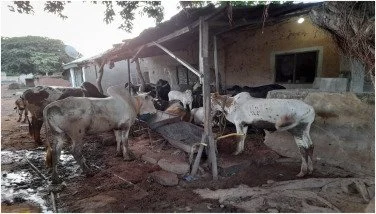
Pastoral settlements were organized around the management of domesticated animals. Sheep, goats, cattle, and other livestock required grazing areas, water sources, shelters, and spaces for handling and protection.

Animal pens were essential parts of these settlements, but their remains are not always easy to identify. Many were constructed from perishable materials such as branches, timber, reeds, and packed earth.

Even when the physical structures disappear, repeated animal occupation can leave distinct layers in the ground.

Micro-stratigraphy—the study of very small-scale sediment layers and their formation—allows archaeologists to investigate how animal pens were used, cleaned, repaired, and abandoned.

What Is Micro-stratigraphy?

Stratigraphy examines the sequence of deposits formed over time.

Micro-stratigraphy applies this approach to small-scale layers that may not be visible during ordinary excavation.

Thin sediment deposits can reveal repeated activities within a limited space.

In an animal pen, these layers may represent trampling, dung accumulation, bedding, cleaning, burning, and the introduction of fresh soil.

Each activity can produce a different microscopic signature.

Identifying Ancient Animal Pens

Animal pens may leave several kinds of evidence.

These include compacted floors, postholes, fence lines, dung-rich layers, drainage features, and concentrations of animal remains.

A pen may be positioned beside a house, at the edge of a settlement, or within a larger enclosure.

Some pastoral settlements used temporary pens that were moved as animals grazed different areas.

Others maintained more permanent enclosures.

Archaeologists must distinguish pens from courtyards, rubbish areas, workshops, and ordinary outdoor activity spaces.

Dung and Organic Accumulation

Animal dung is one of the most important indicators of pen use.

Repeated accumulation can create dark, organic-rich deposits.

Microscopic examination may reveal plant fibers, pollen, parasite remains, and other biological materials.

Dung can also contain undigested seeds and plant fragments, providing information about animal diets.

Chemical analysis may identify elevated nutrient levels associated with animal waste.

However, the composition of a deposit depends on the species, diet, environmental conditions, and the frequency with which the pen was cleaned.

Trampling and Floor Compaction

Animals moving repeatedly over the same surface compact soil and organic material.

This can create dense layers with distinctive microscopic structures.

Trampling may crush plant remains and redistribute dung and sediment.

The pattern of compaction can sometimes help identify high-traffic areas near entrances, feeding locations, or water points.

Experimental studies with modern animals can help researchers understand how repeated movement affects different soils.

Such experiments provide comparisons rather than exact reconstructions of ancient behavior.

Bedding and Cleaning Practices

Some communities may have placed plant material inside pens to absorb moisture and provide bedding.

Straw, leaves, grasses, and other vegetation could be used.

Over time, bedding would mix with dung and soil, creating layered organic deposits.

Pens might be cleaned periodically, with accumulated waste removed for use as fertilizer or fuel.

These practices could leave alternating layers of dung-rich material and cleaner sediment.

Repeated cleaning may therefore be visible as interruptions in the accumulation sequence.

Reconstructing Animal Diets

Micro-stratigraphic evidence can contribute to the reconstruction of animal feeding practices.

Plant fragments, phytoliths, pollen, and parasite remains may reveal which vegetation animals consumed or encountered.

Isotopic analysis of animal bones and teeth can provide additional information about diet and grazing environments.

The combination of these methods may reveal whether animals relied on local pasture, stored fodder, crop residues, or a mixture of resources.

However, plant remains in a pen can come from bedding or other human activities, not only from animal feeding.

Seasonal Use of Pens

Some pastoral settlements were occupied throughout the year, while others were used seasonally.

The sequence of deposits in animal pens may help identify periods of intensive occupation.

Changes in dung composition, plant remains, and sediment accumulation can indicate shifts in animal populations or feeding practices.

A pen with several distinct occupation layers may have been used repeatedly over many years.

Seasonal interpretation requires additional chronological and environmental evidence.

Livestock Management and Social Organization

Animal pens can reveal how pastoral communities organized their herds.

Separate enclosures may have been used for different species, age groups, or purposes.

Young animals might have required protection.

Milking animals could have been kept near households.

Larger communal pens may indicate cooperation between families or the management of shared livestock.

Differences in enclosure size and construction can therefore contribute to understanding household organization and social relationships.

Scientific Methods

Researchers use several techniques to study pen deposits.

Thin-section micromorphology allows intact sediment samples to be examined under a microscope.

Phosphate and other chemical analyses can identify areas affected by organic waste.

Pollen and phytolith studies reveal plant materials.

Parasite analysis can provide evidence of animal presence and sometimes help identify the species involved.

Radiocarbon dating may establish the age of organic deposits, while stratigraphic relationships help determine the sequence of activities.

Conclusion

The micro-stratigraphy of animal pens provides a detailed record of everyday pastoral management.

Small sediment layers can reveal repeated occupation, trampling, bedding, cleaning, feeding, and changes in herd organization.

These deposits are especially valuable because the fences and shelters that once enclosed animals were often made from materials that rarely survive.

By combining microscopic soil analysis with botanical, chemical, and faunal evidence, archaeologists can reconstruct how pastoral communities organized their settlements and maintained the animals on which their livelihoods depended.

Sea-level Markers on Submerged Cemetery Stones

November 15, 2026

Introduction

Coastal cemeteries can provide important evidence about environmental change.

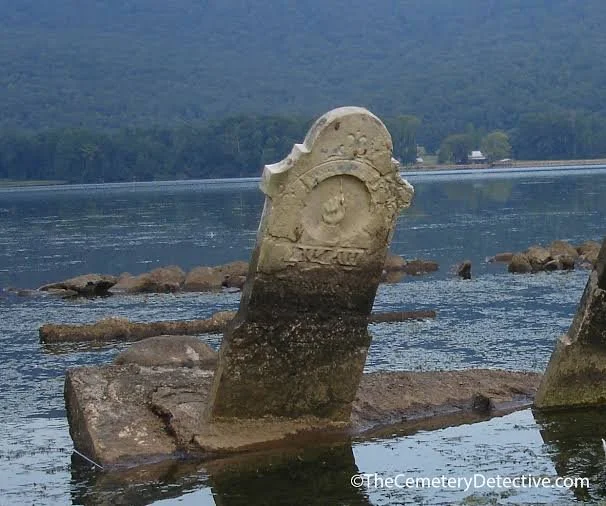
Gravestones, burial structures, and cemetery walls sometimes become submerged as sea levels rise or land surfaces sink. Their position beneath modern water can help researchers reconstruct changes in the relationship between human settlements and the coastline.

A submerged cemetery stone may also preserve physical indicators of former water levels. These include biological growth zones, mineral deposits, erosion patterns, and changes in surface texture.

However, interpreting these features requires careful scientific analysis. A submerged stone does not automatically provide an exact measurement of ancient sea level.

Cemeteries as Environmental Records

Cemeteries are often constructed in locations selected for religious, cultural, and practical reasons.

Coastal burial grounds may occupy low terraces, islands, estuaries, or shore-adjacent areas.

Over time, environmental changes can place these sites below modern sea level.

The survival of gravestones and burial structures creates a valuable archaeological record.

Their inscriptions may also provide historical dates that can be compared with geological evidence.

How Coastal Submergence Occurs

Several processes can cause a cemetery to become submerged.

Global sea-level rise occurs as ocean water expands and land-based ice melts.

Local relative sea-level change can also result from tectonic subsidence, sediment compaction, or changes in coastal landforms.

In some locations, earthquakes may produce sudden changes in land elevation.

Storms and erosion can remove protective sediment and expose previously buried structures.

The relative importance of each process varies between regions.

Physical Sea-level Indicators

Researchers examine several features on submerged stones.

Biological growth zones may indicate the depth at which organisms lived over extended periods.

Marine encrustations can reveal prolonged exposure to seawater.

Erosion patterns and mineral deposits may provide information about changing water conditions.

Certain marine organisms occupy relatively narrow vertical zones, making their remains useful as indicators of former sea level.

However, the relationship between biological growth and exact water height depends on local tides, wave action, salinity, and ecological conditions.

Gravestones and Historical Dating

Inscriptions can provide valuable chronological information.

A gravestone may identify the date of death or burial, allowing researchers to establish when the cemetery was in use.

If a dated stone is now submerged, it provides evidence that the surrounding ground was once above water or otherwise accessible for burial.

However, the date of the inscription is not necessarily the date of submergence.

The cemetery may have remained in use for decades or centuries after the earliest surviving marker was installed.

Distinguishing Sea-level Rise from Land Subsidence

One of the most important scientific challenges is separating changes in sea level from changes in land elevation.

A cemetery may become submerged because the ocean rose, because the land sank, or because both processes occurred.

Geologists use regional sea-level histories, sediment cores, geological structures, and historical records to investigate these possibilities.

Tectonic activity is particularly important in earthquake-prone coastal regions.

A single submerged grave cannot establish a regional sea-level trend without supporting environmental evidence.

Marine Encrustation and Preservation

Submerged gravestones may develop layers of algae, mollusks, barnacles, and other marine organisms.

These growths can obscure inscriptions and decorative details.

Mineral deposits may also form on the stone surface.

Different stone types respond differently to marine exposure.

Some materials are relatively resistant, while others may deteriorate through salt crystallization, biological activity, and chemical weathering.

Conservators must balance the need to document inscriptions with the importance of preserving the original surface.

Archaeological Survey Methods

Underwater survey can document submerged cemeteries without immediate excavation.

Divers may record inscriptions, dimensions, and the arrangement of stones.

Photogrammetry can produce three-dimensional models.

Sonar and bathymetric mapping can help locate larger cemetery areas and identify surrounding landscape features.

Sediment cores may reveal when marine deposits began accumulating over the burial ground.

Combining these methods can provide a more complete reconstruction of coastal change.

Cultural and Ethical Considerations

Submerged cemeteries are sensitive archaeological sites.

They contain human remains, personal names, religious symbols, and evidence of community memory.

Research should respect burial traditions and relevant legal protections.

Excavation should be undertaken only when scientifically justified and appropriately authorized.

In many cases, non-invasive documentation provides sufficient information while minimizing disturbance.

Conclusion

Submerged cemetery stones can provide important evidence for historical coastal change.

Their inscriptions, biological encrustations, mineral deposits, and relationship with surrounding sediments help researchers reconstruct how shorelines and land elevations changed over time.

However, interpreting these features requires distinguishing global sea-level rise from local subsidence and other geological processes.

When combined with historical records and environmental analysis, submerged cemeteries offer a powerful connection between human memory and the changing geography of coastal landscapes.

The Archaeology of Hand-Held Mirrors as Status Markers

November 15, 2026

Introduction

Hand-held mirrors have served practical and symbolic purposes throughout human history.

They allowed individuals to examine their appearance, arrange clothing, apply cosmetics, and participate in personal grooming practices. Yet mirrors could also communicate wealth, social identity, craftsmanship, and access to valuable materials.

Ancient mirrors were manufactured from polished metals, glass, and other reflective surfaces. Their archaeological distribution can reveal differences in consumption, trade, personal presentation, and burial customs.

Studying mirrors as status markers requires more than examining their material value. Their size, decoration, craftsmanship, ownership patterns, and archaeological context all contribute to interpretation.

Early Mirror Technology

Before modern glass mirrors became widespread, many ancient communities produced reflective surfaces by polishing metal.

Copper, bronze, and other metal alloys were commonly used in different regions.

A reflective surface required careful finishing to achieve sufficient smoothness.

Some mirrors had handles or decorated backs, while others were simple circular or oval plates.

The technical quality of the reflective surface could influence the object's usefulness and value.

Materials and Craftsmanship

The material used to manufacture a mirror could reveal access to particular resources and production techniques.

Bronze mirrors required knowledge of metal casting and surface finishing.

Silver examples could possess higher material value and often required more specialized craftsmanship.

Glass mirrors developed in different forms across ancient and historical periods.

Some objects were decorated with engraving, relief designs, inscriptions, or elaborate handles.

These features could increase the social and economic significance of an otherwise practical object.

Mirrors and Personal Appearance

Mirrors were associated with grooming and personal presentation.

They could be used when arranging hair, applying cosmetics, or checking clothing.

The ability to maintain a carefully presented appearance might be important in social settings where dress and bodily presentation communicated identity.

However, mirrors were not exclusively associated with women.

Their ownership and use varied according to period, region, and cultural practice.

Archaeologists should not assume the gender of a mirror's owner based on modern stereotypes.

Mirrors as Indicators of Wealth

Some mirrors were relatively simple objects that could be widely available.

Others required expensive materials, skilled production, or elaborate decoration.

A richly decorated mirror might indicate access to wealth or specialized markets.

Yet material value is only one aspect of status.

A modest object could possess considerable personal, religious, or symbolic importance.

The presence of a mirror in a wealthy burial does not automatically establish that it was a luxury possession during the owner's lifetime.

Mirrors in Burials

Mirrors are sometimes recovered from graves.

Their placement may provide information about funerary beliefs and personal identity.

A mirror might have been included as a personal possession, a symbolic object, or part of a larger set of burial offerings.

Researchers compare burial patterns across different social groups to investigate whether mirrors were associated with particular ages, genders, occupations, or status categories.

However, burial customs do not always reflect everyday ownership.

An object placed in a grave may have been selected specifically for the funerary ceremony.

Decoration and Symbolism

Mirror backs and handles could carry decorative images.

These might include geometric designs, plants, animals, mythological scenes, or religious symbols.

Such decoration could connect the owner with particular artistic traditions or cultural networks.

Motifs may also reveal influence from other regions.

However, a decorative style does not necessarily identify the ethnicity or social identity of the person who owned the mirror.

Objects could travel through trade, gifts, inheritance, and exchange.

Mirrors and Trade Networks

Mirrors could circulate through regional and long-distance markets.

Raw materials, finished objects, and manufacturing techniques moved between communities.

An imported mirror may indicate contact with a distant production center.

Chemical analysis can sometimes help identify the metal composition and compare it with known manufacturing traditions.

The distribution of mirror types may also reveal changing trade patterns and consumer preferences.

Identifying Mirrors Archaeologically

Ancient mirrors are not always immediately recognizable.

Corrosion can obscure their reflective surfaces.

Metal discs may be mistaken for lids, decorative fittings, or other household objects.

Researchers examine thickness, edge treatment, handle attachments, surface polishing, and traces of decoration.

Microscopic analysis may identify polishing marks and manufacturing techniques.

Conservation is essential because aggressive cleaning can remove surviving surface details.

The Limits of Status Interpretation

A mirror should not be classified as a status object solely because it is decorative or unusual.

Researchers must consider its archaeological context, material, quality, distribution, and relationship with other artifacts.

A common object may acquire special significance in a particular society, while an expensive object may have been accessible to a wider group through exchange or reuse.

Status is therefore a social interpretation rather than a property that can be read directly from an artifact.

Conclusion

Hand-held mirrors provide valuable evidence for personal presentation, craftsmanship, exchange, and social identity.

Their materials and decoration can reveal differences in wealth and access to specialized production, while their burial contexts may illuminate symbolic and funerary practices.

By studying mirrors alongside other personal objects and settlement evidence, archaeologists can better understand how appearance and material possessions contributed to social life in ancient communities.

The Distribution Patterns of Miniature Altars in Domestic Spaces

November 15, 2026

Introduction

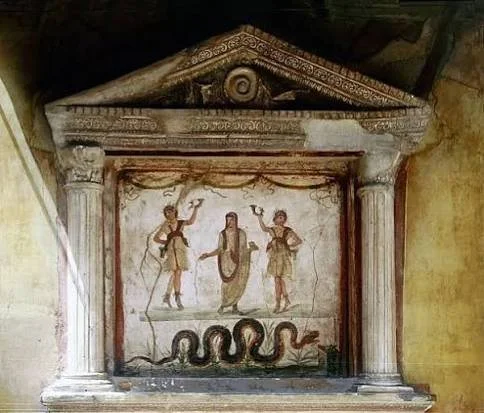
Religious activity in ancient societies was not confined to monumental temples and public sanctuaries. Many households maintained small spaces for prayer, offerings, family ceremonies, and the worship of domestic deities or protective figures.

Miniature altars are particularly valuable archaeological objects because they provide evidence of religious activity within private environments. They may appear as small stone platforms, clay structures, decorated stands, or portable objects used for offerings.

Their distribution across domestic spaces can reveal how religious practices were organized within households and how beliefs differed between families, neighborhoods, and social groups.

What Are Miniature Altars?

A miniature altar is a small structure or object interpreted as having served a ritual function.

Some examples resemble larger monumental altars but are reduced in scale. Others have distinctive features such as offering surfaces, shallow basins, decorated sides, or spaces for burning incense and other substances.

They could be made from stone, clay, terracotta, or other available materials.

Not every small platform is an altar. Archaeologists must consider its shape, wear patterns, associated objects, and archaeological location before assigning a religious function.

Domestic Religion and Household Space

The household was an important setting for religious practice in many ancient societies.

Families could maintain small shrines, dedicate objects to protective deities, and conduct rituals connected with birth, marriage, illness, prosperity, and remembrance.

These practices were often integrated into ordinary domestic routines.

A household altar might occupy a corner of a room, a courtyard, a niche, or a location near an entrance.

Its position could reflect practical considerations as well as symbolic beliefs.

Distribution Within Houses

The location of miniature altars can help researchers understand how domestic space was organized.

An altar near an entrance might have been associated with protection of the household.

A shrine positioned in a central room could have served as a focus for family ceremonies.

Courtyard altars might have accommodated activities involving larger groups or the use of fire and smoke.

However, these interpretations are not universal. The meaning of a location must be established through comparison with other houses and relevant historical evidence.

Differences Between Households

The distribution of miniature altars across a settlement may reveal variations in religious practice.

Some households may contain several ritual objects, while others have very few.

These differences could reflect wealth, family traditions, household size, occupation, or the preservation conditions of the archaeological site.

A house without a surviving altar cannot automatically be considered nonreligious. Ritual activity may have taken place using objects made from perishable materials or in areas that were not preserved.

Materials and Craftsmanship

Miniature altars were produced from different materials depending on local resources and technical traditions.

Stone examples may show carving marks, polished surfaces, or inscriptions.

Terracotta altars could be molded or hand-built and sometimes decorated with painted designs.

The quality of workmanship may indicate whether an object was purchased from a specialist workshop or produced within the household.

Material analysis can also reveal whether the object was locally manufactured or imported.

Offerings and Residue Analysis

Small altars may preserve traces of substances used during rituals.

Burning can leave charcoal, ash, and heat-altered surfaces.

Residue analysis may identify traces of oils, fats, resins, or other substances, although contamination and later use can complicate interpretation.

Associated objects such as miniature vessels, figurines, lamps, and coins may provide additional evidence.

The combination of an altar-like object and a repeated pattern of offerings is generally more persuasive than the object's shape alone.

Social and Gender Dimensions

Domestic rituals involved family members and could be connected with household responsibilities.

In some societies, particular ceremonies were associated with women, men, elders, or heads of households.

However, archaeological objects rarely reveal exactly who performed a ritual.

Researchers should avoid assigning gender or social roles to miniature altars without supporting evidence.

Household size, room use, inscriptions, and comparisons with written sources may help establish a more complete picture.

Mapping Ritual Activity

Archaeologists can use spatial analysis to map the distribution of miniature altars within a settlement.

Comparing their locations with kitchens, storage rooms, courtyards, entrances, and workshops may reveal patterns.

If several neighboring houses contain similar objects, this could indicate shared traditions or access to the same craft producers.

Differences between residential districts might reflect social or cultural variation.

Chronology is essential because objects found in the same settlement may belong to different periods.

Conclusion

Miniature altars provide important evidence for the religious life of ancient households.

Their size and distribution can reveal how families incorporated ritual practices into ordinary domestic environments.

By studying their materials, locations, associated offerings, and relationship with household architecture, researchers can investigate how religious traditions operated beyond major public sanctuaries.

These modest objects demonstrate that ancient religion was often practiced in intimate spaces where family identity, daily routines, and beliefs intersected.

Subterranean Iron Ovens: Hidden Metalworking in Peripheral Villages

Introduction

Ironworking transformed ancient economies by providing materials for tools, weapons, agricultural equipment, and construction.

Although major metalworking centers are often associated with urban settlements and large industrial areas, smaller production sites also existed in villages and rural landscapes.

Some ironworking installations were constructed partly underground or incorporated into slopes and earthen structures. These furnaces could be difficult to identify because their remains may resemble ordinary pits, hearths, or collapsed building features.

The study of subterranean iron ovens offers insight into how peripheral communities participated in metal production and how specialized technologies operated outside major centers.

Understanding Ancient Iron Production

Iron production generally involved two major processes: extracting metal from ore and shaping the resulting iron into usable objects.

In many ancient technologies, smelting took place in furnaces where iron-bearing minerals were heated with charcoal.

The resulting material could form a solid mass known as a bloom, containing iron mixed with slag and other impurities.

The bloom then required repeated heating and hammering to produce workable metal.

These processes demanded knowledge of temperature, airflow, fuel preparation, and ore selection.

Why Build Furnaces Partly Underground?

A furnace built into a slope or partly surrounded by earth could benefit from the natural support provided by the surrounding ground.

Earth could help stabilize the structure and reduce heat loss in certain configurations.

A hillside location might also make it easier to construct air channels or arrange access to fuel and raw materials.

However, not every underground furnace was designed for iron smelting.

Some installations may have been used for cooking, pottery production, charcoal preparation, or other heating activities.

Their identification requires metallurgical evidence.

Furnace Structure and Design

Ancient iron furnaces varied considerably.

Some were shaft furnaces, with a vertical chamber where ore and charcoal were arranged in layers.

Others used bowl-shaped or low structures.

Air entered through openings or tuyères, which helped maintain the high temperatures required for smelting.

Subterranean or semi-subterranean examples may preserve only the lower chamber, making their original height difficult to reconstruct.

The arrangement of clay lining, stone supports, airflow openings, and slag deposits helps researchers identify their function.

Slag and Metallurgical Evidence

Slag is one of the most important indicators of ancient ironworking.

It forms when impurities in the ore and other materials separate during smelting or forging.

The composition and structure of slag can help distinguish smelting from later metalworking.

Researchers may examine iron-rich fragments, furnace lining, tuyère pieces, and hammer scale.

Microscopic and chemical analysis can reveal the temperatures and conditions under which production occurred.

A furnace containing slag and iron-bearing residues provides stronger evidence of metalworking than a simple burnt pit.

Village-Based Production

Small rural workshops could supply local communities with essential tools and repairs.

Agricultural settlements required iron sickles, knives, axes, plough components, and other equipment.

A local metalworker could maintain these objects without relying entirely on distant urban workshops.

Some villages may have specialized in particular stages of production, while others carried out complete smelting and forging operations.

The organization depended on access to ore, fuel, skilled labor, and transportation.

Fuel and Environmental Impact

Iron production required substantial quantities of charcoal.

Woodland resources were therefore important to the operation of furnaces.

Repeated charcoal production and timber harvesting could alter surrounding landscapes.

Archaeologists can investigate these effects through charcoal remains, pollen records, and evidence of vegetation change.

The availability of suitable wood may also explain why some production sites were located away from dense settlements.

Dating and Identifying Peripheral Workshops

Dating an ironworking site requires more than examining the furnace's appearance.

Researchers use associated pottery, stratigraphic relationships, radiocarbon dating of charcoal, and scientific analysis of production residues.

Charcoal dating must be interpreted carefully because old wood or reused fuel can produce dates earlier than the actual furnace operation.

The relationship between the installation and nearby buildings is also important.

Trade and Exchange

Even small workshops could participate in wider economic networks.

Iron tools and raw materials might be exchanged with neighboring villages or transported to regional markets.

The distribution of similar metal objects can help researchers investigate connections between production areas and consumer settlements.

Chemical analysis may sometimes identify differences in ore sources, although recycling and mixing of metals complicate provenance studies.

Conclusion

Subterranean iron ovens reveal the technological capabilities of communities beyond major urban and industrial centers.

Their construction, slag deposits, furnace lining, and associated artifacts can demonstrate how rural metalworkers produced and repaired essential equipment.

The identification of these installations requires careful distinction between metallurgical furnaces and other types of heating structures.

When securely identified, peripheral ironworking sites help reconstruct the economic networks, environmental resources, and technical knowledge that supported ancient village life.

The Archaeology of Frozen Thatched Roofs in High-Altitude Sites

November 15, 2026

Introduction

High-altitude settlements present difficult conditions for human habitation. Cold temperatures, heavy snowfall, strong winds, seasonal isolation, and limited building materials influence how communities construct and maintain their homes.

Thatched roofs, made from grasses, reeds, straw, or other plant materials, have been used in many parts of the world because they provide insulation and can be built with locally available resources.

In rare environments, freezing conditions can preserve organic roofing materials that would normally decay. Archaeological deposits containing frozen or otherwise exceptionally preserved roof remains can therefore reveal construction techniques and environmental adaptation.

The phrase "frozen thatched roofs" describes a preservation possibility rather than a widespread or universally documented archaeological category. Each claimed example requires evidence that the material belonged to a roof and was preserved through freezing or related environmental conditions.

Why Thatched Roofs Were Used

Thatched roofing offered several practical advantages.

Plant materials were often locally available and could be gathered without the need for specialized stone or metal production.

When properly assembled, thick thatch could provide insulation against cold weather.

Its layered structure could also shed rain and snow, provided that the roof had sufficient slope and was maintained regularly.

Different plants were suitable for different environments. Reeds, grasses, straw, and other fibrous materials varied in durability, water resistance, and flexibility.

High-Altitude Building Challenges

High-altitude communities faced environmental pressures that influenced roof design.

Snow accumulation could place considerable weight on a roof.

Strong winds could remove loosely secured thatch.

Freeze-thaw cycles could damage structural materials and introduce moisture into buildings.

Builders therefore needed to consider roof pitch, supporting beams, fastening techniques, and the thickness of the thatch layer.

A steep roof could help snow slide away, although local building traditions and available materials also influenced construction.

How Frozen Preservation Occurs

Organic roofing materials usually decompose after abandonment.

However, freezing conditions can slow biological decay.

If a building is rapidly covered by snow, ice, or permanently frozen sediment, some plant materials may survive.

Preservation depends on temperature stability, moisture, oxygen availability, and the speed at which the remains become buried.

A roof exposed to repeated thawing may deteriorate even in a cold mountain environment.

Identifying Roofing Material

Archaeologists must determine whether preserved plant material actually belonged to a roof.

Thatch can be identified through the arrangement of stems, repeated layering, compression, and its relationship with roof beams or supporting structures.

Impressions on clay, plaster, or other building materials may preserve evidence of roofing even when the original plants have disappeared.

Plant identification can be carried out through microscopic examination of preserved fibers, seeds, and other botanical structures.

The presence of straw or reeds near a building does not independently prove that the material served as roofing.

Roof Construction Techniques

Thatched roofs require a supporting framework.

Timber beams, rafters, poles, and battens can provide the structure onto which plant bundles are attached.

The thatch may be tied, woven, layered, or secured through other local methods.

Different construction traditions produce distinctive patterns.

Archaeologists can examine preserved fastening points, plant orientation, beam spacing, and impressions to reconstruct how the roof was assembled.

Environmental Reconstruction

High-altitude archaeology benefits from environmental evidence.

Pollen analysis can reveal the vegetation surrounding a settlement.

Plant macrofossils can identify species used in building materials.

Ice cores, lake sediments, and other environmental archives may help reconstruct historical temperature and precipitation patterns.

This information can clarify whether the conditions necessary for freezing preservation existed when the building was abandoned.

Domestic Life and Roof Maintenance

A roof was not a permanent structure requiring no attention.

Thatch needed periodic repair, replacement, and protection from moisture and animals.

The labor required to maintain roofs could involve several members of a household or a wider community.

The choice of plant material may also reflect access to nearby wetlands, grasslands, forests, and agricultural fields.

Roofing therefore reveals relationships between architecture, seasonal work, and the surrounding environment.

Preservation and Excavation Risks

Frozen archaeological remains are extremely fragile.

Once exposed to warmer air, they may begin to thaw and decay rapidly.

Excavation must therefore be carefully planned.

Researchers may use controlled thawing, immediate documentation, sampling, and specialized cold storage.

Plant fibers should be recorded before removal because their arrangement can reveal construction techniques.

Failure to control temperature and moisture can destroy evidence that survived for centuries.

Conclusion

Frozen thatched roofs in high-altitude archaeological sites offer a rare opportunity to study organic architecture and environmental adaptation.

Their remains can reveal which plants were selected, how roofs were assembled, and how communities responded to snow, wind, and cold temperatures.

However, identifying a frozen roof requires more than finding preserved vegetation near a building. Structural relationships, botanical evidence, and environmental conditions must all support the interpretation.

When securely documented, these remains provide an unusually detailed record of vernacular architecture and the practical knowledge used to survive in demanding mountain environments.

The Role of Minor Springs in Embodying Sacred Topography

November 15, 2026

Introduction

Water has held religious and symbolic importance in many societies. Rivers, lakes, seas, and springs have been associated with purification, fertility, healing, divine presence, and the boundaries between ordinary and sacred spaces.

Large rivers and famous sanctuaries often receive the most attention in historical studies. Yet smaller springs may also have played important roles in local religious landscapes.

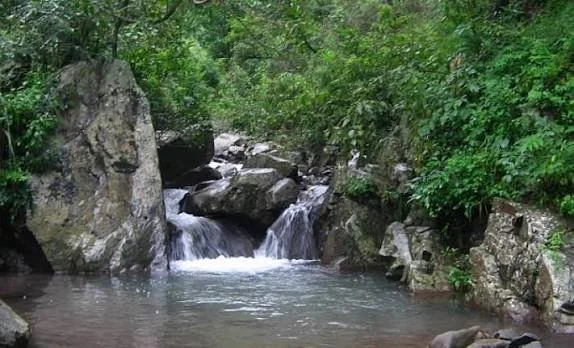
A minor spring could become a place of offerings, healing ceremonies, seasonal gatherings, or pilgrimage. Its importance did not necessarily depend on its size. Instead, the relationship between water, landscape, community memory, and religious practice could transform an ordinary natural feature into a sacred location.

What Is Sacred Topography?

Sacred topography refers to the way religious meaning becomes attached to particular places and landscape features.

A mountain peak may be associated with a deity, a cave with a supernatural presence, or a spring with healing and purification.

These associations can influence where people build sanctuaries, leave offerings, hold ceremonies, or establish routes.

Sacred landscapes are not always organized around large temples. Natural features can themselves become central to religious practice.

Why Small Springs Mattered

Minor springs often provided dependable water in areas where other sources were seasonal or distant.

Their practical value could encourage repeated visits.

Over time, a spring might become associated with a local tradition, protective spirit, deity, ancestor, or healing practice.

Its religious importance could develop gradually through repeated community use.

A spring that served a small village might therefore possess considerable cultural significance even if it never became a major regional pilgrimage destination.

Springs in Ancient Religious Traditions

In the ancient Mediterranean, springs and other water sources were sometimes connected with deities and ritual practices.

Some were associated with nymphs, healing powers, purification, or divination.

Offerings could include coins, pottery, figurines, and other objects.

However, not every spring with archaeological material was a sanctuary. Objects might have been lost, discarded, or deposited through ordinary activity.

The interpretation depends on the nature of the deposit and its relationship to the water source.

Architecture Around Springs

Some sacred springs were modified through construction.

Stone basins could collect water.

Channels might direct its flow.

Steps could provide access, while small enclosures or buildings could mark the location as special.

In some cases, a spring might be incorporated into a larger sanctuary.

A modest structure beside a natural water source could have served as a place for offerings, ritual washing, or shelter.

The architectural remains need to be distinguished from ordinary water-management infrastructure.

Offerings and Ritual Deposits

Archaeologists sometimes find objects near springs that may have been deliberately deposited.

Coins are particularly common in some historical water-related contexts, although their presence does not always prove a religious offering.

Figurines, small vessels, lamps, and inscribed objects may provide stronger evidence when found in a clearly structured ritual deposit.

The location and arrangement of the objects matter.

An assemblage repeatedly placed at the same point may indicate a tradition of offering, especially when associated with a known sanctuary.

Healing and Purification

Springs have often been associated with healing.

Water may have been believed to possess special properties because of its taste, temperature, color, or mineral content.

Some communities used spring water in purification ceremonies.

Others may have associated particular sources with the intervention of a deity or supernatural figure.

Archaeologists cannot directly recover ancient beliefs from water chemistry alone. Written inscriptions, votive objects, and historical accounts are needed to establish how people understood a spring.

Routes and Local Pilgrimage

A spring may have occupied an important position along a route between villages, sanctuaries, or mountain settlements.

Travelers could stop to collect water, rest, or perform a ritual.

Some routes may have developed religious importance because they connected several sacred features.

A minor spring could function as a local destination or a stopping point within a larger sacred landscape.

However, the existence of a path beside a spring does not automatically establish a pilgrimage route. Repeated ritual activity and evidence of religious destinations are necessary for that interpretation.

Environmental and Geological Evidence

The geological setting of a spring can help explain its historical significance.

Some springs emerge along faults, geological boundaries, or permeable rock layers.

Others are fed by rainfall and groundwater stored in mountain formations.

Changes in rainfall, groundwater levels, earthquakes, and land use can alter spring flow.

Environmental reconstruction can therefore reveal whether a spring was likely to have been active during a particular archaeological period.

Continuity and Changing Beliefs

A spring may remain important across several historical periods, but its meaning can change.

A natural water source associated with one ancient deity might later become linked to a Christian saint or another religious tradition.

Such continuity does not necessarily mean that the original belief survived unchanged.

Researchers examine changes in offerings, architecture, inscriptions, and ritual practices to understand how sacred meaning developed.

Conclusion

Minor springs could become important elements of sacred topography because their value extended beyond the practical provision of water.

Repeated visits, local traditions, offerings, healing practices, and connections with nearby sanctuaries could transform small natural sources into meaningful religious places.

Archaeological interpretation requires distinguishing ritual deposits from ordinary activity and understanding the environmental history of each spring.

Studying these modest sites reveals how religious landscapes were created not only around famous temples and monumental sanctuaries but also around small, familiar places woven into everyday community life.

Ancient Ropenotations: Knot Traces and Maritime Literacy

November 15, 2026

Introduction

Maritime communities developed complex systems for managing ropes, sails, cargo, fishing equipment, and navigation. Knots were essential to these activities, but their significance may have extended beyond practical fastening.

A rope could carry information through its arrangement, knots, loops, spacing, and attached objects. In some societies, cord-based systems were used to record quantities, ownership, obligations, or other information.

The term "ropenotations" is not a universally established archaeological category. It can be used as a descriptive concept for investigating whether rope arrangements and knot patterns served as forms of information storage in maritime societies.

The subject therefore connects the archaeology of ropes with the broader history of communication and practical literacy.

Rope Technology in Ancient Maritime Life

Rope was essential to ancient seafaring.

Ships required lines for anchoring, mooring, towing, rigging, cargo handling, and sail control.

Fishing communities used ropes for nets, traps, lines, and equipment maintenance.

The materials varied according to region and availability. Plant fibers such as flax, hemp, and other bast fibers were used in different historical settings. Coir, animal hair, and other materials also served particular purposes.

The properties of each fiber influenced strength, flexibility, resistance to moisture, and durability.

Knots as Practical Information

Knots were not all interchangeable.

Different knot forms served different functions. Some secured loads, others joined ropes, created loops, or allowed lines to be released quickly.

Experienced sailors learned to recognize these distinctions.

A particular arrangement might communicate how equipment should be assembled or which line belonged to a specific task.

This represents practical knowledge, although it does not necessarily constitute a formal writing system.

From Knots to Notation

A notation system uses signs or arrangements to represent information in a repeatable way.

Knotted cords can potentially serve this purpose when the number, position, type, or color of knots carries a defined meaning.

The best-known historical example is the Andean khipu, a sophisticated system of knotted cords used for recording information in the Inca world and earlier Andean societies.

It demonstrates that cord-based information systems can be highly developed.

However, the existence of khipu does not prove that ancient Mediterranean sailors used an equivalent system.

Each proposed case requires its own archaeological and historical evidence.

Maritime Administration and Cargo Records

Ships and ports required systems for organizing goods.

Merchants needed to track quantities, ownership, deliveries, and obligations.

Rope tags, knots, or repeated cord arrangements could theoretically have served as practical memory aids.

A marked line might distinguish cargo belonging to one merchant from another.

A sequence of knots could potentially represent a quantity or a stage in a process.

These possibilities should not be mistaken for confirmed ancient practices without examples that can be interpreted reliably.

Archaeological Evidence for Knotted Cords

Rope is usually made from organic materials, which decay in ordinary burial conditions.

Preservation is more likely in waterlogged deposits, dry caves, salt-rich environments, or other unusual contexts.

Occasionally, rope impressions survive on pottery, metal objects, or other materials.

These impressions can reveal the texture and construction of cords even when the original fibers have disappeared.

Researchers can study fiber direction, twisting patterns, knot structure, and wear marks to reconstruct how the rope was made and used.

The Meaning of Knot Traces

A knot impression may indicate that a rope was tied around an object during transport, storage, or manufacture.

A series of impressions might reveal repeated fastening techniques.

But identifying a notation system requires more than finding a complicated knot.

Researchers would need to demonstrate that specific patterns were repeated consistently and associated with recognizable information or administrative practices.

Without this, the most cautious interpretation is that the knots represent practical maritime technology.

Maritime Literacy Beyond Writing

Literacy is often associated with the ability to read and write formal scripts.

However, ancient communities also used specialized forms of practical knowledge.

Sailors learned wind patterns, coastal landmarks, rope techniques, navigation procedures, and cargo-handling systems.

Some knowledge was communicated orally, while other information could be represented through marks, symbols, or objects.

A broader understanding of maritime literacy therefore includes the ability to interpret and transmit technical information.

Research Methods

Experimental archaeology can help investigate ancient rope technology.

Researchers produce replicas using traditional fibers and tools, then compare their properties with archaeological traces.

Microscopy can identify fiber structure and manufacturing techniques.

Wear analysis may reveal whether a rope was used repeatedly or exposed to marine conditions.

Comparative study of historical knot traditions can provide context, but modern techniques should not automatically be projected backward into antiquity.

Conclusion

Ancient rope systems were essential to maritime work and may have carried information beyond their immediate mechanical functions.

Knots could communicate practical knowledge, distinguish equipment, and support the organization of maritime activities.

The broader idea of "ropenotations" is an intriguing research framework, but a formal knot-based recording system in a particular ancient maritime society must be demonstrated through evidence.

By combining rope analysis, experimental archaeology, and the study of ancient administration, researchers can better understand how sailors managed complex activities before modern written documentation became widespread.

Micro-husbandry: Evidence for Backyard Animal Keeping in Urban Cores

November 15, 2026

Introduction

Ancient cities were not always separated from agricultural life. Even in densely occupied urban environments, households often maintained close relationships with animals and small-scale food production.

Backyard animal keeping, sometimes described as micro-husbandry, involved raising a limited number of animals within residential spaces or immediately adjacent yards. Chickens, ducks, pigeons, goats, pigs, and other domestic species could provide food, materials, transportation, or income.

Although large farms and commercial livestock operations are easier to recognize archaeologically, small-scale animal keeping can leave subtle traces. Animal bones, dung deposits, feeding remains, enclosure structures, and soil chemistry can reveal how animals were incorporated into everyday urban life.

What Is Micro-husbandry?

Micro-husbandry refers to the small-scale management of domesticated animals, often at the household level.

Unlike large agricultural estates, these systems could operate within courtyards, gardens, narrow alleys, roofed enclosures, or small plots behind houses.

Families might keep a few animals for eggs, milk, meat, manure, feathers, or other useful products.

The scale of production varied. Some households may have maintained animals primarily for personal consumption, while others produced small surpluses for local exchange.

Animals in Ancient Urban Environments

Different animals served different purposes.

Chickens and ducks could provide eggs and meat. Pigeons were sometimes kept for food or other uses. Goats and sheep could provide milk, meat, wool, and hides.

Pigs were useful meat animals in some communities, although their presence depended on local cultural and religious practices.

Dogs and cats could occupy domestic environments without necessarily being part of food production.

The species present in an urban settlement therefore reflect both economic choices and cultural preferences.

Archaeological Evidence

Animal bones are among the most important sources of evidence.

Researchers identify species, skeletal elements, age profiles, and patterns of butchery.

A concentration of juvenile animals, for example, may indicate breeding or household management rather than the consumption of animals acquired exclusively from external markets.

However, bone deposits alone cannot establish that animals were kept in a particular courtyard.

The remains could have arrived through trade, food preparation, or waste disposal.

Identifying Enclosures and Pens

Small animal enclosures may leave traces in the form of postholes, low walls, compacted surfaces, drainage channels, or gates.

These structures may be difficult to distinguish from ordinary fences, storage areas, and household workspaces.

Repeated deposits of animal dung can help establish the function of a space.

Microscopic soil analysis may reveal trampling, organic enrichment, and changes caused by prolonged animal occupation.

The strongest interpretations combine architectural features with faunal and environmental evidence.

Soil Chemistry and Dung Deposits

Animal waste changes the chemical composition of soil.

Phosphorus, nitrogen, and other nutrients can accumulate in areas used repeatedly by livestock.

Micromorphology may identify microscopic organic residues and compacted layers associated with animal activity.

Parasite eggs and other biological indicators can sometimes provide additional evidence for the presence of animals.

Nevertheless, enriched soil is not automatically proof of a pen. Human waste, food preparation, and rubbish disposal can produce overlapping chemical signatures.

Food Security and Household Economies

Keeping animals within urban neighborhoods could provide a degree of food security.

Households might rely on eggs, milk, or occasional meat without depending entirely on market supplies.

Animals could also transform household waste into useful products.

Some species consume food scraps, while manure can be used to enrich gardens and agricultural plots.

This creates a small cycle of resource reuse within the household.

The economic value of these practices depended on access to space, feed, water, and local regulations.

Urban Planning and Public Health

Backyard animal keeping also created challenges.

Animals required water and food, while their waste could attract insects and produce unpleasant odors.

Dense settlements increased the risk of conflict between households over space, noise, and sanitation.

Authorities in some cities introduced rules governing animal ownership, slaughter, waste disposal, and the use of streets.

The archaeological record may reveal how residential areas accommodated these competing needs.

Social Differences Between Households

Not every urban household had equal access to animal-keeping space.

Wealthier families might possess larger courtyards and dedicated service areas.

Poorer households could have maintained animals in smaller spaces or relied on shared facilities.

Differences in animal species and quantities may reveal variations in household resources, although archaeological samples must be interpreted carefully.

The absence of animal remains does not necessarily mean a household never kept animals.

Conclusion

Micro-husbandry demonstrates that ancient urban life could include small-scale agricultural activities within residential neighborhoods.

Animal bones, enclosures, dung deposits, soil chemistry, and household architecture can reveal how families managed animals close to their homes.

These practices contributed to food security, recycling, and local economies, but they also required adjustments to urban sanitation and spatial organization.

Studying backyard animal keeping helps challenge the idea that ancient cities were entirely separate from agricultural production. Instead, many urban communities maintained a close and practical relationship with domesticated animals.

The Archaeology of Small Quarry Temples and Pilgrimage Routes

November 15, 2026

Introduction

Ancient temples are often associated with major urban sanctuaries and monumental religious complexes. Yet religious life also depended on smaller structures located near quarries, mountain paths, mineral springs, and other distinctive landscapes.

Some modest shrines may have served workers, travelers, local communities, or pilgrims moving through areas where stone and other building materials were extracted.

The archaeology of small quarry temples offers a way to investigate the relationship between sacred architecture, labor, natural resources, and movement across ancient landscapes.

Their importance lies not necessarily in architectural grandeur but in their location and connection to everyday activities.

Temples Near Quarries

Quarries were places of sustained human activity.

Workers extracted stone, shaped blocks, transported materials, and maintained access routes.

Some quarry landscapes also contained religious structures or dedications.

A shrine near a quarry could serve workers who sought protection, expressed gratitude, or honored a deity associated with the landscape or a particular occupation.

However, proximity alone does not establish a religious relationship. A small building near a quarry might instead have served as a shelter, workshop, storage area, or administrative facility.

Identifying Small Quarry Temples

Archaeologists examine architecture, inscriptions, religious objects, and spatial relationships.

A modest structure may contain an altar, a platform for offerings, a niche, or a distinctive arrangement of stones.

Votive objects, figurines, lamps, and inscribed dedications can strengthen the interpretation.

The building's position relative to quarry faces, roads, and working areas is also important.

A shrine located beside a frequently used quarry entrance may have served workers and visitors, while one placed along a mountain route might have had a wider connection with travelers.

Religious Practices of Workers

Quarry workers faced difficult and potentially dangerous conditions.

Heavy stone blocks, unstable rock faces, sharp tools, and demanding transport work created substantial risks.

Religious offerings may have been intended to seek protection or express gratitude for successful work.

Inscriptions dedicated by individuals or groups can sometimes identify the people responsible for a sanctuary.

Such evidence is especially valuable because workers are often less visible in traditional histories than rulers, architects, and wealthy patrons.

Pilgrimage Routes and Sacred Landscapes

Pilgrimage routes connected settlements with sanctuaries, temples, sacred springs, mountain shrines, and other religious destinations.

These routes could follow established roads, mountain passes, coastal paths, or river valleys.

A small temple near a quarry might have served as a stopping point along a longer journey.

Pilgrims could rest, make offerings, obtain water, or participate in local ceremonies.

Not every route used by travelers was a pilgrimage route. Archaeologists need evidence of religious destinations, votive deposits, inscriptions, or repeated patterns of ritual activity before identifying a route as sacred.

Architecture and Available Materials

Quarry temples often used materials readily available nearby.

Stone blocks could be extracted from the surrounding landscape.

Some structures may have been built using unfinished or reused quarry material.

Architectural simplicity does not necessarily indicate a lack of religious importance.

A small shrine could serve a significant community despite having limited decoration or space.

Its design may have been influenced by the skills and resources of local builders.

Mapping Routes and Religious Networks

Archaeologists reconstruct ancient routes using topography, road remains, inscriptions, milestones, and the distribution of settlements.

Geographic information systems can help analyze slope, distance, visibility, and access to water.

Researchers may also examine whether small sanctuaries occupy natural stopping points.

A series of shrines along a mountain corridor could indicate a network of religious sites, although their chronological relationship must be established.

A route may have changed over time as political boundaries, road conditions, and settlement patterns evolved.

Votive Deposits and Ritual Objects

Small temples may contain offerings left by workers, travelers, and local worshippers.

These objects can include lamps, pottery, coins, figurines, inscriptions, and miniature vessels.

The composition of a votive deposit can reveal who visited the site and what kinds of practices occurred there.

Repeated offerings over several centuries may indicate that a sanctuary remained important even as the surrounding quarry or settlement changed.

However, objects can also be moved from their original positions through later disturbance.

Economic and Religious Connections

Quarries were connected to wider economic systems.

Stone could be transported to cities, ports, temples, roads, and public buildings.

Workers, merchants, and transport specialists moved through these landscapes.

Small religious structures may therefore reflect the movement of people and resources.

A sanctuary could connect a working community with a regional religious center.

In some cases, pilgrimage and commercial travel may have overlapped, creating routes used for both practical and sacred purposes.

Preservation and Excavation Challenges

Small temples can be difficult to identify because their remains may resemble ordinary buildings.

Quarry activity can also destroy earlier structures.

Stone may be reused in later construction, leaving only foundations or scattered architectural fragments.

Vegetation and erosion can obscure routes and building remains.

Archaeologists therefore combine surface survey, excavation, architectural recording, and environmental analysis.

Inscriptions and securely dated artifacts are particularly useful for establishing the identity and chronology of a sanctuary.

Conclusion

Small quarry temples reveal how religious practice could become embedded in working landscapes and travel routes.

They may have served quarry workers, local residents, travelers, and pilgrims who moved through areas associated with stone extraction and transportation.

Their identification depends on architectural, archaeological, and contextual evidence rather than location alone.

By studying these modest sanctuaries, researchers can move beyond monumental religious centers and reconstruct the everyday connections between labor, mobility, and sacred life in the ancient world.

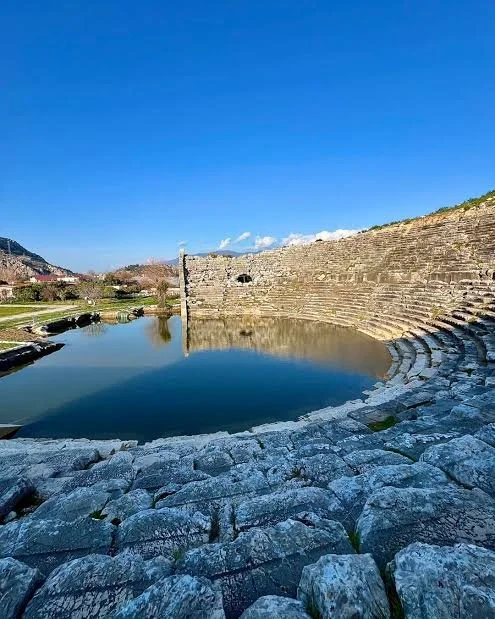
Submerged Amphitheaters: Sunken Performance Spaces of Antiquity

November 15, 2026

Introduction

Ancient performance spaces were important centers of entertainment, political expression, religious celebration, and public identity.

Theaters and amphitheaters were often built in prominent locations, sometimes near coastlines, harbors, or river valleys. Changes in sea level, earthquakes, coastal subsidence, erosion, and sediment movement can eventually place parts of these structures underwater.

The concept of submerged amphitheaters therefore connects classical architecture with underwater archaeology and coastal environmental change.

However, not every submerged circular structure is an amphitheater. Identifying an ancient performance space requires architectural evidence, comparison with known building types, and a reliable reconstruction of the ancient shoreline.

The Difference Between Theaters and Amphitheaters

Ancient theaters and amphitheaters were designed for different forms of performance.

Greek theaters commonly featured a semicircular arrangement of seating around a performance area. They were associated with dramatic performances, music, festivals, and civic events.

Roman amphitheaters generally had an oval or elliptical arena surrounded by seating. They hosted spectacles such as gladiatorial contests and animal displays.

The architectural distinction matters because the terms are not interchangeable.

A submerged structure should be identified according to its original design rather than its modern appearance.

Why Ancient Performance Spaces Became Submerged

Several geological and environmental processes can place coastal architecture underwater.

Relative sea-level rise can gradually inundate low-lying land.

Tectonic activity may cause coastal subsidence, lowering buildings relative to the sea.

Earthquakes can also damage foundations and alter local topography.

Erosion and sediment movement may remove supporting ground or expose structures previously buried beneath coastal deposits.

In some cases, a structure may have been built beside a lagoon or harbor that later expanded.

These processes can occur together, making it difficult to reconstruct the original landscape.

Architectural Features Underwater

Underwater archaeologists search for recognizable construction features.

Seating tiers may survive as curved stone rows.

Foundations may reveal the geometry of the building.

A performance area could be identified through its relationship with surrounding seating and architectural entrances.

Other features might include retaining walls, drainage channels, corridors, and decorative architectural fragments.

A collection of curved masonry alone is not sufficient to identify an amphitheater. Natural rock formations, harbor structures, and other buildings can produce similar patterns.

The Importance of Ancient Shorelines

Reconstructing the ancient shoreline is essential.

Researchers examine sediment cores, geological formations, historical maps, and archaeological evidence.

Changes in sea level can be estimated through coastal indicators, including submerged shore platforms, ancient harbor structures, and dated biological remains.

The elevation of a submerged building must be interpreted in relation to local tectonic history.

A structure submerged in one region may reflect sea-level rise, while another may have been lowered by local geological movement.

Underwater Archaeological Methods

Modern underwater archaeology uses several techniques to investigate submerged architecture.

Diver surveys allow direct examination where conditions permit.

Photogrammetry creates detailed three-dimensional models from overlapping photographs.

Side-scan sonar can identify structures and anomalies across the seabed.

Multibeam bathymetry records underwater topography and helps map the extent of archaeological remains.

Sub-bottom profiling can sometimes reveal buried foundations beneath sediment.

These technologies allow researchers to document structures without immediately excavating them.

Performance and Civic Life

Ancient theaters and amphitheaters were more than entertainment venues.

They were places where communities gathered and expressed shared identities.

Performances could reinforce religious traditions, political authority, civic pride, and social hierarchy.

Large structures also required substantial investment.

Their construction may indicate the economic resources and organizational capacity of a city or regional authority.

If a performance space is found in a coastal settlement, it may provide evidence for the importance of that settlement within regional networks.

Earthquakes and Coastal Destruction

Earthquakes have affected many ancient Mediterranean settlements.

Seismic activity can crack walls, damage seating, destabilize foundations, and alter coastal elevations.

Tsunamis and storm surges may introduce sediment and debris into structures.

A submerged building may therefore preserve evidence of several separate episodes of damage and inundation.

Researchers must establish whether the structure was gradually submerged, suddenly damaged, deliberately abandoned, or affected by a combination of processes.

Preservation Challenges

Marine environments can preserve stone architecture while damaging other materials.

Wood, textiles, and organic decorative elements may survive only under specific conditions.

Marine organisms can colonize stone surfaces.

Salt crystallization and chemical processes may weaken some materials, especially after recovery.

Underwater archaeological sites are also vulnerable to anchoring, fishing activity, construction, looting, and uncontrolled diving.

Documentation and protection are therefore essential.

Distinguishing Archaeology from Legend

Stories of sunken cities and theaters are common in coastal folklore.

Some may preserve memories of real landscape changes, while others are later inventions.

A submerged structure should not be identified as a theater simply because local tradition describes a lost performance venue.

Archaeological interpretation requires measurable architectural evidence, dating, and environmental reconstruction.

Conclusion

Submerged amphitheaters and theaters offer an opportunity to study the relationship between ancient public architecture and changing coastal landscapes.

Their remains can reveal how communities built spaces for performance, organized civic life, and adapted to maritime environments.

Identifying such structures requires careful architectural analysis and geological reconstruction.

When supported by reliable evidence, underwater performance spaces provide a remarkable record of ancient cities whose public monuments now lie beneath the sea.

The Social Meaning of Small Spindle Whorls in Village Economies

November 15, 2026

Introduction

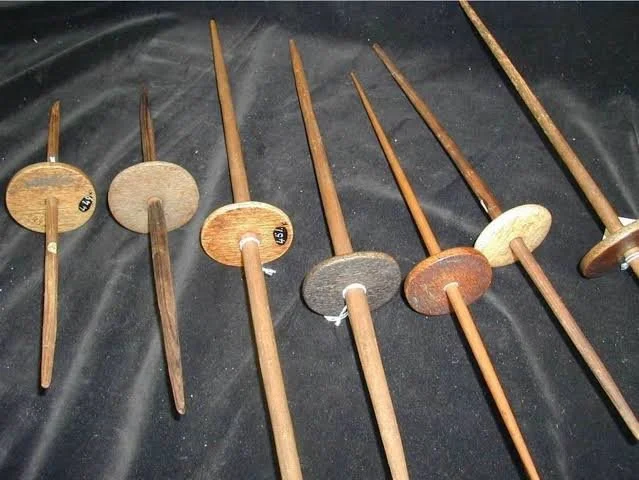
Spindle whorls are small objects that played an important role in ancient textile production. Often made from clay, stone, bone, or other durable materials, they were attached to spindles to provide rotational momentum during the spinning of fibers.

Their size can make them appear insignificant compared with larger archaeological objects. Yet spindle whorls offer valuable evidence about household production, gendered labor, exchange, craft specialization, and village economies.

Small spindle whorls are especially interesting because their dimensions may reflect particular spinning techniques, fiber types, and production requirements. Their distribution across domestic spaces can reveal how textile work was organized within a community.

What Is a Spindle Whorl?

A spindle whorl is a weighted component attached to a spindle.

When the spindle rotates, the whorl helps maintain momentum and supports the twisting of fibers into yarn.

The spinner draws out fibers and allows the rotating spindle to twist them together.

This process creates a continuous thread that can later be woven into fabric.

The basic principle is simple, but the technique requires practice and coordination.

Materials and Manufacture

Spindle whorls were produced from materials available in different regions.

Clay was especially common because it could be shaped and fired.

Stone offered durability, while bone and other materials could be carved into compact forms.

Some whorls were plain, while others carried incised patterns, painted decoration, or distinctive shapes.

Their manufacturing quality may reveal whether they were produced by specialized craftspeople or made within households.

Why Small Whorls Matter

The weight and diameter of a spindle whorl influence how it behaves during spinning.

Different fibers and yarn thicknesses may require different combinations of spindle speed and rotational momentum.

A smaller, lighter whorl may be suitable for particular fine-spinning techniques, while heavier examples may be used for other fibers and yarn types.

However, size alone cannot identify the exact material spun.

Researchers must compare whorl dimensions with experimental spinning, fiber remains, and other archaeological evidence.

Textile Production in Village Households

Textile production was an important part of many preindustrial economies.

Households needed cloth for clothing, bedding, storage, trade, and ritual activities.

Spinning could be carried out alongside other domestic work.

In some communities, textile production was primarily organized at the household level. In others, specialists produced yarn and cloth for wider markets.

The number and distribution of spindle whorls within a settlement can help researchers investigate these differences.

Social Organization and Labor

Spinning required time and skill.

The task could be performed by individuals of different ages and social positions, although its organization varied across societies.

Historical sources sometimes associate textile work strongly with women, but archaeologists should avoid assuming that every spindle whorl represents female labor.

Objects alone rarely establish the identity of the person who used them.

A more reliable interpretation examines household organization, burial evidence, workshop spaces, and written or ethnographic comparisons where available.

Whorls as Objects of Identity

Spindle whorls could also carry symbolic or personal significance.

Decorated examples may have communicated aesthetic preferences or local traditions.

Differences in shape and ornamentation could reflect community identity, individual craftsmanship, or exchange between settlements.

A spindle whorl might also have been a personal possession passed between family members.

However, decorative variation does not automatically indicate a specific social group.

Exchange and Village Economies

Textiles were valuable goods.

Even when spinning took place inside households, finished yarn and cloth could enter wider exchange networks.

A village producing surplus textiles might trade them for food, tools, pottery, or other materials.

Standardized whorl forms across several settlements may indicate shared techniques or contact between communities.

Imported materials could also reveal connections beyond the immediate region.

Archaeological Distribution

Researchers examine where spindle whorls are found.

Concentrations inside houses may indicate domestic textile production.

Groups recovered from storage areas or workshop deposits may suggest organized craft activity.

Whorls found in graves can provide information about burial customs and symbolic associations, although grave goods do not always represent the deceased person's occupation.

Spatial analysis is therefore essential.

Experimental Archaeology and Use-Wear

Experimental archaeology allows researchers to reproduce ancient spinning techniques.

Replicas can be made using comparable materials and dimensions.

By testing different fibers and spindle configurations, researchers can investigate how whorl weight and shape affect spinning performance.

Microscopic analysis may reveal wear caused by repeated handling or contact with spindle components.

Such evidence can help distinguish objects that were used regularly from those that were decorative, unfinished, or deposited without extensive use.

Conclusion

Small spindle whorls provide an important record of village economies and household production.

Their dimensions, materials, decoration, and distribution can reveal aspects of textile technology, social organization, and exchange.

Although their size may seem modest, they represent the time and skill required to transform raw fibers into usable yarn.

By studying spindle whorls alongside other archaeological evidence, researchers can better understand the economic and social importance of textile work in ancient communities.

Early Fodder Storage Yards: Sediment Signatures and Animal Diets

November 15, 2026

Introduction

The development of animal husbandry transformed human settlement, food production, and economic organization. As communities began keeping domesticated animals, they needed reliable ways to provide food throughout the year.

Fodder storage became particularly important in environments where pasture availability changed seasonally. Hay, straw, leaves, crop residues, and other plant materials could be collected and stored for later consumption.

Archaeological evidence for early fodder storage yards is not always obvious. Unlike monumental buildings or large storage silos, these areas may leave subtle traces in soil chemistry, sediment layers, plant remains, and animal bones.

Studying these signatures can reveal how communities organized animal feeding and managed livestock before modern agricultural systems developed.

The Importance of Stored Fodder

Animals require food throughout the year, but natural pasture is not equally available in every season.

Cold winters, dry summers, flooding, and changing vegetation can reduce the amount of forage available.

Stored fodder helped communities maintain animals during periods when grazing was limited.

It could also support animals that were kept near settlements for transportation, traction, milk, meat, or wool production.

The ability to store feed may therefore have influenced the size and stability of livestock populations.

What Was Stored?

Early communities could use several forms of fodder.

Hay made from dried grasses was useful because it could be stored for extended periods if kept sufficiently dry.

Straw and other crop residues provided additional feed after grain harvesting.

Leaves, branches, and other gathered vegetation could also be used, particularly in woodland and mountain environments.

Different animals required different feeding strategies. Cattle, sheep, goats, horses, and pigs did not all consume the same plants in the same proportions.

The contents of a storage area would therefore reflect local livestock needs and available vegetation.

Identifying Ancient Fodder Storage Yards

A fodder storage yard may leave several archaeological signatures.

Researchers look for prepared surfaces, postholes, fencing remains, drainage features, and concentrations of plant material.

Some storage areas may have been located near animal enclosures or barns.

Others could have occupied open spaces within or beside settlements.

The identification of a storage yard requires caution because similar features may belong to ordinary courtyards, workshops, rubbish areas, or animal pens.

Sediment Signatures

Sediment analysis is particularly useful when visible structures have disappeared.

Repeated storage and handling of plant material can introduce organic matter into the ground.

Animal activity may add manure, urine, and compacted organic deposits.

These processes can change soil chemistry, texture, and microscopic composition.

Researchers may identify elevated concentrations of phosphorus, nitrogen, or other elements associated with animal occupation and organic waste.

However, chemical enrichment does not independently prove fodder storage. It must be compared with the broader archaeological context.

Archaeobotanical Evidence

Plant remains provide some of the strongest evidence for fodder management.

Seeds, chaff, grass fragments, phytoliths, and pollen can reveal which plants were present.

Carbonized remains may survive when stored vegetation accidentally burns.

Waterlogged deposits can preserve delicate plant tissues.

Researchers compare the botanical composition of suspected storage areas with surrounding soils and natural vegetation.

A concentration of plants commonly used as animal feed may support a fodder interpretation, especially when accompanied by evidence of storage structures.

Animal Diet Reconstruction

Animal bones can reveal aspects of livestock management.

Stable isotope analysis can help reconstruct the types of vegetation animals consumed and the environments in which they grazed.

Carbon isotopes may distinguish between different photosynthetic plant groups, while nitrogen isotopes can provide information about dietary and environmental conditions.

Dental microwear and microscopic examination of tooth surfaces can also contribute to dietary reconstruction.

These methods do not usually identify a specific fodder yard by themselves. Instead, they help determine whether animals were eating plants consistent with managed feeding.

Seasonal Feeding and Livestock Mobility

Fodder storage may indicate a shift toward more controlled livestock management.

Communities could keep animals close to settlements during difficult seasons rather than relying entirely on open grazing.

This does not mean that stored feeding replaced pastoral mobility.

Many societies combined seasonal movement with supplementary feeding.

A community might move sheep and goats to summer pastures while keeping other animals near the settlement.

The balance between grazing and stored fodder depended on local ecology, animal type, and economic needs.

Social and Economic Organization

Fodder storage required labor.

Plants had to be collected, dried, transported, protected, and distributed.

Large-scale storage could therefore indicate cooperation among households or centralized management.

In some communities, individual families may have maintained their own supplies.

In others, shared storage areas could have supported communal herds or animals used for collective work.

Differences in storage capacity may reveal variations in wealth and access to land.

Preservation and Research Challenges

Plant material rarely survives in ordinary soil for long periods.

Carbonization, waterlogging, desiccation, and mineralization can improve preservation, but each creates a different archaeological record.

Sediment samples must be collected carefully to avoid contamination.

Researchers also need to distinguish between plants stored for human consumption and plants intended for animals.

The same crop residue might have served multiple purposes.

Conclusion

Early fodder storage yards reveal how communities managed livestock beyond the limits of natural grazing.

Their remains may be subtle, but soil chemistry, botanical evidence, animal bones, and structural features can combine to reconstruct ancient feeding systems.

These studies help explain how people adapted animal husbandry to seasonal conditions and organized the labor required to maintain domesticated herds.

Fodder storage was not simply an agricultural convenience. It was part of a wider transformation in settlement planning, food security, and the relationship between humans, animals, and landscapes.

The Archaeology of Hand-Carved Tobacco Pipes in Colonial Contexts

November 15, 2026

Introduction

Hand-carved tobacco pipes are valuable archaeological objects because they reveal how everyday habits, craftsmanship, trade, and cultural exchange developed during the colonial period.

Although tobacco originated in the Americas, its consumption spread rapidly across Europe, Africa, Asia, and other regions following sustained contact between the Old and New Worlds. Pipes became important objects of personal use, social interaction, and commercial production.

Some were manufactured in specialized workshops, while others were carved by individuals using locally available materials. Their archaeological remains can help reconstruct the movement of tobacco, changing smoking practices, and the relationships between colonial societies and Indigenous communities.

The Global Spread of Tobacco

Tobacco was cultivated and used by Indigenous societies in the Americas long before European arrival.

Following transatlantic contact, European sailors and merchants introduced tobacco to other parts of the world. Its consumption expanded during the sixteenth and seventeenth centuries.

Tobacco became a commercial commodity. Colonial plantations, maritime trade, taxation, and consumer demand contributed to its rapid expansion.

As tobacco became more widely available, people developed different ways to consume it. Pipes became especially common in several regions, although smoking practices varied according to local customs.

Materials Used in Hand-Carved Pipes

Archaeological tobacco pipes were produced from numerous materials.

Wood was widely used because it could be carved with relatively simple tools. Different hardwoods offered varying degrees of durability and resistance to heat.

Bone, horn, stone, and other organic materials were also suitable for certain pipe components.

Clay pipes became especially important in European production, but handmade wooden and bone examples continued to circulate in many communities.

The choice of material depended on availability, cost, cultural preference, and the intended design.

Carving Techniques and Craftsmanship

Hand-carved pipes required control over the shape of the bowl, the airflow passage, and the connection between components.

A maker could use knives, drills, scrapers, and other tools to hollow the bowl and create the stem.

Some pipes were decorated with geometric patterns, animal figures, human faces, or symbols associated with local traditions.

Differences in workmanship may indicate whether a pipe was made by a professional craftsperson, an experienced amateur, or an individual producing an object for personal use.

Tool marks can sometimes help identify the manufacturing process.

Tobacco Pipes in Colonial Society

Smoking became part of social life in many colonial environments.

Pipes could be used in private households, taverns, military camps, ships, workshops, and trading settlements.

They were sometimes associated with leisure and hospitality. In other settings, smoking had ceremonial, medicinal, or symbolic associations.

The presence of a pipe in an archaeological deposit does not reveal exactly how it was used. Its interpretation requires comparison with other objects and the historical context of the site.

Indigenous and European Interactions

Colonial tobacco consumption involved extensive cultural exchange.

European settlers adopted tobacco practices from Indigenous populations, while Indigenous communities sometimes incorporated imported pipe forms and materials into existing traditions.

These interactions were not uniform. Some communities maintained distinctive smoking practices, while others adapted to new commercial products.

Archaeological pipe assemblages can therefore reveal a mixture of local and imported influences.

However, stylistic similarity does not necessarily establish the identity of the maker or user.

Identifying Pipes in Archaeological Sites

Pipe fragments are often recovered from domestic refuse, commercial deposits, shipwrecks, and colonial settlement layers.

Researchers examine bowl shape, stem construction, material, decoration, manufacturing marks, and dimensions.

Clay pipes may sometimes be dated through typological comparison with established production sequences.

Hand-carved wooden pipes are more difficult to date because their forms could remain similar for long periods.

Associated artifacts and stratigraphic evidence are therefore particularly important.

Trade, Consumption, and Economic History

Tobacco pipes can provide evidence of commercial networks.

Imported materials may indicate access to distant markets, while locally produced objects may reflect regional craft traditions.

The distribution of pipe fragments across settlements can help researchers examine patterns of consumption.

Differences between wealthier and poorer households may also be visible, although pipe quality alone is not a reliable measure of social status.

The objects should be studied alongside tobacco-related containers, trade records, plantation evidence, and other consumer goods.

Preservation Challenges

Organic pipes made from wood, bone, or horn are vulnerable to decay.

They may survive in waterlogged environments, dry caves, or deposits with favorable chemical conditions.

Clay pipes generally preserve more readily, but their fragments can be damaged by pressure, soil chemistry, and later disturbance.

Conservation specialists must also consider residues and surface deposits before cleaning.

Chemical analysis may sometimes identify traces of substances associated with tobacco use, although contamination and preservation conditions can complicate interpretation.

Conclusion

Hand-carved tobacco pipes provide a valuable record of colonial consumption, craftsmanship, and cultural exchange.

Their materials and designs reveal how people adapted imported habits to local resources and traditions.

When studied alongside archaeological context and historical documentation, pipes can help reconstruct the everyday lives of people whose experiences are often absent from official colonial records.

They are small objects, but their distribution connects domestic life with global trade, Indigenous knowledge, and the expanding commercial networks of the colonial world.

Salt-Encrusted Coin Hoards: Preservation and Identification Challenges

November 15, 2026

Introduction

Coin hoards are among the most informative discoveries in numismatics and archaeology. A group of coins buried together can reveal patterns of wealth, trade, political instability, savings, and monetary circulation.

When hoards are recovered from coastal environments, shipwrecks, salt marshes, or submerged settlements, however, preservation becomes more complicated. Salt deposits can accumulate on coin surfaces, obscure inscriptions, and interact with metal corrosion.

A coin that appears to be covered in a thick mineral crust may contain valuable identifying details beneath the deposit. Recovering those details without damaging the object requires careful conservation and scientific analysis.

How Salt Encrustation Develops

Salt-encrusted coins are often associated with marine or highly saline environments.

Seawater contains dissolved salts, including sodium chloride, as well as other minerals. When seawater enters cracks or remains in contact with a metal surface, salts may crystallize as conditions change.

Repeated wetting and drying can cause deposits to accumulate.

In submerged environments, corrosion products, sediment, shells, and biological growth may combine with mineral deposits to form a dense crust.

Not every crust is pure salt. It may contain several materials produced by different environmental processes.

Different Metals, Different Preservation Problems

Ancient coins were made from various metals and alloys, including gold, silver, copper, bronze, and occasionally other materials.

Their reactions to saline environments differ.

Gold is relatively resistant to corrosion, although its surface can still become coated with sediment and mineral deposits.

Silver may develop corrosion products and surface discoloration.

Copper and bronze are particularly vulnerable to corrosion in chloride-rich environments. Chloride compounds can contribute to destructive corrosion processes that continue even after an object has been recovered.

The metal composition therefore influences both the appearance of a coin and the conservation strategy required.

Why Identification Becomes Difficult

Salt crusts can conceal the features numismatists use to identify coins.

These include portraits, inscriptions, mint marks, dates, symbols, denominations, and decorative designs.

Even a thin deposit may obscure a small letter or detail.

Heavy encrustation can make several coins appear nearly identical, preventing researchers from determining whether they belong to the same issue or period.

Mechanical removal is risky because the original surface may be fragile beneath the crust.

Archaeological Recovery and Initial Documentation

The conservation process begins before cleaning.

Archaeologists record the position of the hoard, its relationship to surrounding objects, and the conditions in which it was found.

For underwater discoveries, divers may document the arrangement of coins before recovery.

The position of individual coins can reveal whether they were stored in a container, scattered by shipwreck processes, or deposited in another context.

Coins should be photographed and documented before treatment whenever possible.

Removing the crust without preserving this initial information can destroy evidence about the object's archaeological condition.

Scientific Examination

Modern conservation laboratories use several techniques to examine encrusted coins.

Radiography can reveal internal structure and sometimes help identify objects hidden beneath thick deposits.

X-ray fluorescence can provide information about surface elemental composition, although corrosion and encrustation may affect readings.

Microscopy allows conservators to examine surface details and distinguish mineral deposits from metal corrosion.

Computed tomography may be useful for certain heavily encrusted objects, particularly when internal structure or the relationship between multiple objects needs to be understood.

These techniques help researchers decide whether cleaning is appropriate and how it should be carried out.

Conservation and Cleaning Risks

Cleaning salt-encrusted coins is not simply a matter of removing visible deposits.

Aggressive scraping can destroy inscriptions and decorative details.

Acidic chemicals may damage the metal.

Even water-based treatments can be unsuitable if the alloy or corrosion products are unstable.

Conservators therefore select methods according to the metal, condition, and archaeological context.

In some cases, controlled mechanical cleaning under magnification is appropriate. Other objects may require specialized chemical or electrochemical treatment performed by trained professionals.

The objective is not to make every coin look new. It is to preserve original material and recover information without unnecessary intervention.

The Problem of Chloride Corrosion

Copper-alloy coins recovered from marine environments may contain chloride compounds within their corrosion layers.

After recovery, exposure to moisture and oxygen can allow certain corrosion reactions to continue.

This may produce recurring pale green or powdery deposits, sometimes associated with active bronze disease.

If untreated, the corrosion can gradually damage the coin.

Conservators monitor humidity and storage conditions and may use appropriate stabilization treatments.

A coin that looks stable immediately after cleaning may still require long-term observation.

Numismatic Identification After Treatment

Once sufficient surface detail becomes visible, numismatists compare the coin with known issues.

They examine inscriptions, portraits, symbols, style, metal composition, weight, and dimensions.

A group of coins can sometimes be linked to a particular mint or ruler.

The latest coin in a hoard may provide a terminus post quem: the earliest possible date after which the hoard could have been buried.

However, coins can circulate for decades or longer, so the burial date may be considerably later than the date of the newest coin.

What Hoards Reveal About History

Coin hoards can provide evidence of economic behavior and periods of uncertainty.

A buried group may represent savings, emergency concealment, commercial storage, or an offering.

Its interpretation depends on the surrounding archaeological evidence.

A hoard discovered in a shipwreck may reveal commercial activity, while one found beneath a house floor could reflect household wealth or emergency concealment.

Salt-encrusted hoards are especially valuable because they may preserve evidence of maritime trade and coastal economic activity that would otherwise be difficult to reconstruct.

Conclusion

Salt-encrusted coin hoards present a challenging combination of archaeological, numismatic, and conservation problems.

Mineral deposits can conceal important identifying features, while chloride corrosion may threaten the metal long after recovery.

Successful study requires careful documentation, scientific examination, and conservation methods adapted to each object.

The ultimate goal is not simply to reveal the image on a coin. It is to preserve the evidence that allows researchers to reconstruct its production, circulation, burial, and recovery within the wider history of ancient economies.

The Forensic Detection of Ancient Surgeries in Small Skeletal Series

November 15, 2026

Introduction

Ancient human bones preserve evidence of disease, injury, healing, and medical intervention. Among the most significant discoveries are skeletal remains showing signs of deliberate surgical procedures.

Examples include trepanation, the intentional opening of the skull, and other interventions involving bone cutting, scraping, drilling, or removal.

Detecting ancient surgery is a forensic challenge, especially when only a small number of skeletons are available. A single damaged bone may be difficult to interpret, and natural disease can sometimes produce changes resembling deliberate medical treatment.

The study therefore combines forensic anthropology, paleopathology, archaeological context, and scientific imaging to distinguish surgery from injury and disease.

What Counts as Ancient Surgery?

Ancient surgery refers to deliberate physical intervention intended to treat an injury, disease, or bodily condition.

Procedures could involve removing damaged tissue, opening the skull, setting fractures, or treating wounds.

The most widely recognized archaeological example is trepanation, in which an opening was intentionally created in the cranial bone.

Evidence of other procedures is more difficult to identify because many ancient interventions involved soft tissue, which rarely survives.

It is also important to distinguish surgery from postmortem modification, ritual treatment of the dead, and accidental damage.

Trepanation and Cranial Evidence

Trepanation is among the best-known forms of prehistoric and ancient surgery.

Archaeologists have identified skulls with openings produced through scraping, cutting, or drilling techniques.

Some examples show evidence of bone healing around the opening.

Healing is especially important because it suggests that the individual survived the procedure for at least some period.

A skull opening without healing may represent a procedure performed shortly before death, an injury, or damage that occurred after burial.

Identifying Surgical Modification

Researchers examine the shape, edges, location, and surface characteristics of bone modifications.

A deliberately created opening may display regular cutting marks or a pattern consistent with repeated scraping.

Natural fractures often have different surface characteristics, although damage can become difficult to interpret after burial.

Microscopic examination can reveal tool marks and bone remodeling.

Imaging techniques, including computed tomography, can help researchers inspect internal structures without damaging fragile remains.

Distinguishing Surgery from Trauma

One of the main challenges is separating medical intervention from accidental injury.

A sharp-force injury may create a cut or hole resembling a surgical opening.

Blunt-force trauma can produce fractures that later heal.

Researchers consider the geometry of the damage, the direction of force, associated fractures, and signs of healing.

A surgical interpretation becomes more convincing when the modification has a deliberate shape and is located in a position consistent with a known procedure.

However, the absence of a familiar pattern does not automatically rule out ancient medical intervention.

Paleopathology and Bone Healing

Paleopathology examines disease and injury in ancient human remains.

Bone responds to damage through processes such as inflammation, remodeling, and new bone formation.

These biological responses can help establish whether an individual survived an injury or operation.

Forensic researchers examine changes around the affected area to determine whether healing occurred.

The extent of healing may provide an approximate indication of survival time, although it cannot usually establish an exact number of days or weeks.

Why Small Skeletal Series Are Difficult

A small skeletal series contains limited individuals.

This creates problems of statistical interpretation.

If one skull displays evidence of trepanation, researchers cannot confidently conclude that the procedure was common throughout the population.

The individual may represent an unusual case, a person with special social status, or a patient whose remains were preserved under exceptional conditions.

Small samples also make it difficult to identify patterns related to age, sex, occupation, or social group.

Context and Archaeological Interpretation

The location of a skeleton matters.

A burial from a settlement cemetery may provide different information from remains discovered in a medical context, battlefield, or ritual deposit.

Associated objects can contribute to interpretation, but they rarely prove that surgery occurred.

Researchers also need to consider whether the remains were moved or disturbed after burial.

A surgical-looking mark could have been produced during excavation, historical disturbance, or earlier handling.

Scientific Techniques

Several methods can strengthen the identification of ancient surgery.

High-resolution microscopy can reveal tool marks and surface modification.

CT scanning can document internal bone structure and healing without destructive sampling.

Radiographic analysis can help identify fractures and changes in bone density.

Histological examination may reveal microscopic evidence of remodeling.

Radiocarbon dating and archaeological stratigraphy can establish chronology, while chemical analysis may help assess preservation conditions.

No single technique is sufficient in every case. The strongest conclusions emerge from combining several methods.

Interpreting Ancient Medical Knowledge

Evidence of surgery demonstrates that ancient communities sometimes attempted deliberate physical treatment.

It does not necessarily reveal the exact medical theory behind the procedure.

A person who underwent trepanation may have been treated for trauma, pain, neurological symptoms, or a condition understood through religious or cultural beliefs.

Researchers should avoid assuming that ancient practitioners understood anatomy in the same way as modern medicine.

At the same time, successful healing demonstrates practical knowledge of bodily response and the ability to perform technically demanding procedures.

Conclusion

The forensic detection of ancient surgeries in small skeletal series requires careful differentiation between deliberate intervention, traumatic injury, disease, and postmortem damage.

Bone healing, tool marks, imaging, microscopic analysis, and archaeological context all contribute to interpretation.

Small samples impose serious limits on broader conclusions, but individual cases can still provide valuable evidence of ancient medical practice.

When interpreted cautiously, skeletal remains reveal not only the injuries and illnesses experienced by past populations but also the efforts people made to treat them.

Rock-Shelter Microgardens: Evidence for Cultivated Plants in Shelters

November 15, 2026

Introduction

Rock shelters provided prehistoric communities with protection from rain, wind, and extreme temperatures. They also offered convenient locations for temporary camps, food preparation, toolmaking, and the storage of useful materials.

A more unusual possibility is that some shelters contained small cultivated plots or deliberately maintained plant-growing areas. These microgardens may have supported medicinal plants, herbs, edible species, or seedlings intended for transplantation.

The concept requires careful archaeological investigation. Plant remains inside a shelter do not automatically indicate cultivation. Seeds may have arrived through natural processes, animal activity, food preparation, or human occupation.

Understanding whether a rock shelter functioned as a small garden therefore requires evidence that goes beyond the discovery of ancient seeds.

Why Cultivate Plants Inside a Shelter?

Rock shelters offered several advantages for managing plants.

Their overhangs could provide partial protection from heavy rainfall, while nearby openings might allow enough sunlight for certain species to grow.

People could also control access to plants and protect valuable specimens from grazing animals.

A sheltered area might have been used to keep medicinal plants, maintain seedlings, or grow species requiring particular environmental conditions.

However, many rock shelters receive limited sunlight. This would restrict the kinds of plants that could grow successfully inside them. Cultivation may have occurred near the entrance or in adjacent patches rather than deep within the shelter.

What Is a Microgarden?

A microgarden is a small, deliberately managed growing area.

In archaeological contexts, the term can describe a compact plot maintained for household or camp use.

It does not necessarily imply intensive agriculture. A microgarden might contain only a few useful plants, maintained through watering, soil preparation, transplanting, or protection from animals.

Possible purposes include the cultivation of herbs, medicinal plants, edible greens, or plants used in craft production.

The term should be applied cautiously when direct evidence for deliberate cultivation is incomplete.

Archaeobotanical Evidence

Archaeobotany examines plant remains recovered from archaeological sites.

Researchers study seeds, fruits, wood, pollen, phytoliths, and other microscopic plant materials.

In a rock shelter, these remains can reveal what plants were present during different periods of occupation.

Carbonized seeds may survive because they were exposed to fire. Waterlogged deposits can preserve delicate plant remains, while dry caves and shelters may preserve seeds under favorable conditions.

The difficulty lies in determining whether the plants grew at the site, were collected from the surrounding landscape, or arrived through other processes.

Distinguishing Cultivation from Gathering

Evidence for cultivation is strongest when several indicators occur together.

These may include concentrations of plant remains in prepared soil, repeated deposits of the same useful species, traces of irrigation or water management, and evidence of deliberate soil disturbance.

A change in plant size or seed morphology may also indicate domestication, although such changes often develop gradually.

The presence of a useful plant alone is not enough. Gathered wild plants can be stored, processed, and consumed in shelters without ever being cultivated there.

Soil and Microstratigraphic Analysis

Micromorphology allows researchers to examine undisturbed soil samples under a microscope.

It can reveal whether sediments contain signs of digging, trampling, burning, organic enrichment, or repeated watering.

A deliberately prepared growing bed might contain a distinctive mixture of soil, decomposed organic material, and other amendments.

Researchers can compare these deposits with natural sediments from nearby areas.

Chemical analysis may also identify elevated nutrients associated with repeated organic inputs, although animal activity and waste disposal can produce similar signals.

Water and Light Management

Plant cultivation requires suitable environmental conditions.

Water may have been carried into a shelter in containers, collected from dripping rock surfaces, or directed from nearby sources.

Small channels, basins, or modified surfaces could potentially indicate water management.

Light is another important factor. Some plants tolerate shade, while others require direct sunlight.

A likely cultivation area would therefore be expected near a shelter opening or in an adjacent protected zone.

Archaeologists must reconstruct ancient sunlight and moisture conditions rather than assume that the modern environment is identical to the prehistoric one.

Plants and Traditional Knowledge

Small cultivated areas could have supported plants used for healing, food, fragrance, or practical activities.

Medicinal plants may have been particularly valuable because they could be difficult to locate at certain times of year.

Maintaining useful species close to a shelter would reduce the need for repeated collection journeys.

Nevertheless, identifying a plant as medicinal does not prove that prehistoric occupants understood or used it for that purpose. Such interpretations require supporting evidence from residues, associated artifacts, or repeated patterns of use.

The Limits of the Evidence

Rock shelters are complicated archaeological environments.

Seeds can be transported by birds, rodents, insects, wind, and flowing water.

Animal droppings may introduce plant remains from distant feeding areas.

Human occupation can also create concentrations of seeds through food processing and waste disposal.

For this reason, claims of prehistoric microgardens should be based on multiple independent lines of evidence.

A particularly convincing case would combine prepared growing surfaces, botanical remains, evidence of water management, and a clear chronological relationship with human activity.

Conclusion

Rock-shelter microgardens offer an intriguing possibility for understanding how prehistoric people managed useful plants on a small scale.

They may have provided convenient access to herbs, medicinal species, seedlings, and edible plants near temporary or seasonal settlements.

However, the discovery of seeds inside a shelter does not establish that cultivation took place there.

Archaeobotanical identification, soil micromorphology, environmental reconstruction, and careful excavation are necessary to distinguish deliberate gardening from gathering and natural plant deposition.

If securely identified, such microgardens would reveal a form of plant management that existed between wild gathering and larger-scale agriculture.

Underfloor Offerings: Continuity of Domestic Rituals Across Millennia

November 15, 2026

Introduction

The floors of ancient houses were more than surfaces for walking and working. In many societies, domestic spaces also served as places of religious practice, family remembrance, protection, and symbolic communication.

Archaeologists sometimes discover objects deliberately placed beneath floors, inside foundation trenches, or within wall cavities. These deposits may include pottery, animal bones, beads, figurines, coins, food remains, or small metal objects.

Such discoveries are often described as foundation deposits or domestic offerings. Their interpretation raises an important question: did similar practices across different historical periods represent a continuous tradition, or did separate communities independently develop comparable rituals?

What Are Underfloor Offerings?

An underfloor offering is an object or group of materials intentionally deposited beneath a building floor or within a structural feature.

The location distinguishes these deposits from ordinary household rubbish.

Some offerings appear beneath thresholds, near hearths, beside walls, or at the corners of buildings. Others are associated with the construction of a new house or the renovation of an existing one.

Their contents vary widely. A small vessel might contain food, while a figurine or bead could have served as a symbolic protective object.

Not every object found beneath a floor was placed there deliberately. Archaeologists must establish whether its position reflects intentional deposition, accidental loss, or later disturbance.

Domestic Religion and the Household

Religious practice did not always take place in large temples or public sanctuaries.

Households could contain small shrines, offering areas, sacred objects, and spaces associated with family ceremonies.

Domestic rituals might involve protection of residents, fertility, successful childbirth, agricultural prosperity, ancestral remembrance, or the well-being of animals.

The house itself could be understood as a place requiring symbolic protection.

Underfloor deposits may therefore have marked important moments in the life of a household, particularly construction, occupation, renovation, or abandonment.

Offerings in Ancient Archaeological Contexts

Foundation deposits are known from several ancient cultural settings, although their meanings differed.

In parts of the ancient Near East, objects and deposits were associated with the construction and dedication of buildings.

In ancient Egypt, foundation deposits could accompany temples and other important structures.

Across the Mediterranean, archaeological discoveries have included objects placed in domestic and architectural contexts that may have served ritual purposes.

These practices should not be treated as one universal tradition. Similar placement does not necessarily indicate shared beliefs or direct cultural transmission.

Objects and Their Possible Meanings

The materials selected for an offering can provide clues about its meaning.

Small vessels may have contained food, drink, oil, or other substances. Animal bones may represent a meal, sacrifice, or symbolic act. Figurines could have represented protective beings, deities, humans, or animals.

Coins and personal ornaments may have carried economic, social, or symbolic value.

The context is more important than the object alone. A figurine found beneath a threshold may have a different significance from an identical figurine discovered in a rubbish deposit.

Continuity Across Millennia

The idea of placing meaningful objects beneath a building has appeared in different societies and periods.

However, chronological similarity is not proof of uninterrupted cultural continuity.

A practice observed in a prehistoric settlement and another found in a medieval house may share a general purpose while having entirely different religious meanings.

To demonstrate continuity, researchers need evidence of intermediate practices, comparable ritual procedures, regional connections, and historical transmission.

Without this evidence, it is safer to describe recurring patterns rather than a single tradition surviving unchanged for thousands of years.

Scientific Analysis of Deposits

Modern archaeology can investigate underfloor offerings through several methods.

Microscopic soil analysis may reveal whether a deposit was placed in a prepared pit or entered the ground through natural processes.

Residue analysis can identify traces of fats, oils, plants, or other substances inside vessels.

Zooarchaeological examination can determine the species, age, and condition of animal remains.

Radiocarbon dating may establish the age of organic materials, while ceramic and stratigraphic analysis help connect the deposit to a particular building phase.

These methods are especially useful when a deposit contains several materials that may not have been placed at the same time.

Household Identity and Social Relationships

Domestic offerings may also reveal how families understood their place within a community.

A household with distinctive ritual objects might have followed a particular religious tradition or expressed its identity through family customs.

Differences between neighboring houses could indicate variation in wealth, social status, occupation, or household beliefs.

However, ritual deposits are not straightforward measures of personal faith. Archaeological evidence rarely reveals exactly what an individual believed.

Preservation and Interpretation Challenges

Underfloor deposits can be disturbed by later construction, repairs, animal activity, or natural processes.

Organic materials may disappear, leaving only pottery or stone objects.

In other cases, later occupants may unknowingly build over earlier ritual deposits.

Researchers must also avoid interpreting every unusual object as sacred. An object may have been stored, discarded, hidden, or accidentally trapped beneath a floor.

The strongest interpretations combine location, composition, chronology, and comparison with other examples.

Conclusion

Underfloor offerings provide a valuable window into the private and symbolic dimensions of ancient domestic life.

They show that houses could function as more than practical shelters: they could also be places where families expressed hopes, fears, identity, and relationships with the sacred.

Comparable deposits appear across widely separated periods, but their presence does not automatically demonstrate an uninterrupted ritual tradition.

By examining archaeological context and scientific evidence, researchers can distinguish genuine ritual deposits from ordinary household remains and better understand how domestic beliefs changed across generations.

Ancient Timber-Frame Foundations in Coastal Floodplains

November 15, 2026

Introduction

Coastal floodplains have supported human settlement for thousands of years. Their fertile soils, access to waterways, and proximity to marine resources made them attractive places for villages, farms, and trading communities. Yet these environments also presented a persistent challenge: seasonal flooding, shifting channels, waterlogged ground, and unstable sediments.

One architectural response was the use of timber frames and wooden foundation systems. Instead of relying entirely on heavy stone or masonry, builders could use posts, beams, platforms, and interlocking wooden elements to distribute structural weight across soft ground.

Archaeological evidence for these foundations is often difficult to identify because wood normally decays. In waterlogged environments, however, the absence of oxygen can preserve timber for centuries or even millennia.

Why Coastal Floodplains Required Special Foundations

Floodplain environments are geologically dynamic. Rivers deposit layers of silt and clay, while tides and storm surges can introduce sand and marine sediments. These processes continually alter ground conditions.

Buildings constructed directly on soft sediment may settle unevenly or become unstable. Timber foundations offered several possible solutions.

Builders could drive wooden piles into deeper, firmer layers, construct horizontal platforms, or connect vertical posts with beams. These arrangements helped distribute the weight of buildings and provided a more stable base.

The precise construction method depended on local materials, water depth, soil conditions, and the intended use of the structure.

Types of Timber Foundation Systems

Archaeologists distinguish several forms of wooden foundation construction.

Pile foundations consist of vertical timbers driven into the ground. They can support buildings above soft or saturated sediment.

Timber grillages use intersecting horizontal beams to spread structural loads over a wider area. They may be placed above piles or directly over prepared ground.

Post-and-beam foundations use upright timbers connected by horizontal members. In some settings, these elements also form part of the building's visible structural frame.

Wooden platforms can provide raised surfaces for houses, storage areas, or working spaces. Their construction may overlap with the broader category of pile-supported architecture.

Not every wooden post discovered in a floodplain represents a foundation. Posts may also belong to fences, docks, animal enclosures, or temporary structures.

Archaeological Preservation in Waterlogged Ground

Waterlogged conditions can preserve timber because microorganisms responsible for decay often require oxygen.

When wooden foundations become buried beneath saturated clay, peat, or fine sediment, decomposition may slow significantly.

Preserved timbers can retain tool marks, joints, growth rings, and traces of construction techniques. These details help researchers reconstruct how buildings were assembled.

However, preservation is uneven. Some timbers may survive while others disappear, leaving gaps that complicate interpretation.

Dating and Identifying Timber Structures

Radiocarbon dating can establish the approximate age of preserved wood, but it does not always identify the exact construction date. Reused timber may be older than the building in which it was installed.

Dendrochronology offers another method. By matching annual growth-ring patterns with established reference sequences, researchers may sometimes determine when a tree was cut.

The position of timbers within sediment layers is equally important. Their relationship to floors, walls, pottery, and other archaeological features helps establish whether they belong to one construction phase or several.

Flood Management and Settlement Design

Timber foundations were not necessarily designed to prevent flooding entirely.

Some raised buildings may have allowed water to pass beneath their floors. Others may have been positioned on prepared platforms to reduce exposure to shallow inundation.

Settlement layouts could also reflect flood awareness. Houses might occupy slightly elevated ground, while storage areas, paths, and working spaces were arranged around seasonal water movement.

These patterns reveal how communities adapted to environmental risks rather than simply attempting to eliminate them.

Reconstructing Ancient Construction Techniques

Archaeologists examine tool marks, timber dimensions, joints, and the arrangement of structural elements to understand building practices.

Experimental archaeology can help test how different foundation systems perform in soft sediment.

Researchers may reconstruct pile arrangements or timber platforms and measure their stability under simulated loads.

Such experiments are useful, but they cannot automatically establish that an ancient community used a particular design. Experimental results must be compared with actual archaeological evidence.

Environmental Change and Abandoned Settlements

Coastal floodplains can change dramatically over time.

River channels migrate, shorelines move, and sediment accumulates. A settlement that once stood beside a navigable waterway may eventually become inland or buried beneath later deposits.

Flooding, erosion, changing trade routes, and economic decline could all contribute to abandonment.

Timber foundations preserved beneath later sediment can therefore provide evidence for landscapes that no longer exist in their original form.

Conclusion

Ancient timber-frame foundations in coastal floodplains demonstrate the practical knowledge communities developed to build on unstable and waterlogged ground.

Piles, platforms, beams, and interconnected wooden structures offered different ways to distribute weight and adapt buildings to local conditions.

Their archaeological identification depends on careful excavation, environmental analysis, and reliable dating.

Although individual sites require their own evidence, preserved timber foundations offer an important record of how people engineered settlements in some of the most challenging landscapes of the ancient world.

The Archaeology of Small-Scale Water Filtration Systems in Arid Zones

November 8, 2026

Introduction

Water has always been one of the most important resources for communities living in arid and semi-arid environments. In regions where rainfall is limited and rivers may be seasonal, people developed different methods to collect, store, transport, and improve the quality of available water.

Some communities used wells, cisterns, reservoirs, channels, and underground water systems. Others may have employed small-scale filtration methods to remove suspended particles and improve the appearance or usability of collected water.

Archaeologists investigate these practices through ceramic vessels, stone basins, sediment layers, channels, filter materials, and other remains. Although large water-management structures often receive more attention, small domestic filtration systems can reveal how households addressed everyday water challenges.

Water Scarcity and Life in Arid Environments

Arid environments are characterized by limited rainfall, high evaporation, and uneven access to freshwater. Water may be available only during certain seasons or in specific locations, such as springs, wells, and underground aquifers.

Communities adapted by collecting rainwater, storing seasonal runoff, digging wells, and developing systems that transported water from distant sources.

Storage was essential because rainfall could be unpredictable. Cisterns and reservoirs allowed households and settlements to preserve water for periods when natural sources were less reliable.

However, collected water could contain sand, silt, organic matter, and other suspended particles. Maintaining water quality therefore required regular cleaning and, in some cases, additional treatment.

Understanding Ancient Water Filtration

Filtration is the process of passing water through a material that traps or separates particles. Ancient communities may have used sand, gravel, cloth, plant fibers, porous ceramics, or combinations of these materials.

A simple filter could consist of layers of coarse and fine materials placed inside a container. Water passing through the layers might lose some suspended particles, resulting in clearer water.

However, filtration should not be confused with complete purification. A filter that removes visible sediment does not necessarily eliminate harmful microorganisms, dissolved chemicals, or salts.

Archaeologists must therefore be careful when interpreting ancient installations. A structure that appears to have filtered water may instead have been used for settling, storage, cooling, or another purpose.

Settling Basins and Sediment Traps

One of the simplest ways to improve the clarity of water is to allow suspended particles to settle. When water remains undisturbed in a container or basin, heavier particles gradually sink to the bottom.

Ancient households may have used small settling vessels or basins to separate sediment from collected water. Larger systems could have included chambers where water slowed down before entering a storage tank.

Archaeological evidence for settling systems may include multiple connected basins, sediment deposits, channels, and differences in the thickness of accumulated material.

A sediment trap can be especially important in a cistern. By allowing mud and sand to collect before water reaches the main storage area, it may reduce the amount of sediment entering the reservoir.

Still, a basin containing sediment does not automatically prove that it was intentionally designed for water treatment. Researchers must examine its relationship to channels, inlets, outlets, and the surrounding architecture.

Sand, Gravel, and Charcoal as Filter Materials

Sand and gravel are natural materials that can trap particles as water passes through them. Their effectiveness depends on grain size, layer arrangement, water flow, and maintenance.

A system using coarse gravel followed by finer sand could reduce the amount of suspended material entering a collection vessel. Replacing or cleaning the materials would have been necessary as particles accumulated.

Charcoal may also have been used in some water-treatment practices. Certain forms of charcoal can adsorb some substances, although its effectiveness depends on how it was produced and prepared.

The discovery of sand, gravel, or charcoal near a water installation does not prove that these materials were used as filters. They may have entered the structure naturally or served other construction purposes.

A convincing interpretation requires evidence of deliberate placement, suitable flow arrangements, and a clear relationship between the materials and the water system.

Porous Ceramic Vessels and Household Water Treatment

Ceramic vessels were widely used for storing and transporting water. Depending on the clay and firing conditions, some vessels could allow small amounts of water to pass through their walls.

In certain environments, porous containers may have helped cool water through evaporation. This cooling effect is different from filtration, even though the vessel's porous structure allows moisture to move through its surface.

Other ceramic devices may have been designed to strain or separate particles. Archaeologists can investigate their shape, wall thickness, perforations, surface treatments, and wear patterns to determine possible functions.

A vessel with a narrow opening might have reduced the entry of debris, while a perforated ceramic component could have served as part of a larger filtration or drainage system.

Researchers should avoid assigning a filtration function based on appearance alone. Residues, associated structures, and experimental testing can help establish how a vessel was used.

Cloth and Plant-Based Filtering Materials

Organic materials such as cloth, woven fibers, and plant matter can serve as simple strainers. They may have been placed over vessel openings or used to separate larger particles from collected water.

Unfortunately, these materials rarely survive in ordinary archaeological conditions. They can decay quickly, especially in warm and humid environments.

In exceptionally dry or sealed contexts, fragments of textiles, plant fibers, or other organic materials may survive. Their presence near water installations could provide useful evidence, although their original purpose must still be established.

Historical and ethnographic sources can help researchers understand how similar materials were used in later communities. Such comparisons are useful for developing hypotheses but cannot independently prove that the same practices existed in earlier periods.

Archaeological Evidence of Small-Scale Systems

Small water-treatment installations may leave relatively modest archaeological traces. These can include stone or plaster basins, ceramic containers, channels, settling chambers, sediment deposits, and carefully arranged layers of granular material.

Researchers examine the location of these features in relation to houses, courtyards, wells, cisterns, and drainage systems.

The sequence of construction and repair can reveal whether a system was used regularly. Repeated cleaning layers, replacement materials, and modifications to channels may indicate ongoing maintenance.

Residue analysis can identify mineral deposits left by water. Microscopic sediment analysis may also reveal whether material accumulated through natural processes or was deliberately placed.

The strongest interpretations come from combining architectural evidence with sediment analysis, artifact studies, and environmental reconstruction.

Water Filtration, Storage, and Other Functions

A major challenge in studying ancient water systems is distinguishing filtration from other forms of water management.

A covered cistern may have been designed primarily for storage. A basin may have allowed sediment to settle without using a filter. A porous vessel may have cooled water through evaporation rather than removing contaminants.

Other installations may have been used for washing, food preparation, dyeing, irrigation, or industrial activities.

Archaeologists investigate these possibilities by examining water flow, surface wear, residues, connections between structures, and the broader domestic or industrial setting.

This distinction matters because describing every basin or porous vessel as a filtration device can exaggerate the technological abilities demonstrated by the evidence.

Reconstructing Ancient Water Quality

Scientific analysis can help reconstruct the conditions of ancient water systems. Mineral deposits, sediment layers, and chemical residues may preserve information about the water that passed through a structure.

Stable isotopes and other geochemical techniques can sometimes provide clues about water sources and environmental conditions. Microfossils may reveal the presence of organisms associated with particular aquatic environments.

Experimental archaeology also plays an important role. Researchers can construct replica filters using materials available in the archaeological context and test how they affect water flow and sediment removal.

Such experiments can demonstrate whether a proposed system is technically plausible. However, modern experiments cannot establish that ancient people used a particular method unless archaeological evidence supports the interpretation.

Maintenance and Community Knowledge

Water systems required regular maintenance. Cisterns needed cleaning, channels could become blocked, and filters could accumulate sediment.

In small settlements, households may have managed their own storage and treatment equipment. Larger communities might have organized collective labor to maintain wells, reservoirs, and shared channels.

Knowledge of suitable materials and seasonal water conditions could be passed between generations. People learned which sources were reliable, how to protect stored water, and when cleaning was necessary.

These practices were not merely technical responses to environmental pressure. They were also part of the social organization of communities living in places where water availability influenced daily life.

Conclusion

Small-scale water filtration systems provide an important perspective on how communities in arid environments managed limited water resources. Settling basins, sand and gravel layers, porous ceramic vessels, and organic strainers may reveal attempts to improve the clarity and usability of collected water.

However, the archaeological identification of filtration requires careful analysis. Storage, cooling, settling, drainage, and other activities can leave similar physical traces. Clear water does not necessarily mean safe water, and simple filtration should not be confused with the removal of all biological or chemical contaminants.

By combining archaeological excavation, material analysis, environmental reconstruction, and experimental research, scholars can better understand the practical technologies used to manage water. These small installations remind us that the history of water engineering is not limited to monumental aqueducts and reservoirs; it also includes the everyday systems that helped households survive in challenging environments.

The Life Cycle of a Pottery Sherd: Repairing, Recycling, Reusing

November 8, 2026

Introduction

A pottery sherd may appear to be an ordinary fragment of broken ceramic, but it can preserve a long history of human activity. Before becoming an archaeological artifact, it may have been part of a vessel used for cooking, storing food, carrying water, serving meals, or conducting ceremonies.

Its life does not necessarily end when the vessel breaks. People in many societies repaired damaged pottery, reused fragments for practical tasks, and incorporated broken ceramics into buildings or other materials. A sherd could pass through several stages of use before being discarded and eventually buried.

Studying this sequence allows archaeologists to investigate not only how pottery was manufactured but also how people valued, maintained, recycled, and disposed of everyday objects.

The Beginning: Manufacturing a Pottery Vessel

The life of a pottery sherd begins with the production of a ceramic vessel. Potters selected clay, prepared it by removing unwanted materials, and shaped it through hand-building, molding, or wheel-throwing techniques.

The vessel was then dried and fired. Firing transformed the clay into a more durable material, although the final strength and properties depended on the clay composition, temperature, atmosphere, and firing duration.

Surface treatments such as burnishing, slipping, painting, or glazing could provide decorative effects and influence the vessel's performance.

A finished pot entered everyday life as a functional object. Its form and material properties influenced how it was used, maintained, and eventually broken.

Everyday Use and Accumulated Wear

Pottery vessels experienced repeated contact with food, water, fire, tools, and other objects. Cooking pots could develop soot deposits, thermal damage, and changes to their surfaces. Storage vessels might show mineral residues or abrasion from repeated handling.

Archaeologists study these traces to understand how vessels were used. Residue analysis can identify preserved organic compounds, while microscopic examination may reveal patterns of wear.

Some vessels were used for several purposes during their lifetime. A container originally made for storing liquids might later be used for dry goods or household waste.

Changes in function can be difficult to identify, especially when the new use leaves few physical traces. Researchers therefore combine wear patterns, residues, vessel shape, and archaeological context.

Breakage and the Decision to Repair

Pottery breaks for many reasons. A vessel may fall, crack under thermal stress, become damaged during transportation, or deteriorate after prolonged use.

Not every broken vessel was immediately discarded. If the object remained valuable or could be repaired easily, its owner might attempt to restore its function.

One repair method involved drilling small holes along the edges of a crack. Metal staples, clamps, or other fasteners could then hold the broken sections together.

Other repairs used adhesives such as plant resins, bitumen, or other binding substances, depending on the period and available materials. Some vessels may have been secured through lacing or mechanical fittings.

Repairs did not always make a vessel fully watertight or suitable for its original purpose. A repaired pot might instead be used for a less demanding task.

Evidence of Repair in Archaeological Pottery

Repair marks can provide direct evidence of how people maintained ceramic objects. Small drilled holes, metal fittings, adhesive residues, and carefully aligned fractures may indicate attempts to restore a broken vessel.

Researchers examine the shape, position, and spacing of these features to determine whether they were intentional repairs. They also consider whether the damage occurred before or after the vessel was discarded.

A repaired vessel may reveal economic conditions, access to replacement materials, or the personal importance of an object. It may also indicate that the vessel was difficult to replace because of its size, decoration, contents, or specialized function.

However, not every crack or hole represents repair. Some damage may have occurred during excavation, burial, or later disturbance. Archaeologists must distinguish ancient modifications from post-depositional damage.

Recycling Pottery into New Objects

When a vessel could no longer serve its original function, its fragments might still be useful. Broken pottery could be reshaped into smaller objects or incorporated into new activities.

Sherds have been used as scrapers, spindle whorls, counters, weights, lids, scoops, and other practical tools. Their suitability depended on their thickness, shape, hardness, and the ease with which they could be modified.

Some communities also used pottery fragments as tokens or gaming pieces. In other contexts, ceramic fragments served as writing surfaces. Ostraca, for example, are pottery or stone fragments used for writing in several ancient societies.

Identifying these secondary uses requires close examination. A sherd with a deliberately shaped edge or a perforation may have been modified for a particular purpose, although wear analysis and archaeological context are needed to support that interpretation.

Reusing Sherds in Construction and Infrastructure

Broken pottery could also become part of larger building projects. Ceramic fragments were sometimes mixed into construction materials, used as packing, or incorporated into floor and wall preparations.

Crushed pottery could contribute to mortar, plaster, or other building mixtures. Larger fragments might be used as drainage material or fill.

In some settings, reused sherds became part of paving surfaces, decorative arrangements, or mosaic-like compositions. Their original identity as pieces of vessels became less important than their usefulness as construction materials.

These practices demonstrate that broken pottery could remain economically valuable even after losing its original function.

Deposition and the Archaeological Record

Eventually, many pottery fragments entered the ground through disposal, accidental loss, building collapse, or abandonment. Their final location may not be where the original vessel was used.

A sherd could be moved from a household to a rubbish pit, from a rubbish pit to construction fill, or from one settlement area to another through soil movement and later building activity.

This process is important because archaeologists cannot always assume that an artifact found in a particular layer was originally used at that location.

A fragment may be residual, meaning that it was produced or used during an earlier period but deposited in a later context. Conversely, later materials may enter older deposits through disturbance.

Understanding these processes is essential for reconstructing the chronology of archaeological sites.

The Modern Life of a Pottery Sherd

The life of a sherd continues after excavation. Archaeologists clean, label, sort, photograph, and analyze fragments to determine their age, origin, technology, and function.

Some fragments are joined together to reconstruct larger portions of vessels. This process, known as refitting, can reveal how an object broke and whether its pieces were scattered across different areas of a site.

Scientific analysis may identify clay sources, temper materials, firing conditions, and traces of vessel contents. These findings can contribute to studies of trade, technological knowledge, diet, and cultural interaction.

Conservation specialists may stabilize fragile fragments and recommend suitable storage conditions. The artifact becomes part of a research collection that can support future investigations.

What a Sherd Reveals About Human Behavior

The life cycle of pottery illustrates how people assign value to objects. A vessel might be carefully maintained because it was expensive, difficult to replace, or personally meaningful.

Repair and reuse can also reflect practical decision-making. In communities where resources were limited, broken materials could be transformed into useful objects rather than discarded.

Patterns of repair and recycling may reveal differences in household wealth, access to specialized craftspeople, or local traditions of resource management.

Yet these interpretations must remain grounded in evidence. A repaired pot does not automatically indicate poverty, and a reused sherd does not necessarily demonstrate scarcity. People may repair or recycle objects for many different reasons.

Conclusion

A pottery sherd is more than the broken remains of a ceramic vessel. It may represent several stages of human activity, from manufacture and everyday use to repair, recycling, disposal, excavation, and scientific study.

By examining repair holes, adhesive residues, modified edges, secondary uses, and depositional context, archaeologists can reconstruct parts of an object's extended history.

The life cycle of a pottery sherd demonstrates that ancient communities did not always treat broken objects as worthless. Materials could be repaired, adapted, and reused in ways that reflected practical needs, economic conditions, and cultural values. Even a small fragment can therefore provide meaningful evidence about how people lived and managed the objects around them.

← Newer Posts Older Posts →
Featured
47.jpeg
November 15, 2026
Little-known Cycladic plumb lines in a Kimolos storeroom
November 15, 2026
Read more →
November 15, 2026
Spiraling-Holes.jpg
November 15, 2026
Hidden Archaic metal spirals in an Attica field
November 15, 2026
Read more →
November 15, 2026
images - 2026-11-15T145418.109.jpeg
November 15, 2026
Obscure Minoan oil-pump parts in a Malia rubble pit
November 15, 2026
Read more →
November 15, 2026
images - 2026-11-15T145351.917.jpeg
November 15, 2026
Submerged Byzantine timbers in a Saronic cove
November 15, 2026
Read more →
November 15, 2026
figure_017.jpg
November 15, 2026
Forgotten Roman tile stamps in a Peloponnese barn
November 15, 2026
Read more →
November 15, 2026
images - 2026-11-15T145244.274.jpeg
November 15, 2026
Hidden Geometric toy horses in a Messenia ceiling
November 15, 2026
Read more →
November 15, 2026
read more

Powered by The archaeologist