The Kingdom of Urartu: The Iron Age Rivals of Assyria
During the 1st millennium BCE, the mountainous terrain of the Armenian Highlands was home to one of the most powerful and sophisticated civilizations of the ancient Near East: the Kingdom of Urartu. Centered around the strategic basin of Lake Van, this Iron Age state emerged in the 9th century BCE and grew into a formidable imperial power, effectively checking the expansion of the neighboring Neo-Assyrian Empire.
1. Geography and the "Natural Fortress"
Urartu’s topography defined its civilization and military strategy, setting it apart from the flat, dry plains of its Mesopotamian rivals.
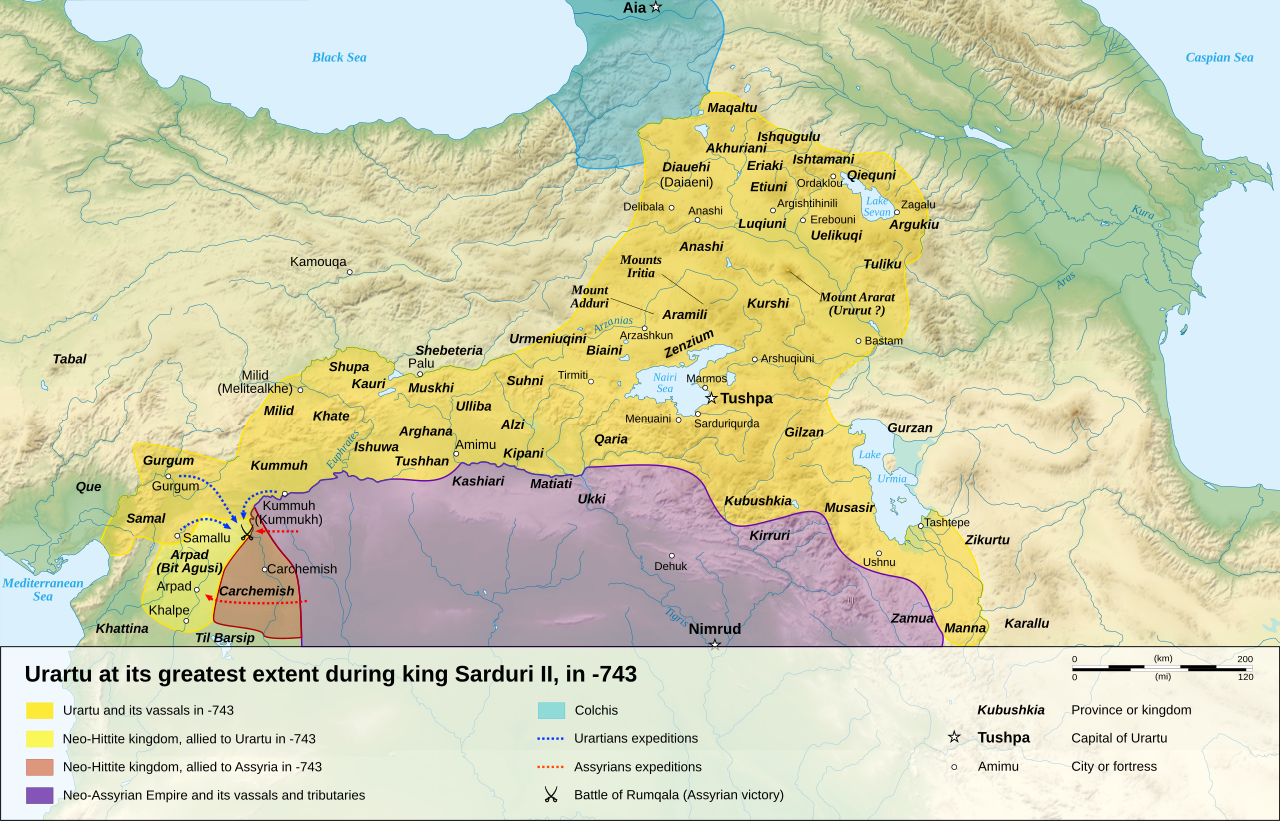
The Highlands: The kingdom spanned parts of modern-day Turkey, Armenia, Iran, and Azerbaijan, with its core located between Lake Van, Lake Sevan, and Lake Urmia.
Natural Defenses: Surrounded by high, jagged mountains, the region was a natural fortress. The harsh winters and rugged terrain made it exceedingly difficult for large Assyrian armies to invade, serving as a buffer against foreign conquest.
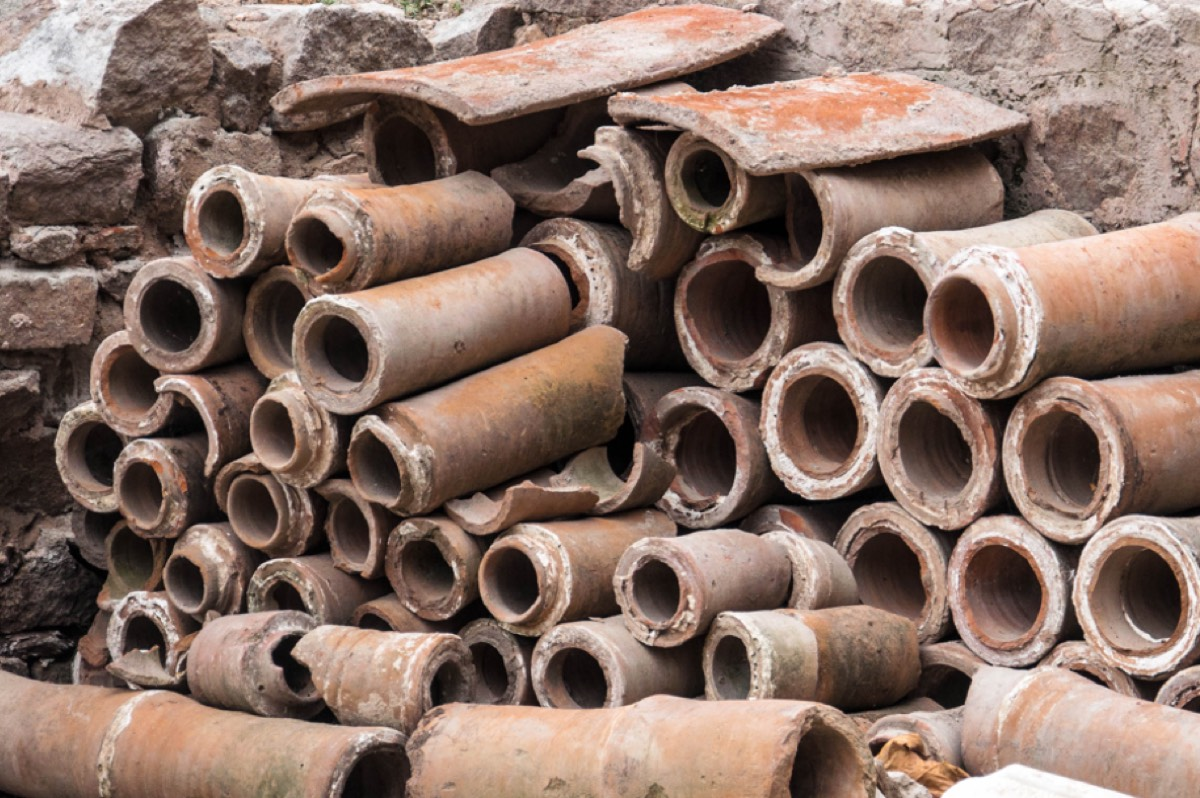
Agriculture and Infrastructure: Despite the modest amount of arable land, Urartians mastered hydraulic engineering. The Canal of Menua, a 45-kilometer stone aqueduct built in the 8th century BCE, still channels fresh water to the city of Van today.
2. Origins and Identity
While known to us as Urartu, the people who built the civilization had their own distinct identity.
The Name: "Urartu" is an Assyrian term derived from earlier geographic labels (and is the root of the biblical Ararat). The Urartians themselves referred to their kingdom as the land of Biainili.
Cosmopolitan Society: The population was a blend of different linguistic and ethnic groups—including Hurrian, Hittite, and early populations ancestral to the Armenians—united under a centralized government.
3. The Rivalry with Assyria
For over two centuries, Urartu and the Neo-Assyrian Empire engaged in fierce competition for trade routes, mineral wealth, and dominance over northern Mesopotamia and the Levant.
Buffer States: The region of Musasir acted as a religious and strategic prize, with both empires vying for control over its wealthy temple and local alliances.
Military Dominance: Under kings like Ishpuini and Menua, Urartu pushed its borders southward and westward, temporarily controlling crucial trade routes leading to the Mediterranean and cutting off Assyria's access to western iron supplies.
Citadels and Sieges: Although Assyrian kings campaigned deep into Urartu, they routinely failed to capture its high-altitude, heavily fortified citadels, which were virtually impregnable without advanced siege technology.
4. Advanced Metallurgy and Art
Urartu is renowned in the archaeological record for its master craftsmanship, particularly in bronze and iron.
Metalworking: Urartian artisans produced exceptional luxury items, including ornate bronze cauldrons, weapons, and horse harnesses, which were traded across the Mediterranean and the Near East.
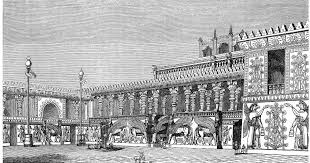
Architecture: They constructed massive stone fortresses at sites such as Tushpa (modern Van), Erebuni (in modern Armenia), and Teishebaini, featuring thick stone walls and massive storage facilities.
5. The Fall of the Kingdom
By the 7th century BCE, the constant wars with Assyria, combined with pressure from nomadic incursions from the north (such as the Scythians and Cimmerians), began to take their toll on the kingdom.
The state was eventually brought to an end in the early 6th century BCE (around 590–585 BCE).
The cultural and genetic legacy of the Urartians was absorbed into the emerging populations of the region, notably laying the foundations of the subsequent Armenian identity.