• MAIN PAGE
  • LATEST NEWS
    • Lost Cities
    • Archaeology's Greatest Finds
    • Underwater Discoveries
    • Greatest Inventions
    • Studies
    • Blog
  • PHILOSOPHY
  • HISTORY
  • RELIGIONS
    • Africa
    • Anatolia
    • Arabian Peninsula
    • Balkan Region
    • China - East Asia
    • Europe
    • Eurasian Steppe
    • Levant
    • Mesopotamia
    • Oceania - SE Asia
    • Pre-Columbian Civilizations of America
    • Iranian Plateau - Central Asia
    • Indus Valley - South Asia
    • Japan
    • The Archaeologist Editor Group
    • Scientific Studies
    • Aegean Prehistory
    • Historical Period
    • Byzantine Middle Ages
    • Predynastic Period
    • Dynastic Period
    • Greco-Roman Egypt
  • Rome
  • PALEONTOLOGY
  • About us
Menu

The Archaeologist

  • MAIN PAGE
  • LATEST NEWS
  • DISCOVERIES
    • Lost Cities
    • Archaeology's Greatest Finds
    • Underwater Discoveries
    • Greatest Inventions
    • Studies
    • Blog
  • PHILOSOPHY
  • HISTORY
  • RELIGIONS
  • World Civilizations
    • Africa
    • Anatolia
    • Arabian Peninsula
    • Balkan Region
    • China - East Asia
    • Europe
    • Eurasian Steppe
    • Levant
    • Mesopotamia
    • Oceania - SE Asia
    • Pre-Columbian Civilizations of America
    • Iranian Plateau - Central Asia
    • Indus Valley - South Asia
    • Japan
    • The Archaeologist Editor Group
    • Scientific Studies
  • GREECE
    • Aegean Prehistory
    • Historical Period
    • Byzantine Middle Ages
  • Egypt
    • Predynastic Period
    • Dynastic Period
    • Greco-Roman Egypt
  • Rome
  • PALEONTOLOGY
  • About us
No results found

The Olmec Influence: How the "Mother Culture" Shaped Mesoamerica

May 10, 2026

The Olmec Influence: How the "Mother Culture" Shaped Mesoamerica

Flourishing from roughly 1200 to 400 BCE in the tropical lowlands of south-central Mexico, the Olmec civilization is widely regarded as the foundational "mother culture" of Mesoamerica. While contemporary anthropologists often debate whether "mother culture" or "sister culture" better describes their relationship to later societies, the Olmec established a baseline of social, religious, and artistic practices that rippled through time.

Civilizations like the Maya, Zapotec, Teotihuacan, and Aztec all built upon the intellectual and cultural blueprint created by the Olmec.

1. Monumental Architecture and Urban Planning

The Olmec were the first in Mesoamerica to construct massive ceremonial centers and earthen pyramids, establishing an architectural tradition that defined regional city-states for millennia.

  • Ceremonial Centers: Sites like San Lorenzo and La Venta were oriented along specific axes, typically aligning with astronomical points. These complexes served as both religious centers and seats of elite power.

  • Earthen Mounds and Pyramids: The Olmec constructed massive clay platforms and the region's first known pyramid at La Venta, setting a precedent for the towering stone pyramids later built by the Maya and Teotihuacan.

2. Religious Iconography and Deities

Olmec art is deeply symbolic, and their pantheon of deities and supernatural beings was absorbed and adapted by subsequent cultures.

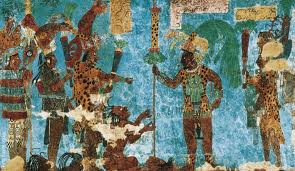
  • The Jaguar Motif: The Olmec frequently depicted a fusion of human and jaguar features, often called the "were-jaguar." This creature is linked to rain, fertility, and the earth, and it evolved into the powerful rain and lightning gods of later cultures (such as Tlaloc among the Aztecs and Chaac among the Maya).

  • The Feathered Serpent: Early Olmec art contains the foundational imagery of a feathered or plumed serpent, a deity that would eventually become one of the most prominent gods across Mesoamerica (Quetzalcoatl or Kukulcán).

3. Intellectual and Ritual Foundations

Beyond architecture and art, the Olmec pioneered systems of communication, timekeeping, and ritual that structured Mesoamerican life.

  • The Mesoamerican Ballgame: The Olmec are credited with developing the rubber ball and the earliest ball courts. The game held deep religious and political significance and was played in every major Mesoamerican civilization.

  • Writing and Calendrics: Recent discoveries, such as the Cascajal Block, indicate that the Olmec developed one of the earliest writing systems in the Americas. Furthermore, they utilized the 260-day ritual calendar, which became a core component of both Maya and Aztec timekeeping.

  • Monolithic Carving: The most famous Olmec artifacts are the massive basalt Colossal Heads, weighing up to 20 tons. These represent individual rulers and established the tradition of carving massive, individualized portraits of leaders in stone.

4. Trade and Exchange Networks

The spread of Olmec influence was not just ideological; it was actively maintained through vast trade networks that stretched from the Valley of Mexico to Central America.

  • Exotic Materials: The Olmec imported non-local materials such as jadeite, serpentine, obsidian, and iron ore (magnetite), processing them into exquisite ritual objects.

  • Diffusion of Style: "Olmecoid" pottery, figurines, and jade celts have been found far from the Gulf Coast, indicating that neighboring groups highly prized Olmec craftsmanship and sought to emulate their symbols of status.
Roman Mining in Spain: The Las Medulas Gold Mine and Hydraulic Power

May 10, 2026

Roman Mining in Spain: The Las Médulas Gold Mine and Hydraulic Power

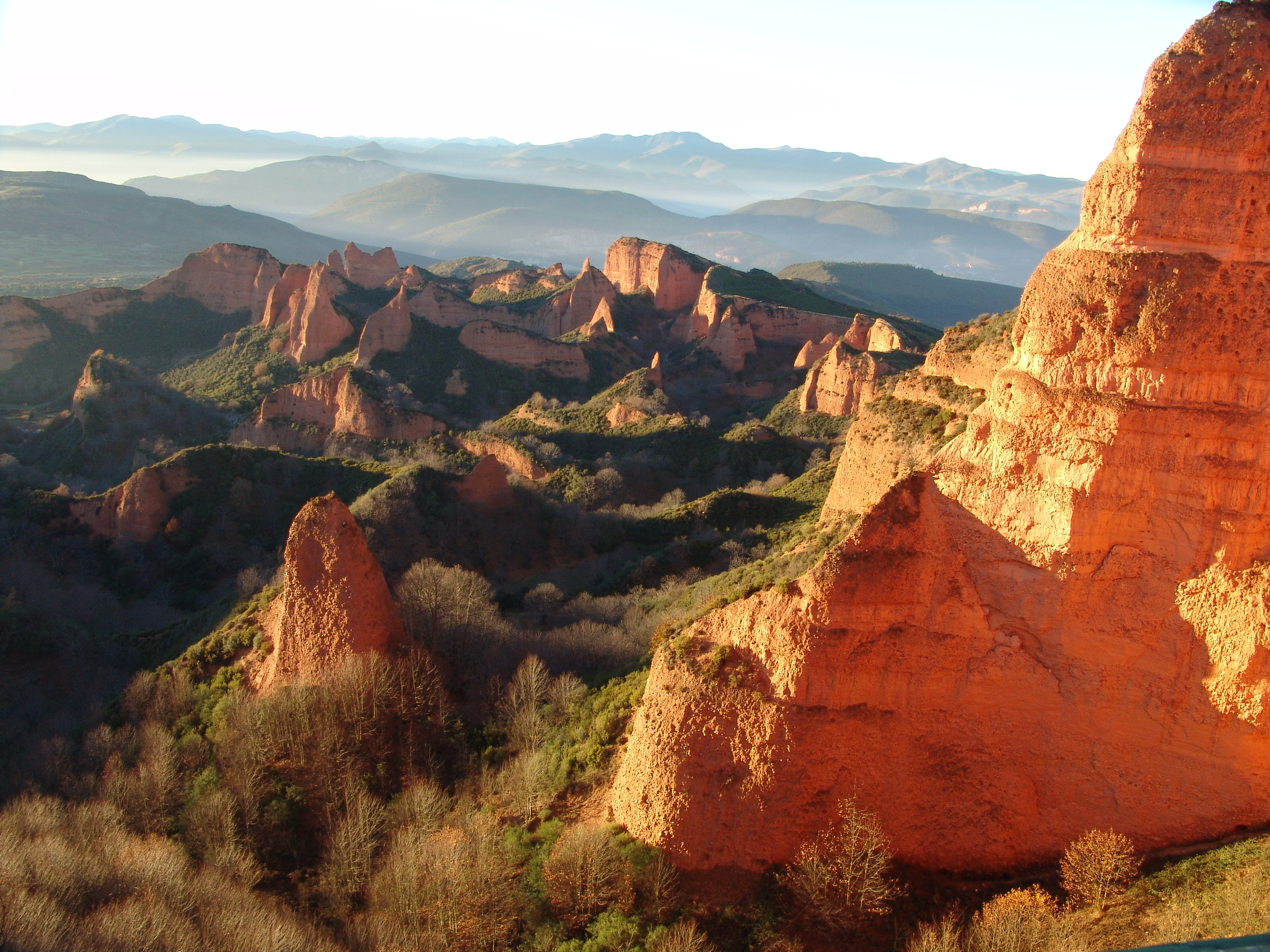
Located in the León province of northwestern Spain, Las Médulas is the largest open-pit gold mine in the Roman Empire. Following the conquest of the region by Emperor Augustus around 25 BCE, the Romans transformed a natural landscape into an industrial complex.

Rather than relying purely on manual excavation, the Romans used the erosive force of water to extract the gold, applying a technique known as ruina montium (the wrecking of the mountains).

1. The Mechanics of Ruina Montium

The mining process was described in detail by Pliny the Elder, who served as a procurator in the region around 74 CE. It combined tunneling and hydraulics.

  • Excavation of Galleries: Miners dug a vast, complex network of tunnels and shafts into the mountainside using oil lamps and hand tools.

  • Water Supply and Pressure: The Romans built huge reservoirs at high altitudes above the mountain, fed by an intricate network of aqueducts.

  • The Collapse: Once the reservoirs were full, the floodgates were released, sending immense torrents of water crashing into the vertical shafts. The build-up of hydraulic pressure and volume would fracture the rock from the inside, causing whole mountainsides to collapse into a heap of muddy sediment.

2. The Massive Hydraulic Network

To supply enough water to the site, the Romans designed and built an expansive aqueduct system across the surrounding mountain ranges.

  • Canal Network: More than $700 \text{ km}$ of canals were cut into the rock and built along the slopes of the mountains to capture meltwater and rainfall from the Sierra del Teleno and La Cabrera.

  • Slopes and Gradients: The canals maintained a precise and gentle gradient of 0.15% to 0.40% across varied geological formations, using tunnels through quartzite and stone retaining walls in slate regions.

  • Reservoir Basins: The water was stored in large, high-altitude collection basins (up to $18,000 \text{ m}^3$ capacity) to ensure a sudden, massive release of water.

3. Processing and the Resulting Landscape

Once the mountain collapsed, the slurry was washed through massive channels and sluice boxes to separate the gold from the waste rock.

  • Sluicing: The finer materials were washed over sloped tables with riffles to catch the heavy gold particles, while barren sediment was discarded into valleys.

  • Tailings and Lakes: The sheer volume of tailings altered local river drainage patterns. For example, it blocked the valley streams to form Lake Carucedo, a wetland near the site.

  • The Modern Landscape: The result of over two centuries of mining is a surreal landscape of red clay towers, steep cliffs, and canyons. The site was named a UNESCO World Heritage Site in 1997.

The Ancient Silk Road: How Buddhism Traveled from India to China

May 10, 2026

The Ancient Silk Road: How Buddhism Traveled from India to China

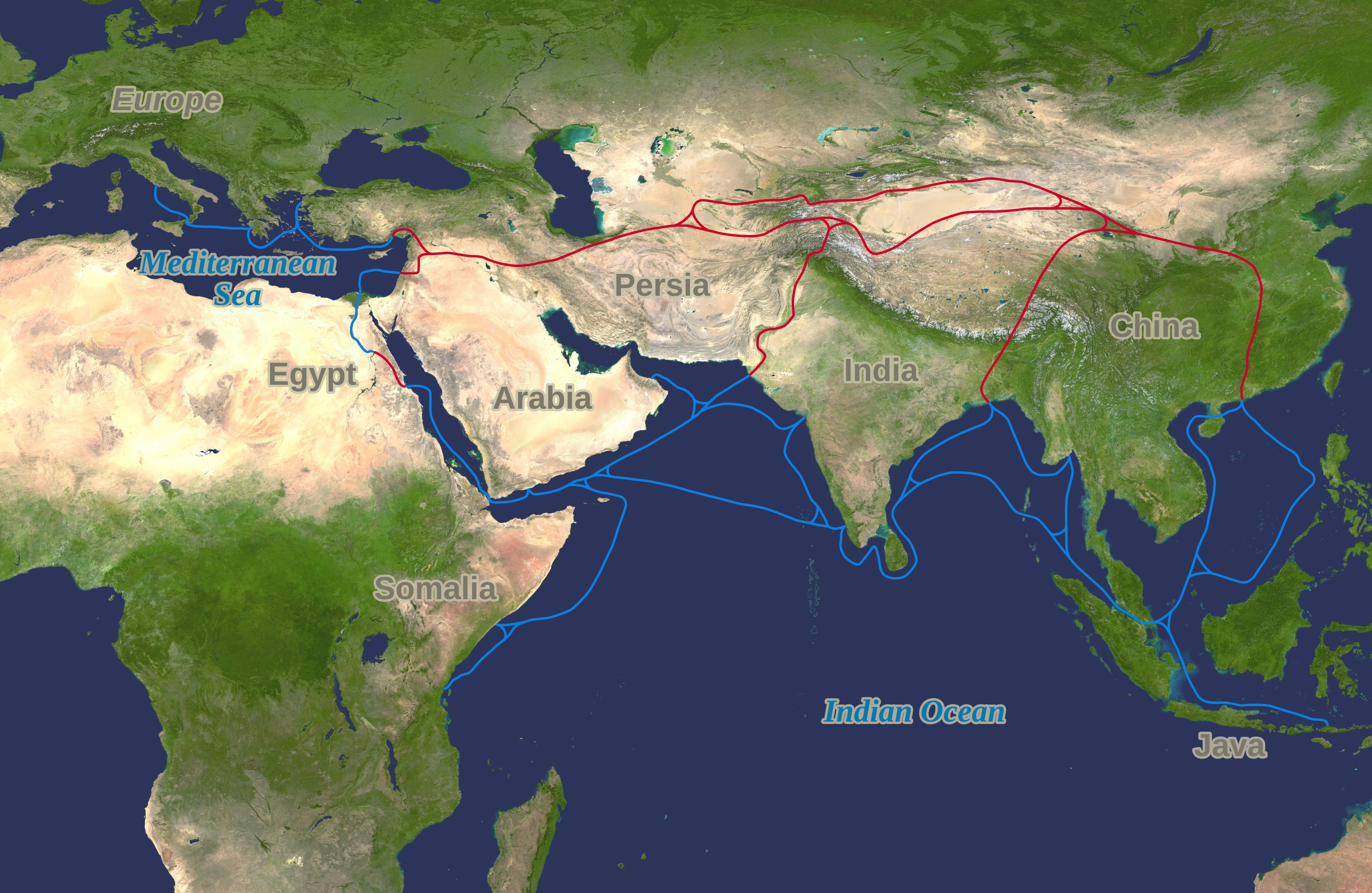
Buddhism originated in the eastern Indian subcontinent in the 6th century BCE. Over the next several centuries, it spread beyond its birthplace, primarily eastward to China. The transmission of Buddhism to China is one of the most transformative cultural exchanges in human history, facilitated heavily by the network of trade routes known as the Silk Road.

Rather than a single event, the journey of Buddhism was a gradual process of translation, adaptation, and cultural exchange along the desert oases of Central Asia.

1. The Routes of Transmission

The Silk Road split into two main branches around the Taklamakan Desert, flanking the Tarim Basin, before connecting to the Chinese imperial capitals of Chang'an and Luoyang.

  • The Northern Route: Passed through kingdoms like Kashgar, Aksu, Kucha, and Turpan before reaching the Dunhuang oasis. This route was heavily influenced by the translation work of early Central Asian monks.

  • The Southern Route: Traversed through Yarkand, Khotan, and Miran, eventually meeting the Northern Route at Dunhuang. Khotan was an early, powerful center of Mahayana Buddhism.

2. The Role of Monks and Merchants

The initial transmission was driven by a symbiotic relationship between traveling merchants and Buddhist monks.

  • The Merchants: Caravans traversed the dangerous desert terrain looking to trade silk, spices, and precious metals. To seek protection during difficult journeys, merchants patronized Buddhist monks, building cave shrines and monasteries along the way.

  • The Monks: Buddhist ascetics traveled alongside the caravans or established outposts at oasis trade stops. They brought texts, scrolls, and relics, transforming desert monasteries into vital rest stops and hospitals for travelers.

3. The Oasis Kingdoms and Dunhuang

As Buddhism moved along the trade routes, it passed through distinct cultural centers that acted as melting pots.

  • Kucha: An important kingdom in the Tarim Basin that became a thriving center of Buddhist culture, famed for its Sanskrit translations and monastic complexes.

  • The Mogao Caves (Dunhuang): Situated at the convergence point of the Silk Road branches in western China, Dunhuang became the premier treasury of Buddhist art. Beginning in the 4th century CE, monks, merchants, and local rulers began carving hundreds of cave temples into the cliffs, filling them with statues and murals that document the evolution of Buddhist iconography.

4. Linguistic and Philosophical Translation

The intellectual transition of Buddhism into China required translating concepts from Sanskrit and Prakrit into a Chinese language and philosophy rooted in Confucianism and Daoism.

  • Equivalence Strategy: Early translators used Daoist terminology to explain Buddhist concepts (e.g., using Dao "the Way" to translate Dharma "the teaching," and wuwei "non-action" for Nirvana).

  • The Translators: Master translators like Kumarajiva (who arrived in Chang'an in 401 CE) and the pilgrim-monk Xuanzang (who traveled to India in the 7th century CE) established highly precise translation bureaus. They standardized scriptures so that complex Indian philosophies could be understood in the Chinese imperial courts.

Viking Winter Camps: The Archaeology of the Great Heathen Army in England

May 10, 2026

Viking Winter Camps: The Archaeology of the Great Heathen Army in England

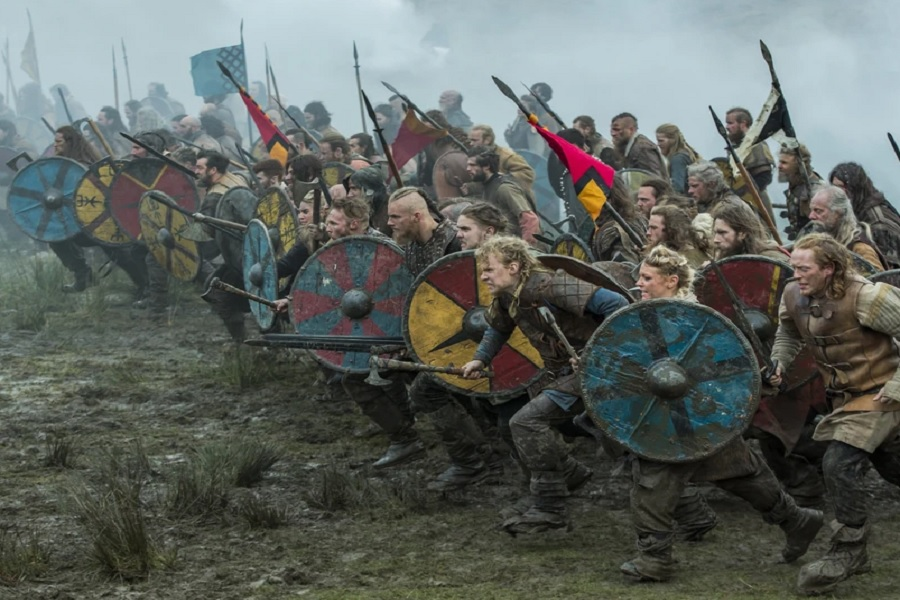
Starting in AD 865, a massive Scandinavian coalition known to the Anglo-Saxon Chronicle as the Great Heathen Army (micel here) launched an unprecedented invasion of England. Rather than engaging in short, seasonal coastal raids, the army adapted its strategy to campaign year-round. This operational shift relied heavily on establishing semi-permanent winter camps (wintersetl).

Archaeological investigations over the last few decades, particularly at Torksey and Repton, have revolutionized our understanding of these sites, revealing them not merely as military garrisons, but as bustling, self-sustaining communities on the move.

1. The Camps: Torksey and Repton

For a long time, historians relied solely on written texts, but recent archaeological excavations have uncovered the physical footprint of the Great Army's winter bases.

  • Repton (Derbyshire, AD 873–874): Excavated between 1974 and 1993, this camp was situated along the River Trent and fortified with ditch-and-bank earthworks. The site contained a mass grave holding the remains of nearly 300 individuals, many bearing violent injuries, alongside weaponry and gaming pieces.

  • Torksey (Lincolnshire, AD 872–873): Recent excavations have shown that the camp covered an enormous 136-acre expanse—far larger than previously thought. Located on a natural island on the banks of the River Trent, the site was surrounded by marshes rather than heavy stone or earthen defenses.

2. Logistics, Economy, and Daily Life

The archaeological assemblages found at winter camps suggest that the Vikings did not hunker down in isolation. Instead, they transformed these sites into economic hubs.

  • Bullion Economy: A high concentration of hacksilver (cut-up silver pieces) and hackgold, along with over 350 lead weights and hundreds of early medieval coins (including Arabic dirhams), indicates a thriving bullion-based economy and active trade with local populations.

  • Crafting and Industry: Archaeologists found evidence of metal casting, textile production (spindle whorls), and equipment repairs. This portrays an army accompanied by families, craftspeople, and merchants.

  • Leisure: The discovery of numerous lead gaming pieces and dice suggests that the warriors engaged in board games and pastimes during the harsh winter months.

Historical Note: The massive influx of Islamic silver dirhams found at Torksey suggests strong trade networks extending as far as the Near East, demonstrating that the army's reach was highly international.

3. Strategic Placement and Military Tactics

The selection of winter camp locations was deeply tied to mobility and geographical advantages.

  • Waterways: Both major camps were situated directly on the River Trent, providing direct access to the North Sea and inland waterways for their fleets.

  • Horses and Raids: The Great Heathen Army acquired horses from the local Anglo-Saxon populations, allowing them to transform into a highly mobile mounted force. The camps acted as a base from which to launch inland raids and secure tribute.

The Rosetta Stone’s Rivals: Other Multi-Lingual Decrees of Ancient Egypt

May 10, 2026

The Rosetta Stone’s Rivals: Other Multi-Lingual Decrees of Ancient Egypt

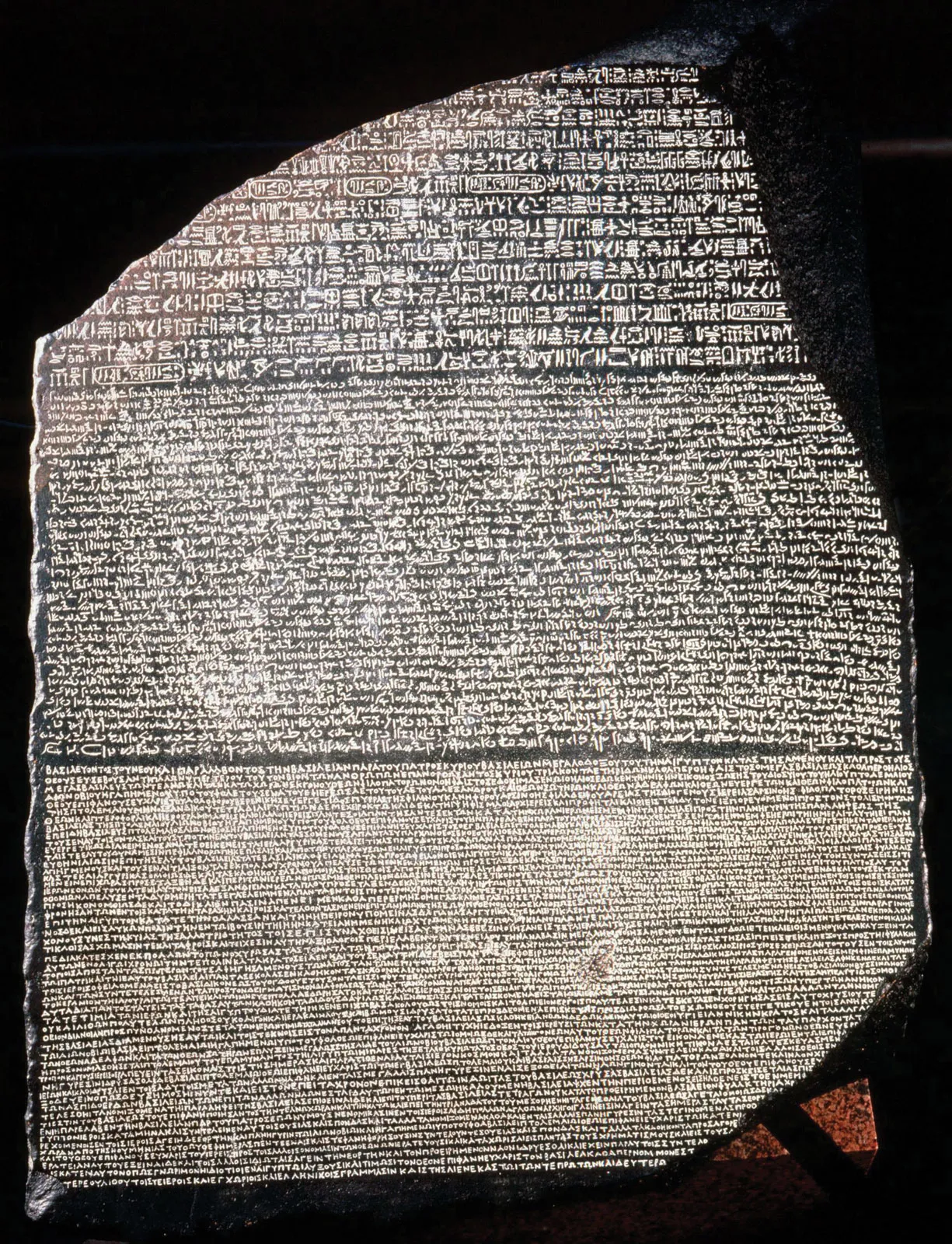
While the Rosetta Stone is world-famous for unlocking the secrets of Egyptian hieroglyphs, it is actually not a unique artifact. It is part of a larger series of mass-produced, multilingual inscriptions known as the Ptolemaic sacerdotal decrees.

These decrees were issued by assemblies of Egyptian priests to honor the Ptolemaic pharaohs, and copies were distributed and displayed in major temples across Egypt. Long before the discovery of the Rosetta Stone, earlier decrees used the same trilingual and multiscript formula to communicate royal messages in Hieroglyphs, Demotic, and Ancient Greek.

1. The Decree of Canopus (238 BCE)

Predating the Rosetta Stone by more than 40 years, the Decree of Canopus was issued during the reign of Ptolemy III Euergetes and his wife, Queen Berenice.

  • The Inscription: The stele is carved with a decree in three writing systems: Egyptian hieroglyphs, Demotic script, and Ancient Greek.

  • Historical Significance: The text touches on significant events, including the return of looted religious statues from the Persian empire, famine relief, and a calendar reform that introduced the concept of the leap year (adding a quarter day every four years).

  • Recent Discoveries: In 2024, archaeologists in the Sharqia governorate of Egypt discovered a near-perfect unilingual copy of this decree, adding to our understanding of the priests' alliance with the monarchy.

2. The Decree of Alexandria (243 BCE)

As the earliest in the known series of these Ptolemaic decrees, the Decree of Alexandria was proclaimed during the early reign of Ptolemy III.

  • Purpose: It honors the king and queen for their benefactions to the temples and their efforts to maintain order.

  • Distribution: Like its successors, it was designed to be publicly posted in temples to legitimize the Greco-Macedonian rulers in the eyes of the native Egyptian population.

3. The Raphia Decree (217 BCE)

Issued under the reign of Ptolemy IV Philopator, this decree commemorates the king’s victory against the Seleucid Empire at the Battle of Raphia.

  • Content: It lavishes praise on Ptolemy IV and outlines his support for traditional Egyptian religious practices and temples. The text highlights how the royal house negotiated authority with the Egyptian priesthood to ensure regional stability.

4. Sister Copies of the Memphis Decree (The Rosetta Stone Series)

The text inscribed on the Rosetta Stone is officially known as the Memphis Decree, issued in 196 BCE under Ptolemy V. The Rosetta Stone is only one surviving fragment of this decree. Several other copies or near-copies have been found:

  • The Nubayrah Stele: Discovered in the 1880s, this stele carries much of the same text and helped scholars fill in the missing passages of the damaged hieroglyphic section on the Rosetta Stone.

  • The Taposiris Magna Stele: Discovered in 2023, this stele is inscribed with the Memphis Decree. Dated two years earlier than the Rosetta Stone's inscription, it focuses on the king's donations to the goddess Isis.

Ancient Celtic Chariots: The Technology of the Iron Age Warriors

May 10, 2026

Ancient Celtic Chariots: The Technology of the Iron Age Warriors

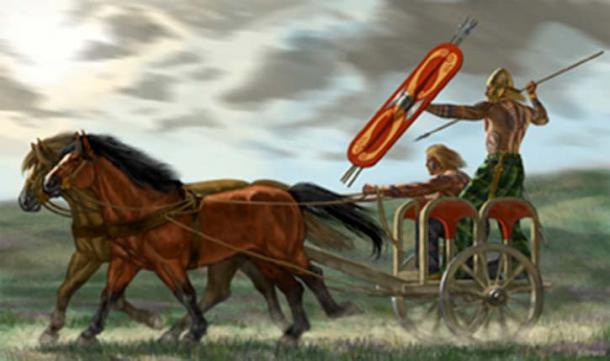
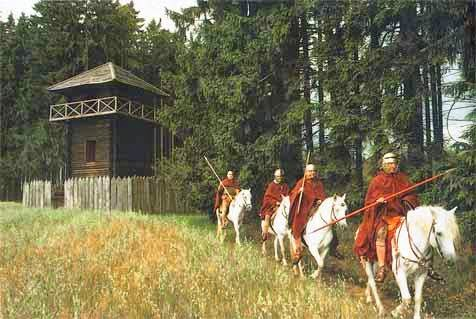
Developed during the Iron Age, the Celtic war chariot is one of the most iconic symbols of ancient Celtic warrior culture. Mentioned by classical authors like Julius Caesar and described extensively in early Irish and British folklore, these fast, two-wheeled conveyances were not merely crude carts, but advanced triumphs of material engineering and powerful status symbols for the warrior elite.

1. The Design and Construction of Celtic Chariots

The design of the Celtic chariot—often called a carbad in early Irish literature—relied on lightweight, flexible materials that could absorb the shock of navigating rugged, uneven terrain.

  • Materials: The framework was typically constructed from flexible hardwoods like ash and oak. Wickerwork was often used for the sides of the chariot box (cret) to keep the weight to a minimum while maintaining structural integrity.

  • Joints and Suspension: Instead of using rigid metal nails or adhesives, builders bound the joints using wet rawhide. As the rawhide dried and shrank, it tightened, creating a highly durable, shock-absorbing frame.

  • Spoked Wheels: The wheels were a significant technological achievement, featuring up to 12 to 14 wooden spokes set into a bent-wood rim. Iron tires were heat-shrunk around the wooden wheel, clamping the structure tightly and protecting the wood from abrasion and rocky ground.

2. Battlefield Tactics and Social Function

Rather than functioning as heavy shock-cavalry or front-line battering rams, the Celtic chariot served primarily as a mobile, high-speed transport platform for elite warriors.

  • The Two-Man Crew: A typical chariot carried a driver (charioteer) and a warrior. The driver was responsible for maneuvering the horses, while the warrior engaged in combat.

  • Hit-and-Run Tactics: As documented by Julius Caesar during his campaigns in Britain, Celtic warriors would ride up and down the battle lines throwing javelins to disrupt the enemy's ranks. When the warrior wished to engage in close combat, they would dismount, fight with a long sword, and return to the chariot for a rapid escape.

  • A Symbol of Prestige: Maintaining a chariot, the harness gear, and a dedicated team of horses was extraordinarily expensive. Chariots served as a visual testament to the wealth and status of the Celtic aristocracy.

3. Artistic Adornment and Fittings

The fittings of the chariot and its horses were highly decorated, featuring the intricate, curvilinear motifs characteristic of La Tène art.

  • Harness Gear and Linchpins: The wheels were secured by linchpins made of iron or bronze, sometimes forged with stylized animal shapes or inlaid with coral and red enamel.

  • Acoustic Impact: The rumble of iron tires and the clatter of metal decorations added psychological weight to a chariot's approach, announcing the status of the warrior long before they reached the front line.

4. Archaeological Discoveries

While organic materials like wood rot quickly in acidic soil, vital components such as iron tires, linchpins, and bronze harness rings are regularly preserved in both continental Europe and the British Isles.

  • The Newbridge Chariot: Unearthed near Edinburgh, Scotland, this 5th-century BCE find is the oldest known chariot burial discovered in Britain. The burial rite and construction details mirrored similar elite graves in France and Belgium.

The Temple of the Feathered Serpent: Ritual Sacrifice in Teotihuacan

May 10, 2026

The Temple of the Feathered Serpent: Ritual Sacrifice in Teotihuacan

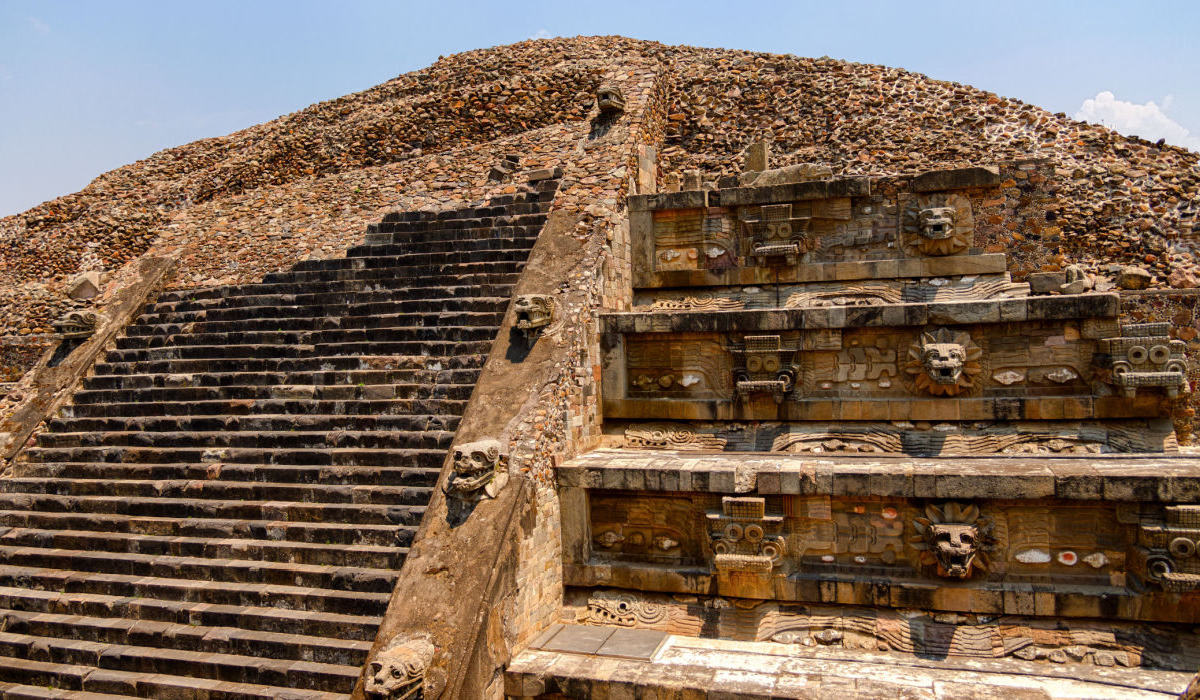
Located in the ancient Mesoamerican city of Teotihuacan, the Temple of the Feathered Serpent (also known as the Quetzalcoatl Pyramid) is one of the most striking and enigmatic architectural monuments in the Americas. Built around 200 CE, this six-tiered step pyramid is renowned not only for its intricate architectural design but also for the massive evidence of ritual sacrifice discovered within its structure, which sheds light on the state-sponsored ideology and cosmic beliefs of the Teotihuacan civilization.

1. Architecture and Iconography

The temple’s exterior is an exceptional example of monumental sculpture integrated into architecture. The façade features a repeating pattern of stone carvings that project outward, representing two distinct deities.

  • The Feathered Serpent: Alternating with the second deity, these sculptures depict a serpent adorned with elaborate, sweeping feathers, representing a primordial creator and rain-bringing deity.

  • The Goggle-Eyed Deity: Paired with the serpent is a fierce, fanged deity with large, circular eyes. Historically identified as Tlaloc (the rain god), many contemporary archaeologists now associate it with the Teotihuacan War Serpent, which symbolizes warfare, solar power, and state authority.

2. The Evidence of Mass Sacrifice

During extensive excavations in the 1980s, archaeologists discovered that the construction of the pyramid was accompanied by a series of massive dedicatory sacrifices. The victims were buried in groups at the four cardinal corners and the center of the structure.

  • Positioning of the Victims: Over 200 skeletons were found with their hands bound behind their backs, indicating they were captives or sacrificial offerings. They were arranged symmetrically, often facing outward.

  • Status and Attire: The victims wore necklaces made of real human maxillae (upper jawbones) and animal teeth, as well as greenstone and shell ornaments, suggesting they were individuals of high status or captured enemy warriors.

  • Burial Goods: The graves contained a vast array of high-value offerings, including obsidian blades, stingray spines, and pottery, which were intended to accompany the victims into the afterlife.

3. Meaning and Sociopolitical Function

The sacrifices at the Temple of the Feathered Serpent were not random; they were highly orchestrated, state-sanctioned events designed to legitimize the ruling class and maintain cosmic balance.

  • Dedicatory Rituals: The mass burials are thought to correspond to the inauguration or expansion of the pyramid. Each phase of construction was marked by the spilling of blood to consecrate the site.

  • Military Propaganda: The presence of individuals from foreign regions suggests that the sacrifices were a display of Teotihuacan's military dominance, using ritual violence to intimidate rivals and unite the multi-ethnic population of the city under one belief system.

4. The Teotihuacan Worldview

The architecture of the pyramid was designed to replicate a sacred mountain—a physical and spiritual axis linking the underworld, the earth, and the heavens. The sacrifice of human lives was seen as a necessary transaction between the gods and humanity to ensure the continuation of agricultural fertility, rainfall, and the cosmic order.

Roman Mosaic Floors: Decoding the Mythology of the Zeugma Site

May 10, 2026

Roman Mosaic Floors: Decoding the Mythology of the Zeugma Site

Located on the banks of the Euphrates River in modern-day Gaziantep, Turkey, the ancient city of Zeugma was a crucial crossing point and a vibrant multicultural hub of the Roman Empire. Named after the Greek word for "bridge" or "crossing," Zeugma became a wealthy residential center where Roman officers and merchants built lavish villas.

The floors of these villas were adorned with exquisite, narrative-rich mosaics that served not only as status symbols but also as a visual library of Greco-Roman mythology, beliefs, and local geography.

1. The Mythological Narratives

The mosaics of Zeugma depict complex and lively mythological stories, with artists using perspective and vibrant color to bring ancient tales to life.

  • Oceanus and Tethys: Found in the shallow pool of the House of Oceanus, this stunning mosaic depicts Oceanus (the god of all river gods) and his wife, Tethys (the titan goddess of freshwater springs). They are surrounded by sea creatures, dolphins, and Erotes. The mythical dragon Cetus is placed between the couple, symbolizing the neighboring Euphrates River.

  • Achilles Revealed on Skyros: Located in the Poseidon Villa, this intricate floor mosaic captures the moment Odysseus tricks Achilles into revealing his true identity. To prevent him from going to the Trojan War, his mother disguised Achilles as a woman, but Odysseus placed weapons among the women's items, causing the hero to instinctively reach for a sword.

  • Akratos and Euphrosyne: Discovered near the famous "Gypsy Girl" mosaic, this composition features Akratos (the personification of the sacred cup or spirit) offering wine from a divine source to Euphrosyne, the water fairy and goddess of merriment, emphasizing abundance and hospitality.

2. The Iconic "Gypsy Girl"

The most recognizable piece of art from the site, the "Gypsy Girl" (Çingene Kızı), is highly debated among archaeologists and historians:

  • The Identity: Some scholars suggest the figure is a Maenad—a female follower of Dionysus—due to the vine leaves painted nearby. Others argue it is the Titaness Gaia, the goddess of the Earth, or even a portrait of Alexander the Great.

  • Artistic Technique: The figure's expressive eyes are drawn using a technique that gives them an intense, three-dimensional gaze. Her eyes seem to follow the viewer across the room, much like the Mona Lisa.

3. Materials, Techniques, and Design

The Zeugma mosaics were not just decorative; they were designed for the specific spaces they occupied, often interacting with the architecture and the water features of the villas.

  • Tesserae: The pieces are made of carefully cut natural stone and glass in various colors, giving the scenes high definition and vibrant hues.

  • Architectural Integration: Many mosaics were designed to be viewed from specific angles within a peristyle courtyard or as the decorative floor of an impluvium (water pool). When the shallow pools were filled with a few inches of water, the wave motifs along the borders created a dynamic optical illusion.

4. Rescue and Preservation

In the late 1990s, the construction of the Birecik Dam threatened to submerge the archaeological site under the Euphrates River. Rushed rescue excavations unearthed a vast treasure trove before the waters rose.

  • The Museum: Today, most of the mosaics are displayed at the Gaziantep Zeugma Mosaic Museum, the largest mosaic museum in the world.

The Monumental Rebirth of the Kasta Tumulus at Amphipolis

May 10, 2026

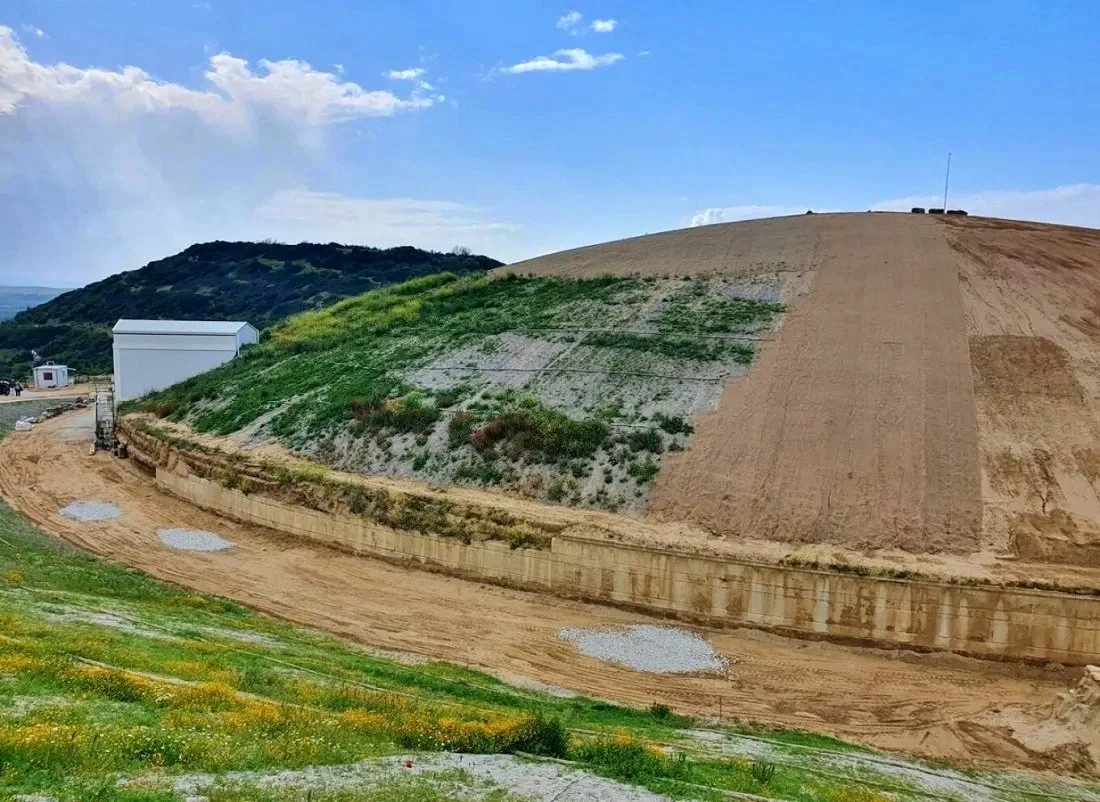
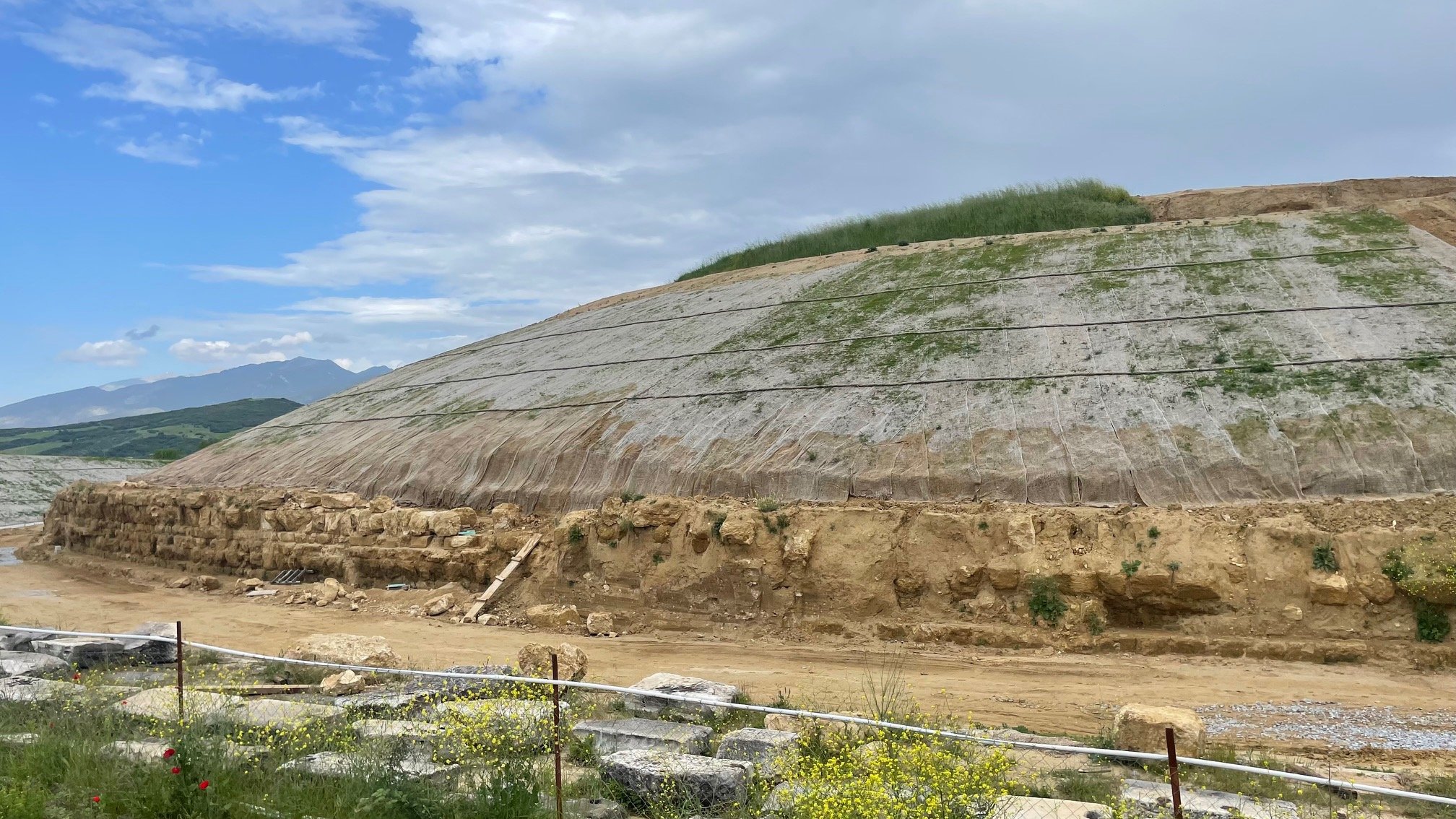
After fourteen years of excavations, conservation work, and large-scale restoration efforts, the monumental enclosure of the Kasta Tumulus at Amphipolis has now been revealed almost in its entirety, offering for the first time a complete sense of the monument’s true scale and geometry. The renewed image of the funerary complex is striking, as visitors can now walk around the circular enclosure and fully appreciate its immense dimensions, architectural precision, and luxurious construction, elements that confirm the monumental character of one of the most important funerary structures of ancient Macedonia. With a diameter exceeding 140 meters, the tumulus is now considered the largest Hellenistic burial mound ever uncovered, while restoration works continue with the contribution of archaeologists, architects, engineers, and major research institutions.

During her on-site inspection, Minister of Culture Lina Mendoni described the monument as “magnificent,” emphasizing that the latest scientific evidence confirms its dating to the last quarter of the 4th century BC, directly linking it to the era of Alexander the Great and the immense wealth flowing into the Macedonian kingdom during that period. At the same time, plans are advancing for the creation of a new museum space and modern visitor infrastructure, with the goal of opening the Kasta Tumulus fully to the public by early 2028. The overall project, with a budget exceeding 15 million euros, aims to establish Amphipolis as one of the leading archaeological destinations in Greece and the wider Mediterranean.

The Discovery of Troy: How Schliemann’s Obsession Changed Archaeology

May 6, 2026

The Discovery of Troy: How Schliemann’s Obsession Changed Archaeology

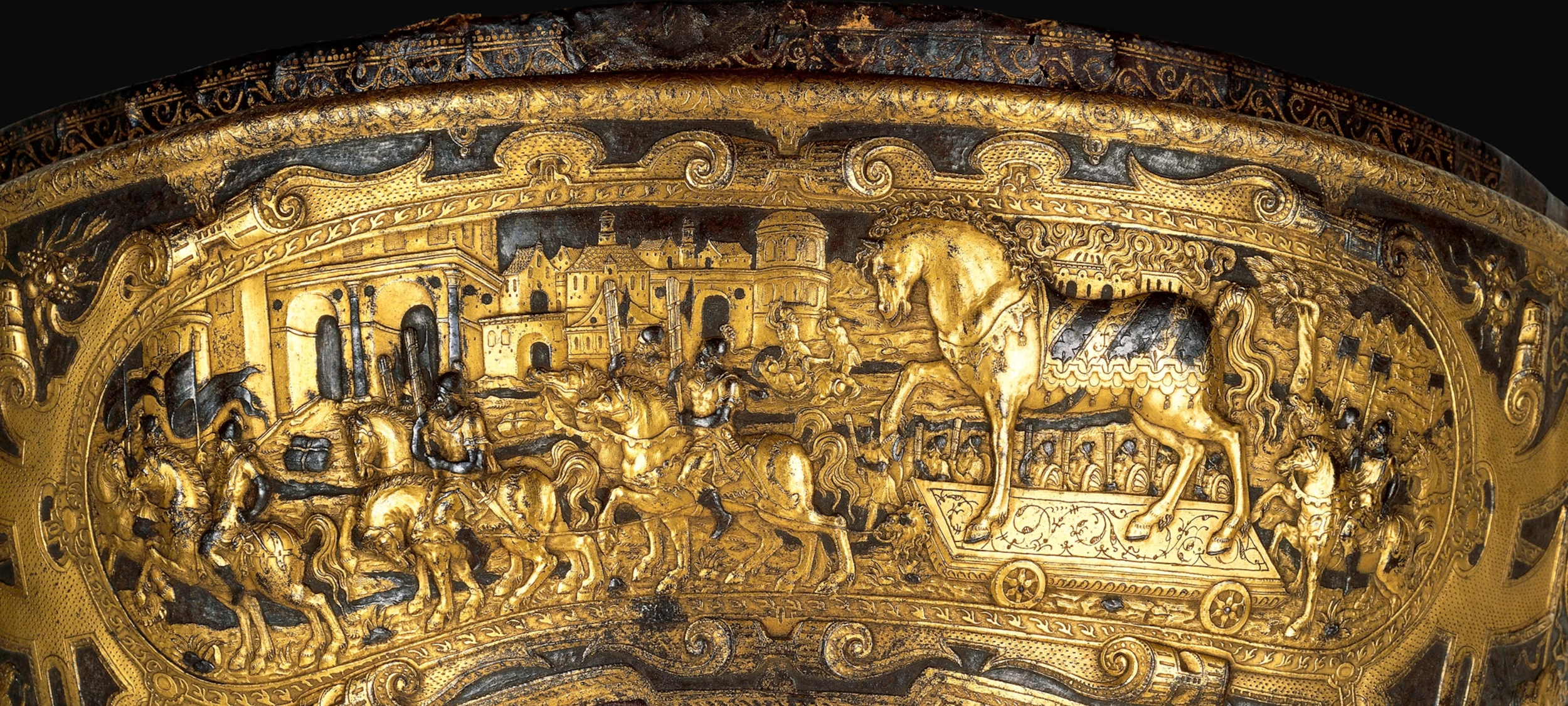
For centuries, the story of the Trojan War and the city of Troy were widely considered by modern historians to be nothing more than myth and poetic invention by Homer in the Iliad. That all changed in the 1870s when a wealthy German businessman and amateur archaeologist named Heinrich Schliemann set out to prove that the legends were rooted in historical fact. His relentless, albeit controversial, obsession not only located the ancient site of Troy but laid the groundwork for modern field archaeology.

1. The Boyhood Obsession and the Search

From a young age, Schliemann was captivated by the epic tales of the Trojan War. While many viewed the Iliad as pure fantasy, he believed that the cities described in the poems were real places waiting to be found.

  • The Shift in Location: Initially, scholars and local experts (including British archaeologist Frank Calvert) debated the site of ancient Troy. While many favored the hilltop of Pınarbaşı, Calvert identified the mound of Hisarlık in northwestern Turkey as the true location and convinced Schliemann to fund the excavations.

  • The Excavations Begin: In 1870, Schliemann began exploratory soundings at Hisarlık, using his immense personal fortune to hire a large labor force of 80 to 160 workers.

2. Excavation Methods and "Schliemann's Trench"

Schliemann's approach to the site was far from scientific by modern standards and resulted in significant destruction to the archaeological record.

  • The Great Trench: To reach the lowest levels of the tell (the artificial mound formed by centuries of habitation), Schliemann cut a massive 17-meter (56-foot) gash, known today as Schliemann's Trench, straight through the center of the site.

  • Destroyed Evidence: In his rush to reach the bottom layer, which he assumed must be the Homeric Troy, his workers cleared away and discarded structures and layers that belonged to later, historically important periods.

3. Priam's Treasure and Controversy

In May 1873, Schliemann’s team uncovered a spectacular cache of gold, bronze, and silver artifacts near the defensive walls, which he named "Priam's Treasure."

  • The Artifacts: The hoard included diadems, golden pendants, and thousands of pieces of intricately worked gold, which Schliemann claimed belonged to the mythical King Priam of Troy.

  • Smuggling and Media Sensationalism: Eager to protect his finds from the Ottoman authorities, Schliemann smuggled the treasure out of Turkey into Greece. The resulting international scandal brought immense media attention to his discoveries.

  • Dating Discrepancies: Modern archaeologists later determined that the treasure dates to roughly 2500 BCE, over a thousand years before the time of the Late Bronze Age Trojan War.

4. The Legacy: From Treasure Hunting to Stratigraphy

Although Schliemann's methods were often destructive, his work revolutionized archaeology by shifting the focus from mere classical antiquities to the exploration of early prehistoric civilizations.

  • Refining the Science: Following Schliemann's initial excavations, experts like Wilhelm Dörpfeld and later Carl Blegen introduced rigorous stratigraphic recording methods.

  • The Real Homeric Troy: Dörpfeld correctly identified Troy VI and Troy VIIa as the most likely candidates for the Late Bronze Age city of the Trojan War, which aligned with the Mycenaean period.

Ancient Sumerian Cylinder Seals: The Tiny Masterpieces of Mesopotamia

May 6, 2026

Ancient Sumerian Cylinder Seals: The Tiny Masterpieces of Mesopotamia

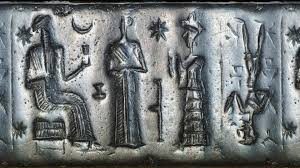
Invented in the late 4th millennium BCE in ancient Mesopotamia (primarily at sites like Uruk and Susa), the cylinder seal is one of the most distinctive and important artifacts of the Sumerian civilization. Ranging from one to two inches in height, these tiny, finely carved stone cylinders were used to roll an impression onto a two-dimensional surface, generally wet clay.

They are widely regarded by art historians as the most characteristic object of the era, functioning as miniature works of art, signatures, and administrative tools.

1. Materials and Craftsmanship

The creation of a cylinder seal was a highly specialized craft. The stones used had to be carefully shaped, drilled through the center to be worn on a necklace or cord, and intricately carved.

  • Materials: Because Mesopotamia lacked an abundance of good stone, raw materials were imported from distant regions. Seals were carved from a variety of stones, including lapis lazuli (imported from modern-day Afghanistan and highly prized for its vibrant blue color), hematite, serpentine, and carnelian.

  • Technique: Seal carvers worked in intaglio, meaning the design was cut into the hard stone in reverse and in the negative. When the cylinder was rolled across wet clay, it produced a raised, positive relief image.

2. Purpose and Function

Sumerian cylinder seals served several vital roles in both daily economic life and the spiritual world:

  • Administrative Signatures: As bureaucracy and trade expanded, the seals acted as an individual's personal signature to authenticate clay tablets, contracts, and receipts.

  • Security and Property Protection: They were impressed upon lumps of clay (sealings) used to secure the knots of storage room doors or the lids of jars, ensuring that goods were not tampered with.

  • Jewelry and Amulets: Because of their beauty and the prestige of the materials, they were worn as high-status jewelry or protective amulets to ward off evil spirits. Many have been discovered as grave goods in elite burials.

3. Artistic Themes and Iconography

The tiny surfaces of the seals feature an astonishing level of detail. The designs provide historians with an unparalleled look into the mythology, daily life, and religious concepts of ancient Sumer.

  • Mythological and Religious Scenes: Common subjects include deities, priests, or mythological heroes, such as the legendary King Gilgamesh.

  • Banquet Scenes: Depictions of elite individuals seated together, drinking, and being served by attendants.

  • Contest Scenes: Stylized depictions of heroes and animals—such as lions and bulls—battling mythical beasts.

The Nazca Puquios: Ancient Hydraulic Systems That Still Work Today

May 6, 2026

The Nazca Puquios: Ancient Hydraulic Systems That Still Work Today

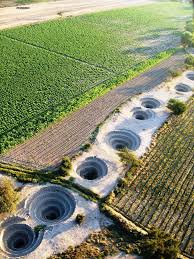
Built between 300 and 600 CE in the hyper-arid coastal desert of southern Peru, the puquios are a masterful network of underground aqueducts, surface channels, and reservoirs developed by the ancient Nazca culture. Located just a few miles from the famous and mysterious Nazca Lines, the puquios represent a triumph of practical engineering that allowed the civilization to transform an arid landscape into a green, habitable valley.

Remarkably, more than 30 of these ancient aqueducts are still functioning and providing water today.

1. The Design and Architecture of the System

The puquios are essentially filtration galleries designed to tap into underground aquifers and guide the water to where it is needed without significant loss to evaporation.

  • Underground Galleries: The core of the system consists of underground channels dug into the gravelly alluvial fans of the Andean foothills. They typically measure 50 to 80 cm wide and up to 1.5 meters high, lined with river cobbles and built without mortar to allow water to filter in slowly and naturally.

  • Open Trenches: As the tunnels approach settlements and cultivated fields, they transition into open, stone-lined trenches (socavón) where the water re-emerges at the surface.

  • Reservoirs (Cochas): The open canals empty into small, stone-lined reservoirs or pools, which serve as distribution points for drinking water and crop irrigation.

2. The Ojos (The Spiral Eyes)

One of the most striking features of the puquios is the presence of large, funnel-shaped, spiraling wells known locally as ojos (eyes) that dot the desert floor.

  • Maintenance Access: The wide, corkscrew design allowed workers to climb down into the deep subterranean tunnels for regular desilting and maintenance.

  • Ventilation and Pumping: Studies, particularly those led by researchers using satellite imagery, revealed an ingenious secondary function. The funnel shape of the ojos and their alignment with the prevailing desert winds catch and force air into the underground tunnels. This increases air pressure inside the channels, acting as a natural, wind-driven pump to push water through the system.

3. Construction and Materials

To withstand millennia of seismic activity and climate shifts, Nazca engineers chose highly durable, locally sourced materials:

  • River Boulders: The tunnels and trench walls are lined with smooth, round river boulders without the use of mortar. This porous structure prevents the soil from collapsing while still allowing subsoil water to percolate into the channel.

  • Traversing Slopes: The system relies on a gentle gradient (averaging 1.4%) to maintain a constant, controlled water flow velocity, preventing soil erosion or flooding.

4. Climate Resilience and Modern Utility

The puquios offer a remarkable lesson in sustainable water management:

  • Insensitivity to Precipitation: Because the system taps into deep groundwater aquifers rather than relying on surface rainfall, it provides a consistent water supply even through prolonged droughts.

  • Community Management: The ongoing maintenance of the puquios relies on community cooperation, ensuring that access to the life-giving water is managed democratically and sustainably across generations.

Roman Military Camps: Life on the Limes of the Danube River

May 6, 2026

Roman Military Camps: Life on the Limes of the Danube River

The Danube Limes (Donaulimes) formed a crucial defensive and cultural frontier of the Roman Empire, spanning over 2,000 kilometers from Bavaria to the Black Sea. Far from being just a defensive barrier, the Danube border was a bustling, interconnected economic zone where soldiers, merchants, and local populations interacted daily.

1. The Danube Frontier Network

The term limes originally referred to a border path before evolving to describe a comprehensive network of pathways, fortifications, and river barriers securing the empire. On the Danube, this was known as the "Wet Limes."

  • The Defense System: The frontier was composed of legionary camps (castra), smaller auxiliary forts (castella), and watchtowers placed 10 to 30 kilometers apart to maintain visual communication and rapid signaling.

  • The Infrastructure: A major military road, the Via Istrum, ran alongside the river, linking the military outposts and allowing for rapid deployment and resupply.

  • Major Bases: Key outposts included Carnuntum and Vindobona (modern-day Vienna) in Austria, as well as Lauriacum (Enns) and Castra Regina (Regensburg).

2. Architecture and Layout of the Camps

Roman military camps were engineered with strict geometric precision, establishing order in the wilderness:

  • Standardized Layout: Modeled after a playing-card shape with rounded corners, the camp was divided by two main intersecting roads: the via principalis and the via praetoria.

  • Key Facilities: The interior included the commander’s residence (praetorium), the administrative center (principia), the granaries (horrea), and the military hospital (valetudinarium).

  • Construction Evolution: The camps began as wood-and-earth ramparts. Under Emperor Trajan and his successors, they were reinforced with solid stone walls to withstand sieges and harsh winters.

3. Life and Duties on the Limes

Life in these frontier fortresses was highly organized and demanding, shaped by rigorous military routine and the realities of the borderlands:

  • Daily Routines: Soldiers alternated between building infrastructure, gathering supplies, rigorous training, and standing watch at the border outposts.

  • The Living Quarters: A standard infantry century consisted of 80 men living in a barrack block, divided into ten units of eight men (contubernium). Each unit shared a pair of rooms—one for sleeping and cooking, and another for equipment storage.

  • Auxiliary Troops: Alongside Roman legionaries, auxilia (non-citizen troops) were stationed on the border. After 25 years of service, these soldiers were granted Roman citizenship.

4. Trade, Coexistence, and the Civilian Population

The frontier was not an impenetrable wall, but rather a zone of heavy interaction with the territories across the river:

  • Canabae and Vici: Large civilian settlements—known as canabae near the legionary camps and vici near smaller forts—grew up around the military installations. Traders, craftsmen, families, and retired veterans created bustling, cosmopolitan communities.

  • Cultural Exchange: Soldiers brought Mediterranean culture, wine-growing techniques, and thermal baths to Central Europe. The markets hosted peaceful trade with neighboring Germanic tribes, exchanging Roman manufactured goods for raw resources such as amber and furs.

The Maya Blue Pigment: The Chemistry of an Ancient Artistic Miracle

May 6, 2026

The Maya Blue Pigment: The Chemistry of an Ancient Artistic Miracle

For centuries, Mesoamerican ruins and artworks have retained their vivid turquoise hue, baffling conservators and historians. Known as Maya Blue, this unique colorant is an artificial nano-structured hybrid pigment created well before the advent of modern materials science.

Unlike conventional ancient pigments that rely purely on inorganic minerals (like azurite) or organic plant dyes (like plain indigo), Maya Blue combines both, creating a highly stable and luminous color.

1. The Ingredients: Clay and Plant Dye

The pigment is composed of two primary natural components found in the Mesoamerican region:

  • Palygorskite: A fibrous, needle-like clay mineral (often called sak lu'um or "white earth") characterized by its unique hollow microchannels and lattice structure.

  • Indigo: An organic dye extracted from the leaves of the Indigofera suffruticosa plant (locally known in Mayan as ch'oj).

2. The Chemical Structure: How the Hybrid Works

The secret to the pigment's vibrancy and extreme durability lies in the interaction between the organic dye and the inorganic clay matrix when heated.

  • Intercalation: Upon heating, the indigo molecules enter the internal channels and microscopic pores of the palygorskite clay.

  • Hydrogen Bonding: The carbonyl oxygen or nitrogen-hydrogen groups of the indigo molecules form strong hydrogen bonds with the clay's structural water and surface metal ions ($Al^{3+}$ and $Mg^{2+}$).

  • Oxidation: A portion of the indigo oxidizes into dehydroindigo during the heating process. This mixture of indigo and dehydroindigo produces the distinctive bluish-green spectrum and locks the colorant securely within the mineral framework.

3. The Manufacturing Process

Archaeological and chemical studies have uncovered multiple ways the ancient Maya manufactured this pigment:

  • The Copal Resin Method: The mixture of palygorskite, indigo, and ceremonial copal incense was heated to approximately 100 to 150 °C. The resin acted as a heat-activated catalyst and binder, helping anchor the pigment molecules.

  • The Wet-Milling and Firing Method: Recent excavations at Chichén Itzá show that artisans ground the wet clay with indigo and heated the mixture from below inside ceramic bowls, entirely bypassing the need for copal.

4. The Miracle of Stability

What makes Maya Blue so extraordinary is its near-total resistance to environmental and chemical agents that would normally destroy ancient organic dyes:

  • Acid and Solvent Resistance: The pigment is impervious to boiling nitric acid, alkalis, and exposure to strong chemicals.

  • Environmental Endurance: It survives the harsh tropical humidity, rain, and sunlight of the Mesoamerican rainforests without fading.

  • Biocorrosion Resistance: It resists bacteria and fungi that typically break down organic materials.

Viking Trade Routes: From the Fjords of Norway to the Markets of Baghdad

May 6, 2026

Viking Trade Routes: From the Fjords of Norway to the Markets of Baghdad

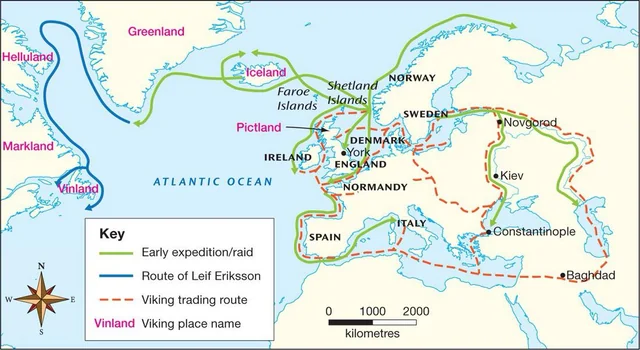
While the popular image of the Viking Age often centers on maritime raids across Western Europe, the Scandinavian expansion to the East was defined by extensive networks of trade, diplomacy, and exploration. The Volga trade route connected the fjords of Norway and the trading hubs of the Baltic directly to the wealthy markets of the Abbasid Caliphate in Baghdad, creating an economic pipeline that brought thousands of Islamic silver coins (dirhams) into the Scandinavian economy.

1. The Eastern Network: The Volga Trade Route

The journey to the East was pioneered by the Rus'—predominantly Swedish and Norwegian Norsemen who ventured into the river systems of Eastern Europe.

  • The Gateway: Traders started from Scandinavian ports such as Birka (Sweden), Hedeby (Denmark), and Kaupang (Norway), crossing the Baltic Sea to reach Staraya Ladoga (Aldeigjuborg) in present-day Russia.

  • River Navigation: From Ladoga, the Rus navigated the Volkhov River, crossing Lake Ilmen, and following the Lovat River.

  • Portages: Because the ships (the knarr or karvi) were shallow-drafted, they could be hauled overland—a process called portage—across the short distances separating river basins to reach the headwaters of the Volga River.

2. The Journey Down the Volga

The passage down the Volga brought travelers into contact with distinct cultures and major trading powers of the 9th and 10th centuries:

  • Volga Bulgaria: A booming semi-nomadic confederation situated at the confluence of the Kama and Volga rivers. Here, the Vikings encountered the westernmost terminal of the overland Silk Road caravans coming from Central Asia and China.

  • The Khazar Khaganate: The Rus' traders passed through the Khazar capital of Atil at the mouth of the Volga. The Khazars controlled the trade moving from the Caspian Sea to the Black Sea and the Caucasus.

  • The Caspian Sea and Baghdad: From Atil, the Vikings sailed across the Caspian Sea (Sea of Jurjan) to the southern shores. From there, goods were carried inland on camelback to Baghdad, the capital of the Abbasid Caliphate—which the Norse called Særkland (the "Land of Silk").

3. The Economy of Exchange: Silver and Slaves

The trade along this route was dictated by supply and demand. Northern Europe had an abundance of raw materials highly valued in the East, while the Islamic world offered manufactured goods and bullion.

  • Northern Exports: The Rus traded animal furs (marten, beaver, and fox), amber, honey, wax, falcons, and enslaved people captured or purchased in neighboring European territories.

  • Southern Imports: In return, they acquired enormous quantities of silver coins (Samanid dirhams), high-quality crucible steel, glass beads, and silk fabrics.

  • The Arab Accounts: The Arab geographer Ibn Khordadbeh wrote in 885–886 about Rus merchants taking their goods via the Caspian Sea and camels to Baghdad, sometimes presenting themselves as Christians to gain access to the city.

4. The Decline of the Route

The trade route peaked during the 9th and 10th centuries, when silver was the lifeblood of the Viking economy. By the late 10th century, the flow of dirhams began to wane due to the exhaustion of mines and political changes in the Islamic world. The focus of the Eastern Vikings then increasingly turned toward the Dnieper trade route (the route from the Varangians to the Greeks) connecting them to Constantinople.

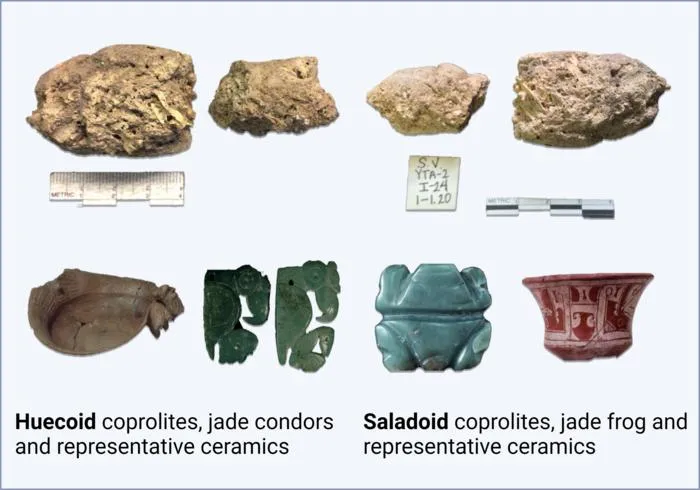
The Paleo-Diet: What Coprolites Reveal About Prehistoric Human Nutrition

May 6, 2026

The Paleo-Diet: What Coprolites Reveal About Prehistoric Human Nutrition

When we think about prehistoric human diets, it is easy to imagine a menu dominated entirely by big-game hunting. However, the most direct, unfiltered evidence of what early humans actually ate comes from an unexpected source: coprolites (fossilized or desiccated feces).

By analyzing the chemical, microscopic, and genetic signatures preserved within these ancient remains, researchers are rewriting the narrative of the Paleolithic diet and revealing a complex, highly varied approach to nutrition.

1. What Are Coprolites?

Coprolites are the preserved remains of digestive waste. Under specific conditions—such as the hyper-arid environments of caves or rockshelters—feces can undergo rapid desiccation or mineralization, preserving fragile organic material for thousands of years.

  • Physical Remains: They can contain undigested seeds, fragments of bone, fish scales, and plant fibers.

  • Biomarkers and DNA: Modern biomolecular techniques allow scientists to extract ancient DNA (aDNA) and proteins from the waste, identifying the exact species consumed and the bacteria that lived in the human gut.

2. Nutritional and Dietary Revelations

Coprolite analysis offers a microscopic and chemical snapshot of a single meal, providing highly specific data about nutrient intake.

  • High-Fiber Diets: Contrary to modern high-protein or low-carb interpretations of the Paleo diet, coprolites from the Upper Paleolithic show massive amounts of dietary fiber. Early humans regularly consumed a wide range of roots, tubers, wild grasses, and fruits.

  • Micro-nutrients and Phytoliths: The discovery of phytoliths (silica structures found in plants) reveals that early humans processed and consumed an incredible diversity of vegetation, even using wild grains and starchy roots.

  • Meat Consumption: While plants were abundant, coprolites also contain traces of meat, hair, and bone fragments, confirming an omnivorous diet that capitalized heavily on available resources.

3. Challenging the Modern "Paleo" Fad

One of the biggest nutritional corrections driven by coprolite science is the dismantling of the idea that Paleolithic humans avoided all carbohydrates or lived on a uniform, strict diet.

  • Seasonal Variation: Analysis shows that the diet changed drastically with the seasons. Spring coprolites might contain leafy greens and early shoots, while winter samples indicate a heavier reliance on stored or dried meat and cached nuts.

  • Carbohydrate Consumption: Studies of both Neanderthal and early Homo sapiens coprolites show the presence of starches and complex carbohydrates, proving that early humans consumed a significant amount of plant matter when it was available.

4. Unlocking the Ancient Microbiome

Beyond the food consumed, the bacteria and microbes preserved in these samples give us a direct look into the prehistoric human microbiome.

  • Gut Diversity: Unlike modern industrialized populations with less diverse gut flora, prehistoric coprolites show a rich, varied microbial ecosystem suited for breaking down wild plants and raw fibers.

  • Pathogens: Traces of parasites and worm eggs have also been found, indicating that early humans dealt with the nutritional drain of chronic parasitic infections alongside their regular foraging.

Ancient Greek Medicine: The Healing Sanctuaries of Asclepius

May 6, 2026

Ancient Greek Medicine: The Healing Sanctuaries of Asclepius

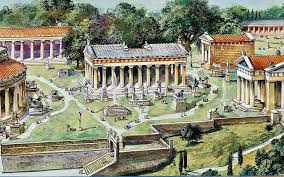
Dedicated to Asclepius, the Greek god of medicine and healing, the Asclepieia (singular: Asclepieion) were far more than simple temples. They functioned as comprehensive healing centers that combined spiritual faith with natural remedies, physical therapies, and psychological well-being. These sanctuaries laid the foundations for early holistic medicine in the ancient Mediterranean.

1. The Layout and Architecture of the Sanctuaries

The sanctuaries were typically built in serene, natural settings known for their fresh air, mineral springs, and peaceful surroundings, as the environment was considered a crucial part of the healing process.

  • The Temple (Naos): The religious center of the sanctuary, housing the cult statue of Asclepius, often made of gold and ivory.

  • The Abaton (or Koimeterion): A long, covered stoa or dormitory where patients slept to await a visitation from the god.

  • The Tholos: A mysterious circular building, often featuring intricate subterranean labyrinths or concentric circles, whose exact purpose remains debated by archaeologists (possibly used as a symbolic home for the sacred snakes of Asclepius).

  • Ancillary Facilities: Most major sanctuaries included a gymnasium, a stadium for athletic recovery, and a large theater for performances, as mental stimulation and art were considered integral to recovery.

2. The Healing Process: The Ritual of Incubation

The central therapeutic practice at the Asclepieion was the ritual of incubation (enkoimesis), a form of dream therapy.

  1. Purification: Patients first underwent ritual cleansing by bathing in cold or mineral springs and offering sacrifices to the gods.

  2. Consultation: Priests reviewed the patient's symptoms and prepared them for their night in the abaton.

  3. The Dream: While sleeping in the dormitory, patients would pray for a visitation from Asclepius or his sacred, non-venomous snakes. In the dream, the god might touch the affected area or provide a prescription (such as a specific diet, herbal remedy, or physical exercise).

  4. Interpretation: The following morning, priests helped interpret the dreams and administer the prescribed cures.

3. Medical Practices and Holistic Care

While the healing process was heavily rooted in religious belief, the priests and attendants also applied practical medical treatments:

  • Herbal Medicine and Surgery: Priests used poultices, natural ointments, and basic surgical procedures alongside divine remedies.

  • Diet and Exercise: Regimens involving specific foods, hydrotherapy, and physical training were highly recommended to restore the balance of the body's humors.

  • Psychological Healing: The beautiful natural landscapes, combined with dramatic performances and social interaction, played a large role in lowering stress and promoting healing.

4. The Most Famous Asclepieia

Several sanctuaries grew into prominent medical and cultural hubs, the most notable being:

  • Epidaurus: The most important and the architectural model for other healing centers, famous for its grand theater and tholos.

  • Kos: The home of the medical school associated with Hippocrates, where medicine began to diverge slightly from divine intervention toward clinical observation.

  • Pergamon: Located in modern-day Turkey, it featured a famous library, a medical complex, and a natural spring where patients were treated with mud baths and herbs.

The Kingdom of Kush: The Royal Pyramids of Meroë and Their Secrets

May 6, 2026

The Kingdom of Kush: The Royal Pyramids of Meroë and Their Secrets

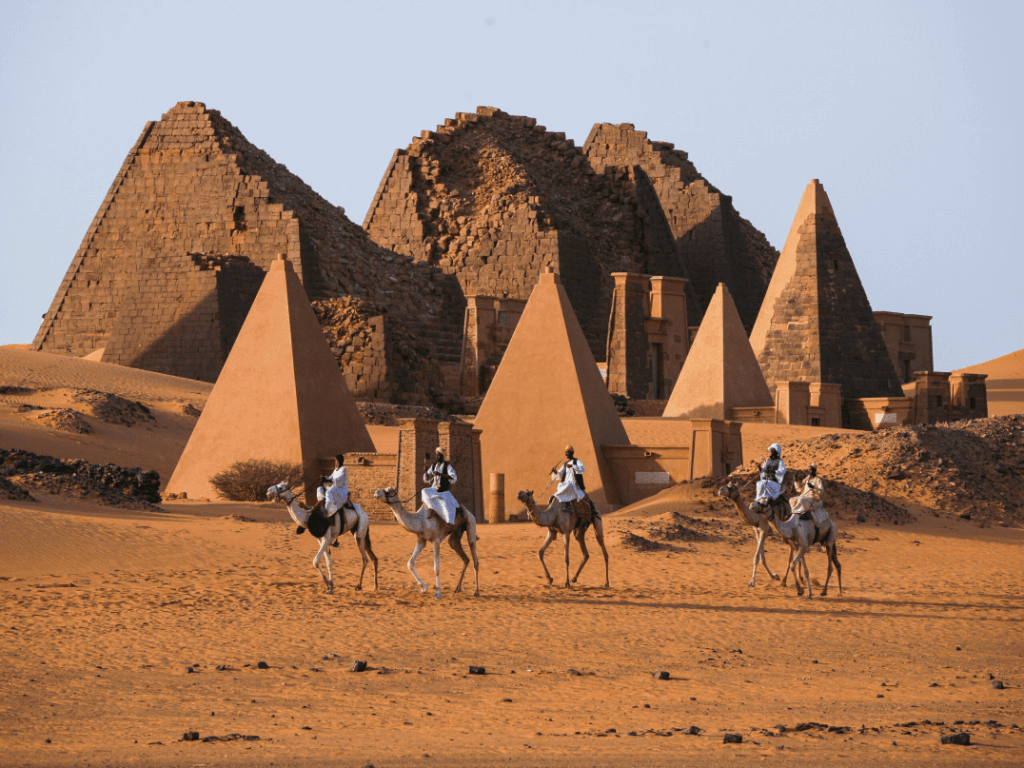
The desert plains of Sudan hold an archaeological wonder that frequently surprises those who associate pyramids solely with Egypt. Meroë, the final capital of the ancient Kingdom of Kush, is home to more than 200 pyramids—making it the largest concentration of pyramids in the world. Built over a thousand years after the last Egyptian pyramids, these monuments represent an incredible feat of engineering and a testament to an African civilization that engaged in trade spanning from the Mediterranean to India and China.

1. The Distinctive Architecture of Meroë

The pyramids of Meroë, built between 270 BCE and 320 CE, differ significantly in style and scale from their Egyptian predecessors.

  • Steep Angles: The Kushite pyramids are much narrower at the base relative to their height, giving them a distinct, steep slope. They range from 6 to 30 meters (20 to nearly 100 feet) in height.

  • Integrated Chapels: Unlike Egyptian tombs, attached to the eastern face of a Meroitic pyramid is a small, dedicated offering chapel or temple. These chapels often feature prominent pylon (tapering gateway) structures and carved stelae.

  • Solid Construction: The pyramid itself acts as a solid monument rather than a hollow vault; the outer layers of dressed sandstone encase an internal core of packed rubble and dirt.

2. The Hidden Tombs Beneath

The most fascinating secrets of Meroë lie hidden beneath the sand rather than inside the stone superstructure itself.

  • Underground Tombs: A narrow, buried staircase descends from the surface in front of the chapel, leading into a sequence of two or three underground burial chambers cut directly into the bedrock.

  • Vibrant Frescoes: The underground walls are adorned with brightly colored painted murals and gypsum reliefs depicting both Kushite and Egyptian deities, such as Isis and Osiris, reflecting their blended religious traditions.

  • The Ba Statues: The offering chapels once held distinctive, carved statues of the ba—the aspect of the human soul depicted as a human-headed bird—designed to allow the deceased to journey between the physical and spiritual worlds.

3. Advanced Construction Techniques

Kushite engineers successfully sustained a monumental building boom over centuries by combining local iron-age technology with borrowed methods.

  • The Shaduf Lever: Excavations and archaeological finds have revealed the use of the shaduf—a counterweighted lever or wooden crane—anchored at the center of the structure, used to lift sandstone blocks and red bricks into place.

  • Finish and Form: Originally, the structures were faced with white or red plaster and featured striking decorative capstones (like solar discs) made of sandstone or bronze, catching the reflection of the desert sun.

4. The Black Pharaohs and Powerful Queens

Meroë was the seat of a wealthy, independent culture that had its own writing system (Meroitic script) and a society with high female political participation.

  • The 25th Dynasty: Kushite kings conquered Egypt in the 8th century BCE and ruled as the "Black Pharaohs," reviving the tradition of pyramid building during their reign.

  • Queen Mothers (Kandakes): Meroitic society elevated royal women to positions of sovereign power. Queens such as Amanirenas and Amanishakheto are depicted on their pyramid walls as strong leaders, sometimes wearing armor and participating in the protection of the state.

Roman Pompeii: New Discoveries in the Insula of the Chaste Lovers

May 6, 2026

Roman Pompeii: New Discoveries in the Insula of the Chaste Lovers

The Insula of the Chaste Lovers (Insula dei Casti Amanti, located in Regio IX) is one of the most significant and dynamic excavation projects in the Pompeii Archaeological Park. Recent excavations, structural stabilization, and the addition of a suspended walkway network have brought extraordinary new details to light, offering an intimate glimpse into the final hours of the city's inhabitants.

1. The Insula Complex

The insula is a complete city block spanning over 1,500 square meters. Its name originates from a detailed fresco in the dining room depicting a couple sharing a tender, chaste kiss during a banquet. The complex consists of several interconnected structures used for both commercial and residential purposes:

  • The House of the Chaste Lovers: A luxurious domus featuring well-preserved triclinium walls and beautiful decorations.

  • The House of the Painters at Work: A property named for the painting tools, pigment cups, and unfinished frescoes that were frozen in time as workers rushed to evacuate.

  • The House of the Colonnaded Cenacle: Named for the peristyle inner courtyard surrounded by columns.

2. Recent Archaeological Discoveries

Ongoing investigations, maintenance, and safety work along the block's perimeter have revealed remarkable new archaeological layers:

  • Syn-eruptive Earthquakes: In a utility room, archaeologists discovered the skeletons of two men over the age of 55 who died not from ash inhalation or pyroclastic flow, but from the severe earthquakes that accompanied the eruption. The walls of the room detached and collapsed, crushing the individuals as they sought shelter.

  • Intact Artifacts: Alongside the victims, researchers found stacked vessels, bowls, jugs, and a bundle wrapped in fabric containing coins and glass-paste necklace beads.

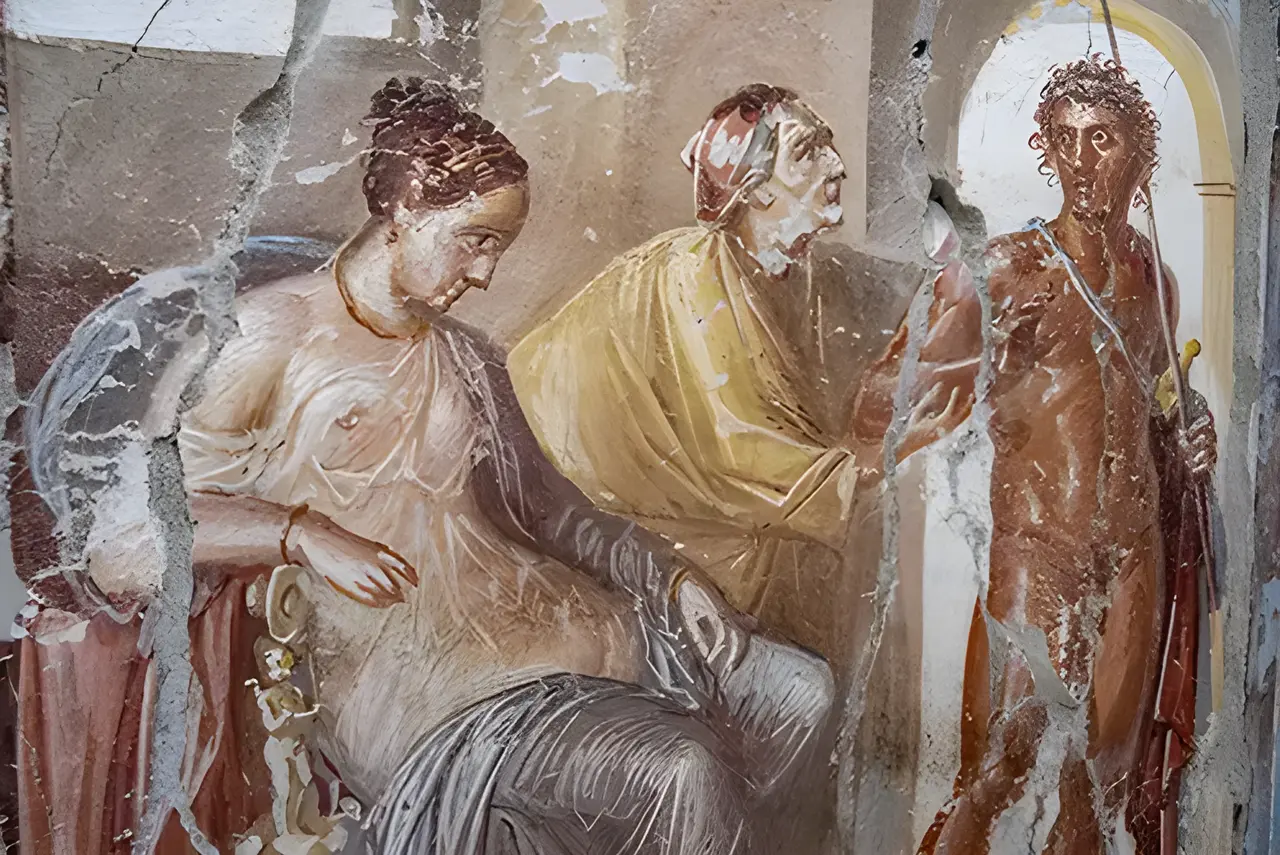
  • The "House of Phaedra": Excavators uncovered a small residence deviating from the traditional atrium plan, decorated with vibrant Fourth-Style mythological frescoes depicting the myth of Hippolytus and Phaedra, Venus and Adonis, and a scene of a satyr and nymph.

  • The Black Salon: A formal banqueting room with elegant black walls decorated with mythological subjects inspired by the Trojan War, featuring the inscription hic et ubique and still-life paintings of fish and game.

3. Insights into Daily Life and Commerce

The findings demonstrate a bustling commercial and domestic space undergoing renovation when Mount Vesuvius erupted in 79 CE.

  • Interrupted Craftsmanship: Cups still full of pigment and preparatory wall drawings provide unique evidence of the construction work taking place in the last days of the city.

  • A Working Bakery: The complex includes a large, functioning bakery with stone millstones, stables that housed the remains of draft animals, and a large oven.

The Sea Peoples: Identifying the Mysterious Confederation That Ended the Bronze Age

May 6, 2026

The Sea Peoples: Identifying the Mysterious Confederation That Ended the Bronze Age

The Late Bronze Age (c. 1550–1200 BCE) was a period of high civilization, marked by prosperous empires such as the Hittites, Mycenaeans, and the New Kingdom of Egypt. Within a span of just a few decades around 1200 BCE, many of these centers were destroyed or abruptly abandoned, marking the beginning of the collapse. Egyptian texts from the era identified a shadowy, confederate group of raiders known as the Sea Peoples as a major force in these dramatic events.

1. The Historical Inscriptions

Our primary written knowledge of the Sea Peoples comes from monumental Egyptian records and inscriptions.

  • The Merneptah Stele (c. 1207 BCE): During the reign of Pharaoh Merneptah, Egypt fought off a coalition of Libyans and sea-faring tribes. The inscription lists the invaders, including the Sherden, Shekelesh, Lukka, Teresh, and Ekwesh.

  • Medinet Habu Inscriptions (c. 1175 BCE): The mortuary temple of Ramesses III at Medinet Habu provides extensive reliefs and textual records of the Sea Peoples' second major invasion during his eighth year. The text lists groups including the Peleset, Tjeker, Denyen, and Weshesh.

  • The Peleset Connection: Most historians associate the Peleset with the Philistines, who subsequently settled in the southern Levant (modern-day Gaza).

2. The Confederation and Proposed Origins

The Sea Peoples were likely a disparate group of displaced peoples, mercenaries, and raiders rather than a single unified ethnicity. Historians and linguists trace them to several different regions across the Mediterranean:

  • The Aegean & Anatolia: Many scholars note the linguistic and material similarities between groups like the Denyen (possibly the Danaans/Mycenaean Greeks) and the Lukka (from southwestern Anatolia).

  • The Western Mediterranean: Names like the Sherden and Shekelesh share phonetic similarities with Sardinia (Sardana) and Sicily (Sikels), suggesting that the confederation drew from far-flung origins.

  • Economic Refugees: Some recent archaeological models suggest the confederation was composed of groups displaced by broader climate shifts, widespread drought, and famine in the Mediterranean.

3. The Archaeological Debate: Cause or Symptom?

The role of the Sea Peoples in the Bronze Age collapse has been heavily debated by modern Near Eastern professionals and archaeologists.

  • The Instigator Theory: Early 20th-century scholarship viewed the Sea Peoples as an invading army that deliberately dismantled the Late Bronze Age palace economies (such as destroying Hattusa, Ugarit, and Mycenaean centers).

  • The Symptom Theory: Contemporary archaeologists argue that the collapse was primarily driven by a "perfect storm" of environmental, economic, and social stressors (such as prolonged drought and earthquakes). In this view, the Sea Peoples were as much a symptom of the collapsing system as they were its cause—desperate, migrating refugees who turned to piracy and pillaging when their domestic systems failed.

← Newer Posts Older Posts →
Featured
image_2026-05-12_233536697.png
May 13, 2026
Roman Shipwrecks: The Grand Congloué and Ancient Wine Trade
May 13, 2026
Read More →
May 13, 2026
image_2026-05-12_233507059.png
May 13, 2026
The Viking Sun Compass: Navigating the North Atlantic Without Stars
May 13, 2026
Read More →
May 13, 2026
image_2026-05-12_233424977.png
May 13, 2026
Ancient Phoenician Navigation: Did They Circumnavigate Africa?
May 13, 2026
Read More →
May 13, 2026
image_2026-05-12_233354765.png
May 13, 2026
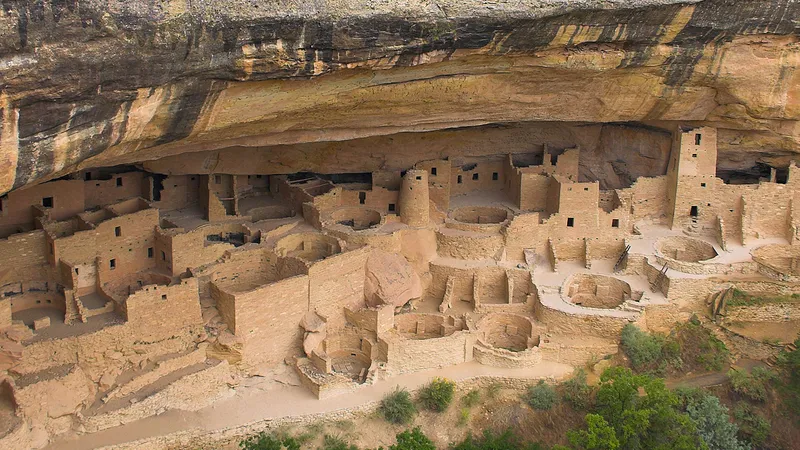
The Anasazi Cliff Dwellings: The Architecture of Mesa Verde
May 13, 2026
Read More →
May 13, 2026
image_2026-05-12_233318188.png
May 13, 2026
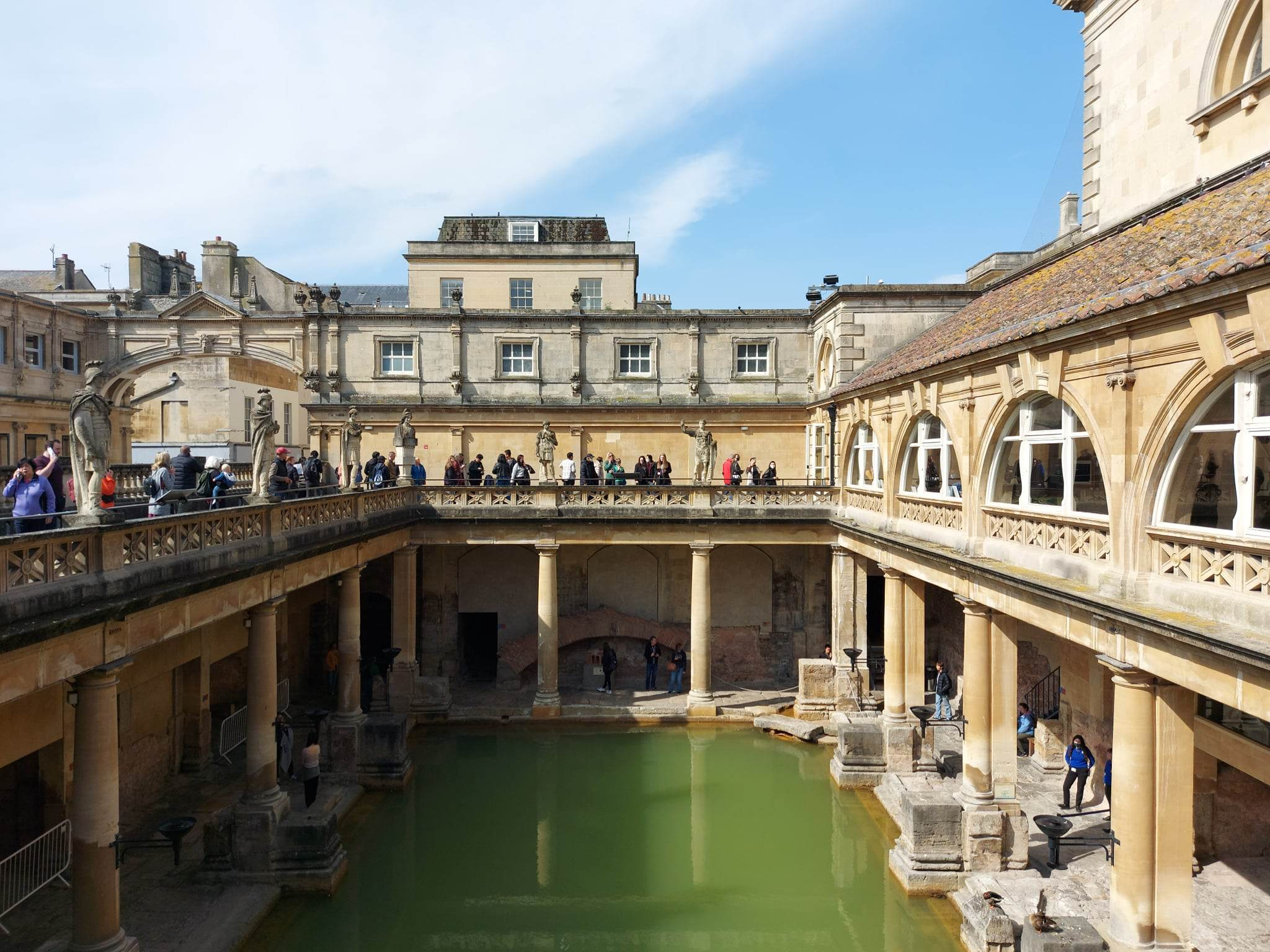
Roman Baths in Bath: The Healing Waters of Sulis Minerva
May 13, 2026
Read More →
May 13, 2026
image_2026-05-12_233232674.png
May 13, 2026
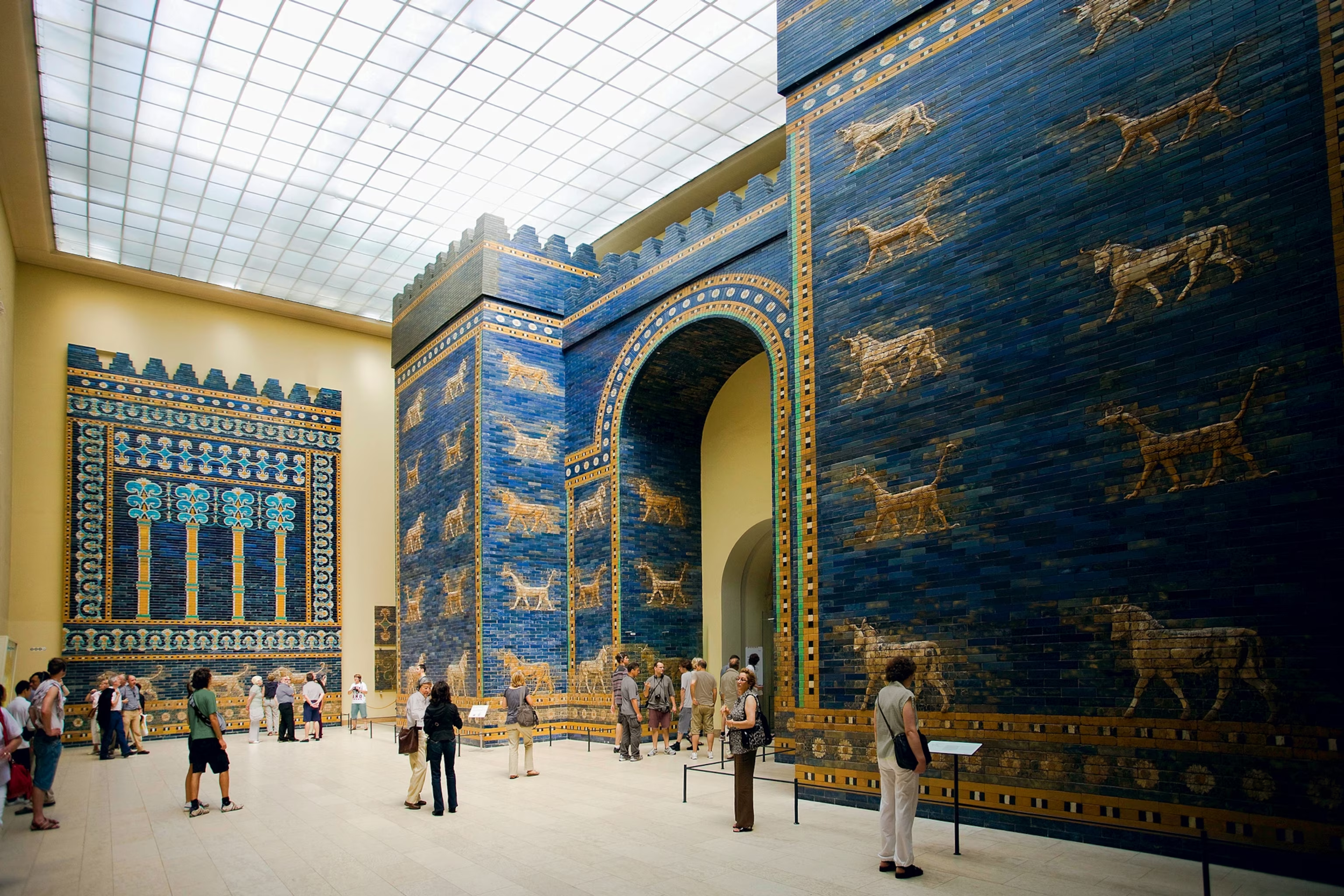
The Walls of Babylon: The Ishtar Gate and the Processional Way
May 13, 2026
Read More →
May 13, 2026
read more

Powered by The archaeologist